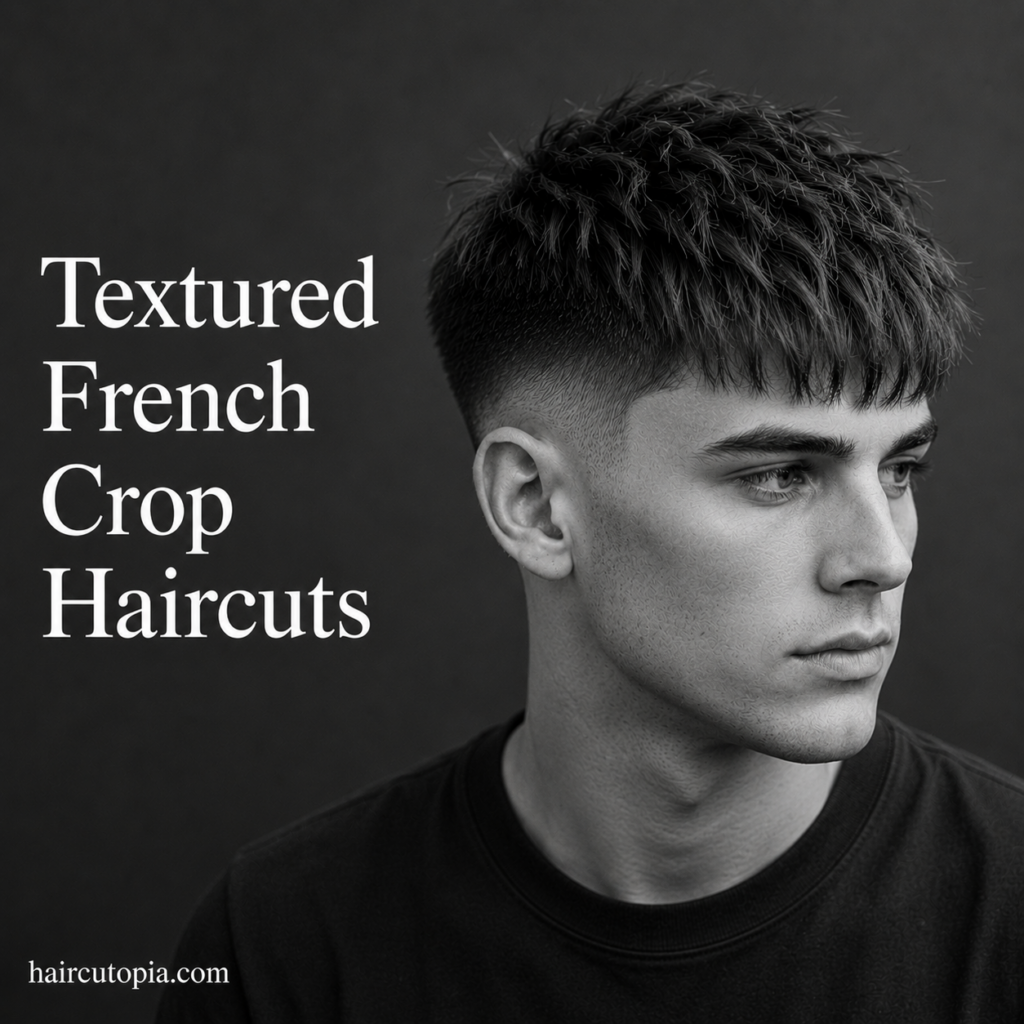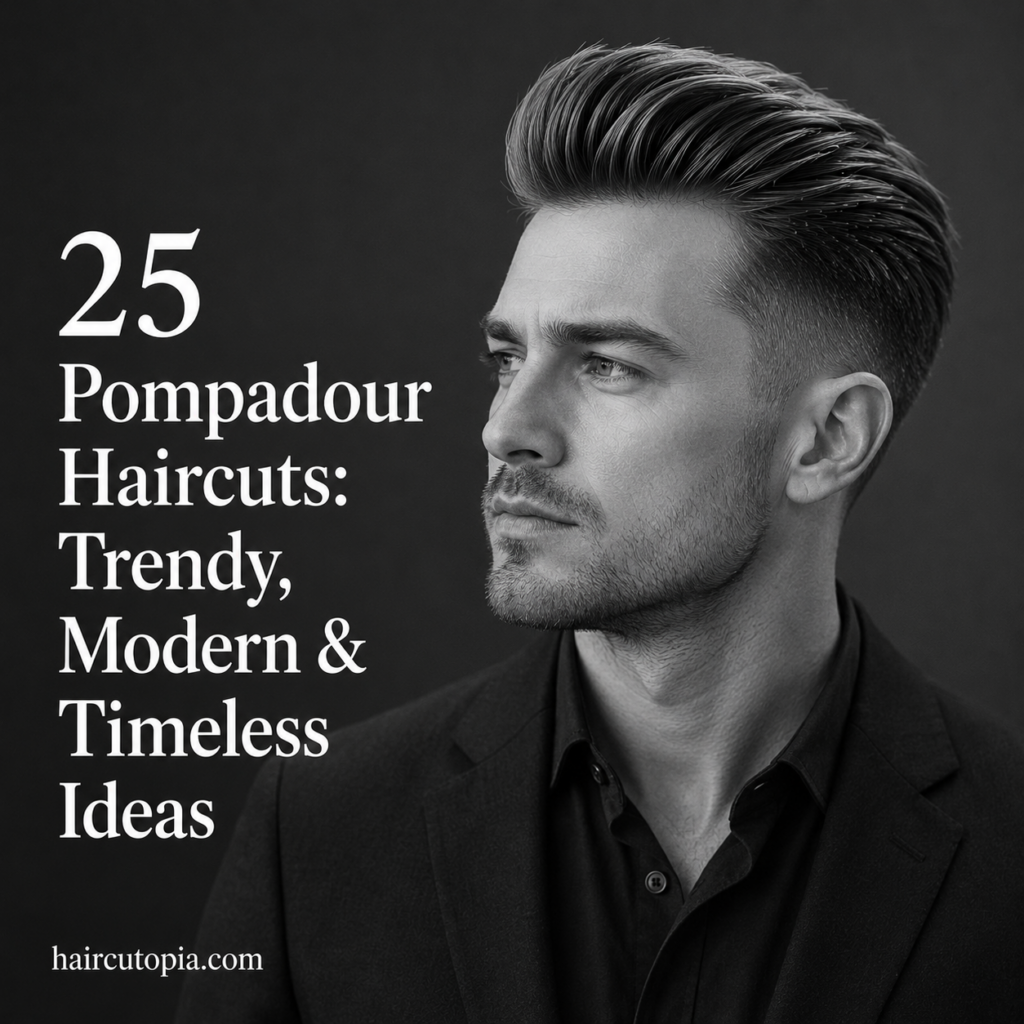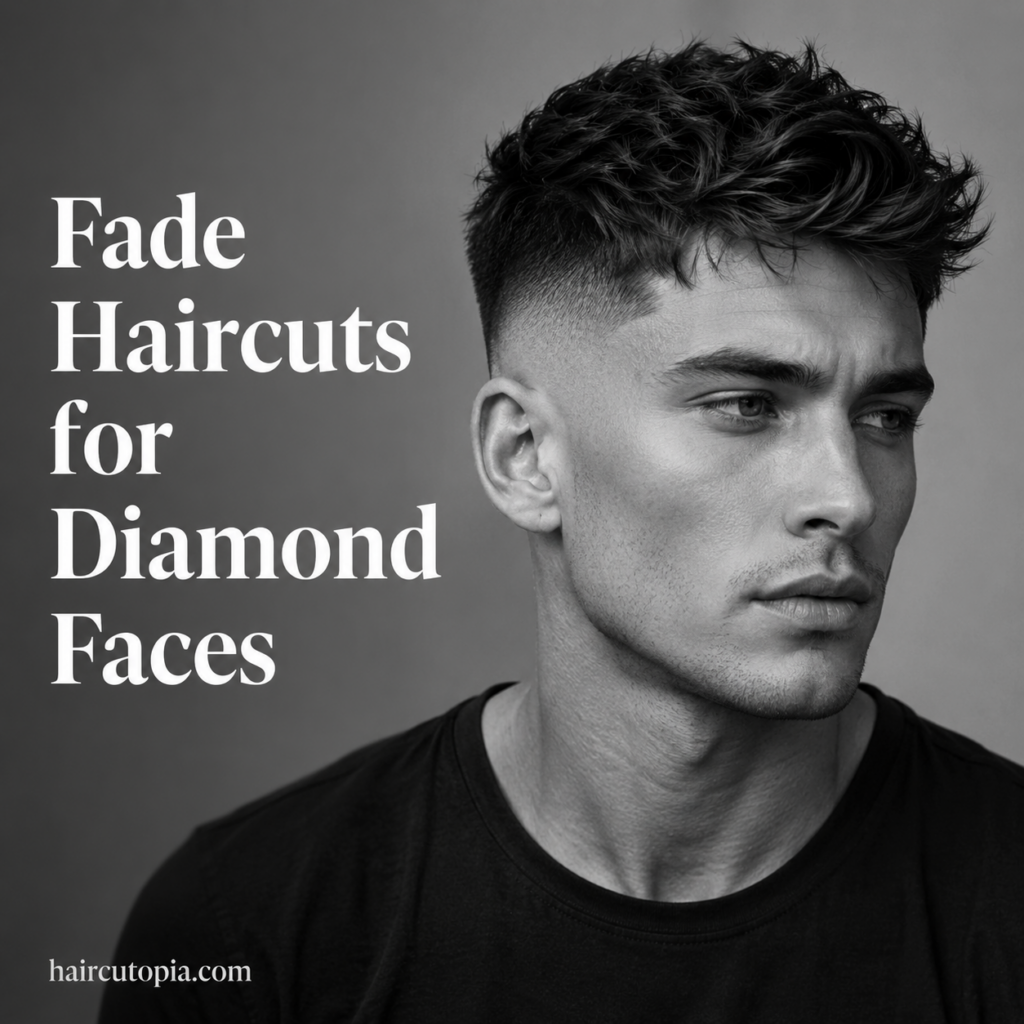
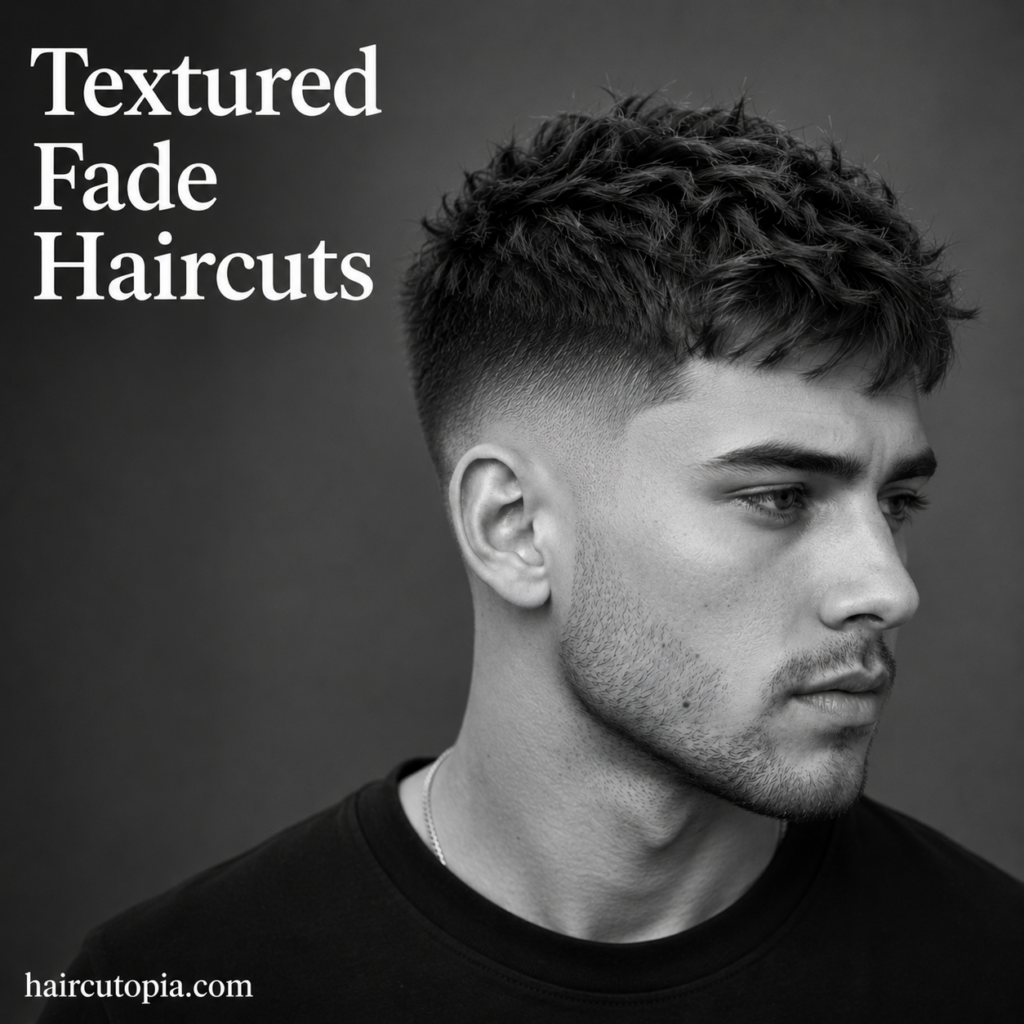
Textured fade haircuts have become one of the most popular men’s hairstyles for a reason. They combine the clean, structured look of a fade with natural movement and layers on top, creating a style that feels modern without looking overly styled.
Unlike ultra-slick or perfectly sculpted hairstyles, textured cuts embrace a slightly relaxed appearance. Hair can move naturally, show separation, and still look intentional. That balance makes textured fade haircuts work in almost every setting—from offices and classrooms to nights out and everyday life.
If you want a hairstyle with personality that doesn’t feel stiff or outdated, texture and fades make a strong combination.
What Is a Textured Fade Haircut?
A textured fade haircut combines faded sides with layered hair on top that creates movement and visual depth.
Texture can be added through:
- Point cutting techniques
- Layering
- Razor work
- Natural waves or curls
- Styling products
The fade keeps the haircut clean around the sides while the textured top adds character.
Instead of everything looking perfectly combed into place, textured styles often look slightly effortless—and that’s part of their appeal.
Why Textured Fade Haircuts Are So Popular
There’s a reason barbers hear requests for textured cuts every day.
Benefits include:
- Adds volume and movement
- Works with many face shapes
- Creates a modern appearance
- Helps hair look thicker
- Works with different hair types
- Can be styled formally or casually
Texture often gives hair a more natural finish compared to heavily styled looks.
Best Textured Fade Haircuts for Men
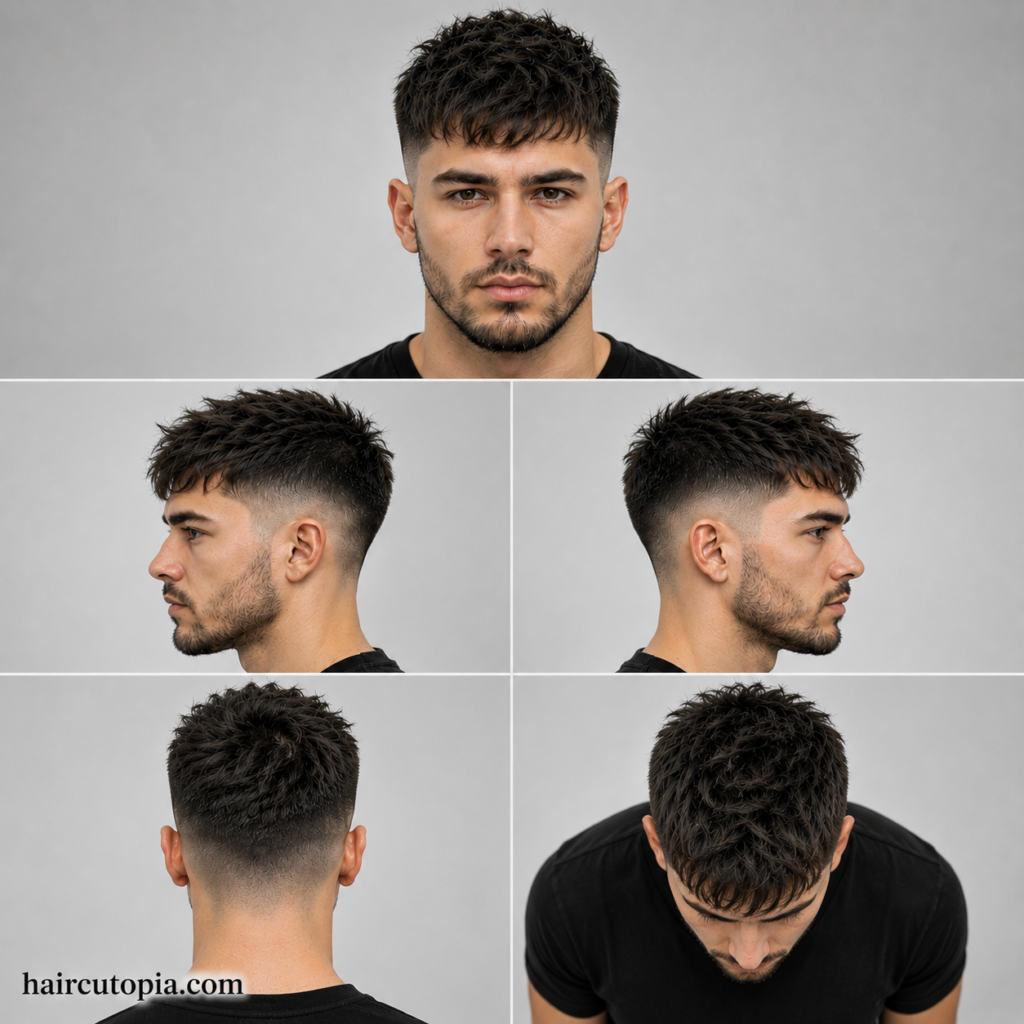
Textured Crop Fade
The textured crop fade remains one of the biggest haircut trends in recent years.
Hair on top stays short to medium length with choppy texture, while faded sides keep the style clean.
Reasons men like it:
- Easy daily styling
- Minimal maintenance
- Works with straight and wavy hair
- Creates a youthful look
A little matte product is usually enough to define texture.
Low Textured Fade
A low fade starts closer to the ears and creates a softer transition.
Pairing that subtle fade with textured hair on top gives a balanced look that feels clean but not overly dramatic.
This style works especially well for:
- Professional settings
- Men trying fades for the first time
- Conservative environments
- Everyday wear
It grows out naturally too, which many people appreciate.
Mid Fade with Messy Texture
This haircut creates more contrast.
The fade sits slightly higher while textured hair on top adds volume and movement.
The result feels:
- Modern
- Relaxed
- Stylish
- Versatile
The key word here is controlled messiness. You want texture, not bedhead.
Textured Fade Haircuts by Hair Type
Straight Hair
Texture adds dimension that straight hair sometimes lacks naturally.
Strong options include:
- Textured crop fade
- Messy fringe fade
- Side-swept textured fade
- Layered mid fade
Light products often help create separation.
Thick Hair
Thick hair and texture naturally complement each other.
Good haircut ideas:
- Textured quiff fade
- Choppy crop fade
- Mid textured fade
- Low fade with layers
Removing side bulk keeps thick hair manageable.
Thin Hair
Texture can create the illusion of density.
Recommended choices:
- Short textured crop
- Low fade with layered top
- Side-swept textured fade
Too much length can sometimes make thinning areas more noticeable.
Wavy Hair
Waves already provide natural texture.
Fade styles that work well:
- Low fade with waves
- Textured fringe fade
- Mid fade with natural movement
Rather than forcing waves flat, many barbers prefer enhancing them.
Curly Hair
Texture and curls naturally belong together.
Popular options:
- Curly textured fade
- Low fade with curls
- Textured crop curls
Natural volume often becomes the haircut’s biggest advantage.
Low Fade vs High Fade for Textured Styles
The fade level changes the overall look.
Low Fade
Pros:
- Softer appearance
- More conservative
- Grows out naturally
Cons:
- Less dramatic contrast
High Fade
Pros:
- Sharper visual separation
- More modern edge
- Emphasizes texture strongly
Cons:
- Requires more upkeep
Choosing between them usually comes down to personal style.
How to Style a Textured Fade Haircut
Fortunately, textured styles rarely require perfect precision.
A simple routine often works:
- Towel dry hair
- Apply a matte product
- Use fingers instead of a comb
- Push hair naturally into place
- Allow movement and separation
Texture looks best when it doesn’t appear overworked.
Best Products for Textured Haircuts
The right products make a major difference.
Matte Clay
Adds hold while maintaining a natural appearance.
Texture Powder
Creates lift and separation.
Sea Salt Spray
Adds movement and volume.
Styling Paste
Provides flexible hold with texture.
Avoid heavy gel products. They can flatten movement and create a stiff finish.
Common Mistakes With Textured Fade Haircuts
Texture works best when it looks natural.
Common mistakes include:
- Using too much product
- Overstyling every strand
- Choosing excessive top length
- Ignoring hair type
- Skipping regular trims
Messy and textured aren’t exactly the same thing.
Final Thoughts
Textured fade haircuts continue to stay popular because they blend structure with personality. The faded sides create clean lines while the texture on top keeps everything relaxed and modern.
Whether you choose a textured crop, messy fade, layered style, or natural curls, texture adds movement that helps hair look fuller and more dynamic.
Some hairstyles try too hard. Textured fades often look best when they feel effortless.