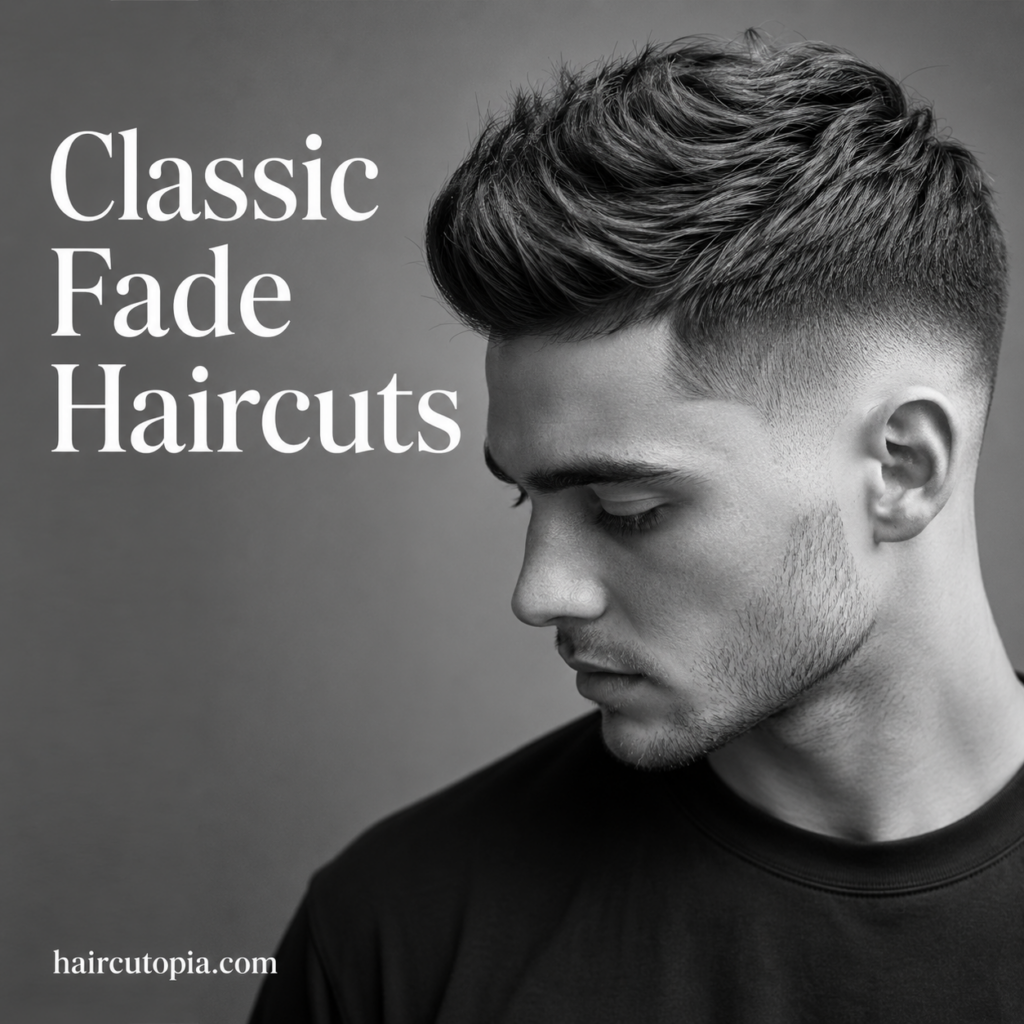
Fade haircuts come and go in different variations, but some styles never lose their appeal. Classic fade haircuts have stayed popular for decades because they balance clean lines, versatility, and a polished appearance without looking overly trendy.
Whether you’re heading to the office, dressing up for an event, or simply want a haircut that looks sharp every day, classic fades continue to be one of the safest and most stylish choices available.
This guide breaks down what makes a fade “classic,” the most popular variations, who they suit best, and how to keep them looking fresh.
What Is a Classic Fade Haircut?
A classic fade haircut gradually tapers hair from longer lengths on top down to shorter hair near the sides and neckline. Unlike extreme skin fades or highly disconnected styles, classic fades usually create a softer, more natural transition.
The goal isn’t to make the fade the center of attention. Instead, it supports the overall haircut.
Classic fades are often paired with:
- Side parts
- Pompadours
- Crew cuts
- Ivy League styles
- Slick backs
- Short textured tops
- Comb overs
These combinations create a timeless look that works across generations.
Why Classic Fade Haircuts Remain Popular
Trendy cuts can rise quickly and disappear just as fast. Classic styles tend to stick around for a reason.
Some of the biggest advantages include:
- Clean and professional appearance
- Works in casual and formal settings
- Easy to customize
- Suitable for many hair textures
- Looks stylish at almost any age
- Grows out more naturally than extreme fades
A good classic fade rarely looks outdated.
Most Popular Classic Fade Haircuts
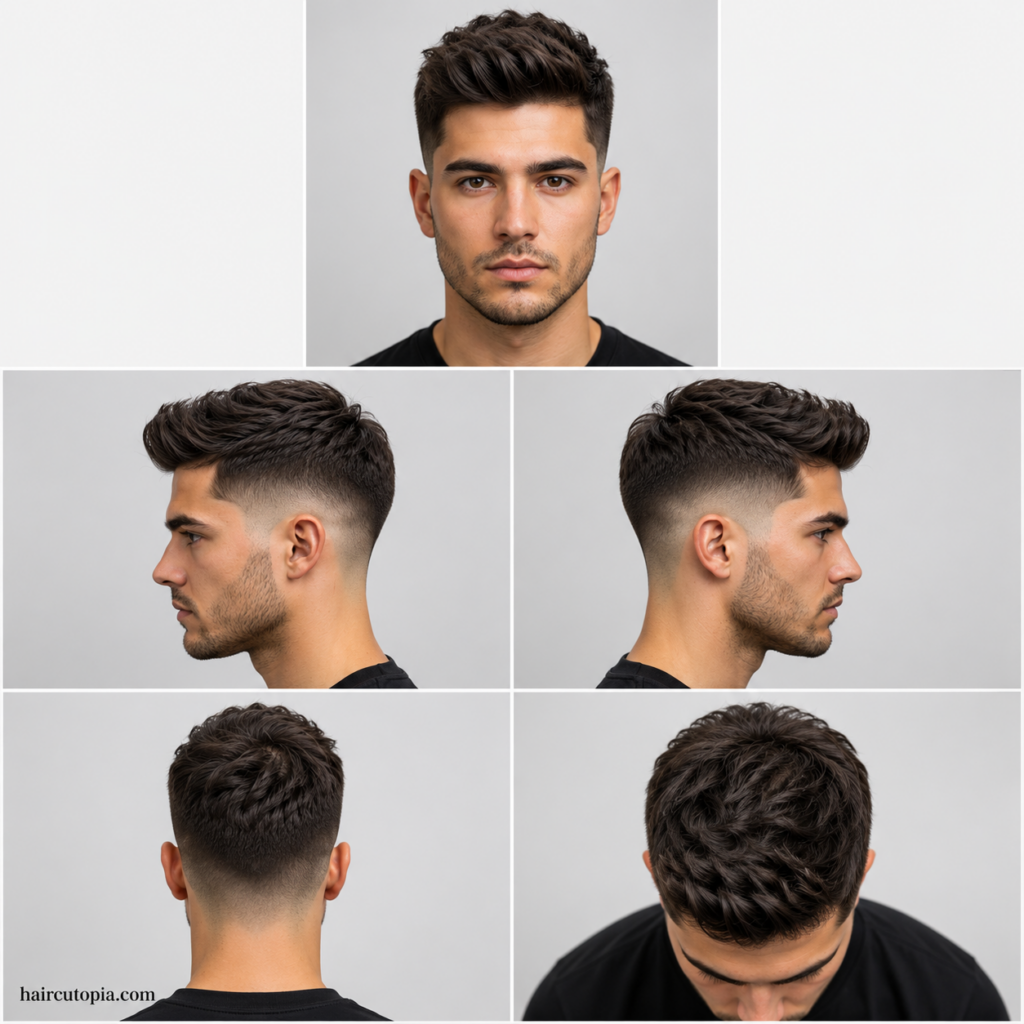
Low Classic Fade
The low fade begins around the ear area and creates a subtle transition.
This is one of the safest options if you want a clean look without making the fade too dramatic.
Works especially well with:
- Side parts
- Business hairstyles
- Short textured tops
- Crew cuts
Best for men wanting a professional and understated style.
Mid Classic Fade
The mid fade starts slightly higher and creates a stronger contrast while still maintaining a traditional appearance.
It provides balance between subtle and noticeable.
Popular pairings include:
- Pompadours
- Comb overs
- Slick backs
- Modern textured styles
Many barbers consider the mid fade one of the most versatile haircut options available.
Taper Fade
Technically, taper fades are often grouped into classic fade styles because they create a softer finish.
Hair gradually shortens around:
- Sideburns
- Neckline
- Around the ears
Rather than removing a lot of side length, taper fades preserve more hair and create a polished look.
Classic Fade With Side Part
This combination has remained popular for decades.
The side part creates structure while the fade cleans up the sides without making the haircut look overly modern.
Ideal for:
- Office settings
- Formal events
- Weddings
- Everyday wear
It works particularly well for men wanting a refined appearance.
Pompadour Fade
The pompadour adds volume while the fade prevents the style from appearing too heavy.
Classic pompadour fades usually avoid aggressive skin fades and instead rely on softer transitions.
The result feels polished rather than edgy.
Crew Cut Fade
The crew cut already has a long history, and pairing it with a fade modernizes it without changing its timeless appeal.
Benefits include:
- Low maintenance
- Athletic appearance
- Fast styling
- Clean structure
For men wanting simplicity, this is difficult to beat.
Choosing the Right Classic Fade for Your Face Shape
Not every fade works equally well for everyone.
Oval Face
Oval faces usually handle nearly every fade variation.
Good choices:
- Low fades
- Mid fades
- Taper fades
- Side part fades
Round Face
Adding height on top creates more definition.
Try:
- Mid fades
- Pompadour fades
- Comb over fades
Avoid excessive width at the sides.
Square Face
Strong jawlines pair naturally with classic fade styles.
Great options:
- Crew cut fades
- Side part fades
- Low fades
Diamond Face
Diamond face shapes often benefit from moderate side fullness.
Try softer fades rather than extremely high fades.
Hair Types That Work Well With Classic Fades
One reason fade haircuts remain popular is flexibility.
Classic fades work well with:
Straight Hair
Straight hair highlights clean blending and structure.
Thick Hair
Thicker hair creates stronger contrast and volume.
Wavy Hair
Waves add natural movement and texture.
Curly Hair
Classic fades can reduce bulk while keeping curls controlled.
Fine Hair
Subtle fades can create the illusion of thicker sides and better shape.
What to Ask Your Barber
Many haircut disappointments happen because of vague descriptions.
Instead of simply saying:
“Give me a fade.”
Try something more specific:
- Mention low, mid, or taper fade
- Explain how much length you want on top
- Say whether you prefer a natural or sharp finish
- Mention side part, slick back, or textured styling
- Show reference photos if possible
Clear communication usually produces better results.
How to Style a Classic Fade
Most classic fade styles require very little effort.
Popular styling products include:
- Matte clay for natural texture
- Pomade for shine
- Light cream for softer movement
- Sea salt spray for added volume
Simple routine:
- Start with slightly damp hair
- Apply a small amount of product
- Style using fingers or a comb
- Finish with light hold spray if needed
Less product usually works better.
How Often Should You Get a Fade Touch-Up?
Fades grow out fairly quickly.
General maintenance schedule:
- Skin fades: every 1–2 weeks
- Mid fades: every 2–3 weeks
- Low fades: every 3–4 weeks
- Taper fades: every 3–5 weeks
Classic styles usually age better between appointments because transitions are softer.
Common Mistakes to Avoid
Even timeless haircuts can go wrong.
Watch out for:
- Going too high with the fade
- Choosing extreme contrast
- Ignoring face shape
- Overusing styling products
- Waiting too long between cuts
- Not explaining preferences clearly
Small details often separate a good haircut from a great one.
Final Thoughts
Classic fade haircuts continue to survive changing trends because they simply work. They’re clean, adaptable, and suit a wide range of personalities and lifestyles.
Some hairstyles feel tied to a specific era. Classic fades avoid that problem. They look modern enough for today while keeping a timeless foundation that still works years later.
If you’re unsure what haircut to try next, a classic fade remains one of the safest—and smartest—choices available.
Related Posts
 Comb Over Haircuts for Men Over 50: Timeless Styles That Look Sharp and Natural
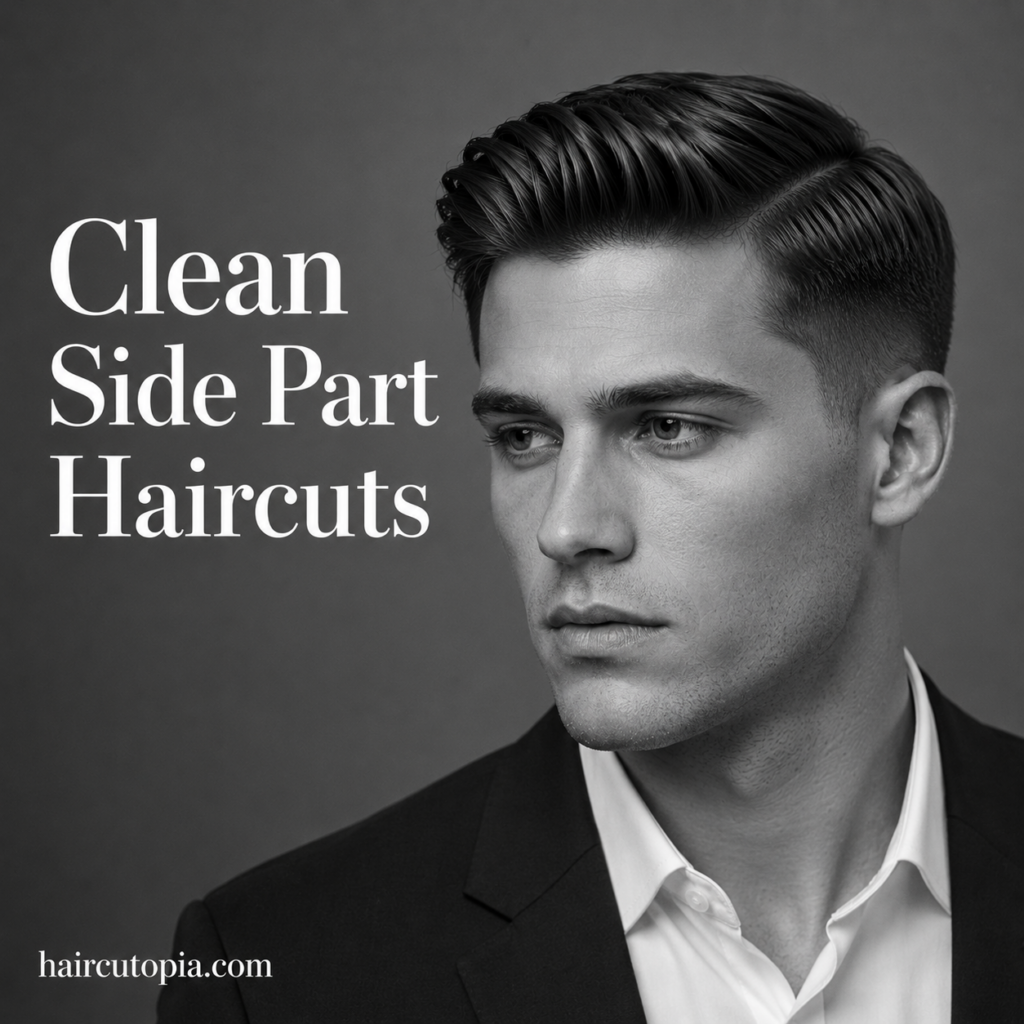 Clean Side Part Haircuts: Sharp, Polished Styles for Men
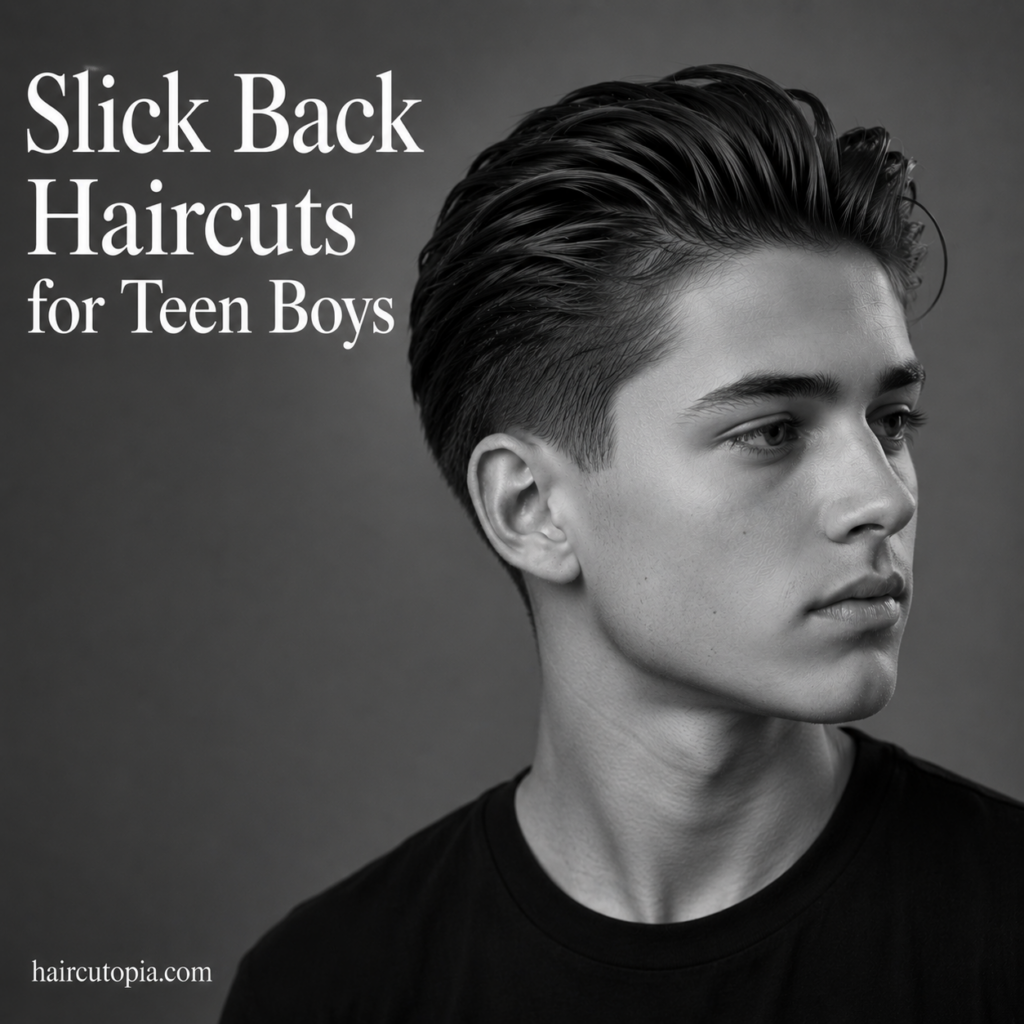 Slick Back Haircuts for Teen Boys: 18 Stylish Looks That Balance Confidence and Everyday Wear
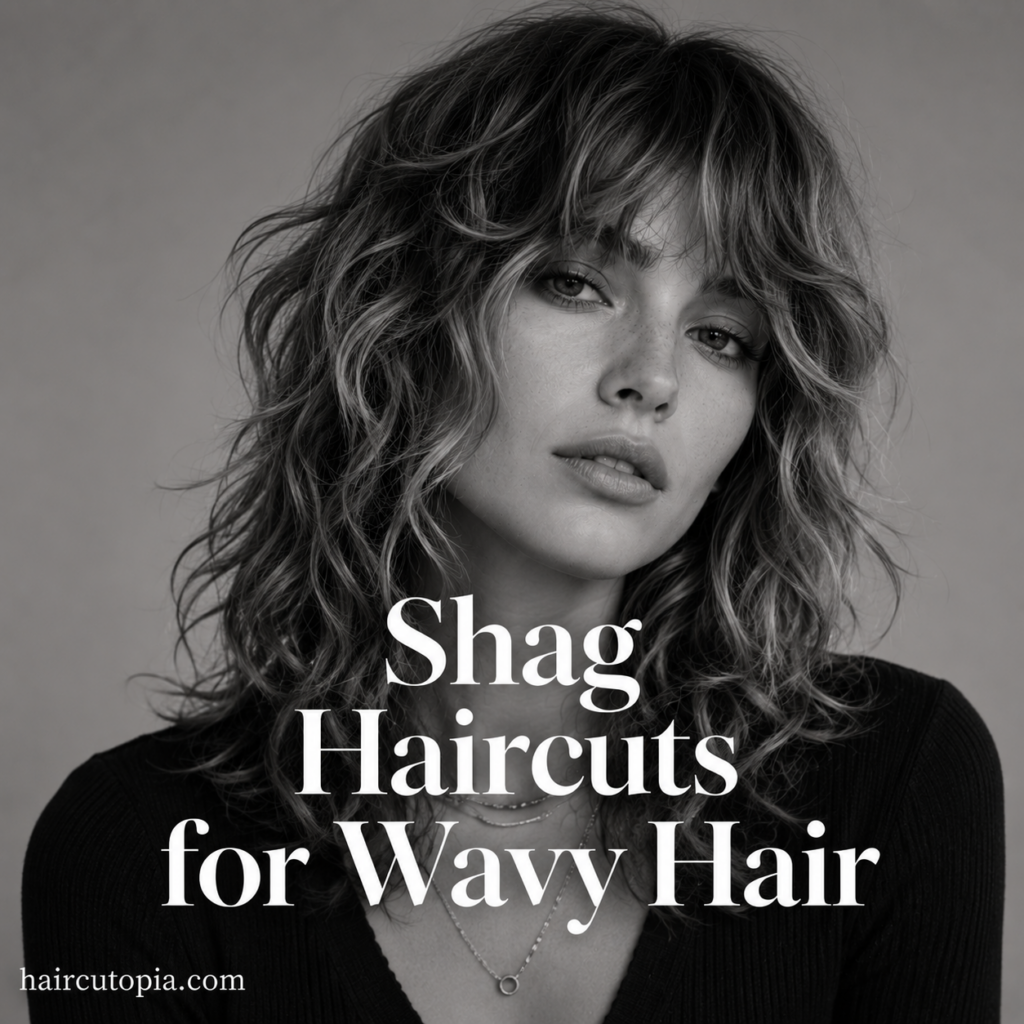 Shag Haircuts for Wavy Hair: 25 Effortless Styles Full of Texture and Movement