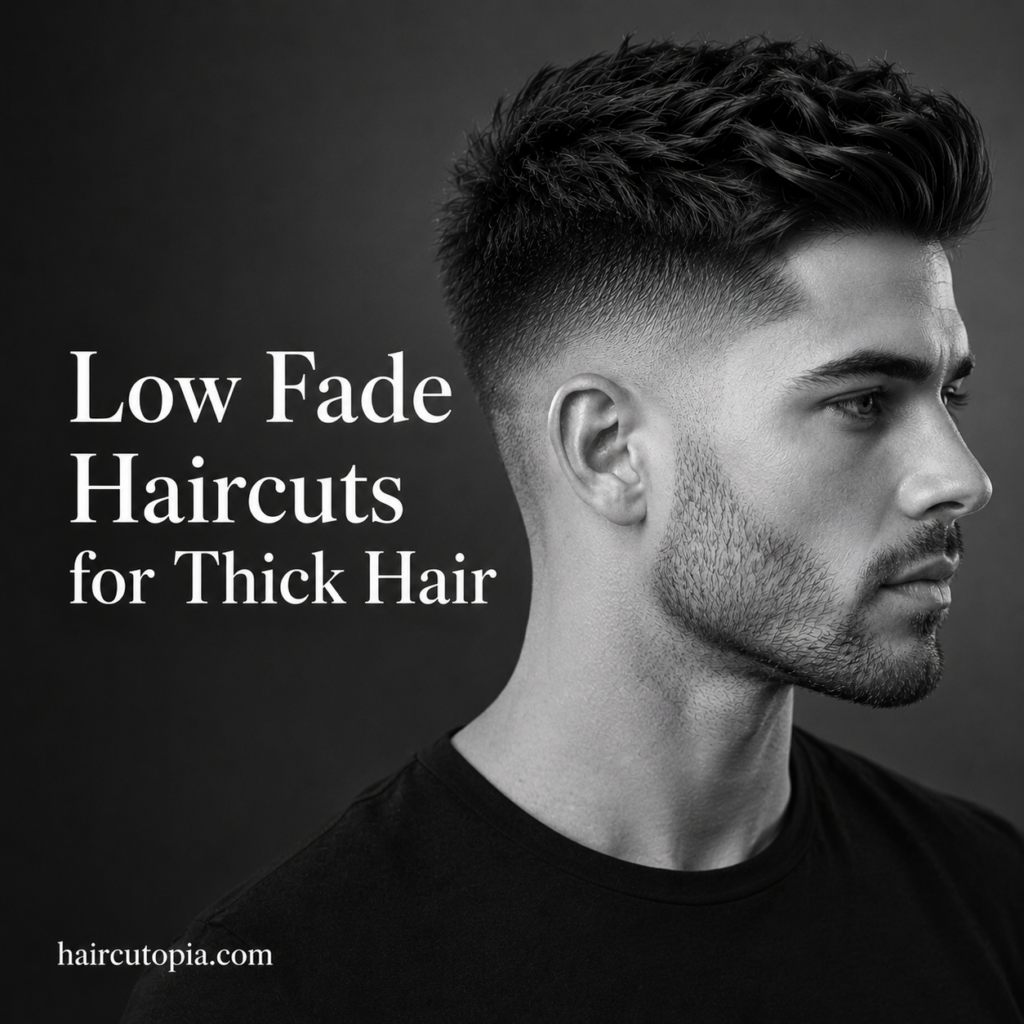
Thick hair can be a blessing and a challenge at the same time. On one hand, you have volume, fullness, and endless styling possibilities. On the other, thick hair can quickly become heavy, bulky, and difficult to manage if the haircut isn’t working with your texture.
That’s where low fade haircuts come in.
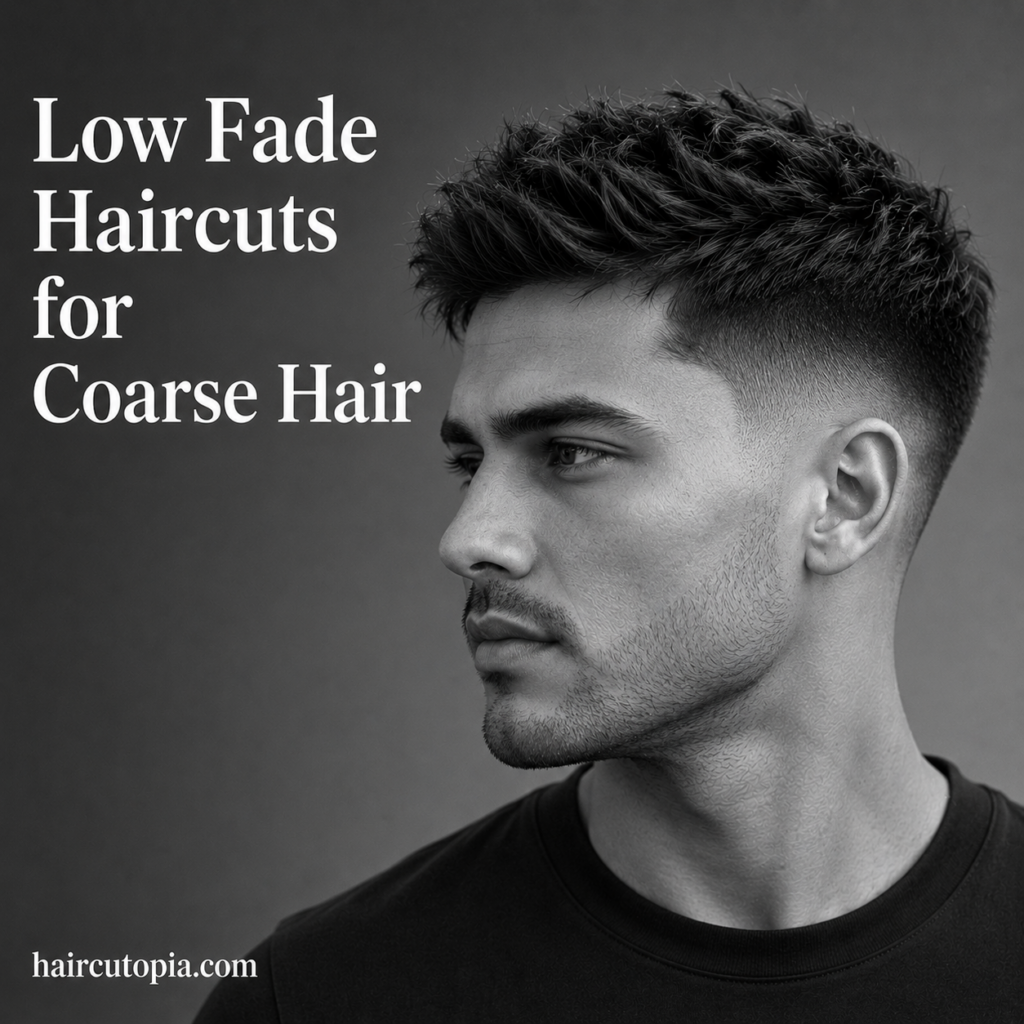
A low fade removes weight around the sides and neckline without taking away too much fullness. The gradual blend keeps things clean while allowing thick hair on top to keep its natural body and movement.
Whether you prefer polished styles, textured cuts, or something more modern, low fades pair especially well with thick hair because they create balance instead of fighting against volume.
If you’re searching for inspiration before your next barber appointment, these low fade haircut ideas are worth considering.
Why Low Fades Work Well for Thick Hair
Not every fade suits thick hair equally.
Very high fades can sometimes create too much contrast, making thick hair appear top-heavy. Low fades usually create a softer transition and maintain a more natural shape.
Benefits include:
- Reduces excess bulk around the sides
- Keeps natural volume on top
- Creates cleaner proportions
- Works with multiple hair textures
- Looks modern without appearing extreme
Low fades also grow out well, which is helpful if you don’t want frequent touch-ups.
Best Low Fade Haircuts for Thick Hair
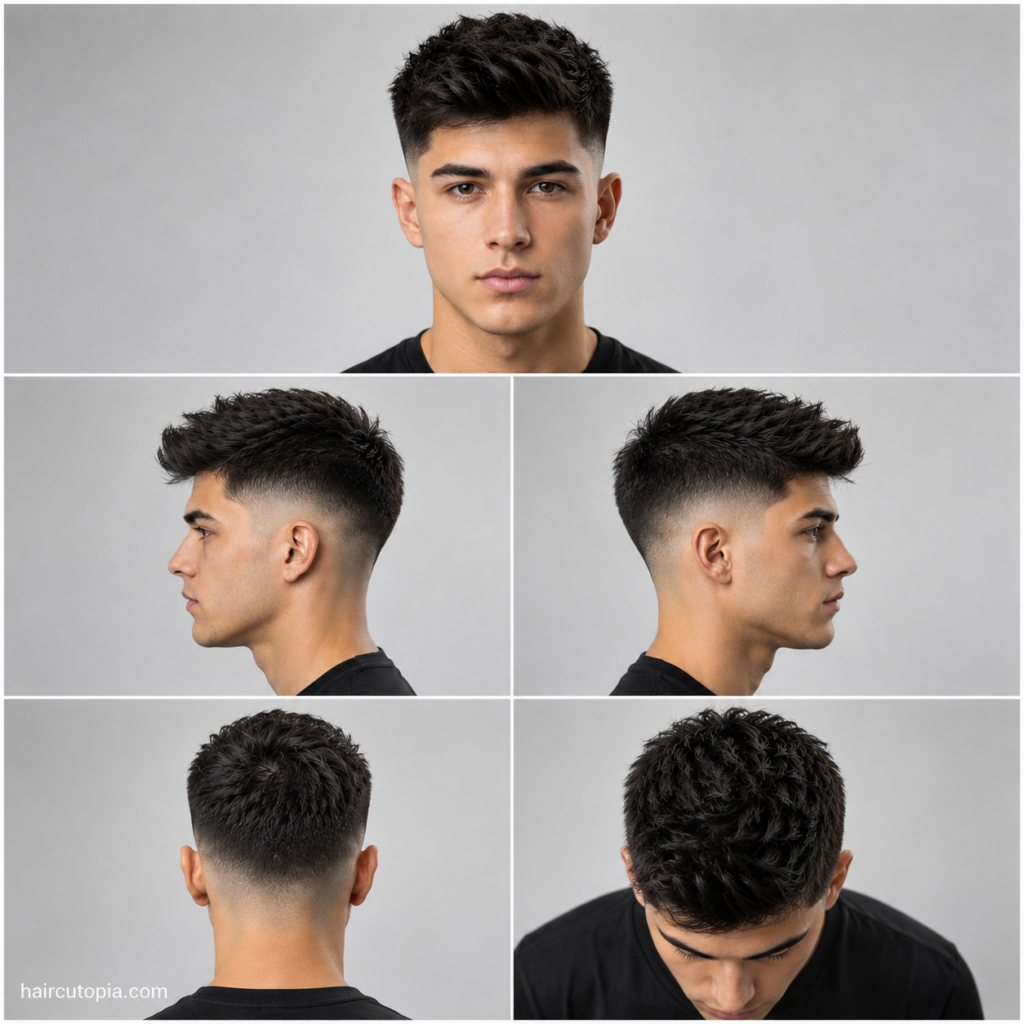
Textured Crop with Low Fade
A textured crop works especially well because thick hair naturally creates separation and movement.
Instead of forcing volume, your hair already provides it.
Why it works:
- Easy daily styling
- Strong texture
- Less bulk around the ears
- Modern appearance
Use a matte styling product to maintain a natural finish.
Classic Side Part Low Fade
Some haircuts simply never disappear.
A side part combined with a low fade gives thick hair shape and control while keeping things professional.
This style works particularly well for:
- Office environments
- Formal settings
- Men wanting a timeless look
Thick Quiff with Low Fade
If you have thick hair, volume becomes one of your biggest advantages.
A quiff allows you to use that volume instead of trying to flatten it.
The fade keeps the sides controlled while the front remains full and styled.
Slick Back Low Fade
Slick backs and thick hair often go together naturally.
The weight of thicker hair helps the style hold shape while the low fade removes unnecessary heaviness around the sides.
For best results:
- Use medium-hold products
- Avoid heavy gels
- Blow dry for direction before styling
Messy Textured Top with Low Fade
Not every hairstyle needs precision.
A relaxed textured top paired with a clean fade creates a casual style that still feels intentional.
Popular among:
- Younger men
- Casual workplaces
- Men with naturally wavy thick hair
Pompadour Low Fade
Pompadours thrive on volume.
Thick hair creates the fullness needed for this style without requiring excessive styling tricks.
The low fade keeps the overall shape balanced.
Curly Thick Hair Low Fade
Curly thick hair can quickly feel oversized without structure.
A low fade helps control the silhouette while keeping curls as the main feature.
This haircut often creates:
- Better definition
- Reduced side bulk
- Easier maintenance
Comb Over Low Fade
Modern comb overs aren’t stiff or overly polished anymore.
Today’s versions focus more on movement and natural flow.
Thick hair creates excellent fullness for this style.
Choosing the Right Low Fade for Your Hair Type
Even thick hair varies.
The way your hair behaves matters just as much as density.
Straight Thick Hair
Straight thick hair often creates natural fullness.
Good choices:
- Side parts
- Pompadours
- Slick backs
- Quiffs
Wavy Thick Hair
Waves create texture naturally.
Styles that work well include:
- Textured crops
- Relaxed quiffs
- Messy tops
Curly Thick Hair
Curly hair benefits from controlled sides and natural shape on top.
Good options:
- Curly fades
- Textured tops
- Tapered styles
Face Shape Considerations
Haircuts always look stronger when paired with facial structure.
Round Faces
Add height on top.
Good options:
- Quiffs
- Pompadours
- Comb overs
Square Faces
Most low fade styles work well.
Strong jawlines pair naturally with structured cuts.
Long Faces
Avoid adding too much vertical height.
Lower volume styles often create better balance.
Thick Hair Styling Tips
Thick hair becomes much easier to manage with a few simple habits.
Use Lightweight Products
Heavy products can create stiffness and unnecessary buildup.
Instead try:
- Matte clay
- Texture paste
- Lightweight cream
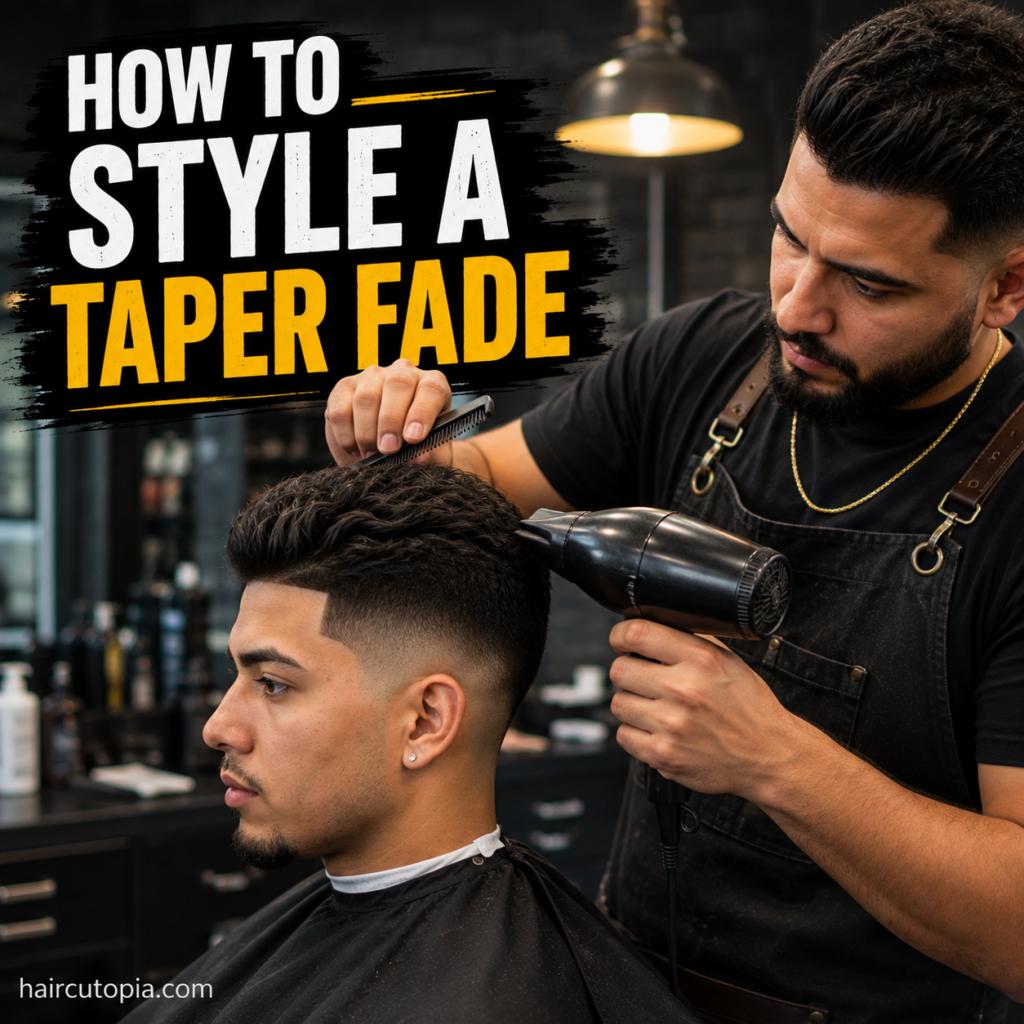
Blow Dry with Direction
Many men skip this step.
Even one minute of blow drying can create cleaner shape and better control.
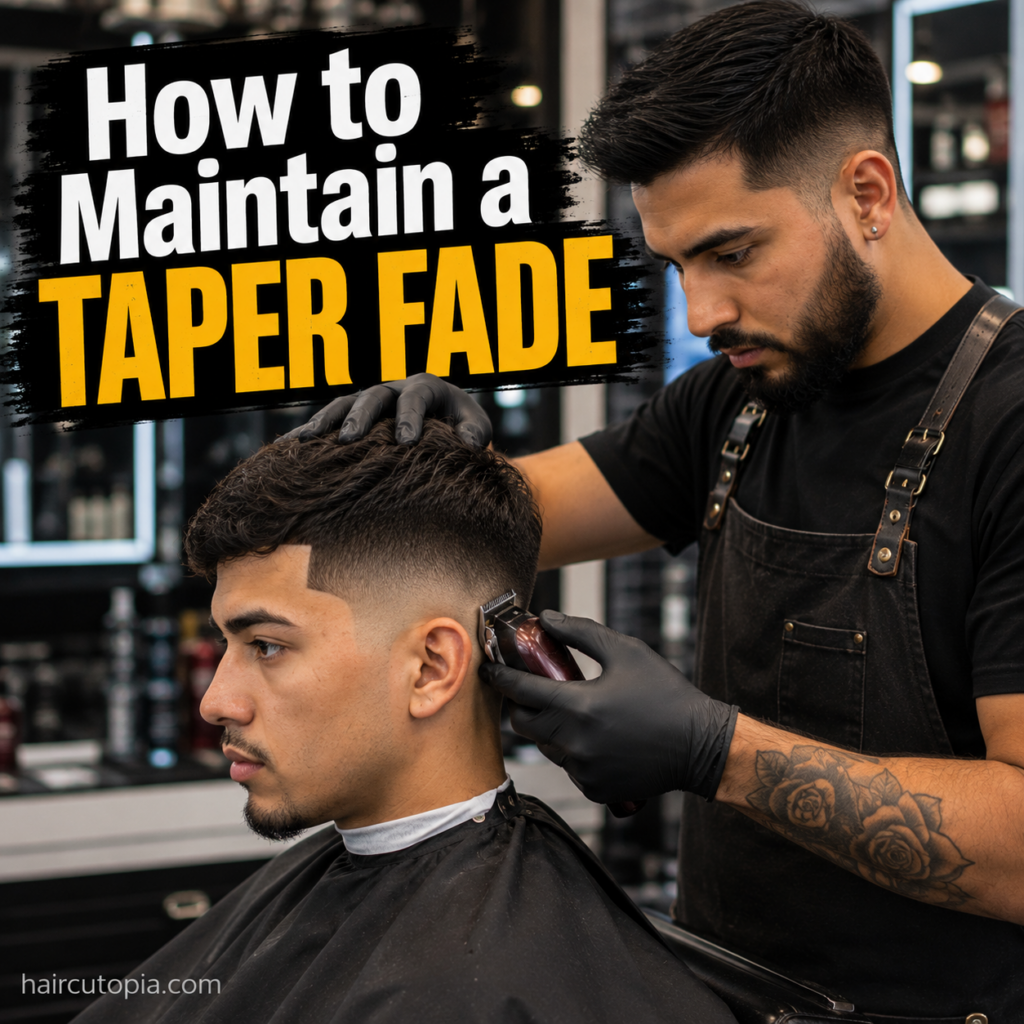
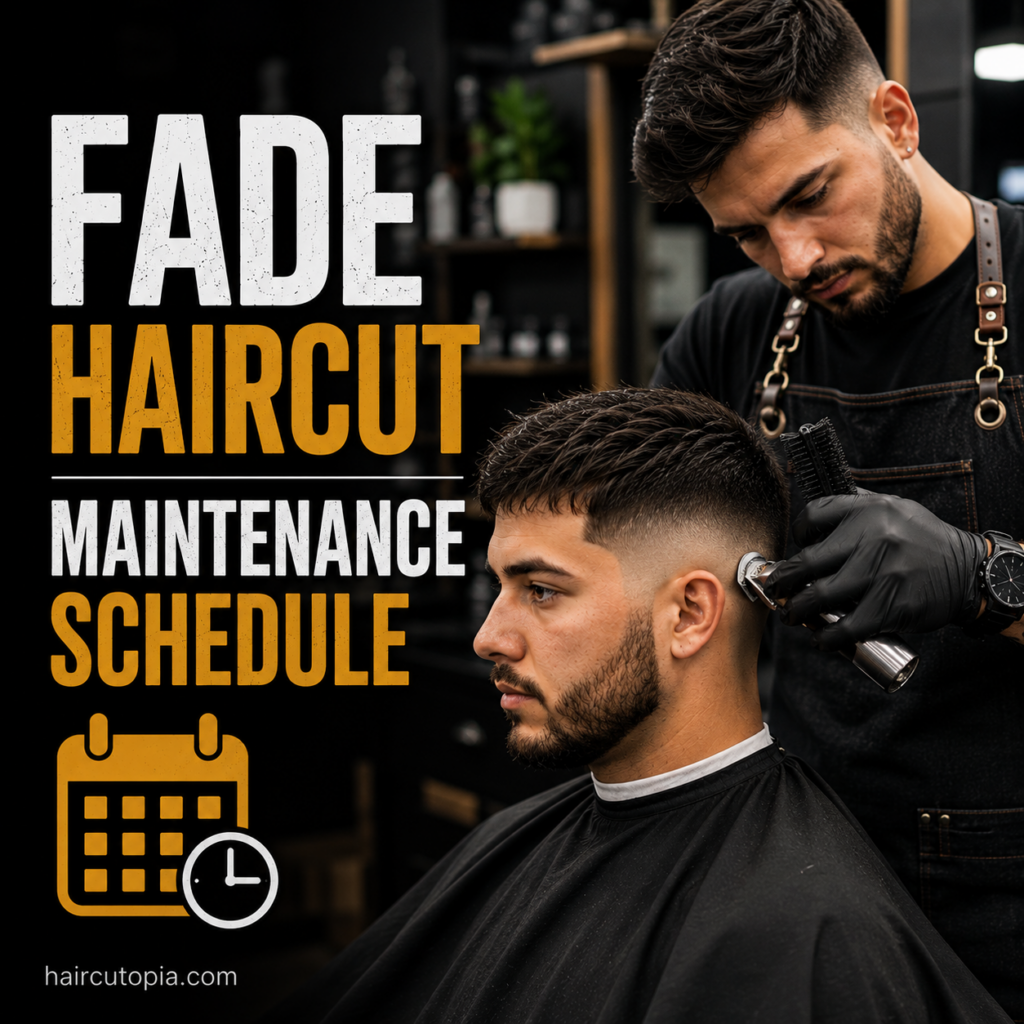
Schedule Regular Trims
Low fades lose their sharpness as hair grows.
Most men benefit from trims every:
- 2–3 weeks for cleaner fades
- 4–5 weeks for softer grow-out
Common Mistakes With Thick Hair
Leaving Too Much Side Bulk
Extra weight around the sides can create a boxy appearance.
Low fades help reduce this problem.
Using Too Much Product
Thick hair already has natural fullness.
Adding excessive product often creates heaviness.
Fighting Natural Texture
Trying to force thick hair into styles it naturally resists usually creates frustration.
Work with your texture instead.
Final Thoughts
Low fade haircuts and thick hair are a natural combination because they create structure without sacrificing fullness.
The fade cleans up the sides while your thicker hair provides the volume and texture many people wish they had.
Whether you prefer a textured crop, classic side part, slick back, or modern quiff, a low fade can make thick hair feel easier to manage while still looking sharp.
Sometimes the best haircut isn’t about removing volume.
It’s about putting it in the right places.