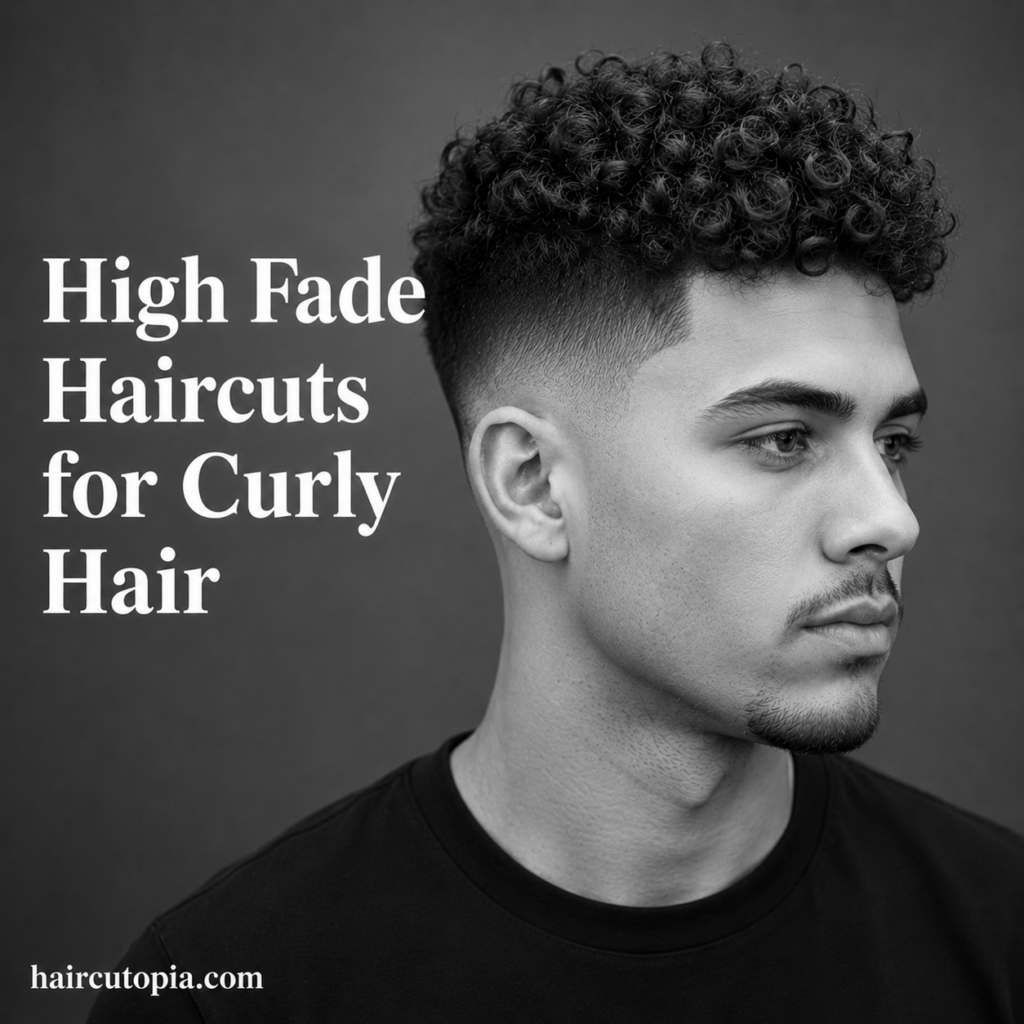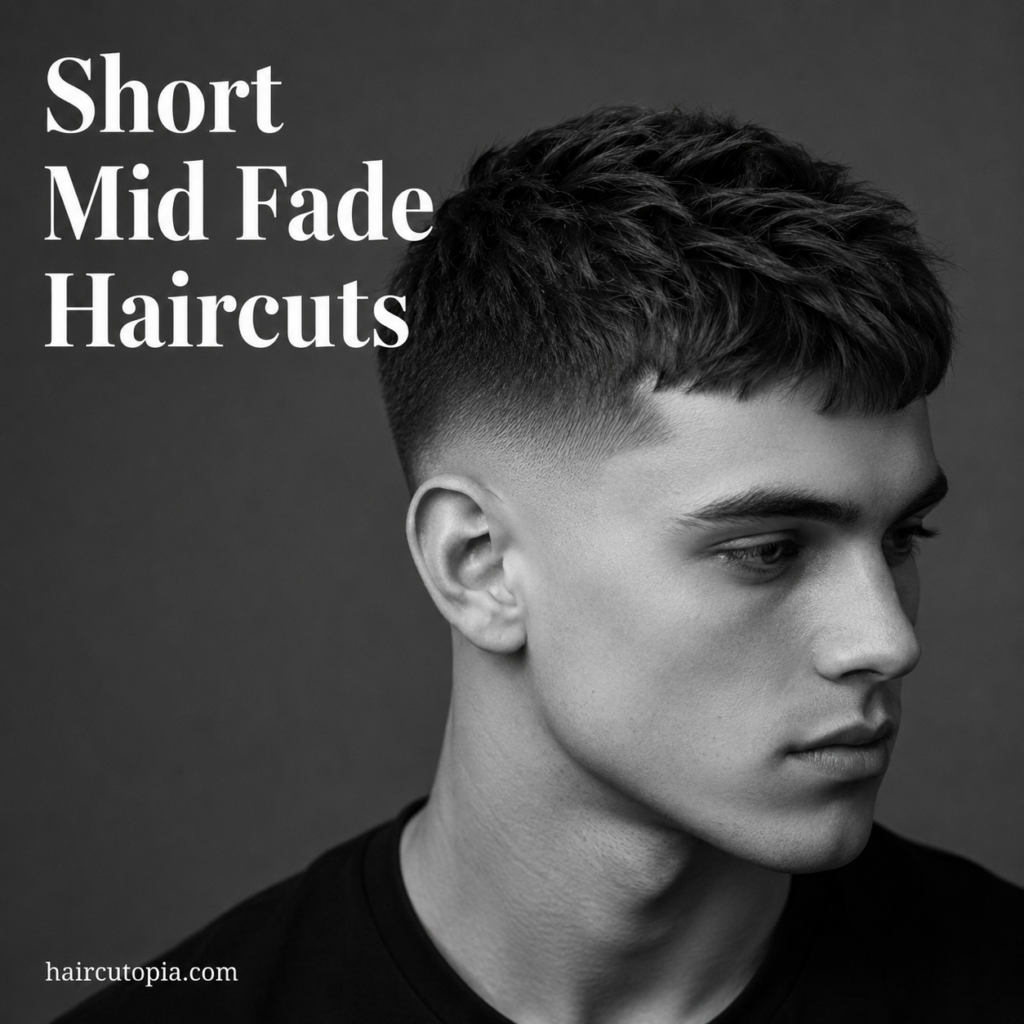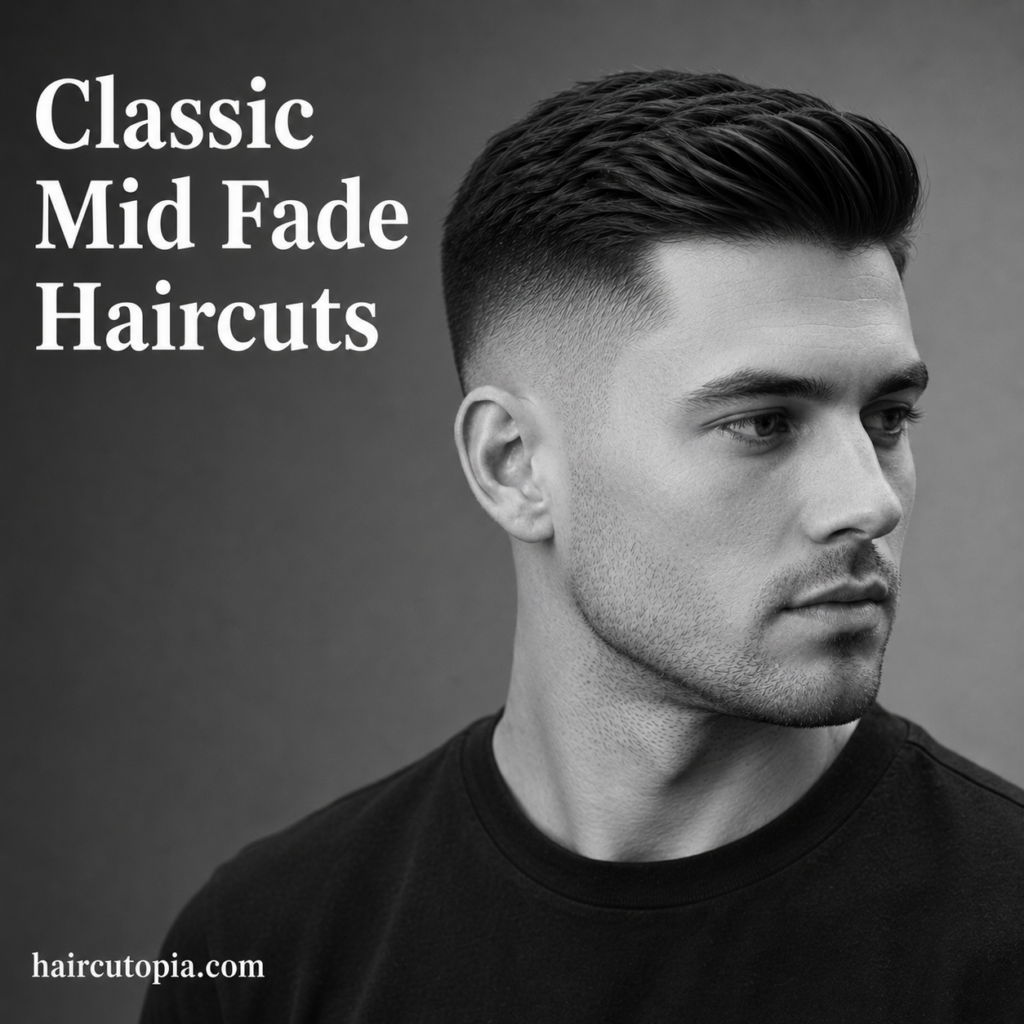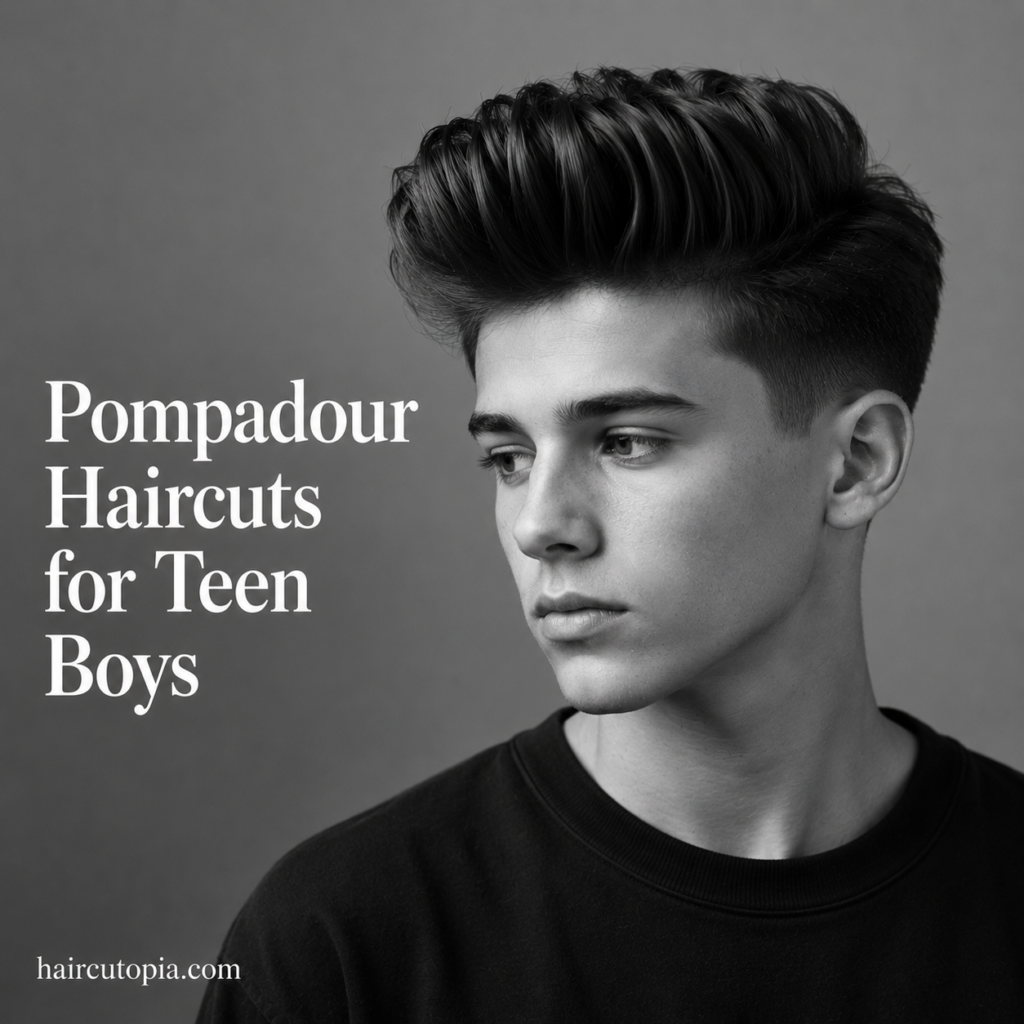
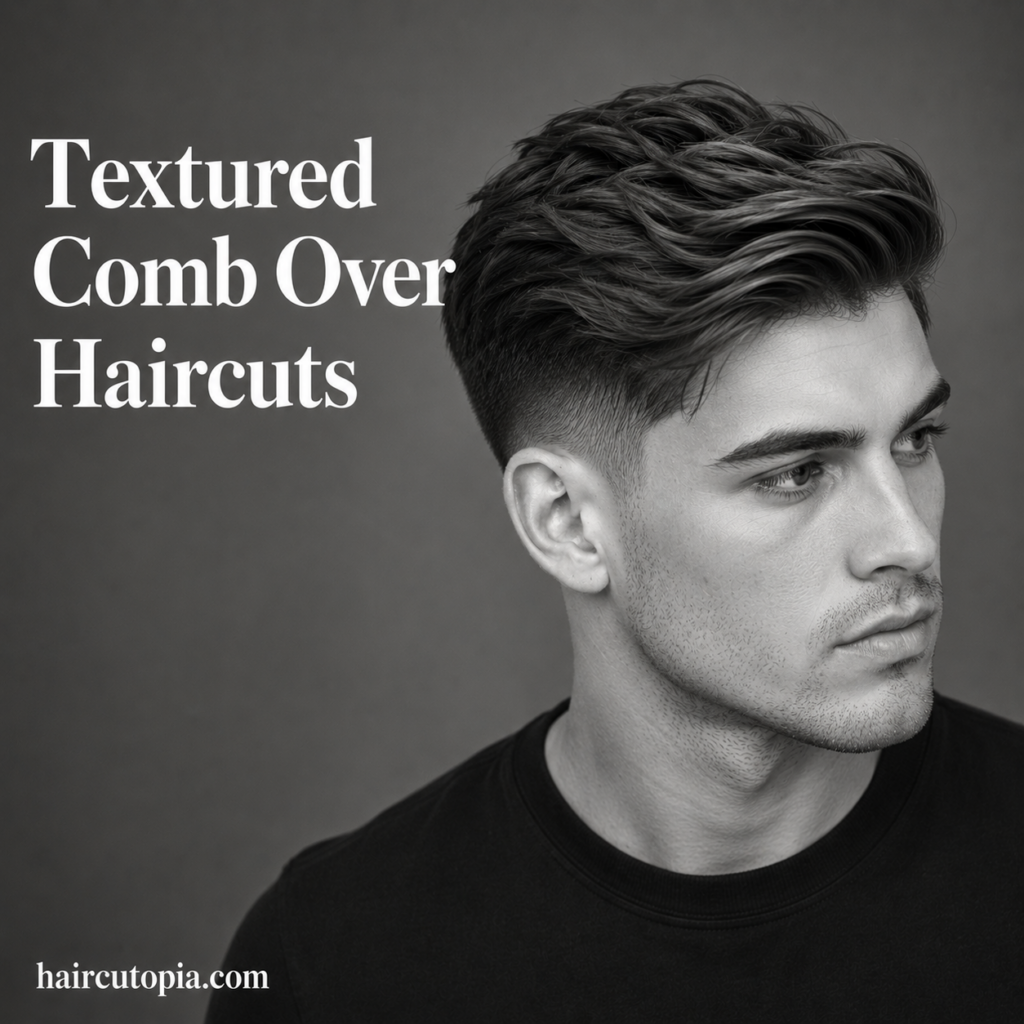
A textured comb over takes the clean, side-swept shape of a classic comb over and gives it a more relaxed, current finish. Instead of laying every strand flat with a shiny pomade, the top is cut and styled to show separation, movement, and natural volume.
That small shift makes a big difference. A textured comb over can look polished enough for work, but it does not feel stiff or overly formal. It also works with a wide range of hair types, from straight and fine to thick, wavy, and slightly curly.
If you like the idea of a side-parted haircut but want something softer and easier to wear, a textured comb over is worth considering.
What Is a Textured Comb Over?
A textured comb over is a men’s haircut with longer hair on top that is directed to one side, usually with a natural or lightly defined part. The difference is in the finish.
Rather than combing the top into one smooth shape, the barber adds texture through point cutting, layering, or light thinning techniques. This gives the hair more separation and makes it easier to style with a matte product.
The sides can be faded, tapered, undercut, or scissor-cut depending on how much contrast you want. The top can be short and subtle or longer with more volume and movement.
Why Choose a Textured Comb Over?
Textured comb over haircuts are popular because they sit between polished and casual. They have enough structure to look intentional, but the texture keeps them from feeling too formal.
This style may be a good fit if you want:
- A modern alternative to a slick comb over
- Natural volume without a stiff finish
- A haircut that works with thick or wavy hair
- More movement through the top
- A style that can be worn neatly or slightly relaxed
- A way to make fine hair appear fuller
- A haircut that looks good with matte products
Texture also makes the haircut more forgiving. You do not need every strand in the exact same place for it to look good.
Best Textured Comb Over Haircuts for Men
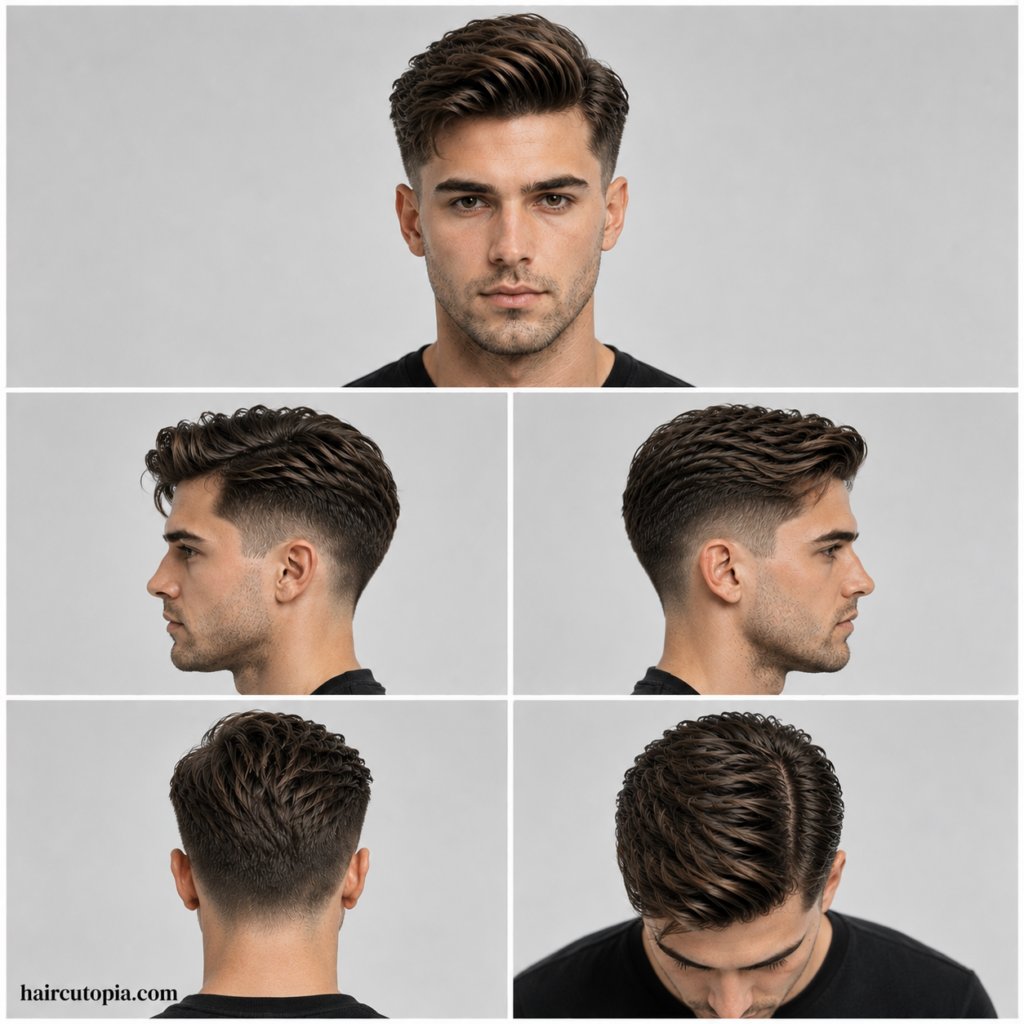
Short Textured Comb Over
A short textured comb over is clean, easy to manage, and a good starting point if you are new to this style. The top is left with enough length to sweep to one side, usually around two to three inches, while the sides are tapered or faded.
The texture keeps the top from looking flat, even with shorter hair. It is a solid choice for men who want a modern look without a long styling routine.
Use a small amount of matte paste or styling cream and work it through with your fingers.
Medium Textured Comb Over
A medium textured comb over gives you more room to create volume and movement. With around three to five inches on top, the hair can be styled into a loose side sweep, a soft quiff, or a more defined part.
This version works well for men with thick hair or naturally wavy hair. It can also be a good option for fine hair when the top is layered correctly.
A blow dryer can help add lift at the front, but you do not need to over-style it. The goal is controlled texture, not a perfectly sculpted shape.
Long Textured Comb Over
A long textured comb over has the most movement and styling flexibility. The top is usually five inches or longer and can be swept across the head with a loose, natural finish.
This style works best when the hair has some density. It can look especially good with wavy hair, since the natural bend adds texture without much effort.
To keep it from becoming heavy, ask your barber for layers and weight removal. A sea salt spray or lightweight styling cream can help keep the top airy.
Textured Comb Over with Low Fade
A low fade adds a clean finish while keeping the overall look balanced. The fade starts low around the ears and neckline, so the textured top remains the main focus.
This is a good option for men who want a haircut that feels modern but still works in professional settings. The low fade is subtle enough to grow out naturally, especially when the top is kept textured and relaxed.
Textured Comb Over with Mid Fade
A mid fade creates more contrast and gives the textured top a sharper outline. The fade begins around the temple area, making the volume and movement on top stand out more.
This version works well if you want a more noticeable style without going all the way to a high fade. It is especially flattering for rounder face shapes because the shorter sides and added height can create a more balanced appearance.
Textured Comb Over with High Fade
A high fade creates a bold contrast between the sides and the top. It puts most of the attention on the textured side sweep and works well for men with thick hair.
This style has a sharper, more fashion-forward look. It also needs more regular maintenance than a low fade or taper because the sides grow out quickly.
If you want a high fade, keep the texture on top controlled so the haircut still looks balanced.
Textured Comb Over with Taper Fade
A taper fade is one of the most versatile options for a textured comb over. It keeps the cleanup around the temples, sideburns, and neckline while leaving more natural length through the sides.
This creates a softer, more classic shape than a full fade. It is ideal if you want texture on top but prefer a haircut that grows out smoothly.
A taper fade can work with short, medium, or long textured comb overs.
Textured Comb Over with Undercut
A textured comb over with an undercut creates strong contrast. The sides are clipped short with little blending, while the top stays longer and fuller.
This is a bolder style that works best with thick, straight, or wavy hair. The undercut makes styling easier in one way because the top is clearly separated from the sides, but it also needs regular upkeep to keep the contrast looking intentional.
A matte clay or fiber paste can give the top enough hold without making it look too polished.
Textured Comb Over with Hard Part
A hard part adds a shaved line between the top and sides. It gives the haircut a more defined, structured look while the texture keeps the top from feeling too traditional.
This combination works well with fades and undercuts. It is a good choice if you want a sharp part but still prefer a natural finish through the top.
Keep in mind that a hard part needs frequent touch-ups because the line grows out quickly.
Textured Comb Over for Thick Hair
Thick hair is often ideal for a textured comb over because it naturally holds volume. The main challenge is removing enough bulk so the top does not feel heavy or puff up.
Ask your barber to add layers and texture through the top while keeping the sides tapered or faded. A medium-hold matte clay can help control the shape without flattening it.
Textured Comb Over for Fine Hair
A textured comb over can make fine hair look fuller by creating separation and lift. The key is keeping the top at a manageable length and avoiding heavy products.
A short-to-medium textured top with a low taper or soft fade is usually the best option. Use a lightweight mousse, sea salt spray, or matte paste to add volume without weighing the hair down.
Textured Comb Over for Wavy Hair
Wavy hair gives this haircut built-in movement. The natural wave pattern can make a textured comb over look effortless, especially when the top is left medium in length.
A low taper, mid fade, or scissor-cut side can all work well. Use a curl cream or sea salt spray to define the waves and reduce frizz, then guide the hair loosely to one side.
Textured Comb Over for Curly Hair
Curly hair can also work with a textured comb over, but the result will be more relaxed and less sharply parted. The barber should shape the curls so they move naturally to one side without creating too much bulk around the temples.
A taper fade is often a good match because it keeps the sides controlled while allowing the curls on top to stay full.
Use a lightweight curl cream rather than a stiff pomade or clay.
How to Choose the Right Textured Comb Over
The best version depends on your hair type, face shape, and how much contrast you want between the top and sides.
For Round Face Shapes
A textured comb over with a mid or high fade can add height and definition. Style the front slightly upward and to the side rather than keeping it flat.
For Oval Face Shapes
Oval face shapes can wear nearly any version of the textured comb over. A low fade, taper fade, undercut, or scissor-cut style can all work well.
For Square Face Shapes
Texture and a side-swept top can soften strong facial angles while keeping the haircut masculine and structured. A low or mid fade usually creates a balanced look.
For Long Face Shapes
Avoid too much height at the front. A short or medium textured comb over with a low taper or scissor-cut sides will usually look more proportional.
For Receding Hairlines
A textured comb over can help blend a receding hairline when it is styled loosely. Avoid a hard, slick side sweep across the forehead. A soft part and light texture usually look more natural.
How to Ask Your Barber for a Textured Comb Over
When asking for this haircut, mention the length you want on top, the side finish you prefer, and that you want visible texture rather than a smooth combed look.
You can say:
“I want a textured comb over with a natural side part. Keep enough length on top to sweep it to the side, but add layers and texture so it has movement. Keep the sides neat with a low taper fade.”
You can also adjust the request based on your preference:
- Ask for a low fade if you want subtle contrast
- Ask for a mid fade if you want a sharper shape
- Ask for a taper fade if you want softer grow-out
- Ask for scissor-cut sides if you prefer a classic look
- Ask for a hard part if you want a more defined separation
A reference photo is useful because texture can mean different things to different people.
How to Style a Textured Comb Over
A textured comb over should look controlled, not overly neat. The styling process is simple once you find the right product.
Everyday Styling Steps
- Start with damp, towel-dried hair.
- Apply sea salt spray, mousse, or a lightweight pre-styler.
- Blow-dry the hair up and to the side using your fingers or a vented brush.
- Work a small amount of matte clay, paste, or styling cream through the top.
- Use your fingers to separate sections and create movement.
- Smooth the sides lightly if needed, but avoid flattening the top.
For a more relaxed look, skip the blow dryer and let the hair air dry after applying styling cream.
Best Products for a Textured Comb Over
- Matte clay: Great for texture and medium-to-strong hold
- Fiber paste: Useful for thick hair that needs control
- Styling cream: Soft hold and flexible movement
- Sea salt spray: Adds texture and volume before blow-drying
- Volumizing mousse: Helpful for fine hair
- Curl cream: Best for wavy or curly hair
- Light hairspray: Useful for extra hold without stiffness
Avoid high-shine pomades if texture is the goal. They can make the hair look smoother and more traditional than you may want.
How Often Should You Trim a Textured Comb Over?
Most textured comb overs look best with a trim every four to six weeks. Shorter fades, hard parts, and undercuts may need touch-ups sooner.
The top can usually go a little longer between cuts, but regular shaping helps keep the texture from becoming bulky or uneven.
Is a Textured Comb Over Right for You?
A textured comb over is a strong choice if you want a side-swept haircut that feels modern, flexible, and easy to personalize. It can be subtle enough for everyday wear or bold enough to stand out with a fade or undercut.
The key is keeping the texture natural. When the top has movement, the sides are clean, and the product is not overdone, this haircut can look effortless while still feeling polished.
Frequently Asked Questions
What is the difference between a textured comb over and a regular comb over?
A regular comb over is often smoother and more controlled, sometimes with a shiny finish. A textured comb over uses layers, separation, and matte styling products to create a softer, more natural look.
How long should hair be for a textured comb over?
Most textured comb overs work well with around two to five inches of hair on top. Shorter lengths create a subtle textured finish, while longer lengths allow for more movement and volume.
Is a textured comb over good for thin hair?
Yes. Texture can make fine hair appear fuller by adding separation and lift. Use lightweight products and avoid overly long or slick styles.
Can I get a textured comb over with curly hair?
Yes. Curly hair creates a more relaxed version of the style. A barber can shape the curls to move to one side while keeping the sides neat with a taper or fade.
What product is best for a textured comb over?
Matte clay is a popular choice because it adds texture and hold without shine. Styling cream, fiber paste, sea salt spray, and mousse can also work depending on your hair type and desired finish.