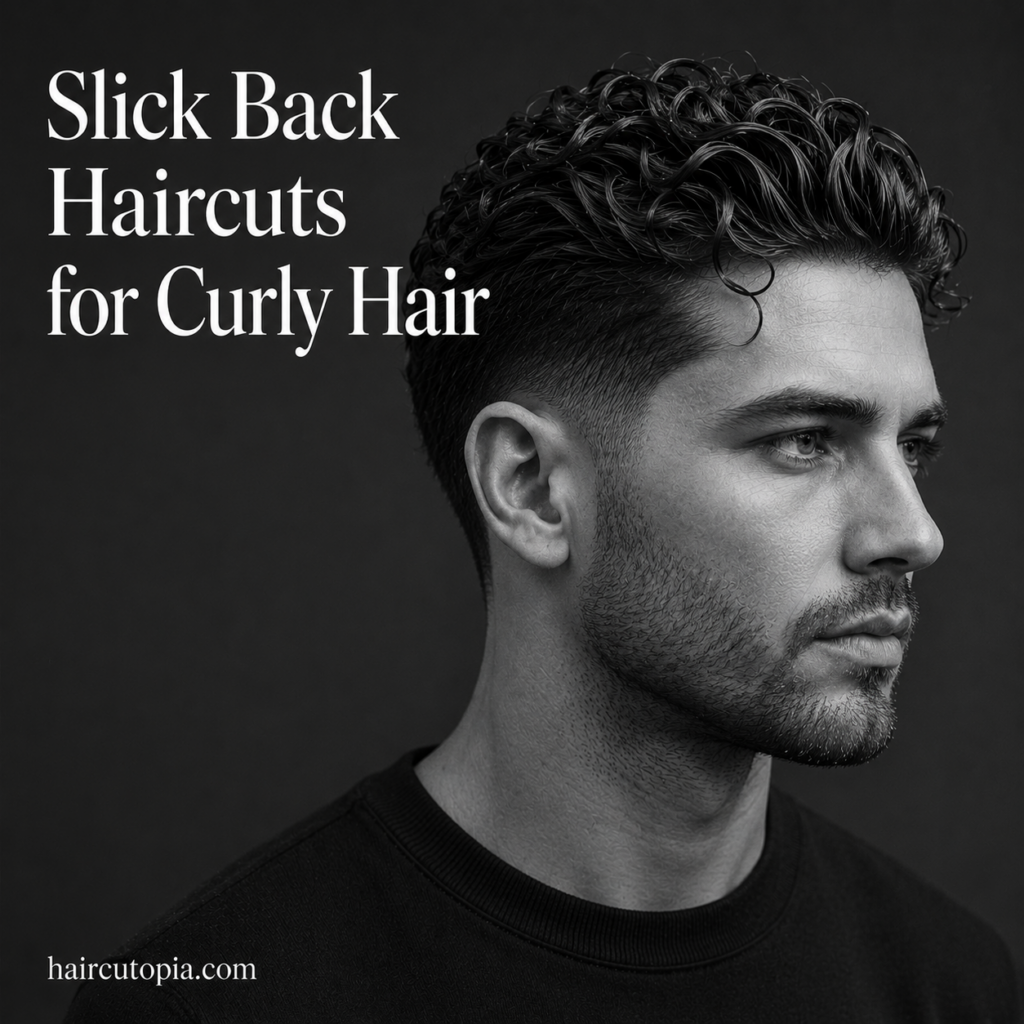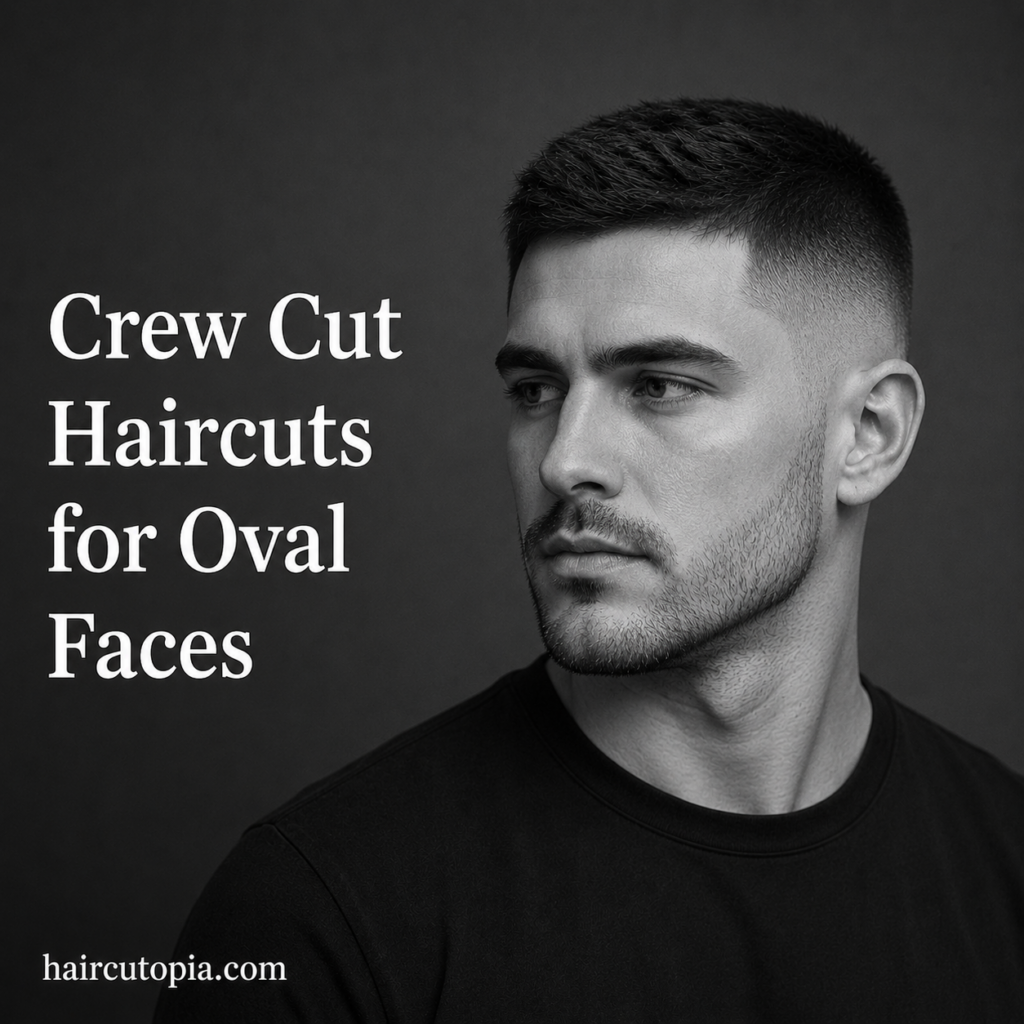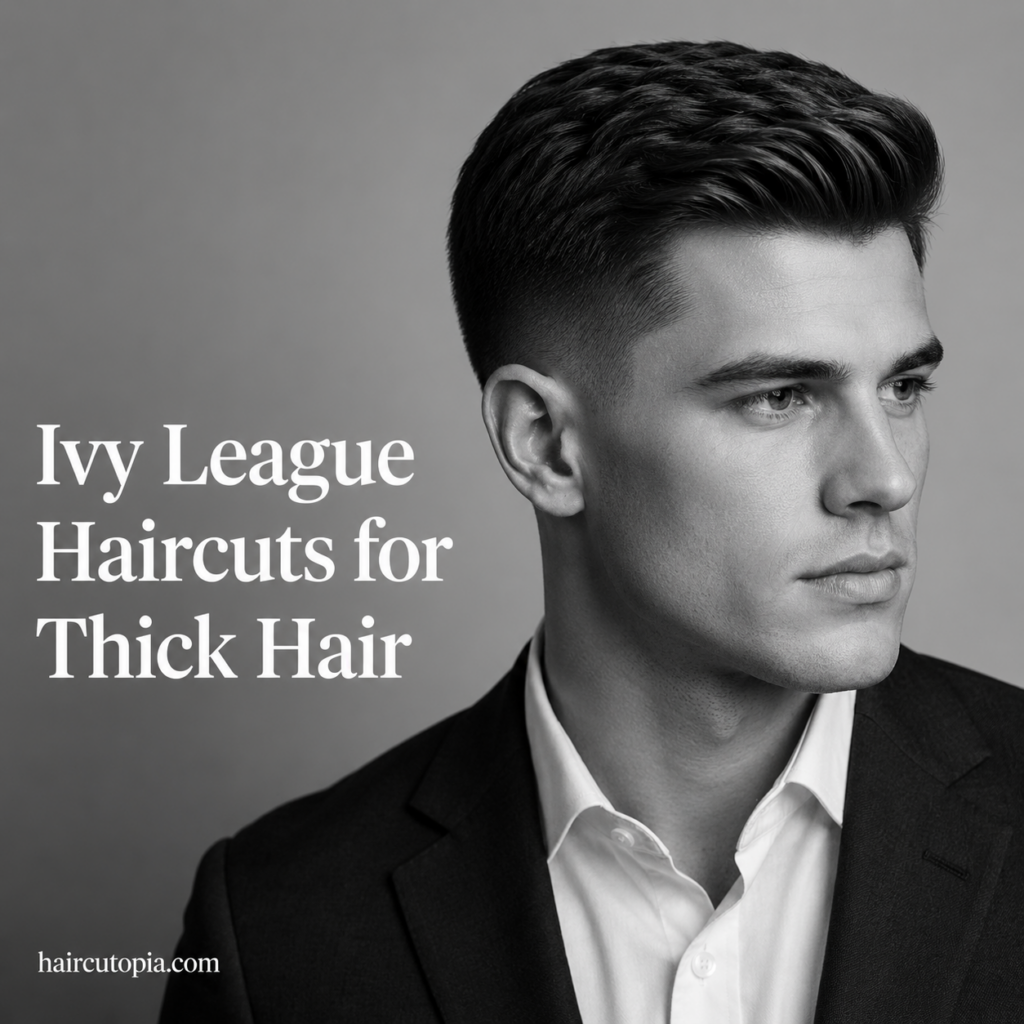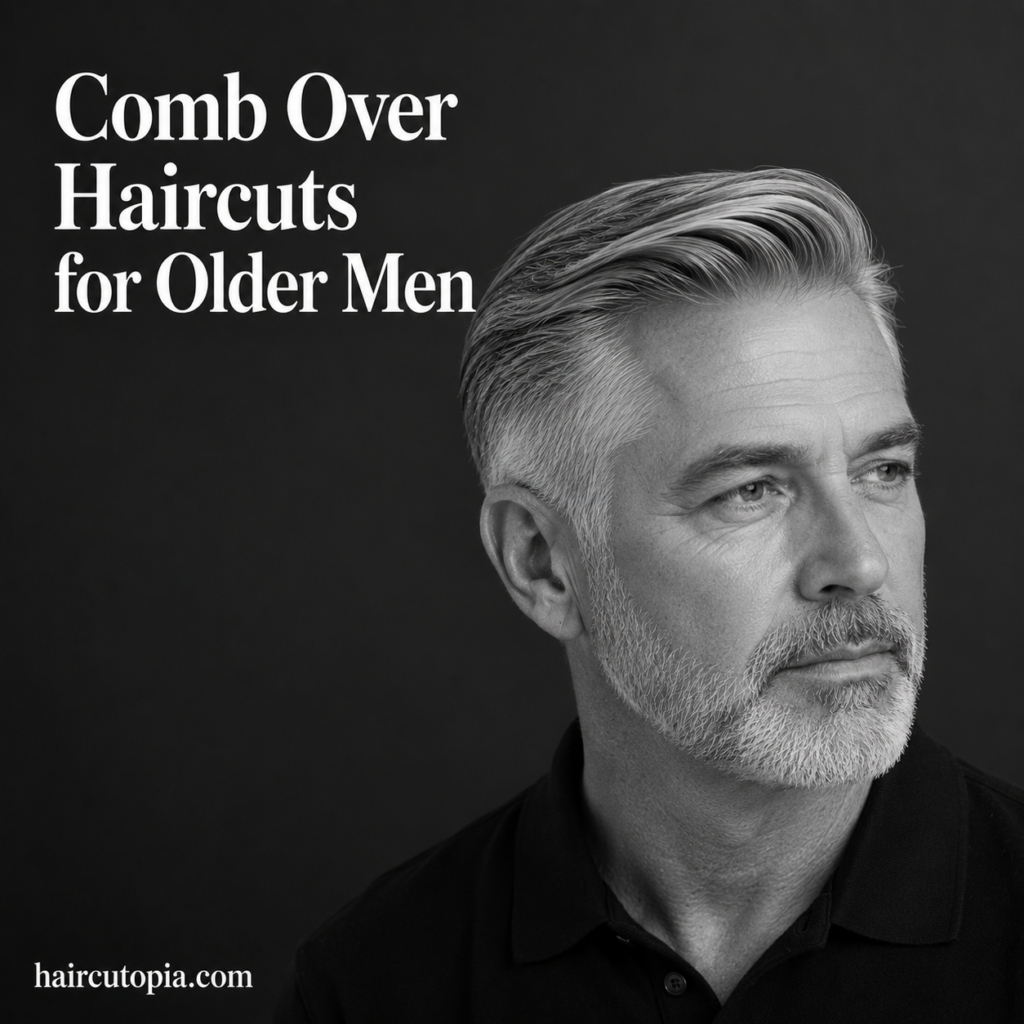
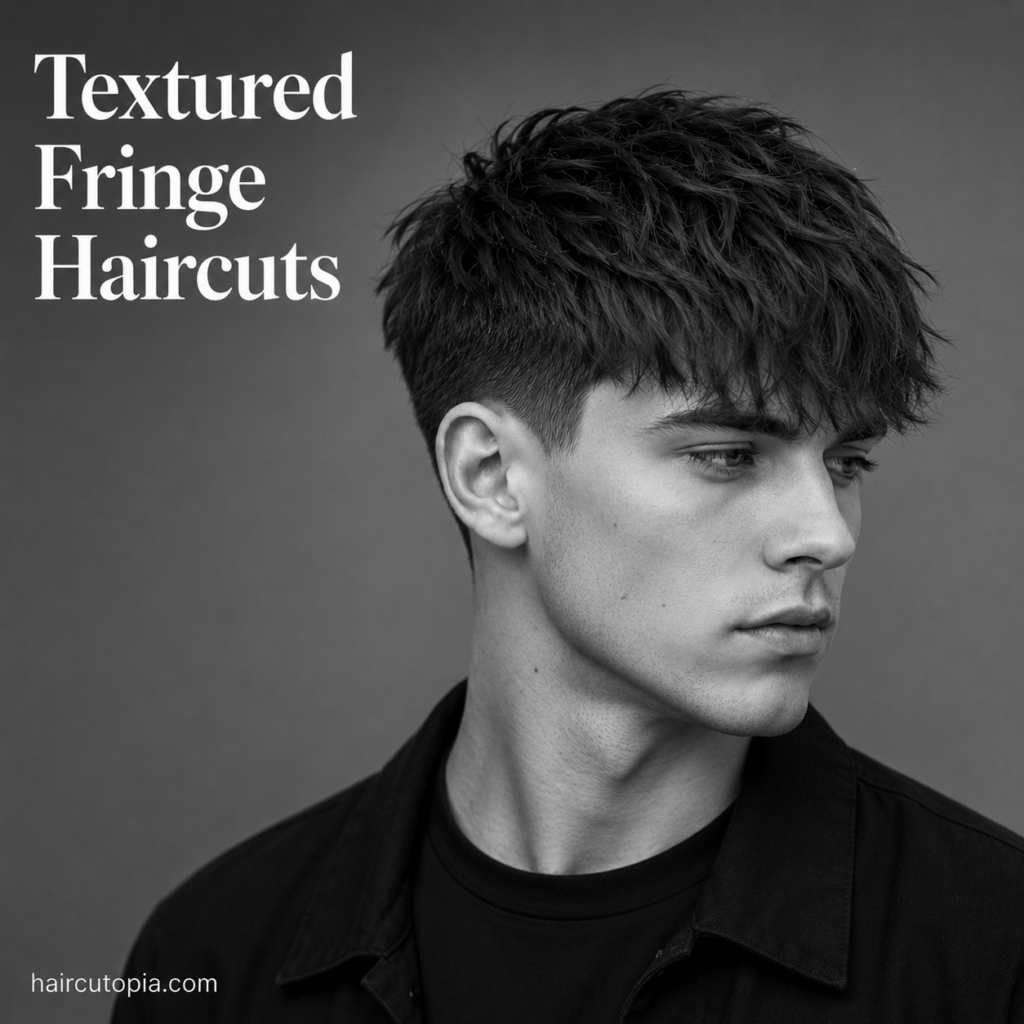
If there’s one hairstyle that has consistently stayed on trend over the past several years, it’s the textured fringe. Combining natural movement, effortless styling, and a modern finish, textured fringe haircuts have become a go-to choice for men of all ages.
Unlike blunt or perfectly styled fringes, a textured fringe embraces layers and separation. The result is a hairstyle that looks relaxed without appearing messy and polished without feeling overly formal.
Whether your hair is straight, wavy, thick, fine, or curly, there’s a textured fringe haircut that can work for you. This guide covers the best styles, who they suit, how to style them, and tips for keeping your haircut looking sharp.
What Is a Textured Fringe Haircut?
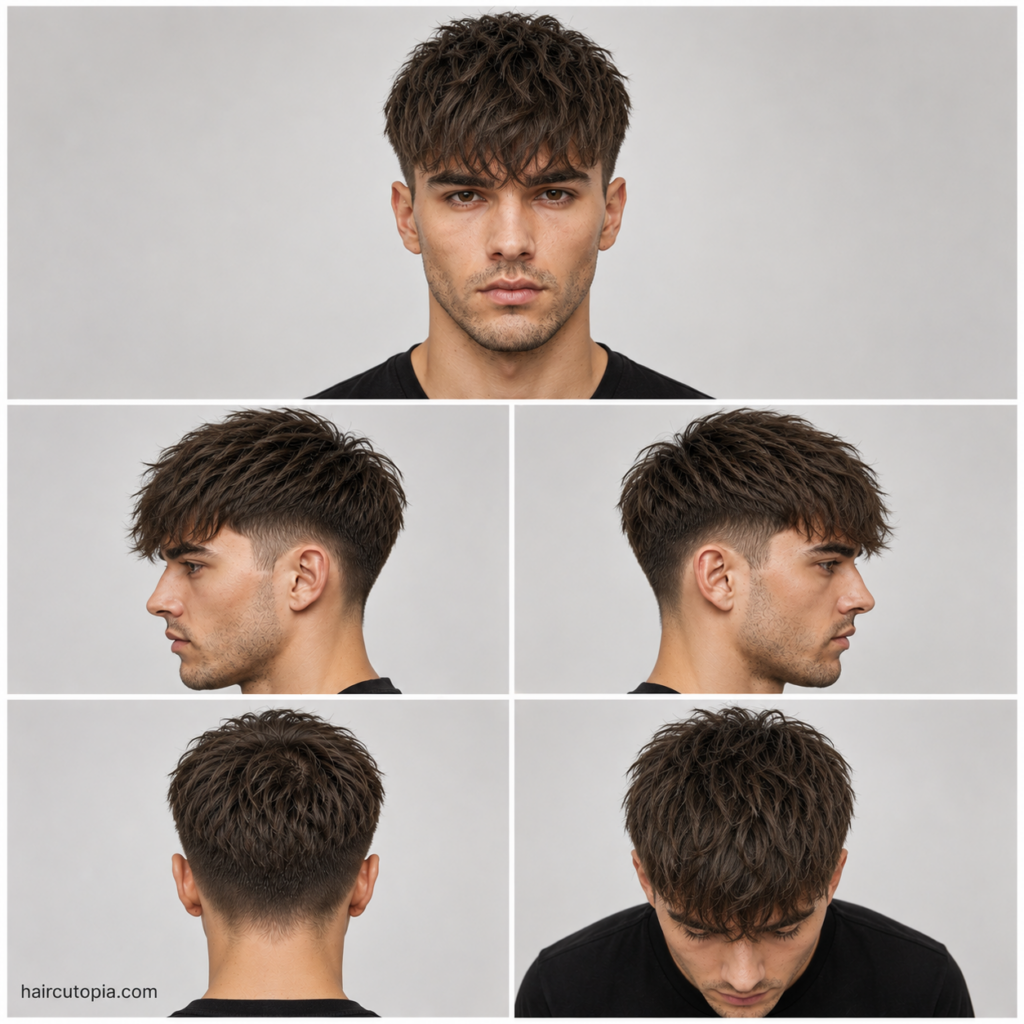
A textured fringe haircut features layers and point-cutting techniques that create movement throughout the front of the hair. Instead of forming one solid line across the forehead, the fringe is broken into smaller sections that add depth and dimension.
Depending on the cut, the fringe can be:
- Short
- Medium length
- Long
- Choppy
- Messy
- Side-swept
- Naturally tousled
The hairstyle is often paired with fades, tapers, or scissor-cut sides for a balanced look.
Why Textured Fringe Haircuts Are So Popular
There are several reasons why textured fringes remain one of the most requested hairstyles at barbershops.
They Add Natural Volume
Texture creates the appearance of fuller hair without excessive styling.
They Work With Most Hair Types
Whether your hair is straight, thick, wavy, fine, or curly, texture enhances its natural characteristics.
They’re Easy to Style
Many textured fringe haircuts require only a small amount of product and a few minutes of styling.
They Look Modern
The relaxed finish gives the haircut a contemporary appearance that’s suitable for both casual and professional settings.
Best Textured Fringe Haircuts
1. Classic Textured Fringe
The timeless version features layered texture across the top with a soft fringe that falls naturally toward the forehead.
It’s one of the easiest styles to wear every day.
2. Textured Fringe with Low Fade
A low fade creates subtle contrast while allowing the fringe to remain the focal point.
This haircut works well in both professional and casual environments.
3. Textured Fringe with Mid Fade
The mid fade offers a balanced level of contrast without appearing too dramatic.
It’s one of the most versatile options available.
4. Textured Fringe with High Fade
For a bolder look, pair textured layers with a high fade.
The sharp sides emphasize the volume on top.
5. Textured Fringe with Skin Fade
A skin fade creates the greatest contrast while maintaining a clean, modern finish.
6. Choppy Textured Fringe
Point-cutting techniques create individual pieces throughout the fringe.
This style adds movement while maintaining a relaxed appearance.
7. French Crop with Texture
The French crop becomes even more modern when additional texture is added to the fringe.
It’s stylish and easy to maintain.
8. Messy Textured Fringe
This haircut embraces natural movement.
Finger styling is usually enough to create the desired finish.
9. Layered Textured Fringe
Multiple layers reduce bulk while increasing volume and flexibility.
Ideal for thick hair.
10. Textured Fringe with Taper Fade
The taper fade grows out naturally and requires fewer barber visits than more aggressive fades.
11. Wavy Textured Fringe
Natural waves create beautiful movement throughout the fringe.
Sea salt spray can enhance the texture if needed.
12. Curly Textured Fringe
Curly hair naturally creates texture.
A well-shaped fringe showcases your curls while remaining manageable.
13. Straight Hair Textured Fringe
Straight hair benefits from carefully cut layers that create dimension.
Matte products help maintain separation.
14. Thick Hair Textured Fringe
Texturizing removes excess weight while preserving fullness.
The haircut remains balanced and easy to style.
15. Fine Hair Textured Fringe
Texture helps fine hair appear thicker by adding movement and volume.
16. Soft Natural Fringe
This version uses subtle layering for a relaxed appearance.
Minimal styling keeps it looking fresh.
17. Side-Swept Textured Fringe
Brushing the fringe slightly to one side softens facial features while adding sophistication.
18. Textured Fringe with Undercut
The disconnected undercut creates striking contrast.
The textured fringe becomes the centerpiece of the haircut.
19. Modern Crop Fringe
This updated crop uses plenty of texture instead of sharp lines.
The result is youthful and contemporary.
20. Long Textured Fringe
Keeping additional length creates dramatic movement while maintaining a natural finish.
21. Short Textured Fringe
Shorter fringes require very little maintenance while still showcasing texture.
22. Business Casual Textured Fringe
A controlled textured finish transitions easily from work to weekends.
23. Textured Fringe with Beard
A neatly groomed beard balances the volume on top.
Popular pairings include:
- Light stubble
- Short boxed beard
- Full beard
24. Wash-and-Go Textured Fringe
With the right cut, natural texture often requires almost no daily styling.
25. Everyday Textured Fringe
Simple, versatile, and flattering, this haircut works well for nearly every lifestyle.
Choosing the Right Textured Fringe for Your Face Shape
Round Face
Choose:
- Extra height
- Mid or high fades
- Defined texture
These features help elongate the face.
Oval Face
Oval faces suit nearly every textured fringe variation.
Square Face
Soft texture complements strong jawlines while maintaining masculine definition.
Heart Face
Layered fringes balance a wider forehead with a narrower chin.
Diamond Face
Texture softens angular cheekbones while adding width across the forehead.
Long Face
Choose fuller fringes that avoid excessive height.
Best Hair Types for Textured Fringe Haircuts
Straight Hair
Layers create movement that straight hair naturally lacks.
Thick Hair
Texturizing reduces weight while maintaining volume.
Fine Hair
Texture helps create the illusion of thicker hair.
Wavy Hair
Natural waves make textured fringes especially easy to style.
Curly Hair
Curly hair already contains texture, making it perfect for this haircut.
How to Ask Your Barber for a Textured Fringe
Reference photos are always helpful.
You can also say:
“I’d like a textured fringe with plenty of layers, natural movement, and a low taper fade. I want it to be easy to style and not look overly neat.”
Discuss:
- Fringe length
- Fade or taper preference
- Amount of texture
- Hair density
- Styling routine
How to Style a Textured Fringe
The goal is movement rather than perfection.
Step 1
Start with towel-dried hair.
Step 2
Apply a small amount of:
- Matte clay
- Texture paste
- Styling cream
- Sea salt spray
Step 3
Use your fingers to separate the hair naturally.
Step 4
Avoid combing the fringe perfectly into place.
A slightly relaxed finish usually looks better.
Best Styling Products
Matte Clay
Adds definition while maintaining a natural appearance.
Texture Paste
Provides flexible hold with soft separation.
Sea Salt Spray
Enhances waves and creates volume.
Styling Cream
Ideal for softer hairstyles with natural movement.
Curl Cream
Defines curls while minimizing frizz.
Maintenance Tips
Keep your textured fringe looking fresh with a simple routine.
- Visit your barber every 4 to 6 weeks.
- Avoid using excessive styling product.
- Wash your hair according to your hair type.
- Condition regularly.
- Let your natural texture guide your styling.
Common Mistakes to Avoid
Over-Styling
Texture should look effortless rather than overly controlled.
Using Shiny Products
High-shine products can reduce the natural appearance of textured hair.
Ignoring Regular Trims
Texture gradually disappears as the haircut grows.
Fighting Your Natural Hair Pattern
Working with your hair’s natural direction produces the best results.
Frequently Asked Questions
Are textured fringe haircuts easy to style?
Yes. Most require only a few minutes of styling using lightweight products.
Can textured fringes work for fine hair?
Absolutely. Texture creates the appearance of thicker, fuller hair.
Are textured fringes suitable for professional settings?
Yes. Keeping the haircut neat and controlled makes it appropriate for most workplaces.
How often should I trim a textured fringe?
Every 4 to 6 weeks helps maintain the texture and overall shape.
What’s the difference between a textured fringe and a blunt fringe?
A textured fringe uses layers and separation for movement, while a blunt fringe creates a straight, even line across the forehead.
Final Thoughts
Textured fringe haircuts continue to be one of the most versatile and stylish choices for men because they combine effortless movement with modern appeal. Whether you prefer a short crop, a medium-length fringe, or a longer layered style, texture adds dimension that keeps the haircut looking fresh and natural.
The key to getting the most from a textured fringe is choosing a style that suits your hair type and face shape, then maintaining it with regular trims and lightweight styling products. With the right barber and minimal daily effort, a textured fringe can become a dependable hairstyle that works for almost any occasion.