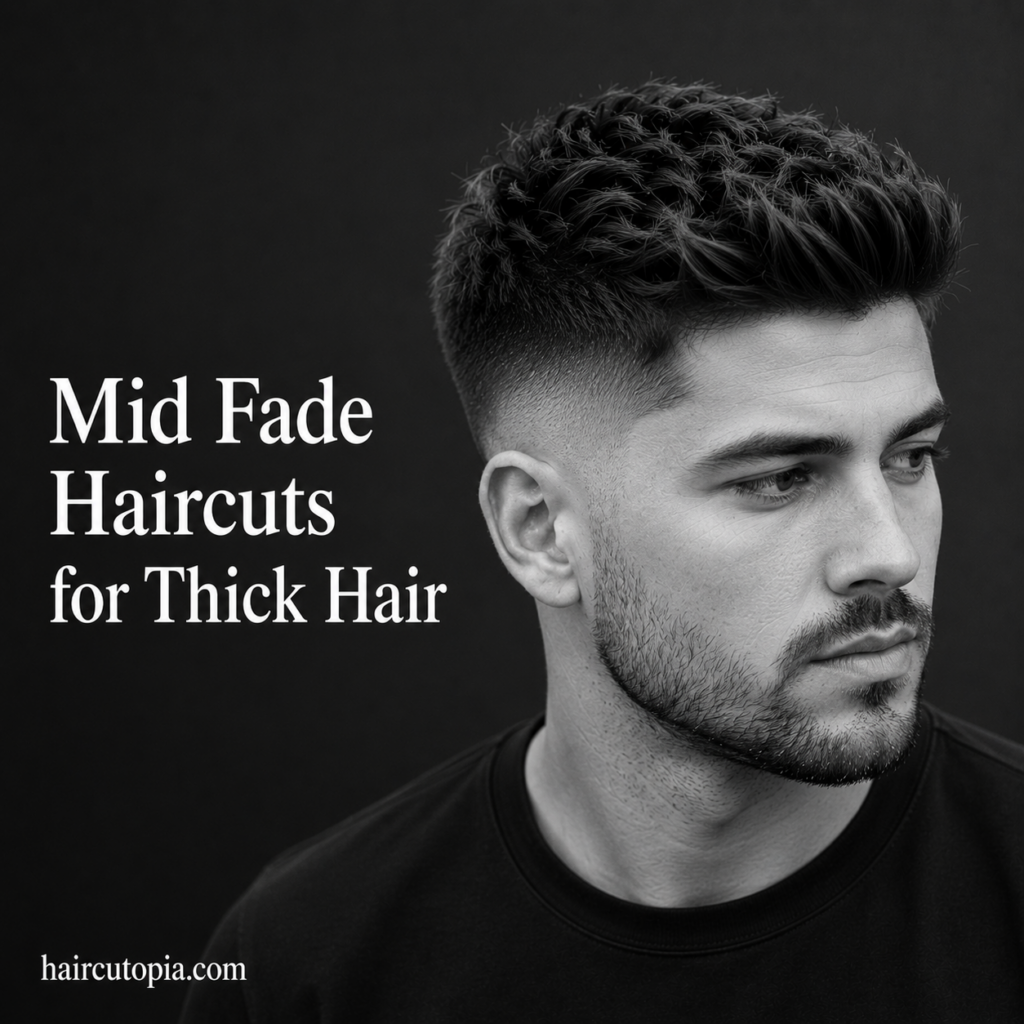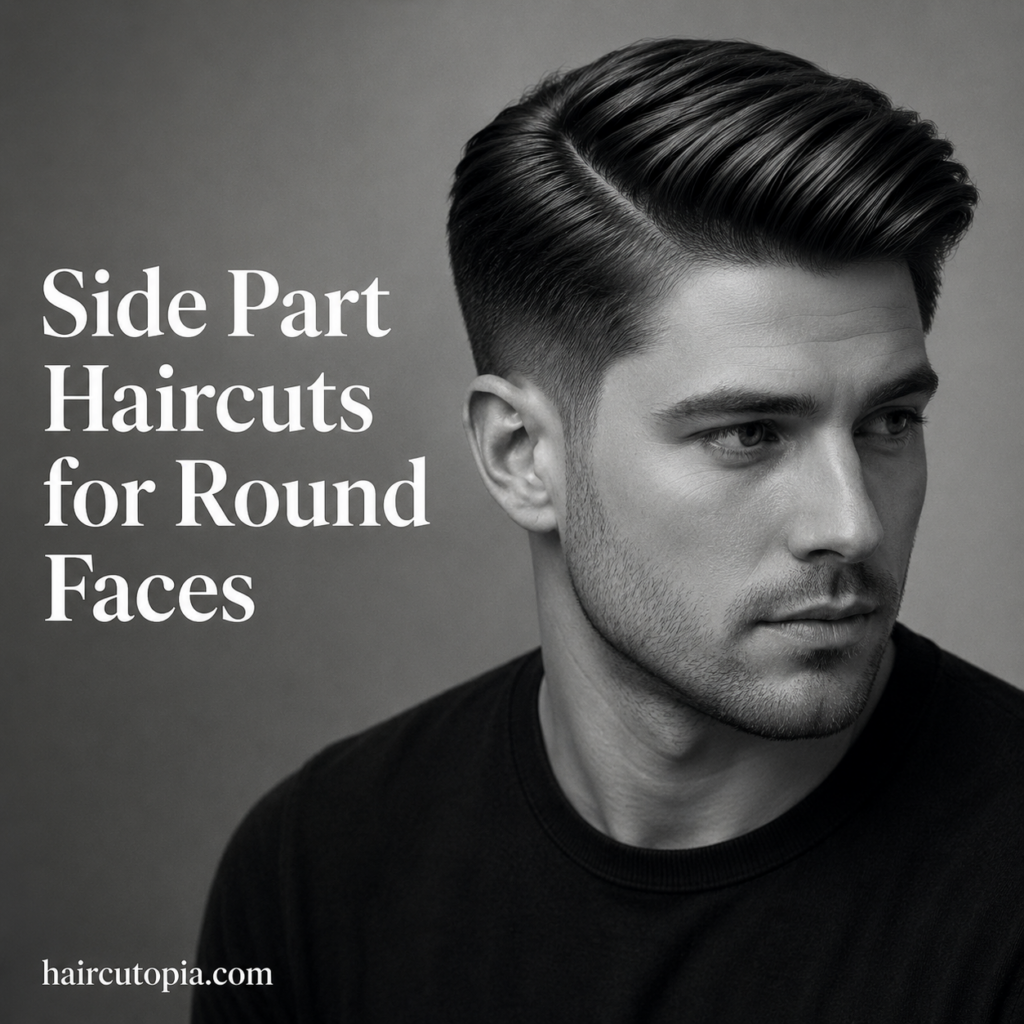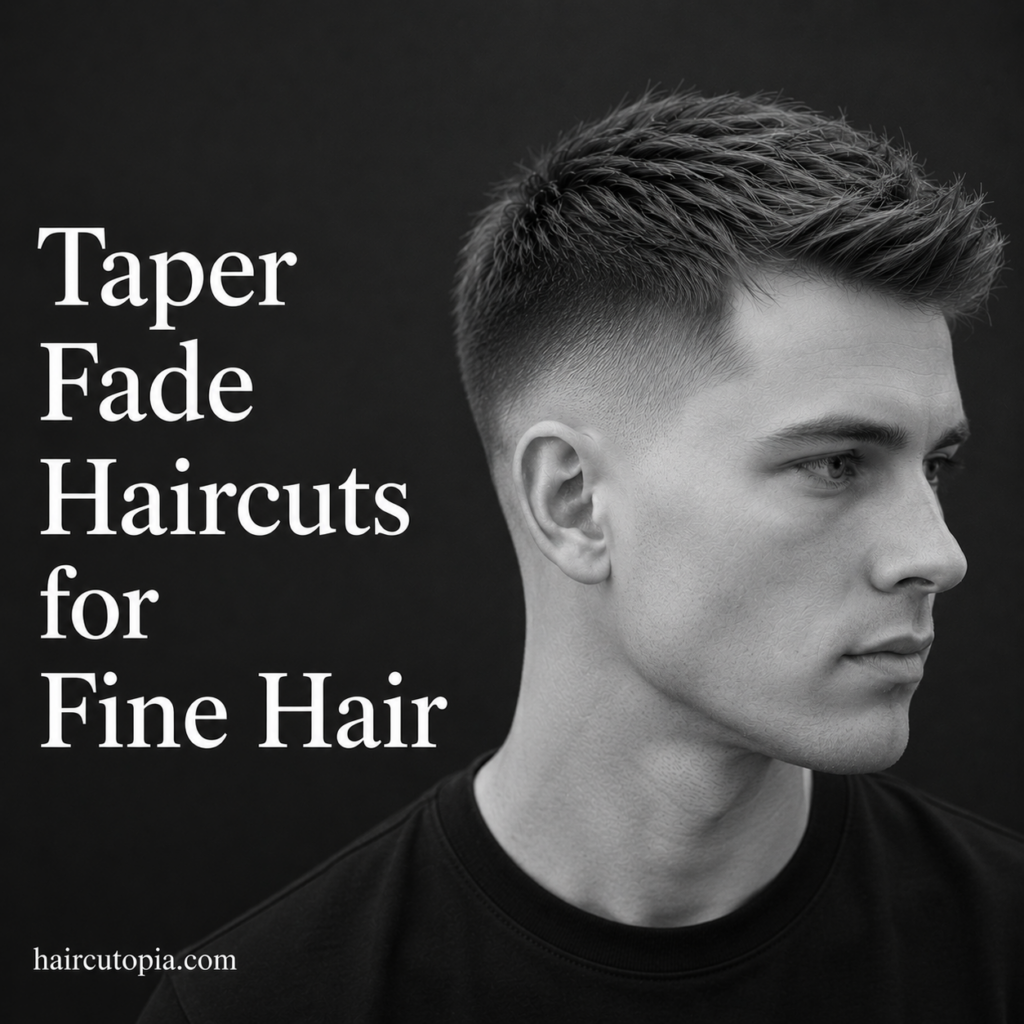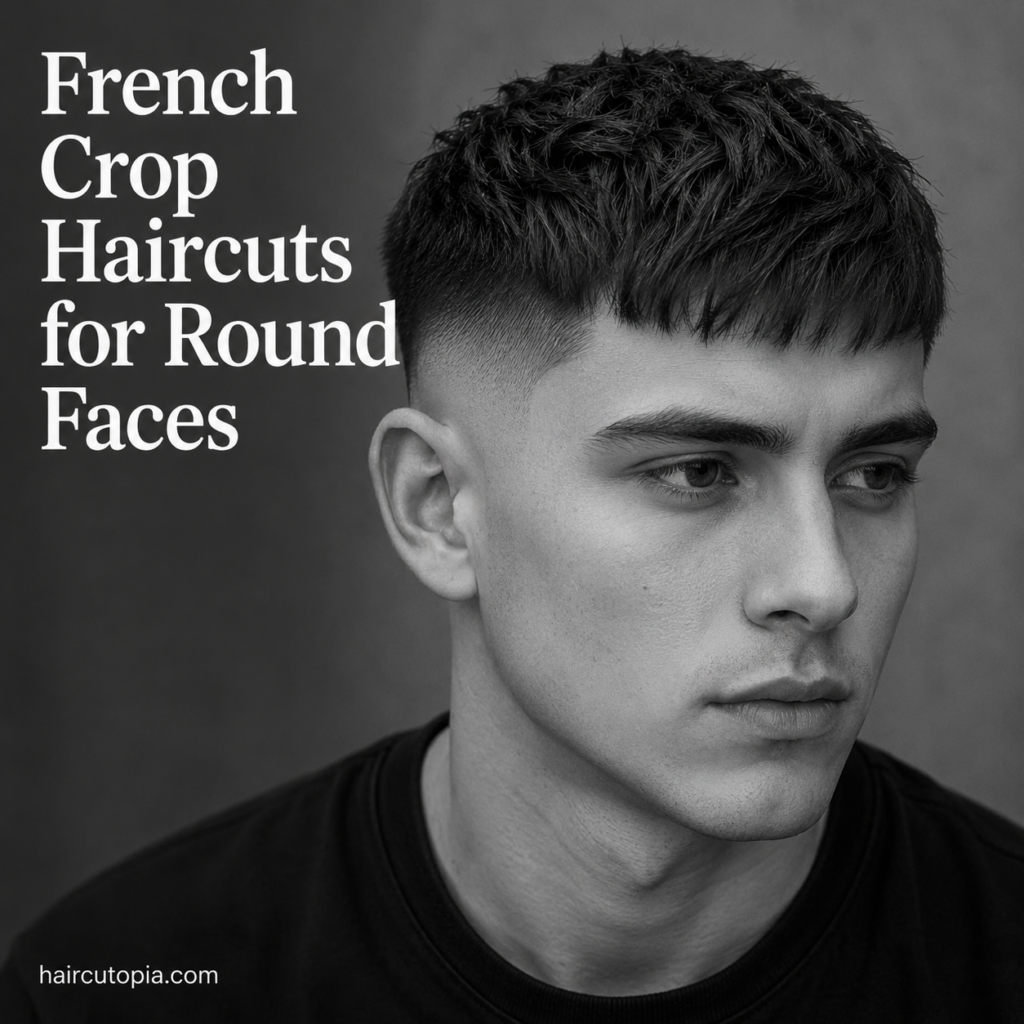
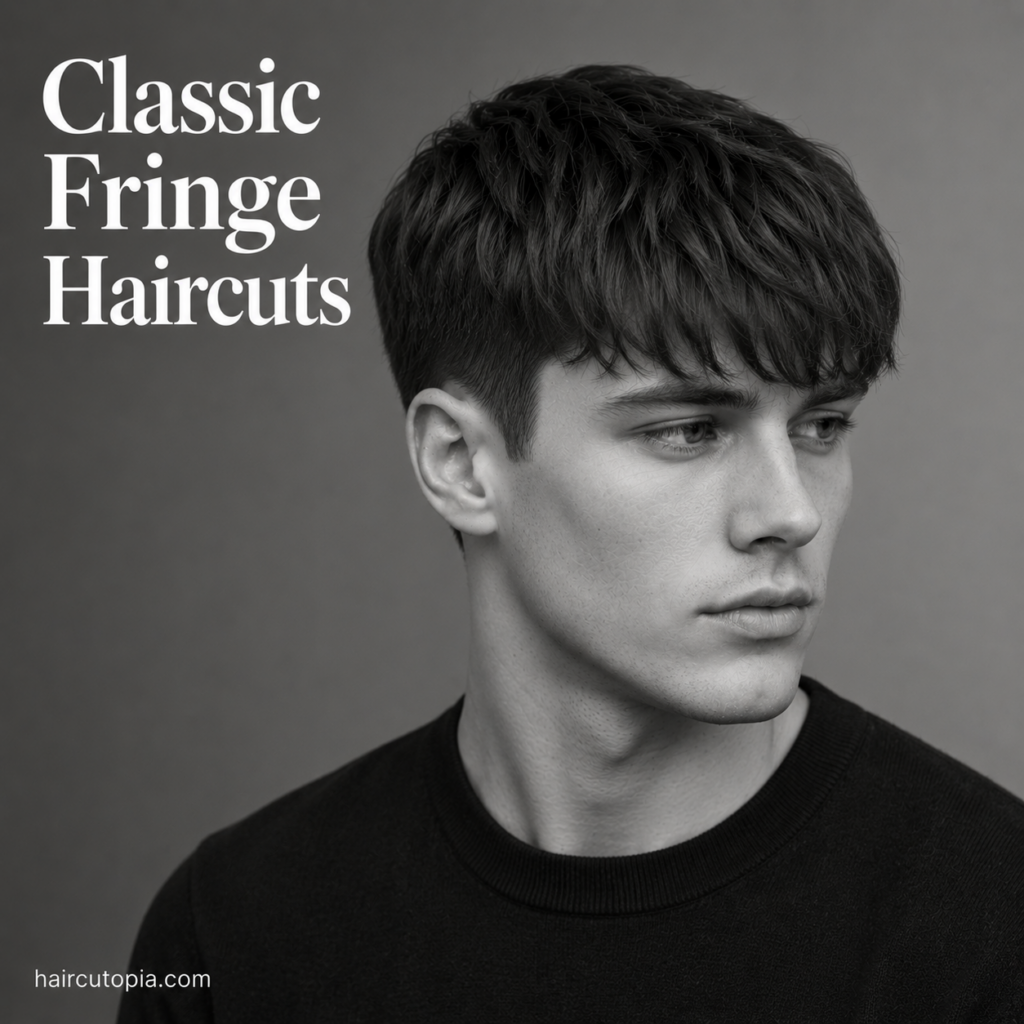
Some hairstyles come and go, but a classic fringe haircut has remained a dependable choice for generations. Combining clean lines, balanced proportions, and understated style, this haircut continues to appeal to men who want a polished look without chasing every new trend.
A classic fringe can be adapted to suit different hair types, face shapes, and lifestyles. Whether you prefer a traditional scissor cut, a modern taper fade, or a softly textured finish, there’s a version that delivers timeless appeal.
In this guide, we’ll explore the best classic fringe haircuts, who they suit, how to style them, and tips for keeping them looking sharp.
What Is a Classic Fringe Haircut?
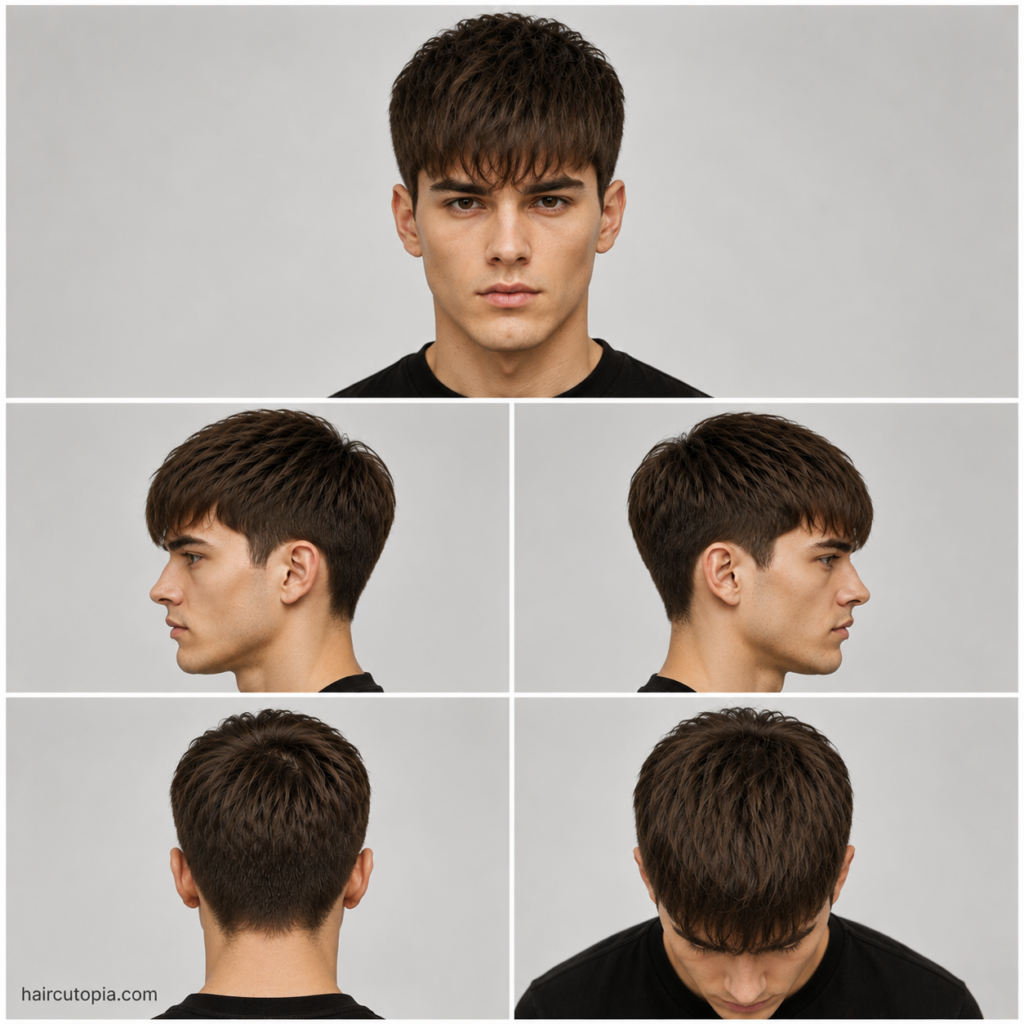
A classic fringe haircut features hair that naturally falls toward the forehead while maintaining a clean, balanced shape throughout the rest of the haircut. Unlike trend-focused styles, the emphasis is on proportion, simplicity, and versatility.
A classic fringe may include:
- Short to medium fringe length
- Soft layering
- Natural texture
- Tapered or scissor-cut sides
- A clean neckline
The result is a hairstyle that looks appropriate in almost any setting.
Why Choose a Classic Fringe Haircut?
Classic fringe haircuts remain popular for several reasons.
Timeless Style
These haircuts look just as good today as they did years ago.
Suitable for Most Ages
Whether you’re in your twenties or your sixties, a classic fringe offers a refined appearance.
Easy to Maintain
Most styles require minimal styling and straightforward maintenance.
Works for Many Hair Types
Straight, thick, fine, wavy, and curly hair can all be adapted into classic fringe styles.
Best Classic Fringe Haircuts
1. Traditional Fringe
A neatly shaped fringe with balanced layering throughout the top.
Simple, clean, and always in style.
2. Classic Fringe with Taper
A taper keeps the sides neat while preserving a soft, natural transition.
This version grows out gracefully.
3. Low Fade Classic Fringe
The low fade modernizes the haircut without overpowering its timeless design.
4. Scissor Cut Fringe
Everything is blended using scissors for a softer, more traditional finish.
Ideal for men who prefer natural-looking haircuts.
5. Side-Swept Classic Fringe
The fringe is gently directed toward one side for a polished, sophisticated appearance.
6. French Crop with Soft Fringe
A subtle take on the French crop with controlled texture and clean proportions.
7. Medium Classic Fringe
A little extra length provides flexibility while maintaining a refined appearance.
8. Short Classic Fringe
Easy to maintain and suitable for active lifestyles.
This haircut stays neat throughout the day.
9. Layered Classic Fringe
Soft layers create movement without making the haircut look messy.
10. Brushed Forward Fringe
The fringe sits naturally across the forehead with minimal styling.
11. Straight Hair Classic Fringe
Straight hair highlights clean lines and precise layering.
12. Thick Hair Classic Fringe
Texturizing removes excess weight while preserving fullness.
13. Fine Hair Classic Fringe
Strategic layering creates the appearance of greater volume.
14. Wavy Classic Fringe
Natural waves add subtle texture while maintaining a polished appearance.
15. Curly Classic Fringe
A neatly shaped curly fringe offers personality without sacrificing structure.
16. Ivy League Fringe
Combining the Ivy League haircut with a forward fringe creates an elegant, timeless style.
17. Business Fringe
Designed for professional settings, this haircut emphasizes clean lines and understated texture.
18. Tapered Crop Fringe
A cropped top with soft tapering creates a balanced, versatile hairstyle.
19. Neat Textured Fringe
Light texture modernizes the haircut while preserving its classic character.
20. Everyday Fringe
Comfortable, practical, and suitable for nearly every occasion.
21. Clean Fringe with Beard
A neatly groomed beard complements the haircut without overwhelming it.
Popular pairings include:
- Light stubble
- Short boxed beard
- Medium beard
22. Soft Natural Fringe
Following the natural growth pattern creates an effortless appearance.
23. Executive Fringe
A polished haircut that works especially well in formal workplaces.
24. Casual Classic Fringe
Slightly relaxed styling makes this haircut equally suitable for weekends.
25. Timeless Fringe with Taper Fade
A gentle taper fade updates the haircut while maintaining its traditional appeal.
Choosing the Right Classic Fringe for Your Face Shape
Round Face
Look for:
- Slight height
- Low taper
- Soft texture
These features help balance facial proportions.
Oval Face
Oval faces suit nearly every classic fringe hairstyle.
Square Face
Soft layering complements angular facial features.
Heart Face
A lightly layered fringe balances a broader forehead.
Diamond Face
Texture around the forehead softens prominent cheekbones.
Long Face
Choose fuller fringes without excessive height.
Best Hair Types for Classic Fringe Haircuts
Straight Hair
Ideal for clean, structured hairstyles.
Thick Hair
Texturing reduces bulk while maintaining volume.
Fine Hair
Layering helps create a fuller appearance.
Wavy Hair
Natural movement enhances the haircut without requiring extensive styling.
Curly Hair
Well-maintained curls create a timeless and distinctive look.
How to Ask Your Barber for a Classic Fringe
Reference photos are always helpful.
You could say:
“I’d like a classic fringe haircut with a natural taper, soft texture, and a clean, timeless finish that’s easy to style.”
Also discuss:
- Fringe length
- Side length
- Taper or fade preference
- Texture
- Daily styling habits
How to Style a Classic Fringe
Classic styling focuses on simplicity.
Step 1
Start with clean, towel-dried hair.
Step 2
Apply a small amount of:
- Matte clay
- Styling cream
- Lightweight paste
Step 3
Use your fingers or a comb to shape the fringe naturally.
Step 4
Avoid using too much product.
The hairstyle should appear effortless.
Best Styling Products
Matte Clay
Provides natural texture with medium hold.
Styling Cream
Offers flexible control and a soft finish.
Texture Paste
Adds subtle definition.
Sea Salt Spray
Enhances natural volume without stiffness.
Lightweight Hairspray
Helps maintain shape throughout the day.
Maintenance Tips
Classic haircuts stay sharp with consistent care.
- Schedule trims every 4 to 6 weeks.
- Wash and condition regularly.
- Avoid excessive styling products.
- Keep the fringe neatly trimmed.
- Maintain facial hair if applicable.
Common Mistakes to Avoid
Over-Styling
Classic hairstyles should look natural rather than heavily sculpted.
Waiting Too Long Between Haircuts
Regular trims preserve the haircut’s clean proportions.
Choosing Excessive Texture
Subtle movement works better than dramatic separation.
Ignoring Your Hair Type
Work with your natural texture instead of forcing a style that doesn’t suit your hair.
Frequently Asked Questions
Are classic fringe haircuts still in style?
Yes. Their timeless appearance makes them one of the most reliable choices for men of all ages.
Do classic fringe haircuts work in professional environments?
Absolutely. Their clean, polished appearance suits most workplaces.
How often should I trim a classic fringe?
Most styles benefit from trims every 4 to 6 weeks.
Can curly hair have a classic fringe?
Yes. With proper shaping, curly hair creates a refined and timeless fringe.
What’s the difference between a classic fringe and a textured fringe?
A classic fringe emphasizes clean lines and balanced proportions, while a textured fringe focuses on more noticeable layers and separation.
Final Thoughts
Classic fringe haircuts continue to earn their place among the most versatile men’s hairstyles because they combine timeless style with everyday practicality. They work across different professions, age groups, and personal styles without feeling outdated or overly trendy.
Whether you choose a traditional scissor cut, a subtle taper, or a softly textured variation, a classic fringe offers a polished appearance that’s easy to maintain. With regular trims and simple styling, this haircut will continue to look sharp year after year.