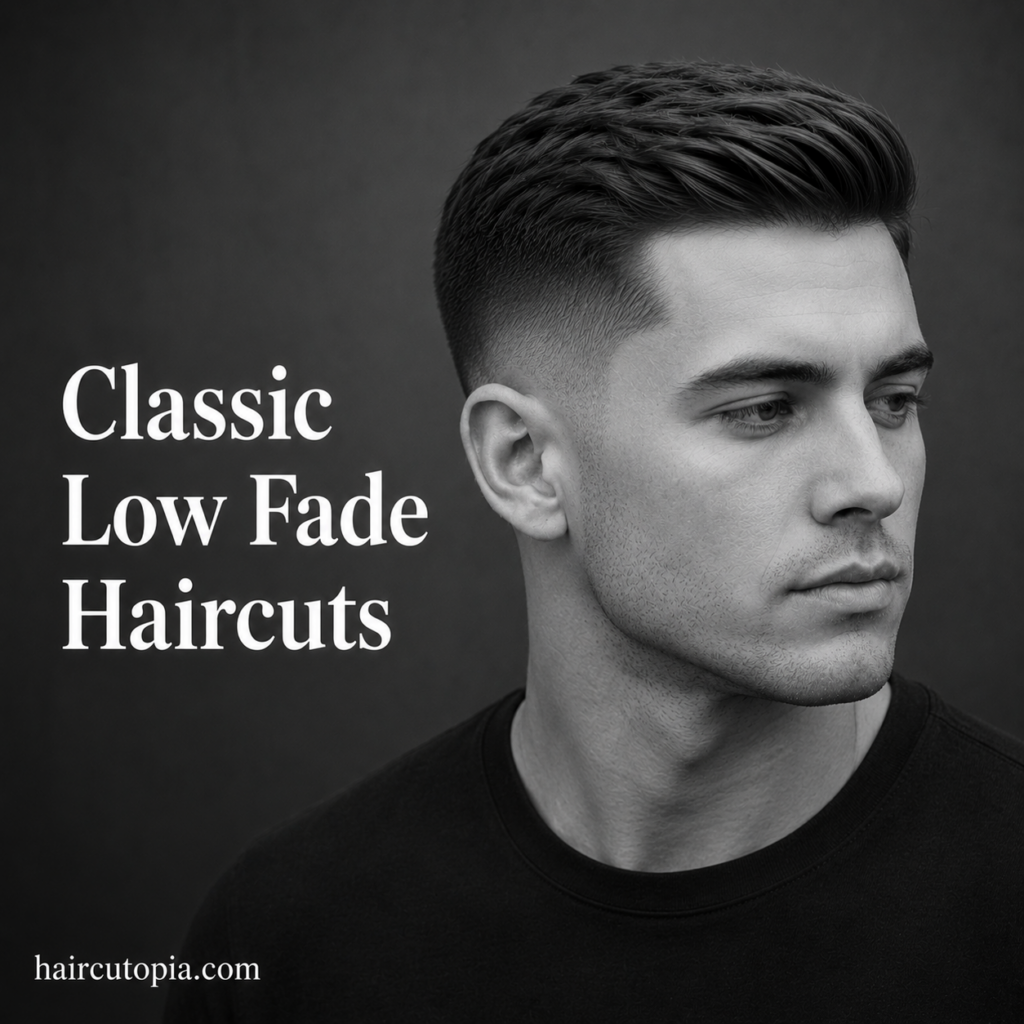
Some haircuts explode in popularity for a season and disappear just as quickly. Others quietly stick around for decades because they simply work. Classic low fade haircuts belong in that second category.
They’re clean, balanced, and versatile enough to fit almost any situation. You can wear them to work, weddings, school, formal events, or everyday life without feeling like you’re following a short-lived trend.
That’s the appeal of classic styles. They rarely look outdated because they focus on structure, simplicity, and good grooming rather than chasing whatever happens to be popular.
If you’re looking for a haircut that ages well and always feels appropriate, a classic low fade deserves serious consideration.
What Is a Classic Low Fade Haircut?
A classic low fade gradually tapers the hair near the lower sides and back of the head while maintaining a natural blend into longer hair above.
Unlike dramatic skin fades or highly textured modern cuts, classic styles focus more on:
- Smooth transitions
- Clean lines
- Balanced proportions
- Natural-looking structure
- Timeless styling
The overall appearance feels polished without trying too hard.
Why Classic Low Fade Haircuts Stay Popular
Certain hairstyles survive changing trends because they fit nearly everyone.
Classic low fades continue to work because they:
- Suit most face shapes
- Work in professional settings
- Grow out naturally
- Require manageable styling
- Pair well with facial hair
- Look clean across age groups
A good classic haircut often looks just as appropriate today as it did years ago.
Best Classic Low Fade Haircuts
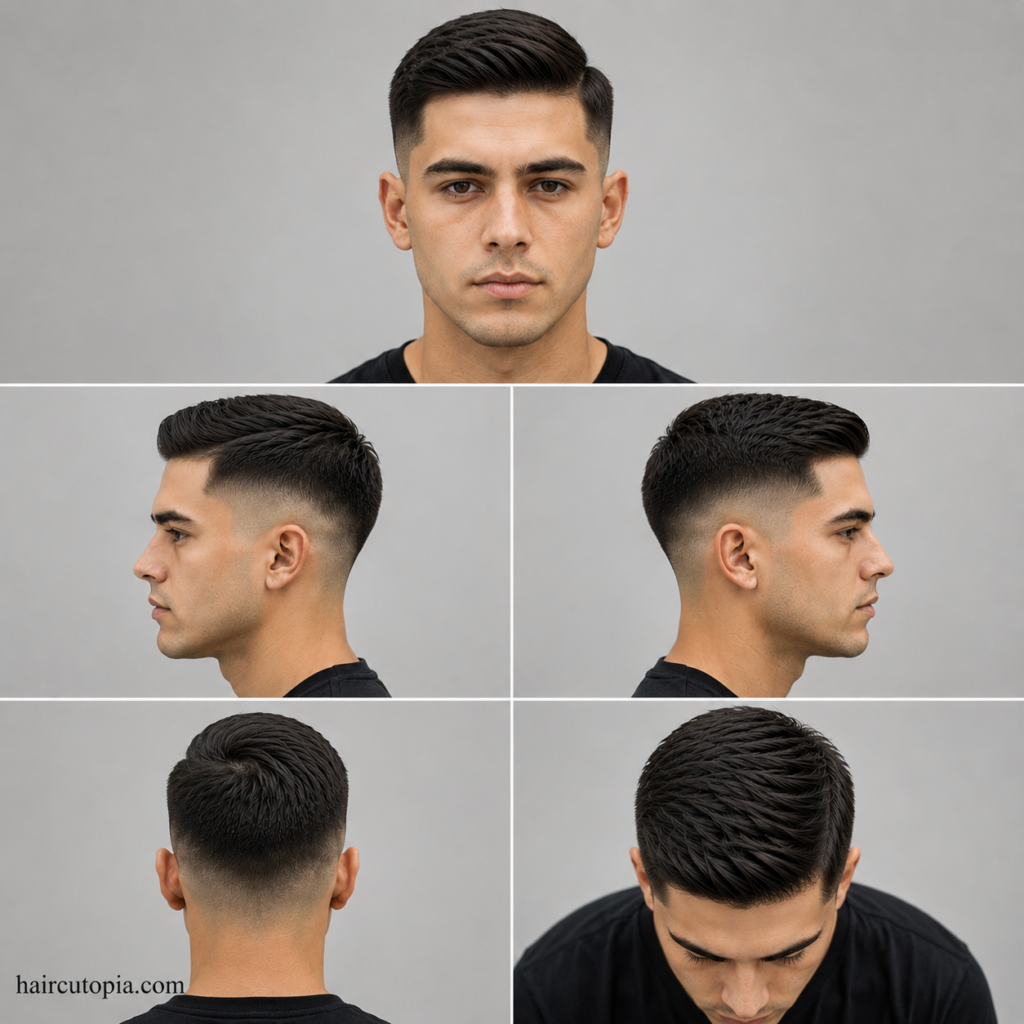
Side Part with Low Fade
Few hairstyles are as timeless as the side part.
Adding a low fade modernizes the edges while preserving the traditional shape.
Why it remains popular:
- Clean appearance
- Professional style
- Great for formal events
- Easy everyday wear
Styling effort: Low
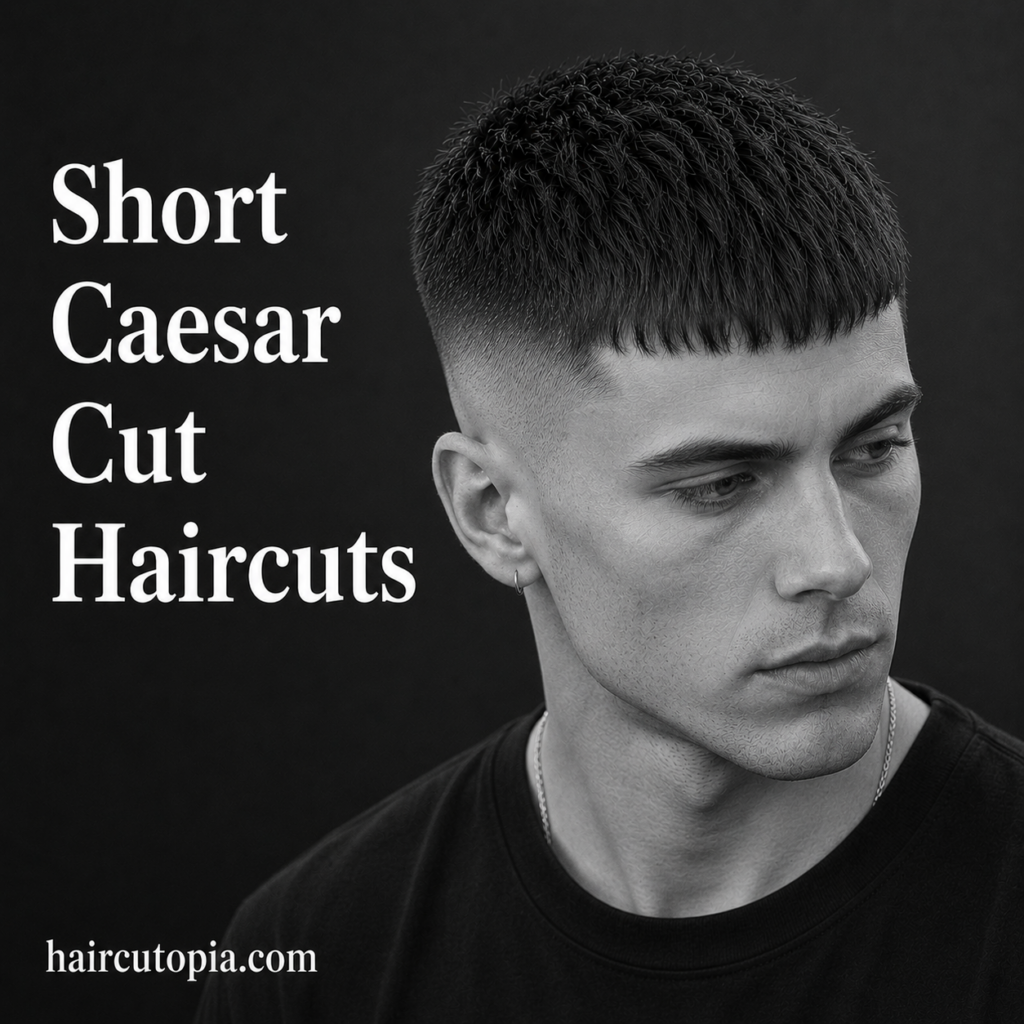
Crew Cut with Low Fade
The crew cut has long been one of the most dependable men’s hairstyles.
Its simplicity makes it easy to maintain while the low fade creates a cleaner finish.
Benefits include:
- Minimal styling time
- Works for active lifestyles
- Sharp profile
- Suitable for most hair types
Styling effort: Very low
Ivy League with Low Fade
Think of the Ivy League as a slightly longer crew cut with additional styling flexibility.
This haircut creates a refined appearance without becoming high maintenance.
Ideal for:
- Office professionals
- Students
- Formal settings
- Everyday use
Styling effort: Low
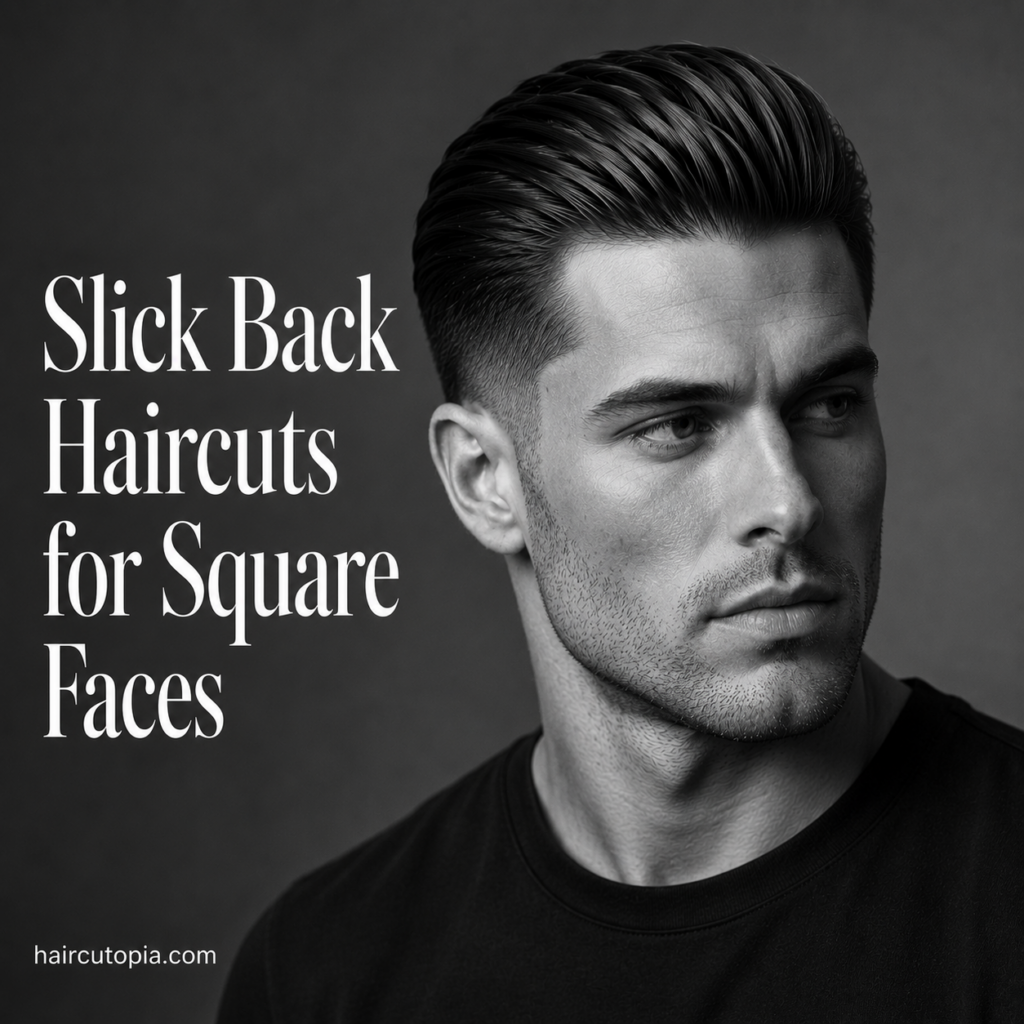
Slick Back with Low Fade
The slick back remains a classic option for men who prefer a more polished look.
The fade keeps the style modern and prevents the sides from feeling bulky.
Works especially well with:
- Medium hair length
- Thick hair
- Strong facial structure
- Formal environments
Styling effort: Moderate
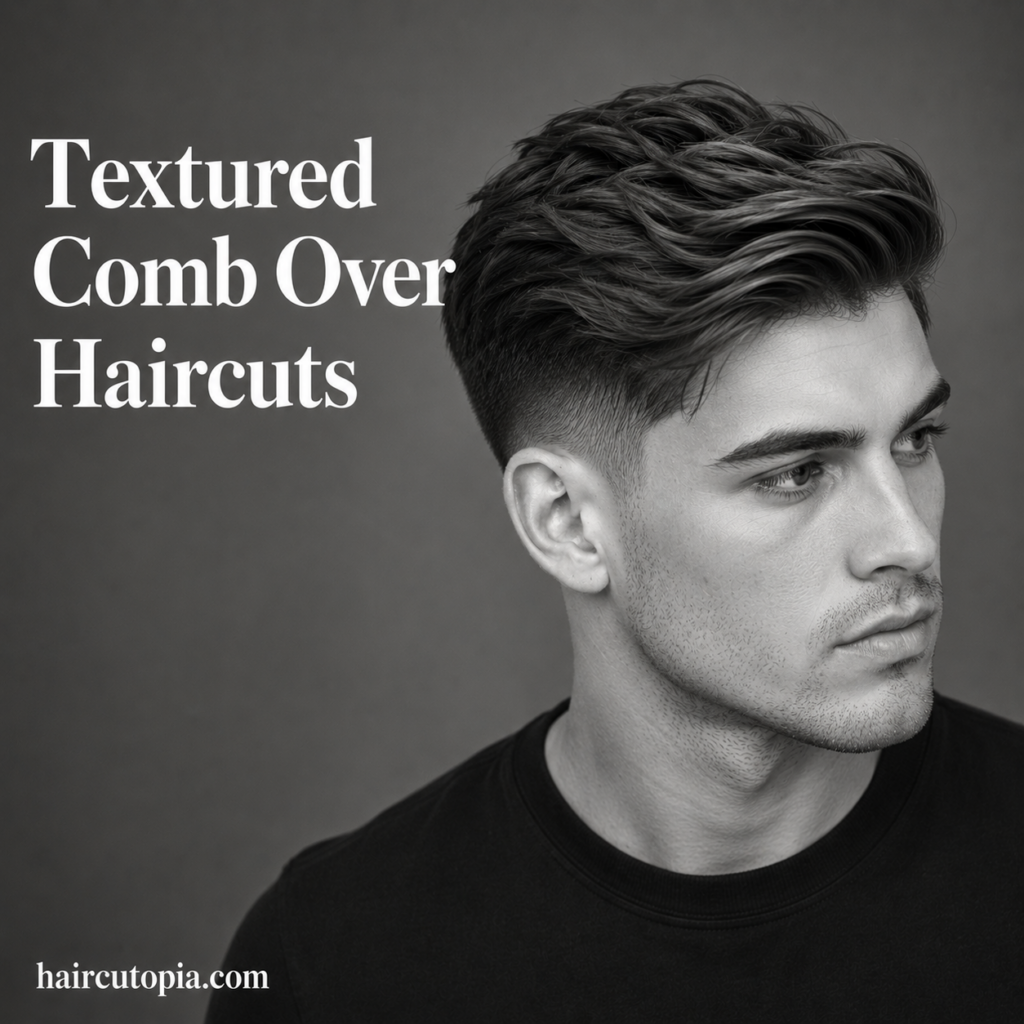
Classic Comb Over with Low Fade
Modern comb overs have evolved significantly from older versions.
Today’s approach feels cleaner and softer while keeping the timeless side-swept appearance.
Why men choose it:
- Stylish without effort
- Easy to maintain
- Works in business settings
- Flexible styling options
Styling effort: Low
Short Pompadour with Low Fade
The pompadour has been around for generations and still maintains its appeal.
Keeping it shorter creates a more manageable version.
Advantages:
- Adds height
- Creates structure
- Timeless look
- Strong profile shape
Styling effort: Moderate
Buzz Cut with Low Fade
Simple never goes out of style.
The buzz cut paired with a low fade creates a sharp and masculine appearance that requires very little upkeep.
Reasons it works:
- Minimal maintenance
- Strong clean shape
- Great with beards
- Athletic look
Styling effort: Minimal
Choosing the Right Classic Low Fade for Your Hair Type
Hair texture plays a major role in how a classic haircut behaves.
Straight Hair
Recommended styles:
- Side part
- Ivy League
- Comb over
- Slick back
Straight hair naturally supports cleaner styling.
Thick Hair
Best choices:
- Crew cut
- Pompadour
- Slick back
These styles help control density.
Wavy Hair
Ideal options:
- Side part
- Comb over
- Medium classic cuts
Natural movement adds softness.
Curly Hair
Recommended styles:
- Short curls with low fade
- Curly crop
- Structured textured styles
The fade controls volume while keeping shape balanced.
How to Ask Your Barber for a Classic Low Fade
The word “classic” can mean different things to different people.
Be specific during your appointment.
Mention:
- Desired fade height
- Hair length on top
- Side part or no part
- Preferred styling effort
- Tapered neckline preference
- Natural or sharper finish
Reference photos can also make communication easier.
Styling Products That Match Classic Hairstyles
Classic styles generally look best with controlled, natural movement.
Helpful products include:
- Light pomade
- Styling cream
- Matte paste
- Light hold gel
- Lightweight hairspray
Avoid overloading your hair with heavy products.
Clean styling usually looks better.
Common Mistakes to Avoid
Classic haircuts work because of balance.
Avoid:
- Extreme fade contrasts
- Excessive product use
- Letting sides overgrow
- Choosing styles that fight natural texture
- Overcomplicating simple cuts
Classic doesn’t mean boring. It means consistent.
Final Thoughts
Classic low fade haircuts continue to survive changing trends because they simply make sense. They’re polished without feeling forced, stylish without being dramatic, and versatile enough to fit nearly every lifestyle.
Whether you choose a side part, crew cut, Ivy League, or slick back, classic styles have a way of staying relevant year after year.
Sometimes the safest choice ends up being the smartest one.