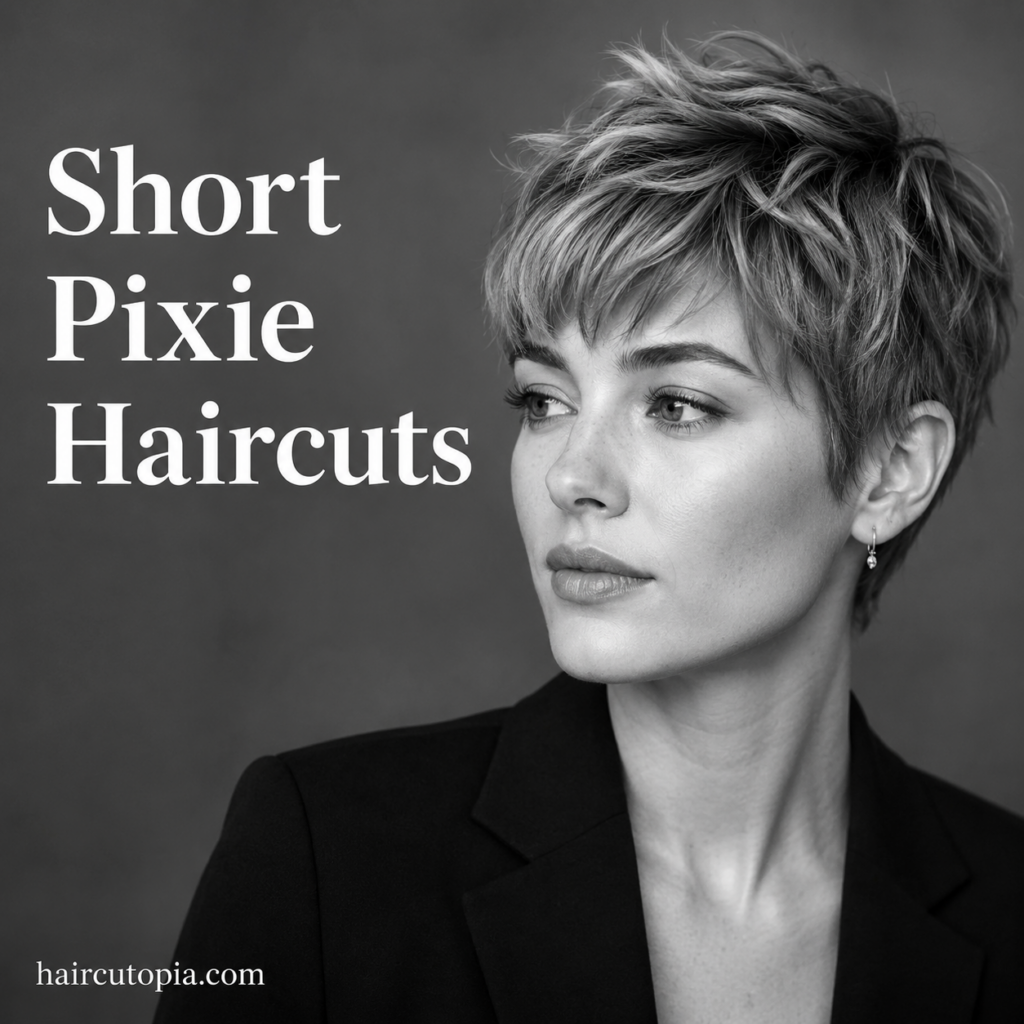
Short pixie haircuts have a way of making an instant statement. They are confident, stylish, and surprisingly versatile, whether you prefer a soft feminine finish or something a little more edgy.
One of the biggest advantages of a pixie cut is how much personality can be packed into such a short hairstyle. A few extra layers can create texture. Longer bangs can soften the face. Closely cropped sides can completely change the mood of the cut.
And while short hair is often described as low maintenance, the right pixie is really about finding a shape that works with your hair texture, face shape, and daily routine.
If you are thinking about going shorter, these short pixie haircut ideas can help you find a style that feels modern, flattering, and comfortable to wear.
What Is a Short Pixie Haircut?
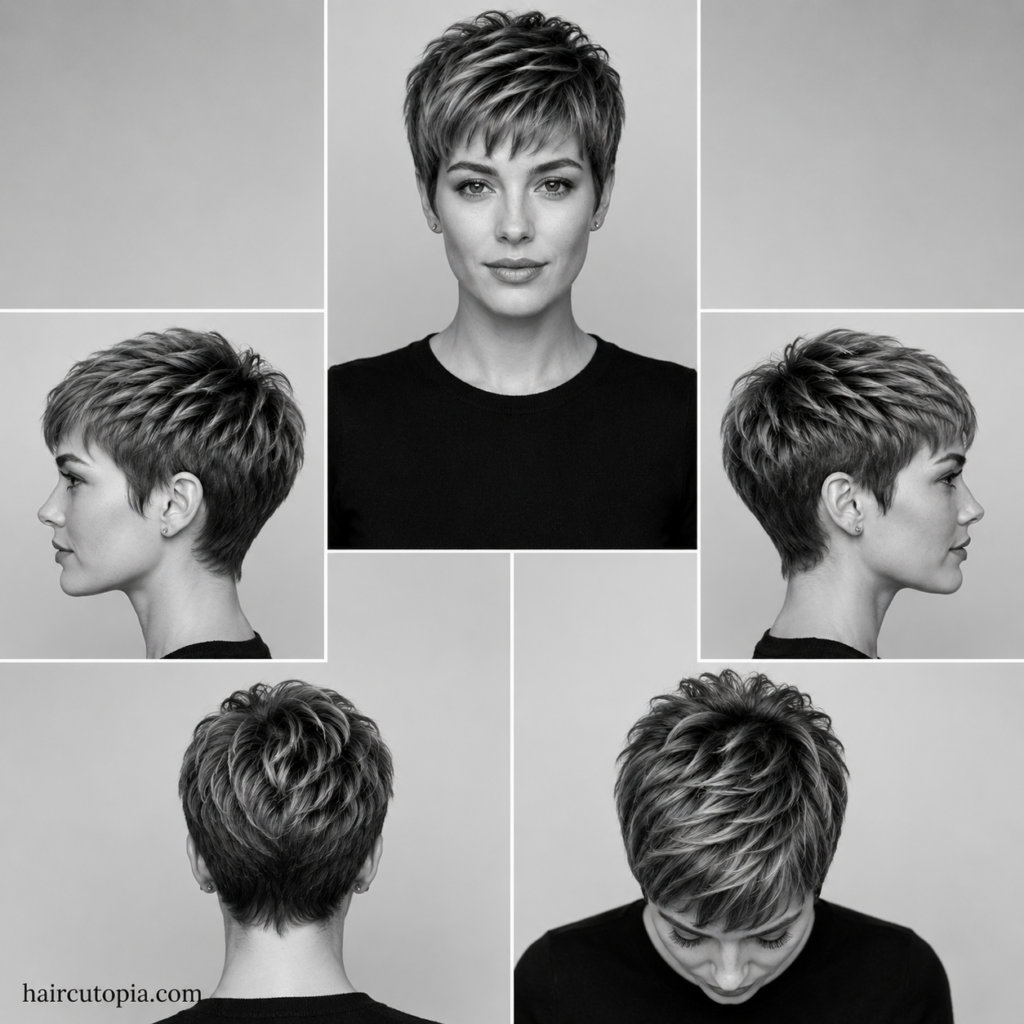
A short pixie haircut is a cropped women’s hairstyle that typically features shorter hair around the sides and back with slightly more length through the top.
There is no single pixie shape.
Some pixie cuts are extremely short and closely tapered. Others leave several inches of length on top for volume, texture, or bangs. Modern pixies can be polished, messy, layered, undercut, or softly feathered.
The overall goal is to create a short hairstyle with a clear shape rather than simply cutting the hair to one uniform length.
A good pixie haircut often uses subtle differences in length to add movement and balance.
Why Short Pixie Haircuts Are So Popular
Pixie cuts have remained popular because they can look both timeless and modern.
They also offer something completely different from longer hairstyles. Instead of relying on length, the haircut itself becomes the main feature.
Some reasons women choose short pixie haircuts include:
- Less hair to wash and dry
- Easy everyday styling
- A lightweight feel
- More focus on facial features
- Plenty of options for texture and volume
- A clean, modern appearance
- Easier management of very thick hair
- The opportunity for a dramatic style change
A pixie can also make getting ready in the morning much faster. Depending on the haircut and hair type, styling may only require a small amount of product and a few minutes of shaping.
Best Short Pixie Haircuts for Women
There are many ways to wear a short pixie. The best option depends on how much length you want to keep and the type of finish you prefer.
Classic Short Pixie Cut
The classic pixie is simple, balanced, and easy to recognize.
The sides and back are cut short while the top is left slightly longer. The transition between lengths is usually soft rather than dramatic.
This style works well for women who want a traditional pixie without too much styling complexity.
A small amount of lightweight styling cream can help separate the layers and keep the haircut looking natural.
Short Layered Pixie
Layers give a pixie more movement and dimension.
Instead of sitting flat against the head, the hair has small variations in length that create texture. This can be especially helpful for fine or straight hair.
Short layered pixie haircuts can be styled smooth or slightly tousled.
For a casual finish, work a small amount of texture paste through the top using your fingertips.
Textured Short Pixie
A textured pixie has a more relaxed, lived-in appearance.
The top is usually cut with plenty of separation so individual pieces of hair can move naturally. The result feels less structured than a traditional pixie.
This style is ideal if you like slightly messy hairstyles.
Texture spray, matte paste, or a light styling wax can help define the haircut without making it look stiff.
Short Pixie With Bangs
Bangs can completely change the appearance of a pixie haircut.
Short bangs create a bold, modern shape. Longer bangs tend to look softer and can be swept across the forehead.
A pixie with bangs may also help create balance around the face.
Popular options include:
- Wispy bangs
- Side-swept bangs
- Micro bangs
- Choppy bangs
- Long layered bangs
The right fringe depends on your face shape and natural hair growth pattern.
Short Choppy Pixie
Choppy pixie haircuts use noticeable layers and textured ends.
The haircut is intentionally less polished, creating a slightly edgy appearance. Pieces through the top may be styled in different directions for additional movement.
This cut works particularly well with naturally straight or slightly wavy hair.
A matte styling product usually gives the best finish because it keeps the texture visible.
Short Tapered Pixie
A tapered pixie gradually becomes shorter toward the neckline and around the ears.
The clean shape gives the haircut a polished appearance while still leaving styling options on top.
Tapering can also help a pixie grow out more gracefully.
The neckline stays neat, and the transition between the short back and longer top feels intentional.
Short Pixie With Long Bangs
Keeping longer bangs is a great option for women who want short hair without feeling completely exposed around the face.
The sides and back remain cropped while the front has noticeably more length.
Long bangs can be:
- Swept to one side
- Styled forward
- Tucked behind the ear
- Textured for a messy finish
- Lifted slightly for volume
This extra length creates styling flexibility and can make the transition from longer hair to a pixie feel less dramatic.
Short Messy Pixie
The messy pixie is designed to look effortless.
Layers are cut to encourage natural movement, and the styling focuses on separation rather than perfect placement.
The key is controlled texture.
Using too much product can make short hair look heavy or greasy. Start with a very small amount of styling paste and add more only if necessary.
Short Pixie With an Undercut
An undercut adds a stronger contrast to a traditional pixie.
The hair underneath or around the sides is clipped very short while the top remains longer.
Some undercuts are subtle and hidden beneath the top layers. Others are clearly visible and become a major part of the hairstyle.
This style can be particularly useful for very thick hair because removing weight from the sides makes the haircut easier to manage.
Short Spiky Pixie
A spiky pixie creates height and definition through the top.
Modern versions tend to look softer than the heavily gelled spikes of the past. Instead, small sections of hair are lifted and separated using a lightweight matte product.
The result can feel playful and energetic.
Short spiky pixies work especially well when the top has enough length to create visible texture.
Soft Feminine Pixie Cut
Not every pixie needs sharp edges or dramatic texture.
A soft pixie uses gentle layering, wispy pieces, and smooth transitions between lengths.
Longer sections around the forehead or temples can help frame the face.
This is a good choice if you want a short haircut that still feels delicate and understated.
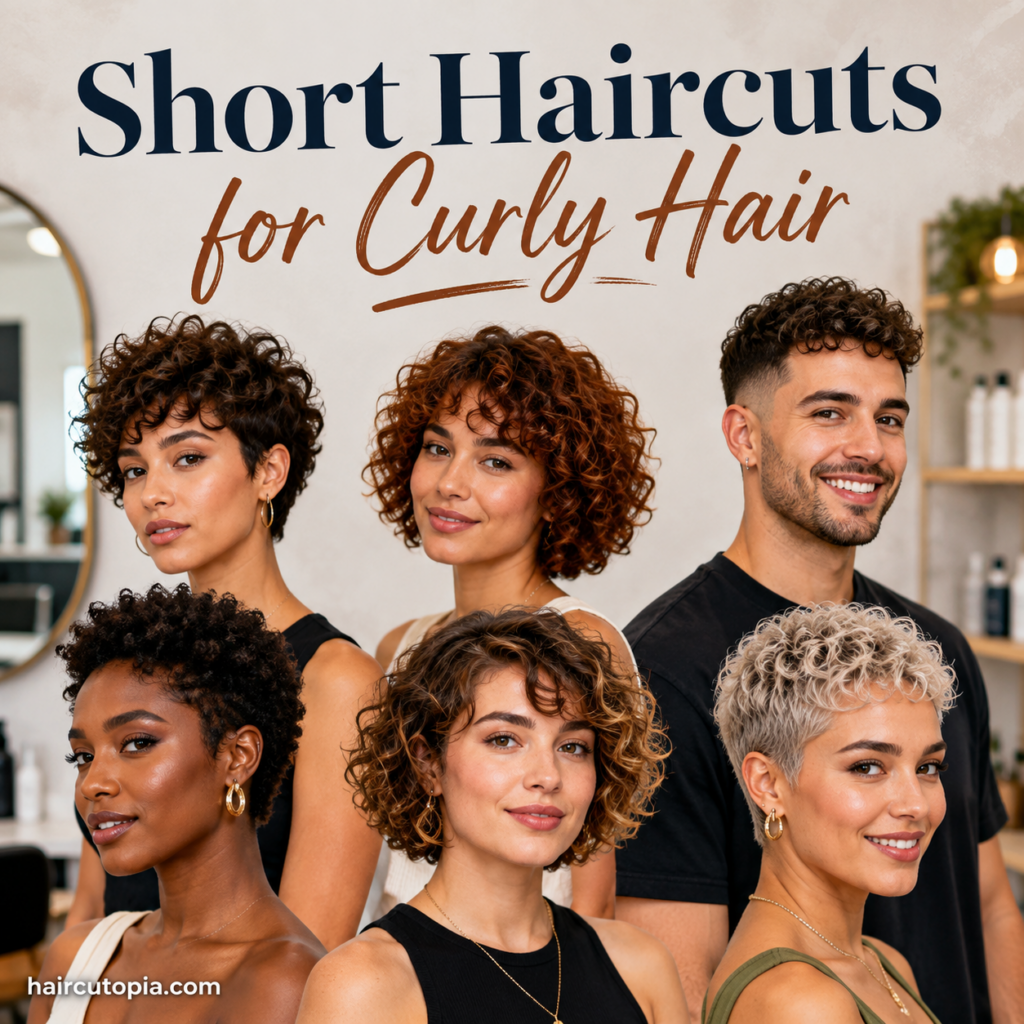
Short Curly Pixie
Natural curls can give a pixie incredible texture.
Rather than straightening the hair, a curly pixie is shaped around the natural curl pattern. The sides may be kept shorter while additional length is left on top.
A curl cream or lightweight leave-in product can help maintain definition.
Avoid using too much heavy styling product, as it may flatten shorter curls.
Short Wavy Pixie
Wavy hair creates natural movement in a short pixie.
Soft bends through the top add volume and texture without requiring complicated styling.
The haircut should be shaped to work with the direction of the waves.
Air-drying may be enough for some hair types. Others may benefit from light scrunching with a styling cream.
Short Pixie for Fine Hair
A carefully layered pixie can make fine hair appear fuller.
Shorter lengths reduce the weight that often pulls fine hair flat. Strategic layers can then create lift around the crown.
For additional volume:
- Apply a lightweight root product.
- Blow-dry the hair in the opposite direction of its natural growth.
- Shape the top with your fingers.
- Finish with a small amount of texture product.
Avoid heavy oils and thick waxes that may weigh the hair down.
Short Pixie for Thick Hair
Thick hair can work beautifully with a pixie, but removing excess weight is important.
Internal layering and tapering can prevent the haircut from becoming bulky around the sides.
An undercut may also be considered for extremely dense hair.
The goal is to control the volume while keeping enough texture to show off the natural thickness of the hair.
Short Pixie Haircuts by Face Shape
Face shape does not mean you are limited to one specific haircut. However, adjusting the length and volume of a pixie can help create a more balanced appearance.
Short Pixie Haircuts for Round Faces
Pixies with height through the top can visually lengthen a round face.
Side-swept bangs and textured crowns are popular options.
Try to keep some structure around the sides rather than creating excessive width near the cheeks.
A slightly asymmetrical pixie can also add interesting angles.
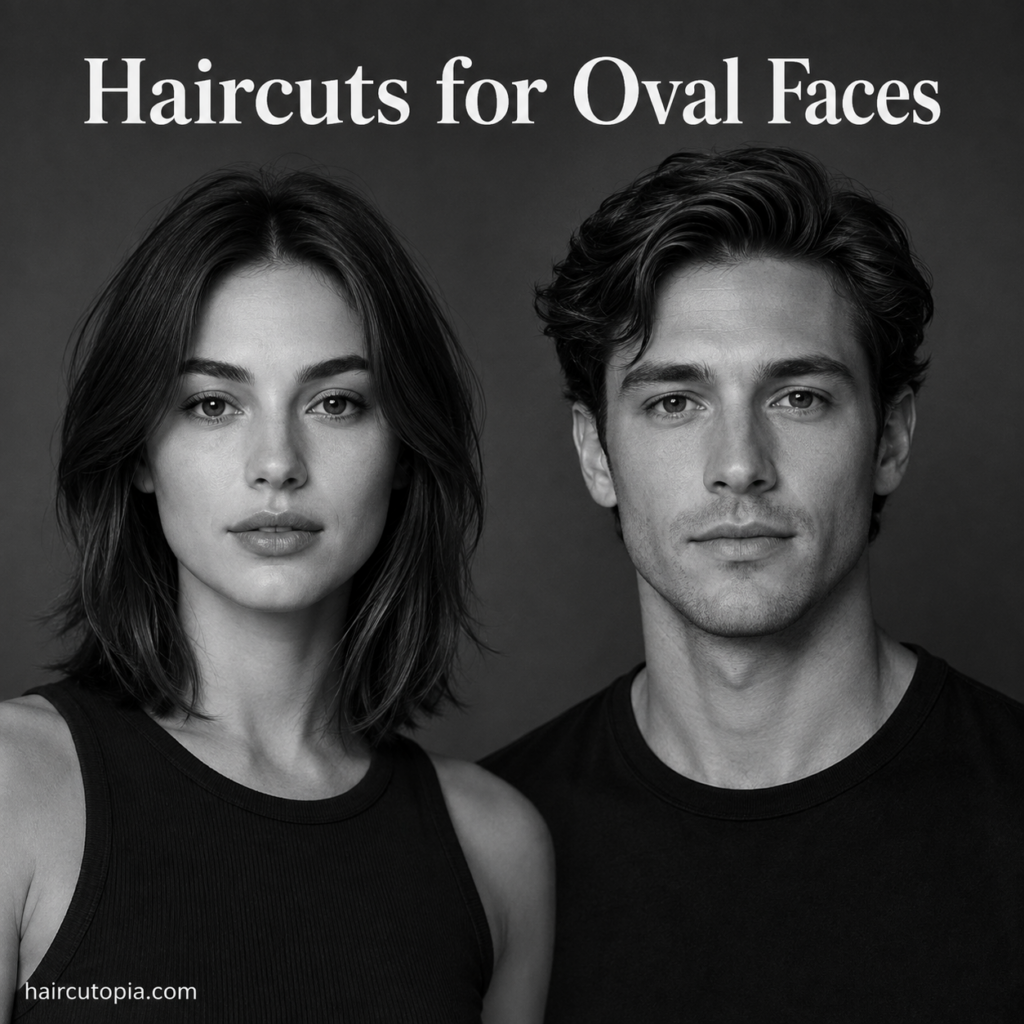
Short Pixie Haircuts for Oval Faces
Oval faces can usually wear a wide range of pixie styles.
Classic crops, short bangs, messy texture, and sleek pixies can all work well.
Because the face already has balanced proportions, the haircut can focus more on hair texture and personal style.
Short Pixie Haircuts for Square Faces
Soft layers can complement the stronger angles of a square face.
Wispy bangs and textured pieces around the temples may create a gentler frame.
If you prefer a bolder look, a structured pixie can also emphasize the jawline rather than trying to soften it.
Short Pixie Haircuts for Heart-Shaped Faces
Heart-shaped faces often have a wider forehead and narrower chin.
Side-swept bangs can create balance through the upper part of the face.
Keeping a little texture around the sides may also help prevent the top of the haircut from looking too narrow or severe.
Short Pixie Haircuts for Long Faces
Pixies for long faces often benefit from controlled volume.
Too much height directly on top can make the face appear longer. Instead, consider side-swept bangs, textured fringe, or a slightly fuller shape around the sides.
A layered pixie with forward movement can work particularly well.
Short Pixie Haircuts for Diamond Faces
Diamond faces typically feature prominent cheekbones with a narrower forehead and jaw.
Soft bangs and layered texture can help balance the overall shape.
A pixie with slightly longer pieces around the temples can create a flattering frame while allowing the cheekbones to remain a noticeable feature.
How to Choose the Right Short Pixie Haircut
Choosing a pixie is about more than finding a photo you like.
Your natural hair characteristics play a major role in how the haircut will sit and move.
Before your appointment, consider the following.
Think About Your Hair Texture
Straight hair may naturally create a sleek or piecey pixie.
Wavy hair adds movement.
Curly hair creates volume and definition.
Your stylist can adjust the layering technique based on your natural texture.
Consider Your Hair Density
Fine hair and thick hair require different approaches.
Fine hair may need carefully placed layers to maintain fullness. Thick hair often benefits from weight removal and internal texture.
A haircut that works beautifully on one hair density may behave completely differently on another.
Look at Your Natural Hair Growth
Cowlicks and growth patterns are especially noticeable with short hair.
The direction your hair naturally grows can affect bangs, crown volume, and the way the sides sit.
An experienced stylist should examine your hair before beginning the cut.
Be Realistic About Styling
Some pixie cuts require almost no styling.
Others need blow-drying, texture products, or regular shaping.
If you prefer to wash your hair and immediately leave the house, tell your stylist. A haircut designed around your actual routine is usually easier to maintain.
How to Ask Your Stylist for a Short Pixie Cut
Photos are one of the easiest ways to communicate what you want.
Bring several examples rather than relying on a single image. Try to choose photos showing similar haircut elements from different angles.
Discuss:
- How short you want the sides
- The amount of length you want on top
- Whether you want bangs
- How much texture you prefer
- Your usual styling routine
- How often you plan to get trims
You can also point out what you do not like.
For example, if you do not want the sides clipped extremely short, make that clear before the haircut begins.
Specific conversations help your stylist understand the overall direction of the cut.
How to Style a Short Pixie Haircut
Styling a pixie usually begins with choosing the right product.
Because the hair is short, a small amount can make a noticeable difference.
For a Textured Finish
Use a lightweight matte paste or styling clay.
Rub a small amount between your fingertips before working it through the hair. Focus on the ends and individual sections rather than covering every strand.
For a Smooth Pixie
Apply a lightweight smoothing cream to damp hair.
Blow-dry using a small brush or your fingers to guide the hair into position.
Finish with a light hairspray if additional hold is needed.
For More Volume
Apply a root-lifting product before blow-drying.
Direct the hair upward or against its natural growth pattern. Once dry, shape the top with your fingertips.
Avoid flattening the hair with too much finishing product.
For a Messy Pixie
Start with dry or nearly dry hair.
Work a small amount of texture paste through the top and gently move sections in different directions.
The goal is separation and movement rather than completely random texture.
How Often Should You Trim a Short Pixie?
Short hair tends to show growth more quickly than longer hairstyles.
Many pixie cuts benefit from a trim every four to eight weeks.
Very short or highly structured styles may require more frequent maintenance. Softer layered pixies can often go slightly longer between appointments.
Signs that your pixie may need a trim include:
- The neckline losing its shape
- Hair becoming bulky around the ears
- The top becoming difficult to style
- Bangs falling into the eyes
- Layers no longer creating visible texture
Regular trims help maintain the intended shape of the haircut.
Are Short Pixie Haircuts Low Maintenance?
Pixie cuts can reduce daily styling time, but they are not completely maintenance-free.
You may spend less time washing, drying, and detangling your hair. However, shorter hairstyles usually require more frequent salon visits.
Product choice also becomes more important.
With long hair, a little extra product may not be noticeable. On a pixie, too much wax or cream can quickly make the hair look heavy.
Once you find a simple styling routine, though, many pixie cuts are extremely easy to manage.
Growing Out a Short Pixie Haircut
Growing out a pixie takes patience, but regular shaping can make the process easier.
The biggest mistake is often avoiding the salon completely.
Even when you want more length, small trims can prevent the haircut from developing an awkward shape.
During the growing process:
- Keep the neckline neat.
- Allow the top and front to gain length.
- Remove excess bulk around the sides when needed.
- Experiment with side-swept bangs.
- Use accessories during difficult growth stages.
Over time, a pixie can transition into a bixie, short bob, or other layered short hairstyle.
Is a Short Pixie Haircut Right for You?
A short pixie can be a great choice if you want a hairstyle that feels light, expressive, and noticeably different.
The key is choosing the right variation.
You do not need to copy a pixie exactly as it appears in a photo. Length, bangs, layers, and texture can all be adjusted to suit your hair.
A soft layered pixie may feel completely different from a dramatic undercut, even though both fall into the same general haircut category.
Think about the features you want to emphasize, how much time you enjoy spending on your hair, and how often you are comfortable visiting the salon.
The best pixie haircut is one that works with your everyday life.
Final Thoughts on Short Pixie Haircuts
Short pixie haircuts offer far more variety than their cropped length might suggest.
They can be sleek, textured, messy, curly, soft, choppy, or sharply tapered. Small changes in the bangs or top length can completely transform the overall look.
If you are considering a pixie, start by identifying the elements you like most. Maybe it is the textured crown of one haircut, the side-swept bangs of another, and the tapered neckline of a third.
Use those details to create a pixie that feels personal.
With the right shape and styling approach, a short pixie can be a fresh, modern haircut that is easy to wear and full of character.