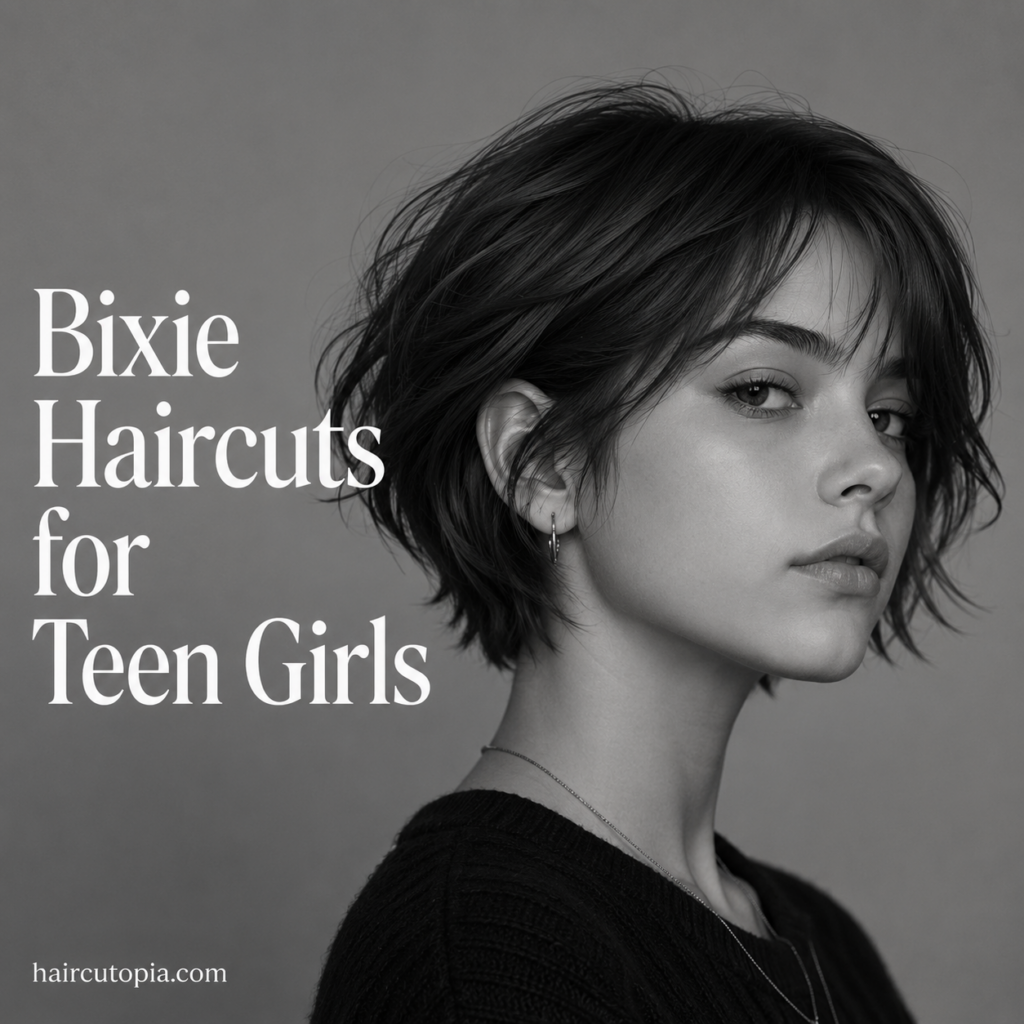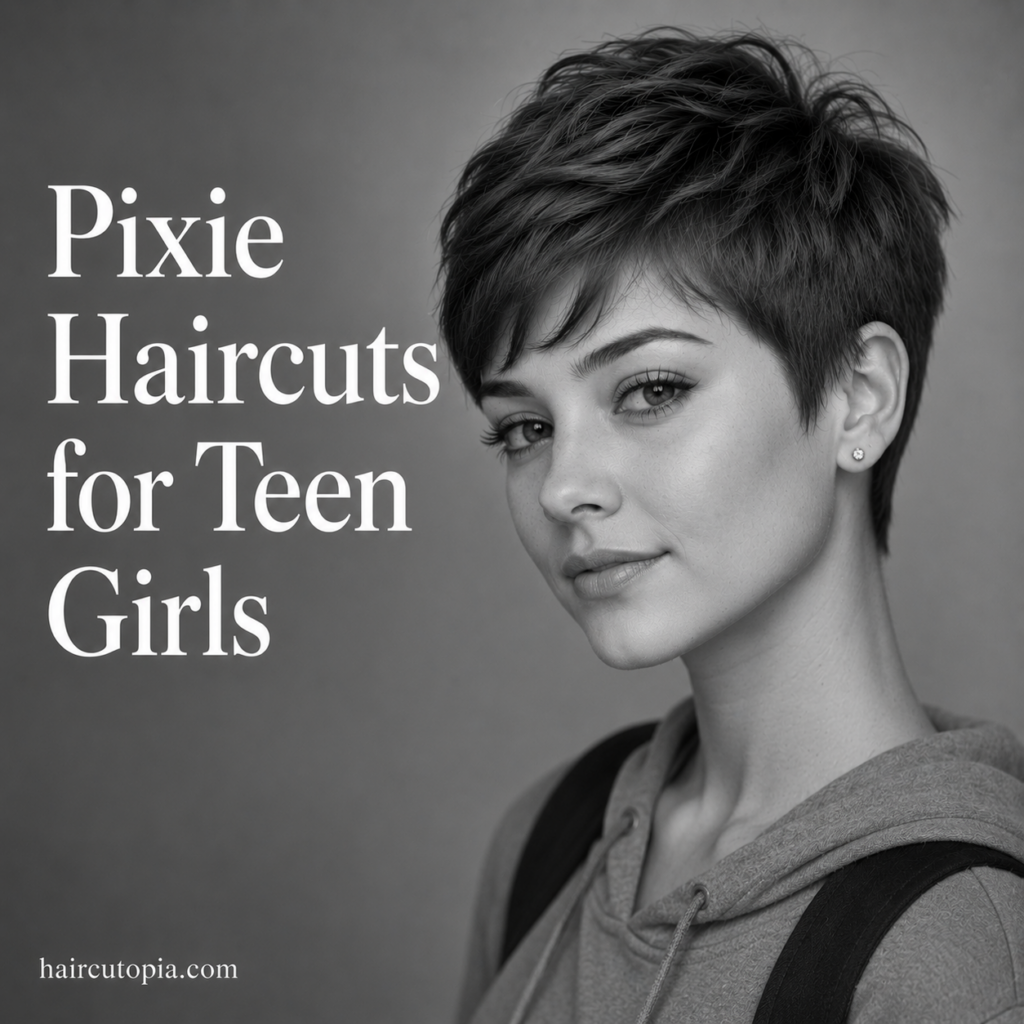
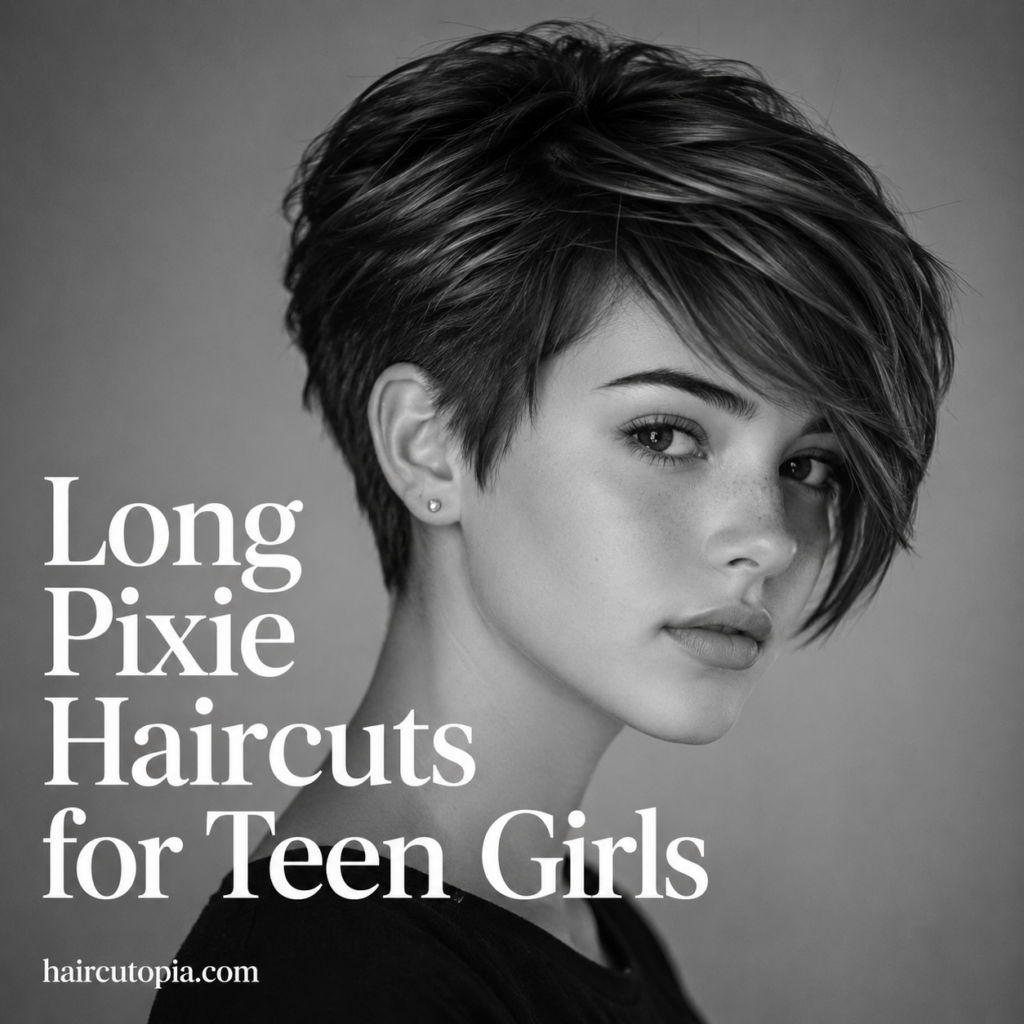
Long pixie haircuts for teen girls are a fun middle ground between a super-short crop and a traditional bob. They keep the freedom and personality of short hair while leaving enough length to experiment with bangs, layers, texture, and different partings.
For teens who want a noticeable change without committing to an ultra-short haircut, a long pixie can feel much more approachable. The extra length around the top and front also makes the style surprisingly versatile.
You can wear it sleek for school, tousled on the weekend, or add a little volume when you want a more styled look. Better yet, many long pixie cuts don’t require a complicated morning routine.
Here’s a closer look at the best long pixie haircuts for teen girls, along with styling ideas and tips for choosing a cut that feels right.
Why Long Pixie Haircuts Work So Well for Teen Girls
A long pixie is usually shorter around the back and sides while keeping more length through the crown, fringe, or front sections. Exactly how short it goes depends on the individual style.
That flexibility is one of the biggest reasons the haircut works so well for teens.
Instead of having one specific “pixie look,” the cut can be adjusted to feel soft, edgy, sporty, polished, or creative.
Some of the biggest benefits include:
- Less hair to wash and dry
- Plenty of styling options for short hair
- Easy ways to show natural texture
- A modern shape that can be personalized
- Longer bangs that can soften the haircut
- More flexibility than a very short pixie
A long pixie can also be a good first short haircut. Keeping extra length around the face often makes the transition from medium or long hair feel less dramatic.
Best Long Pixie Haircuts for Teen Girls
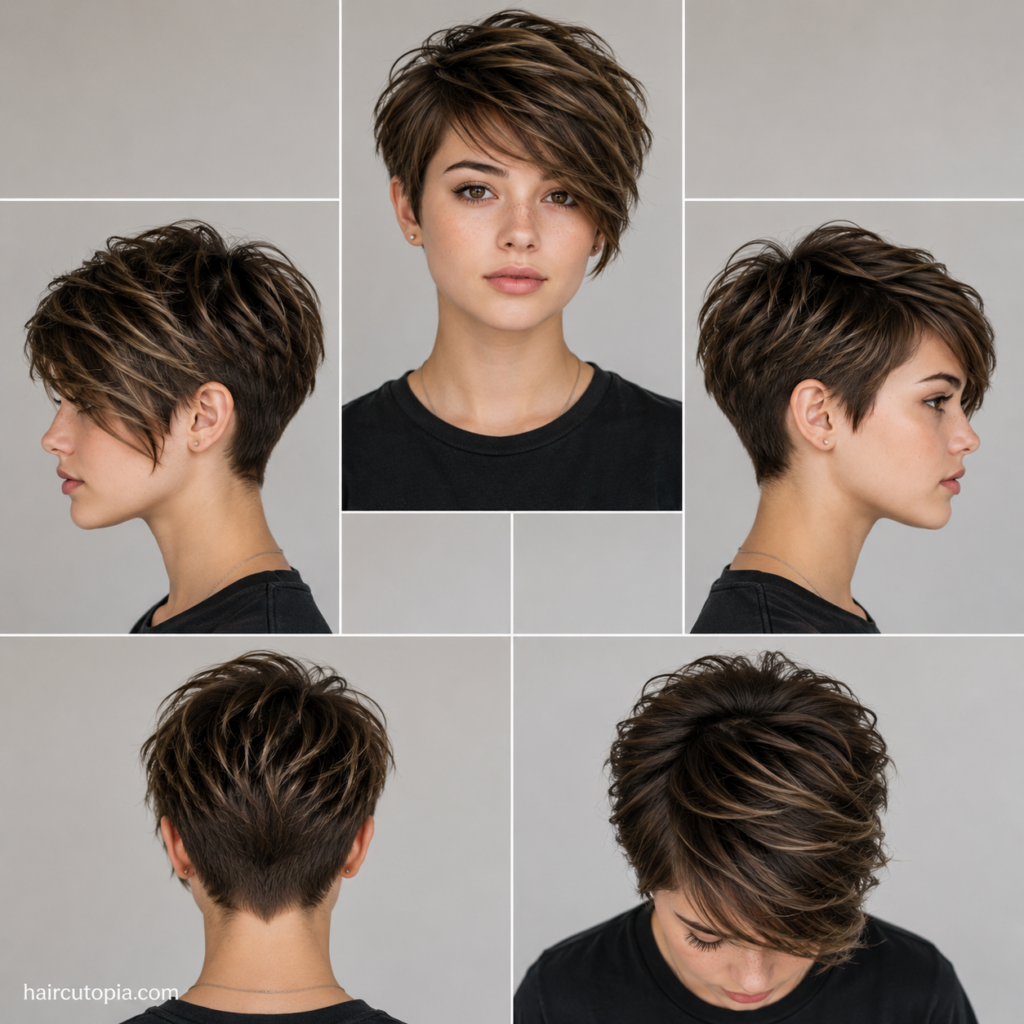
There are many ways to shape a long pixie. The best version usually depends on hair texture, face shape, and how much styling someone actually wants to do each morning.
Layered Long Pixie
A layered long pixie is one of the most versatile choices.
Short and medium-length layers create movement throughout the haircut, preventing the top from looking heavy or flat. The layers can also help the hair fall naturally without requiring much product.
For a casual look, lightly tousle the hair with your fingers after drying. A small amount of lightweight styling cream can help define individual pieces.
This style works especially well for straight and slightly wavy hair.
Long Pixie With Side-Swept Bangs
Side-swept bangs give a pixie haircut a softer appearance.
The fringe can be kept long enough to sweep across the forehead and blend into the side layers. This creates movement around the face while keeping the back of the haircut short and manageable.
Long side bangs also provide styling flexibility. They can be:
- Swept smoothly to one side
- Tucked behind the ear
- Styled with light volume
- Separated into textured pieces
For teens who are unsure about going very short around the face, this is often a comfortable option.
Shaggy Long Pixie
A shaggy long pixie has a relaxed, slightly undone look.
The haircut uses uneven-looking layers and textured ends to create movement. While the finished style may look effortless, the layers are usually carefully shaped so the hair falls naturally.
Shaggy pixies are great for teens who prefer casual hairstyles and don’t want every strand perfectly in place.
A little texture spray or lightweight styling paste can bring out the layers.
Long Pixie Bob
The pixie bob sits between a pixie and a short bob.
It typically keeps more length around the sides and front while maintaining a shorter, shaped back. The result is a fuller silhouette with plenty of movement.
A pixie bob is a great option for anyone who likes the idea of short hair but still wants enough length to tuck behind the ears.
It can also be easier to grow out than a very short pixie because the overall shape already has some bob-like structure.
Textured Long Pixie
Texture can completely change the personality of a pixie haircut.
A textured long pixie uses layers and point-cut ends to create visible separation throughout the hair. Instead of forming one smooth shape, the haircut has individual pieces that add movement.
This style can look playful and modern without feeling overly styled.
For everyday wear, use a tiny amount of styling paste. Rub it between your fingertips and lightly define a few sections around the crown and fringe.
Long Pixie With Curtain Bangs
Curtain bangs aren’t limited to long hairstyles.
A longer pixie can incorporate a short or medium curtain fringe that separates near the center and frames both sides of the forehead.
The bangs create a softer transition between the front and side sections of the haircut.
This style can work especially well when the rest of the pixie has gentle layers rather than extremely short sides.
Wavy Long Pixie
Natural waves can give a long pixie instant personality.
Instead of trying to straighten every section, the haircut can be shaped around the natural wave pattern. Longer layers through the top allow waves to form while shorter sections around the back keep the style manageable.
A lightweight curl cream or mousse can help define the texture.
Try scrunching the hair gently while it’s damp and allowing it to air-dry when possible.
Curly Long Pixie
Curly hair can look amazing in a long pixie when the haircut respects the curl pattern.
Keeping extra length through the crown gives curls room to form. The sides and back can be gradually shortened to create a balanced shape.
The exact length matters with curly hair because curls can shrink considerably when dry.
Before getting the haircut, talk with the stylist about how the hair behaves naturally. Photos of the hair air-dried can also help show the usual curl pattern.
Long Pixie With Wispy Bangs
Wispy bangs create a light, delicate look around the forehead.
Instead of a thick fringe, the bangs are cut into soft sections that allow some forehead to show through. They blend easily into longer pixie layers.
This style is particularly flattering for teens who want bangs without the weight of a full blunt fringe.
Wispy bangs can usually be styled with a quick pass of a blow dryer and small brush.
Asymmetrical Long Pixie
An asymmetrical pixie creates intentional differences between the two sides of the haircut.
One side may be shorter while the opposite side features a longer fringe or face-framing section.
The contrast gives the haircut a creative, fashion-forward appearance.
Asymmetrical pixies can be subtle or dramatic. A slight difference in fringe length creates a softer effect, while a noticeably longer side makes a stronger statement.
Long Pixie With Tapered Sides
Tapered sides gradually become shorter toward the ears and neckline.
This creates a clean silhouette while allowing the top to stay noticeably longer.
The contrast between the longer crown and shorter sides can make the haircut feel modern without requiring a dramatic undercut.
It’s also practical for active teens because the shorter sides stay out of the way.
Feathered Long Pixie
Feathered layers create soft movement throughout a long pixie.
The ends are shaped to flow away from the face or blend gently into neighboring sections. This creates a lighter appearance than heavy, blunt layers.
A round brush can help emphasize the feathered shape, but the haircut can also be worn naturally for a more relaxed look.
Long Pixie With an Undercut
For a bolder haircut, an undercut can be added beneath the longer pixie layers.
A section around the sides or back is clipped shorter while the top remains long. Depending on the styling, the undercut may be clearly visible or partially hidden.
This gives the haircut an edgier personality.
Keep in mind that undercuts require regular trimming if you want the shorter section to stay neat.
Sleek Long Pixie
A sleek long pixie focuses on smooth lines and controlled styling.
The hair is usually worn with a defined side or center part. Longer front sections are smoothed into place, creating a polished finish.
A lightweight smoothing serum can help control flyaways without making the hair look greasy.
This style is useful when you want your pixie to look a little more dressed up.
Messy Long Pixie
The messy pixie is all about intentional texture.
Layers are styled in slightly different directions to create volume and movement. The goal isn’t to make the hair look unbrushed. Instead, the style uses controlled separation to create a relaxed finish.
Start with dry hair and use a small amount of matte styling paste.
Focus on the crown and fringe rather than applying product everywhere.
Choosing a Long Pixie for Your Face Shape
Face shape doesn’t have to dictate your haircut, but it can help guide small adjustments.
Round Faces
Extra volume through the crown can visually add height.
Longer side-swept bangs or asymmetrical sections can also create diagonal lines around the face.
Avoid making the sides excessively bulky if you want a more elongated silhouette.
Oval Faces
Oval faces can usually experiment with many pixie shapes.
Curtain bangs, textured layers, side fringes, and sleek styles can all work well.
The decision can often come down to hair texture and personal style.
Square Faces
Soft layers can balance strong jawlines.
Wispy bangs, feathered ends, and slightly tousled texture create movement around the face.
A longer fringe can also soften the overall shape of the haircut.
Heart-Shaped Faces
Longer layers near the sides can help balance a wider forehead and narrower chin.
Side-swept or curtain bangs are both popular choices.
Keeping some softness around the ears and jawline can create a balanced silhouette.
Long Faces
A pixie with side volume can help create visual width.
Curtain bangs or a fuller fringe may also shorten the appearance of the forehead.
Extremely tall crown volume may make the face appear longer, so a more balanced shape can work better.
Long Pixie Haircuts for Different Hair Textures
Hair texture can make the same pixie haircut look completely different.
Straight Hair
Straight hair shows the structure of a pixie very clearly.
Layering and textured ends can prevent the haircut from appearing flat. A side fringe or asymmetrical section can also add movement.
Wavy Hair
Waves naturally create texture.
Longer crown layers allow the wave pattern to become part of the hairstyle. Lightweight products are usually better than heavy waxes that can pull waves down.
Curly Hair
Curly pixies need enough length for curls to form properly.
A stylist experienced with curly hair can shape the haircut while considering shrinkage and curl direction.
Moisture and gentle styling are especially important.
Thick Hair
Thick hair may need internal layering to remove excess bulk.
The goal isn’t necessarily to make the hair thin. Instead, strategic layering can help the pixie sit closer to the head and move more naturally.
Fine Hair
Shorter hairstyles can sometimes make fine hair appear fuller.
Light layers and subtle crown volume can create more dimension. Avoid using too much heavy styling product, which may flatten the hair.
How to Style a Long Pixie Haircut for School
One of the best things about a long pixie is how quickly it can be styled.
A simple school-day routine might look like this:
- Lightly dampen any sections that became flattened overnight.
- Use your fingers or a brush to reset the part.
- Blow-dry the fringe or crown for a minute or two if needed.
- Apply a tiny amount of lightweight styling cream.
- Adjust a few face-framing pieces with your fingertips.
The entire routine can take only a few minutes once you understand how your haircut naturally falls.
Headbands, decorative clips, and small barrettes can also change the look without requiring complicated styling.
How Often Does a Long Pixie Need a Trim?
Most long pixie haircuts benefit from a trim every six to eight weeks.
Short hairstyles tend to show growth more quickly because even an extra inch can noticeably change the shape.
However, a longer pixie is usually more forgiving than a very short crop.
If you’re intentionally growing the haircut into a bob, your stylist may adjust the trimming schedule and focus on reshaping the back while allowing the front sections to grow.
What to Ask Your Hairstylist
Bringing reference photos is one of the easiest ways to explain the pixie haircut you want.
Try to find photos featuring hair with a texture similar to your own.
You can also discuss:
- How short you want the sides and back
- Whether you want your ears exposed
- Your preferred bang length
- How much daily styling you’re comfortable doing
- Whether you frequently tuck your hair behind your ears
- Your natural wave or curl pattern
- How often you plan to get trims
Be clear about sections you don’t want cut too short.
If keeping a longer fringe makes you feel more comfortable with the haircut, tell your stylist before the cutting begins.
Are Long Pixie Haircuts High Maintenance?
Long pixies are generally low maintenance when it comes to daily washing and styling, but they may require more frequent salon visits.
The biggest difference compared with long hair is that the shape of the haircut matters more.
Long hair can grow several inches without dramatically changing its basic silhouette. A pixie may start looking noticeably different after a couple of months.
Daily styling, however, can be extremely simple.
Many long pixies only need water, a quick blow-dry, and a small amount of product.
Growing Out a Long Pixie
Growing out a pixie doesn’t have to mean months of awkward hair.
Regular shaping can help the haircut gradually transition into a pixie bob and eventually a short bob.
During the grow-out process:
- Allow the front and side sections to gain length
- Keep the neckline lightly trimmed
- Use clips and headbands during uneven stages
- Experiment with different partings
- Add texture when layers feel mismatched
The key is reshaping rather than repeatedly cutting everything back to the same pixie length.
Final Thoughts on Long Pixie Haircuts for Teen Girls
Long pixie haircuts for teen girls can be playful, stylish, and surprisingly versatile. From soft side-swept bangs to shaggy layers and bold asymmetrical shapes, there are plenty of ways to make a pixie feel personal.
The extra length of a long pixie also provides more styling freedom than a traditional short crop. You can wear it smooth, messy, wavy, textured, or tucked behind the ears depending on the day.
The best haircut is ultimately one that fits your hair texture and feels comfortable to wear.
Start with a longer version if you’re nervous about cutting your hair short. You can always go shorter later, but a carefully shaped long pixie may be exactly the change you’re looking for.