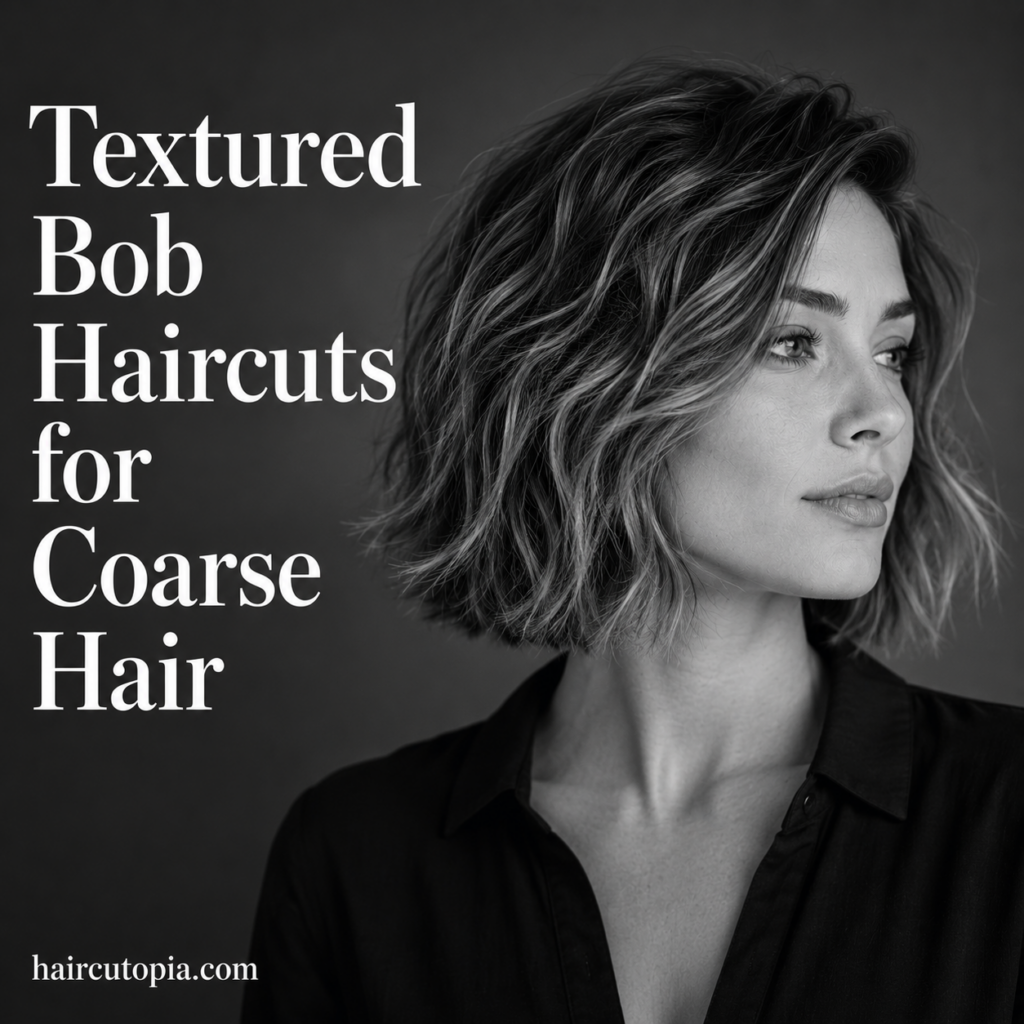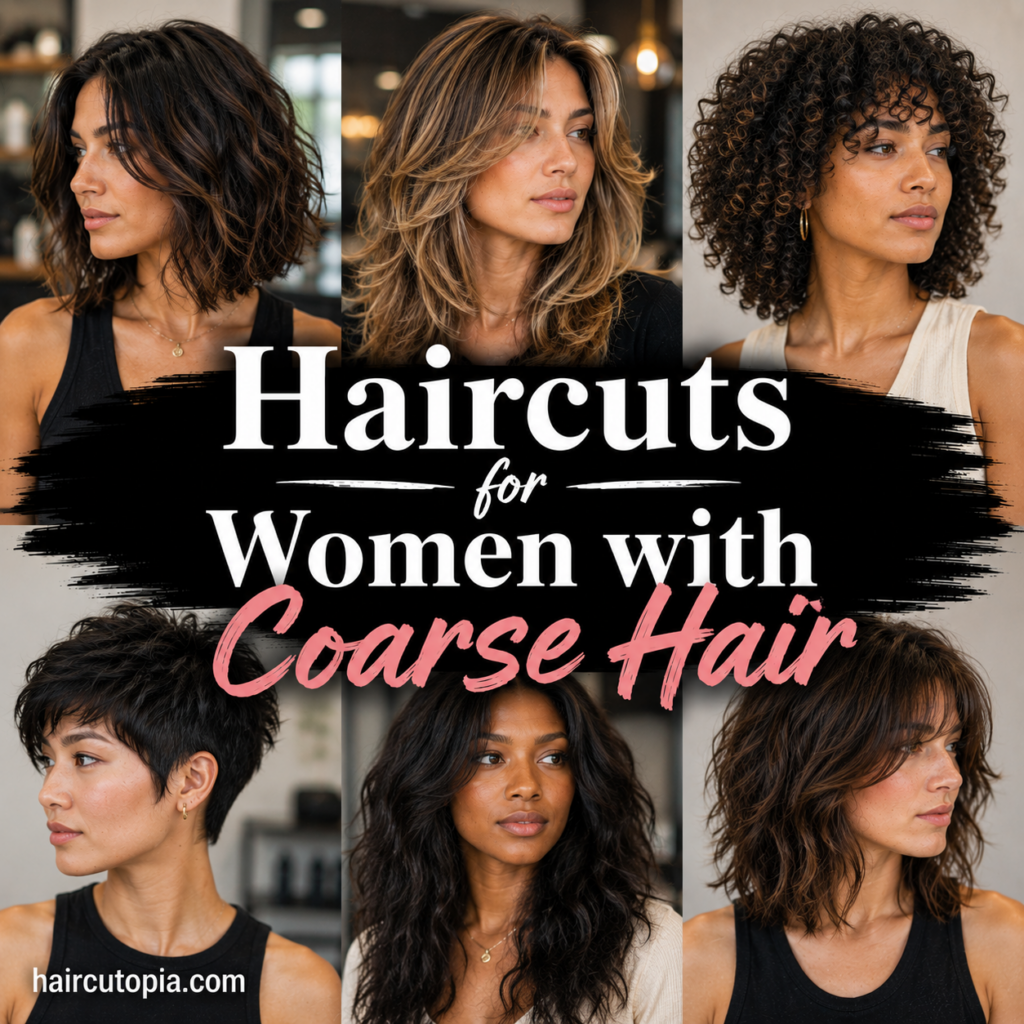
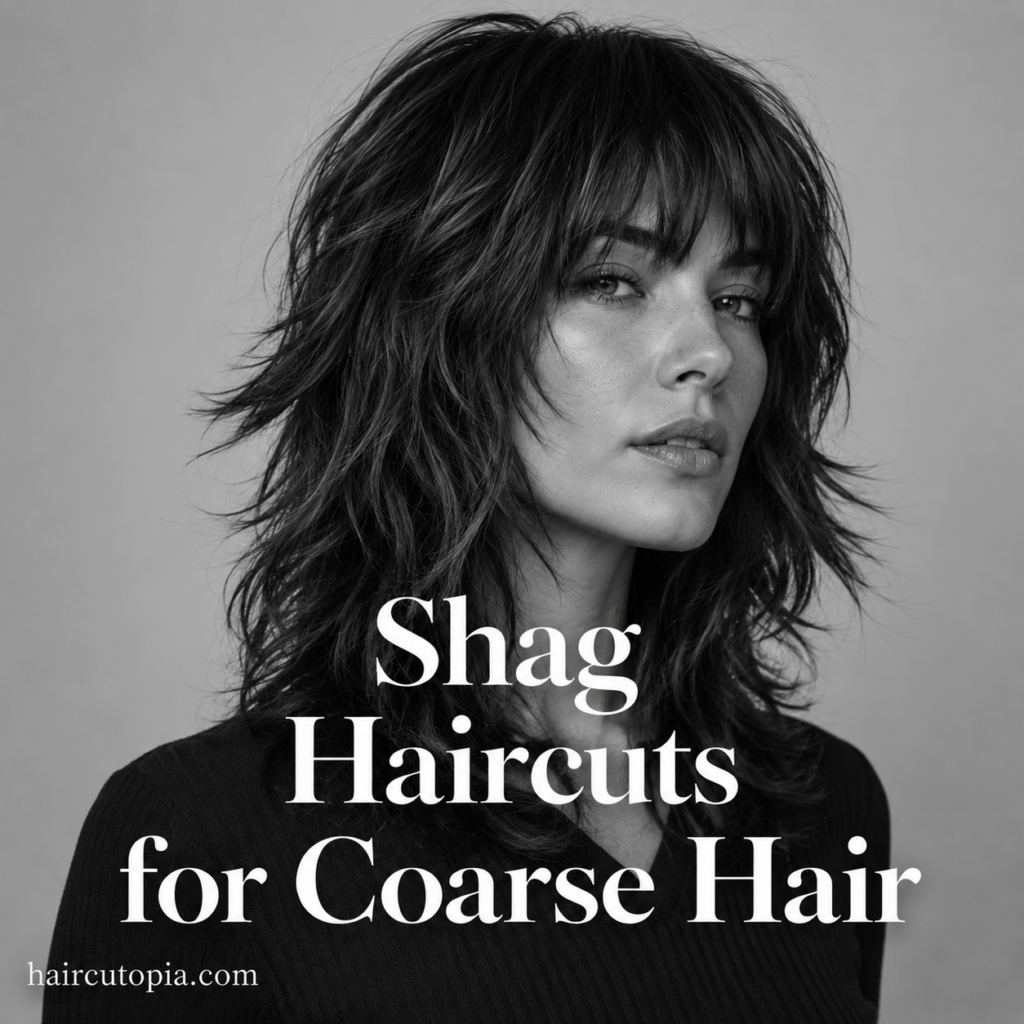
Coarse hair has a lot going for it. It’s naturally full, holds styles well, and often looks thick and healthy. But that same density can also make hair feel heavy, bulky, or difficult to shape, especially if it’s cut all one length.
That’s one reason shag haircuts have become so popular.
A well-cut shag removes weight where it’s needed, creates movement through strategic layering, and gives coarse hair a softer, more balanced silhouette. Instead of looking overly bulky, the hair gains texture, shape, and flow while still maintaining its natural fullness.
Whether your coarse hair is straight, wavy, or curly, there’s a shag haircut that can make styling easier and bring out your hair’s best features.
Here are 25 shag haircuts for coarse hair that combine volume, texture, and modern style.
Why Shag Haircuts Work Well for Coarse Hair
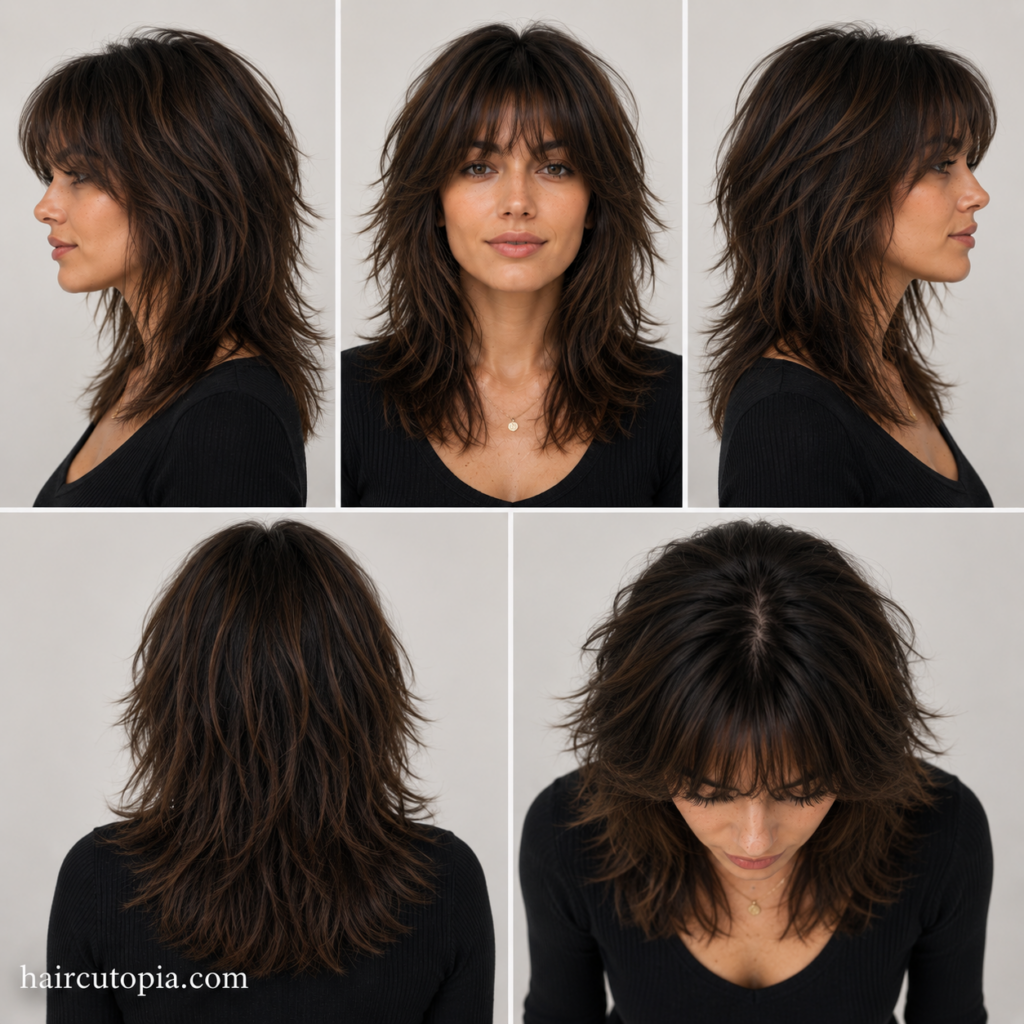
Coarse hair naturally has more body than fine hair, making it an excellent candidate for layered cuts.
The secret is removing weight without sacrificing structure.
A properly designed shag helps:
- Reduce bulk
- Create movement
- Soften heavy ends
- Improve the overall shape
- Add crown lift
- Frame the face
- Make thick hair easier to style
Unlike blunt cuts that can create a boxy silhouette, shag layers allow coarse hair to move more naturally while still looking full.
The haircut should be customized carefully. Removing too much weight can sometimes create unwanted puffiness, while too little layering may leave the hair looking bulky.
25 Best Shag Haircuts for Coarse Hair
1. Classic Shag for Coarse Hair
The classic shag is one of the most flattering choices for coarse hair.
Layers begin around the crown before blending into longer textured lengths.
This removes enough weight to create movement while preserving the rich, full appearance of coarse hair.
Light styling cream helps define the layers without making them stiff.
2. Shoulder-Length Shag
Shoulder-length hair strikes a nice balance between versatility and manageability.
The shag layers prevent coarse hair from feeling overly heavy while maintaining enough length for ponytails and updos.
Face-framing layers soften the overall look.
This is an excellent everyday haircut.
3. Long Shag with Heavy Layers
Long coarse hair can sometimes feel overwhelming because of its weight.
Long shag layers help distribute that weight more evenly.
Instead of creating one solid mass of hair, the layers encourage movement from roots to ends.
This style works particularly well for naturally straight or slightly wavy coarse hair.
4. Short Shag
Shorter hair naturally reduces weight.
Combine that with shag layering, and coarse hair becomes much easier to style.
This cut often sits around the chin or jawline with textured layers throughout the crown.
It creates volume without excessive bulk.
5. Shag with Curtain Bangs
Curtain bangs soften strong facial features while blending naturally into layered lengths.
On coarse hair, the bangs often have beautiful body without requiring much styling.
The longer sides connect seamlessly with the face-framing layers.
This combination remains one of today’s most requested shag styles.
6. Shag with Wispy Bangs
Even coarse hair can wear wispy bangs.
The key is careful texturizing.
Instead of creating thick blunt fringe, the stylist softens the edges while preserving enough density for the bangs to sit naturally.
This creates a lighter, more relaxed appearance.
7. Medium-Length Shag
Medium-length hair is highly versatile.
The layers reduce heaviness while maintaining the fullness coarse hair is known for.
This cut suits straight, wavy, and lightly curly textures.
The balanced shape also grows out nicely.
8. Modern Wolf-Inspired Shag
A wolf cut naturally complements coarse hair.
The dramatic crown volume and longer back sections work beautifully with thicker strands.
The result feels bold without becoming unmanageable.
Ask your stylist to blend the layers smoothly for a softer finish.
9. Feathered Shag
Feathered layers create softness throughout the haircut.
Instead of chunky texture, the ends taper gently to create movement.
This style reduces visual heaviness while maintaining overall fullness.
It works especially well on straight coarse hair.
10. Shag with Full Bangs
Coarse hair has enough density to support full bangs beautifully.
The fringe creates a striking frame around the eyes while blending into textured layers.
Regular trims keep the bangs looking polished.
Light texturizing prevents them from appearing too bulky.
11. Shaggy Lob
The shaggy lob combines the versatility of a long bob with the movement of a shag.
The textured layers reduce weight while preserving a clean outline.
This haircut flatters nearly every face shape.
It can be worn sleek or slightly tousled.
12. Collarbone-Length Shag
Collarbone-length hair is long enough to style yet short enough to remain manageable.
Shag layers distribute the density evenly from top to bottom.
Face-framing pieces create softness around the cheeks and jaw.
This length suits most hair textures.
13. Soft Layered Shag
Not every shag needs dramatic layering.
A soft shag uses longer, blended layers to create movement without obvious separation.
For coarse hair, this often provides enough weight removal while maintaining a polished appearance.
It’s a great option for professional settings.
14. Face-Framing Shag
Strategic face-framing layers can transform heavy hair.
Shorter pieces around the front create movement while the rest of the haircut remains relatively full.
The overall effect feels lighter without sacrificing density.
This is an excellent starting point if you’re hesitant about extensive layering.
15. Messy Textured Shag
Coarse hair naturally creates beautiful texture.
The messy shag embraces that quality instead of smoothing everything into place.
Texture spray and lightweight styling cream enhance separation throughout the layers.
The finished look feels relaxed and modern.
16. Air-Dried Shag
One advantage of coarse hair is that it often holds shape well.
A properly layered shag can look fantastic with minimal styling.
Apply leave-in conditioner to damp hair and allow it to air-dry.
Once dry, gently separate a few layers with your fingertips.
17. Shag for Straight Coarse Hair
Straight coarse hair benefits from visible layering.
The shag introduces movement while reducing heaviness through the lengths.
Feathered ends create a softer outline.
The haircut still appears thick and healthy.
18. Shag for Wavy Coarse Hair
Natural waves pair beautifully with shag layers.
Removing weight encourages the waves to form more freely.
The result feels effortless while maintaining volume.
Sea salt spray can enhance natural texture.
19. Curly Coarse Shag
Curly coarse hair often becomes easier to manage after thoughtful layering.
The shag removes excess weight while encouraging better curl definition.
The shape feels balanced instead of bulky.
Hydrating products help maintain softness.
20. Bottleneck Bang Shag
Bottleneck bangs begin narrow before widening toward the cheekbones.
The curved shape blends naturally into shag layers.
Coarse hair provides enough body to support the style beautifully.
This fringe grows out gracefully.
21. Side-Swept Bang Shag
Side bangs soften the face without requiring a full fringe.
The longer sections blend easily into surrounding layers.
This option remains easy to style and maintain.
It suits many face shapes.
22. Chin-Length Shag
A chin-length shag creates noticeable movement.
The shorter length removes weight while textured layers prevent the haircut from appearing bulky.
This style works well for anyone wanting an easy everyday haircut.
23. Long Feathered Layers
Long feathered layers provide subtle shag texture.
The haircut remains elegant while gaining movement and softness.
This option works beautifully for those who prefer longer hair.
It also grows out naturally.
24. Low-Maintenance Shag
Long blended layers require relatively little upkeep.
The haircut continues looking balanced as it grows.
Simple blow-drying or air-drying often provides enough texture.
This makes it ideal for busy lifestyles.
25. Modern Textured Shag
Today’s shag emphasizes softness rather than extreme layering.
The movement appears natural, and the overall silhouette feels balanced.
Coarse hair gives the haircut impressive body and definition.
The result is stylish without looking overdone.
How to Choose the Best Shag for Coarse Hair
Not all coarse hair behaves the same.
Thickness, density, texture, and natural movement all influence the best haircut.
Straight Coarse Hair
Straight coarse hair benefits from visible layering.
The haircut creates movement while preventing heavy ends.
Feathered finishes often work beautifully.
Wavy Coarse Hair
Waves naturally enhance shag layers.
The haircut simply encourages the existing texture to move more freely.
Balanced layering prevents excessive width.
Curly Coarse Hair
Curly coarse hair requires thoughtful shaping.
Layer placement should support the natural curl pattern rather than fight it.
Working with an experienced stylist is especially important.
Should You Get Bangs?
Many shag haircuts include bangs.
Popular options include:
- Curtain bangs
- Wispy bangs
- Full bangs
- Bottleneck bangs
- Side-swept bangs
Curtain bangs remain one of the easiest choices because they blend naturally into surrounding layers.
What to Ask Your Stylist
Before your appointment, discuss:
- Where your hair feels heaviest
- Whether you want maximum or subtle layering
- If you normally air-dry or blow-dry
- Whether you want bangs
- Your preferred maintenance level
- Your natural texture
- How much length you want to keep
Reference photos with hair similar to yours will help set realistic expectations.
How to Style a Shag for Coarse Hair
Styling coarse hair doesn’t have to be complicated.
Use Hydrating Products
Coarse hair often responds well to moisturizing products.
A leave-in conditioner helps maintain softness.
Blow-Dry for Smoothness
If you prefer a polished finish, use a round brush while blow-drying.
Lift the roots gently to emphasize the layers.
Enhance Texture
Texture spray creates separation without stiffness.
Apply primarily through the mid-lengths and ends.
Finish with Lightweight Oil
A small amount of lightweight oil smooths the ends while maintaining movement.
Avoid applying too much near the roots.
Best Products for Coarse Hair
Helpful products include:
- Moisturizing shampoo
- Hydrating conditioner
- Leave-in conditioner
- Heat protectant
- Styling cream
- Texture spray
- Lightweight hair oil
- Flexible-hold hairspray
Choose products that hydrate without creating heavy buildup.
How Often Should You Trim a Shag?
Most shag haircuts benefit from trims every 8 to 12 weeks.
Shorter cuts and bangs may require slightly more frequent maintenance.
Longer shags typically grow out very naturally.
Common Mistakes to Avoid
The best shag haircut works with your natural texture.
Avoid:
- Removing too much weight at once
- Overusing thinning shears
- Heavy styling products
- Ignoring your natural growth pattern
- Choosing overly dramatic layers if you prefer easy styling
- Skipping regular trims
A balanced approach usually produces the most flattering results.
Is a Shag Good for Coarse Hair?
Absolutely.
In fact, coarse hair is often one of the best hair types for a shag.
The natural body helps support the layered structure while the haircut removes excess bulk that can make coarse hair feel difficult to manage.
The result is a hairstyle that feels lighter, moves more naturally, and remains full of texture.
Final Thoughts on Shag Haircuts for Coarse Hair
Coarse hair has incredible natural volume, and a shag haircut helps showcase it in the best possible way.
Strategic layers reduce unnecessary bulk while adding movement, softness, and shape. Whether you prefer a short textured shag, a shoulder-length cut with curtain bangs, or a long layered style, there’s a version that can work beautifully with your hair’s natural strength.
Rather than trying to control coarse hair, the best shag haircuts embrace its fullness while shaping it into a style that’s modern, flattering, and surprisingly easy to maintain.