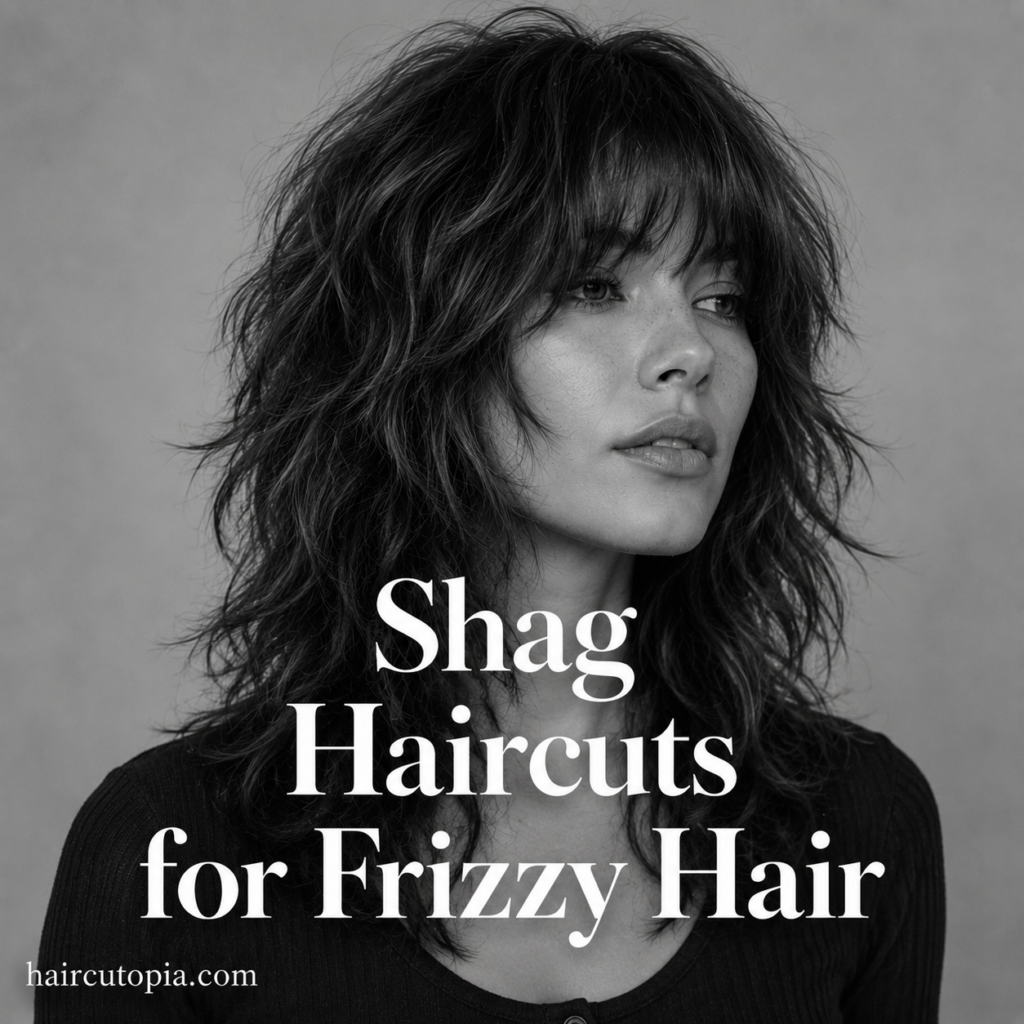
Frizz gets a bad reputation, but it isn’t actually a hair type—it’s a condition. Humidity, dryness, damage, or natural texture can all contribute to hair that feels puffy, unruly, or difficult to manage.
The good news? The right haircut can make a noticeable difference.
A shag haircut won’t eliminate frizz, but it can work with your hair’s natural texture instead of fighting it. Well-placed layers remove excess bulk, improve the overall shape, and allow the hair to move more naturally. Instead of one large, fluffy silhouette, a shag creates definition and balanced volume.
Whether your hair is straight with flyaways, naturally wavy, curly, or somewhere in between, these shag haircut ideas can help you embrace texture while making styling much easier.
Why Shag Haircuts Work Well for Frizzy Hair
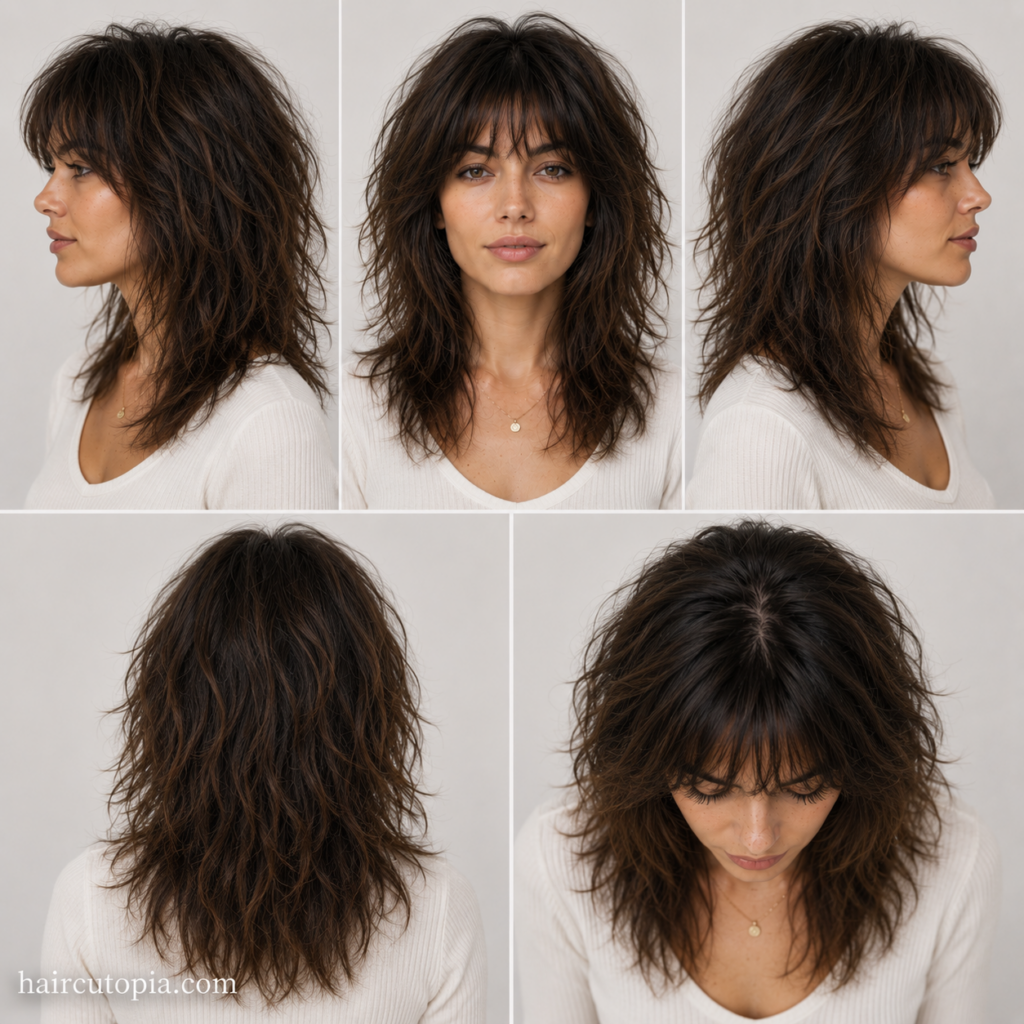
Frizzy hair often struggles with uneven volume.
Some areas may appear flat while others become overly puffy. A shag haircut helps redistribute that volume by strategically placing layers where they’re needed most.
A properly customized shag can:
- Reduce bulky areas
- Create a more balanced shape
- Encourage natural movement
- Add lift around the crown
- Frame the face beautifully
- Make styling more manageable
- Work with your natural texture instead of against it
The goal isn’t perfectly smooth hair.
Instead, a shag embraces soft texture while preventing the haircut from looking overly heavy or shapeless.
25 Best Shag Haircuts for Frizzy Hair
1. Classic Shag for Frizzy Hair
The classic shag remains one of the most versatile layered haircuts.
Shorter crown layers create lift while longer sections soften the silhouette.
This balanced structure helps distribute volume evenly throughout the haircut.
Lightweight styling cream can define the layers without making the hair stiff.
2. Shoulder-Length Shag
Shoulder-length hair offers a practical balance between length and manageability.
The shag layers remove unnecessary bulk while preserving enough weight to keep frizz under control.
Face-framing pieces soften the overall look.
This length also works well for ponytails and updos.
3. Long Shag for Frizz Control
Long hair can become heavy and difficult to manage when frizz develops.
A long shag removes internal weight while preserving the overall length.
Strategic layers allow the hair to move more naturally, reducing the appearance of one large, puffy shape.
Hydrating styling products help maintain definition.
4. Short Shag
A shorter shag naturally reduces styling time.
Less length often means less weight and fewer opportunities for frizz to create bulk.
The textured layers encourage movement while creating a soft, modern silhouette.
This cut is especially flattering for naturally wavy hair.
5. Shag with Curtain Bangs
Curtain bangs blend beautifully into layered hair.
The soft fringe frames the face without requiring a heavy, blunt shape.
On frizz-prone hair, curtain bangs often look more natural than perfectly straight fringe.
They also grow out gracefully.
6. Shag with Wispy Bangs
Wispy bangs create softness across the forehead.
Instead of forming a solid line, the lighter pieces blend naturally into the surrounding layers.
This relaxed style complements hair with natural texture.
Regular trims help maintain the shape.
7. Medium-Length Shag
Medium-length hair is one of the easiest lengths to manage.
The layers reduce heaviness while allowing natural texture to become part of the finished style.
Whether you air-dry or diffuse your hair, this cut adapts well.
It suits most face shapes.
8. Modern Wolf-Inspired Shag
The wolf cut combines dramatic crown volume with longer back sections.
Frizz-prone hair naturally softens the stronger layering.
The result feels textured rather than overly structured.
Ask your stylist to blend the layers smoothly for a more wearable finish.
9. Feathered Shag
Feathered layers create softness instead of chunky texture.
The tapered ends encourage movement while reducing visual bulk.
This haircut works well for straight or lightly wavy hair that tends to become frizzy in humid weather.
10. Shag with Full Bangs
Full bangs can look beautiful on frizz-prone hair when they’re cut to work with your natural texture.
Light texturizing keeps the fringe from appearing too heavy.
Blending the bangs into the surrounding layers creates a cohesive shape.
Hydrating products help maintain softness.
11. Shaggy Lob
A shaggy lob combines the versatility of a long bob with textured layering.
The haircut reduces heaviness while maintaining a strong outline.
It’s polished enough for work yet relaxed enough for everyday wear.
Loose waves pair particularly well with this style.
12. Collarbone-Length Shag
The collarbone is one of the most universally flattering haircut lengths.
The layers create movement without making the ends appear thin.
Face-framing pieces draw attention upward while balancing volume.
This style grows out beautifully.
13. Soft Layered Shag
A soft shag uses gradual layering rather than dramatic texture.
This approach works well if your hair becomes noticeably frizzy after aggressive thinning.
The haircut maintains fullness while creating natural movement.
It’s ideal for a low-maintenance routine.
14. Face-Framing Shag
Sometimes the biggest improvement comes from the front of the haircut.
Strategic layers around the face create softness without requiring extensive layering throughout the back.
This is a great option if you’re new to shag haircuts.
The overall shape remains versatile.
15. Textured Messy Shag
Frizz often creates natural texture.
Instead of fighting it, this haircut embraces the movement.
The intentionally relaxed finish makes slight flyaways look like part of the style.
Texture spray helps define selected pieces without creating stiffness.
16. Air-Dried Shag
Many people with frizz-prone hair prefer minimizing heat styling.
A well-cut shag supports that approach.
Apply leave-in conditioner and curl cream or wave cream to damp hair.
Allow it to dry naturally while avoiding excessive touching.
The result feels soft and effortless.
17. Straight Hair Shag for Frizz
Straight hair that becomes frizzy benefits from subtle layering.
The haircut creates movement while reducing heavy ends that often exaggerate puffiness.
A smoothing serum can add shine without flattening the style.
Lightweight products work best.
18. Wavy Shag for Frizz
Natural waves often develop frizz because of uneven moisture levels.
A shag encourages those waves to form more consistently.
Removing excess weight helps improve overall shape.
Diffusing on low heat can enhance definition.
19. Curly Shag for Frizz
Curly hair naturally experiences some frizz.
The right shag works with the curl pattern rather than trying to eliminate texture completely.
Strategic layers improve curl definition while balancing volume.
Hydration remains essential.
20. Bottleneck Bang Shag
Bottleneck bangs narrow near the center before widening toward the cheekbones.
The shape blends beautifully into shag layers.
The softer outline complements textured hair.
This fringe also grows out very naturally.
21. Side-Swept Bang Shag
Side bangs create gentle movement around the face.
The longer fringe blends easily into surrounding layers.
This option is particularly forgiving on humid days.
It also requires less maintenance than shorter bangs.
22. Chin-Length Shag
A chin-length shag creates volume without overwhelming the face.
The shorter length keeps styling simple while the layers prevent a bulky silhouette.
This haircut works especially well with natural waves.
It feels youthful and modern.
23. Long Feathered Shag
Long feathered layers create softness throughout the haircut.
The movement helps break up heavy shapes while preserving length.
This style works beautifully for thick, frizz-prone hair.
The ends remain full and healthy-looking.
24. Low-Maintenance Shag
Long blended layers create one of the easiest shag haircuts to maintain.
The style grows out gracefully and works well with air-drying.
Minimal styling products are often enough.
This haircut suits busy lifestyles.
25. Modern Textured Shag
Modern shags emphasize natural movement instead of dramatic layering.
The shape feels soft, balanced, and effortless.
Rather than fighting every flyaway, the haircut embraces texture as part of its personality.
It’s one of today’s most wearable shag styles.
How to Choose the Best Shag for Frizzy Hair
Not all frizz behaves the same way.
Understanding your hair’s texture helps determine the best version of a shag.
Straight Hair with Frizz
Choose soft layers that create movement without removing excessive weight.
Avoid over-thinning, which can make flyaways appear more noticeable.
Wavy Hair with Frizz
Natural waves pair beautifully with shag layering.
The haircut encourages better wave formation while reducing bulk.
Balanced layering usually provides the best results.
Curly Hair with Frizz
Curly hair benefits from strategic shaping.
Layers should support the curl pattern while maintaining enough weight to prevent excessive expansion.
Dry cutting is often helpful for curls.
Should You Get Bangs?
Many shag haircuts include bangs.
Popular choices include:
- Curtain bangs
- Wispy bangs
- Bottleneck bangs
- Full bangs
- Side-swept bangs
Curtain bangs remain one of the easiest options because they blend naturally into the surrounding haircut.
What to Ask Your Stylist
Before your appointment, discuss:
- Where your hair becomes frizzy
- Whether humidity affects your hair
- Your natural texture
- If you air-dry or blow-dry
- Whether you want bangs
- How much layering you prefer
- Your desired maintenance level
Reference photos with hair similar to yours provide the most realistic expectations.
How to Style a Shag for Frizzy Hair
The haircut creates the shape.
Proper styling helps maintain definition.
Start with Hydrated Hair
Frizz often develops when hair lacks moisture.
Use a leave-in conditioner after washing.
Apply Lightweight Styling Cream
Choose products that define texture without creating buildup.
Heavy products can weigh down the layers.
Dry Gently
If diffusing, keep the heat low.
If air-drying, avoid touching the hair repeatedly while it dries.
This helps reduce unnecessary frizz.
Finish with Lightweight Oil
Apply a small amount of lightweight oil to the ends.
This smooths flyaways while maintaining movement.
Best Products for Frizz-Prone Hair
Helpful products include:
- Moisturizing shampoo
- Hydrating conditioner
- Leave-in conditioner
- Lightweight curl or wave cream
- Anti-frizz serum
- Heat protectant
- Lightweight oil
- Flexible-hold hairspray
Avoid products containing excessive alcohol if your hair tends to become dry.
How Often Should You Trim a Shag?
Most shag haircuts benefit from reshaping every 8 to 12 weeks.
Curtain bangs often grow out gracefully, while shorter fringe may require more frequent trims.
Regular maintenance helps preserve the haircut’s shape and keeps split ends from contributing to frizz.
Common Mistakes to Avoid
To get the most from your shag haircut:
- Don’t over-thin the hair.
- Avoid heavy styling products.
- Skip brushing dry curls or waves.
- Don’t fight your natural texture.
- Choose a stylist experienced with your hair type.
- Keep the ends healthy with regular trims.
The best shag works with your hair instead of trying to change it completely.
Can a Shag Reduce Frizz?
A haircut alone cannot eliminate frizz.
However, it can make frizz much easier to manage.
By reducing excess bulk, improving shape, and encouraging natural movement, a shag often makes hair appear healthier and more controlled.
Combined with a moisturizing routine and lightweight styling products, the haircut can significantly improve your overall look.
Final Thoughts on Shag Haircuts for Frizzy Hair
Frizz doesn’t have to be something you constantly battle.
A well-designed shag haircut embraces natural texture while creating a balanced, flattering shape that feels intentional instead of unruly.
Whether your hair is straight, wavy, curly, thick, or coarse, there’s a shag that can enhance its movement while making everyday styling easier.
With thoughtful layering, regular trims, and a moisture-focused routine, a shag haircut can turn frizz into one of your hair’s greatest strengths rather than something to hide.
Related Posts
 Textured Bob Haircuts for Frizzy Hair: 25 Stylish Cuts That Work With Your Natural Texture
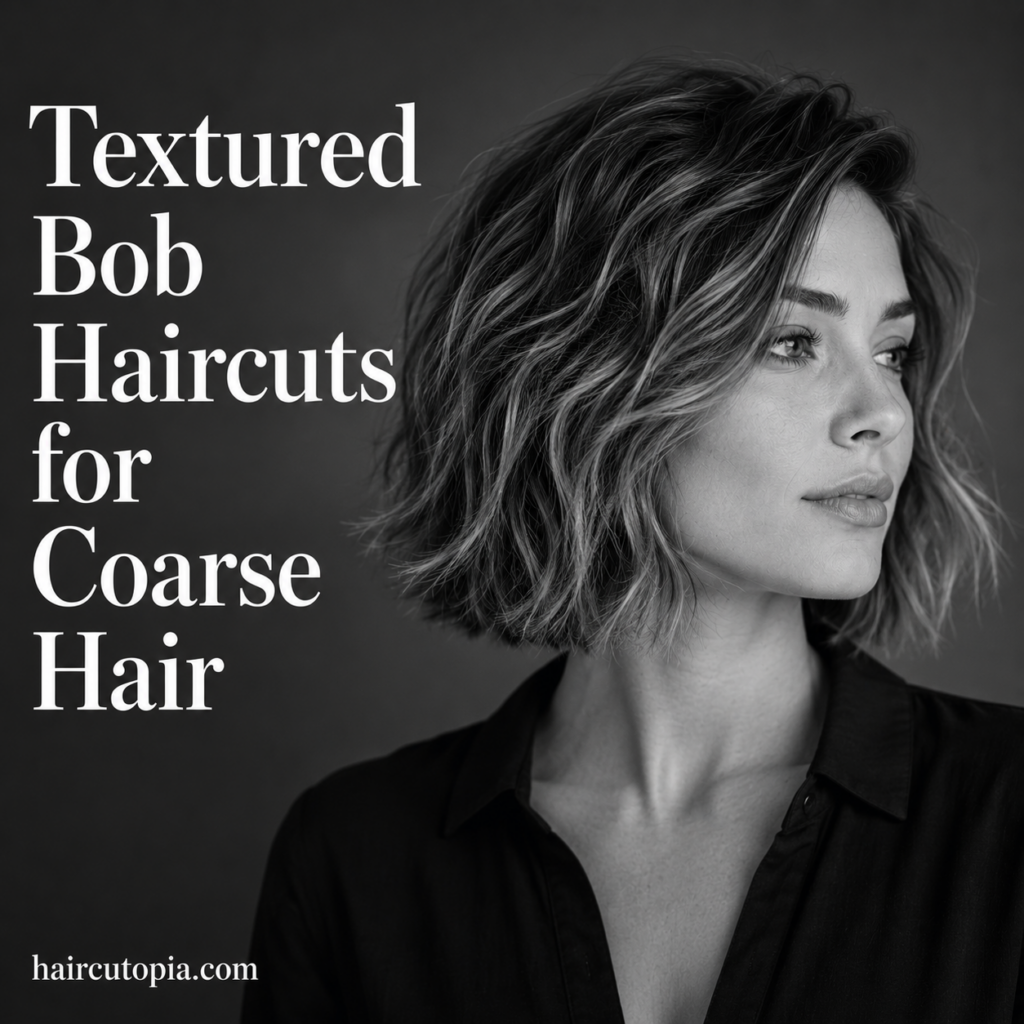 Textured Bob Haircuts for Coarse Hair: 25 Stylish Cuts That Add Shape and Control
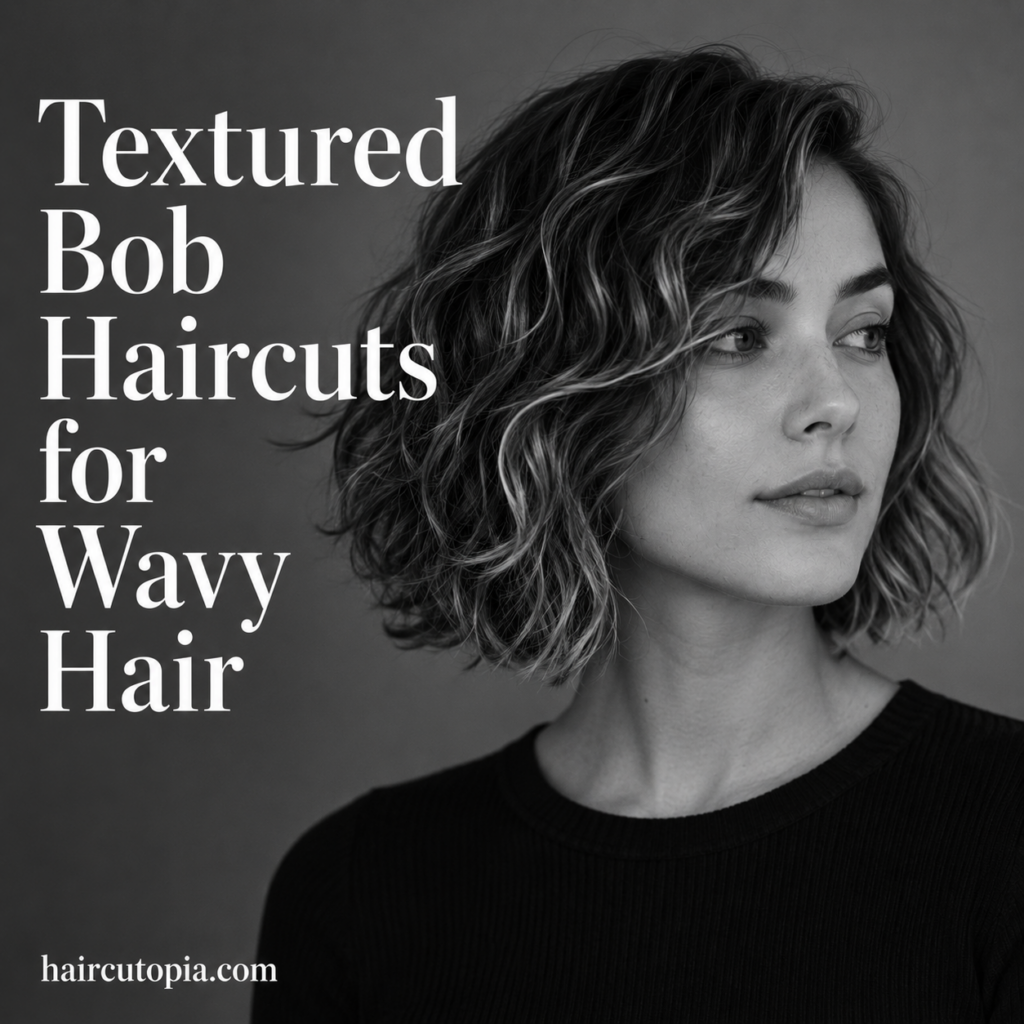 Textured Bob Haircuts for Wavy Hair: 25 Effortlessly Chic Styles You’ll Love
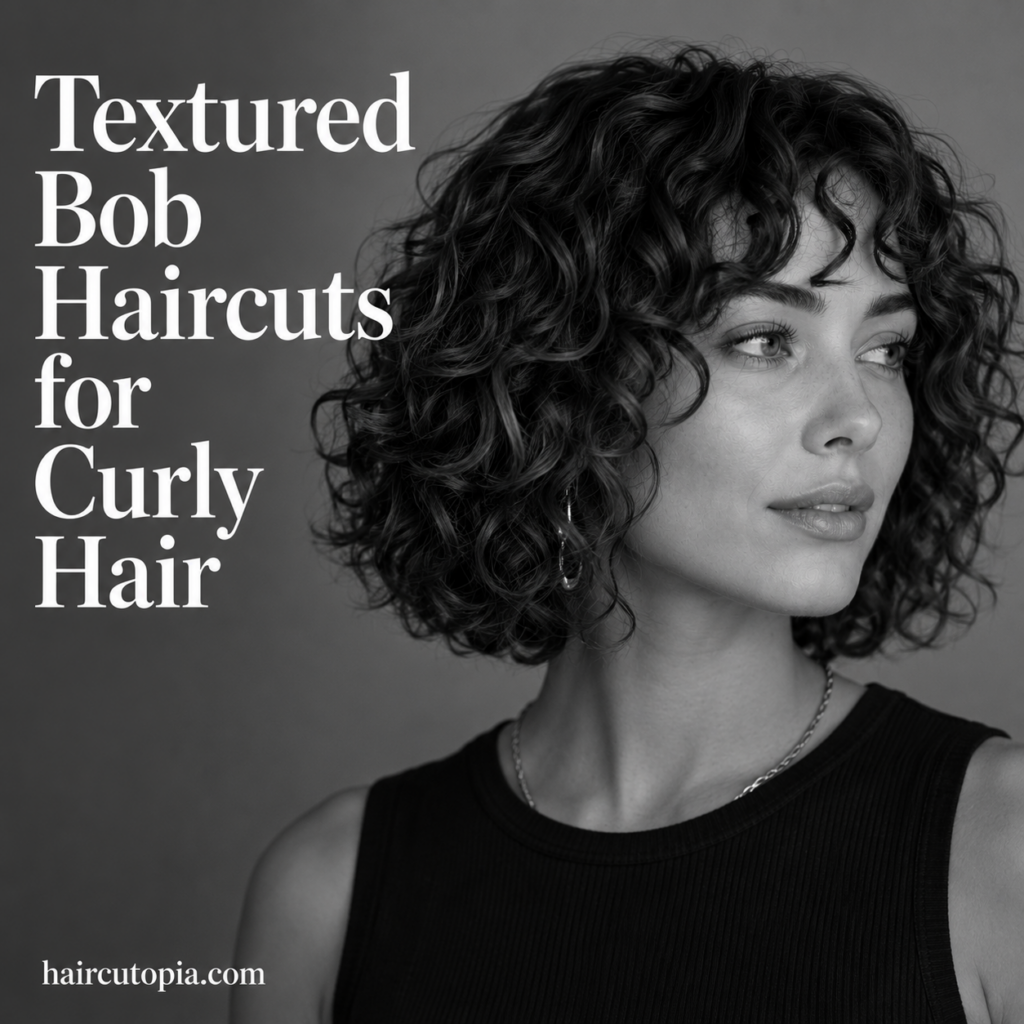 Textured Bob Haircuts for Curly Hair: 25 Gorgeous Styles That Celebrate Your Natural Curls