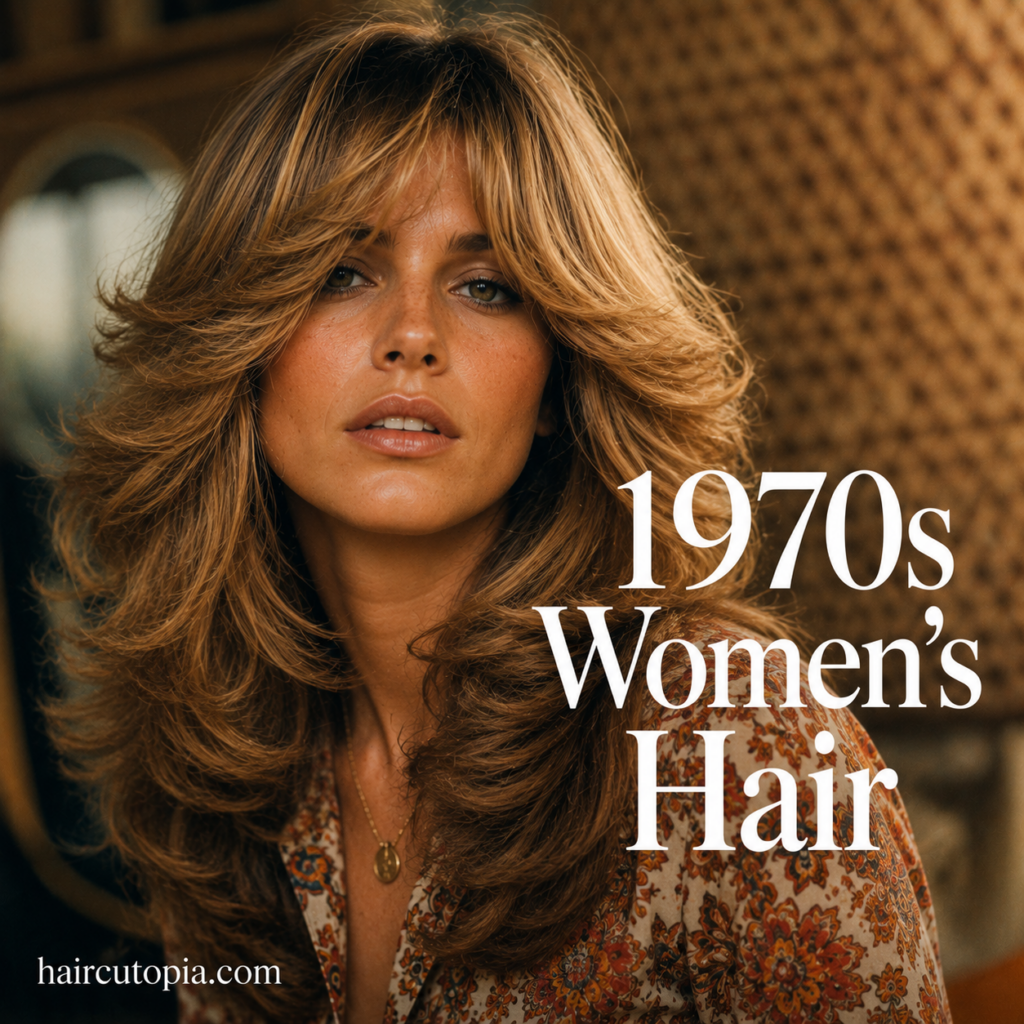
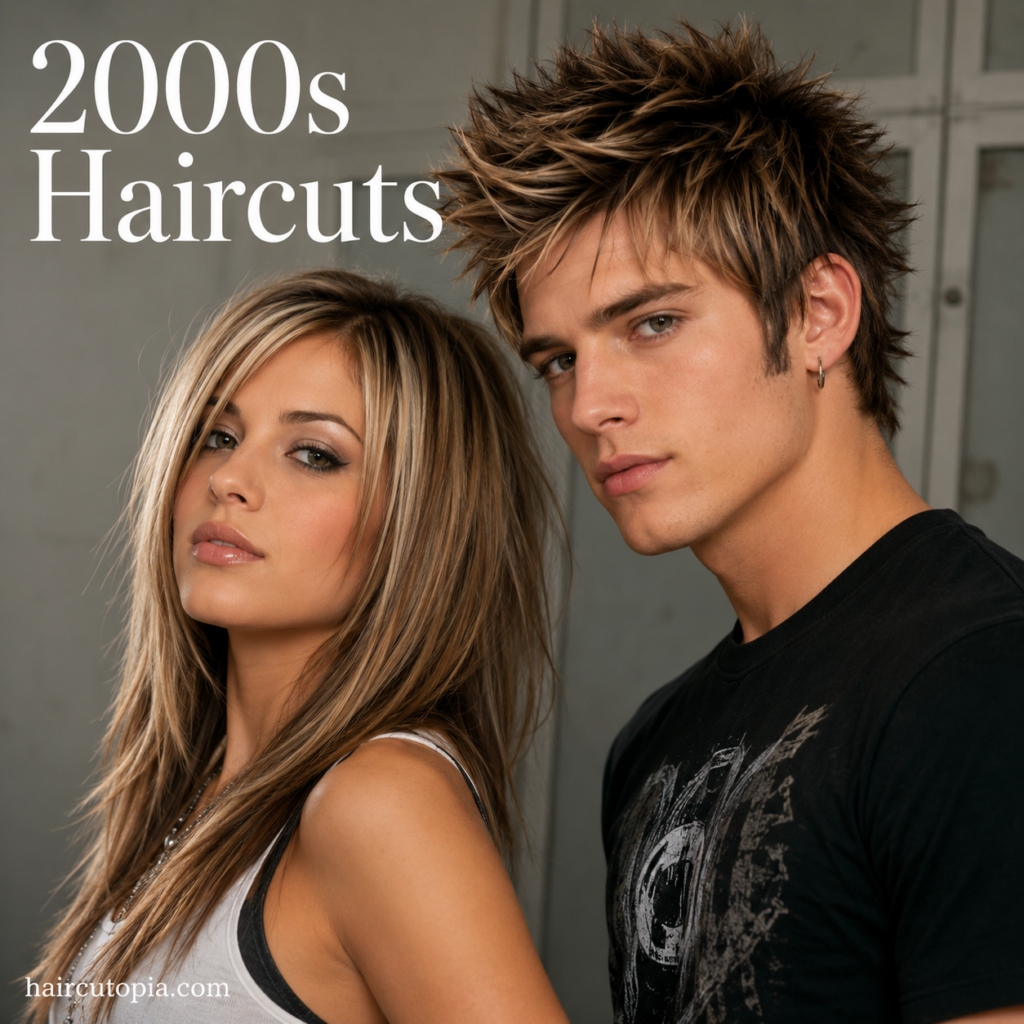
The 2000s were a decade of experimentation, celebrity influence, and unforgettable fashion trends—and hair was no exception. From chunky highlights and razor-cut layers to side-swept bangs and spiky pixie cuts, 2000s haircuts reflected a generation that wasn’t afraid to stand out.
While some styles were undeniably bold (and occasionally questionable), many Y2K hairstyles have made a major comeback thanks to nostalgia, TikTok, and modern styling techniques. Today’s versions keep the same fun personality while adding softer textures, healthier finishes, and more wearable shapes.
Whether you’re reminiscing about your favorite early-2000s look or looking for fresh inspiration, this guide covers the most iconic 2000s haircuts, what made them unique, and how they’re being reinvented today.
What Defined 2000s Haircuts?
The early 2000s blended influences from the late ’90s with entirely new trends fueled by pop stars, Hollywood celebrities, reality TV, and music videos.
Some defining characteristics included:
- Heavy layers
- Face-framing pieces
- Razor-cut texture
- Dramatic side parts
- Side-swept bangs
- Chunky highlights
- Volume at the crown
- Flipped-out ends
- Choppy finishes
- Bold experimentation
Unlike today’s softer, effortless styles, many 2000s haircuts intentionally embraced visible texture and exaggerated shapes.
Why 2000s Hairstyles Are Trending Again
Fashion moves in cycles, and the Y2K revival has brought countless hairstyles back into the spotlight.
Modern versions keep the spirit of the originals while updating them with:
- Softer layering
- Better blending
- Healthier shine
- More personalized shapes
- Natural-looking texture
- Less extreme styling
The result is hair that feels nostalgic without looking outdated.
Popular 2000s Haircuts
Long Layered Hair
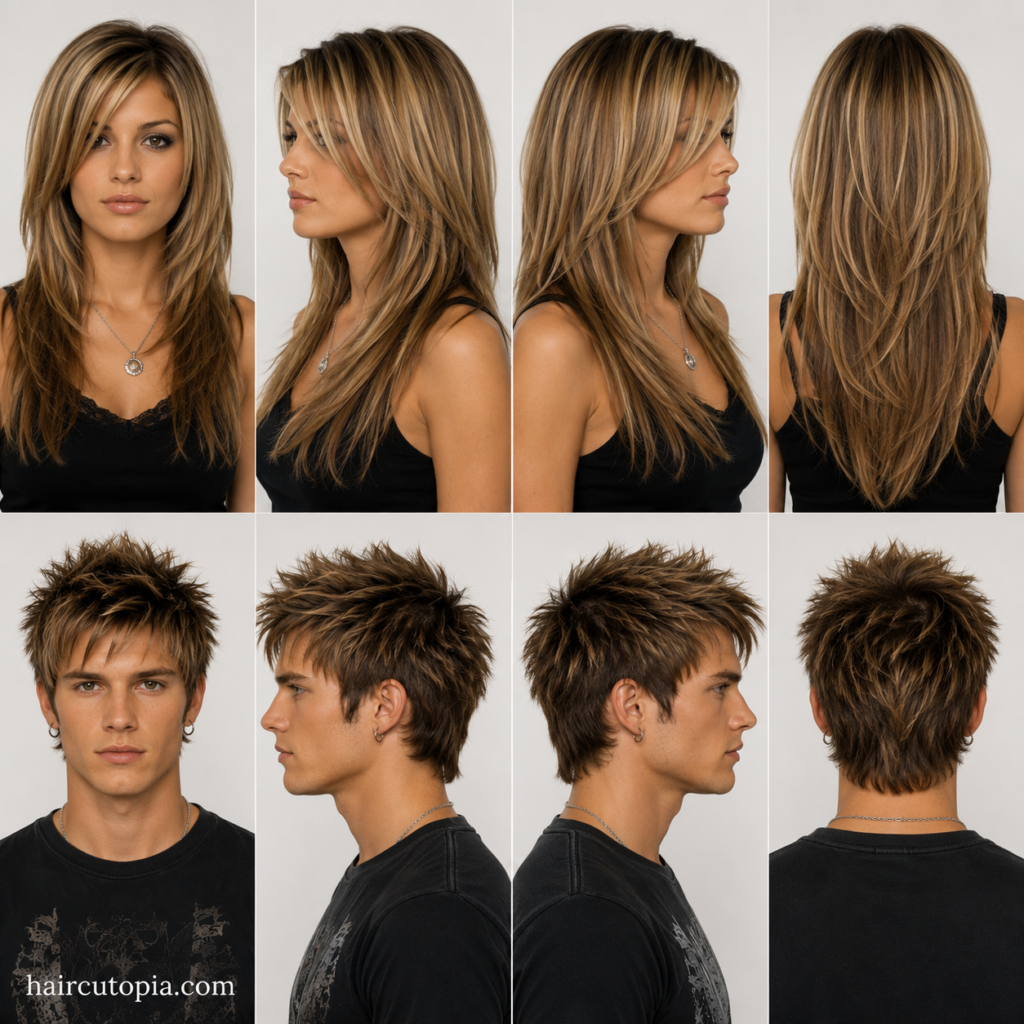
Perhaps the defining haircut of the decade, long layered hair appeared everywhere—from red carpets to teen dramas.
Features include:
- Long overall length
- Multiple layers throughout
- Face-framing pieces
- Soft movement
- Easy styling versatility
It worked beautifully with blowouts, curls, straight styles, or messy waves.
Best for:
- Thick hair
- Medium-density hair
- Oval faces
- Round faces
- Heart-shaped faces
The Rachel-Inspired Layers (Modern Version)
Although “The Rachel” originated in the late ’90s, its layered influence continued well into the early 2000s.
Today’s interpretation includes:
- Softer transitions
- Longer face-framing layers
- Less volume
- More natural movement
It creates fullness without appearing overly styled.
Side-Swept Bangs
Few hairstyles represent the 2000s quite like dramatic side bangs.
Characteristics include:
- Deep side part
- Long sweeping fringe
- Soft graduation
- Easy blending into layers
These bangs paired well with nearly every haircut of the era.
They’re still one of the easiest ways to modernize a hairstyle today.
Razor Cut Layers
The razor cut became one of the signature salon requests of the decade.
Instead of blunt cutting, stylists used a razor to create:
- Feathered ends
- Wispy movement
- Lighter texture
- Piecey definition
This created an effortlessly edgy appearance that suited both straight and slightly wavy hair.
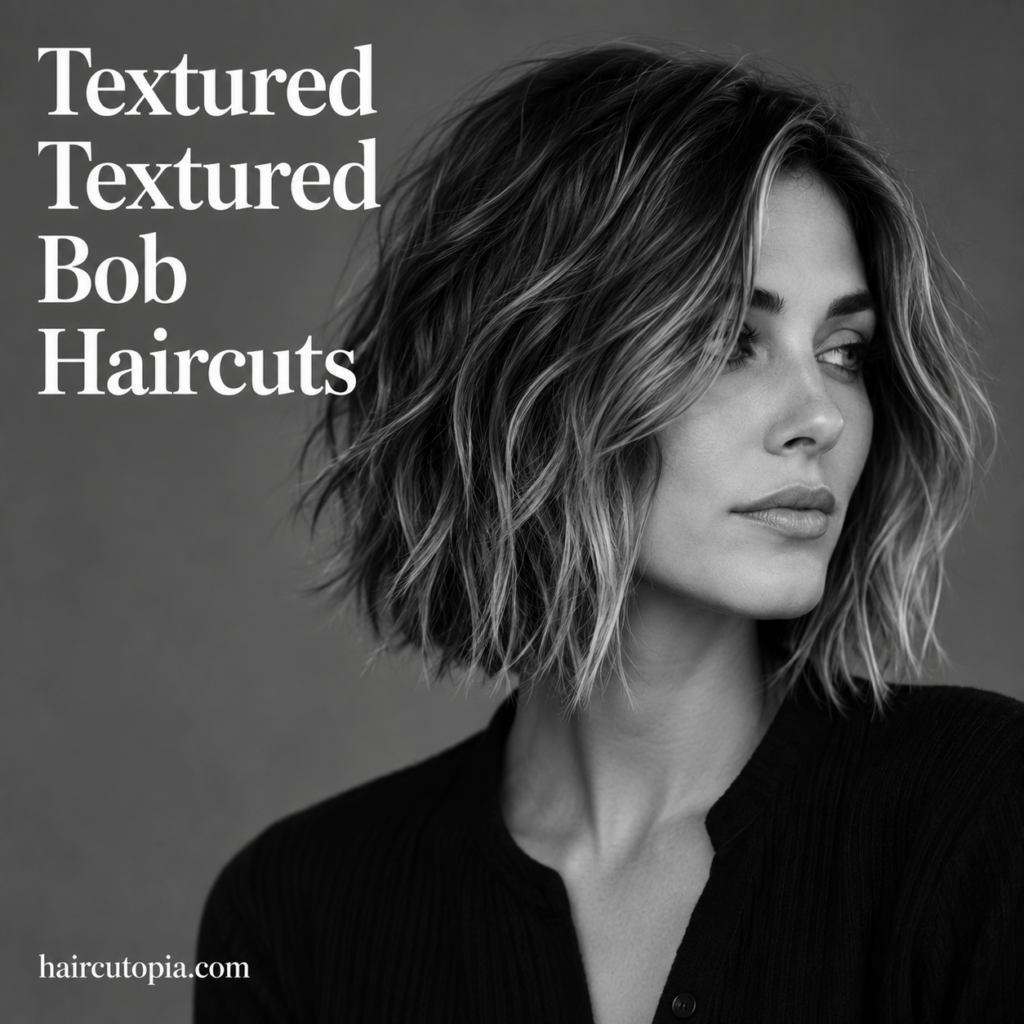
Choppy Bob
The polished bob took a break while textured, uneven versions became increasingly popular.
Typical features included:
- Chin-length shape
- Piecey ends
- Light layering
- Slight asymmetry
- Casual styling
Unlike today’s sleek blunt bob, the 2000s version embraced imperfection.
Angled Bob
One of the most recognizable cuts of the decade, the angled bob featured shorter hair in the back with longer front sections.
Benefits included:
- Strong shape
- Added volume
- Easy styling
- Modern appearance
This haircut became especially popular in the late 2000s.
Stacked Bob
The stacked bob added dramatic volume through heavily layered backs.
Common characteristics:
- Rounded silhouette
- Short graduated layers
- Full crown
- Longer front pieces
It was especially flattering for fine hair that needed extra lift.
Emo Haircut
The emo movement heavily influenced hair trends during the mid-to-late 2000s.
Features included:
- Long side bangs
- Heavy layering
- Sharp angles
- Straight styling
- Dark colors
Although dramatic, many modern adaptations soften the overall shape while maintaining the signature fringe.
Scene Hair
Scene hair took emo styles even further.
It often included:
- Extreme layers
- Teased volume
- Bright fashion colors
- Chunky highlights
- Long side fringe
Today’s colorful layered hairstyles owe much of their inspiration to this trend.
Pixie Cut
The pixie remained popular throughout the decade thanks to celebrities embracing shorter hair.
Modern updates typically include:
- Softer texture
- Longer top layers
- Better blending
- More natural styling
The result feels contemporary while preserving the bold confidence of the original.
Shag Haircut
The 2000s shag leaned heavily into texture.
Common features:
- Multiple layers
- Wispy fringe
- Feathered ends
- Volume around the crown
Today’s shag is cleaner and more refined but shares the same carefree spirit.
Long Shag
Long shags combined dramatic layering with longer lengths.
They offered:
- Natural movement
- Airy texture
- Face framing
- Easy styling
They’re especially popular again with modern curtain bangs.
Feathered Layers
Feathered hair enjoyed another wave of popularity during the decade.
Characteristics include:
- Soft outward movement
- Layered ends
- Rounded blowouts
- Smooth finish
Modern feathering is subtler and less voluminous.
Shoulder-Length Layers
Many people preferred medium-length hair because it balanced versatility with easier maintenance.
Benefits:
- Multiple styling options
- Lightweight movement
- Face-framing layers
- Everyday practicality
It’s still among today’s most requested haircut lengths.
Blunt Bangs
Although side bangs dominated the decade, blunt bangs also appeared in fashion-forward styles.
They paired especially well with:
- Long straight hair
- Sleek bobs
- Razor cuts
- Shag haircuts
Today’s blunt fringe is generally thicker and healthier-looking.
The Lob
While the long bob gained even greater popularity in the 2010s, its roots appeared during the late 2000s.
The lob offered:
- Shoulder-grazing length
- Soft layers
- Easy styling
- Versatility
It became a transition haircut for people growing out shorter styles.
Curly Layered Hair
Natural curls gained more attention during the decade.
Layering helped:
- Reduce bulk
- Add shape
- Improve curl definition
- Prevent triangle-shaped volume
Modern curly cutting techniques have significantly improved upon these early approaches.
Face-Framing Layers
Face-framing pieces became almost universal during the 2000s.
They helped:
- Soften facial features
- Add movement
- Blend bangs
- Create dimension
Today they’re one of the most requested salon features.
The Butterfly Effect Before the Butterfly Cut
Although the official Butterfly Cut arrived decades later, many 2000s layered hairstyles featured similar characteristics.
These included:
- Long cascading layers
- Volume around the face
- Soft feathering
- Blowout styling
Many stylists consider the Butterfly Cut a modern evolution of these Y2K classics.
Chunky Layered Hair
Heavier, more obvious layering defined many hairstyles from the era.
Instead of invisible layers, the goal was noticeable texture.
This created:
- Volume
- Movement
- Dramatic shape
- Easy styling
Modern versions use softer transitions for a more natural finish.
Asymmetrical Haircuts
Uneven lengths became increasingly popular during the late 2000s.
Examples included:
- Longer front pieces
- One side slightly longer
- Angled bobs
- Side-heavy layering
The asymmetry added personality without requiring dramatic styling.
Celebrity Influence on 2000s Haircuts
Much of the decade’s hairstyle inspiration came from celebrities whose looks quickly spread through magazines and television.
Some of the biggest influences included:
- Pop singers with long layered hair
- Movie stars wearing side bangs
- Reality TV personalities with stacked bobs
- Actresses embracing angled cuts
- Alternative musicians popularizing emo styles
Before social media, celebrity hairstyles often set nationwide salon trends.
Hair Colors That Defined the 2000s
Haircuts were often paired with instantly recognizable coloring techniques.
Popular choices included:
- Chunky blonde highlights
- Platinum blonde
- Jet black
- Auburn tones
- Honey blonde
- Caramel highlights
- Contrasting lowlights
- Peekaboo color panels
Today’s coloring techniques blend these ideas into softer, more dimensional results.
Styling Tools Everyone Used
The early 2000s also became known for signature styling tools.
Favorites included:
- Ceramic flat irons
- Large round brushes
- Velcro rollers
- Crimping irons
- Teasing combs
- Hair straighteners
- Curling irons
These tools helped create the smooth, glossy finishes associated with the decade.
How Modern Stylists Update 2000s Haircuts
Rather than recreating them exactly, stylists usually make a few important improvements.
Modern updates include:
- Softer layering
- Healthier-looking ends
- Better blending
- Personalized face framing
- More natural movement
- Less teasing
- Improved styling products
The result captures the nostalgic feel without looking overly dated.
Choosing the Right 2000s Haircut for Your Hair Type
Fine Hair
Great options include:
- Stacked bob
- Angled bob
- Shoulder-length layers
- Pixie cut
These styles help maximize volume.
Thick Hair
Ideal choices include:
- Long layers
- Razor cuts
- Long shag
- Face-framing layers
These reduce weight while maintaining movement.
Wavy Hair
Consider:
- Long layered hair
- Modern shag
- Lob
- Butterfly-inspired layers
These cuts enhance natural texture.
Curly Hair
Look for:
- Curly layered cuts
- Medium layers
- Long shag
- Face-framing curls
Proper layering helps curls maintain their shape.
Are 2000s Haircuts Still Stylish?
Absolutely.
Many of today’s most popular hairstyles are direct evolutions of classic Y2K cuts.
The biggest difference is execution. Modern hairstylists emphasize softness, customization, and healthy hair rather than the dramatic layering and heavy styling that defined the original trends.
If you love nostalgic fashion but want something current, a modernized 2000s haircut offers the perfect balance.
Frequently Asked Questions
What haircut was most popular in the 2000s?
Long layered hair with side-swept bangs was arguably the defining haircut of the decade. It appeared across fashion, movies, television, and celebrity culture.
Are 2000s hairstyles back in style?
Yes. Many Y2K hairstyles have returned with updated techniques, including layered cuts, side bangs, shag haircuts, angled bobs, and face-framing layers.
What hair color was popular in the 2000s?
Chunky blonde highlights, platinum blonde, caramel highlights, jet black, and high-contrast color combinations were among the decade’s biggest trends.
Can 2000s haircuts work on curly hair?
Yes. Many layered styles, shags, and medium-length cuts adapt beautifully to curly hair when customized by an experienced stylist.
What’s the biggest difference between original and modern 2000s haircuts?
Modern versions focus on softer layering, healthier finishes, personalized shapes, and more natural movement, making them easier to wear today.
Final Thoughts
The 2000s gave us some of the most recognizable hair trends in modern history. From dramatic side bangs and razor-cut layers to angled bobs and textured shags, these styles captured the playful, experimental spirit of the Y2K era.
Today, those same haircuts are enjoying a well-deserved revival. Updated with softer techniques and contemporary styling, they’re easier to wear while still delivering the personality and confidence that made them unforgettable. Whether you’re embracing full-on nostalgia or simply borrowing a few signature details, a 2000s-inspired haircut remains a stylish way to refresh your look.