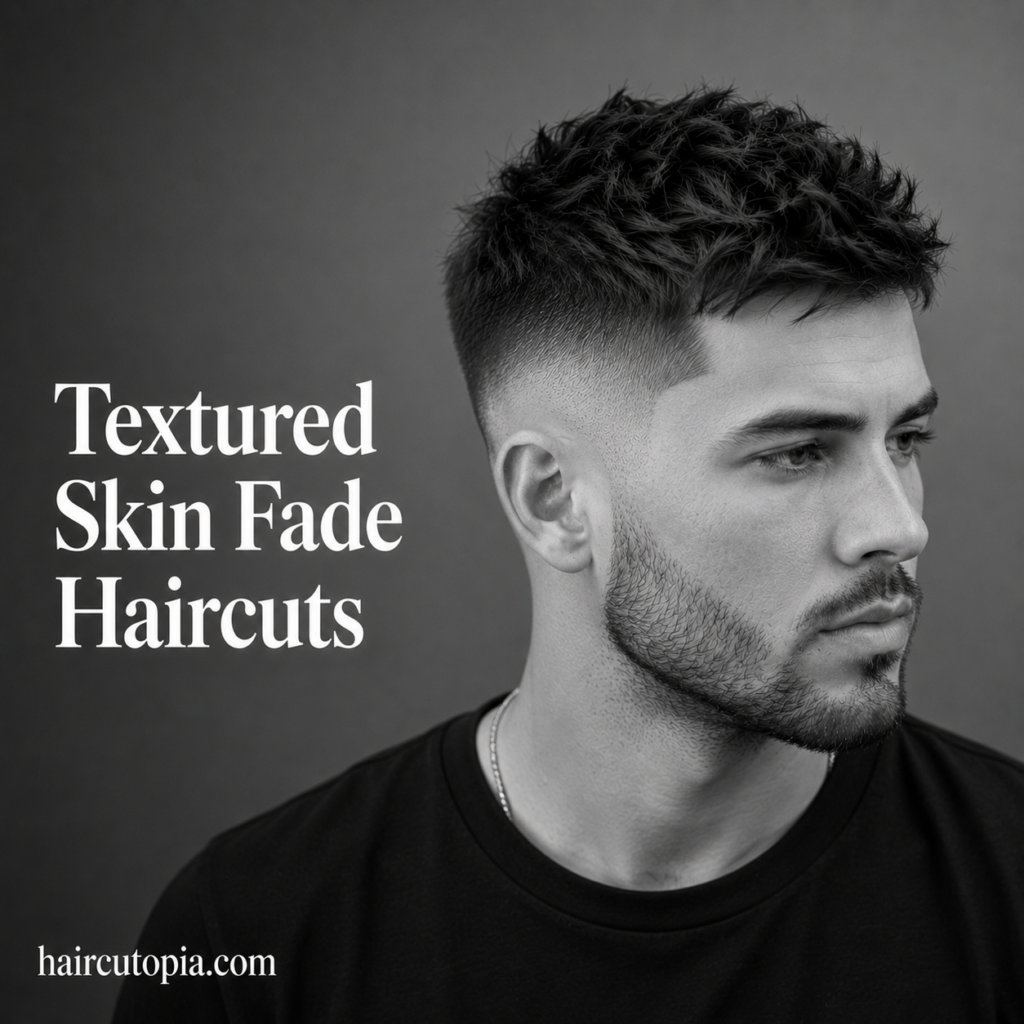
Textured skin fade haircuts have become one of the most popular choices in modern men’s grooming. They combine the clean, sharp appearance of a skin fade with the natural movement and dimension that textured hair provides. The result is a hairstyle that looks stylish, effortless, and versatile enough for almost any occasion.
Unlike heavily structured hairstyles that require precise styling every day, textured skin fades embrace a more natural finish. The texture adds depth and personality while the fade keeps the overall haircut looking clean and polished.
Whether you prefer a short textured crop, a messy quiff, or longer textured layers, there is a textured skin fade variation that can suit your hair type, face shape, and lifestyle.
What Is a Textured Skin Fade?
A textured skin fade combines two key haircut elements:
- A skin fade on the sides and back
- Textured hair on top
The skin fade gradually blends the hair down to the skin, creating a clean and modern transition. The textured top uses layers, movement, and natural separation to add volume and visual interest.
This combination creates:
- A modern appearance
- Easy styling options
- Natural movement
- Strong contrast between the top and sides
- A versatile look that works in many settings
Why Textured Skin Fades Are So Popular
Textured hairstyles have become increasingly popular because they look stylish without appearing overly polished.
Some of the biggest advantages include:
- Works with most hair types
- Creates natural volume
- Easy to style
- Modern yet timeless
- Suitable for casual and professional environments
- Grows out well between barber visits
Many men prefer texture because it allows the haircut to look intentional without requiring perfection.
Best Textured Skin Fade Haircuts
Textured Crop Skin Fade
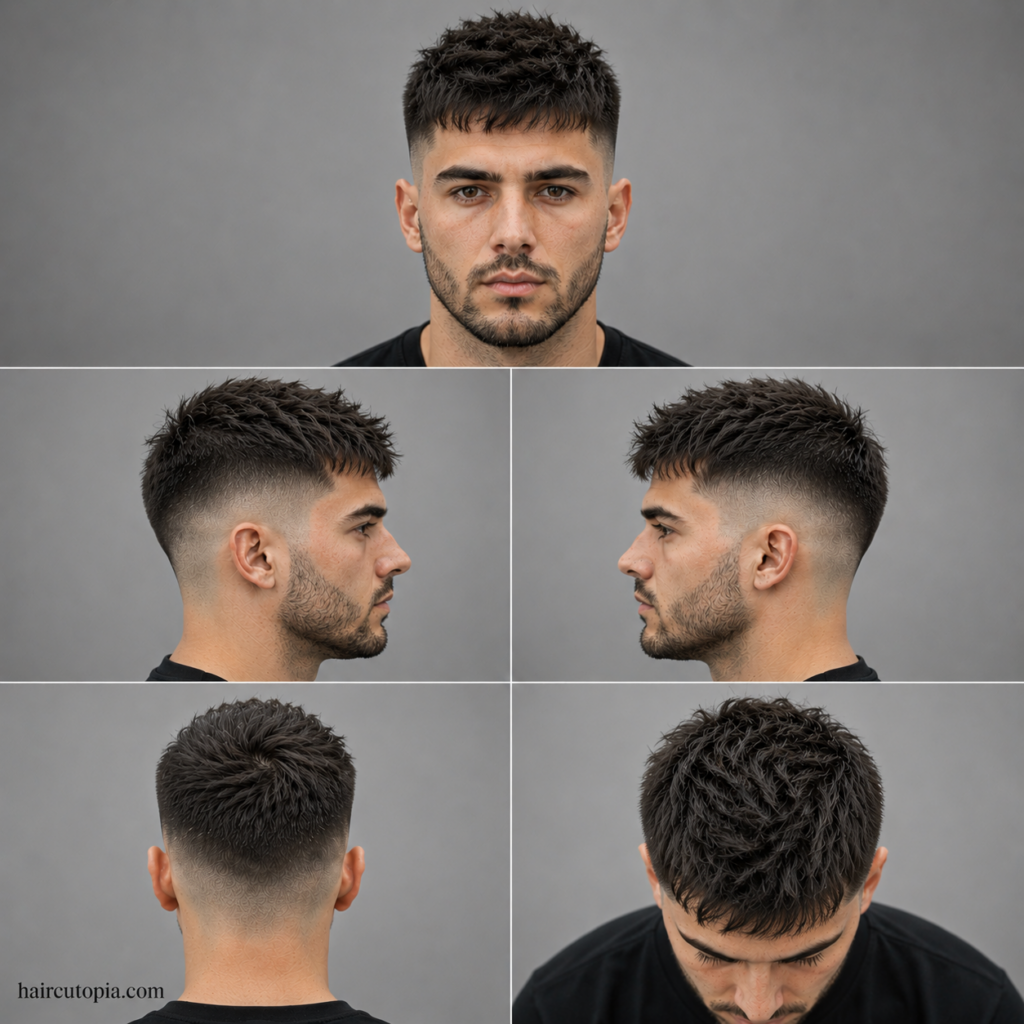
The textured crop remains one of the most requested haircuts in barbershops today.
The top is cut into choppy layers that create movement while the fade keeps the sides neat and clean.
Why it works:
- Easy daily styling
- Modern appearance
- Suitable for most face shapes
- Great for straight or slightly wavy hair
This style often looks great even with minimal effort.
French Crop with Texture
The French crop adds a short fringe to the front while maintaining texture throughout the top.
Benefits include:
- Low maintenance
- Trendy appearance
- Works well with thinning hair
- Easy to control
The textured fringe helps soften the overall look while adding character.
Messy Textured Quiff Skin Fade
For men who want a little more volume, a textured quiff offers a stylish solution.
Instead of creating a perfectly sculpted shape, the focus is on natural movement and separation.
Advantages:
- Adds height
- Creates visual interest
- Modern and relaxed
- Works especially well with thick hair
Textured Side Part Skin Fade
A side part doesn’t have to look rigid or overly formal.
Adding texture creates a more contemporary version of this classic hairstyle.
Best for:
- Professional environments
- Business casual settings
- Medium-length hair
- Men seeking versatility
Short Spiky Texture Skin Fade
Modern spikes focus on texture rather than stiff styling.
A matte product helps create separation while maintaining a natural appearance.
Benefits include:
- Youthful look
- Easy styling
- Works with thick hair
- Contemporary finish
Curly Textured Skin Fade
Natural curls create texture automatically.
A skin fade removes excess bulk around the sides while allowing the curls to become the focal point.
Ideal for:
- Naturally curly hair
- Wavy textures
- Medium-density hair
- Men who embrace natural movement
Medium-Length Textured Top Skin Fade
Men who prefer more length can use layered texture to create movement throughout the hair.
The fade helps keep the haircut balanced by reducing bulk on the sides.
This style offers:
- Greater styling flexibility
- More volume
- Casual sophistication
- Modern appeal
Choosing the Right Texture Level
Texture can vary significantly depending on the haircut.
Subtle Texture
Subtle texture creates a cleaner appearance and works well in professional settings.
Good choices include:
- Textured side parts
- Ivy League cuts
- Short textured crops
Medium Texture
Medium texture balances professionalism and casual style.
This is often the most versatile option.
Heavy Texture
Heavier texture creates a more relaxed and fashion-forward appearance.
Popular examples include:
- Messy crops
- Textured quiffs
- Layered medium-length styles
Best Hair Types for Textured Skin Fades
Straight Hair
Texture helps prevent straight hair from appearing flat.
Layering creates movement and dimension.
Thick Hair
Thicker hair naturally supports textured styles because it holds shape and volume well.
Wavy Hair
Waves add built-in texture and often require very little styling effort.
Curly Hair
Curly hair works exceptionally well with textured skin fades because the natural texture becomes a key feature of the haircut.
Best Fade Heights for Textured Hairstyles
Low Skin Fade
A low skin fade creates a subtle transition and works well with textured crops and side parts.
Benefits include:
- Professional appearance
- Softer contrast
- Easy grow-out phase
Medium Skin Fade
The medium skin fade is often considered the most versatile option.
It creates noticeable contrast without appearing overly dramatic.
High Skin Fade
A high skin fade creates maximum emphasis on the textured top.
Best suited for:
- Bold hairstyles
- Thick hair
- Modern trends
Styling Tips for Textured Skin Fade Haircuts
One of the biggest advantages of textured styles is that they don’t require perfect styling.
For the best results:
- Start with clean hair.
- Apply a small amount of styling product.
- Work the product evenly through the hair.
- Use your fingers to create separation and movement.
Popular products include:
- Matte clay
- Texture paste
- Sea salt spray
- Styling cream
- Matte fiber
Avoid overly shiny products if you want to maintain a natural textured appearance.
How Often Should You Get a Textured Skin Fade?
Most textured skin fades benefit from regular maintenance.
Typical schedules include:
- Every 2 weeks for a consistently sharp fade
- Every 3 weeks for balanced upkeep
- Every 4 weeks for a more relaxed appearance
The textured top often grows out gracefully, while the fade usually needs attention first.
Common Mistakes to Avoid
Using Too Much Product
Texture looks best when it appears natural.
Overloading the hair can reduce movement and create a heavy appearance.
Creating Excessive Volume
Too much height can make some hairstyles appear unbalanced.
Focus on movement rather than extreme lift.
Ignoring Hair Type
Different textures require different cutting techniques.
A barber experienced with textured styles can help determine what works best for your hair.
Over-Styling
One of the appeals of textured hair is its relaxed appearance.
Perfection is not the goal.
How to Ask Your Barber for a Textured Skin Fade
When discussing the haircut with your barber, mention:
- Desired fade height
- Amount of texture you want
- Preferred hair length on top
- Daily styling habits
- Whether you prefer a clean or messy finish
Reference photos can help communicate the exact level of texture you’re looking for.
Textured Skin Fade vs Classic Skin Fade
A classic skin fade often features a more structured hairstyle on top.
A textured skin fade focuses on:
- Natural movement
- Layered appearance
- Casual styling
- Modern texture
Both styles can look great, but textured versions tend to feel more contemporary and versatile.
Final Thoughts
Textured skin fade haircuts continue to dominate modern men’s hairstyle trends because they combine clean barbering with natural-looking movement. Whether you choose a textured crop, French crop, side part, quiff, curly style, or medium-length layered look, texture adds personality while the fade keeps everything sharp and polished.
The result is a haircut that feels stylish without being overly complicated, making textured skin fades an excellent choice for men who want a modern look that remains easy to wear and maintain.
Related Posts
 Quiff Haircuts for Diamond Faces: Best Styles, Fades, and Styling Tips
 High Fade Haircuts for Oval Faces: Versatile Styles That Work with Nearly Any Look
 Layered Haircuts for Heart-Shaped Faces: 25 Flattering Styles That Balance Your Features
 Slick Back Haircuts for Coarse Hair: Best Styles to Control Thick Texture