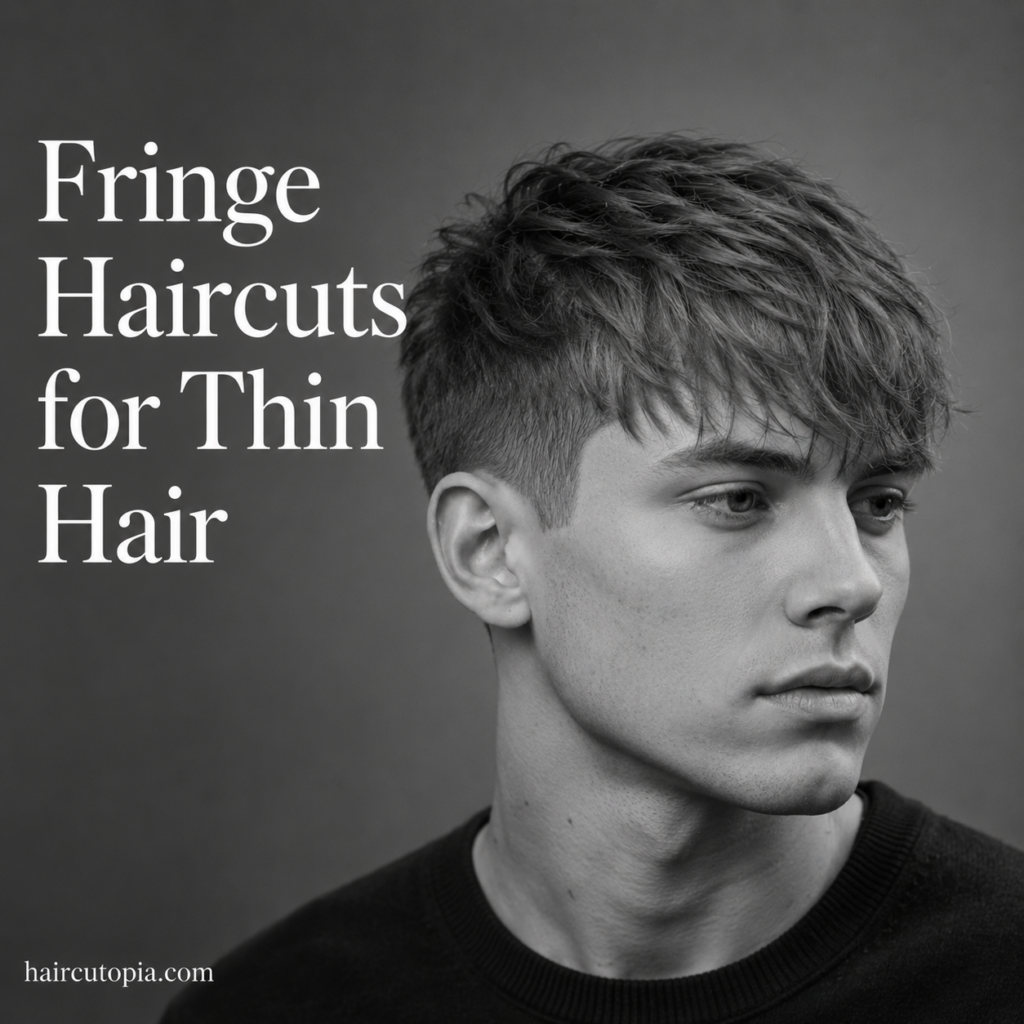
Thin hair doesn’t mean you have to settle for flat, lifeless styles. In fact, the right fringe haircut can make thin hair appear fuller, thicker, and more textured than it actually is. By strategically adding layers, movement, and volume to the front of the hair, a well-designed fringe creates the illusion of density while giving your hairstyle a fresh, modern look.
Whether you’re dealing with naturally fine hair or noticing your hair becoming thinner over time, there are plenty of fringe styles that can work in your favor. The key is choosing a haircut that adds texture instead of exposing the scalp and using styling techniques that maximize volume without weighing the hair down.
In this guide, we’ll cover the best fringe haircuts for thin hair, styling tips, maintenance advice, and how to choose the right fringe for your face shape.
Why Fringe Haircuts Work for Thin Hair
One of the biggest advantages of a fringe is that it draws attention to the front of the hairstyle. This helps create the appearance of fullness where it matters most.
Benefits of a fringe haircut for thin hair include:
- Makes hair appear thicker
- Adds natural movement
- Frames the face
- Softens a receding hairline
- Creates a more youthful appearance
- Offers plenty of styling versatility
Rather than trying to hide thin hair, a fringe works with your natural texture to create a balanced, fuller-looking hairstyle.
Understanding Thin Hair
Thin hair can refer to either the thickness of individual strands or the overall density of hair on your scalp.
Some men have:
- Naturally fine hair
- Low-density hair
- Hair that’s thinning with age
- A combination of fine and thinning hair
While you can’t change your hair’s natural density, you can choose a haircut that makes it look significantly fuller.
Best Fringe Haircuts for Thin Hair
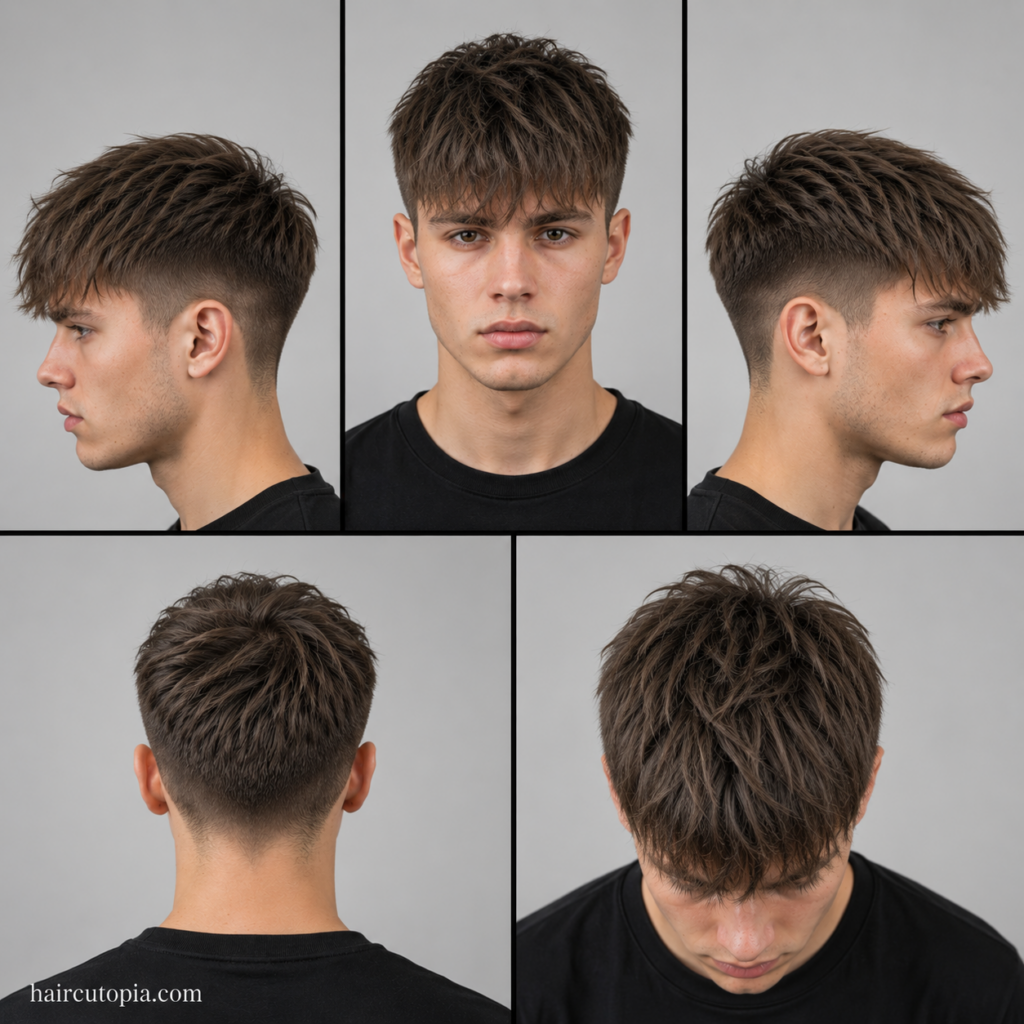
Textured Fringe
The textured fringe is one of the best haircuts for thin hair.
Instead of leaving the hair flat, your barber creates layers that add movement and dimension. The uneven texture helps disguise sparse areas while making the hair appear thicker.
Why it works:
- Adds volume
- Creates natural separation
- Minimizes flatness
- Easy to style
Pair it with a low or mid fade for a clean, modern finish.
Messy Fringe
A slightly messy fringe creates the illusion of fullness by preventing the hair from lying perfectly flat.
Instead of smooth strands, the hair is styled into loose pieces with natural movement.
Benefits include:
- Fuller appearance
- Relaxed style
- Minimal effort
- Modern texture
Matte styling products work especially well for this look.
Side-Swept Fringe
A side-swept fringe adds volume across the front of the hair while avoiding harsh lines that can make thin hair more noticeable.
It works particularly well if your hair naturally parts to one side.
This style:
- Softens the hairline
- Adds movement
- Looks professional
- Works for many face shapes
Layered Fringe
Layers are essential for creating body in thin hair.
A layered fringe prevents the front from looking flat while adding subtle texture throughout the haircut.
This style suits:
- Straight hair
- Slightly wavy hair
- Fine hair with natural movement
French Crop
The French crop remains one of the most practical haircuts for men with thin hair.
The fringe sits forward while the top stays relatively short and textured.
Advantages include:
- Easy maintenance
- Minimal styling
- Modern appearance
- Great for thinning hairlines
Avoid making the fringe too heavy, as lighter texture generally looks fuller.
Soft Curtain Fringe
A curtain fringe isn’t just for thick hair.
When cut with lighter layers, it creates movement without exposing too much scalp.
This hairstyle works best on:
- Medium-length thin hair
- Slightly wavy hair
- Naturally straight hair with volume
Short Textured Fringe
A shorter fringe often appears thicker because less weight pulls the hair downward.
Adding texture throughout the top creates a fuller silhouette while remaining easy to manage.
This haircut pairs well with:
- Low fade
- Mid fade
- Taper fade
Angular Fringe
An angular fringe directs attention diagonally across the forehead, helping disguise thin areas while adding visual interest.
The asymmetrical shape creates the illusion of more volume compared to a straight fringe.
Fringe Haircuts for Different Hair Types
Straight Thin Hair
Straight hair benefits from texture more than length.
Ask your barber to add:
- Choppy layers
- Point cutting
- Soft texture
- Light movement
Wavy Thin Hair
Natural waves already create body, making them ideal for fringe haircuts.
Keep enough length to allow the waves to develop naturally.
Fine Hair with Receding Hairline
A textured fringe can soften the appearance of a receding hairline without looking forced.
Avoid heavy, blunt fringes that may draw attention to thinning areas.
Choosing a Fringe for Your Face Shape
Oval Face
Almost every fringe style works well.
Recommended choices include:
- Textured fringe
- Side-swept fringe
- French crop
- Messy fringe
Round Face
Choose styles that add height and angles.
Best options:
- Angular fringe
- Textured fringe
- Short layered fringe
Square Face
A softer fringe helps balance strong facial features.
Consider:
- Side-swept fringe
- Layered fringe
- Messy fringe
Heart Face
A fringe naturally balances a wider forehead.
Good options include:
- Curtain fringe
- Textured fringe
- Side fringe
Long Face
Avoid overly tall hairstyles.
Instead, choose:
- Medium-length fringe
- French crop
- Layered fringe
These styles visually shorten the face while adding width.
Best Fades for Thin Hair
The sides of your haircut play an important role in making thin hair appear fuller.
Low Fade
A low fade creates subtle contrast while keeping more hair around the temples.
Ideal for:
- Professional styles
- Fine hair
- Side-swept fringe
Mid Fade
A mid fade balances modern style with natural fullness.
Pairs well with:
- Textured fringe
- Messy fringe
- French crop
Taper Fade
A taper fade keeps the haircut softer and more classic while maintaining extra weight around the sides.
This often helps thin hair appear denser.
How to Style a Fringe for Thin Hair
Proper styling makes a huge difference.
Follow these steps:
- Start with damp hair.
- Apply a lightweight volumizing mousse or styling spray.
- Blow dry while lifting the roots with your fingers.
- Use a small amount of matte clay or styling paste.
- Finish with texture powder if additional volume is needed.
Avoid heavy pomades, oils, or gels that flatten the hair.
Best Styling Products
Look for lightweight products that enhance texture without adding weight.
Good choices include:
- Texture powder
- Matte clay
- Volumizing mousse
- Sea salt spray
- Lightweight styling paste
Products with a matte finish generally create the appearance of thicker hair.
Haircare Tips for Thin Hair
Healthy hair naturally looks fuller.
Keep your hair looking its best by:
- Using a volumizing shampoo
- Conditioning lightly to avoid buildup
- Avoiding excessive heat styling
- Getting trims every 4–6 weeks
- Using lightweight styling products
Regular trims also prevent thin ends from making the hairstyle appear even finer.
Common Mistakes to Avoid
Growing the Fringe Too Long
Long, heavy hair tends to separate and expose the scalp.
Keeping moderate length usually creates more volume.
Using Too Much Product
Overloading thin hair with product causes it to collapse.
A small amount often delivers the best results.
Choosing Heavy Blunt Fringes
Straight, solid fringes can emphasize thinness if the hair lacks density.
Textured layers are usually a better option.
Skipping Texture
Texture is your biggest advantage.
Ask your barber to remove weight strategically while creating movement throughout the haircut.
How to Ask Your Barber
A clear description helps your barber understand the look you’re after.
You could say:
“I’d like a textured fringe that makes my hair look fuller, with plenty of layers and movement. Keep enough length in the front to style naturally, but avoid making it too heavy.”
If possible, bring a few reference photos showing the level of texture and length you prefer.
Is a Fringe Haircut Good for Thin Hair?
Absolutely. A well-cut fringe can transform thin hair by creating the appearance of greater density, improving texture, and drawing attention to the front of the hairstyle. The right combination of layering, length, and styling products can make fine or thinning hair look noticeably fuller without requiring complicated routines.
Whether you prefer a clean French crop, a relaxed messy fringe, or a modern textured style, there’s a fringe haircut that can suit your hair type, face shape, and lifestyle.
Frequently Asked Questions
Is a fringe good for thin hair?
Yes. A textured fringe can make thin hair appear thicker by adding movement, volume, and dimension while helping disguise sparse areas.
Which fringe style makes hair look the thickest?
A textured fringe is usually the best choice because layered pieces create the illusion of more density than a blunt or flat fringe.
Should thin hair have a long or short fringe?
A short to medium-length fringe often works best. Extremely long fringes can separate and reveal more of the scalp.
What products help thin hair look fuller?
Texture powder, matte clay, volumizing mousse, and sea salt spray are all excellent choices because they lift the hair without making it greasy or heavy.
How often should I trim a fringe?
Most fringe haircuts benefit from a trim every 4–6 weeks to maintain their shape and keep the style looking full.
Related Posts
 Haircuts for Thin Hair: The Complete Guide to Fuller-Looking Styles for Every Length
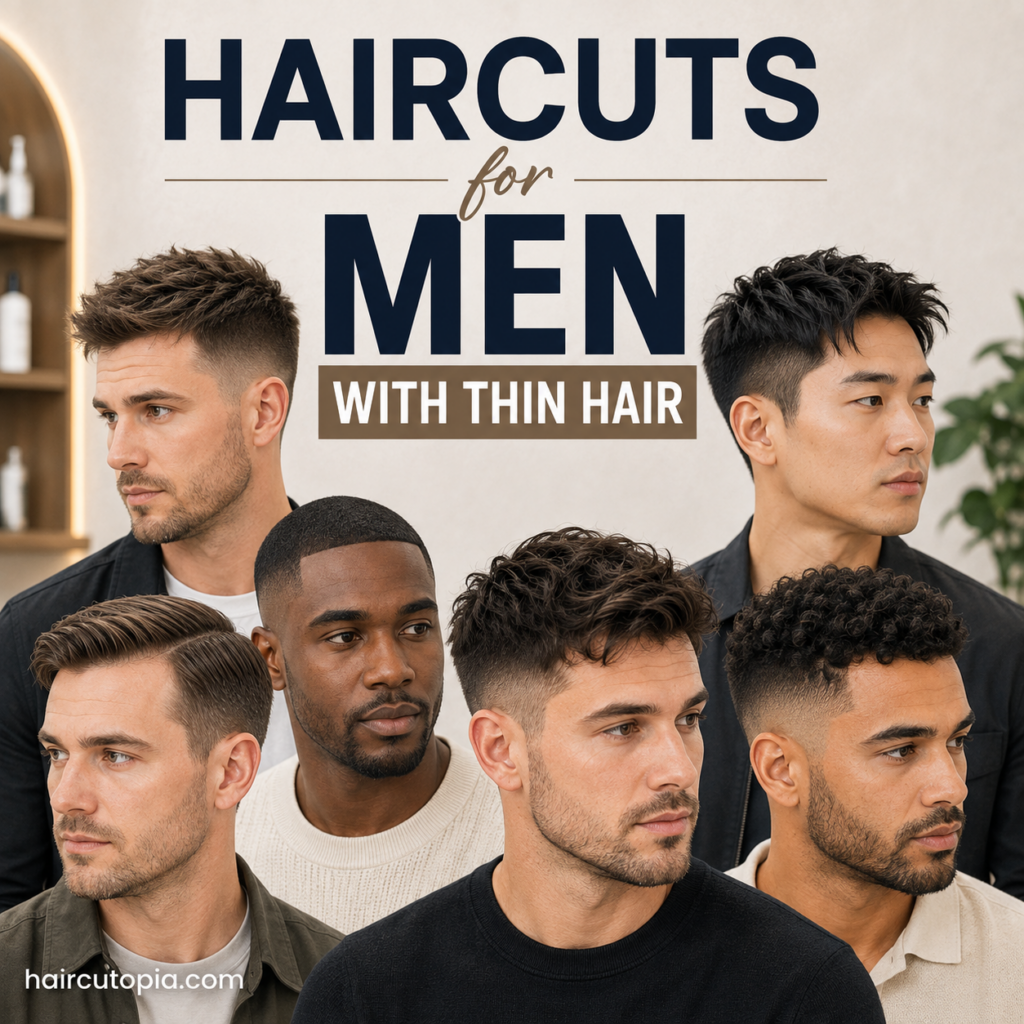 Haircuts for Men with Thin Hair: 20 Stylish Cuts That Add Volume and Confidence
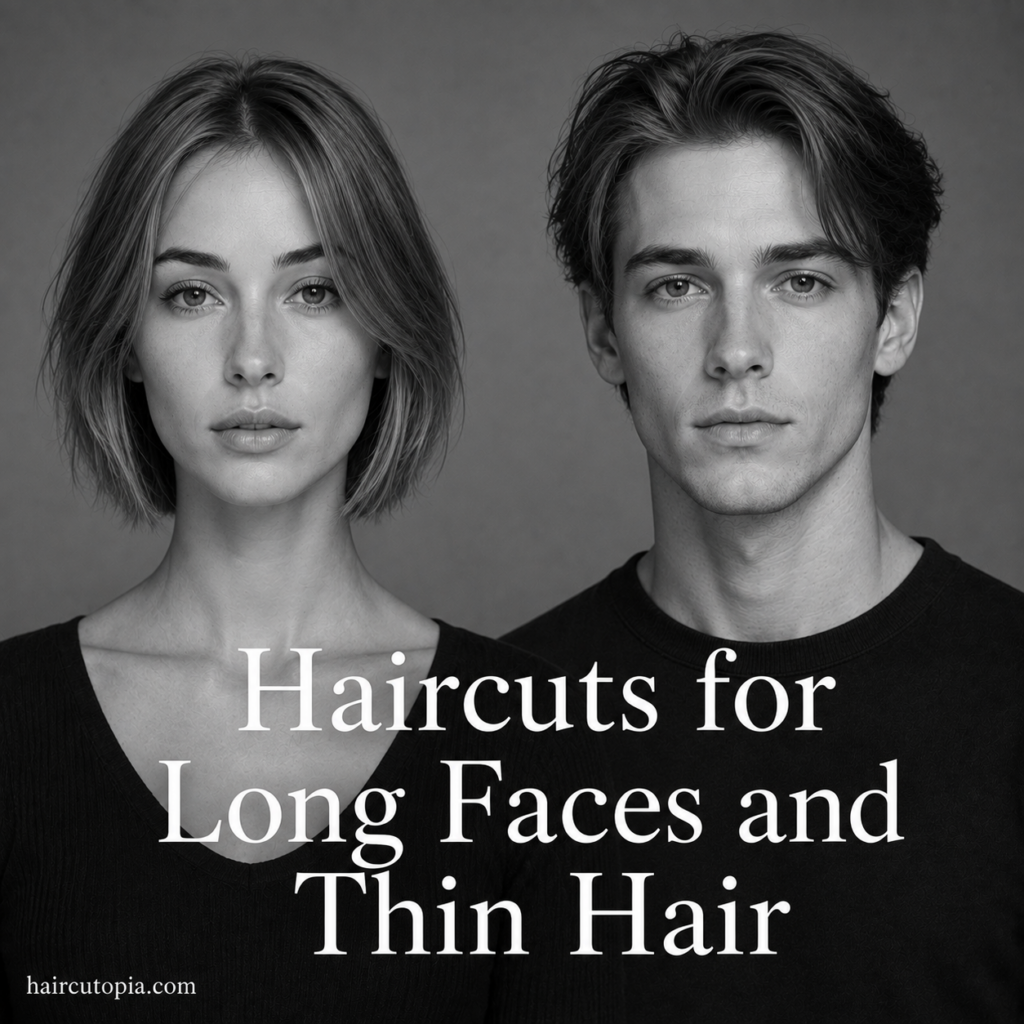 Haircuts for Long Faces and Thin Hair: 25 Flattering Styles That Add Fullness and Balance
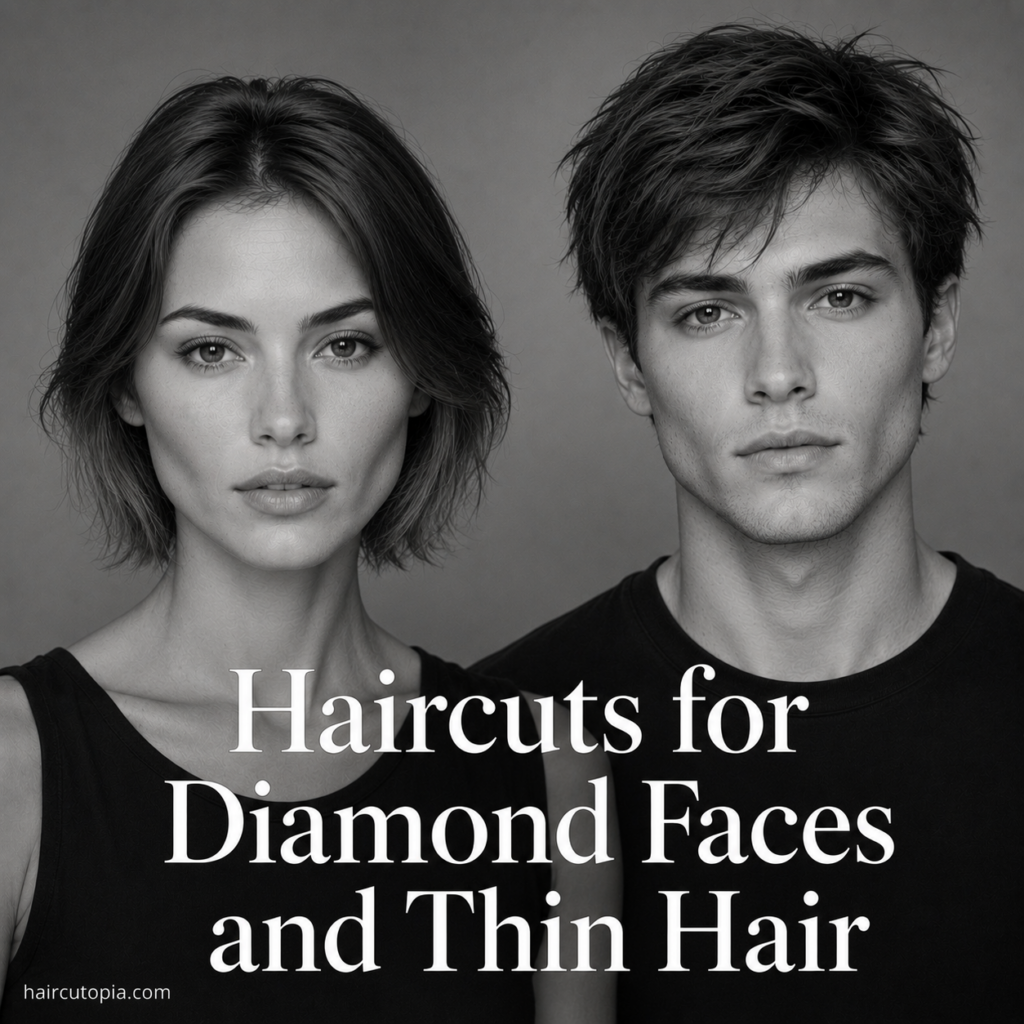 Haircuts for Diamond Faces and Thin Hair: The Best Styles for Fuller, Balanced Hair