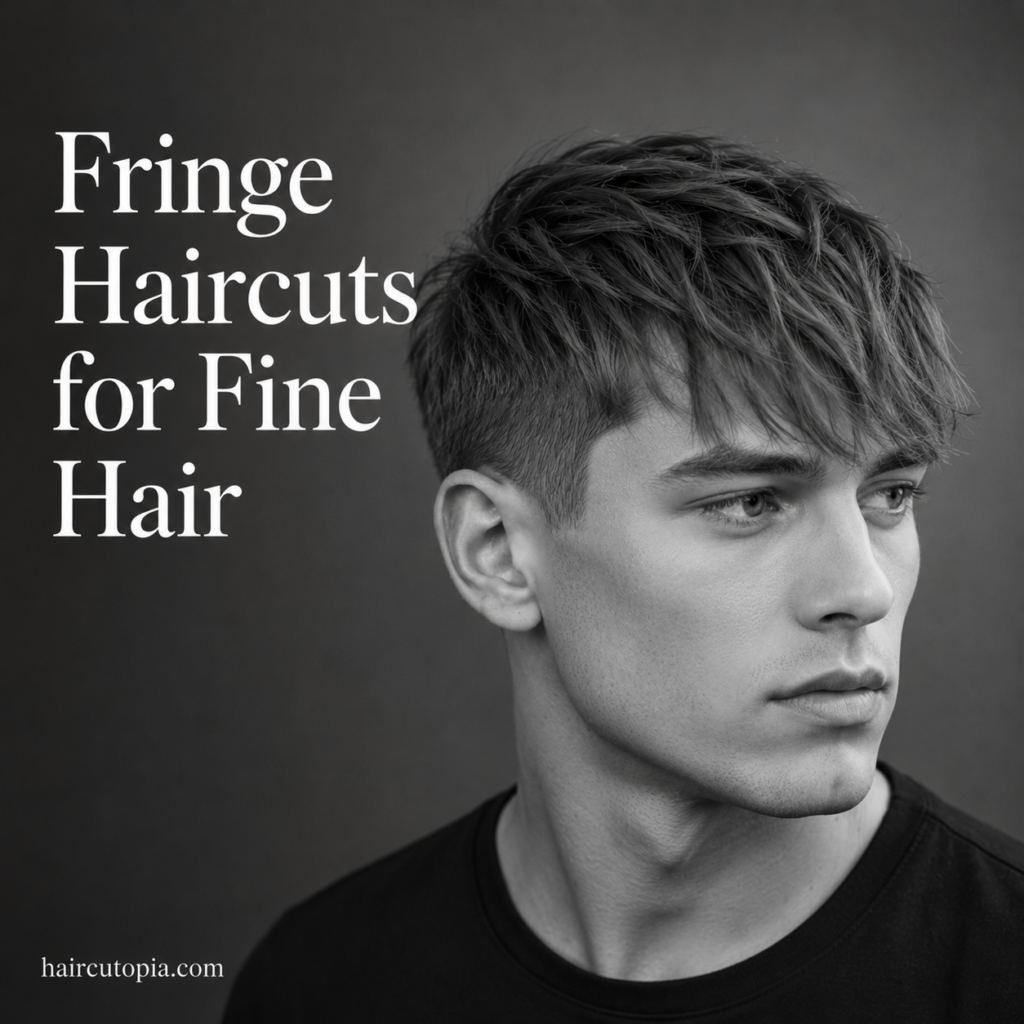
Fine hair often gets mistaken for thin hair, but they’re not exactly the same. Fine hair refers to the diameter of each individual strand, while thin hair refers to how much hair you have overall. You can have a full head of fine hair or thick, coarse hair with lower density.
The good news is that fine hair responds incredibly well to the right fringe haircut. A carefully layered fringe can add texture, movement, and the appearance of fuller hair without requiring a complicated styling routine. Whether you prefer a modern textured crop or a relaxed side-swept fringe, there’s a style that can help fine hair look thicker and more dynamic.
This guide covers the best fringe haircuts for fine hair, how to style them, what to ask your barber, and the mistakes to avoid.
Why Fringe Haircuts Work Well for Fine Hair
Fine hair naturally lies flatter than coarse hair, making it harder to achieve volume. A fringe changes the shape of the haircut by adding interest to the front while creating the illusion of more body.
Benefits include:
- Makes fine hair appear thicker
- Creates natural texture
- Adds movement
- Frames the face
- Softens the hairline
- Works with many face shapes
Instead of relying solely on styling products, the haircut itself helps create volume.
Understanding Fine Hair
Fine hair has a smaller strand diameter than medium or coarse hair.
It may be:
- Straight
- Slightly wavy
- Soft in texture
- Lightweight
- Easily flattened
Because fine hair weighs less, choosing the right length and layering becomes especially important.
Best Fringe Haircuts for Fine Hair
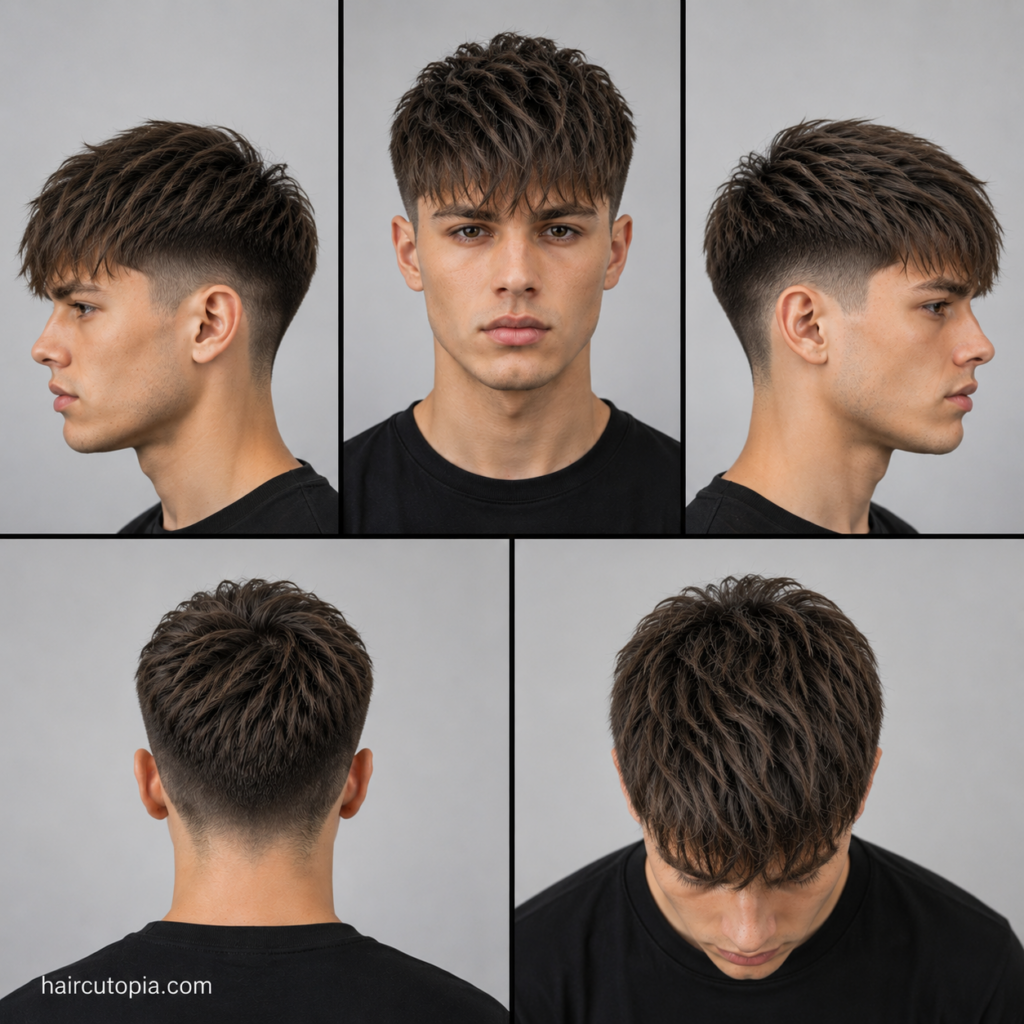
Textured Fringe
The textured fringe is one of the best hairstyles for fine hair.
Instead of leaving the front smooth and flat, layers create separation and movement that make the hair appear thicker.
Benefits include:
- Natural-looking volume
- Easy styling
- Modern appearance
- Fuller-looking texture
Pair it with a low fade or taper fade for a balanced finish.
French Crop
The French crop has become one of the most popular haircuts for men with fine hair.
The shorter top combined with a textured fringe creates the illusion of greater density.
Why it works:
- Easy to maintain
- Doesn’t require much styling
- Adds definition
- Great for everyday wear
A matte finish helps keep the look natural.
Messy Fringe
Fine hair benefits from styles that don’t look overly polished.
A messy fringe creates movement that prevents the hair from lying flat against the scalp.
This style offers:
- Relaxed appearance
- More texture
- Added volume
- Low-maintenance styling
Finger styling usually produces the best results.
Side-Swept Fringe
A side-swept fringe creates fullness by directing the hair across the forehead rather than straight down.
This style works especially well if your hair naturally parts to one side.
Advantages include:
- Professional appearance
- Soft facial framing
- Added movement
- Timeless style
Short Textured Fringe
Keeping the fringe shorter reduces weight, allowing fine hair to lift more easily.
This haircut creates:
- Better volume
- Cleaner shape
- Easier styling
- Modern texture
It’s an excellent option for men who prefer low-maintenance hairstyles.
Soft Curtain Fringe
Curtain hairstyles can work surprisingly well on fine hair when they aren’t cut too heavily.
Instead of creating thick curtains, lighter layers help the hair move naturally.
Best suited for:
- Medium-length hair
- Straight hair
- Slightly wavy hair
Angular Fringe
An angular fringe introduces asymmetry that distracts from flatness while adding visual texture.
The diagonal shape naturally creates more movement than a straight-across fringe.
Layered Fringe
Layering is one of the most effective techniques for fine hair.
Rather than removing too much hair, strategic layers help lift sections while creating natural body.
Best Fringe Haircuts by Hair Texture
Straight Fine Hair
Straight fine hair benefits from texture more than length.
Ask your barber for:
- Point cutting
- Choppy layers
- Light texture
- Soft movement
Slightly Wavy Fine Hair
Natural waves provide extra volume.
Allow enough length for the waves to develop without becoming heavy.
Fine Hair with a Receding Hairline
A textured fringe can soften the front hairline while keeping the overall hairstyle modern and balanced.
Avoid extremely heavy or blunt fringes that may look unnatural.
Choosing a Fringe for Your Face Shape
Oval Face
Almost every fringe style works well.
Top choices include:
- Textured fringe
- French crop
- Side-swept fringe
- Messy fringe
Round Face
Choose styles that create height and definition.
Recommended:
- Angular fringe
- Textured fringe
- Short layered fringe
Square Face
Softer fringes help balance strong jawlines.
Good options include:
- Side-swept fringe
- Layered fringe
- Textured fringe
Heart Face
Fringes naturally balance a wider forehead.
Consider:
- Curtain fringe
- Side fringe
- Medium textured fringe
Long Face
Medium-length fringes help reduce the appearance of facial length.
French crops and textured fringes work particularly well.
Best Fades to Pair with Fine Hair
Low Fade
A low fade provides subtle contrast while maintaining fullness around the sides.
Perfect for:
- Professional styles
- Fine straight hair
- Side-swept fringes
Mid Fade
The most versatile fade for textured fringe hairstyles.
Works well with:
- French crop
- Messy fringe
- Layered fringe
Taper Fade
A taper fade creates a softer transition that often complements fine hair better than aggressive fades.
How to Style a Fringe for Fine Hair
Styling is just as important as the haircut itself.
Follow these steps:
- Start with towel-dried hair.
- Apply a lightweight volumizing product.
- Blow dry while lifting the roots.
- Finish with a matte clay or styling paste.
- Separate sections using your fingers instead of a comb.
The goal is movement rather than perfect control.
Best Styling Products
Choose lightweight products that won’t flatten the hair.
Recommended products include:
- Texture powder
- Matte clay
- Volumizing mousse
- Sea salt spray
- Matte styling paste
Avoid heavy waxes and shiny pomades that can make fine hair appear limp.
Haircare Tips for Fine Hair
Healthy fine hair naturally holds style better.
Helpful habits include:
- Wash with a volumizing shampoo.
- Use lightweight conditioner.
- Avoid overusing heat tools.
- Get trims every 4–6 weeks.
- Don’t overload your hair with product.
Even small changes in your routine can improve volume and manageability.
Common Mistakes to Avoid
Growing the Fringe Too Long
Long fine hair often loses volume and separates easily.
A shorter, textured fringe usually looks much fuller.
Using Heavy Styling Products
Too much product quickly weighs fine hair down.
Start with a small amount and build only if necessary.
Skipping Texture
Texture creates the illusion of thicker hair.
Without it, fine hair may appear flat and lifeless.
Ignoring Blow Drying
Blow drying isn’t just for long hairstyles.
Lifting the roots during drying can dramatically improve volume.
How to Ask Your Barber
A simple explanation can help you get the right result.
Try saying:
“I’d like a textured fringe with plenty of movement that makes my fine hair look fuller. Keep the front natural, add light layers, and avoid making the fringe too heavy.”
Bringing a few inspiration photos is always a good idea.
Is a Fringe Haircut Right for Fine Hair?
Absolutely. Fine hair may require a slightly different cutting technique than thick or coarse hair, but a fringe can be one of the best ways to add the appearance of texture, movement, and fullness. The right combination of layering, moderate length, and lightweight styling products can transform fine hair into a stylish, modern haircut that’s easy to maintain.
Whether you choose a French crop, textured fringe, side-swept style, or messy finish, you’ll get the best results by working with your natural hair texture instead of trying to fight it.
Frequently Asked Questions
Is fine hair good for a fringe haircut?
Yes. Fine hair can look much fuller with a textured fringe that adds movement and dimension.
What is the best fringe for fine hair?
A textured fringe is often the top choice because it creates the illusion of thicker hair without requiring heavy styling.
Should I keep my fringe short or long?
A short to medium-length fringe usually works best. Longer fringes can become flat and separate more easily.
What products add volume to fine hair?
Texture powder, volumizing mousse, sea salt spray, and matte clay are excellent options for boosting body without weighing hair down.
How often should I trim a fringe?
Plan on a trim every 4–6 weeks to keep the fringe looking fresh and maintain its shape.
Related Posts
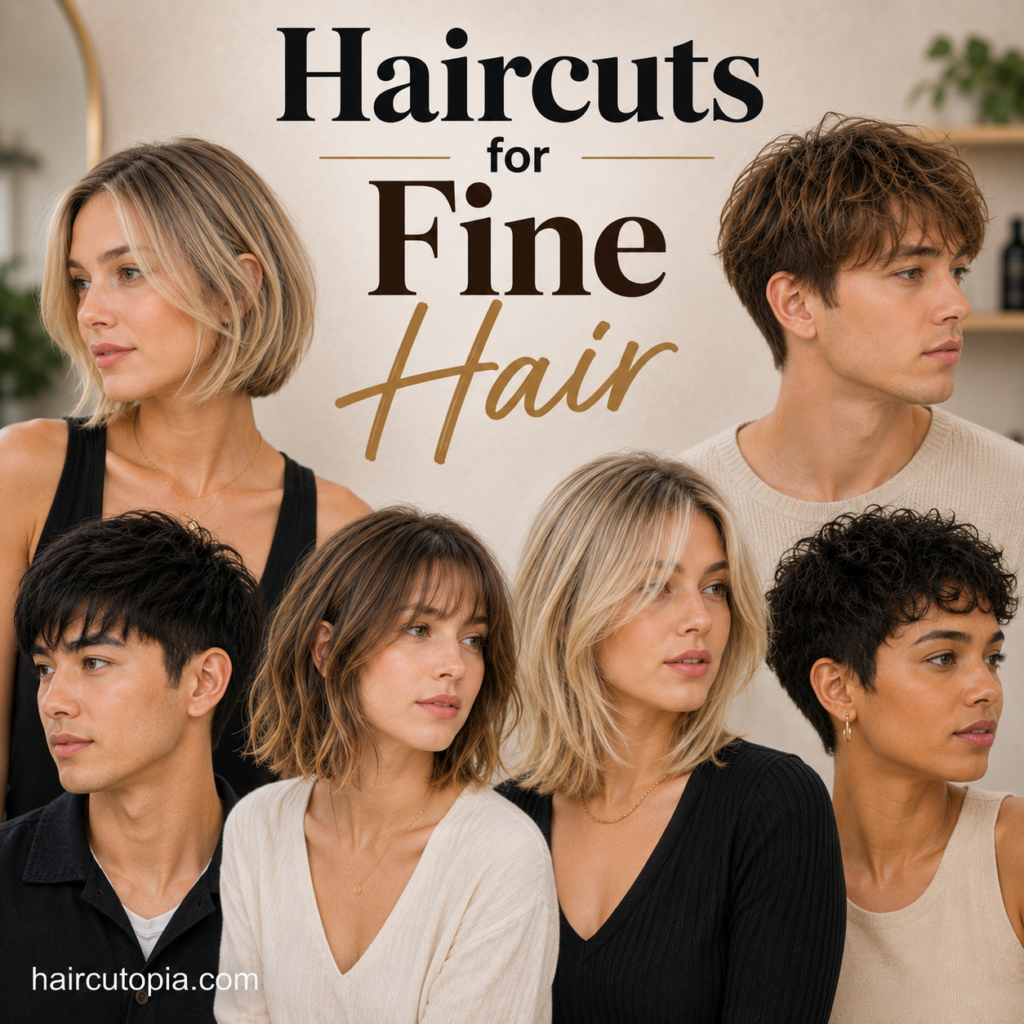 Haircuts for Fine Hair: The Complete Guide to Cuts That Add Body and Movement
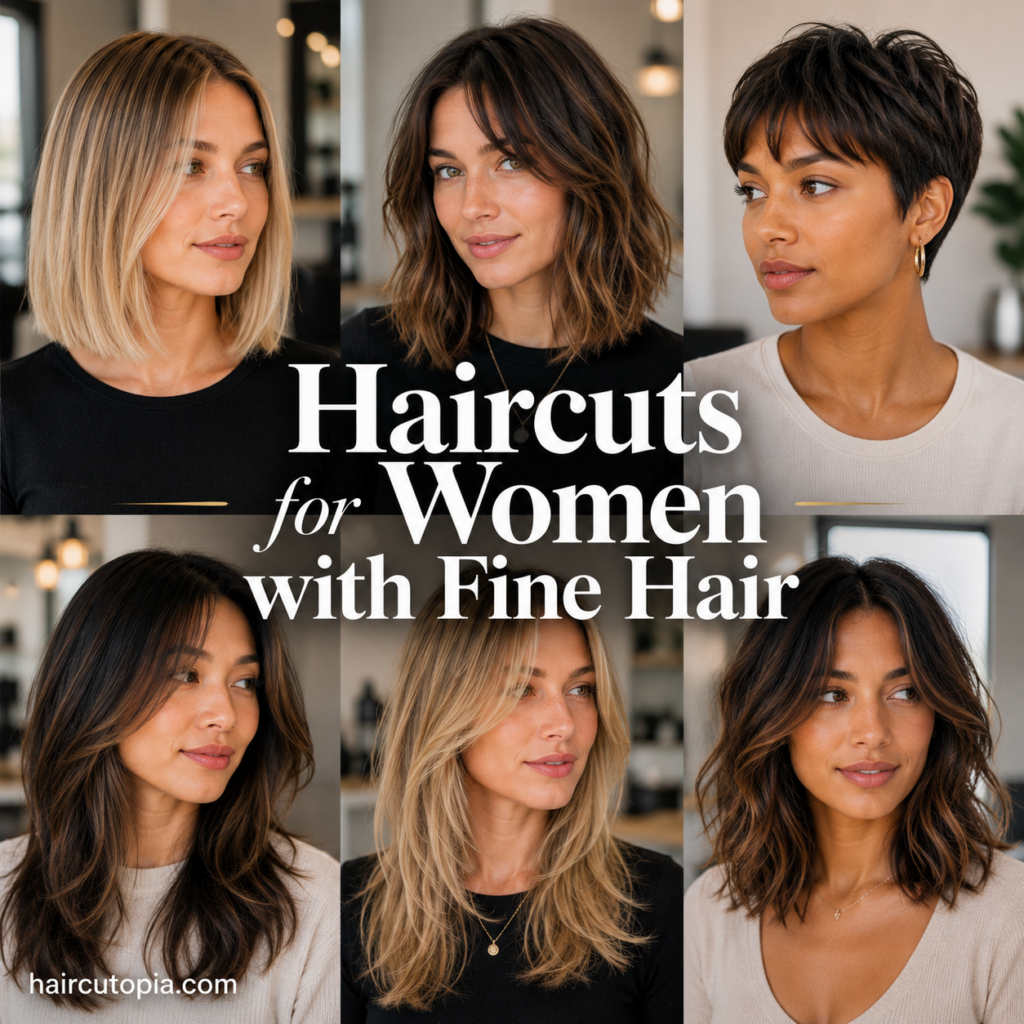 Haircuts for Women with Fine Hair: 18 Flattering Styles That Add Volume and Fullness
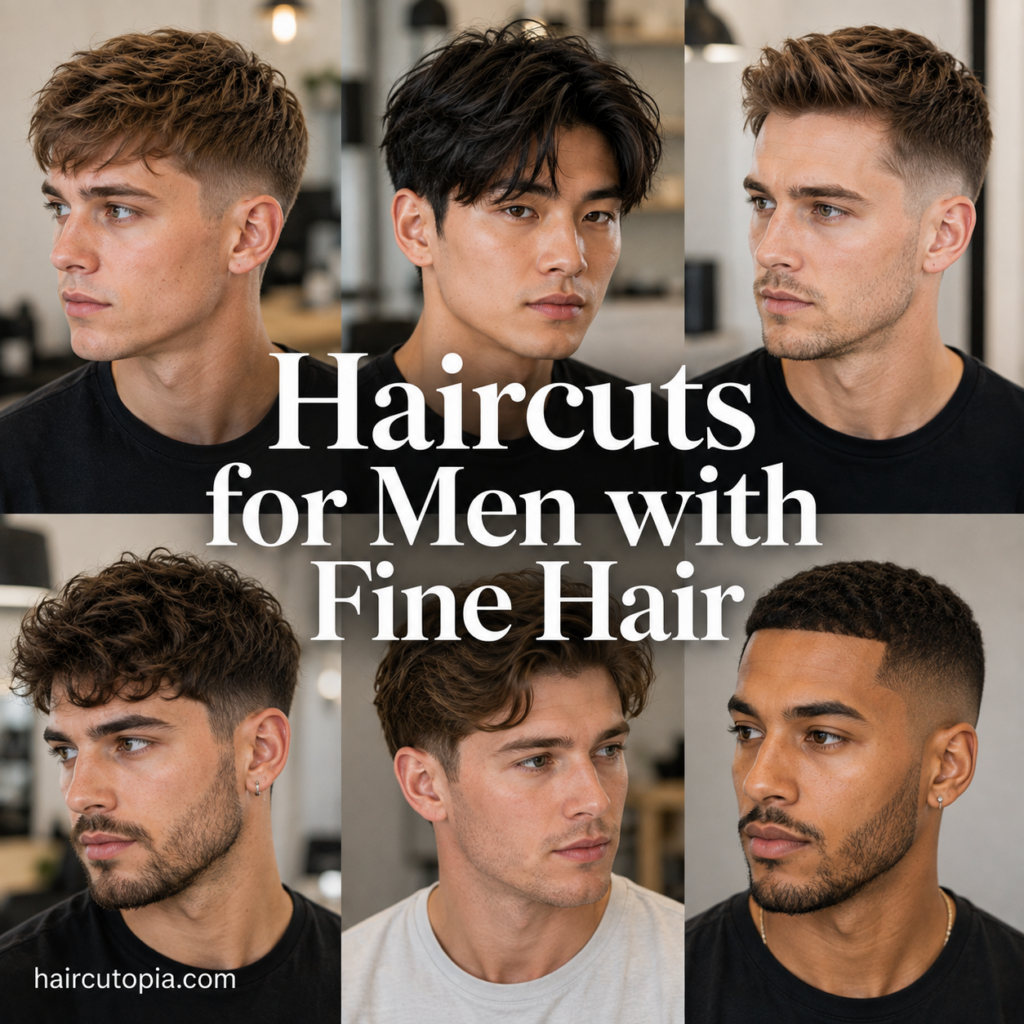 Haircuts for Men with Fine Hair: 18 Stylish Cuts That Make Hair Look Thicker
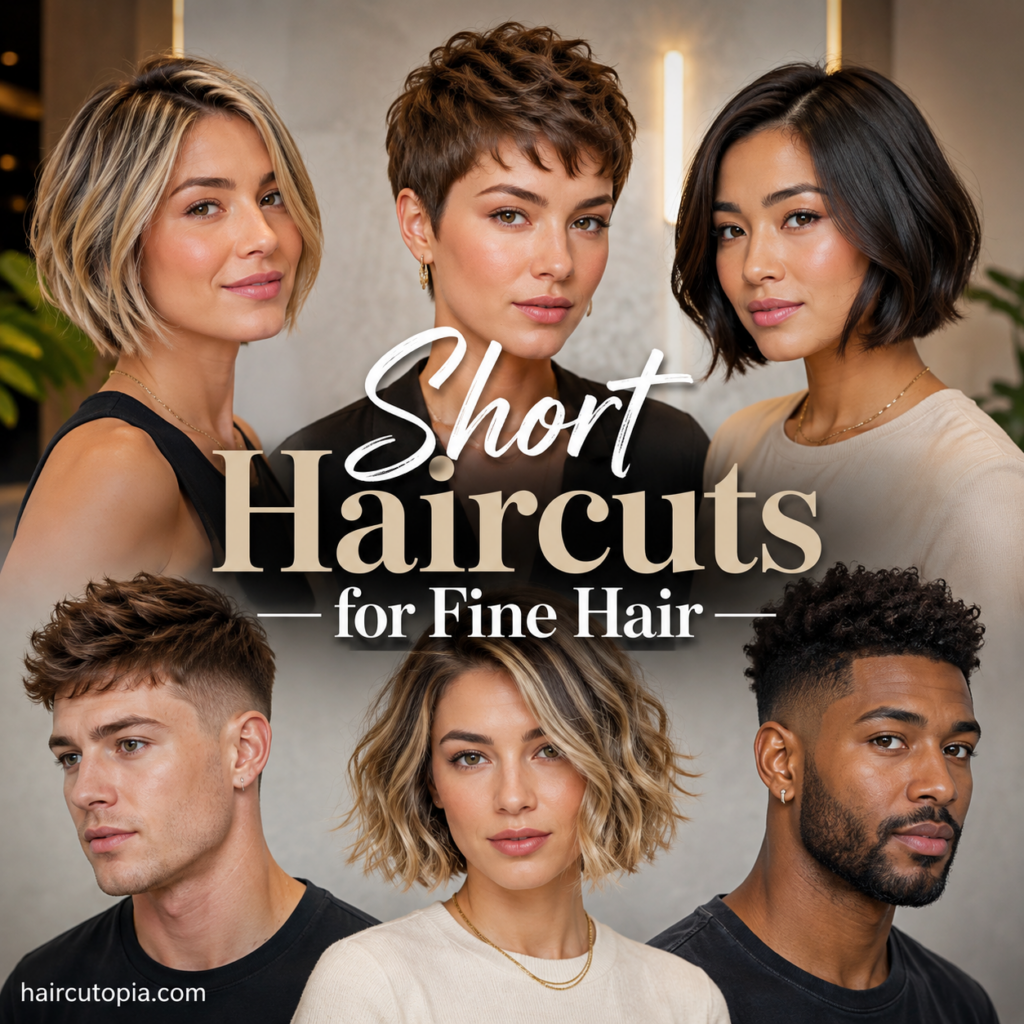 Short Haircuts for Fine Hair: The Best Styles for Volume, Texture, and Easy Maintenance