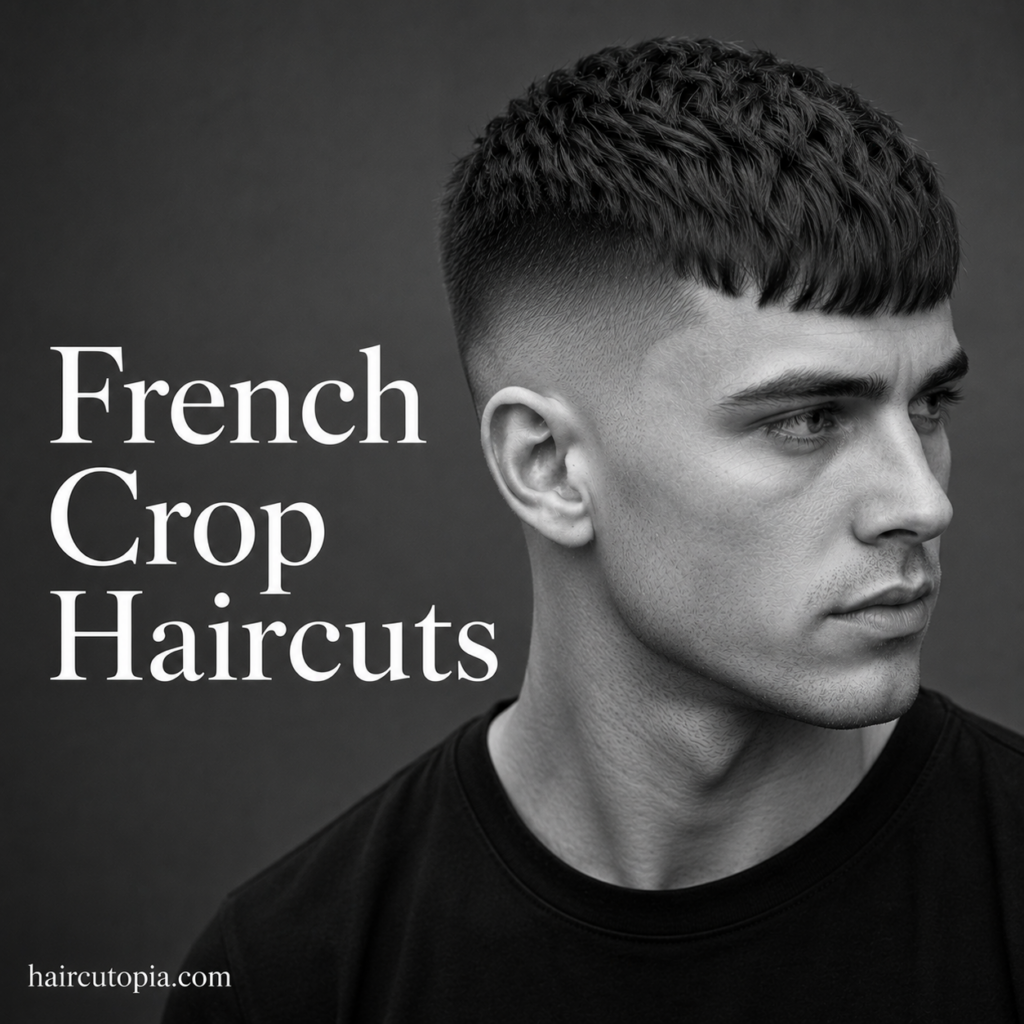
French crop haircuts have become one of the most popular men’s haircuts in recent years, thanks to their clean appearance, textured finish, and easy maintenance. Combining a short back and sides with a textured top and forward fringe, the French crop offers a modern look that works for almost every age, hair type, and lifestyle.
One of the biggest advantages of the French crop is its versatility. It can be worn with fades, tapers, or undercuts, styled with natural texture or a polished finish, and adapted to suit everything from thick curls to fine, straight hair. It’s also a favorite among men looking for a stylish haircut that doesn’t require much daily effort.
In this guide, we’ll explore everything you need to know about French crop haircuts, including popular variations, styling tips, maintenance advice, and how to choose the right version for your face shape and hair type.
What Is a French Crop Haircut?
A French crop is a short men’s haircut featuring closely trimmed sides and back with a longer textured top that is styled forward into a fringe. Unlike hairstyles that rely on height or volume, the French crop emphasizes texture and a relaxed, natural appearance.
The fringe style can be blunt, textured, uneven, or slightly longer depending on your personal preference, giving you several ways to customize the front of the haircut.
Key features include:
- Short sides and back
- Textured top
- Forward-styled fringe
- Low-maintenance styling
- Modern, clean appearance
The combination of texture and simplicity has made the French crop one of the most requested barber styles today.
Why French Crop Haircuts Are So Popular
The French crop appeals to a wide range of men because it’s stylish without being difficult to maintain.
Some of its biggest benefits include:
- Easy to style
- Suitable for most hair types
- Works with fades and tapers
- Modern appearance
- Comfortable year-round
- Great for thick hair
- Can help soften a receding hairline
Whether you’re looking for a professional haircut or something more fashion-forward, the French crop fits both.
French Crop vs. Caesar Cut
A Caesar cut typically has a more uniform top and shorter, straighter fringe than a French crop, giving it a more structured and traditional appearance.
French Crop
- Textured top
- Longer fringe
- Natural movement
- Modern styling
Caesar Cut
- More uniform top
- Short, straight fringe
- Classic appearance
- Minimal texture
If you prefer a relaxed, textured look, the French crop is usually the better choice.
Popular Types of French Crop Haircuts
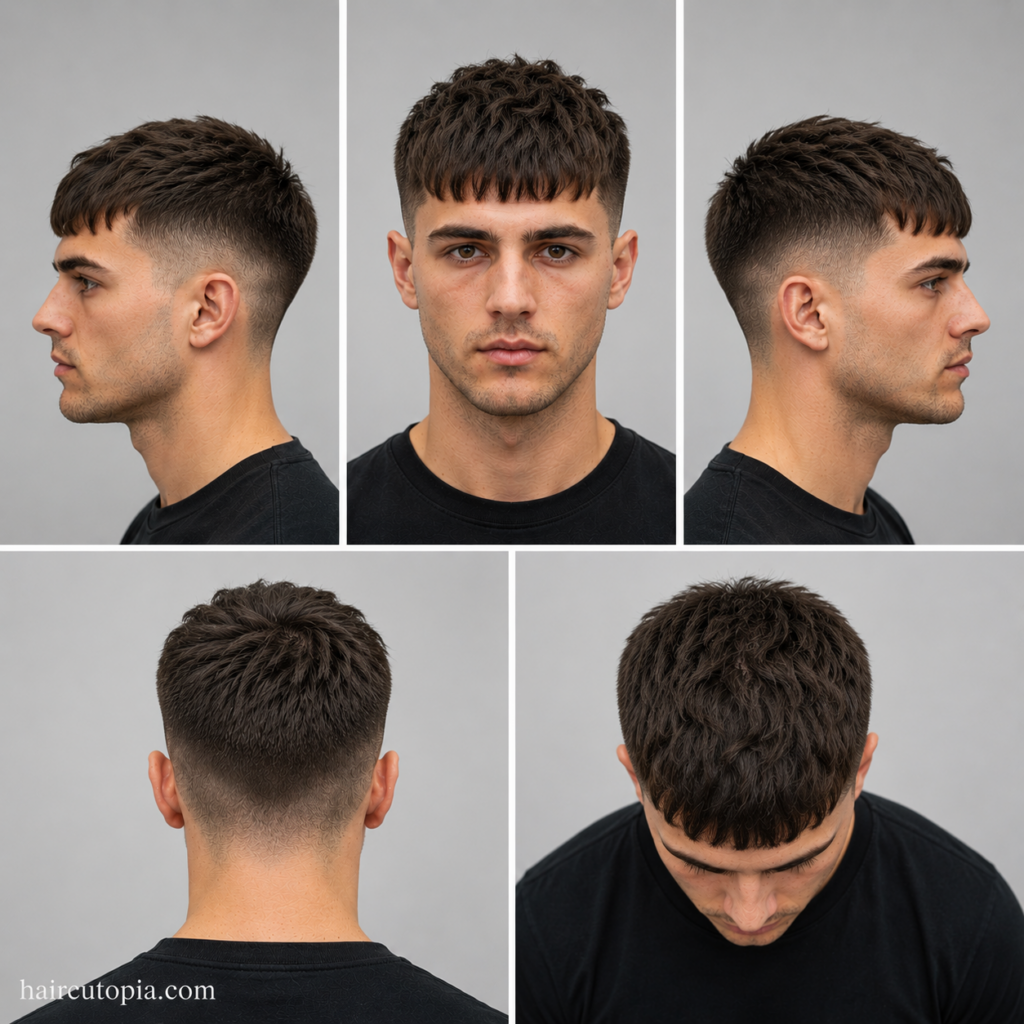
Today’s French crop comes in many different styles.
Classic French Crop
The traditional version features a textured top with a neatly trimmed fringe and short sides.
Benefits include:
- Timeless style
- Easy maintenance
- Professional appearance
- Versatile styling
French Crop with Fade
Pairing a French crop with one of several modern fade haircuts creates more contrast while maintaining the signature textured top and forward fringe.
Popular fade options include:
This is one of the most requested versions in modern barbershops.
French Crop with Taper
A taper fade provides a softer, more conservative transition than a full fade while keeping the edges of the French crop clean.
Advantages include:
- Conservative appearance
- Smooth blending
- Professional finish
Perfect for office environments.
Textured French Crop
Modern barbers often add heavy texture throughout the top.
This creates:
- Natural movement
- Fuller appearance
- Casual styling
- Better volume
Ideal for thick or wavy hair.
Short French Crop
A shorter French crop offers even easier maintenance while preserving the forward fringe that distinguishes it from similarly short styles such as the crew cut.
Suitable for:
- Busy lifestyles
- Warm climates
- Minimal styling
Long French Crop
Keeping additional length on top creates more styling flexibility while maintaining the forward fringe.
Curly French Crop
Natural curls pair exceptionally well with the crop.
The shorter sides reduce bulk while the textured curls remain the focus.
Modern French Crop Hairstyles
One of the French crop’s strengths is how easily it adapts to different barbering techniques.
French Crop with Low Fade
A subtle fade creates a clean, balanced appearance that’s appropriate for almost any setting.
French Crop with Skin Fade
A skin fade adds dramatic contrast and emphasizes the textured top.
French Crop with Undercut
An undercut creates bold separation between the longer top and shorter sides.
Perfect for modern styling.
Messy French Crop
Using matte styling products creates a relaxed, effortless finish.
French Crop with Beard
Pairing a French crop with facial hair creates excellent balance.
Popular beard combinations include:
- Stubble
- Short beard
- Full beard
- Boxed beard
French Crop Haircuts by Hair Type
Straight Hair
Straight hair naturally showcases the texture created by layering.
Recommended styles include:
- Classic French crop
- Fade crop
- Taper crop
Thick Hair
The French crop is one of the best hairstyles for thick hair.
Benefits include:
- Reduced bulk
- Better control
- Enhanced texture
Fine Hair
Textured layers help fine hair appear fuller.
The forward fringe can also soften a receding hairline.
Wavy Hair
Natural waves create effortless movement.
A French crop highlights that texture without requiring much styling.
Curly Hair
Curly French crops continue to grow in popularity.
Advantages include:
- Defined curls
- Reduced side bulk
- Easy maintenance
Coily Hair
Short textured crops pair naturally with coily hair, especially when combined with a fade.
Choosing a French Crop by Face Shape
Oval Face
Almost every French crop variation works well.
Round Face
Pairing the crop with a fade creates additional definition.
Square Face
The textured fringe complements strong facial features.
Recommended styles include:
- Fade crop
- Textured crop
- Short crop
Heart Face
The fringe balances wider foreheads while maintaining natural proportions.
Diamond Face
The textured top softens prominent cheekbones.
Long Face
The French crop is one of the best hairstyles for long faces because it minimizes excessive height.
Is a French Crop Good for Thinning Hair?
Yes.
Many men choose the French crop because:
- Texture creates the appearance of fuller hair.
- The fringe helps soften the hairline.
- Short sides reduce contrast.
- Styling remains simple.
Although it won’t hide significant hair loss, it often makes thinning less noticeable.
Styling a French Crop
The French crop requires very little styling compared to longer hairstyles.
Popular products include:
Matte Clay
Ideal for:
- Texture
- Volume
- Natural finish
Hair Paste
Provides:
- Flexible hold
- Casual appearance
Texture Powder
Adds:
- Lift
- Separation
- Matte finish
Hair Cream
Excellent for:
- Curly hair
- Wavy hair
- Frizz control
Avoid using overly shiny products since the French crop typically looks best with a matte finish.
French Crop Haircuts with Beards
Facial hair complements the French crop particularly well.
Popular combinations include:
- French crop with stubble
- French crop with boxed beard
- French crop with full beard
- French crop with goatee
A clean beard fade helps create a polished overall appearance.
How Often Should You Get a French Crop?
Regular trims help maintain the fringe and texture.
Typical schedule:
- Every 2–3 weeks for faded styles
- Every 3–4 weeks for classic crops
- Every 4–5 weeks for longer textured versions
Maintaining the fringe is one of the most important aspects of the haircut.
How to Ask Your Barber for a French Crop
Tell your barber:
- Desired fringe length
- Fade or taper preference
- Top length
- Amount of texture
- Neckline style
- Beard blending if applicable
Bringing reference photos helps communicate exactly which version you want.
Common French Crop Mistakes
Avoid these common issues:
- Letting the fringe grow too long
- Using too much styling product
- Confusing a French crop with a Caesar cut
- Skipping regular trims
- Ignoring your natural hair texture
Working with your hair instead of against it produces the best results.
Frequently Asked Questions
What is a French crop?
A French crop is a short men’s haircut featuring textured hair on top styled forward into a fringe with closely trimmed sides and back.
Is a French crop good for thinning hair?
Yes. The textured top and forward fringe can help create the appearance of fuller hair while softening a receding hairline.
What’s the difference between a French crop and a Caesar cut?
A French crop has a more textured top and typically a longer, more natural fringe, while a Caesar cut has a shorter, more structured fringe with a more uniform top.
Are French crop haircuts still in style?
Absolutely. The French crop remains one of the most requested modern men’s hairstyles because of its versatility and easy maintenance.
How often should you trim a French crop?
Most French crops should be trimmed every three to four weeks, while faded versions may need maintenance every two to three weeks.
Final Thoughts
French crop haircuts have earned their place among today’s most popular men’s hairstyles because they combine style, practicality, and versatility. The textured top, signature fringe, and clean sides create a look that’s modern without feeling overly trendy.
Whether you choose a classic crop, a textured version, or one paired with a fade or taper, the French crop is easy to maintain and works with nearly every hair type. With regular trims, quality styling products, and the right barber, it’s a haircut that will continue looking sharp day after day.

Related Posts
 Short French Bob Haircuts: Chic, Effortless Styles to Try
 Textured Crop Haircuts: The Complete Guide to Modern, Stylish, and Low-Maintenance Looks
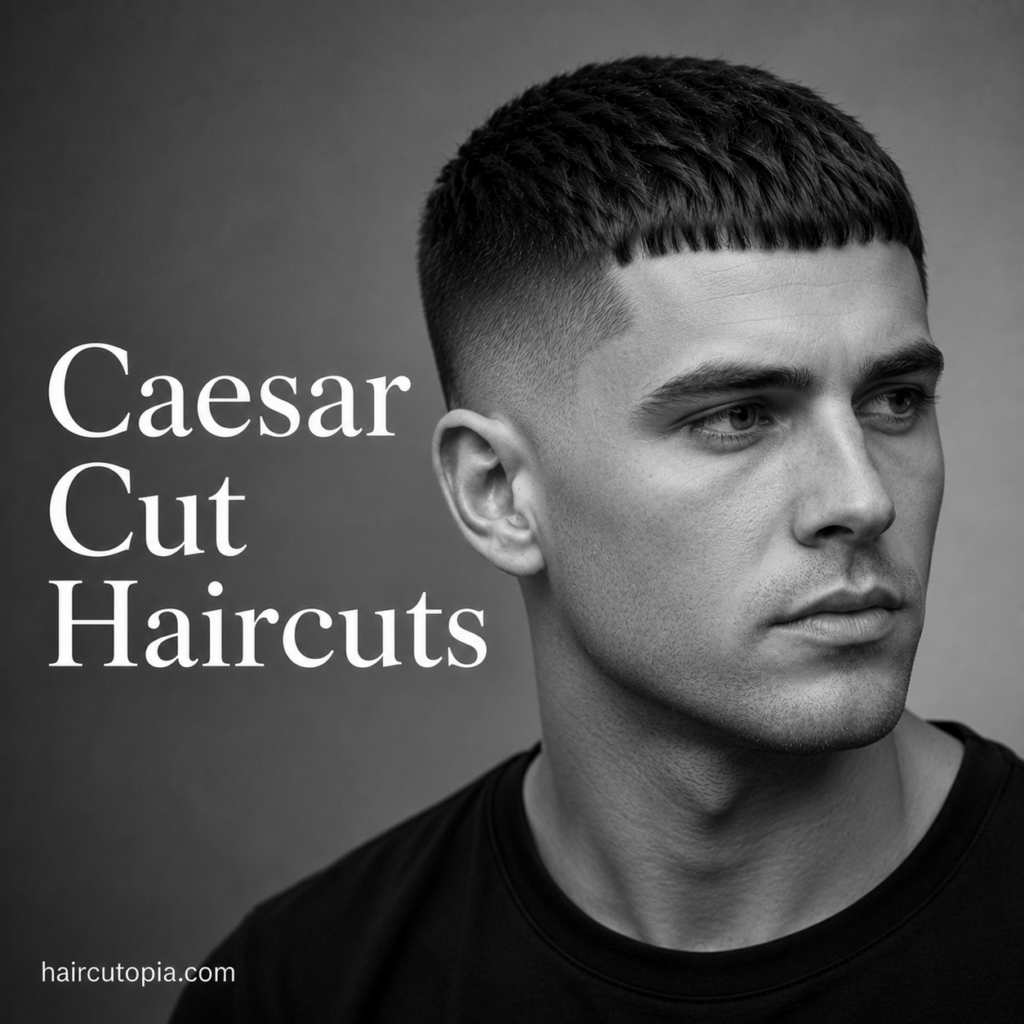 Caesar Cut Haircuts: The Complete Guide to Classic, Modern, and Textured Styles
 Low Fade Haircuts: The Complete Guide to Clean, Versatile, and Timeless Styles