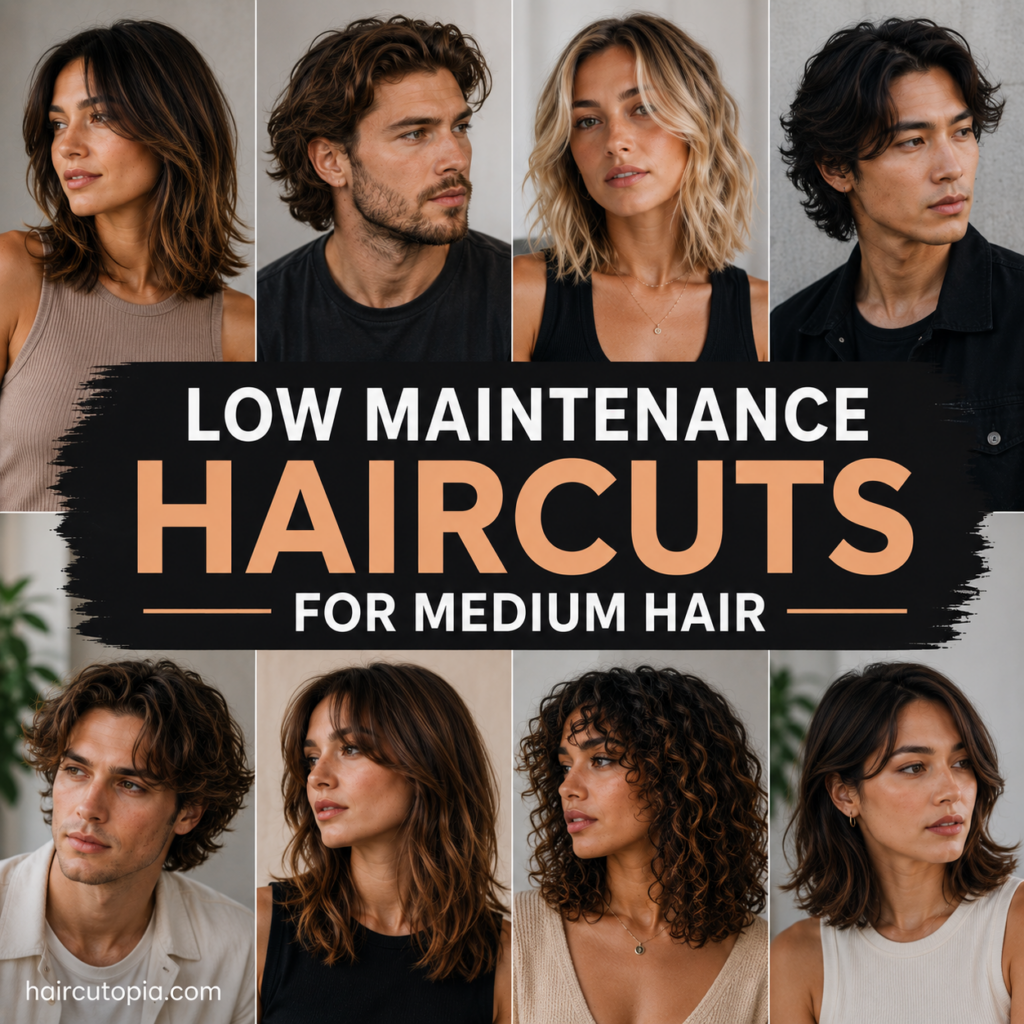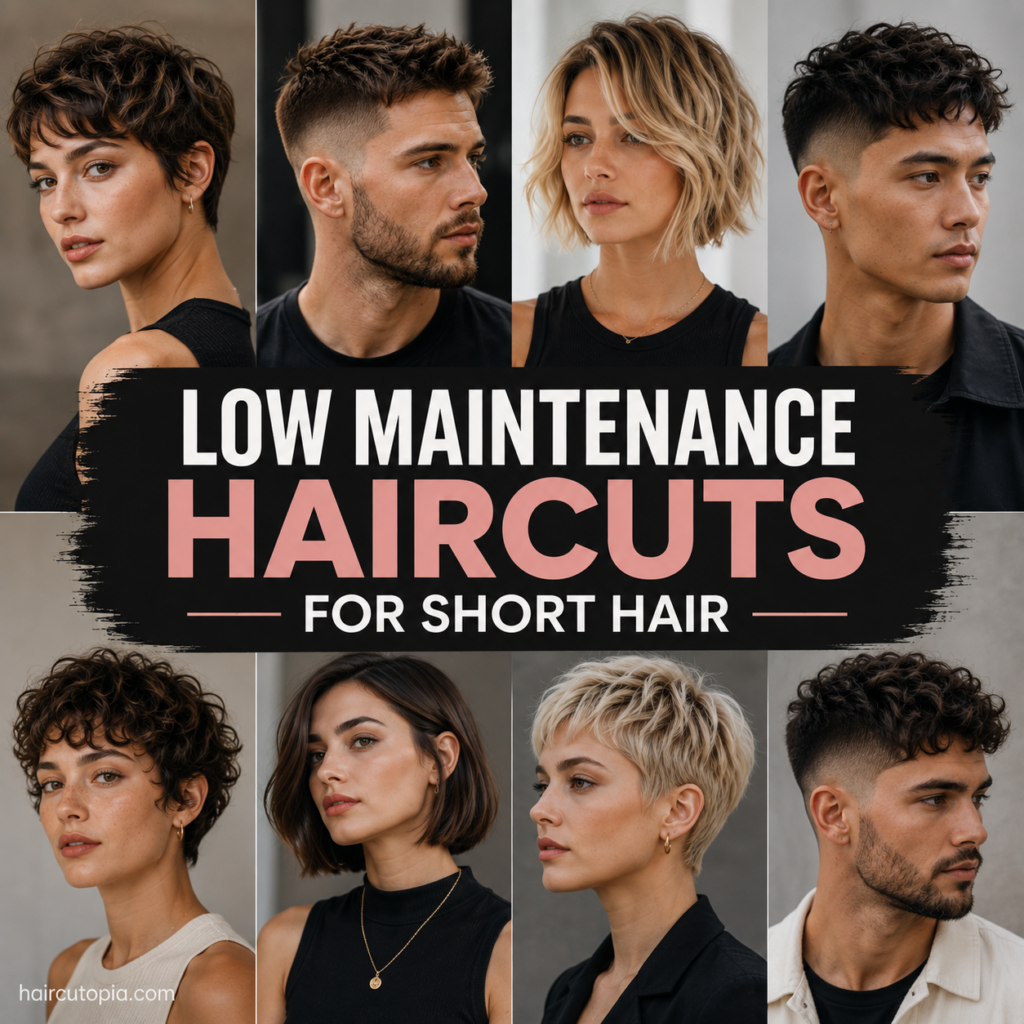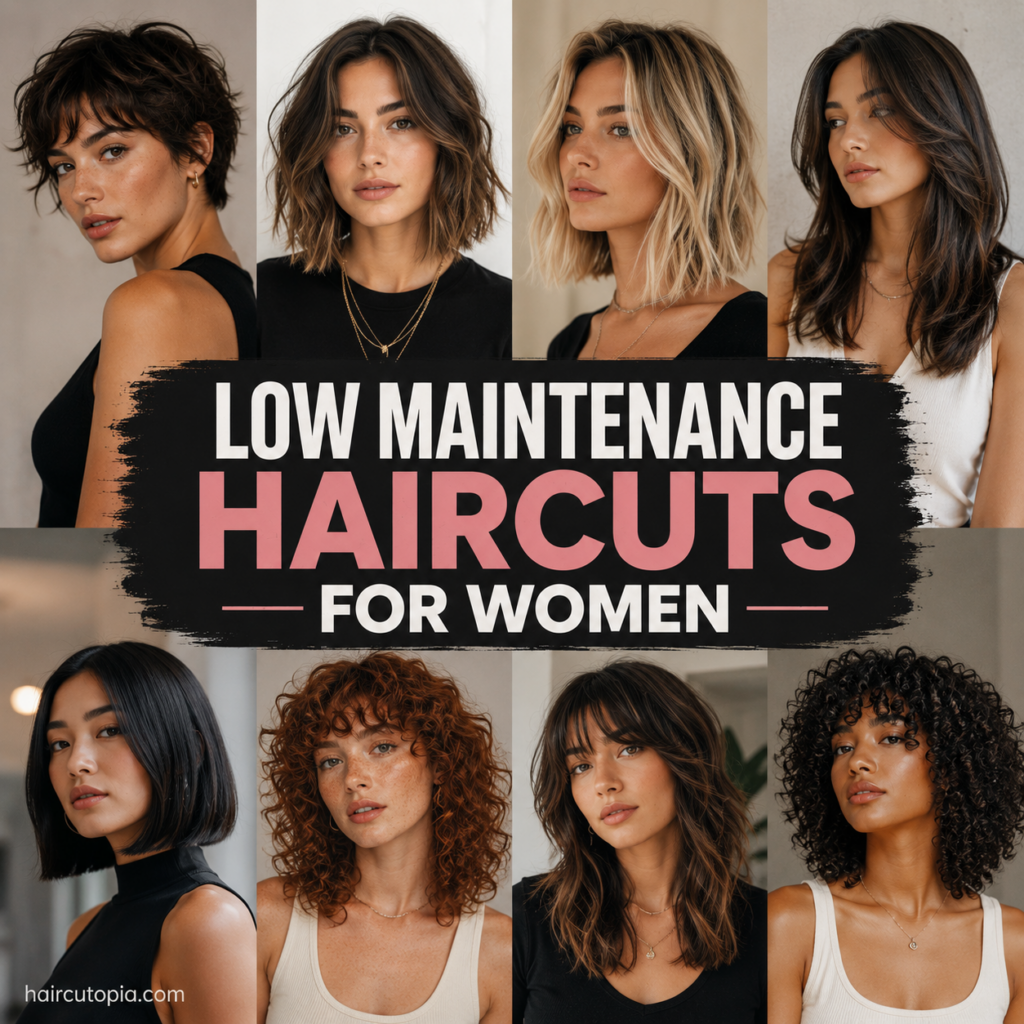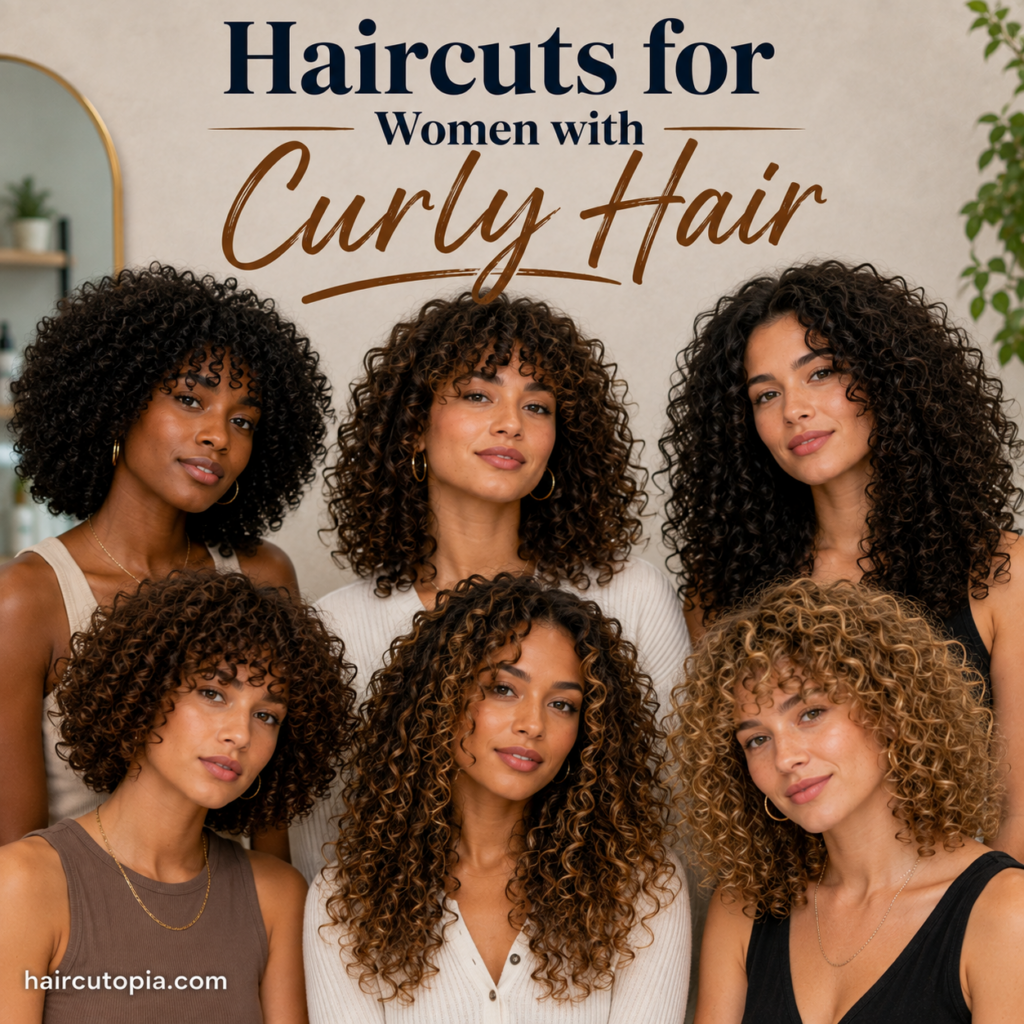
Thick hair can be both a blessing and a challenge. You have plenty of natural volume to work with, but shorter cuts can quickly feel bulky, heavy, or difficult to shape if the haircut is not designed around your hair density.
That is where a long pixie haircut can make a real difference.
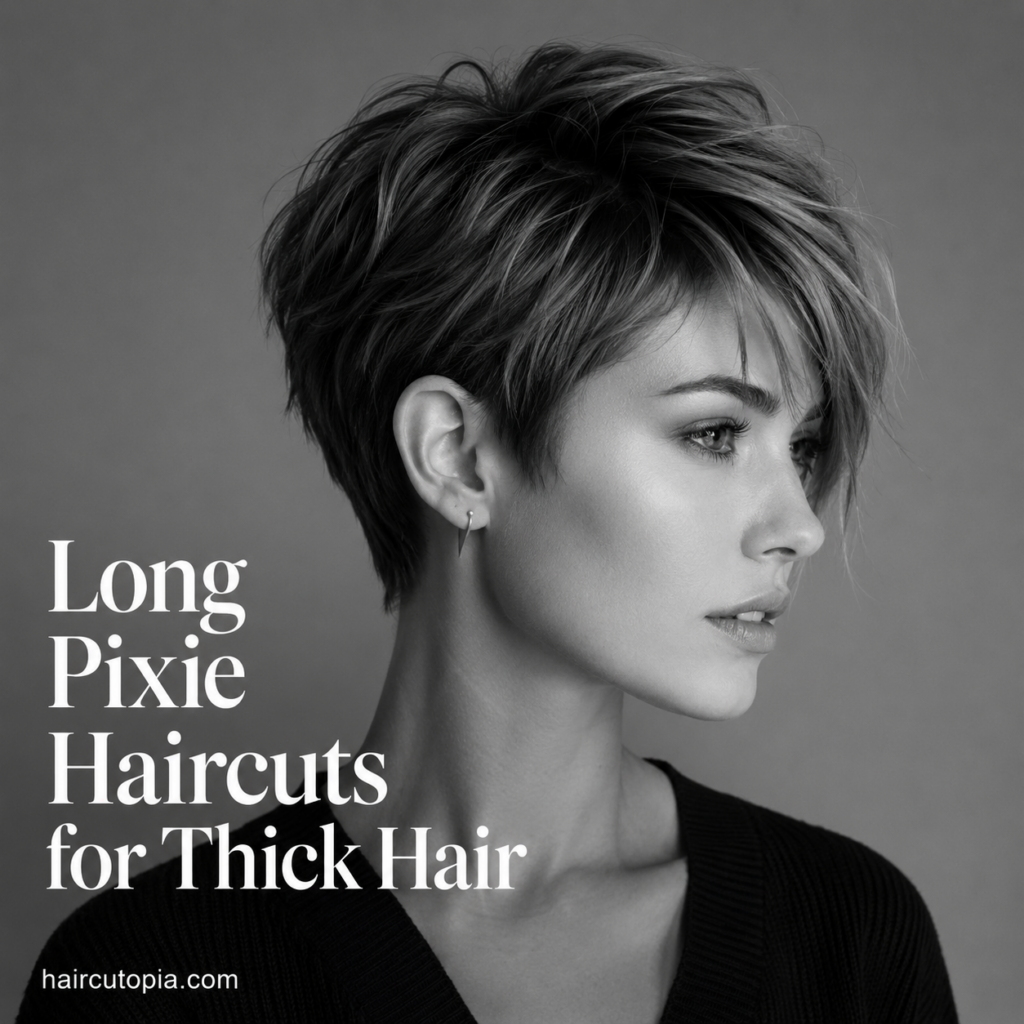
Long pixie haircuts for thick hair keep the freedom and freshness of a short style while leaving enough length for layers, texture, bangs, and movement. Instead of cutting everything extremely close, a longer pixie gives your stylist room to remove excess weight and create a more balanced silhouette.
Whether you prefer something soft and feminine, edgy and tousled, or polished enough for the office, there is a long pixie style that can work with thick hair rather than against it.
Here are 25 long pixie haircut ideas worth considering for your next salon visit.
Why Long Pixie Haircuts Work So Well for Thick Hair
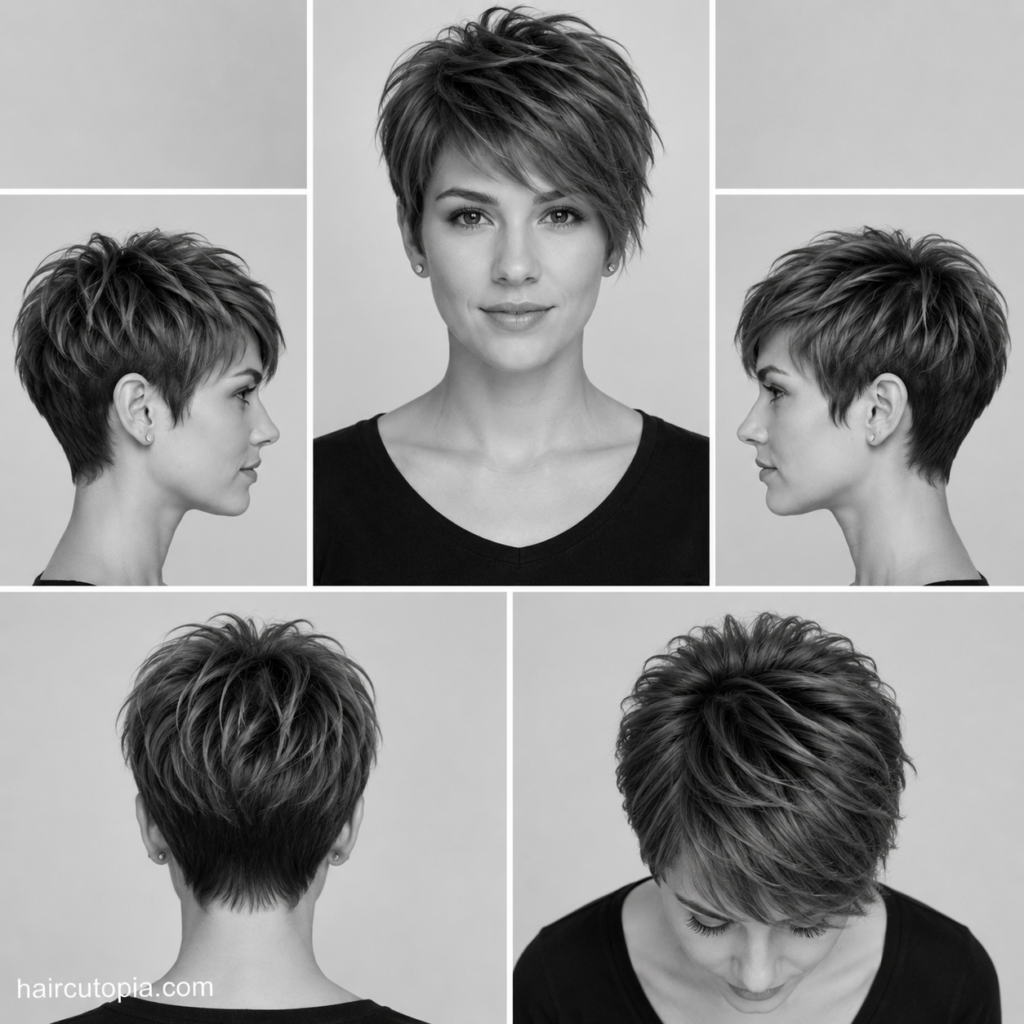
A traditional short pixie can sometimes exaggerate the density of thick hair. If too much weight is left around the sides or crown, the haircut may look rounder or puffier than expected.
A long pixie offers more flexibility.
The additional length allows for strategic layering and weight removal. Your stylist can shape the hair around your head while maintaining softness through the top, fringe, and sides.
Long pixies can also make thick hair easier to style because there is less overall hair to manage. Drying time is usually shorter, and many styles only require a small amount of styling product.
The key is getting the internal structure of the haircut right.
1. Layered Long Pixie for Thick Hair
A layered long pixie is one of the most practical options for naturally thick hair.
Layers remove unnecessary bulk while creating movement through the crown and top. The result feels lighter without looking thin or overly textured.
Ask your stylist for longer layers around the top with carefully blended shorter sections underneath. This helps the haircut maintain its shape as it grows.
A lightweight styling cream can define the layers without making thick hair feel stiff.
2. Long Pixie with Side-Swept Bangs
Side-swept bangs soften the structure of a pixie and give thick hair a natural direction.
The fringe can be worn smooth and polished or slightly tousled for a more relaxed look. Longer bangs also offer styling flexibility when you want to change your part.
This haircut works especially well if your hair naturally falls to one side.
For easier styling, blow-dry the fringe in the direction you want it to sit before applying product.
3. Textured Long Pixie Cut
Texture can completely change the appearance of thick hair.
A textured long pixie uses carefully placed layers to break up heavy sections and create separation. Instead of forming one solid shape, the hair appears lighter and more dimensional.
A small amount of texture paste can help emphasize individual pieces.
Avoid applying too much product near the roots. Thick hair usually has enough natural body on its own.
4. Long Pixie with a Tapered Nape
A tapered nape creates a clean foundation for a longer pixie.
The hair gradually becomes shorter toward the neckline while maintaining more length through the crown and top. This contrast prevents thick hair from feeling heavy around the back of the head.
The tapered shape also gives the haircut a polished finish.
Regular trims are helpful if you want the neckline to remain crisp.
5. Long Pixie Bob for Thick Hair
A pixie bob sits somewhere between a traditional pixie and a short bob.
It typically features longer sides, a fuller crown, and a softly shaped back. Thick hair gives this haircut natural structure and volume.
The main challenge is controlling excess weight.
Internal layering or subtle texturizing can keep the silhouette from becoming too wide.
6. Choppy Long Pixie Haircut
Choppy layers create an intentionally undone finish.
This style works beautifully with thick hair because the natural density provides plenty of material for creating definition. Shorter and longer pieces are blended throughout the haircut for a slightly edgy appearance.
Use your fingers instead of a brush when styling.
A matte styling paste can help separate the layers and enhance the choppy effect.
7. Long Pixie with Curtain Bangs
Curtain bangs are not limited to long hairstyles.
On a long pixie, shorter curtain-style bangs can frame the forehead and cheekbones while blending into longer side sections.
This is a softer alternative to a blunt fringe.
Thick hair may need some weight removed from the bangs so they naturally split in the center instead of falling forward as one heavy section.
8. Feathered Long Pixie Cut
Feathered layers give thick hair a softer, airier appearance.
The ends are shaped to create light movement rather than strong, blunt lines. This technique can be particularly flattering if you prefer a feminine pixie style.
Blow-drying with a small round brush can enhance the feathered effect.
Finish with a flexible hairspray rather than a heavy wax.
9. Long Pixie with an Undercut
An undercut is one of the most effective ways to remove bulk from extremely thick hair.
The underneath sections are clipped shorter while the top remains long enough to create texture and movement.
Depending on your preference, the undercut can be visible or completely hidden beneath the longer layers.
A hidden undercut is a practical choice if you want less hair without dramatically changing the overall appearance of your pixie.
10. Tousled Long Pixie
A tousled pixie is ideal if you prefer hair that does not look overly styled.
Longer layers through the crown create natural movement, while slightly uneven texture keeps the haircut relaxed.
Apply a lightweight mousse or texture spray to damp hair.
Once dry, use your fingers to gently separate the layers.
The goal is movement rather than perfect placement.
11. Long Pixie with Long Bangs
Keeping significant length through the fringe creates dramatic styling possibilities.
Long bangs can sweep across the forehead, tuck behind the ear, or be styled upward for additional volume.
This haircut is particularly useful if you are transitioning from a bob to a shorter style.
You still have some familiar length around the face while enjoying a shorter shape through the back.
12. Asymmetrical Long Pixie
An asymmetrical pixie features noticeably more length on one side.
The contrast creates a modern, directional shape that works especially well with thick hair. The longer side can showcase the hair’s natural density while the shorter side keeps the haircut balanced.
This style can be subtle or dramatic.
Ask your stylist to adjust the difference in length based on how bold you want the final result to feel.
13. Long Pixie for Thick Wavy Hair
Natural waves add texture and movement to a long pixie.
Instead of forcing the hair completely straight, a good haircut works with the natural wave pattern. Longer layers allow individual bends and waves to form without creating excessive width.
Apply a light curl cream or styling lotion to damp hair.
Scrunch gently and allow the hair to air-dry or use a diffuser on low heat.
14. Long Pixie for Thick Curly Hair
Thick curly hair can look incredible in a longer pixie when the curls are shaped individually.
The haircut should consider curl shrinkage and natural growth patterns.
Leaving additional length through the crown allows curls to form while shorter sides help control the overall silhouette.
Avoid excessive thinning with traditional thinning shears if your curls are prone to frizz.
A curl-aware cutting technique may provide a more predictable result.
15. Sleek Long Pixie Haircut
Not every pixie needs heavy texture.
A sleek long pixie creates a smooth, controlled silhouette with longer sections arranged close to the head.
This style works well for naturally straight thick hair.
A smoothing cream and flat brush can help control volume while blow-drying.
If necessary, a flat iron can refine individual sections, but excessive heat is rarely needed when the haircut is properly shaped.
16. Long Pixie with Crown Volume
Adding volume at the crown can create a beautifully balanced profile.
The top layers remain longer while the sides are shaped closer to the head. This directs the eye upward and creates a more elongated silhouette.
Thick hair naturally supports this type of volume.
Use a root-lifting spray sparingly and blow-dry the crown upward with your fingers.
17. Shaggy Long Pixie Cut
The shaggy pixie combines short-hair convenience with the movement of a shag haircut.
Layers are distributed throughout the hair, creating texture around the crown, sides, and fringe.
This style is intentionally imperfect.
Natural bends, flips, and separated pieces add character to the haircut.
It is an excellent option if you dislike highly structured short hairstyles.
18. Long Pixie with Wispy Bangs
Wispy bangs provide a softer contrast to naturally thick hair.
Instead of keeping the fringe dense, your stylist can remove weight and create fine, separated sections across the forehead.
The lighter fringe helps balance a fuller crown.
Dry the bangs first after washing your hair because thick hair can quickly settle into its natural growth pattern.
19. Side-Parted Long Pixie
A deep side part creates instant direction and shape.
One side appears fuller while the opposite side sits closer to the head. This natural contrast can make a simple long pixie feel much more styled.
Side parts also work well with thick hair because they distribute volume unevenly in an intentional way.
Experiment with the placement of your part to find the most flattering balance.
20. Long Pixie with Razored Texture
Razor cutting can create soft, tapered ends and visible movement.
On suitable hair types, the technique helps reduce the heavy appearance that thick hair sometimes develops around the perimeter.
However, razor cutting is not ideal for every texture.
If your hair is extremely curly, coarse, or prone to frizz, discuss the technique with your stylist before committing to extensive razor work.
21. Rounded Long Pixie Cut
A rounded pixie follows the natural shape of the head.
The crown remains softly full while the sides and back gradually blend into a controlled silhouette.
This style can look elegant and polished on thick hair.
Precision is important because too much weight around the sides may create an overly wide shape.
Strategic internal layering helps maintain the rounded effect without unnecessary bulk.
22. Long Pixie with Tucked Sides
Longer side sections can be styled behind the ears for a simple, effortless finish.
This creates a clean appearance around the face while maintaining softness through the top and fringe.
It is also an easy way to change the appearance of your haircut throughout the day.
Wear the sides loose for a fuller pixie-bob effect, then tuck them back when you want a more defined short-hair look.
23. Messy Long Pixie for Thick Hair
A messy pixie embraces natural volume instead of trying to eliminate it completely.
The haircut uses layers to control the overall shape while allowing the top to remain full and textured.
Apply a small amount of styling paste to dry hair.
Rub the product between your hands first, then lightly work it through the ends.
Avoid coating every strand. A slightly inconsistent finish is part of the style.
24. Long Pixie with Soft Face-Framing Layers
Face-framing layers can make a short haircut feel less severe.
Longer pieces around the temples, cheekbones, or jawline create softness while the back remains noticeably shorter.
This approach is helpful if you are nervous about cutting thick hair into a pixie for the first time.
You retain some movement around the face without carrying the weight of a full bob.
25. Grown-Out Long Pixie
The grown-out pixie has become a style of its own.
Rather than maintaining a tightly cropped shape, the hair is allowed to develop additional length through the sides, crown, and fringe.
Intentional layering keeps the haircut from looking like an awkward transition stage.
This is a great option if you want a low-pressure short haircut that can gradually grow into a pixie bob or short bob.
How to Choose the Best Long Pixie for Thick Hair
The right pixie haircut depends on more than the photo you bring to your appointment.
Your natural texture, hair density, growth patterns, and styling habits all influence how the haircut will behave.
Before choosing a style, consider:
- Whether your hair is straight, wavy, or curly
- How much natural volume you have at the crown
- Whether your hair tends to expand in humidity
- How often you are willing to style your hair
- How frequently you want to visit the salon
- Whether you prefer soft or structured haircuts
If you normally spend five minutes styling your hair, be realistic about choosing a pixie that requires daily heat styling.
A good short haircut should fit your routine.
Should Thick Hair Be Thinned for a Long Pixie?
Sometimes, but thinning should be done strategically.
Removing weight can help thick hair move more naturally and sit closer to the head. However, aggressive thinning can create short internal hairs that push longer sections outward.
This may actually increase unwanted volume.
Instead of asking your stylist to simply “thin it out,” discuss where the haircut feels heavy.
Common areas for weight removal include:
- Behind the ears
- Around the occipital area at the back of the head
- Beneath the crown
- Through dense side sections
- Inside heavy bangs
The goal is controlled weight removal while maintaining the overall strength of the haircut.
How to Style a Long Pixie with Thick Hair
Long pixies are relatively easy to style once you understand how your haircut naturally falls.
A simple routine is often enough.
1. Start with Damp Hair
Gently towel-dry your hair after washing.
Avoid aggressively rubbing the hair because this can create unnecessary frizz, especially on textured hair.
2. Apply a Lightweight Styling Product
Choose your product based on the finish you want.
Consider:
- Styling cream for softness
- Mousse for volume
- Texture spray for movement
- Matte paste for separation
- Smoothing cream for sleek styles
- Curl cream for waves and curls
Start with less product than you think you need.
You can always add more.
3. Direct the Hair While Blow-Drying
Short hair responds strongly to blow-drying direction.
Use your fingers or a brush to guide the hair into position while it dries.
For crown volume, direct the roots upward.
For a sleek pixie, dry the hair closer to the head.
4. Define Individual Sections
Once your hair is dry, use a tiny amount of paste or cream to separate selected pieces.
Focus on the fringe, crown, and ends.
You do not need to apply styling product evenly throughout the entire haircut.
5. Finish Lightly
If your hair needs additional control, use a flexible hairspray.
Heavy hairspray can make thick pixie hair look rigid.
A softer finish allows the layers to move naturally.
How Often Should You Trim a Long Pixie?
Most long pixie haircuts benefit from a trim every six to eight weeks.
Some highly structured styles may need maintenance sooner.
If you prefer a softer, grown-out pixie, you may be able to wait longer between appointments.
Watch the shape of your haircut rather than focusing only on length.
When the back begins to feel heavy, the sides become bulky, or the crown stops sitting properly, it may be time for a reshaping appointment.
What to Ask Your Stylist For
Clear communication is especially important when cutting thick hair short.
Bring reference photos that show both the overall haircut and the type of texture you like.
You can also discuss specific concerns.
For example:
- “My hair gets bulky around the sides.”
- “I want movement without making my hair look thin.”
- “I prefer a longer fringe.”
- “I do not want to use a flat iron every morning.”
- “My crown tends to stick up.”
- “I want the haircut to grow out naturally.”
These details help your stylist customize the pixie to your actual hair.
A haircut that considers your density and growth pattern will usually be much easier to manage at home.
Are Long Pixie Haircuts Good for Very Thick Hair?
Yes. In many cases, a long pixie can make very thick hair significantly easier to manage.
The important part is creating balance.
Simply cutting thick hair shorter does not automatically remove bulk. The haircut needs thoughtful layering, shaping, and weight distribution.
Longer top sections can showcase your natural volume, while tapered or shorter underneath sections help control density.
This combination is one reason long pixies work so well for thick hair.
Final Thoughts on Long Pixie Haircuts for Thick Hair
Long pixie haircuts give thick hair room to show off its natural volume without becoming overwhelming.
Layers can create movement. Tapered sections can remove bulk. Longer bangs and face-framing pieces can soften the overall look.
Most importantly, a long pixie does not have to follow one specific formula.
You can wear it sleek, shaggy, curly, choppy, feathered, or intentionally messy. The best version is shaped around your natural hair texture and the amount of styling you realistically want to do.
If thick hair has always felt heavy or difficult to control, a thoughtfully cut long pixie may be the fresh change you are looking for.