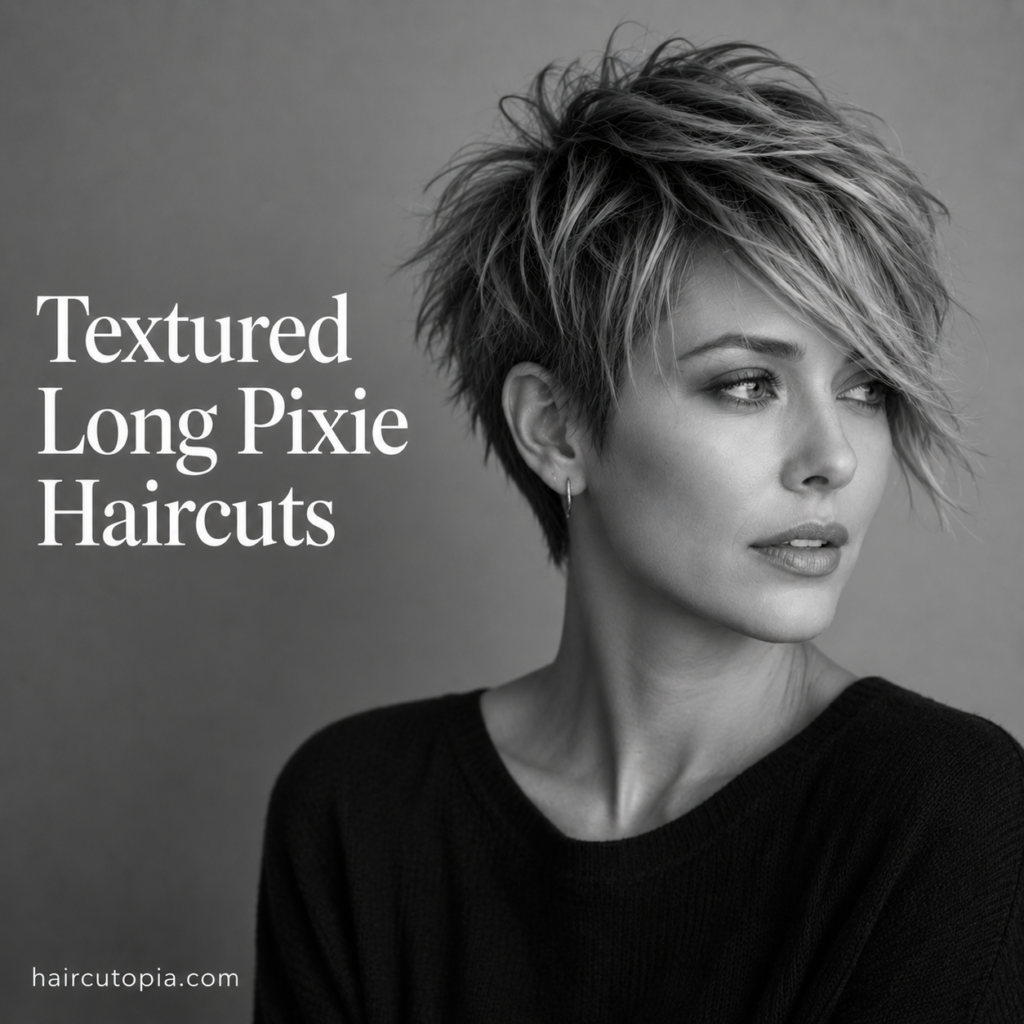
Textured long pixie haircuts are made for women who want short hair with movement, volume, and a little personality. Instead of relying on perfectly smooth layers or rigid styling, these cuts use choppy ends, soft separation, and longer pieces to create a more relaxed shape.
The extra length is what makes the style so versatile. You can keep the fringe long, add volume through the crown, tuck one side behind your ear, or work with your natural waves. Even small changes in styling can make the haircut look completely different.
A textured long pixie can feel edgy, soft, polished, or intentionally messy depending on the cut and how you style it. If you love hairstyles that don’t need to look exactly the same every day, this may be the perfect short haircut for you.
What Is a Textured Long Pixie Haircut?
A textured long pixie is a longer version of the classic pixie that uses layering and strategic weight removal to create visible movement.
Rather than forming one smooth, solid shape, the hair is divided into softer sections and layers. The ends may appear piecey, feathered, choppy, or lightly tousled.
Common features include:
- Longer layers through the top
- A textured crown
- Piecey or side-swept fringe
- Softly tapered sides and back
- Visible separation between layers
- Natural movement
- Flexible styling
The haircut can be subtle or dramatic. Some textured pixies have gentle feathering, while others use heavily choppy layers for a more defined look.
Why Textured Long Pixie Haircuts Are So Popular
Texture changes the entire personality of a pixie haircut.
They Create Natural Movement
Layering prevents the hair from sitting flat against the head.
Even straight hair can appear more dynamic when the ends are carefully textured.
They Can Add the Appearance of Volume
Strategic layers can create lift around the crown and top of the head.
This is especially helpful for fine or flat hair.
They Work With Natural Texture
Waves, bends, and curls can become part of the haircut instead of something you need to straighten every morning.
They Are Easy to Personalize
A textured pixie can be adapted to your face shape, hair density, and personal style.
You can choose subtle texture or a much more dramatic, piecey finish.
They Don’t Need to Look Perfect
A slightly messy layer or uneven section can actually improve the overall appearance.
That’s part of the appeal.
30 Textured Long Pixie Haircut Ideas
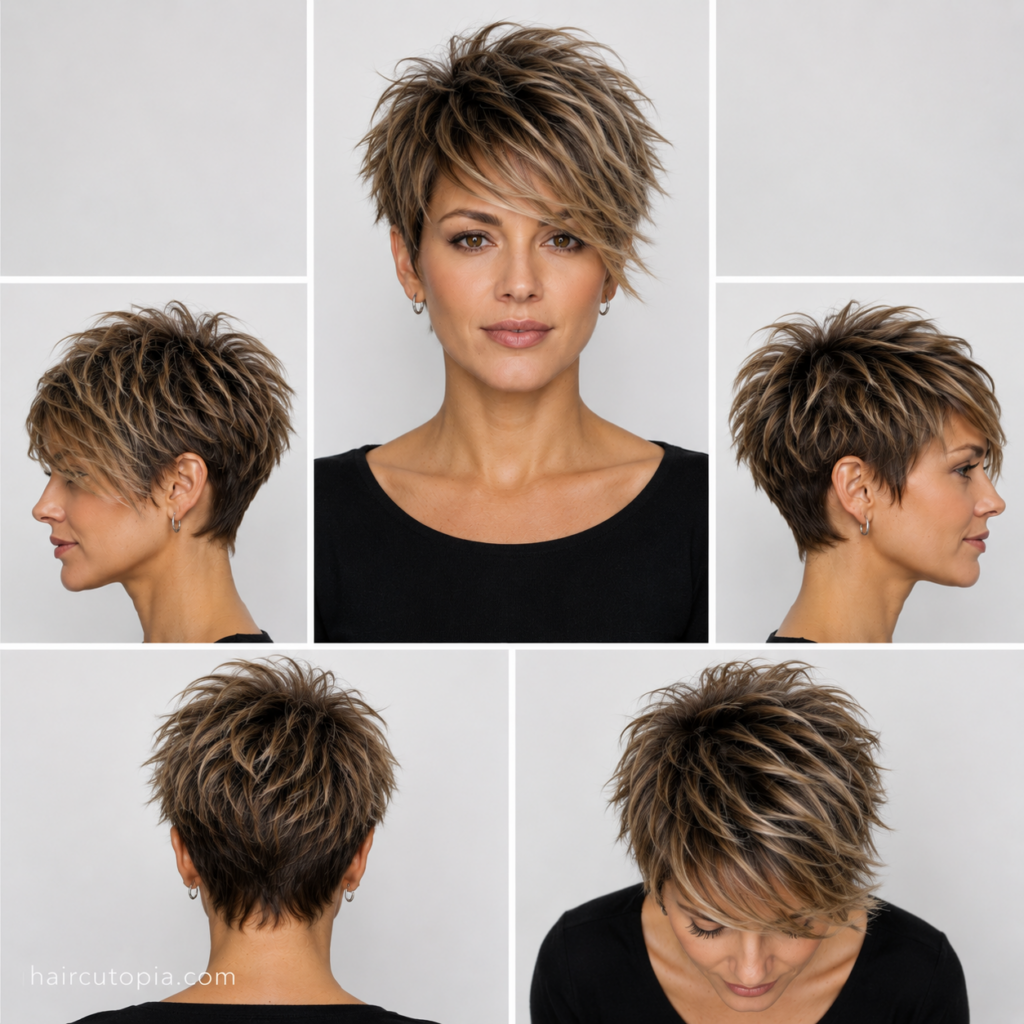
1. Classic Textured Long Pixie
Soft layers throughout the crown create natural movement while the sides remain neatly shaped.
This is a versatile option for women trying a textured pixie for the first time.
2. Tousled Long Pixie
Loose, slightly messy styling creates an effortless finish.
Use your fingers instead of a brush to maintain separation between the layers.
3. Choppy Long Pixie
Choppy layers create stronger definition and visible texture.
This haircut works particularly well on straight or slightly wavy hair.
4. Piecey Long Pixie
Individual sections are separated using a small amount of styling paste.
The result is defined texture without excessive volume.
5. Textured Pixie With Long Bangs
Long bangs create a dramatic focal point.
Sweep them across the forehead or separate them into soft pieces for a relaxed appearance.
6. Feathered Long Pixie
Light feathering gives the ends an airy appearance.
This softer version of a textured pixie feels feminine and easy to wear.
7. Textured Pixie With Crown Volume
Shorter crown layers naturally lift the top of the haircut.
A quick blow-dry at the roots can enhance the shape.
8. Shaggy Long Pixie
Shag-inspired layers create a relaxed, slightly undone silhouette.
The haircut works especially well with natural waves.
9. Razor-Textured Long Pixie
A razor can create soft, tapered ends and remove heaviness.
The result is lightweight movement throughout the haircut.
10. Textured Pixie Bob
A pixie bob combines longer side sections with a shorter layered back.
Adding texture prevents the haircut from appearing too structured.
11. Wavy Textured Long Pixie
Natural waves create built-in movement.
Use a lightweight curl cream to define the bends without making the hair stiff.
12. Curly Textured Pixie
Longer top layers give curls enough space to form.
The shorter sides keep the haircut balanced and manageable.
13. Textured Pixie for Fine Hair
Carefully placed layers can help fine hair appear fuller.
Avoid excessive thinning, which may reduce density.
14. Textured Pixie for Thick Hair
Internal layering removes bulk from thick hair.
The outer layers can remain longer and visually full.
15. Side-Swept Textured Pixie
A deep side part allows longer layers to sweep dramatically across the forehead.
Add light texture through the ends for separation.
16. Asymmetrical Textured Pixie
One side remains longer while the opposite side is shorter and more controlled.
Texture helps blend the difference between the two lengths.
17. Messy Long Pixie
Intentional messiness creates a casual, modern appearance.
Apply texture paste and gently twist random sections with your fingertips.
18. Textured Pixie With Wispy Bangs
Fine, wispy bangs soften the forehead.
They blend easily into textured side layers.
19. Tapered Textured Long Pixie
A neat taper around the neckline creates contrast with the textured top.
This keeps the haircut looking balanced.
20. Blonde Textured Pixie
Dimensional blonde highlights make individual layers more visible.
Different tones create extra depth throughout the haircut.
21. Brunette Textured Pixie
Rich brunette shades emphasize shine and shadow between the layers.
Subtle highlights can enhance the texture even further.
22. Silver Textured Long Pixie
Natural silver and gray hair works beautifully with piecey layers.
The different tones within gray hair naturally highlight movement.
23. Copper Textured Pixie
Warm copper shades draw attention to the layered shape.
This combination feels bold without requiring extreme styling.
24. Textured Pixie With Face-Framing Layers
Longer sections around the face soften the overall haircut.
They can be swept forward or tucked behind the ears.
25. Textured Pixie With an Undercut
A hidden undercut removes weight beneath the longer top layers.
The longer hair can cover the shaved section when worn down.
26. French-Inspired Textured Pixie
Soft fringe and slightly imperfect layers create an effortless look.
Avoid over-styling to maintain the relaxed appearance.
27. Textured Long Pixie With Root Lift
Volume at the roots gives the haircut more height and dimension.
Use a lightweight mousse before blow-drying.
28. Textured Pixie With Tucked Sides
Tuck one or both sides behind the ears while leaving the top textured.
This creates a clean contrast between the sides and crown.
29. Grown-Out Textured Pixie
Longer layers and a relaxed shape make the haircut ideal for the grow-out stage.
Texture helps disguise uneven lengths between salon appointments.
30. Soft Modern Textured Pixie
Subtle separation, gentle layers, and natural movement create an understated modern style.
It’s an excellent choice if you want texture without a heavily choppy appearance.
Best Textured Long Pixie Haircuts by Hair Type
Texture behaves differently depending on your natural hair.
Fine Hair
Fine hair benefits from strategic rather than excessive layering.
Too many short layers can remove density and make the ends appear thin.
Ask for:
- Light crown layering
- Piecey ends
- Soft fringe
- Minimal thinning
Texture powder or dry shampoo can help create separation and root lift.
Thick Hair
Thick hair often needs weight removed from beneath the visible layers.
Internal texturizing can create movement without making the haircut look thin.
Look for:
- Hidden weight removal
- Razor-textured ends when appropriate
- Longer top layers
- Tapered sides
A lightweight styling cream can help control unwanted volume.
Straight Hair
Straight hair clearly shows the structure of textured layers.
Choppy and piecey pixies work especially well because the separation remains visible.
Texture spray or matte paste can add definition.
Wavy Hair
Natural waves already provide movement.
The haircut should support the natural wave pattern rather than breaking it apart unnecessarily.
Longer layers often work best.
Curly Hair
Curly hair requires careful attention to shrinkage.
The layers need enough length for curls to form naturally.
Avoid excessive thinning, which can create frizz or uneven volume.
How to Style a Textured Long Pixie
Styling texture is usually about creating separation.
You don’t need every strand perfectly positioned.
For a Tousled Finish
Apply a lightweight texture spray to dry or slightly damp hair.
Use your fingertips to lift the roots and gently move the layers in different directions.
Finish with flexible hairspray if needed.
For Piecey Definition
Rub a very small amount of matte paste between your fingertips.
Pinch individual sections of hair, concentrating on the ends.
Avoid coating the entire haircut with product.
For More Crown Volume
Apply volumizing mousse near the roots.
Blow-dry the crown while lifting the hair with your fingers or a small round brush.
Once dry, lightly separate the top layers.
For Natural Waves
Apply a small amount of curl cream or leave-in styling lotion.
Scrunch the hair gently and allow it to air-dry.
Avoid repeatedly touching the hair while it dries.
Best Products for Textured Long Pixie Haircuts
The right products can make texture easier to control.
Useful options include:
- Texture spray
- Matte styling paste
- Dry shampoo
- Texture powder
- Volumizing mousse
- Lightweight styling cream
- Curl cream
- Flexible hairspray
You probably only need two or three products for daily styling.
Fine hair may respond best to dry shampoo and texture spray. Thick hair may need a lightweight cream and matte paste. Wavy hair often works well with curl cream and flexible hairspray.
How Much Styling Product Should You Use?
Less than you think.
Start with an amount roughly the size of a pea when using paste, wax, or styling cream.
Rub the product thoroughly between your hands before applying it.
Focus on the mid-lengths and ends.
Adding heavy products directly to the roots can make a textured pixie appear greasy or flat.
You can always add more product.
Removing too much is considerably harder.
How Often Should a Textured Long Pixie Be Trimmed?
Most textured long pixies benefit from trims every six to eight weeks.
Softer styles may grow comfortably for eight to ten weeks.
You may need more frequent maintenance if your haircut includes:
- A precise undercut
- Very short sides
- A defined neckline
- Strong asymmetry
- Short structured bangs
Relaxed, shaggy, and grown-out pixies are generally more forgiving.
What to Ask Your Stylist For
Bring reference photos that show the texture you actually want.
The word “textured” can mean many things.
You might say:
“I’d like a longer pixie with visible movement through the crown and top. I want the layers to look piecey and relaxed, but I don’t want the ends to feel thin.”
Discuss:
- Your natural texture
- Hair density
- Cowlicks
- Preferred fringe length
- Daily styling routine
- Products you use
- How often you visit the salon
A good stylist will adjust the layering technique based on your individual hair.
Common Textured Pixie Mistakes
Over-Thinning the Hair
Too much thinning can make the haircut look sparse.
This is especially noticeable on fine hair.
Using Heavy Wax
Heavy products can cause textured layers to stick together.
Choose lighter formulas whenever possible.
Trying to Perfect Every Layer
Texture should look slightly irregular.
Over-styling can remove the relaxed quality that makes the haircut appealing.
Ignoring Natural Growth Patterns
Cowlicks and strong growth patterns affect short hair significantly.
The haircut should account for them.
Applying Product Too Close to the Roots
Unless you’re using a product specifically designed for root volume, concentrate styling products on the ends.
Are Textured Long Pixie Haircuts Low Maintenance?
They can be.
A textured pixie is often more forgiving than a perfectly smooth, geometric haircut because slight irregularities are part of the style.
Daily styling may take only five to ten minutes.
However, the haircut itself needs to be designed correctly.
If the layers don’t suit your hair density or natural texture, you may spend more time trying to force the style into shape.
The consultation with your stylist matters just as much as the haircut.
Final Thoughts
Textured long pixie haircuts offer movement, flexibility, and personality without giving up the convenience of shorter hair. The longer top and fringe create room for experimentation, while carefully placed layers keep the haircut from feeling heavy or flat.
You can wear a textured pixie softly feathered, dramatically choppy, naturally wavy, or intentionally messy. There’s no single correct finish.
The best version is the one that works with your hair’s natural behavior and fits realistically into your daily routine.
With the right cut and a small amount of styling product, a textured long pixie can look modern, effortless, and completely different from one day to the next.
Related Posts
 Lob Haircuts for Thick Hair: 25 Stylish Ideas to Reduce Bulk and Boost Movement
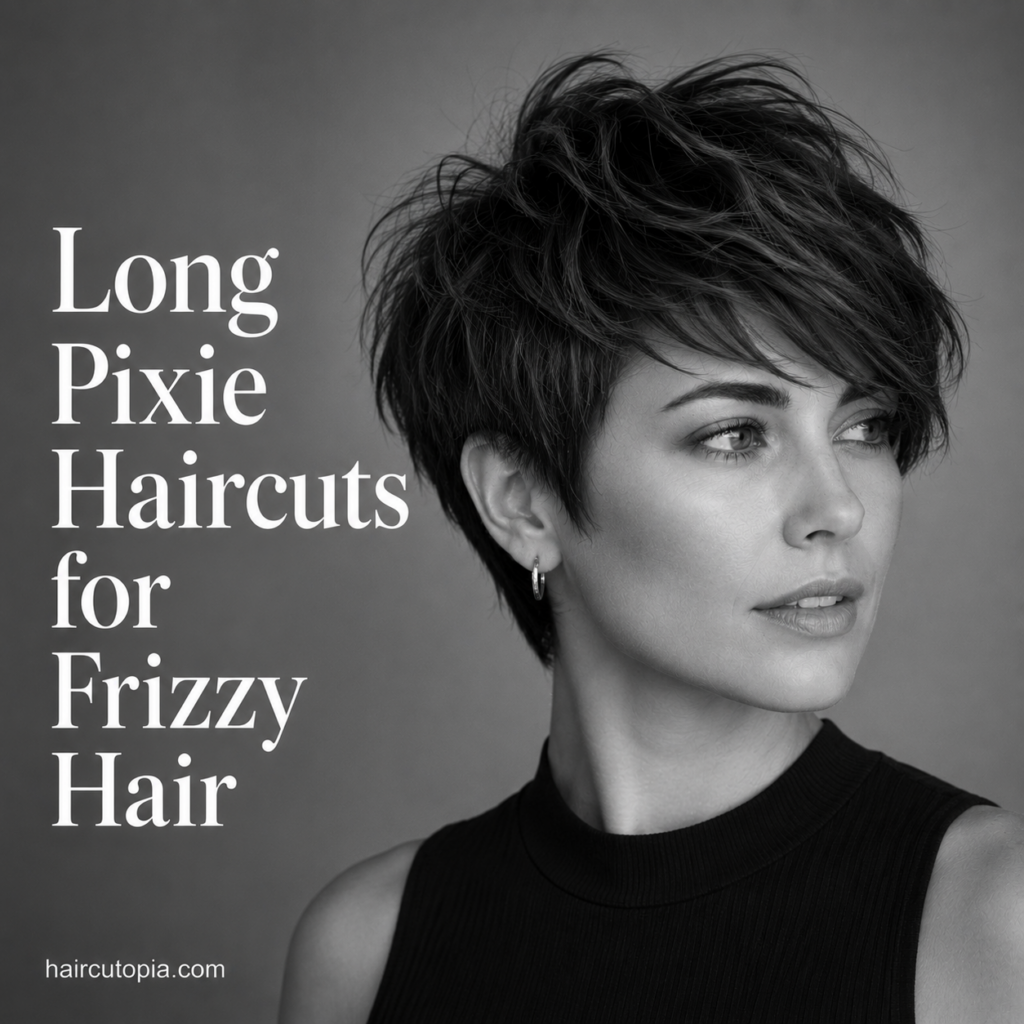 Long Pixie Haircuts for Frizzy Hair: 25 Flattering Styles for Texture and Control
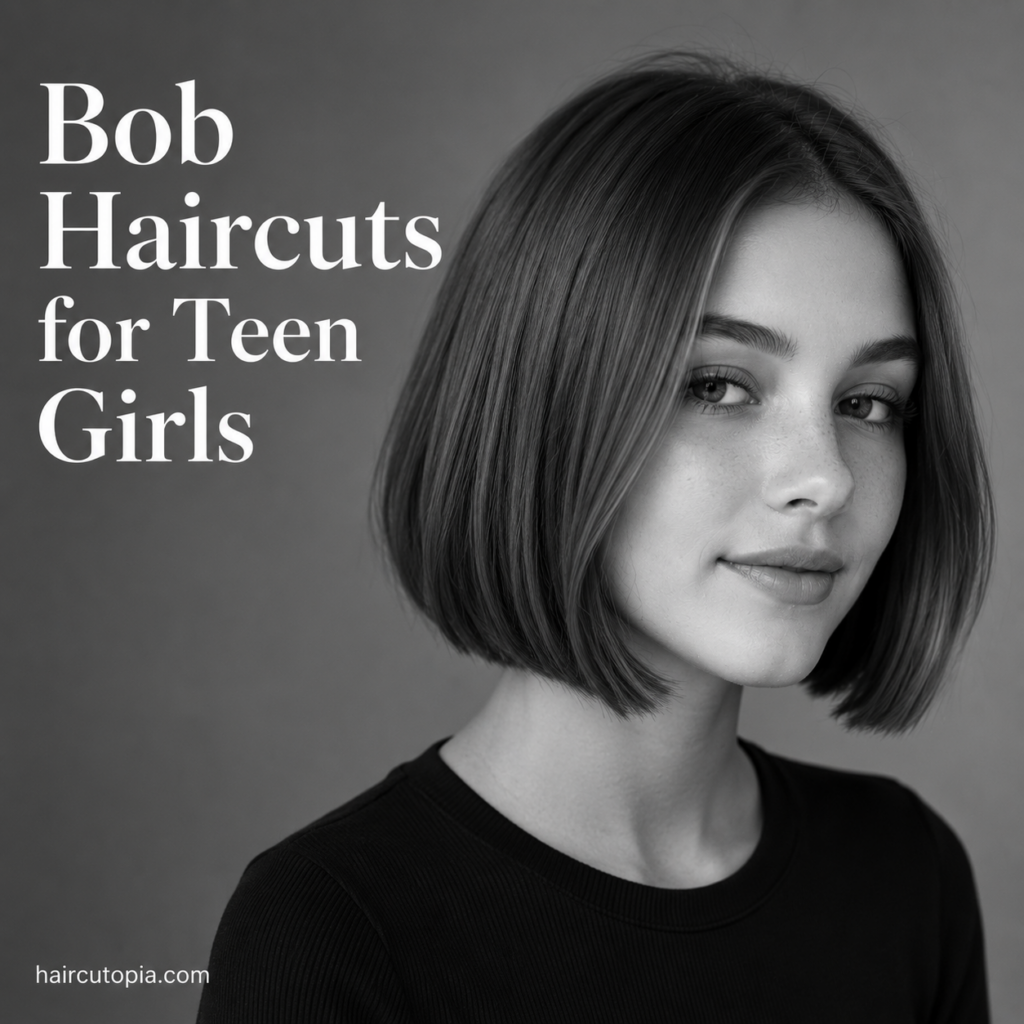 Bob Haircuts for Teen Girls: 25 Cute and Trendy Styles to Try
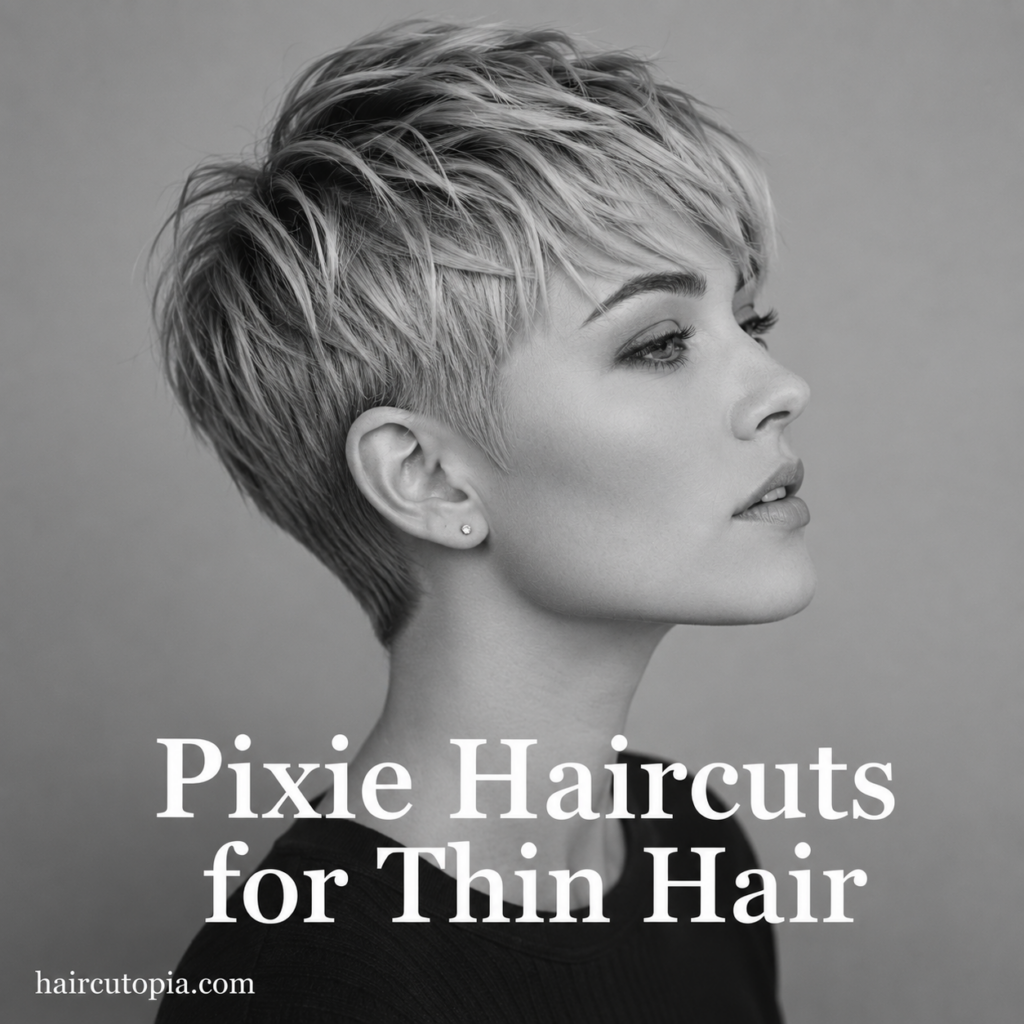 Pixie Haircuts for Thin Hair: 25 Flattering Styles That Add Volume and Confidence