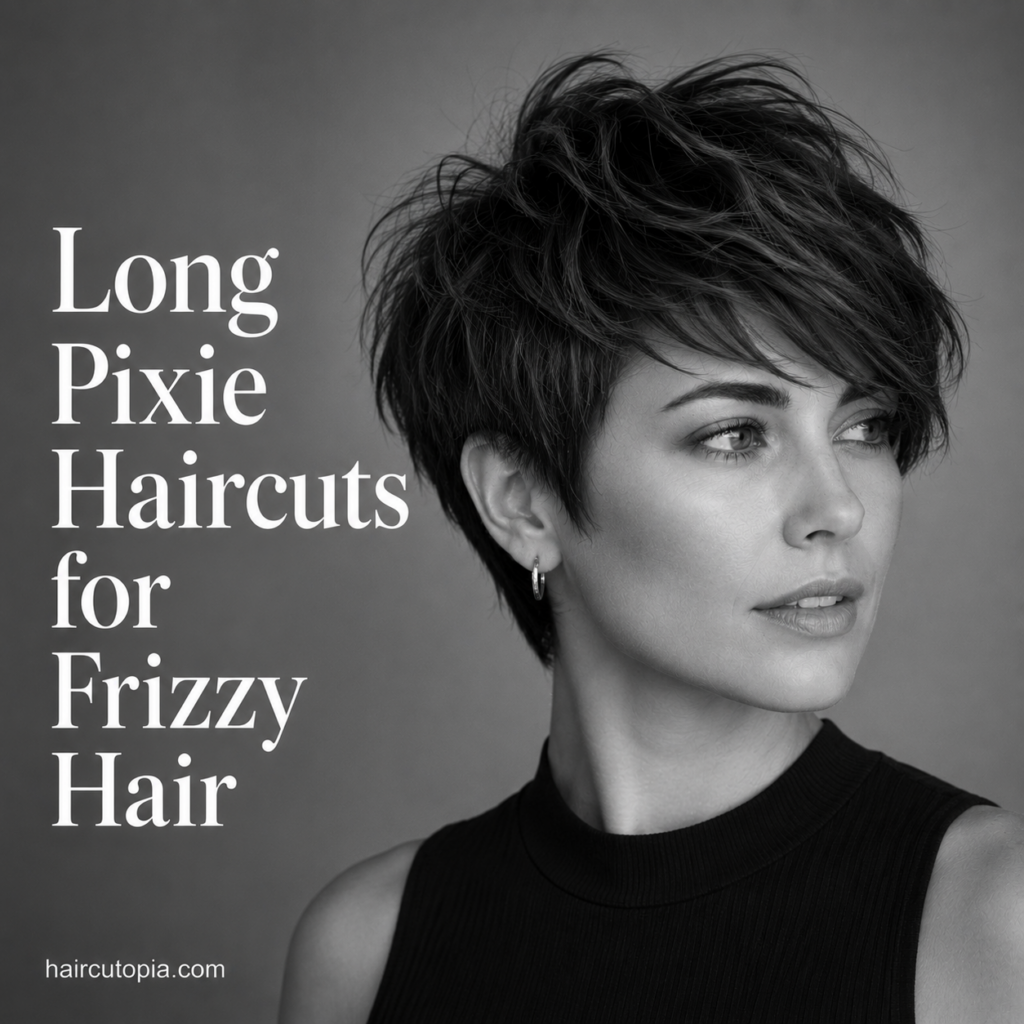
Frizzy hair can make choosing a short haircut feel risky. There is always that question in the back of your mind: will cutting it shorter make the frizz easier to manage, or will every strand suddenly start doing its own thing?
The answer usually comes down to the haircut.
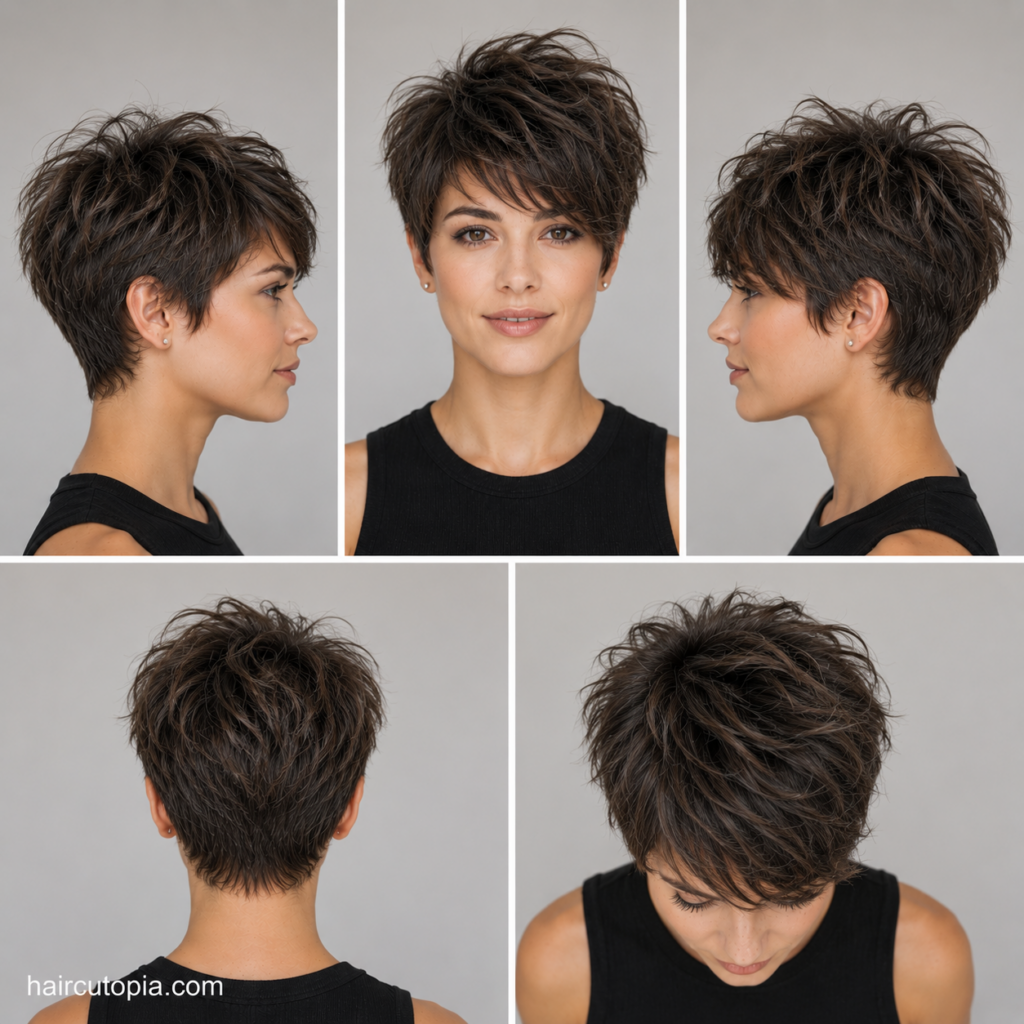
A long pixie can be a great option for frizz-prone hair because it removes excess length without taking away all the weight that helps control texture. You still have enough hair through the top, crown, and fringe to shape the style, but there is less overall hair to dry, detangle, and manage.
Long pixie haircuts for frizzy hair do not need to be perfectly smooth. In fact, a little natural texture can make a pixie look softer, fuller, and more modern.
The goal is to create an intentional shape so the texture feels like part of the haircut.
Here are 25 long pixie haircut ideas for frizzy hair, plus practical tips for styling, reducing puffiness, and keeping your cut manageable.
Why Long Pixie Haircuts Can Work for Frizzy Hair
Frizz is not a single hair type.
Straight, wavy, curly, and coily hair can all become frizzy. Humidity, dryness, damage, friction, and natural texture may affect how smooth the surface of the hair appears.
That is why the shape of a pixie matters.
A very short cut may expose strong growth patterns or remove the weight that helps certain sections stay controlled. A long pixie keeps additional length in strategic areas.
This can give you:
- More control through the fringe
- Enough length for waves or curls to form
- Weight through sections that tend to puff
- A defined crown shape
- Less overall hair to style
- More flexibility with smoothing products
The best haircut works with the way your hair expands and moves.
1. Layered Long Pixie for Frizzy Hair
Soft layers can help distribute volume throughout a pixie.
Instead of allowing all the weight to collect around the sides, strategic layering creates movement through the crown and top.
Avoid excessive short layers if your hair expands easily.
Too many short sections may increase surface texture.
Ask for blended layers that maintain enough length to control the hair.
2. Long Pixie with Side-Swept Bangs
Side-swept bangs give frizzy hair a clear direction.
The longer fringe has enough weight to move across the forehead.
A smoothing cream can help define the shape.
Blow-dry the bangs in the direction you want them to sit before the hair completely dries.
3. Textured Long Pixie for Frizzy Hair
Sometimes the easiest approach is to embrace texture.
A textured pixie allows individual sections to separate naturally.
The haircut should still have a strong overall silhouette.
Use a lightweight styling cream to define selected pieces.
You do not need to smooth every flyaway.
4. Long Pixie with a Tapered Nape
A tapered neckline can reduce bulk around the back of the head.
The hair gradually becomes shorter toward the neck.
Longer sections remain through the crown.
This creates a clean foundation while allowing natural texture to remain visible on top.
5. Tousled Long Pixie for Frizzy Hair
A tousled pixie works well when your hair naturally develops movement.
The style is intentionally relaxed.
Apply a moisturizing styling product to damp hair.
Allow the hair to air-dry or use a diffuser.
Once dry, gently arrange a few sections with your fingers.
Avoid repeatedly touching the hair.
6. Long Pixie Bob for Frizzy Hair
A pixie bob keeps more length around the sides.
That additional weight may help control hair that expands when cut too short.
The back remains shaped and relatively light.
This can be a good transition haircut if you are nervous about going directly from long hair to a traditional pixie.
7. Shaggy Long Pixie for Frizzy Hair
A shaggy pixie turns natural texture into part of the style.
Layers through the crown create movement.
Longer fringe and side pieces maintain softness.
The haircut should feel relaxed rather than overly precise.
A lightweight leave-in conditioner can help keep the ends comfortable.
8. Long Pixie with Long Bangs
Long bangs provide additional control around the front of the haircut.
The weight of the fringe may help reduce unwanted puffiness.
You can sweep the bangs to the side or tuck them away from the face.
Use a small amount of smoothing product.
Avoid applying heavy oils directly near the roots.
9. Side-Parted Long Pixie
A side part creates direction.
More hair moves toward one side, allowing the longer sections to overlap.
This can help create a smoother visual surface.
Establish the part while the hair is damp.
Allow the hair to dry in the direction you want it to sit.
10. Long Pixie for Frizzy Wavy Hair
Wavy hair often develops surface frizz when the wave pattern is disrupted.
A long pixie keeps enough length for bends to form.
Use a lightweight wave cream.
Gently scrunch the hair while damp.
Avoid brushing the waves once the hair is dry.
11. Long Pixie for Frizzy Curly Hair
Curly hair may become frizzy when individual curls lose definition.
A long pixie gives curls room to form through the crown and top.
Apply curl product to wet or very damp hair.
Allow the curls to dry before separating them.
The sides can be shaped to control width.
12. Sleek Long Pixie for Frizzy Hair
A sleek pixie is possible with the right styling routine.
The haircut should maintain enough length for smoothing.
Apply heat protectant and a smoothing cream.
Blow-dry the hair in sections.
Direct the airflow downward along the hair shaft.
Finish with a small amount of lightweight serum.
13. Long Pixie with Crown Volume
Frizz-prone hair often has natural body.
Instead of flattening all of that volume, direct it toward the crown.
The sides remain more controlled.
The top is allowed to maintain lift.
This creates a balanced silhouette and makes natural texture feel intentional.
14. Asymmetrical Long Pixie
An asymmetrical pixie gives frizzy texture a strong shape.
One side remains longer.
The opposite side is shorter and more controlled.
The longer section can sweep across the face.
A defined silhouette helps the haircut look purposeful even when the surface texture changes throughout the day.
15. Long Pixie with Tucked Sides
Tucking the sides behind the ears can instantly control the shape of a pixie.
The crown and fringe become the main focus.
Leave a few soft pieces around the temples.
This is an easy styling option when humidity causes the sides to expand.
16. Rounded Long Pixie for Frizzy Hair
A rounded pixie creates a soft, balanced shape.
The crown maintains gentle fullness.
The sides blend gradually into the back.
The haircut should be carefully layered.
Removing too much weight can disrupt the rounded silhouette.
17. Long Pixie with Face-Framing Pieces
Longer sections around the face add softness.
The pieces may sit near the temples, cheekbones, or jawline.
Keeping additional length can help control areas that become frizzy when cut extremely short.
Apply a small amount of styling cream to these sections.
18. Messy Long Pixie for Frizzy Hair
A messy pixie can be one of the easiest styles for frizz-prone hair.
The haircut embraces natural separation.
Apply a lightweight styling product.
Allow the hair to dry.
Use your fingertips to create movement through the crown.
Do not try to make every section perfectly smooth.
19. Long Pixie for Fine Frizzy Hair
Fine hair can become frizzy while still falling flat at the roots.
This combination requires lightweight products.
Avoid heavy creams that may collapse the crown.
A volumizing foam can provide lift.
Use a tiny amount of smoothing product only through the ends.
20. Long Pixie for Thick Frizzy Hair
Thick frizzy hair may become bulky when the weight is not distributed correctly.
Strategic internal layering can help.
The surface layers should remain long enough to create a controlled shape.
A tapered neckline may reduce bulk at the back.
Avoid aggressive thinning that creates short hairs underneath longer sections.
21. Long Pixie for Coarse Frizzy Hair
Coarse strands may naturally create visible texture.
Keeping additional length can help control the direction of the hair.
Use a moisturizing styling cream.
Guide the hair into place while it is damp.
Coarse hair often holds the shape once properly styled.
22. Long Pixie with a Deep Side Part
A deep side part creates a strong directional shape.
The longer section sweeps across the head.
This can help control hair that naturally expands in several directions.
Use a brush or your fingers to establish the part while blow-drying.
23. Grown-Out Pixie for Frizzy Hair
A grown-out pixie maintains additional weight throughout the haircut.
This may be helpful for hair that becomes puffy when cut too short.
The fringe and sides remain longer.
Regular shaping appointments can prevent the haircut from becoming bulky while preserving the controlling weight.
24. Air-Dried Long Pixie
An air-dried pixie can work beautifully with natural texture.
Apply styling products while the hair is wet or damp.
Arrange the fringe and sides.
Then leave the hair alone.
Repeatedly touching the hair while it dries can increase surface frizz.
Once dry, make only small adjustments.
25. Natural Texture Long Pixie
A natural texture pixie works with the hair’s existing movement.
The stylist considers where the hair expands, bends, curls, or sits flatter.
Length is maintained in areas that need control.
Weight is removed where the haircut becomes bulky.
The result should feel personalized rather than forced into a rigid shape.
How to Choose the Best Long Pixie for Frizzy Hair
Start by looking at your natural texture.
Do you have straight hair that becomes fluffy in humidity? Strong waves with surface frizz? Curls that lose definition?
The answer affects the haircut.
Consider:
- Your natural texture
- Strand thickness
- Overall density
- Humidity response
- Areas that become puffy
- Natural growth direction
- Damage from heat or color
- Your daily styling routine
Think about how you normally wear your hair.
If you always air-dry, choose a haircut designed to air-dry well.
If you regularly blow-dry smooth, maintaining enough length for brush control may be more important.
Should Frizzy Hair Be Layered in a Long Pixie?
Yes, but layering should be customized.
Layers can distribute volume and create movement.
Too many short layers may increase puffiness.
A stylist may focus on:
- Removing bulk internally
- Maintaining longer surface layers
- Creating crown movement
- Shaping the sides
- Preserving weight around frizz-prone areas
The goal is not simply to remove hair.
The goal is to control where the volume sits.
How to Style a Long Pixie with Frizzy Hair
A consistent styling routine can make a big difference.
1. Start with Damp Hair
Do not aggressively rub the hair with a towel.
Use a soft towel or cotton T-shirt to gently remove excess water.
2. Apply Leave-In Conditioner
A lightweight leave-in product can help maintain moisture.
Focus on the areas that feel driest.
3. Add Your Styling Product
Choose a cream, mousse, foam, or gel based on your natural texture.
Distribute the product evenly.
4. Establish the Shape
Position your fringe and part.
Guide the sides into place.
Short hair dries quickly, so establish the direction early.
5. Air-Dry or Blow-Dry Carefully
If air-drying, avoid repeatedly touching the hair.
If blow-drying, use controlled airflow.
A diffuser may work well for waves and curls.
6. Finish Lightly
Use a small amount of serum or styling cream.
Focus on the ends and surface areas that need smoothing.
Best Products for a Frizzy Long Pixie
Your product choices should match your texture and density.
Useful options include:
- Lightweight leave-in conditioner
- Smoothing cream
- Anti-humidity styling product
- Curl cream
- Styling foam
- Lightweight gel
- Heat protectant
- Lightweight serum
Fine hair may need lighter formulas.
Coarse or very dry hair may benefit from richer products.
Start with less product than you think you need.
Short hair can become overloaded quickly.
How to Prevent a Long Pixie from Getting Puffy
Puffiness is often a combination of haircut shape, humidity, and styling technique.
Try:
- Applying products to damp hair
- Keeping longer surface layers
- Avoiding excessive thinning
- Directing volume toward the crown
- Using an anti-humidity product
- Reducing friction while drying
- Avoiding repeated touching
- Maintaining regular trims
Pay attention to where the puffiness occurs.
If the sides consistently expand, the haircut may need reshaping.
How to Reduce Frizz Without Flattening Your Pixie
You do not need to remove all volume to control frizz.
Focus on smoothing the surface while maintaining lift at the roots.
Apply smoothing products through the mid-lengths and ends.
Use lighter products near the crown.
When blow-drying, lift the roots while directing airflow along the surface of the hair.
This creates shape without pressing the entire haircut flat.
How Humidity Affects a Long Pixie
Humidity can change the way frizz-prone hair behaves.
Hair may absorb moisture from the air and begin expanding.
A shorter haircut can make these changes more visible because each section contributes to the overall silhouette.
An anti-humidity product may help.
However, the haircut itself should also account for expansion.
Keeping strategic weight and controlling the sides can make the style more predictable in humid weather.
How to Refresh a Frizzy Pixie Between Washes
You do not always need to completely restyle your hair.
Lightly dampen the sections that need attention.
Apply a tiny amount of styling product.
Reshape the fringe or sides.
Allow the hair to dry.
For waves and curls, gently scrunch the texture.
For straighter hair, smooth the sections with your fingers or briefly use a blow-dryer.
How Often Should You Trim a Long Pixie?
Most long pixie haircuts benefit from a trim every six to eight weeks.
Shaggy or grown-out styles may go longer.
Pay attention to the overall shape.
If the sides become increasingly puffy or the neckline feels heavy, the haircut may need adjustment.
Regular reshaping can make daily styling significantly easier.
What to Ask Your Stylist For
Be specific about your frizz.
Instead of simply saying, “My hair is frizzy,” explain what actually happens.
For example:
- “My sides expand in humidity.”
- “My crown becomes fluffy.”
- “My waves lose definition.”
- “Short pieces stick outward.”
- “My hair becomes frizzy when I air-dry.”
- “I want to avoid daily straightening.”
Tell your stylist how you normally style your hair.
A pixie should be designed for your real routine, not just the salon finish.
Are Long Pixie Haircuts Good for Frizzy Hair?
Yes. A long pixie can work very well for frizz-prone hair.
The additional length provides more control than an extremely short pixie.
At the same time, removing overall length can make the hair quicker to wash, dry, and style.
The key is maintaining weight where your hair needs control and removing bulk where it creates unwanted width.
Natural texture does not have to be hidden.
A strong haircut shape can make that texture part of the style.
Long Pixie vs. Pixie Bob for Frizzy Hair
A long pixie generally features:
- A shorter neckline
- More crown emphasis
- Greater contrast between the top and sides
- A lighter overall silhouette
A pixie bob typically has:
- More side length
- A fuller perimeter
- Additional weight around the ears or jaw
- A softer bob-inspired shape
If your hair becomes bulky around the sides, a long pixie may provide better shape control.
If your hair needs additional weight to reduce puffiness, a pixie bob may be worth considering.
Final Thoughts on Long Pixie Haircuts for Frizzy Hair
Frizz does not automatically rule out a pixie haircut.
The right long pixie can actually make your hair feel easier to manage by reducing excess length while preserving enough weight for control.
The most important part is the shape.
Keep strategic length in areas that tend to puff. Avoid unnecessary short layers. Direct natural volume toward the crown and choose styling products that suit your actual texture.
You do not need every strand to look perfectly smooth.
A little movement, softness, and natural texture can give a long pixie character.
With the right haircut and a simple styling routine, frizzy hair can look intentional, modern, and beautifully textured.

Related Posts
 Short Haircuts for Thick Hair: 25 Stylish Ideas & Expert Tips
 Face-Framing Layers Haircuts for Wavy Hair: 25 Beautiful Styles That Enhance Natural Texture
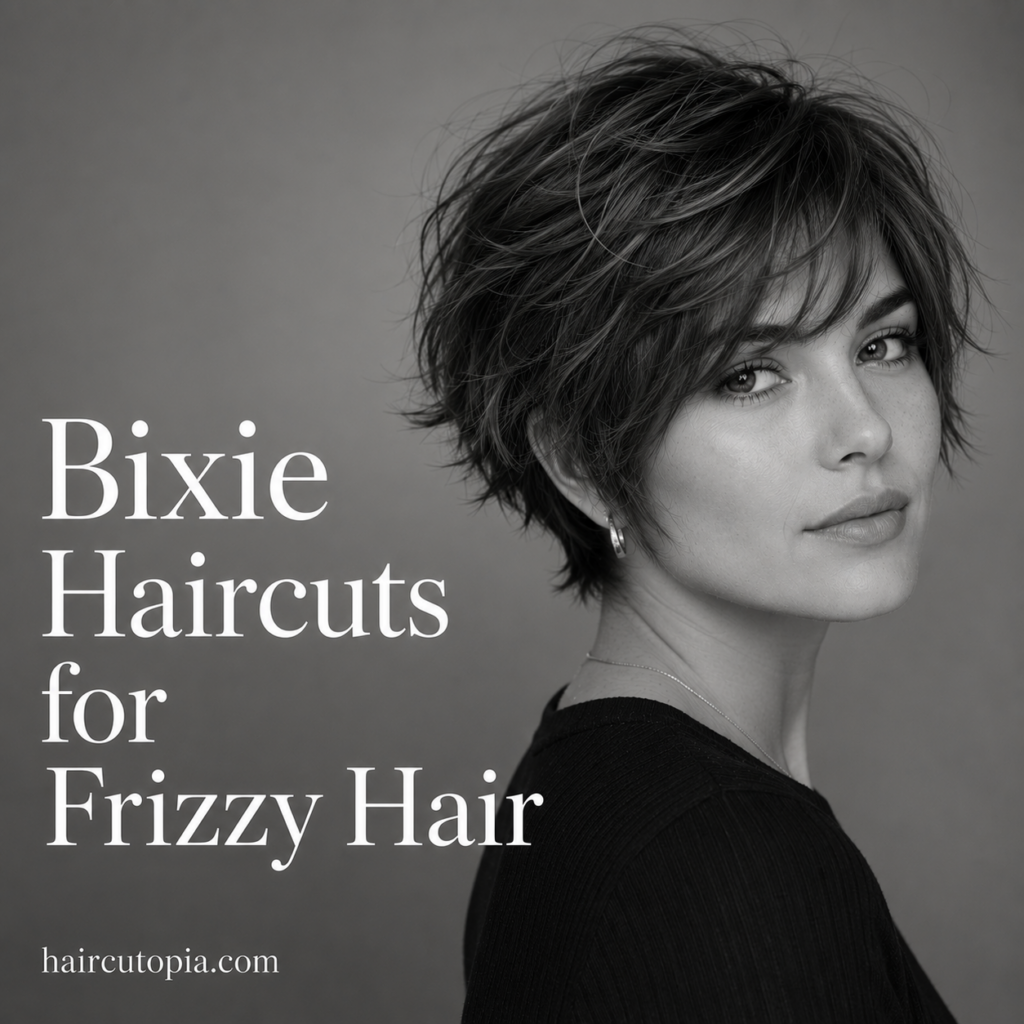 Bixie Haircuts for Frizzy Hair: 25 Stylish Cuts That Help Tame Frizz
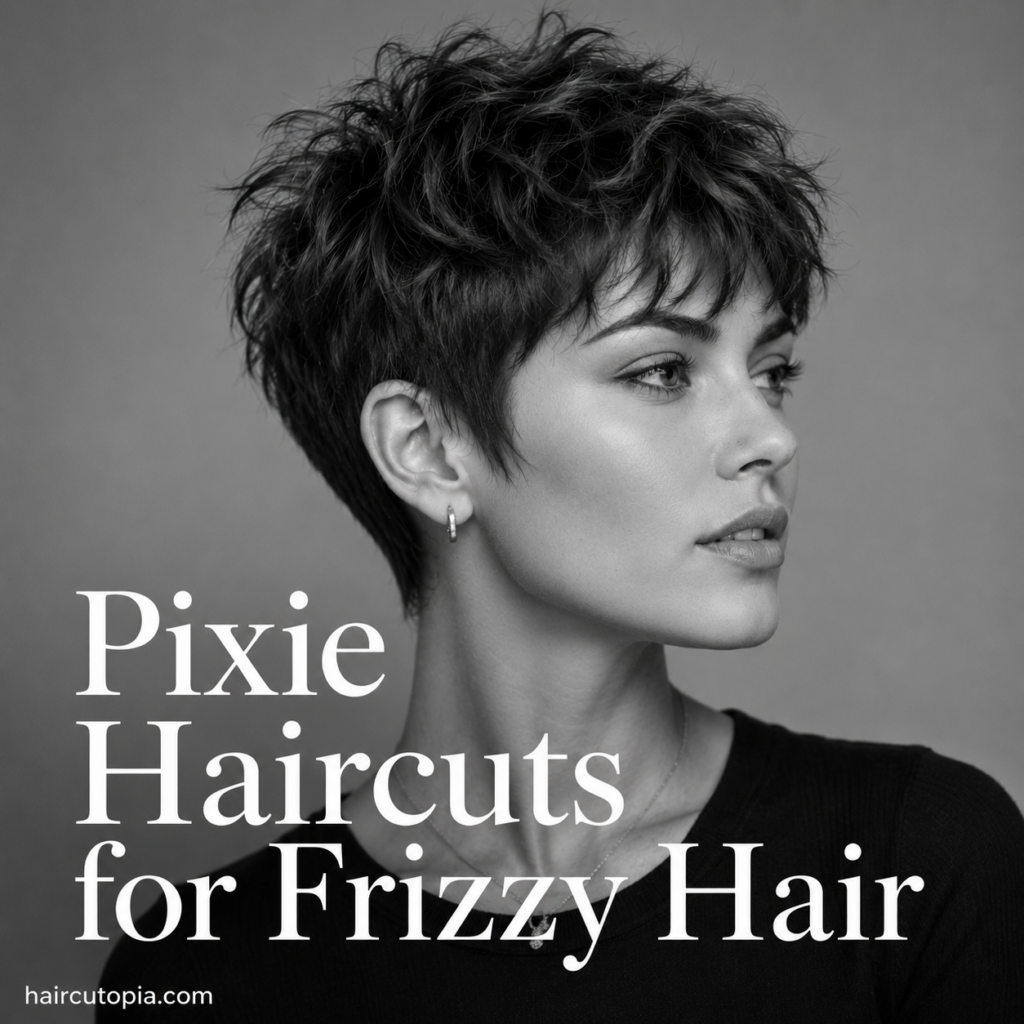 Best Pixie Haircuts for Frizzy Hair: 25 Stylish Cuts That Embrace Natural Texture