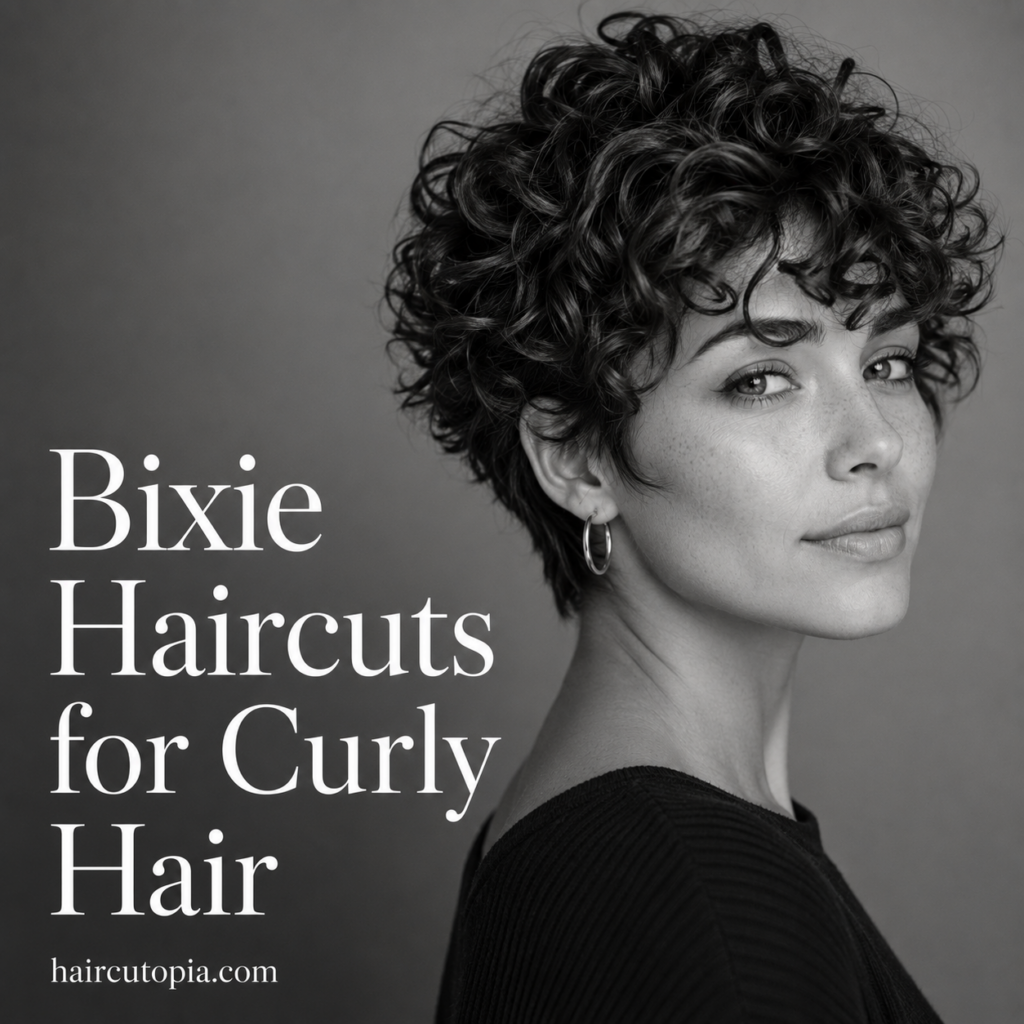
Curly hair and short haircuts can be an incredible combination when the shape works with your natural texture. The curls feel lighter, the volume becomes more intentional, and suddenly all that movement has room to show.
That’s exactly why bixie haircuts for curly hair are so appealing.
A bixie blends the cropped, layered feel of a pixie with some of the softness and length of a bob. On curly hair, that in-between shape creates plenty of possibilities. You can keep longer curls around the face, build volume at the crown, taper the neckline, or embrace a rounder, fuller silhouette.
The most important part is customization. Curl pattern, density, shrinkage, and even the way individual sections of your hair curl can change how a bixie sits.
Thinking about trying one? These 25 curly bixie ideas can help you find a shape that fits your texture and personal style.
Why Bixie Haircuts Work So Well for Curly Hair
Curls naturally create the texture and movement that many people try to add to a bixie with styling products.
Shortening the hair can also remove weight. For some curl patterns, that means more bounce and definition because the curls are no longer being stretched downward by longer lengths.
A curly bixie can offer:
- More visible curl definition
- Natural crown volume
- Less weight through the lengths
- Faster washing and drying
- Plenty of face-framing options
- A shape that works with natural texture
- More styling flexibility than a very short pixie
That does not mean every curly bixie should be heavily layered.
Some curls spring up dramatically when weight is removed. Others need layering to prevent the haircut from becoming triangular or overly wide.
A stylist who understands curly hair should consider how your curls behave when dry, not just how they look when wet.
25 Bixie Haircuts for Curly Hair
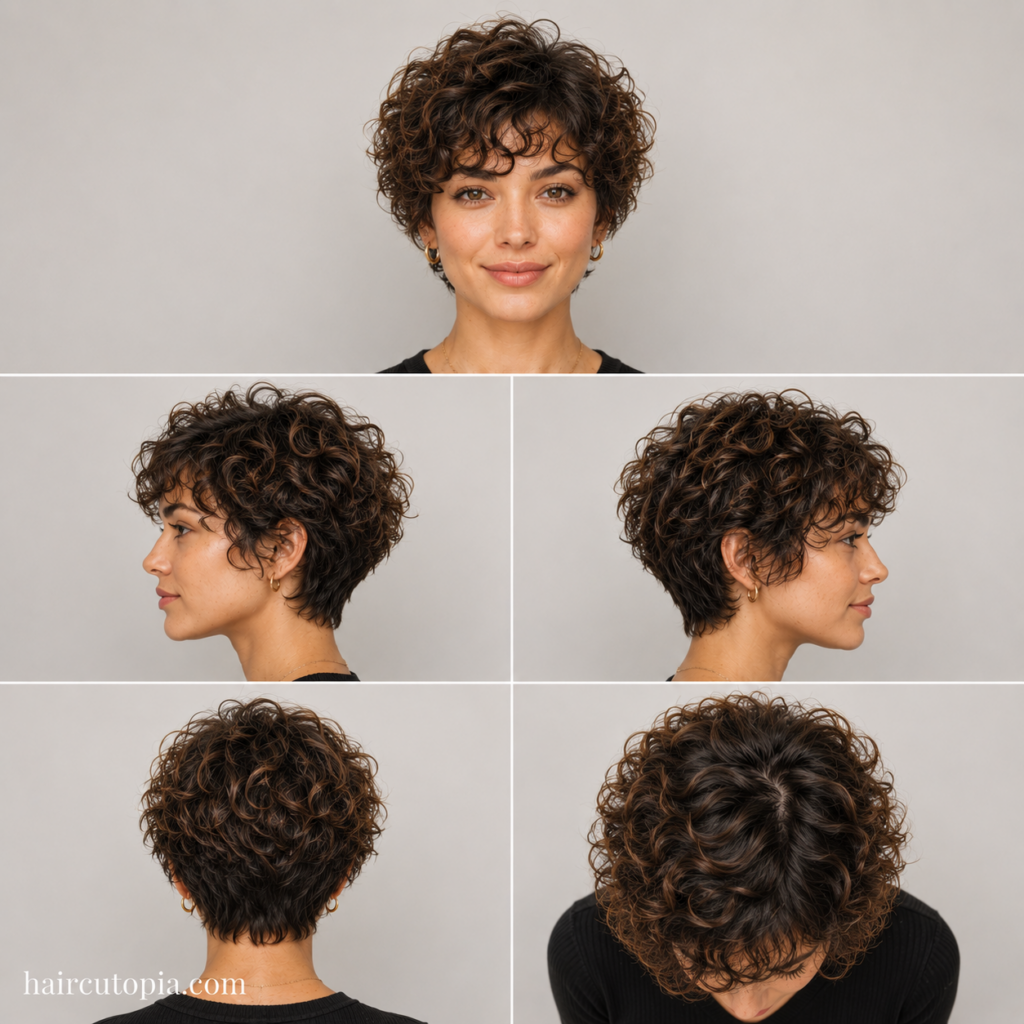
1. Soft Layered Curly Bixie
Soft layers help curls stack naturally without creating harsh steps.
This is a versatile option if you want movement while maintaining a rounded, wearable shape. The layers can be customized based on where your curls naturally tighten or loosen.
A light curl cream can help define the finished style.
2. Voluminous Curly Bixie
Why fight natural volume when you can make it part of the haircut?
A voluminous bixie keeps fullness through the crown and upper sides. Strategic shaping prevents the hair from becoming excessively wide.
This style works beautifully with springy curls that naturally lift away from the scalp.
3. Long Curly Bixie
A longer bixie gives curls more room to form.
Extra length around the ears, fringe, and nape creates a softer shape. It is also a comfortable option if you are transitioning from a curly bob.
Keep in mind that the haircut may appear considerably shorter once the curls dry.
4. Curly Bixie With Side-Swept Bangs
Side-swept curly bangs create movement across the forehead.
Instead of forcing the curls into a perfectly smooth fringe, allow the natural texture to remain visible. The bangs can blend into longer face-framing pieces.
This creates a relaxed, flattering shape around the face.
5. Shaggy Curly Bixie
A shaggy bixie combines short haircut structure with the layered movement of a shag.
Expect visible texture around the crown, sides, and fringe. The curls are encouraged to sit in slightly different directions.
This style is ideal if you enjoy an intentionally undone finish.
6. Curly Bixie With Crown Layers
Crown layers can create beautiful lift on curly hair.
Shorter sections at the top allow the curls to spring upward instead of being pulled flat. The lower layers can remain slightly longer to balance the silhouette.
The exact layer length should account for shrinkage.
7. Tapered Curly Bixie
A tapered neckline gives a curly bixie a cleaner shape.
The hair gradually becomes shorter toward the nape while curls remain fuller through the crown and sides. This creates contrast and makes the upper texture stand out.
Regular trims help maintain the tapered finish.
8. Curly Bixie With Wispy Bangs
Not every curly fringe needs to be thick or dramatic.
A few lighter curls across the forehead can create a soft, wispy effect. The fringe feels airy and blends naturally into the haircut.
This works especially well with looser curl patterns.
9. Rounded Curly Bixie
A rounded bixie embraces the natural fullness of curly hair.
The shape is balanced around the head, with curls forming a soft curved silhouette. Layers help distribute the volume evenly.
This style can look especially striking with defined ringlets.
10. Side-Parted Curly Bixie
A deep side part creates instant asymmetry.
One side develops more volume while the opposite side can sit closer to the head or tuck behind the ear. The natural curl pattern adds even more movement.
Changing your part can also refresh curls between wash days.
11. Curly Bixie With Curtain Bangs
Curtain bangs can work beautifully with curly hair.
The fringe opens around the center of the forehead and blends into longer side pieces. Instead of creating a perfectly symmetrical shape, the curls give the bangs natural variation.
Allow your stylist to cut the fringe with shrinkage in mind.
12. Tousled Curly Bixie
A tousled bixie celebrates imperfect curl placement.
The curls are separated and styled with a relaxed finish rather than arranged into a precise shape. A lightweight texture or curl product can add definition.
Use your fingers to gently lift the roots once the hair is completely dry.
13. Curly Bixie With Face-Framing Layers
Longer curls around the face create softness.
The shortest face-framing pieces can begin near the cheekbones, while longer curls blend toward the jawline. Placement should be based on your curl pattern.
These layers can also help prevent the front from feeling too heavy.
14. Pixie-Forward Curly Bixie
This version sits closer to a traditional pixie.
The sides and back are shorter, while the top maintains enough length for visible curls. The result is compact but still textured.
It is a good option if you want a truly short haircut without removing all your natural curl.
15. Bob-Forward Curly Bixie
A bob-forward bixie maintains additional length around the sides and back.
The overall silhouette feels softer and slightly heavier. Layers are used to create movement without losing the bob influence.
This can be a comfortable transition haircut when going shorter.
16. Curly Bixie With a Longer Fringe
A longer curly fringe creates a dramatic focal point.
Curls can fall toward the eyebrows, cheekbones, or even one side of the face. The rest of the haircut can remain shorter for contrast.
A longer fringe also gives you more styling options.
17. Asymmetrical Curly Bixie
Curly texture makes asymmetrical haircuts especially interesting.
One side can remain noticeably longer while the opposite side is cropped closer. Because curls naturally sit at different heights, the uneven shape feels organic.
A side part emphasizes the contrast.
18. Messy Curly Bixie
The messy curly bixie is all about relaxed texture.
Instead of creating perfectly defined curls, allow some separation and soft frizz. The haircut should still have a strong underlying shape.
This is a practical option if you prefer low-effort styling.
19. Curly Bixie With Short Bangs
Short curly bangs create a playful, modern look.
The fringe sits above the eyebrows once dry. Because curls can shrink significantly, careful cutting is essential.
Ask your stylist to start longer and adjust gradually.
20. Defined Ringlet Bixie
If your hair naturally forms ringlets, let them become the focus of the haircut.
Long enough layers allow individual curls to form without becoming stretched. The silhouette can be rounded or slightly tapered.
Apply curl product in sections to encourage definition.
21. Softly Tapered Bixie With Curls
A soft taper creates a less dramatic transition at the neckline.
Instead of a sharply cropped back, the length gradually blends into the upper curls. This keeps the haircut feminine and relaxed.
It also grows out more softly than a very precise taper.
22. Curly Bixie With Ear-Length Sides
Keeping the sides near ear length gives the bixie a stronger bob influence.
The curls can frame the cheekbones and tuck behind the ears when desired. Shorter crown layers create balance.
This style offers plenty of versatility.
23. Natural Texture Bixie
A natural texture bixie is designed around the hair’s existing curl pattern.
Rather than forcing every curl into the same shape, the haircut accounts for tighter, looser, and irregular sections.
The goal is a balanced silhouette that still looks natural.
24. Air-Dried Curly Bixie
If you rarely use heat tools, choose a bixie specifically designed for air-drying.
The stylist should consider how the curls settle naturally. Layers are placed to encourage a wearable shape without extensive manipulation.
A good air-dried cut can simplify your entire routine.
25. Low-Maintenance Curly Bixie
A low-maintenance bixie focuses on shape and natural texture.
The haircut should grow out relatively softly and require minimal daily styling. You may only need curl cream, air-drying, and occasional root fluffing.
This is a practical choice for anyone who wants short curly hair without a complicated routine.
How to Ask Your Stylist for a Curly Bixie
The term “bixie” describes a general haircut category rather than one exact shape.
Bring reference photos, but also discuss your own curl pattern.
Tell your stylist:
- How much your curls shrink when dry
- Which areas are tighter or looser
- Whether your crown tends to become flat
- Where your hair becomes bulky
- How often you use heat
- Whether you usually air-dry or diffuse
- How much daily styling you want to do
- How short you are comfortable going
If possible, arrive with your curls styled in their normal pattern.
This allows the stylist to see how your hair naturally sits and where different curl patterns appear.
Should Curly Hair Be Cut Wet or Dry for a Bixie?
There is no single cutting method that works for every curly haircut.
Some stylists prefer cutting curls dry because they can see the natural shape, spring, and shrinkage of each section.
Others use a combination of wet and dry cutting.
A wet cut may help establish the overall structure. The stylist can then refine individual curls after the hair is dry.
What matters most is whether the stylist understands your texture and has a clear plan for shrinkage.
Ask about their preferred cutting method during your consultation.
Understanding Curl Shrinkage Before Going Short
Shrinkage is one of the most important considerations when cutting a curly bixie.
Hair that reaches the jaw when wet may spring up near the cheekbones when dry. Tighter curls may shrink even more dramatically.
Before cutting:
- Identify how much your curls typically shrink.
- Notice whether different sections shrink differently.
- Decide how short you want the hair when completely dry.
- Discuss fringe length carefully.
- Ask your stylist to make gradual adjustments.
You can always remove more length.
Growing back an unexpectedly short fringe takes considerably longer.
How to Style a Bixie Haircut With Curly Hair
A curly bixie often needs less manipulation than longer styles.
The exact routine depends on your curl pattern.
For Defined Curls
Apply curl cream or gel to soaking-wet or very damp hair.
Work the product through the curls using your fingers. Scrunch gently to encourage the pattern.
Allow the hair to air-dry or diffuse on low heat.
For More Volume
Apply a lightweight mousse near the roots.
Diffuse the hair while gently lifting sections away from the scalp. Avoid pressing the curls flat against the head.
Once completely dry, use your fingertips to loosen the roots.
For Soft, Natural Texture
Use a lightweight leave-in product.
Allow the hair to air-dry with minimal manipulation. Once dry, gently separate a few curls for a softer finish.
For Second-Day Hair
Mist flattened sections with water or curl refresher.
Reshape individual curls with your fingers and allow them to dry.
Dry shampoo can be applied carefully at the roots if needed.
Best Products for a Curly Bixie
Short curly hair can become weighed down by heavy products.
Useful options include:
- Lightweight curl cream
- Curl foam
- Volumizing mousse
- Lightweight gel
- Leave-in conditioner
- Curl refresher spray
- Heat protectant for diffusing
- Lightweight scalp-friendly dry shampoo
Product amount matters.
Start with a small amount and add more only where the curls need additional definition.
How Often Should You Trim a Curly Bixie?
Most curly bixie haircuts benefit from a trim every six to ten weeks.
A tapered neckline may need more frequent maintenance. Softer, shaggy versions can usually grow longer without immediately losing their shape.
Your curl pattern also affects how noticeable growth becomes.
Tighter curls may hide changes in length, while looser curls can reveal changes in the silhouette more quickly.
Best Curly Bixie Haircuts for Different Face Shapes
The shape of a bixie can be adjusted around your features.
Round Faces
Try crown volume, a side part, or longer face-framing curls. These details create more vertical movement.
Oval Faces
Oval faces can experiment with rounded cuts, short bangs, longer fringes, and asymmetrical shapes.
Square Faces
Soft curls around the cheeks and jawline can create movement around stronger facial angles.
Heart-Shaped Faces
Longer curls near the jaw and a soft fringe can balance a narrower chin.
Long Faces
Fuller sides and curly bangs can create visual width. Avoid concentrating all the volume directly at the top.
Face shape is a useful guide, but your natural curl pattern should remain a major part of the decision.
Common Mistakes to Avoid With a Curly Bixie
Going shorter can change the way your curls behave.
Common mistakes include:
- Ignoring shrinkage
- Cutting the fringe too short immediately
- Removing too much weight from springy curls
- Using products that are too heavy
- Brushing curls after they are dry
- Choosing a shape based only on straight-hair photos
- Assuming every section has the same curl pattern
- Over-manipulating the hair while it dries
A curly bixie should work with your texture instead of requiring you to constantly reshape it.
Is a Curly Bixie Easy to Maintain?
It can be.
Daily styling may actually become simpler because there is less hair to wash, dry, and define.
Salon maintenance depends on the haircut.
A sharply tapered bixie requires regular cleanup around the neckline. A shaggy or softly layered bixie usually grows out more naturally.
If low maintenance is your priority, tell your stylist before the haircut.
The shape can be adjusted to give you more time between appointments.
Can You Grow a Curly Bixie Into a Bob?
Yes. The bixie is already positioned between a pixie and bob, making it a natural starting point for growing longer.
The back may need occasional shaping while the sides catch up.
Regular maintenance trims can prevent the haircut from developing an unwanted mullet-like shape during the transition.
Your stylist may gradually reduce the amount of crown layering as the hair grows.
Patience helps, especially when shrinkage makes length progress less obvious.
Final Thoughts on Bixie Haircuts for Curly Hair
Bixie haircuts can bring out some of the best qualities of naturally curly hair.
Removing extra length allows curls to feel lighter, while thoughtful layering creates shape and movement. The haircut can be soft and rounded, shaggy and relaxed, or short and sharply tapered.
There is no single curly bixie that works for everyone.
Your curl pattern, shrinkage, density, and styling routine should guide the final shape. A good stylist will consider how your curls behave when dry and adjust the layers accordingly.
With the right cut, a curly bixie can feel fresh, expressive, and surprisingly easy to manage.
Related Posts
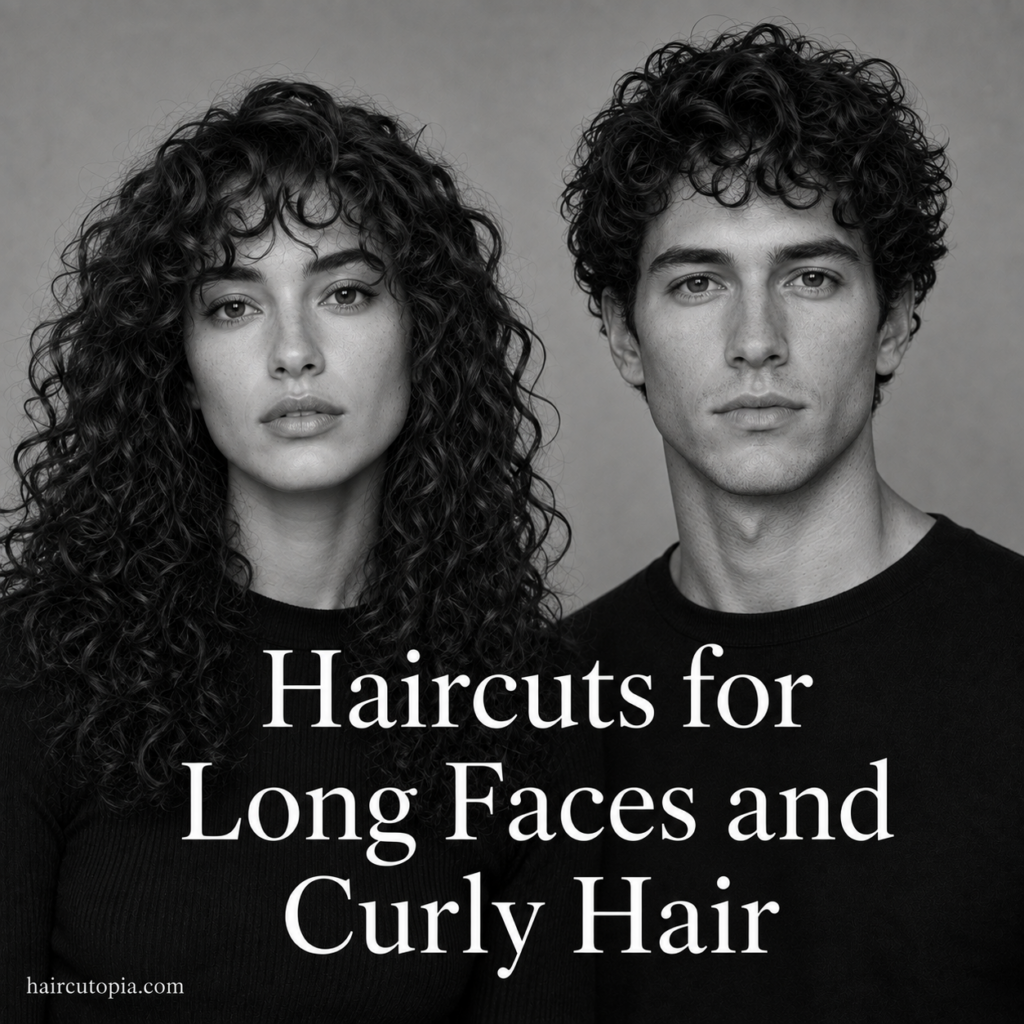 Haircuts for Long Faces and Curly Hair: 25 Gorgeous Styles That Celebrate Your Natural Texture
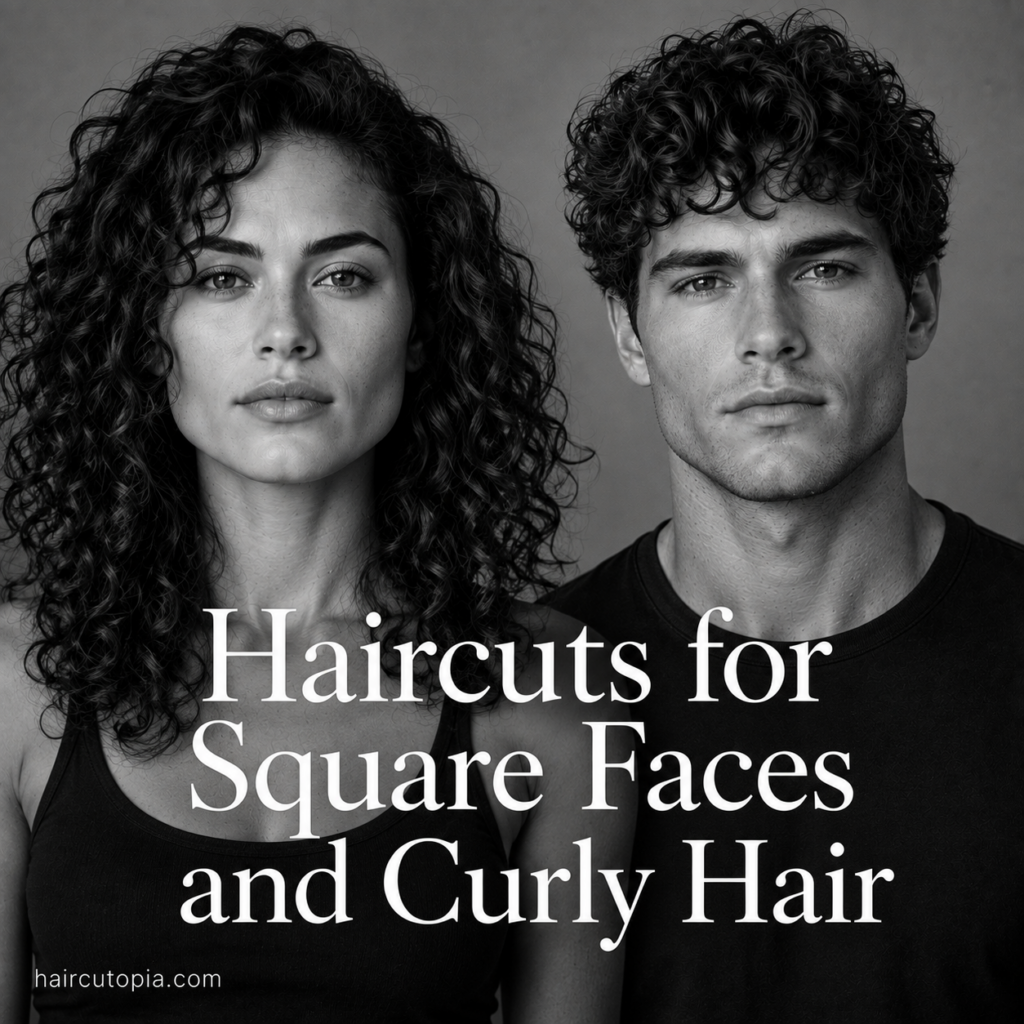 Haircuts for Square Faces and Curly Hair: 25 Gorgeous Styles That Let Your Curls Shine
 Haircuts for Oval Faces and Curly Hair: 35 Gorgeous Styles That Let Your Curls Shine
 Curtain Bangs Haircuts for Frizzy Hair: 25 Gorgeous Styles That Embrace Natural Texture