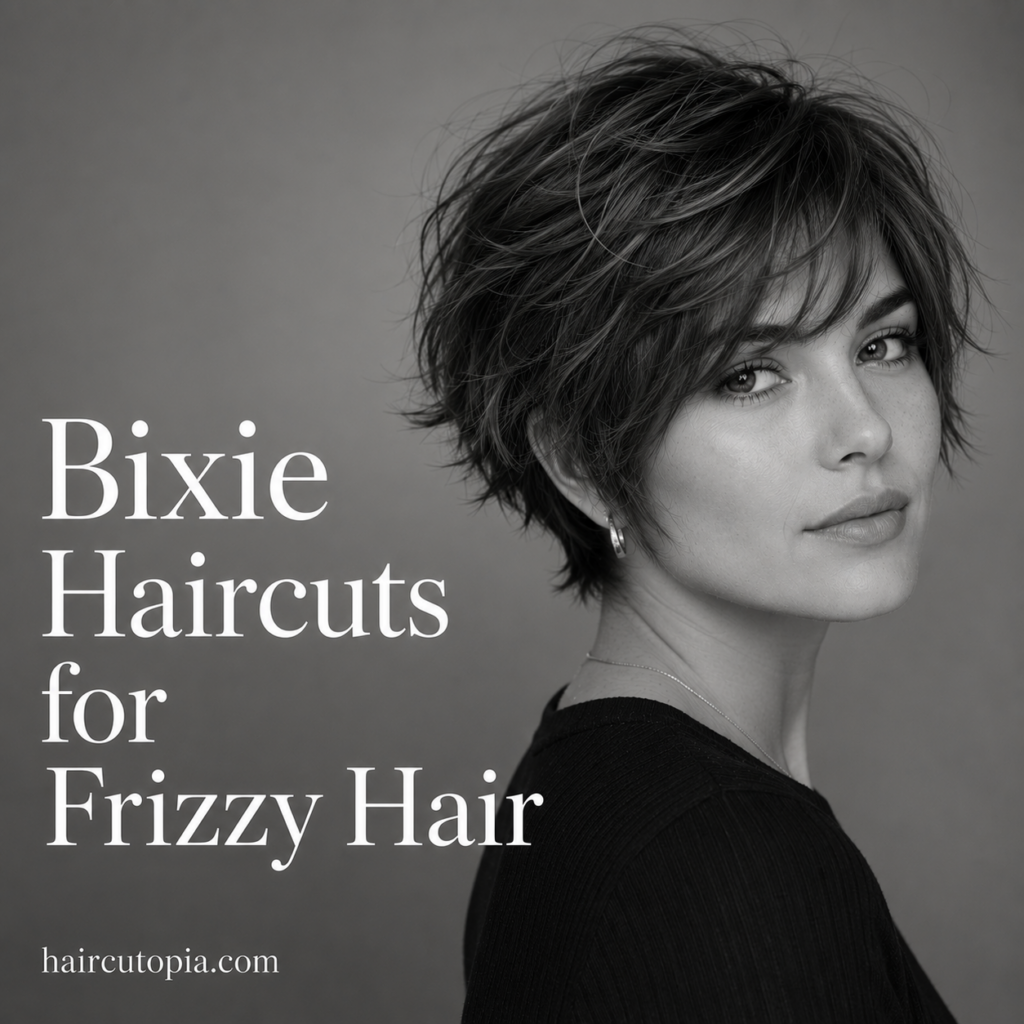
Frizzy hair can be unpredictable. Some days it’s soft and full of movement, while other days humidity seems to have a completely different plan. The good news is that the right haircut can make a noticeable difference.
A bixie haircut is one of the best short styles for managing frizz because it removes excess weight, creates a more balanced shape, and works with your natural texture instead of fighting it.
Sitting somewhere between a pixie and a bob, the bixie offers enough length for softness while remaining short enough to simplify your daily styling routine. Whether your frizz comes from naturally wavy hair, curls, coarse strands, or humidity, there’s a bixie variation that can help your hair feel lighter, healthier, and easier to manage.
Below are 25 bixie haircut ideas that pair beautifully with frizzy hair, along with styling advice to help you keep your haircut looking its best.
Why a Bixie Works Well for Frizzy Hair
Frizz is often caused by dryness, humidity, damaged cuticles, or natural hair texture. While a haircut can’t eliminate frizz completely, it can make it much easier to control.
A well-cut bixie offers several advantages:
- Removes unnecessary weight
- Reduces bulky ends
- Creates a balanced silhouette
- Makes styling faster
- Enhances natural texture
- Requires less heat styling
- Helps products distribute more evenly
The goal isn’t to force every strand perfectly into place. Instead, the haircut should make natural movement look intentional.
25 Bixie Haircuts for Frizzy Hair
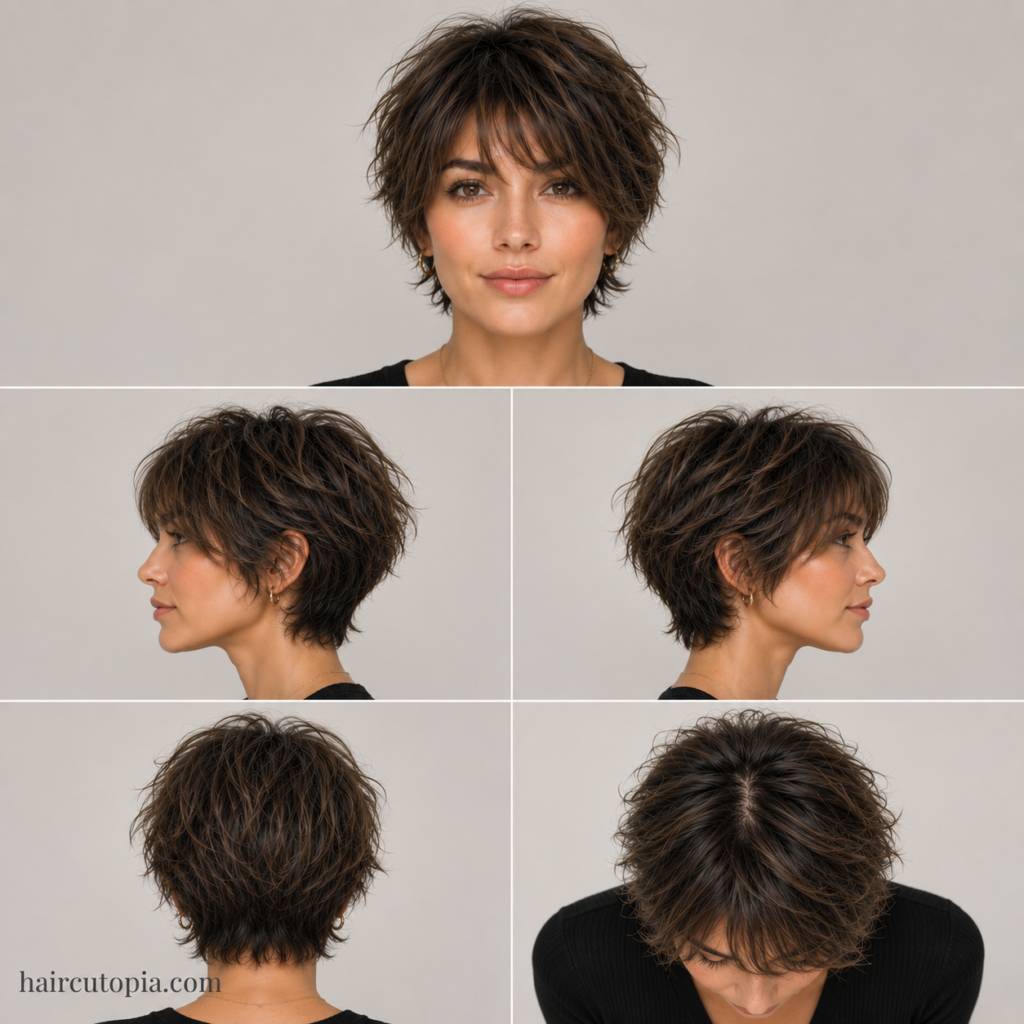
1. Soft Layered Bixie
Soft layers remove excess weight while keeping the haircut smooth and balanced.
Instead of creating harsh separation, blended layers help frizz settle more naturally throughout the haircut.
2. Textured Bixie
A textured bixie embraces natural movement.
Rather than trying to eliminate every flyaway, the haircut incorporates texture into the overall style.
This approach often makes frizz appear intentional rather than distracting.
3. Long Bixie
A longer bixie leaves slightly more weight through the sides and neckline.
This additional length can help control puffiness while maintaining movement.
It’s also a comfortable option if you’re transitioning from a bob.
4. Side-Swept Bixie
Side-swept bangs soften the face while breaking up excess volume near the forehead.
The diagonal fringe naturally blends into the sides.
5. Shaggy Bixie
Frizz and shaggy haircuts often complement each other surprisingly well.
The relaxed layering makes natural texture feel like part of the design.
6. Crown-Layered Bixie
Adding controlled layers through the crown creates lift without creating excessive width.
The result feels lighter while maintaining a balanced shape.
7. Feathered Bixie
Feathered ends reduce heaviness and create soft movement.
The haircut appears lighter while maintaining enough structure to control frizz.
8. Curtain Bangs Bixie
Curtain bangs blend beautifully into textured hair.
They soften the overall haircut while allowing natural movement around the face.
9. Airy Bixie
Instead of trying to flatten frizz completely, this version embraces lightweight movement.
The result feels modern and effortless.
10. Sleek Bixie
If you occasionally enjoy smoothing your hair, a sleek bixie creates a polished finish without requiring excessive styling time.
Heat protectant is essential.
11. Tousled Bixie
Tousled texture often disguises frizz naturally.
Rather than appearing unruly, the movement contributes to the overall style.
12. Wispy Bangs Bixie
Wispy bangs create softness without adding heaviness to the front.
The fringe blends naturally into the haircut.
13. Side-Parted Bixie
Changing your part can instantly redistribute volume.
A deep side part often helps create a more balanced silhouette.
14. Rounded Bixie
Rounded shaping evenly distributes fullness around the head.
Instead of creating bulk in one area, the haircut feels balanced from every angle.
15. Tapered Bixie
A tapered neckline removes unnecessary weight through the back.
The cleaner silhouette helps the upper layers appear softer.
16. Face-Framing Bixie
Longer pieces around the face soften natural texture while reducing the appearance of puffiness.
This version suits many face shapes.
17. Asymmetrical Bixie
Uneven lengths create visual movement.
The asymmetry naturally distracts from small amounts of frizz.
18. Blunt Bixie
Keeping the perimeter stronger helps damaged ends appear healthier.
The contrast between blunt edges and soft internal layers creates balance.
19. French-Inspired Bixie
Relaxed styling and effortless texture define this haircut.
A little frizz actually enhances its lived-in charm.
20. Pixie-Forward Bixie
Shorter sides remove bulk while leaving enough length on top for movement.
This version feels especially lightweight.
21. Bob-Forward Bixie
Maintaining slightly longer sides softens the transition from a traditional bob.
Extra weight can help reduce excessive expansion.
22. Wash-and-Go Bixie
Designed around natural texture, this haircut works beautifully with air-drying.
Simply apply styling products and allow your hair to dry naturally.
23. Voluminous Blowout Bixie
For special occasions, a round-brush blowout creates smooth movement while maintaining healthy body.
24. Low-Maintenance Bixie
Minimal daily effort defines this version.
A good haircut does most of the styling work.
25. Modern Textured Bixie
A contemporary combination of soft layering, natural movement, and relaxed styling.
This haircut embraces texture instead of fighting it.
Understanding Why Hair Becomes Frizzy
Frizz isn’t caused by just one thing.
Common factors include:
- Humidity
- Dryness
- Heat damage
- Chemical processing
- Natural hair texture
- Rough towel drying
- Split ends
- Overwashing
Knowing the cause helps determine the best styling routine.
How to Ask Your Stylist for a Bixie
Reference photos help, but communication matters even more.
Tell your stylist:
- When your hair frizzes the most
- Whether humidity affects it
- If you air-dry or blow-dry
- Whether your texture is straight, wavy, or curly
- Which products you already use
- Areas that become especially bulky
- How much daily styling you’re comfortable with
This information helps customize the haircut around your lifestyle.
Best Styling Routine for Frizzy Hair
Step 1
Use a moisturizing shampoo and conditioner.
Step 2
Apply leave-in conditioner while hair is damp.
Step 3
Add anti-frizz cream or lightweight styling cream.
Step 4
Air-dry or diffuse gently.
Step 5
Finish with a lightweight serum if needed.
Avoid brushing completely dry hair unless your texture specifically benefits from it.
Best Products for a Frizzy Hair Bixie
Choose lightweight, moisturizing products that smooth the hair without weighing it down.
Recommended products include:
- Leave-in conditioner
- Anti-frizz cream
- Heat protectant
- Lightweight styling cream
- Shine serum
- Lightweight oil for ends
- Flexible hairspray
- Moisturizing mousse
The right haircut works best when paired with healthy hair care.
How Often Should You Trim a Bixie?
Plan on trims every six to eight weeks.
Regular trims remove split ends before they contribute to additional frizz.
They also maintain the haircut’s carefully balanced shape.
Best Face Shapes for a Bixie
Round Faces
Longer front pieces and crown height create balance.
Oval Faces
Nearly every variation works well.
Square Faces
Soft texture around the jawline creates movement.
Heart-Shaped Faces
Curtain bangs balance the forehead and chin.
Long Faces
Fringes and balanced side fullness create proportion.
Common Mistakes to Avoid
If your hair is prone to frizz, avoid:
- Over-layering
- Excessive heat styling
- Skipping heat protectant
- Heavy waxes
- Rough towel drying
- Using dull scissors at home
- Waiting too long between trims
Healthy ends naturally appear smoother.
Can a Bixie Reduce Frizz?
A bixie won’t permanently eliminate frizz, but it can make it much easier to manage.
Because there’s less hair to style and fewer damaged ends, many people notice:
- Faster drying
- Easier product application
- Better curl or wave definition
- More balanced volume
- Less overall puffiness
The haircut allows your natural texture to become an asset instead of a challenge.
Growing Out a Frizzy Hair Bixie
Fortunately, a bixie transitions into a bob relatively smoothly.
Regular shaping appointments keep the neckline tidy while maintaining a flattering silhouette during the grow-out process.
Final Thoughts on Bixie Haircuts for Frizzy Hair
A bixie haircut can be one of the smartest choices for frizzy hair because it embraces natural movement instead of trying to eliminate it. By reducing excess weight, softening bulky areas, and creating a more balanced silhouette, the haircut makes everyday styling noticeably easier.
Whether you prefer sleek blowouts, air-dried texture, or effortless wash-and-go routines, there’s a bixie that can be customized to suit your hair’s unique personality.
The key is working with your natural texture rather than against it. With the right haircut, healthy hair care routine, and lightweight styling products, a bixie can transform frizz from a daily frustration into part of your signature style.
Related Posts
 Bixie Haircuts for Curly Hair: 25 Gorgeous Styles Full of Shape and Bounce
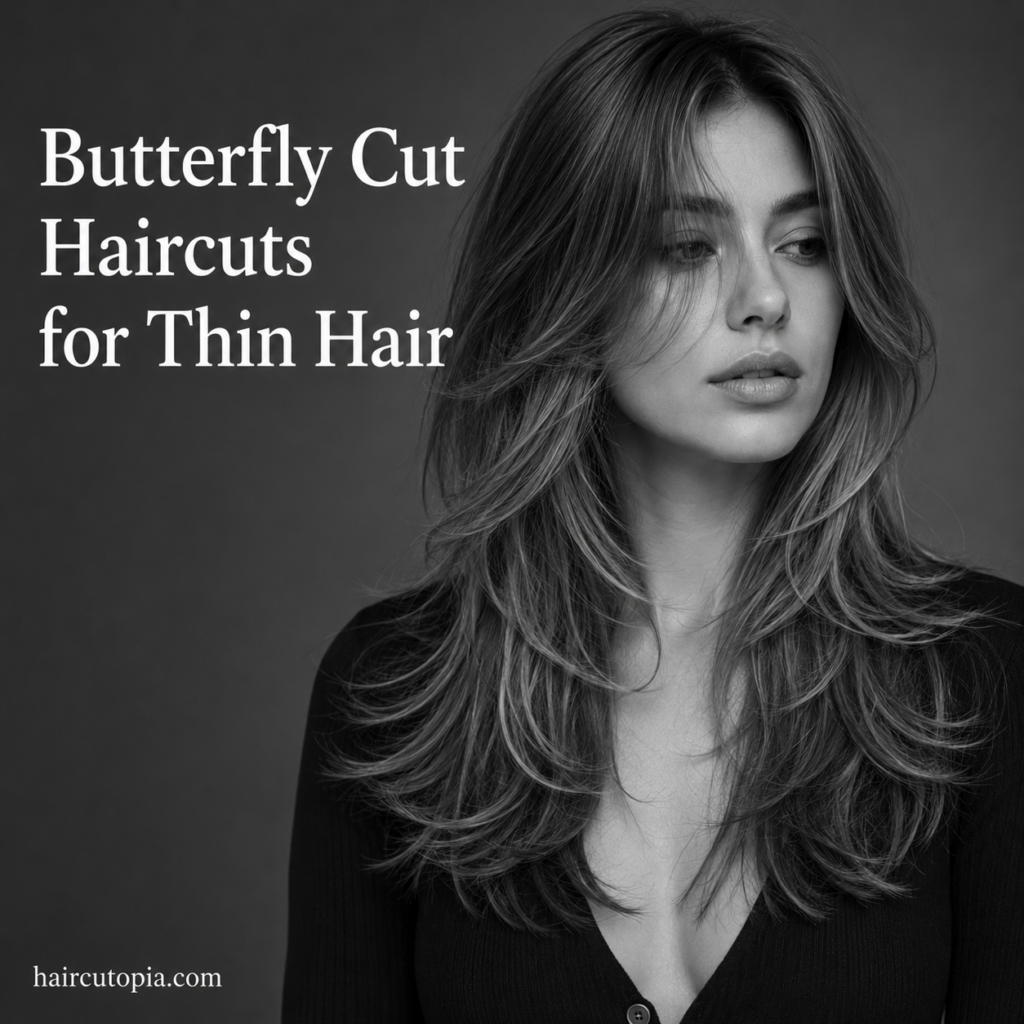 Butterfly Cut Haircuts for Thin Hair: 25 Flattering Styles That Add Volume and Movement
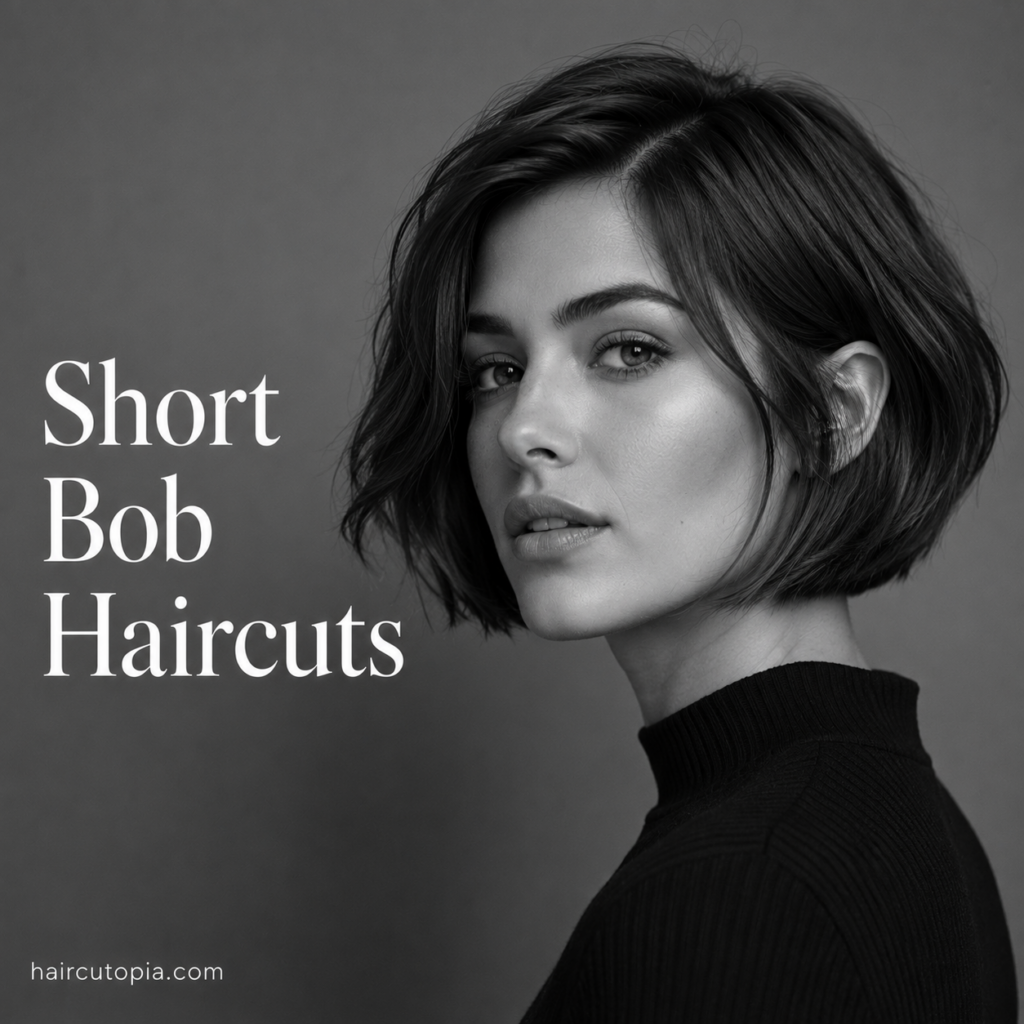 Short Bob Haircuts: 30 Chic Styles That Never Go Out of Fashion
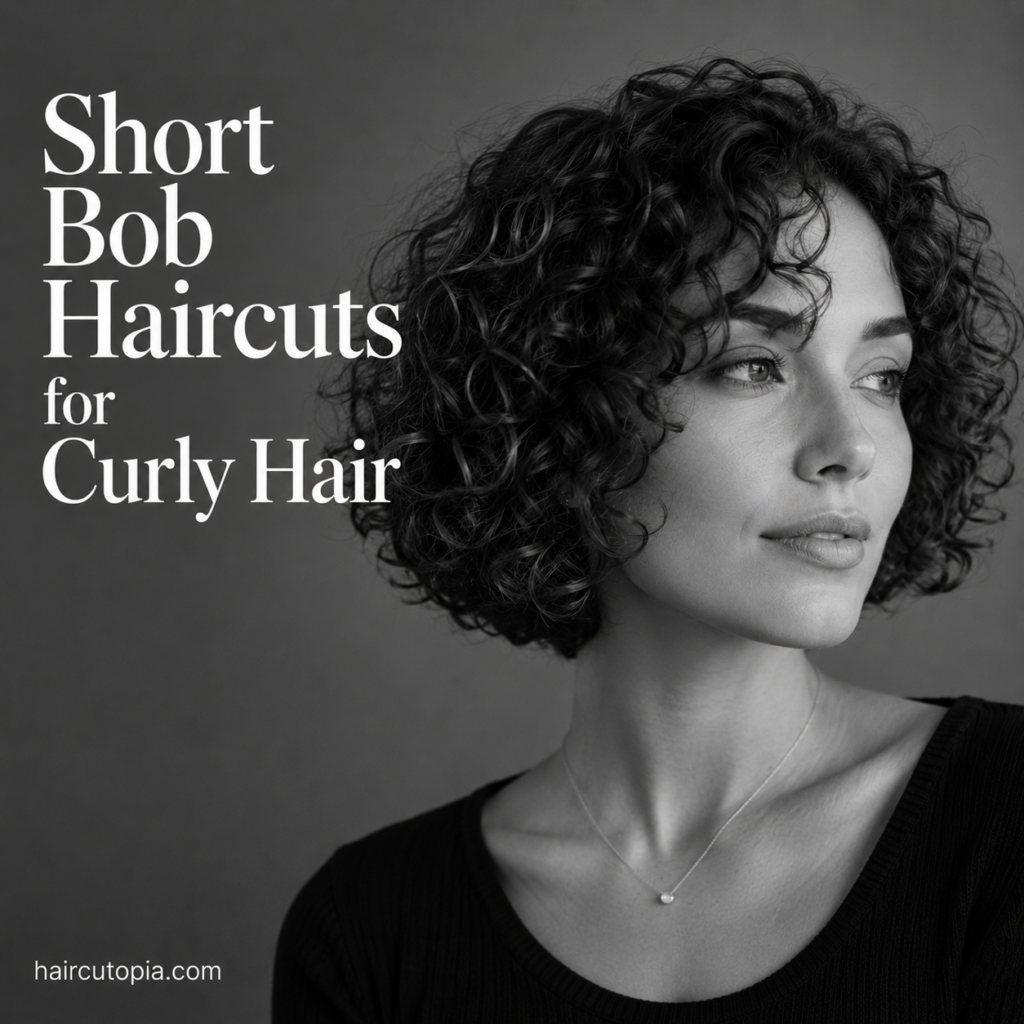 Short Bob Haircuts for Curly Hair: 25 Gorgeous Styles That Celebrate Natural Texture