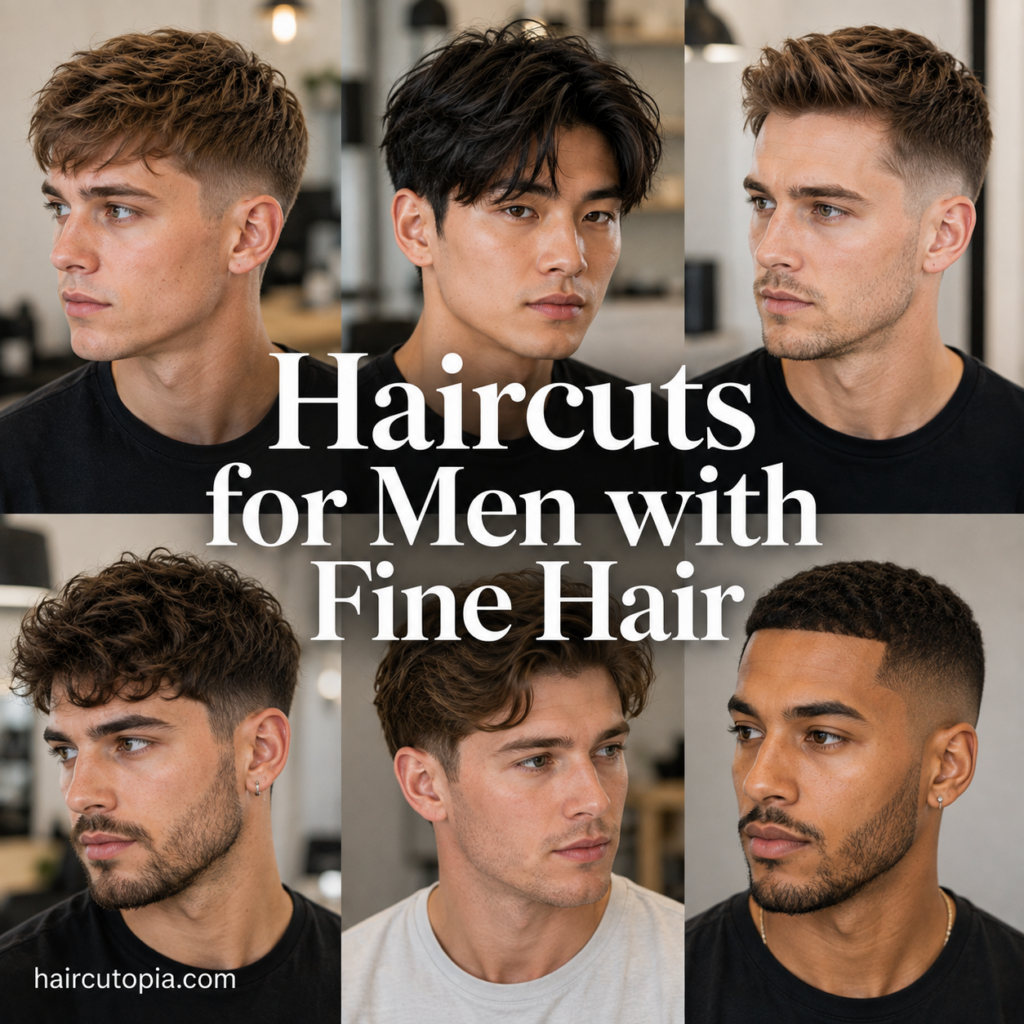
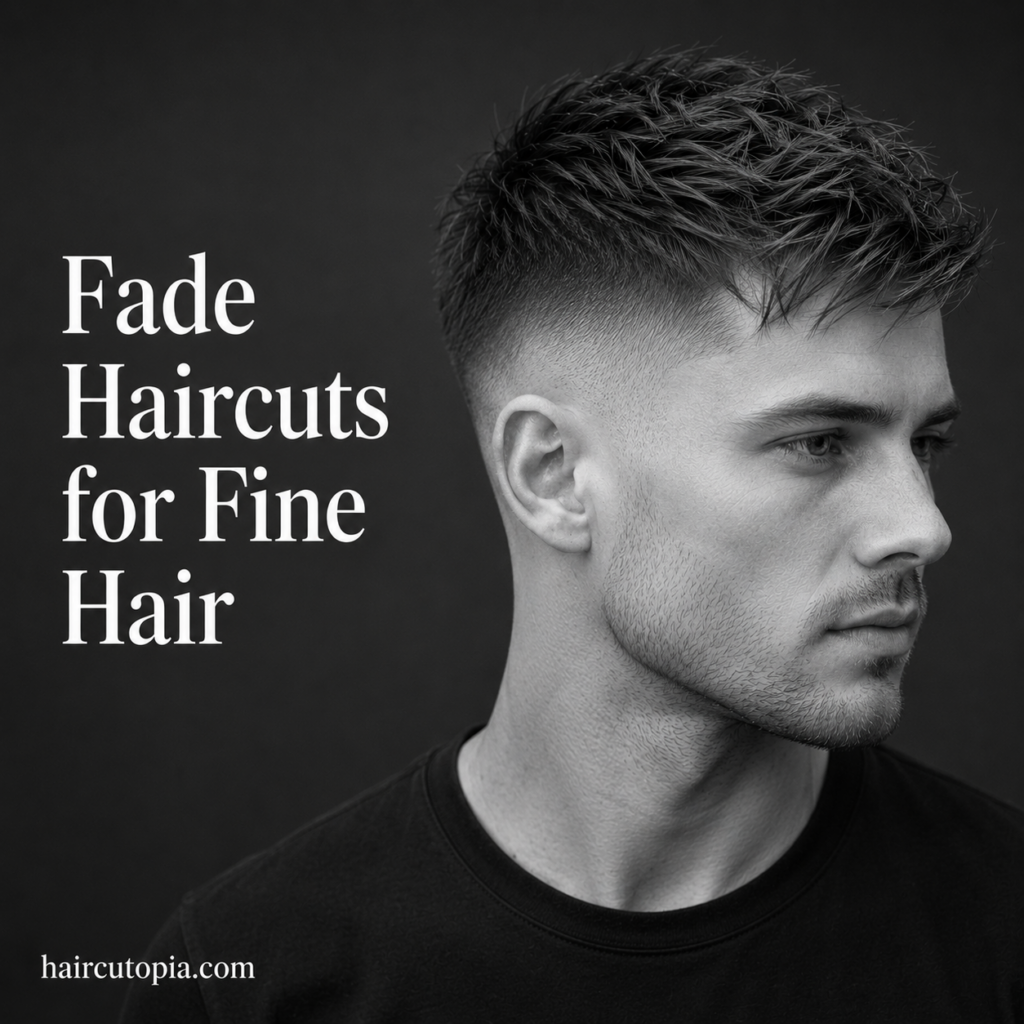
Fine hair often gets confused with thin hair, but they’re not exactly the same thing. Fine hair refers to the thickness of individual strands, not necessarily the amount of hair you have. You can actually have a full head of fine hair and still struggle with styles falling flat or lacking texture.
That’s where the right fade haircut can make a huge difference.
A well-designed fade removes unnecessary weight around the sides while helping the top stand out. Combined with smart styling and texture, it can create the appearance of more volume and movement without fighting your natural hair type.
The good news is fine hair usually responds well to modern cuts because it tends to be lightweight and easy to shape.
This guide covers the best fade haircuts for fine hair, styling tips, and practical ways to make your hairstyle appear fuller and more textured.
Why Fade Haircuts Work Well for Fine Hair
Fine hair can sometimes collapse under its own length. Longer styles often separate or fall flat, especially without texture.
Fade haircuts help solve that by creating cleaner proportions.
Benefits include:
- Makes the top appear more noticeable
- Creates stronger shape and contrast
- Removes excess side weight
- Gives hair a sharper outline
- Helps styles look intentional
- Works with both short and medium lengths
The fade creates visual structure, which fine hair sometimes naturally lacks.
Best Fade Haircuts for Fine Hair
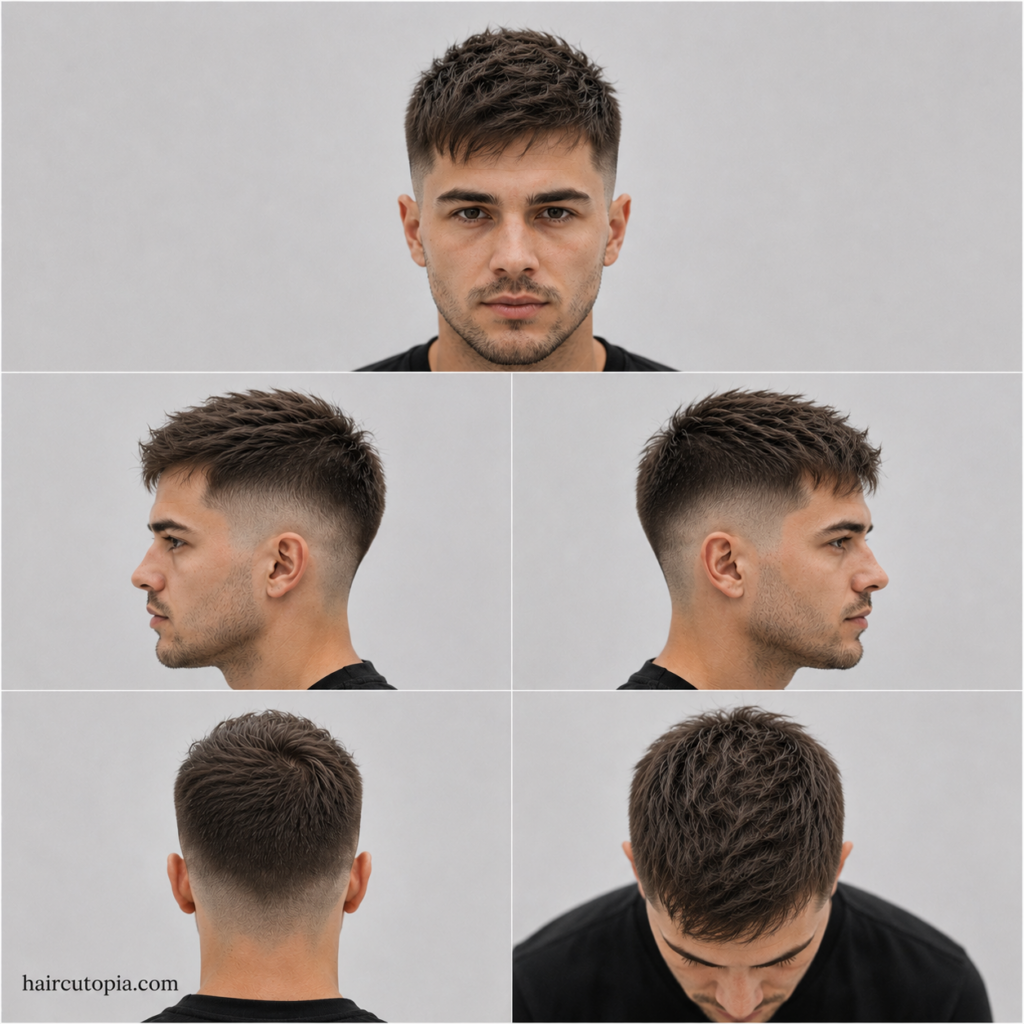
Low Fade with Textured Crop
Textured crops are one of the safest and most effective choices for fine hair.
Short layers create movement and break up flatness.
Pairing that with a low fade creates a clean, subtle look that works almost anywhere.
Why it works:
- Easy to maintain
- Makes fine hair appear fuller
- Minimal styling effort
- Works with most face shapes
This style often looks naturally effortless.
Mid Fade with Messy Texture
Perfectly combed hair sometimes exposes the lightweight nature of fine strands.
Slightly messy texture creates separation and dimension.
The mid fade adds contrast without becoming too aggressive.
To style:
- Apply lightweight texture spray
- Blow dry upward with fingers
- Use matte clay sparingly
- Separate sections naturally
Small amounts of texture often produce the biggest difference.
High Fade with Short Quiff
Fine hair can benefit from added height.
A short quiff creates lift while a high fade removes side distraction.
The contrast makes the top appear thicker and more structured.
Best for:
- Straight fine hair
- Slightly wavy hair
- Modern styles
- Men who like volume
Avoid making the quiff excessively long. Fine hair usually performs better with moderate length.
Skin Fade with Textured Fringe
Fringes work well with fine hair because they bring attention forward rather than upward.
Adding texture creates fullness around the front hairline.
The skin fade sharpens the overall look and adds stronger definition.
Benefits:
- Modern appearance
- Added movement
- Makes hair seem denser
- Frames the face well
This style has become increasingly popular because of its relaxed feel.
Taper Fade with Side Sweep
Not every fade needs dramatic contrast.
Taper fades create softer transitions while maintaining fullness around the temples.
A side-swept top works well because it introduces natural shape and movement.
This style often works well for:
- Professional settings
- Low-maintenance routines
- Mature hairstyles
- Everyday wear
Classic cuts can often be the easiest to live with.
Buzz Cut Fade
Sometimes simplicity wins.
For men who prefer low effort, a faded buzz cut creates a clean appearance without exposing the weaknesses fine hair occasionally creates.
Advantages include:
- Minimal styling
- Sharp lines
- Easy maintenance
- Consistent appearance
Short styles often remove the frustration of managing fine hair altogether.
Styling Tips for Fine Hair
Haircuts matter, but styling usually determines whether fine hair looks flat or full.
Use Matte Products
Shiny products can separate strands and expose scalp areas.
Better options include:
- Matte clay
- Texture powder
- Sea salt spray
- Lightweight paste
Matte finishes create a fuller appearance.
Blow Dry Hair for Extra Lift
Many people underestimate how much volume a blow dryer can create.
Dry hair upward rather than downward.
Use fingers instead of heavy brushes for a more natural result.
Even two minutes can create visible lift.
Apply Less Product Than You Think
Too much product weighs fine hair down quickly.
Start small.
You can always add more later.
Common Mistakes Men With Fine Hair Make
Fine hair responds best when styling remains natural and lightweight.
These common habits can work against you.
Growing Hair Too Long
Long fine hair often loses shape and falls flat.
Medium or shorter lengths usually create better structure.
Using Heavy Pomades
Heavy products compress hair and reduce movement.
This creates the appearance of less volume.
Chasing Extremely Slick Styles
Slick-back styles can sometimes expose scalp areas and flatten fine hair.
Texture generally creates a stronger visual effect.
How Often Should You Get a Fade?
Fade styles grow out quickly and lose their sharp appearance over time.
General maintenance schedule:
- Skin fade: every 2–3 weeks
- High fade: every 3 weeks
- Mid fade: every 3–4 weeks
- Low fade: every 4–5 weeks
- Taper fade: every 4–6 weeks
Keeping your fade fresh helps maintain the overall shape.
Final Thoughts
Fine hair doesn’t need extreme styling tricks or complicated routines. Often, the best approach is choosing a haircut that naturally creates texture and balance.
Fade haircuts work because they simplify the shape of the hairstyle while making the top appear fuller and more noticeable.
Whether you choose a textured crop, messy quiff, taper fade, or buzz fade, the right cut can help fine hair look more structured and easier to manage every day.