Thin hair comes with a unique challenge. While it can look clean and easy to manage, it sometimes lacks the natural fullness and density that many hairstyles rely on. Certain cuts can make sparse areas more noticeable, while others create the illusion of thicker, fuller hair.
That’s where fade haircuts become useful.
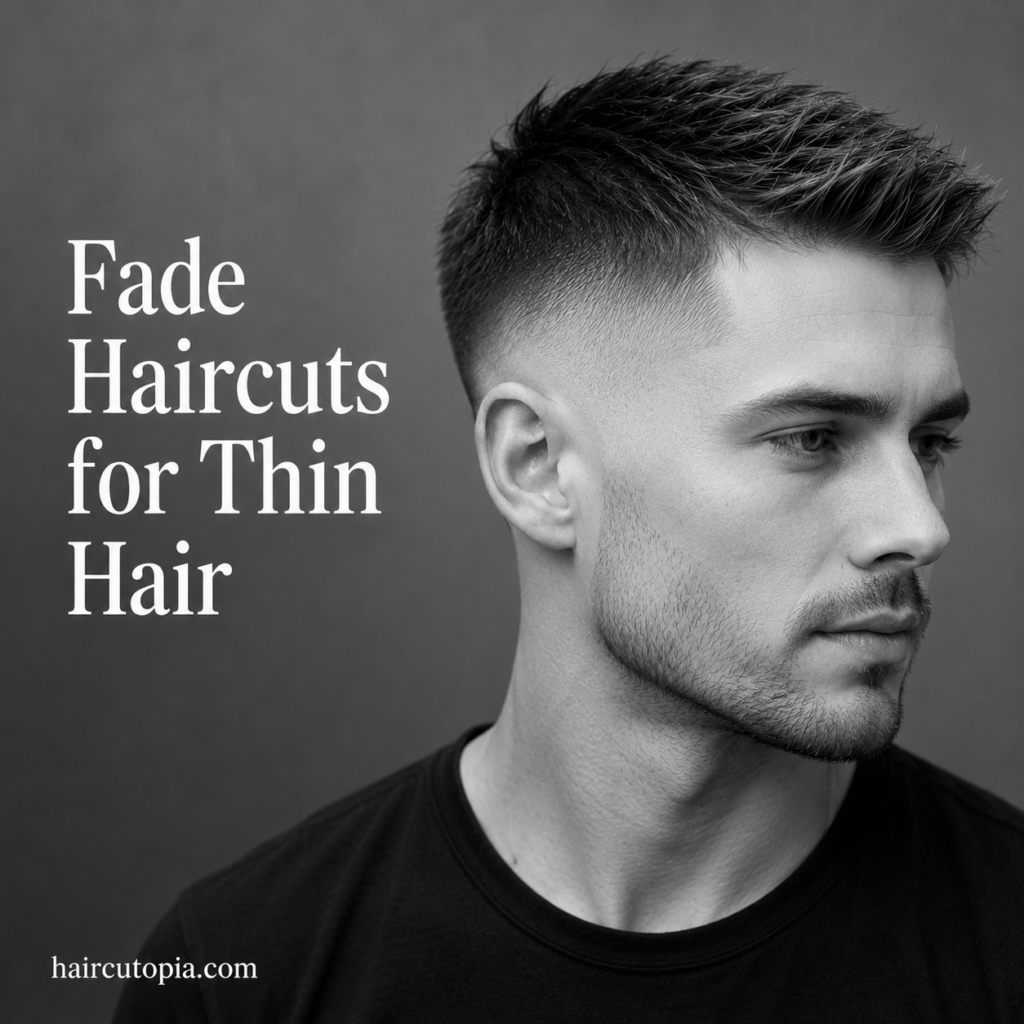
A good fade can create contrast, remove unnecessary weight, and direct attention exactly where you want it. When paired with the right style on top, a fade haircut can make thin hair appear fuller and more structured.
The goal isn’t to hide thin hair. It’s to work with it strategically.
This guide covers the best fade haircuts for thin hair, styling tips, and common mistakes to avoid.
Why Fade Haircuts Work for Thin Hair
Many people assume fades only work for thick hair because of the contrast between the sides and top. In reality, thin hair often benefits even more.
Fade haircuts help by:
- Creating cleaner proportions
- Drawing attention upward
- Making the top appear fuller
- Removing distracting side bulk
- Defining the overall shape
- Giving hair a sharper appearance
When done correctly, a fade can create visual density where thin hair naturally lacks it.
Best Fade Haircuts for Thin Hair
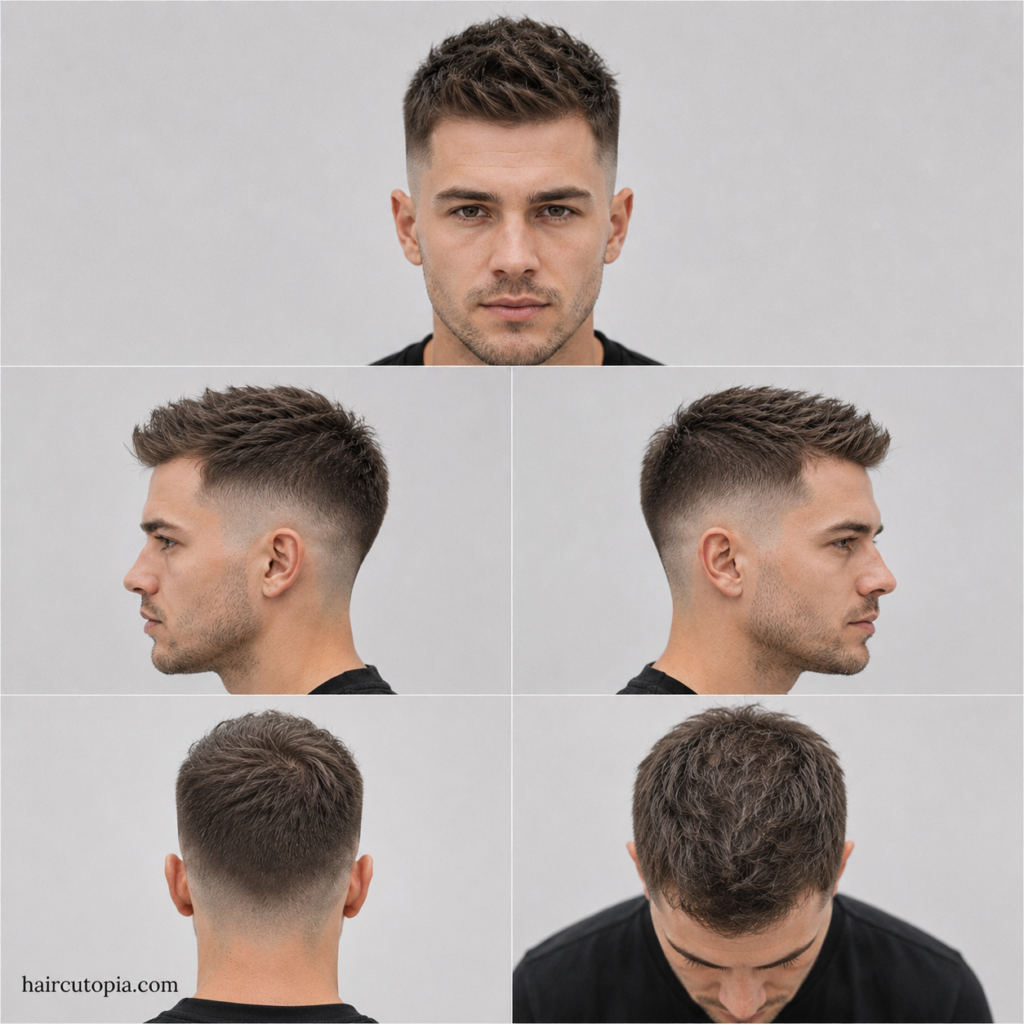
Low Fade with Textured Crop
A textured crop is one of the easiest ways to make thin hair appear thicker.
The texture breaks up flatness and creates movement, which naturally gives the illusion of more density.
Adding a low fade keeps the style subtle and clean without exposing too much scalp.
Why it works:
- Minimal styling
- Makes hair look fuller
- Soft transition
- Professional appearance
This is often one of the safest choices if you’re unsure where to start.
Mid Fade with Short Messy Top
Thin hair can sometimes lie flat against the scalp.
A slightly messy style with controlled texture adds lift and avoids a limp appearance.
Pairing it with a mid fade creates balance and directs attention toward the top.
Quick styling routine:
- Apply lightweight volumizing spray
- Blow dry upward
- Use matte clay sparingly
- Finish with fingers instead of a comb
Simple adjustments like this can dramatically change the final look.
Skin Fade with Short Quiff
Quiffs naturally create height, and height often makes hair look thicker.
Combining a short quiff with a skin fade creates stronger contrast between the top and sides.
Because the sides taper very closely, the eye notices volume on top more easily.
Best for:
- Straight thin hair
- Slightly wavy hair
- Oval face shapes
- Men who like modern styles
Keep the top shorter rather than extremely long. Too much length can flatten thin hair.
Low Taper Fade with Side Part
A side part can make thin hair look organized and intentionally styled.
Instead of forcing volume, it works by creating structure.
The taper fade keeps the sides neat without creating overly dramatic contrast.
This style works particularly well for:
- Office settings
- Professional environments
- Mature hairstyles
- Men wanting low maintenance
Classic styles often work surprisingly well with thinner hair.
High Fade with Textured Top
Some men prefer stronger contrast.
A high fade removes much of the side hair, making whatever volume remains on top appear more noticeable.
Texture is the key here.
Instead of combing hair flat:
- Push hair upward
- Separate strands naturally
- Avoid slick styles
Movement creates the appearance of density.
Buzz Cut with Fade
If your hair is becoming noticeably thinner, shorter styles can sometimes look stronger than longer styles.
A faded buzz cut creates a clean shape and removes unevenness.
Benefits include:
- Extremely low maintenance
- Sharp appearance
- Less focus on thinning spots
- Easy upkeep
This cut often surprises people because simple styles can sometimes be the most effective.
Styling Tips That Make Thin Hair Look Fuller
Haircuts help, but styling plays a major role too.
Small changes often make a bigger difference than people expect.
Use Matte Products Instead of Shiny Ones
Shiny products separate hair strands and can expose more scalp.
Better choices include:
- Matte clay
- Texture paste
- Sea salt spray
- Volumizing powder
Matte products create thickness and reduce scalp visibility.
Blow Dry for Added Lift
Many people skip blow drying, but thin hair benefits from it more than thick hair does.
Use low heat and direct hair upward rather than flat.
Even a few minutes can create noticeably more volume.
Avoid Heavy Product Buildup
Too much product weighs thin hair down.
Start with small amounts and gradually add more if needed.
Less often looks better.
Common Mistakes Men With Thin Hair Make
Thin hair usually looks best when it appears effortless.
These mistakes can create the opposite effect.
Growing Hair Too Long
Long thin hair often separates and exposes more scalp.
Medium-to-short lengths usually create better results.
Using Strong Hold Gel
Heavy gels flatten hair and create clumping.
This often makes thinning more obvious.
Keeping Sides Too Full
Bulky sides can make the top appear thinner by comparison.
Fades help solve this by creating cleaner balance.
How Often Should You Maintain a Fade?
Fade haircuts lose shape relatively quickly.
Suggested maintenance schedule:
- Skin fade: every 2–3 weeks
- Mid fade: every 3–4 weeks
- Low fade: every 4–5 weeks
- Taper fade: every 4–6 weeks
Regular maintenance keeps the style intentional rather than overgrown.
Final Thoughts
Thin hair doesn’t limit your haircut options nearly as much as people think. In fact, the right fade haircut can create structure, texture, and the appearance of fuller hair with surprisingly little effort.
Styles like textured crops, short quiffs, taper fades, and faded buzz cuts all work because they emphasize shape and proportion rather than relying on heavy volume.
A haircut won’t completely change your hair type, but the right one can absolutely change how your hair looks.