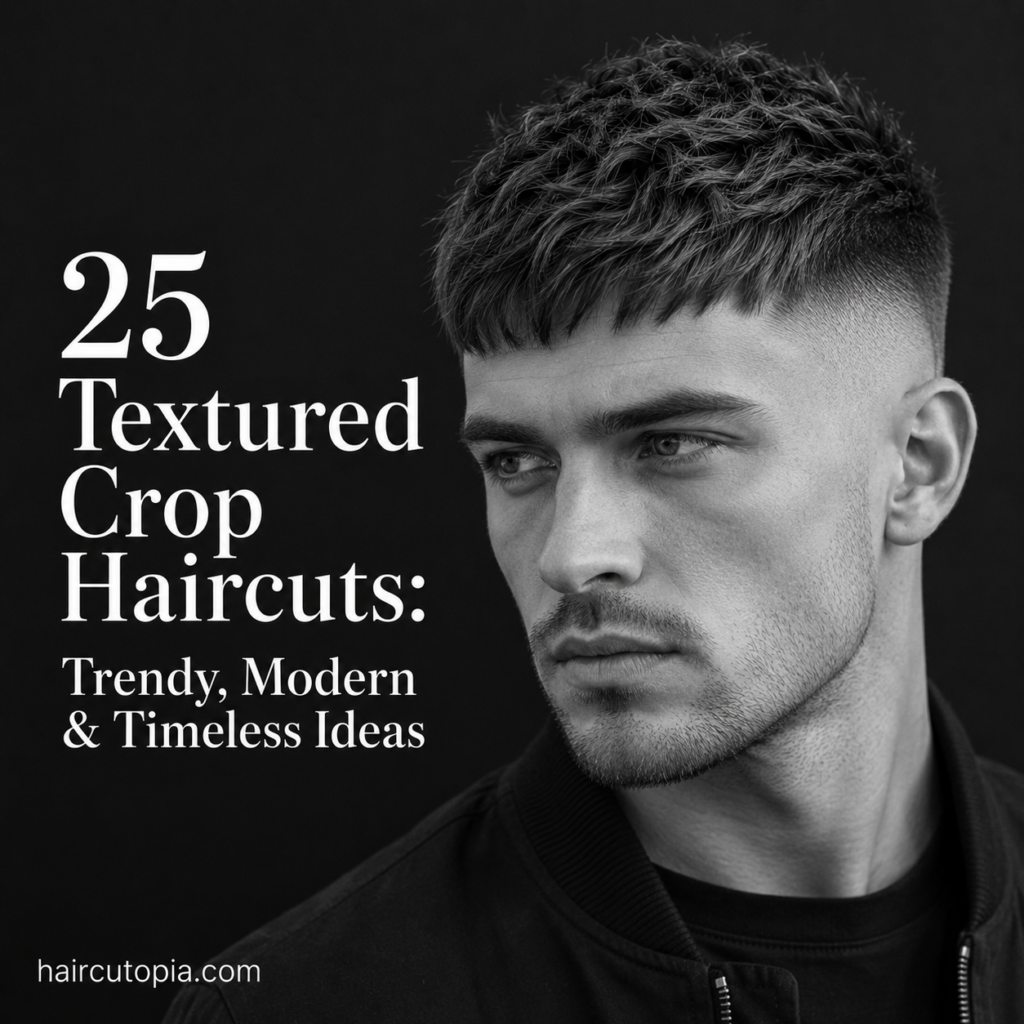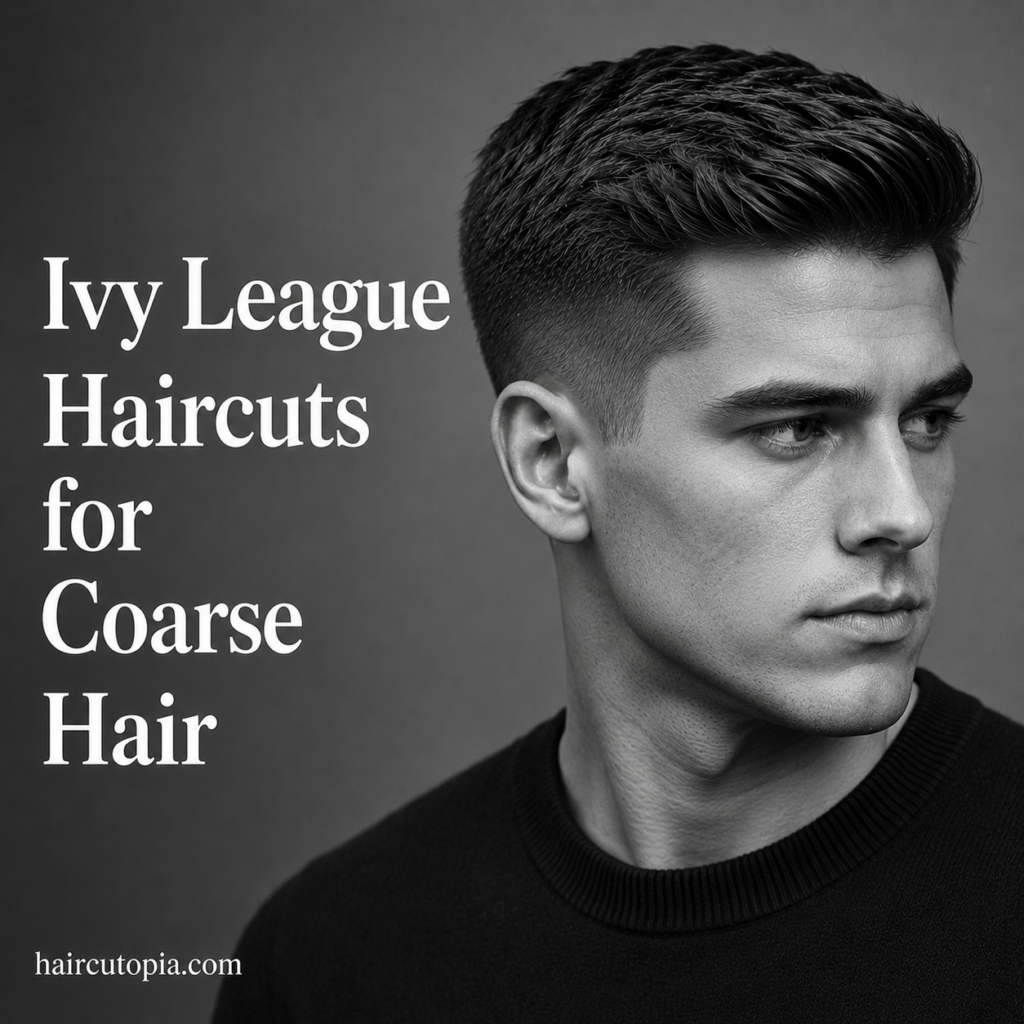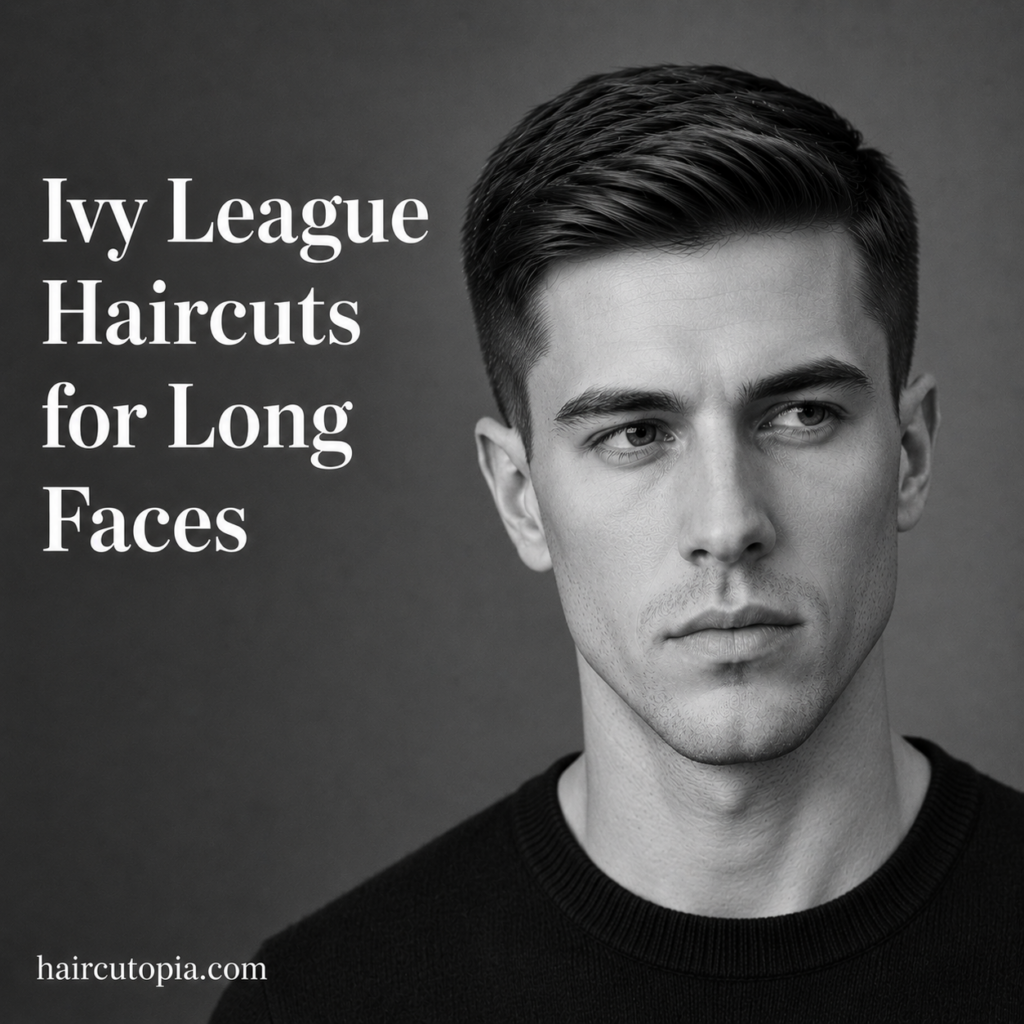
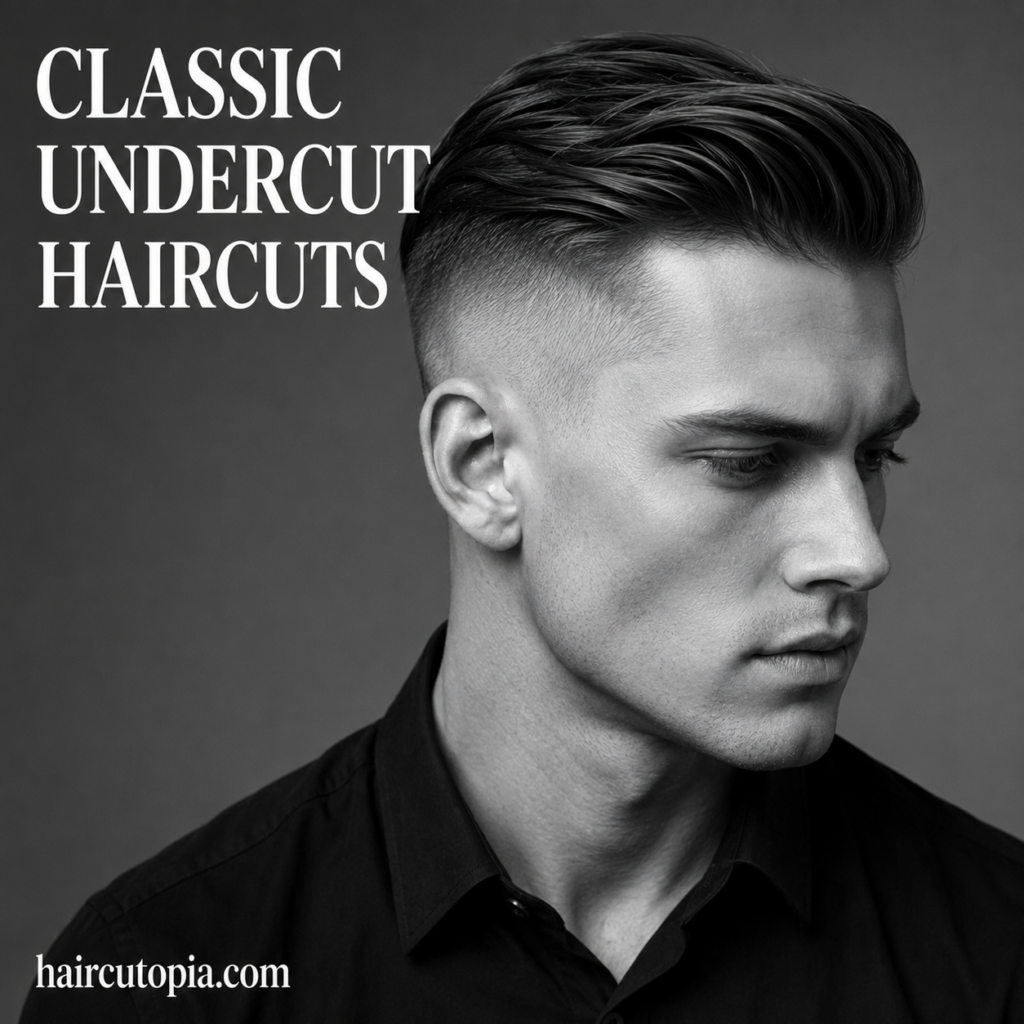
The classic undercut is one of those rare haircuts that has managed to stay relevant for decades. While trends come and go, this style continues to hold its place as a favorite among men who appreciate clean lines, versatility, and a sharp appearance.
Originally popularized in the early 20th century, the undercut has evolved through different eras while maintaining its defining feature: short sides paired with longer hair on top. Today, the classic undercut blends old-school sophistication with modern styling techniques, making it suitable for everything from professional workplaces to casual weekends.
If you’re looking for a haircut that feels polished, masculine, and adaptable, the classic undercut deserves serious consideration.
What Is a Classic Undercut?
A classic undercut features closely trimmed or clipped sides and back while leaving noticeable length on top. Unlike heavily faded modern variations, traditional undercuts often maintain a clear separation between the top and sides.
The result is a haircut that creates contrast without appearing overly dramatic.
Key characteristics include:
- Longer hair on top
- Neatly clipped sides
- Defined structure
- Clean outlines
- Versatile styling options
The simplicity of the cut is a major reason for its lasting popularity.
Why the Classic Undercut Remains Popular
Many hairstyles become tied to a specific era. The classic undercut, however, continues to adapt without losing its identity.
Men often choose this haircut because it offers:
- A timeless appearance
- Easy customization
- Professional versatility
- Strong facial framing
- Compatibility with most hair types
Whether styled conservatively or with more volume and texture, the haircut retains its clean, structured foundation.
The History of the Classic Undercut
The undercut has roots that stretch back more than a century.
During the early 1900s, working-class men often wore undercuts because the style was practical and easy to maintain. Over time, it gained popularity across different social groups and eventually became associated with military-inspired grooming and classic gentleman’s fashion.
The style experienced major revivals throughout the:
- 1920s
- 1940s
- 1980s
- 2010s
Each generation added its own twist while preserving the haircut’s recognizable silhouette.
Best Face Shapes for Classic Undercuts
One reason the undercut has endured is its ability to suit many face shapes.
Oval Faces
Oval face shapes naturally complement the balanced proportions of an undercut.
Most variations work exceptionally well because the haircut doesn’t disrupt facial symmetry.
Square Faces
Men with strong jawlines often benefit from the structured appearance of a classic undercut.
The haircut emphasizes masculine features while maintaining a clean profile.
Round Faces
Additional height on top can help create a longer visual appearance, making the face seem more balanced.
Heart-Shaped Faces
A moderate amount of volume on top can help balance wider foreheads while maintaining proportion throughout the hairstyle.
Popular Classic Undercut Variations
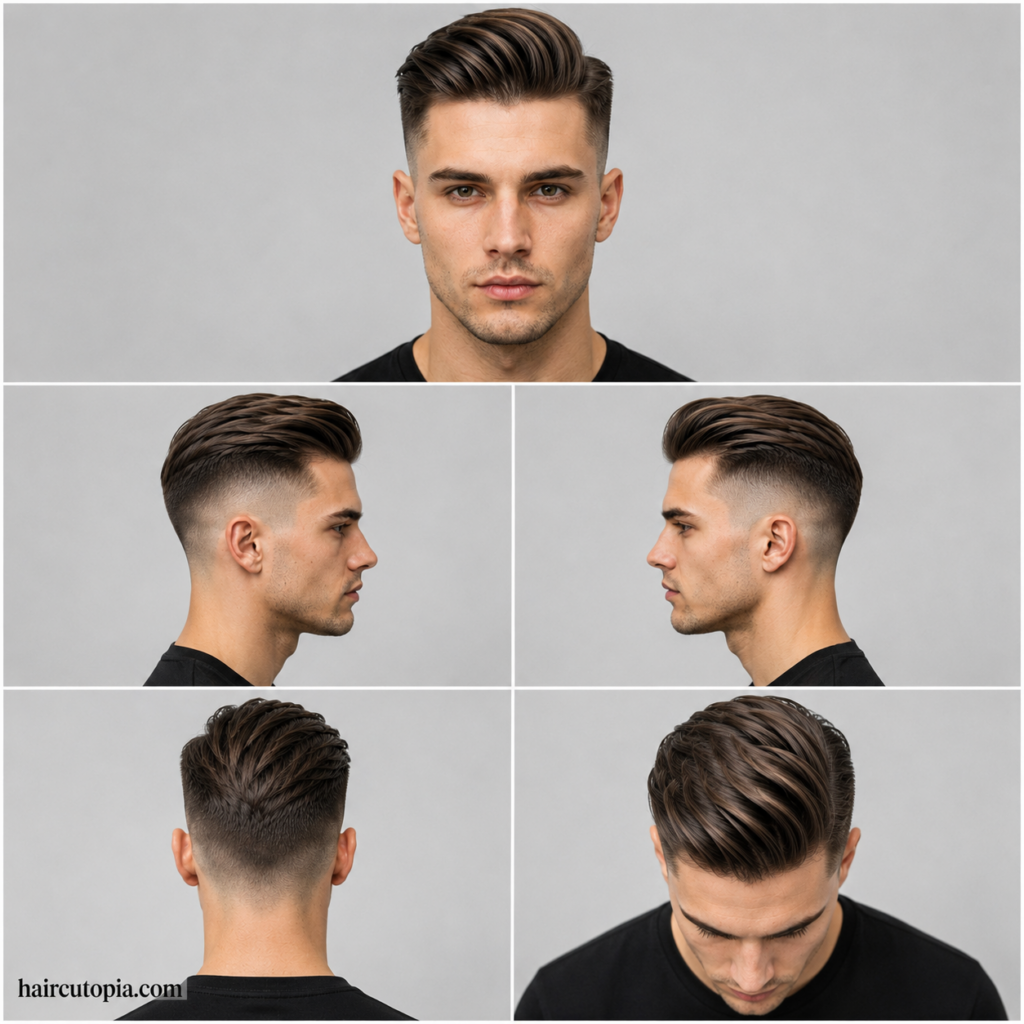
While the foundation remains consistent, there are several ways to wear a classic undercut.
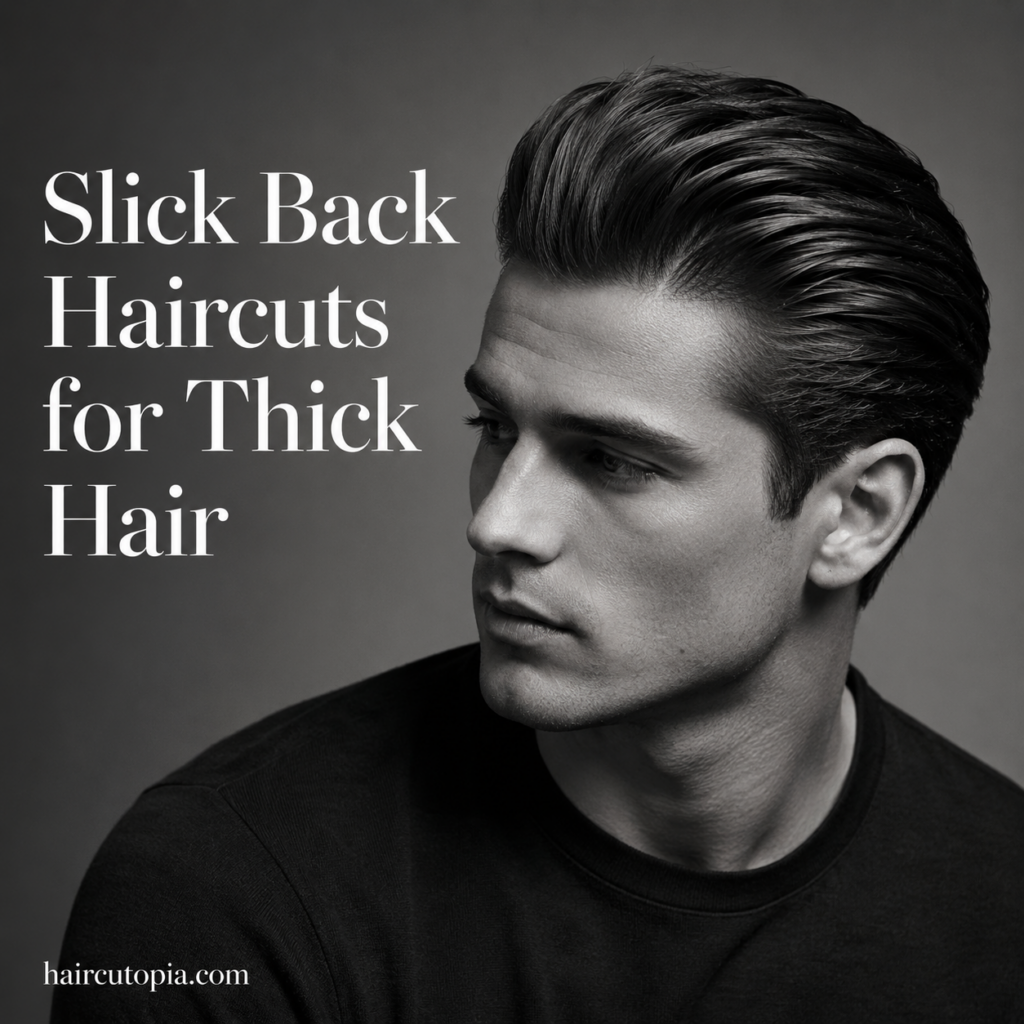
Slick Back Undercut
The slick back is perhaps the most iconic version of the style.
Hair is combed straight back using a pomade or styling cream, creating a refined appearance that works particularly well in professional environments.
Benefits include:
- Timeless appeal
- Clean presentation
- Easy maintenance
Side Part Undercut
A side part introduces an element of traditional barbering that pairs perfectly with the undercut’s structure.
This style is often favored by:
- Business professionals
- Mature men
- Those seeking a polished look
Textured Undercut
For a more contemporary approach, texture can be added throughout the top.
This variation feels relaxed while still maintaining the clean shape that defines an undercut.
Pompadour Undercut
The pompadour version increases volume and height, creating a more dramatic silhouette.
This style works especially well for men with thick hair and strong facial features.
Classic Comb Over Undercut
Modern comb overs have evolved far beyond their outdated reputation.
When paired with a clean undercut, they create a sophisticated style that remains highly versatile.
Choosing the Right Undercut for Your Hair Type
Straight Hair
Straight hair naturally showcases the structure of an undercut.
Popular choices include:
- Slick backs
- Side parts
- Pompadours
- Comb overs
Thick Hair
Thick hair provides excellent volume and density for undercut styles.
The shorter sides help remove bulk while allowing the top to remain full and manageable.
Wavy Hair
Natural waves add movement and texture, making the haircut appear more dynamic without requiring excessive styling.
Curly Hair
Curly hair creates a unique contrast between the clean sides and textured top.
Many modern barbers embrace natural curls rather than trying to straighten them.
How to Ask Your Barber for a Classic Undercut
The term “undercut” can mean different things depending on the barber and the client.
When discussing your haircut, be specific about:
- Desired side length
- Top length preference
- Styling goals
- Whether you want a disconnected look
- How much daily maintenance you’re comfortable with
Reference photos are often the best way to communicate your vision.
Styling a Classic Undercut
One of the biggest advantages of a classic undercut is its flexibility.
For a Traditional Finish
Use:
- Medium-hold pomade
- Styling cream
- Grooming tonic
Comb the hair neatly into place for a polished appearance.
For a Natural Look
Use:
- Matte clay
- Texture paste
- Lightweight cream
These products provide movement without excessive shine.
For Extra Volume
Blow-dry the hair while lifting at the roots.
Follow with a volumizing product to maintain height throughout the day.
Maintaining a Classic Undercut
The clean appearance of an undercut depends on regular maintenance.
Most men schedule barber appointments every:
- 2 to 3 weeks for sharper sides
- 3 to 4 weeks for balanced upkeep
- 4 to 6 weeks for longer top styles
At home, proper grooming habits help preserve the haircut’s shape and overall appearance.
Maintenance essentials include:
- Regular shampooing
- Conditioner for longer top hair
- Quality styling products
- Daily combing or brushing
Common Mistakes to Avoid
Letting the Sides Grow Too Long
The contrast between the top and sides is what gives the undercut its identity.
Overusing Product
Too much pomade or wax can make hair look greasy and weighed down.
Ignoring Face Shape
Different variations suit different facial structures. Choosing the right version helps maximize the haircut’s impact.
Neglecting the Top
Even though the sides receive most of the attention, the longer top requires proper styling and care.
Is a Classic Undercut Right for You?
The classic undercut remains one of the most dependable men’s haircuts available. It balances tradition and modern style, offering a look that feels both refined and current.
Whether you prefer a slick back, side part, pompadour, or textured finish, the undercut provides a strong foundation that can adapt to your personal style.
For men seeking a haircut that delivers versatility, structure, and timeless appeal, the classic undercut continues to stand the test of time.