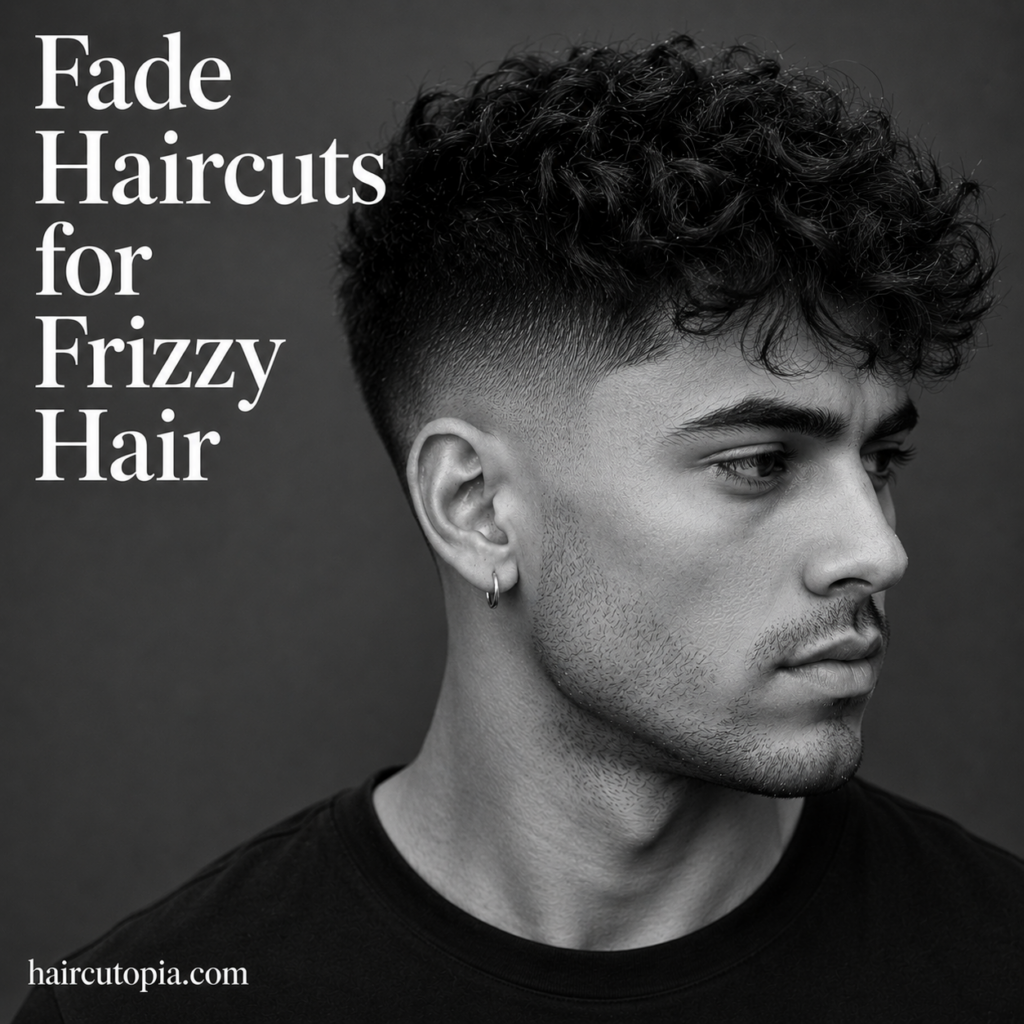
Frizzy hair can be frustrating.
Some days it cooperates. Other days it seems to have its own plans. Humidity shows up, a little moisture gets in the air, and suddenly your hair has doubled in size.
But frizz itself isn’t the problem.
In many cases, frizzy hair simply means your hair has texture, volume, and movement. The challenge is finding a haircut that works with those characteristics instead of constantly trying to suppress them.
That’s where fade haircuts can help.
A fade removes unnecessary bulk around the sides, creates cleaner structure, and allows natural texture on top to look more intentional. The right fade haircut can make frizzy hair easier to manage while still keeping the fullness and personality that make it unique.
If your hair tends to puff up, expand, or develop unpredictable texture, these styles are worth a look.
Why Fade Haircuts Work Well for Frizzy Hair
Frizz often creates extra volume around the sides and crown.
Without shape, hair can sometimes appear uneven or oversized.
Fade haircuts help solve that by:
- Removing side bulk
- Creating cleaner edges
- Making texture appear intentional
- Improving overall balance
- Reducing styling effort
Instead of fighting your natural texture, a fade redirects attention toward shape and structure.
Best Fade Haircuts for Frizzy Hair
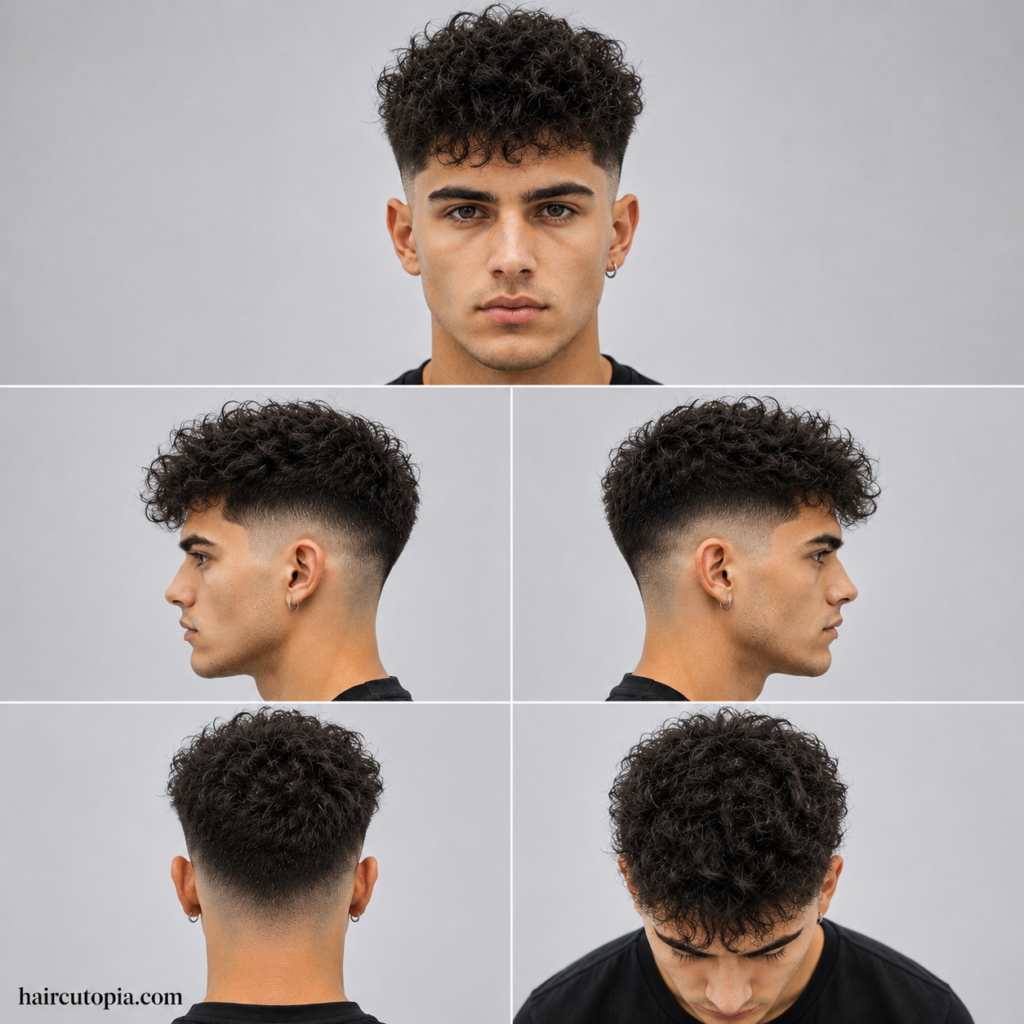
Low Fade with Natural Texture
A low fade creates cleanup around the ears and neckline while maintaining more fullness overall.
This is often one of the safest choices for frizzy hair because it doesn’t create extreme contrast.
Benefits include:
- Softer transitions
- More natural appearance
- Easy grow-out
- Works with medium-length tops
It gives the haircut shape without feeling overly aggressive.
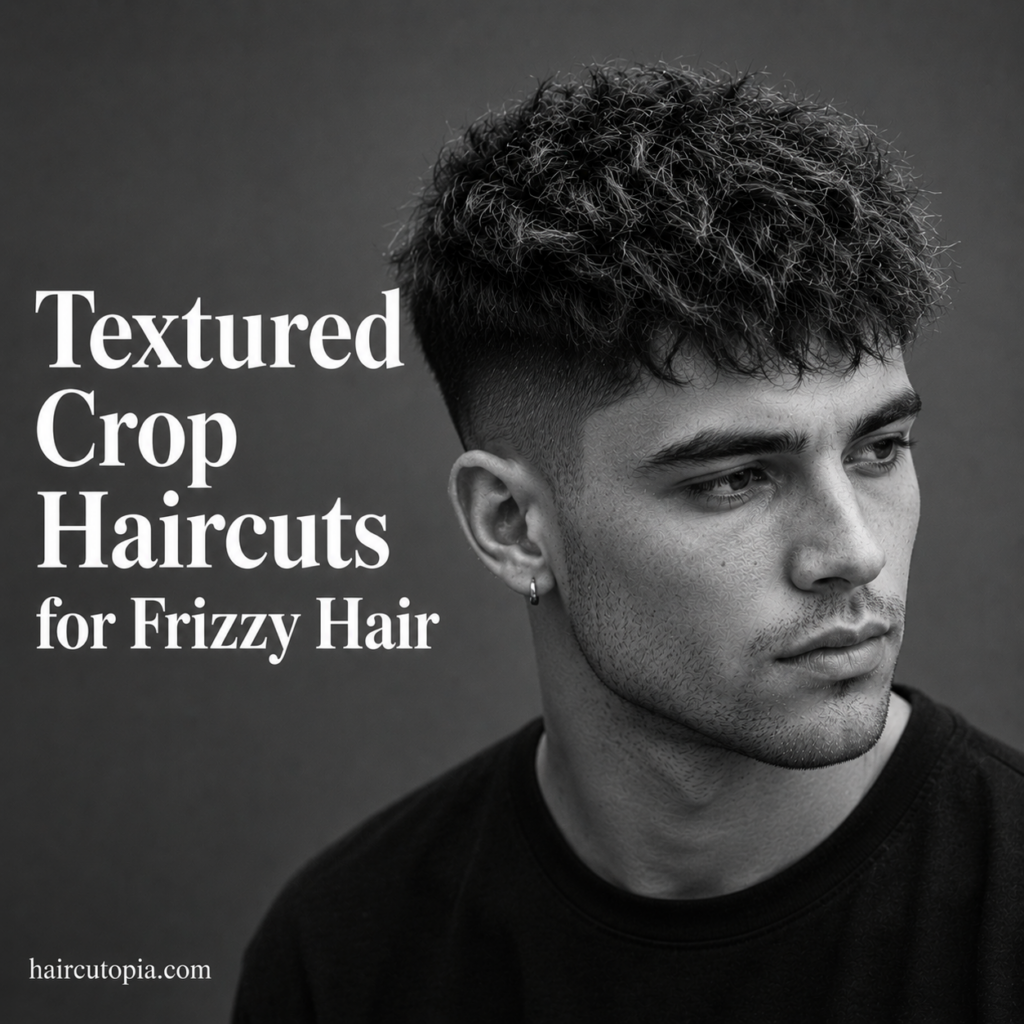
Mid Fade with Textured Crop
The textured crop and frizzy hair often work surprisingly well together.
Rather than forcing hair into a polished look, this style embraces movement.
Adding a mid fade creates:
- Cleaner sides
- Better structure
- Reduced bulk
- Easier styling
Sometimes working with texture creates better results than trying to eliminate it.
High Fade with Volume on Top
If your hair expands heavily around the sides, a high fade removes more weight.
This creates stronger contrast and helps direct attention upward.
Best suited for:
- Thick frizzy hair
- Heavy volume
- Medium-length tops
- Bolder styles
Reducing side volume often creates a cleaner overall silhouette.
Skin Fade with Messy Texture
Perfectly neat styling and frizzy hair don’t always mix.
A skin fade paired with controlled texture often looks more natural.
This style works because:
- The fade creates sharp contrast
- Texture adds personality
- Frizz appears intentional
- Maintenance stays fairly simple
A slightly messy finish can often look more modern than overly polished hair.
Drop Fade with Frizzy Hair
Drop fades curve downward behind the ears rather than staying level.
That small detail creates smoother shape and can help bulky hair appear more balanced.
Many people choose this style because:
- It creates natural flow
- Reduces boxiness
- Looks customized
- Softens side shape
For fuller textures, curved fades often work very well.
Taper Fade with Medium-Length Hair
Not everyone wants dramatic contrast.
A taper fade creates cleanup around:
- Sideburns
- Neckline
- Ear area
It keeps more natural fullness while still looking maintained.
This option also tends to grow out very well.
Burst Fade with Textured Top
The burst fade curves around the ears while leaving more length elsewhere.
Frizzy hair naturally adds movement and personality to this cut.
Reasons people like it:
- Modern appearance
- Trend-driven style
- Strong shape
- Works with thicker texture
It’s a style that embraces volume instead of trying to hide it.
Choosing the Right Fade Based on Frizz Level
Not all frizzy hair behaves the same.
The amount of texture and expansion can affect which fade works best.
Mild Frizz
If your hair only becomes frizzy occasionally:
- Low fades work well
- Mid fades create balance
- Taper fades preserve fullness
You usually won’t need aggressive bulk removal.
Heavy Frizz and Thick Texture
Hair with stronger volume often benefits from:
- High fades
- Skin fades
- Drop fades
Removing side bulk creates easier control.
How to Style Frizzy Hair with a Fade
Styling matters almost as much as the haircut itself.
The goal isn’t eliminating texture completely.
It’s controlling it.
Step 1: Avoid rough towel drying
Aggressive towel drying can increase frizz.
Instead:
- Pat hair gently
- Use microfiber towels if possible
- Leave slight moisture
Small habits make a difference.
Step 2: Use moisture-friendly products
Helpful styling products include:
- Curl cream
- Leave-in conditioner
- Texture cream
- Sea salt spray
- Lightweight styling paste
Dry hair often creates more frizz.
Hydration usually helps.
Step 3: Limit heat damage
If blow drying:
- Use medium heat
- Use a diffuser attachment if possible
- Keep airflow moving
- Avoid excessive heat exposure
High heat can increase frizz over time.
Step 4: Don’t force perfection
One common mistake is trying to make textured hair completely flat.
A little movement usually looks better than overly stiff styling.
Common Mistakes to Avoid
Cutting the top too short
Hair often needs enough length to settle naturally.
Very short frizzy hair can sometimes stick upward unpredictably.
Using heavy greasy products
Heavy products may create buildup without actually controlling texture.
Ignoring moisture
Dry hair often equals more frizz.
Hydration plays a bigger role than many people realize.
Waiting too long for maintenance
Fade haircuts generally look cleaner with touch-ups every:
- Skin fade: every 2–3 weeks
- Mid fade: every 3–4 weeks
- Taper fade: every 4–6 weeks
Barber Tips Before Your Appointment
Talking specifically about frizz can help avoid problems.
Useful requests include:
- Remove side bulk
- Leave texture on top
- Avoid over-thinning
- Blend carefully
- Keep natural movement
Photos can also help explain the look you want.
Final Thoughts
Frizzy hair doesn’t need to be completely controlled.
It just needs direction.
The right fade haircut creates structure while allowing texture to stay part of the style. Whether you choose a low fade, drop fade, or skin fade, the goal isn’t eliminating volume.
It’s making volume work for you.
Once shape and balance improve, frizzy hair usually becomes much easier to manage—and much easier to like.