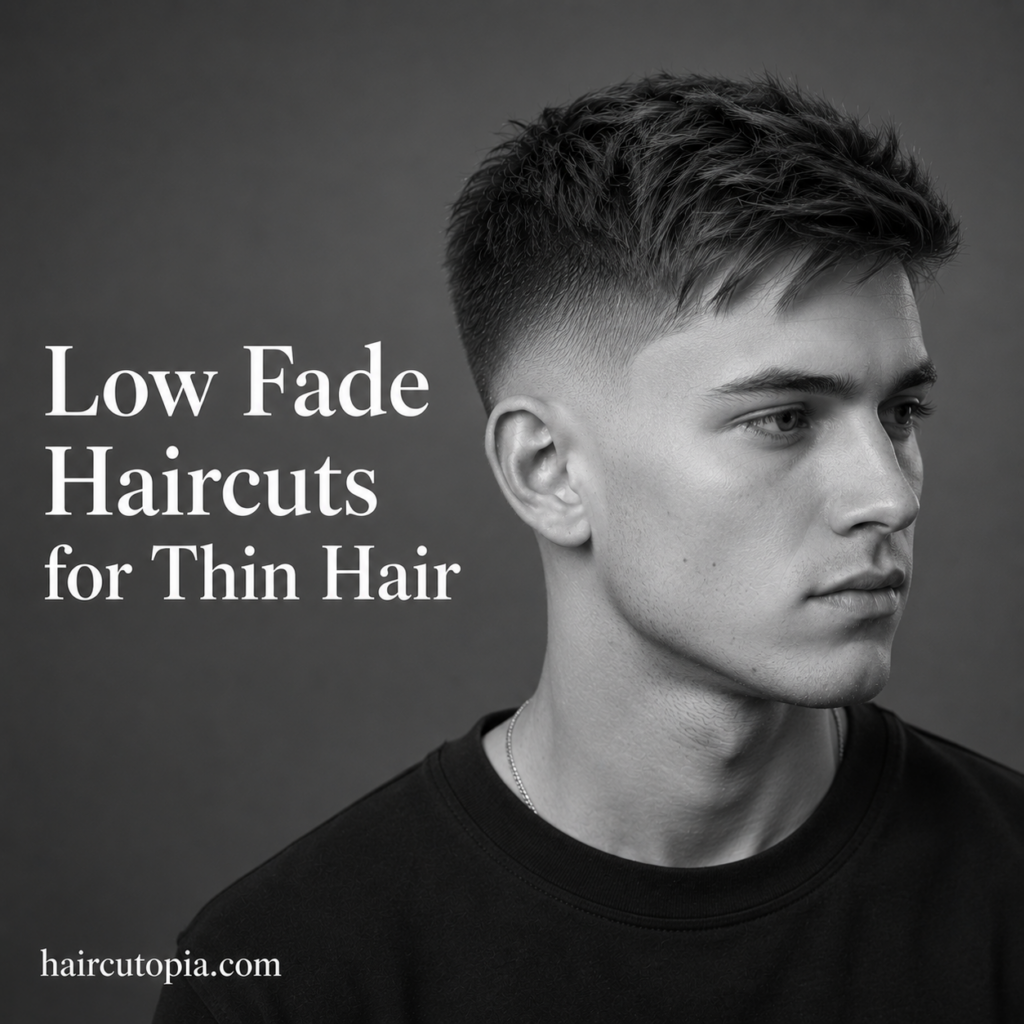
Fine hair has a reputation for being difficult to style, but the reality is a little different. Fine hair doesn’t necessarily mean you have less hair—it simply means each strand is thinner in diameter. That can create challenges with volume, shape, and texture, especially if the wrong haircut removes too much weight or leaves hair looking flat.
This is where a low fade can make a big difference.
A low fade cleans up the sides and neckline without creating harsh contrast. Instead of exposing too much scalp or making the top appear sparse, it creates subtle structure and helps fine hair look more balanced.
When paired with the right hairstyle, a low fade can give fine hair a fuller, cleaner, and more modern appearance.
If you’re looking for ideas before your next barber visit, these low fade haircuts deserve a closer look.
Why Low Fades Work for Fine Hair
Some haircut styles unintentionally make fine hair look thinner.
Low fades work differently because they keep the transition softer and maintain visual balance.
Benefits include:
- Creates the appearance of more fullness
- Adds structure without removing too much hair
- Keeps sides neat and controlled
- Works with straight, wavy, and lightly textured hair
- Grows out naturally
Low fades also provide versatility because they work in casual settings and professional environments alike.
Best Low Fade Haircuts for Fine Hair
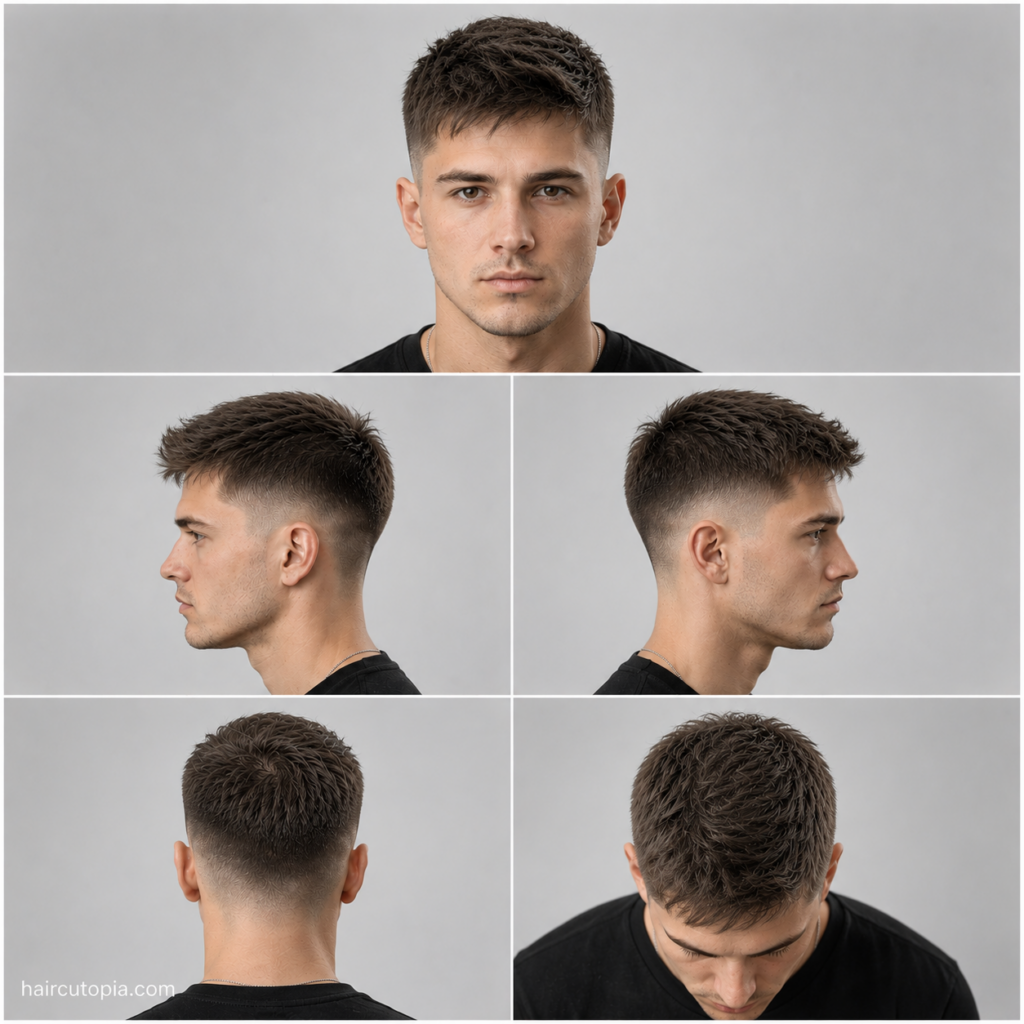
Textured Crop with Low Fade
Texture is one of the easiest ways to help fine hair appear fuller.
Instead of laying flat, textured layers create movement and separation.
Why it works:
- Adds dimension
- Creates natural volume
- Requires minimal styling
- Gives hair a thicker appearance
A matte texture paste often works better than shiny products.
Side Part with Low Fade
Classic styles stay popular for a reason.
A side part creates direction and shape while the low fade keeps everything looking polished.
This haircut works especially well for:
- Office settings
- Formal events
- Everyday wear
- Men wanting timeless style
Short Quiff with Low Fade
You do not need dramatic height to make a quiff work.
Even slight lift at the front can create a fuller appearance and add energy to fine hair.
Keep the styling soft and controlled.
Too much height can look forced.
Textured Fringe with Low Fade
Fringes create forward movement that can help fine hair appear denser.
They also work well if you prefer hairstyles that feel modern and relaxed.
Benefits include:
- Covers sparse areas
- Adds shape
- Softens hairlines
- Requires simple styling
Messy Top with Low Fade
Sometimes perfect styling makes fine hair look flatter.
A controlled messy finish creates movement and visual fullness.
This style often works well with:
- Natural texture
- Slight waves
- Medium-short lengths
Ivy League with Low Fade
The Ivy League remains one of the strongest haircut choices for men wanting cleaner styling.
It sits between a crew cut and side part while maintaining shape and fullness.
Great for:
- Professionals
- Low-maintenance routines
- Mature styles
Comb Over Low Fade
Modern comb overs look much more relaxed than older versions.
Instead of stiff hair sprayed into place, today’s versions focus on natural flow and subtle volume.
Fine hair often benefits from this softer approach.
Brush Up with Low Fade
Brush-up hairstyles create slight lift without requiring large amounts of product.
Fine hair can gain noticeable fullness from even a small amount of upward movement.
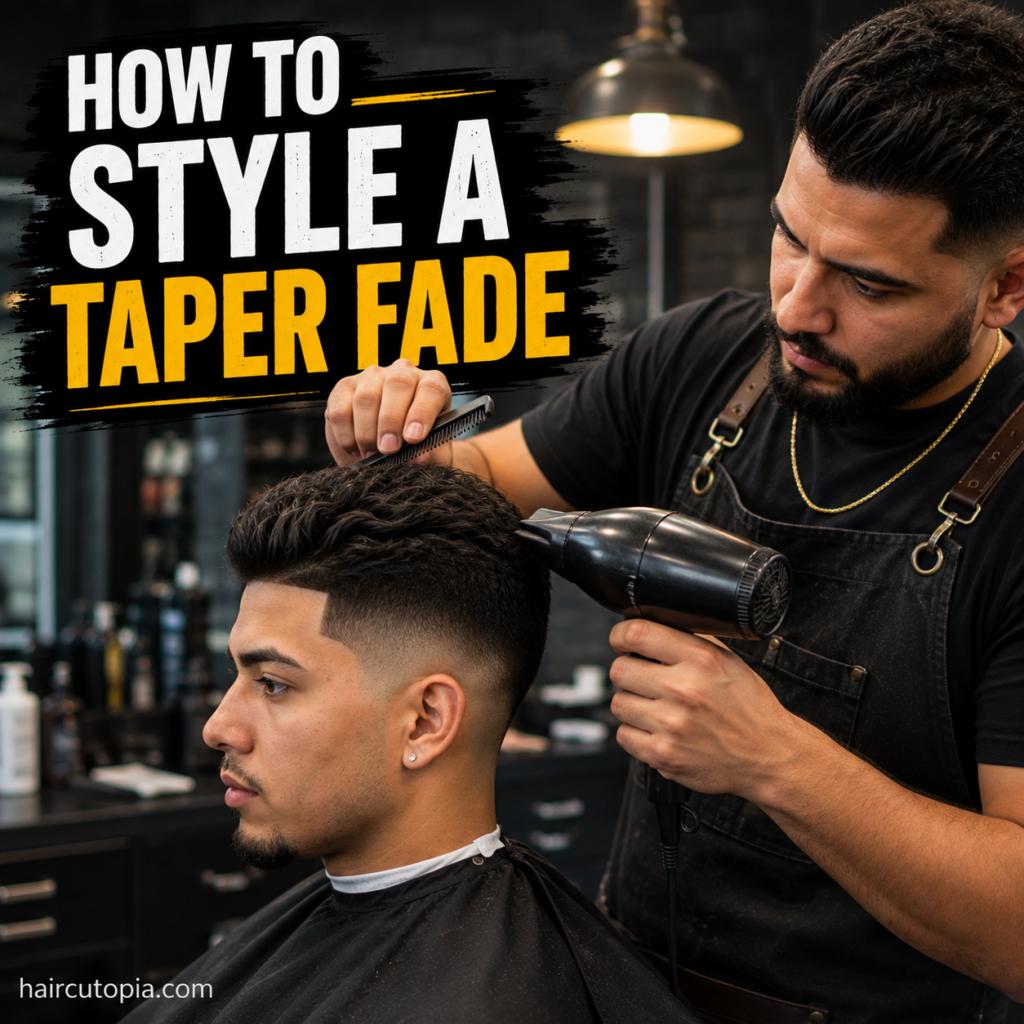
Fine Hair Styling Tips
The haircut matters, but styling habits often make the biggest difference.
Small adjustments can completely change how fine hair behaves.
Blow Dry for Lift
Fine hair tends to flatten quickly.
Blow drying upward for a minute or two can create immediate volume.
Focus on the roots rather than the ends.
Use Lightweight Products
Heavy products can weigh fine hair down.
Better choices include:
- Texture powder
- Matte clay
- Volumizing mousse
- Lightweight styling cream
Products should support movement, not flatten it.
Avoid Overloading Hair
More product rarely equals better results.
Using too much often causes:
- Flatness
- Greasy appearance
- Separation
- Reduced texture
Start with a small amount and add more only if necessary.
Haircuts Fine Hair Should Approach Carefully
Not every haircut complements fine hair equally.
Certain styles can unintentionally expose scalp areas or reduce fullness.
Very High Fades
Aggressive fades remove a lot of side density.
This can make the top appear weaker.
Extremely Long Hair on Top
Long fine hair sometimes separates easily and loses shape.
Moderate lengths usually create stronger results.
Heavy Slick Styles
Overly slick hairstyles often reveal scalp visibility.
Natural texture generally creates more fullness.
Face Shape Considerations
Haircuts always look stronger when they complement facial structure.
Round Faces
Styles with moderate height work well:
- Quiffs
- Side parts
- Textured tops
Square Faces
Most low fade styles work naturally with strong facial features.
Longer Face Shapes
Avoid excessive height.
Balanced proportions usually look better.
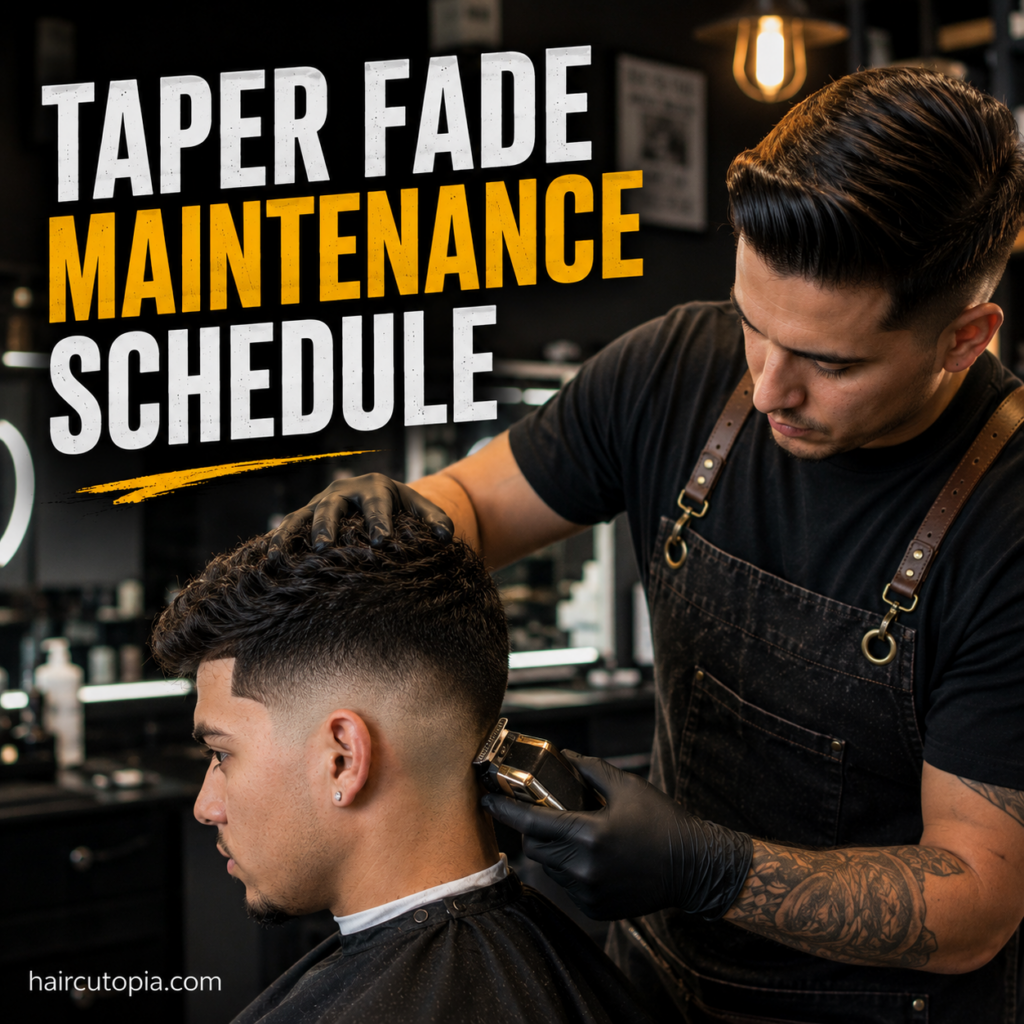
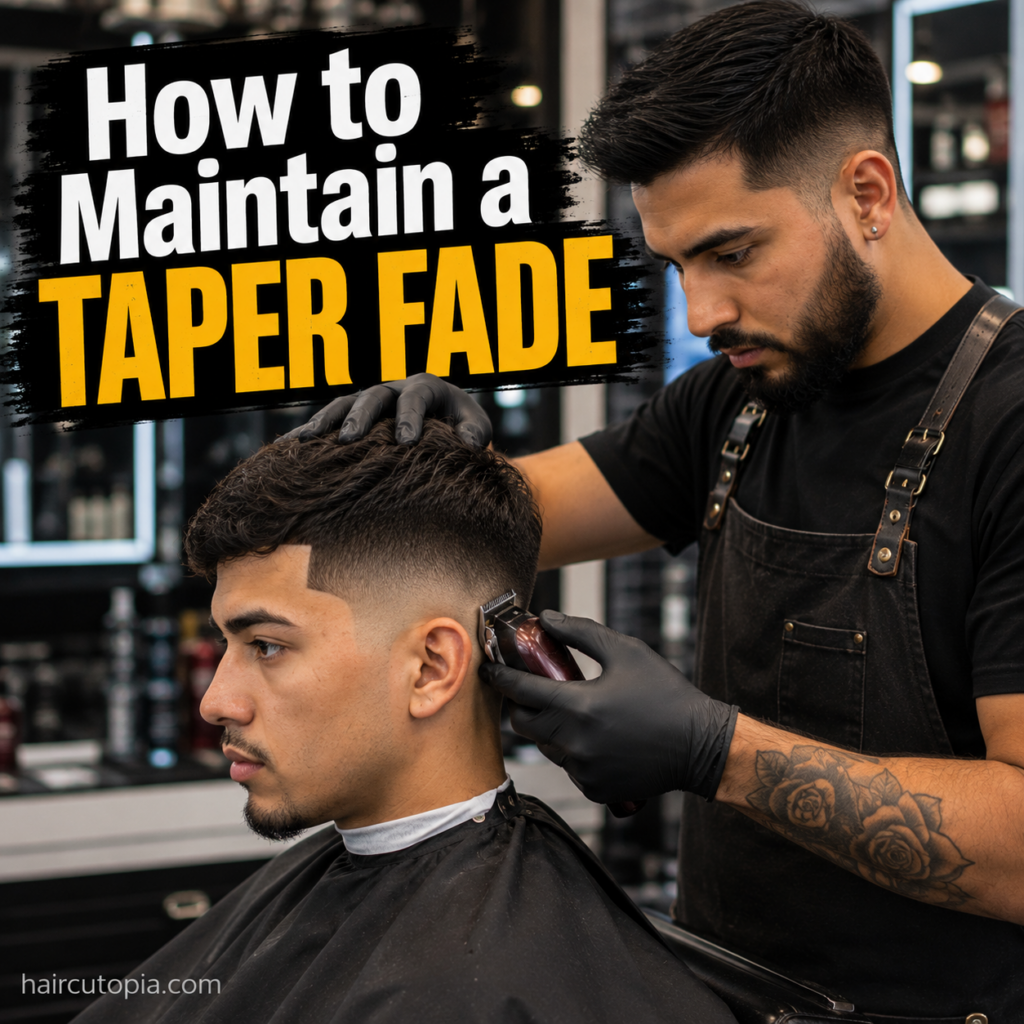
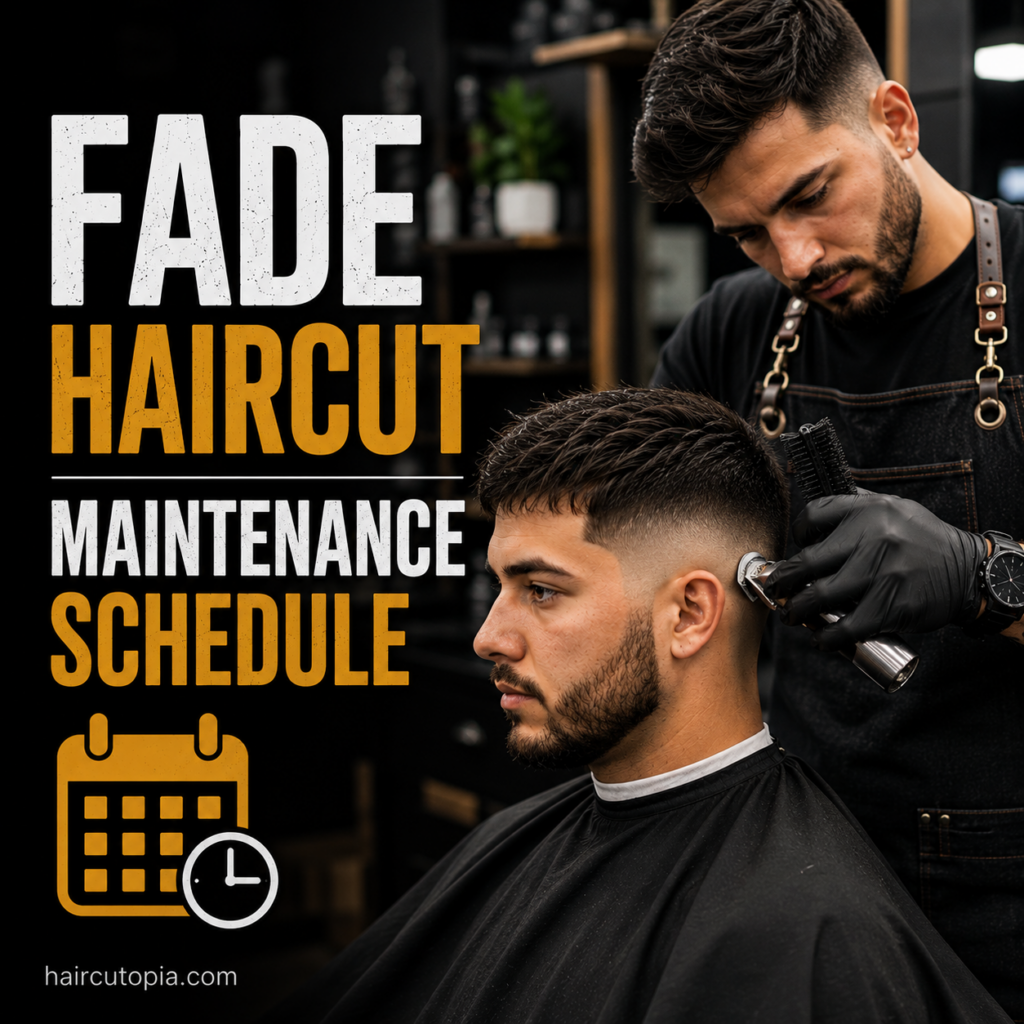
Maintenance Tips
Low fades stay cleaner when maintained consistently.
For best results:
- Schedule trims every 2–4 weeks
- Use lightweight products
- Avoid heavy buildup
- Keep styling simple
- Work with your natural texture
Small habits often create bigger improvements than major styling changes.
Final Thoughts
Fine hair does not limit your options—it simply changes the strategy.
Low fade haircuts work particularly well because they create subtle structure without making hair look overly thin or flat.
Whether you choose a textured crop, side part, quiff, or Ivy League style, the goal remains the same: create movement, shape, and the appearance of fullness.
And often, the cleanest changes end up making the biggest difference.