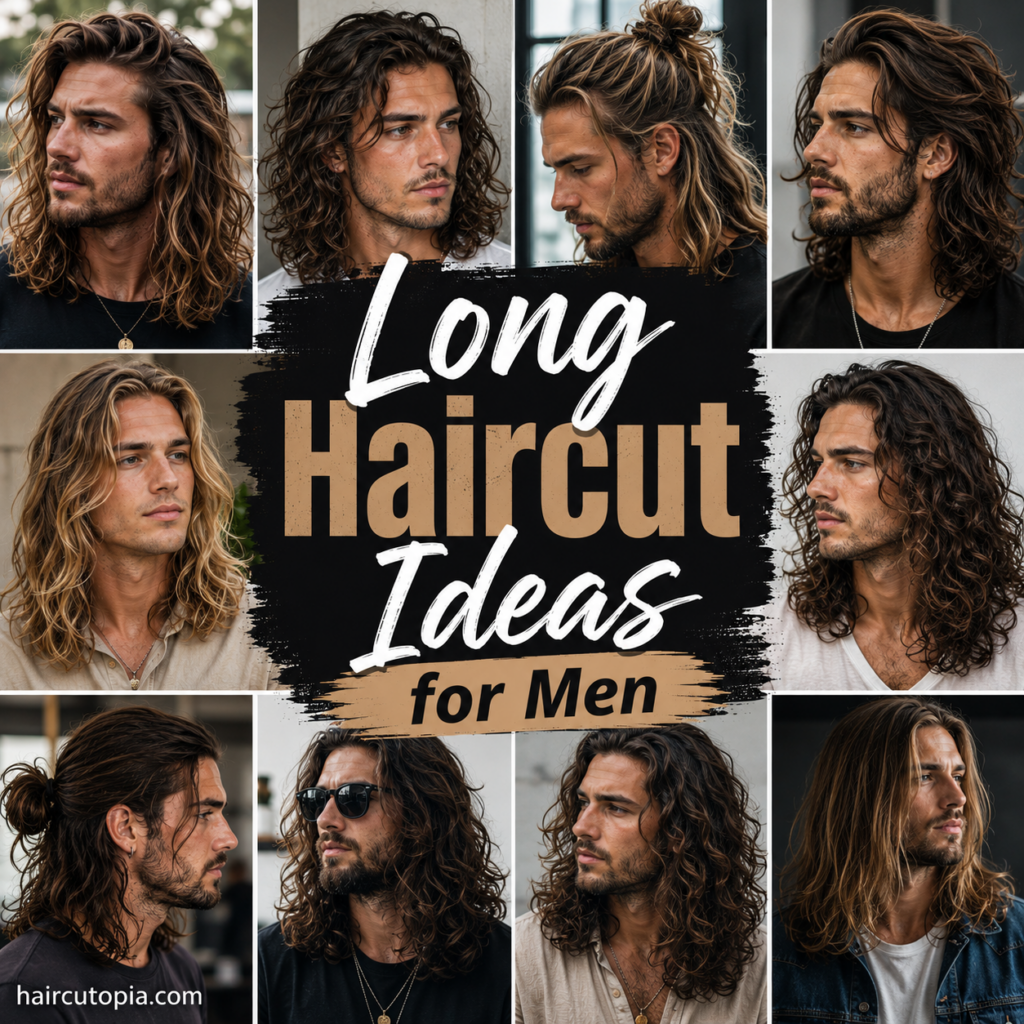
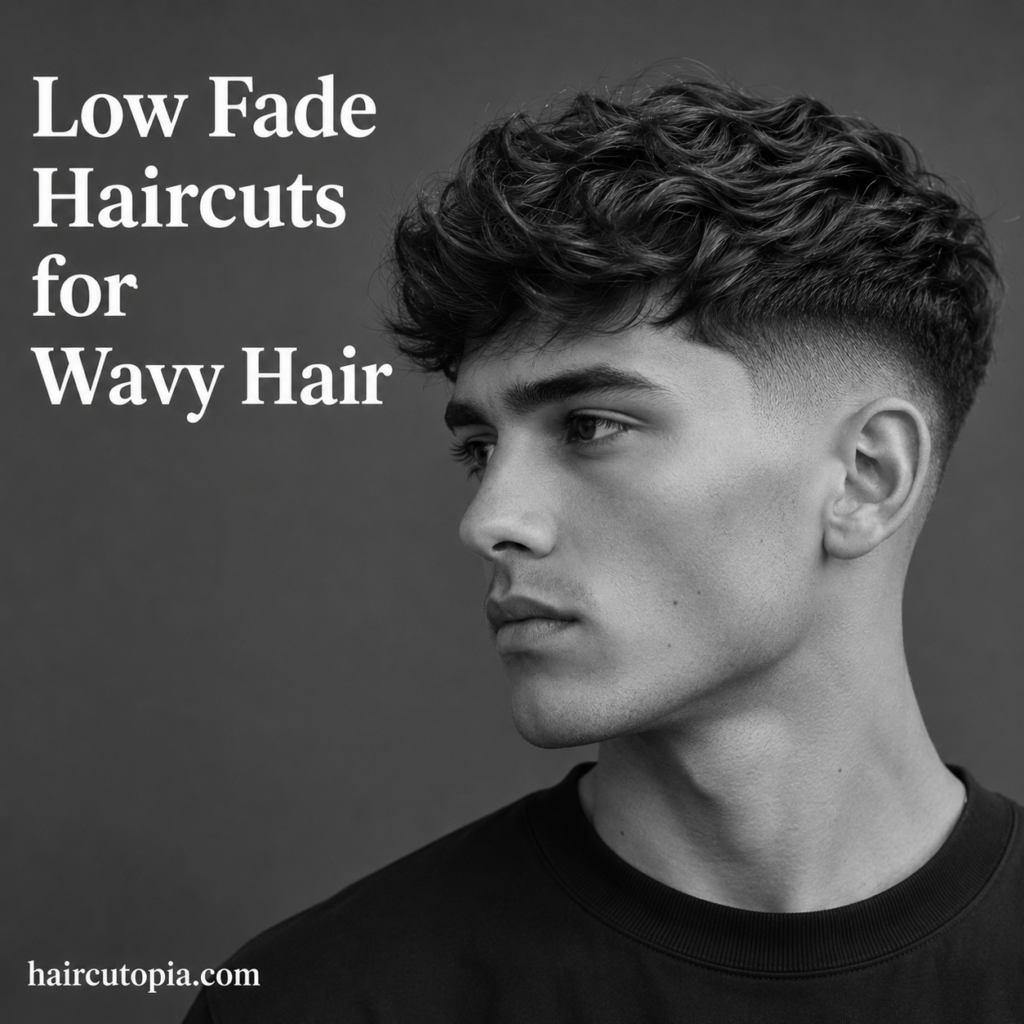
Wavy hair sits in a sweet spot. It has more movement than straight hair but usually requires less maintenance than tighter curls. The challenge, though, is finding a haircut that works with those natural waves instead of turning them into an unpredictable mess.
That’s where a low fade comes in.
Low fade haircuts for wavy hair have become one of the most popular choices because they create structure without removing personality. The fade cleans up the sides and back while allowing natural texture to stay front and center.
Whether your waves are subtle or more defined, a low fade can make the entire haircut look sharper without appearing overly styled.
What Is a Low Fade Haircut?
A low fade starts lower on the head, usually around the ears and neckline, then gradually blends upward into longer hair.
Unlike a high fade, which creates a stronger contrast, a low fade feels softer and more balanced.
With wavy hair, this matters because:
- It keeps more natural fullness
- It blends smoothly into textured hair
- It avoids creating a disconnected look
- It helps maintain shape without sacrificing movement
Instead of fighting natural texture, the haircut works with it.
Why Wavy Hair and Low Fades Work So Well Together
Wavy hair naturally adds dimension and texture. Even a simple haircut can look more styled because waves create movement on their own.
A low fade enhances that effect.
Benefits include:
- Cleaner side profile
- Less bulk around the ears
- More attention on the top
- Easier daily maintenance
- Better overall shape
Many men find they spend less time styling after switching to a low fade because the haircut already creates structure.
Popular Low Fade Haircuts for Wavy Hair
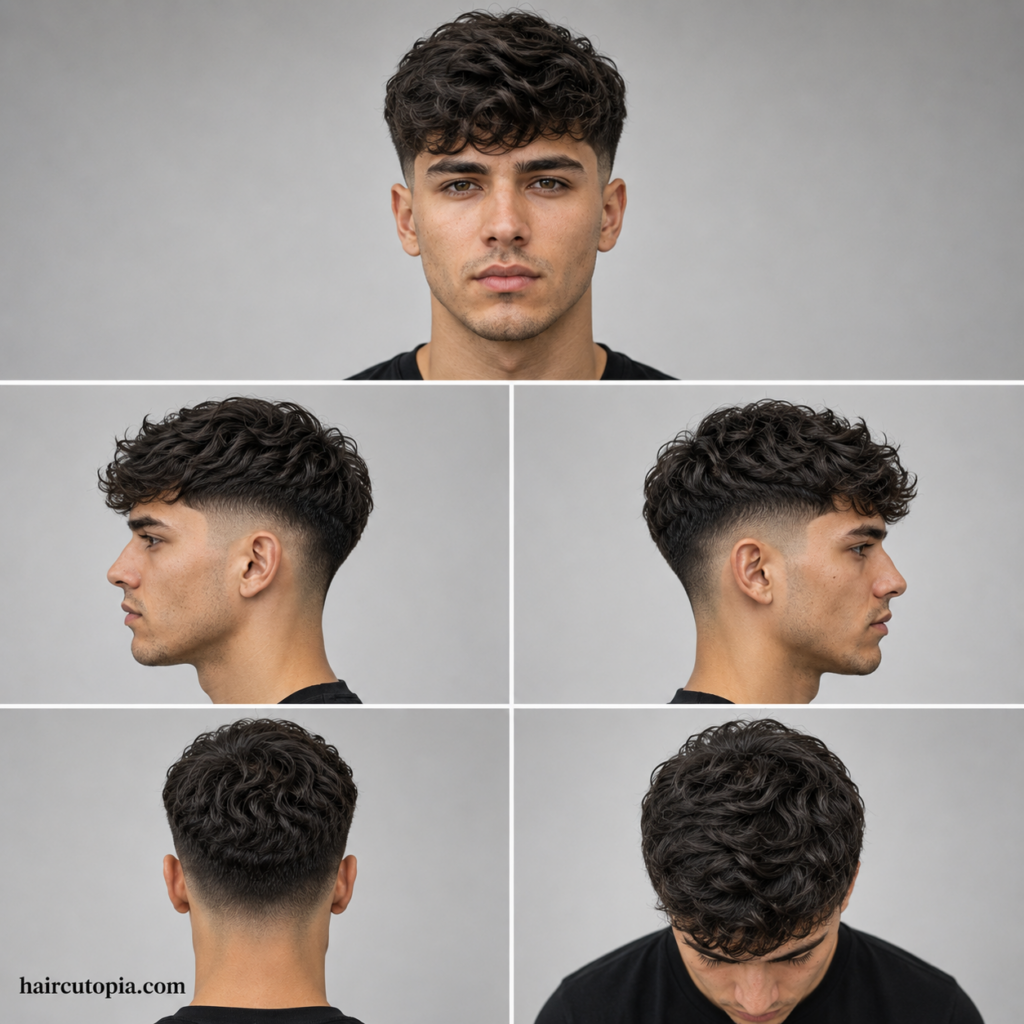
Textured Wavy Top With Low Fade
This is one of the most versatile options.
The sides gradually fade while the top stays layered and textured. Natural waves create volume without making the haircut look overly polished.
Great for:
- Medium-length hair
- Casual styles
- Thick hair textures
Wavy Fringe With Low Fade
A fringe allows waves to fall slightly forward across the forehead.
Because waves naturally bend and separate, this style often creates an effortless appearance.
Benefits include:
- Adds movement
- Frames the face
- Creates youthful style
- Works with relaxed looks
Low Skin Fade With Wavy Hair
Some men want stronger contrast.
A low skin fade blends all the way into bare skin near the bottom while leaving textured waves on top.
The difference between the faded sides and fuller top creates a clean modern look.
Keep in mind:
- Requires more maintenance
- Needs regular touch-ups
- Grows out faster
Messy Wavy Crop With Low Fade
Not every haircut needs perfect structure.
A messy crop keeps the top textured and slightly relaxed while the low fade keeps everything clean underneath.
This style works particularly well if you prefer low-effort grooming.
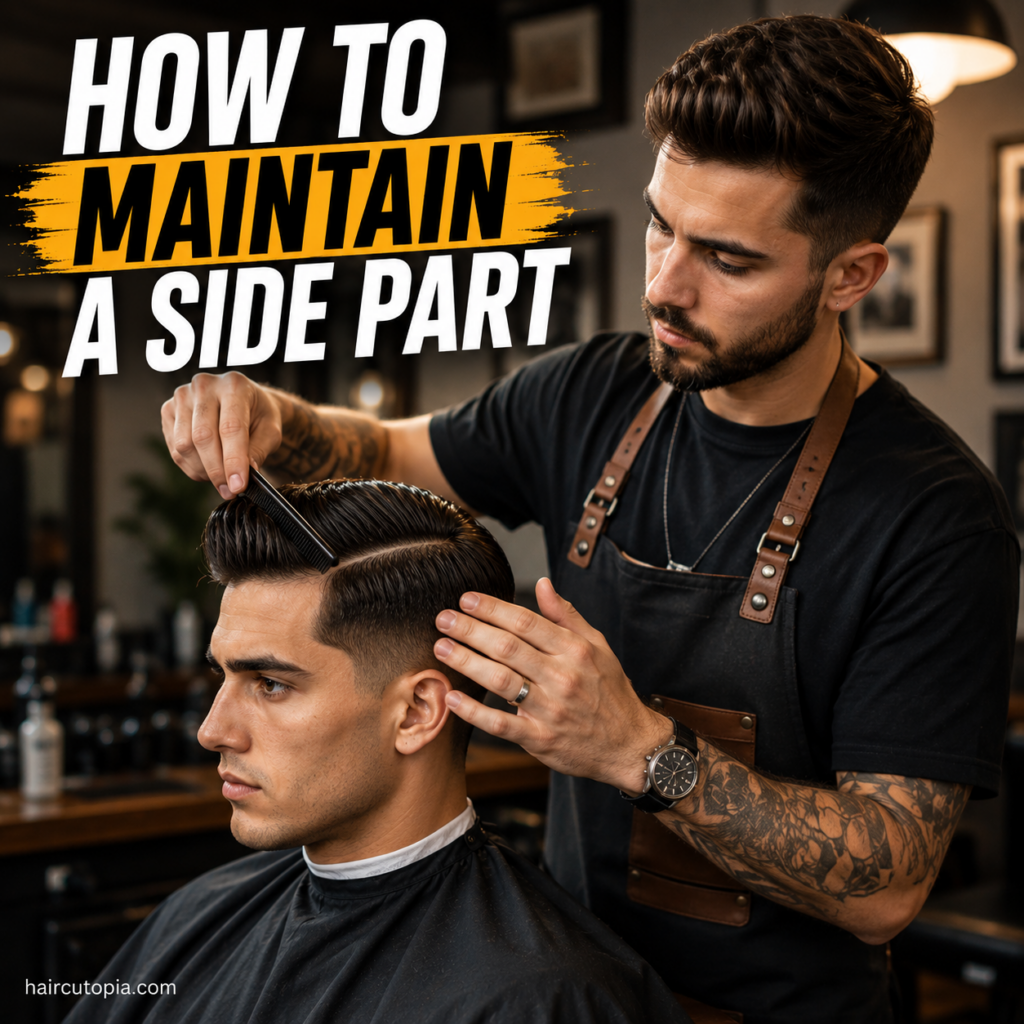
Side Part With Low Fade and Waves
Classic side parts become more interesting with natural wave patterns.
Instead of appearing flat, waves create movement and texture throughout the style.
This option works well for:
- Professional settings
- Formal events
- Men wanting a cleaner look
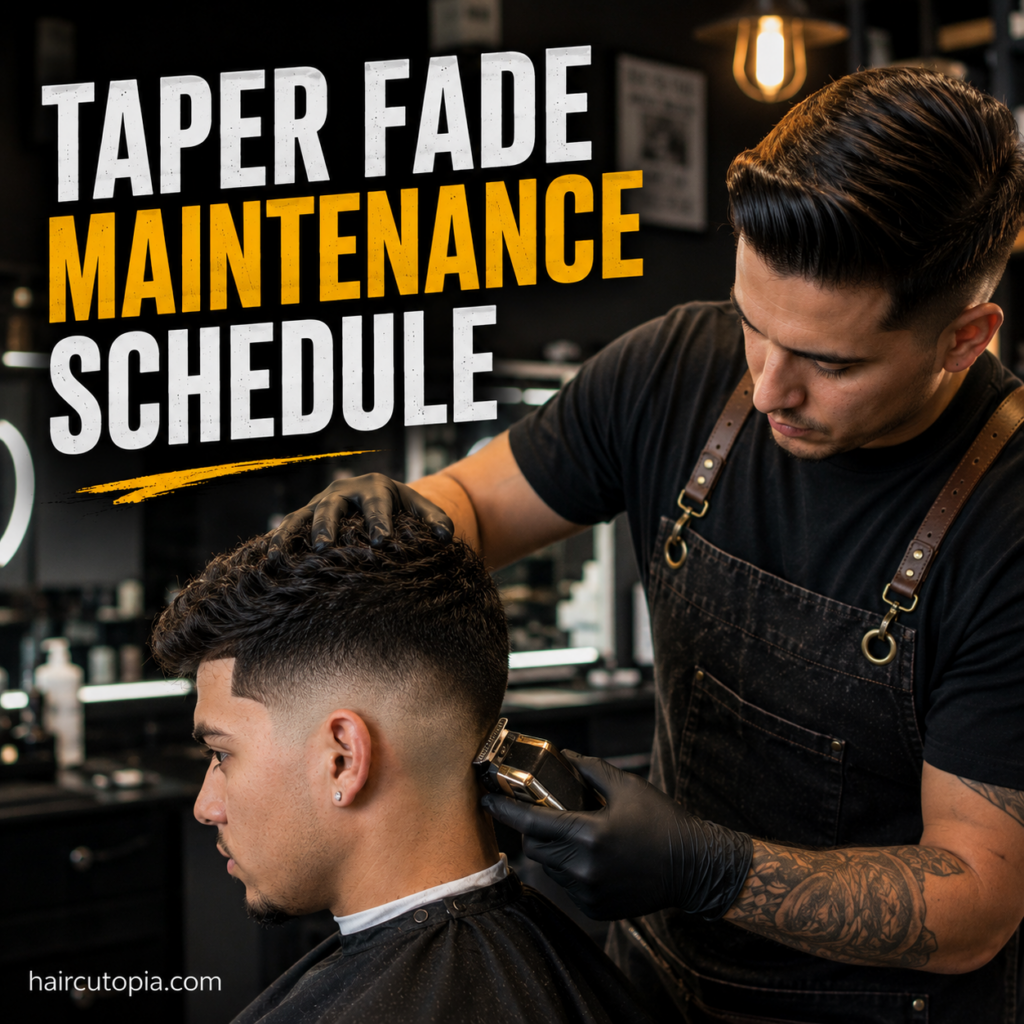
Low Taper Fade With Wavy Hair
Some men want something more subtle than a full fade.
A taper fade cleans around the neckline and sideburns while preserving more hair on the sides.
The result feels natural while still looking fresh.
Best Hair Length for Low Fade Wavy Haircuts
Length changes how waves behave.
Short Wavy Hair
Short styles create cleaner appearances and are easier to maintain.
Benefits:
- Less styling
- Faster drying
- Sharper appearance
Medium-Length Wavy Hair
Medium lengths often create the best balance.
You get:
- More movement
- Better wave definition
- More styling flexibility
Longer Wavy Styles
Longer tops create volume and texture but require more care.
Regular trimming becomes more important.
Face Shapes That Match Low Fade Haircuts
The right haircut often complements facial structure.
Oval Face
Almost every low fade variation works.
Round Face
Extra volume on top creates added height and visual length.
Square Face
Low fades highlight stronger jawlines naturally.
Heart Face Shape
Moderate volume helps create better balance.
What to Tell Your Barber
The phrase “low fade” can mean different things depending on the barber.
Specific details help.
Consider mentioning:
- How low you want the fade to begin
- Skin fade or taper preference
- Desired length on top
- Whether you want texture or cleaner structure
- How much styling time you prefer
Bringing reference photos often helps avoid surprises.
Styling Tips for Wavy Hair
The haircut creates the foundation, but styling still matters.
Use Lightweight Products
Heavy products can flatten waves.
Good options include:
- Sea salt spray
- Texture cream
- Lightweight matte paste
- Styling foam
Avoid Overwashing
Wavy hair can become dry quickly.
Washing every day sometimes strips natural oils that help waves stay defined.
Let Waves Work Naturally
One of the biggest mistakes is trying to force wavy hair into looking straight.
Use products that enhance texture instead of hiding it.
Common Mistakes to Avoid
Cutting Too Much Off the Top
Waves need enough length to form naturally.
Too little length often removes texture entirely.
Ignoring Growth Patterns
Hair grows differently around the crown and sides.
A barber who understands texture can shape the cut better.
Using Too Much Product
Overloading products can turn natural waves into stiff hair.
Start small and add only when needed.
Final Thoughts
Low fade haircuts for wavy hair remain popular because they create balance. The fade adds structure while waves provide texture and movement.
Whether you prefer a relaxed messy crop, a modern fringe, or a cleaner side part, the low fade allows natural waves to stand out without becoming difficult to manage.
The best styles usually come from working with your hair’s natural texture instead of constantly trying to change it.