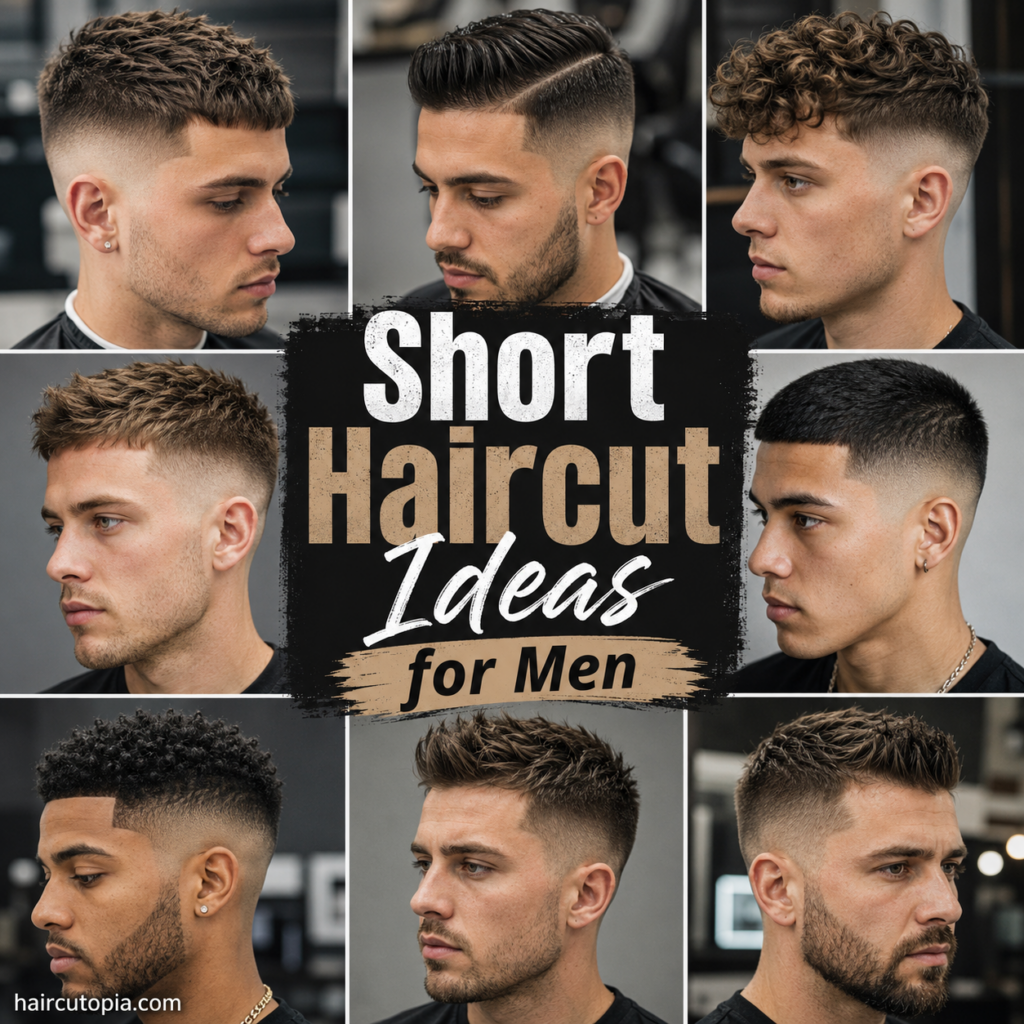
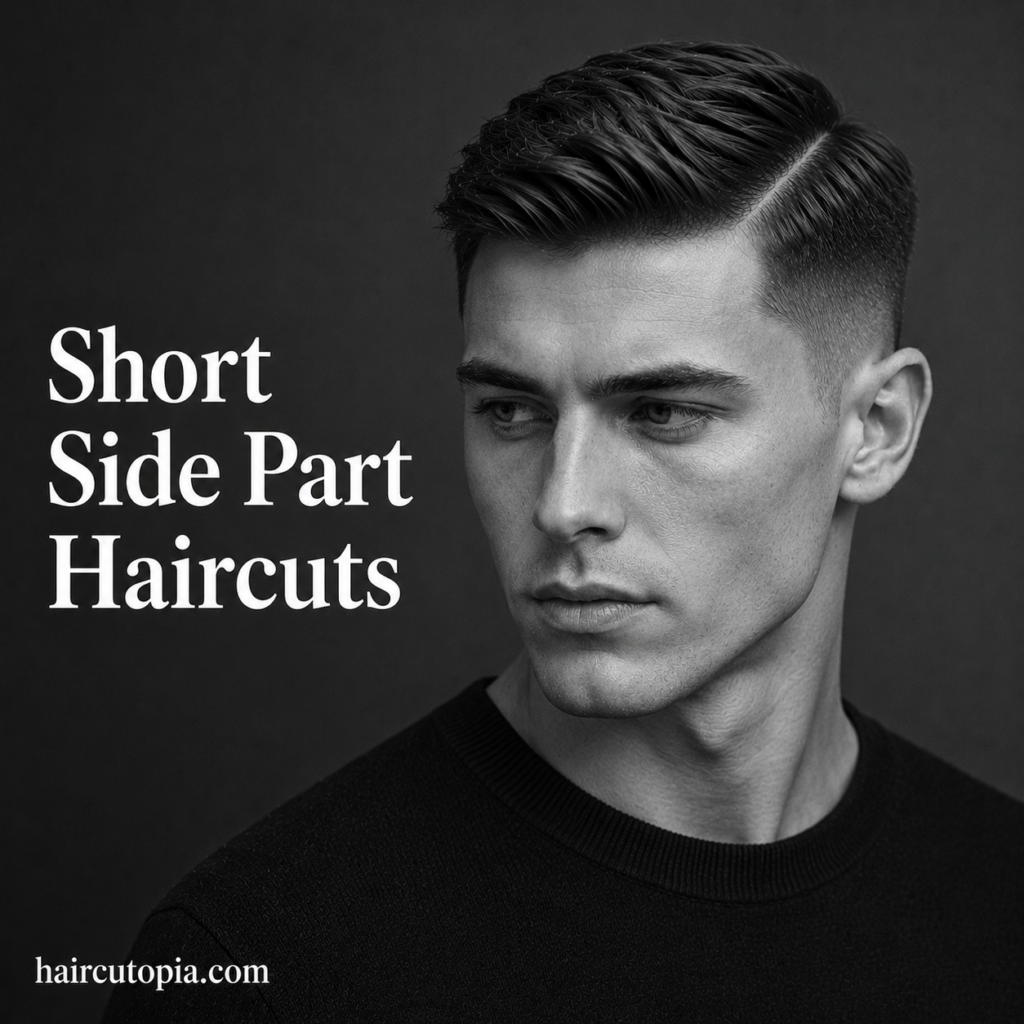
A short side part haircut is one of those styles that rarely feels out of place. It is clean enough for work, easy to dress up for an event, and simple to wear on a normal weekday.
The look can be classic or modern depending on the fade, taper, texture, and product you choose. Some versions are neat and polished with a comb-defined part. Others are shorter, textured, and more relaxed.
What they have in common is a clear direction through the top. Hair is guided to one side, while the back and sides stay trimmed close and controlled.
Why Short Side Part Haircuts Stay Popular
Short side part haircuts work because they are adaptable. They can suit straight, wavy, thick, fine, or slightly curly hair, and they do not require a long styling routine.
They also grow out better than many very short fade styles. Even when the sides start to soften, the top still has enough shape to look intentional.
A short side part is a good choice if you want:
- A professional haircut that does not feel boring
- Shorter sides without going fully buzzed
- A style that can be worn neat or textured
- A haircut that works with most face shapes
- A manageable everyday routine
- Enough length on top to create a little personality
Best Short Side Part Haircuts
Classic Short Side Part
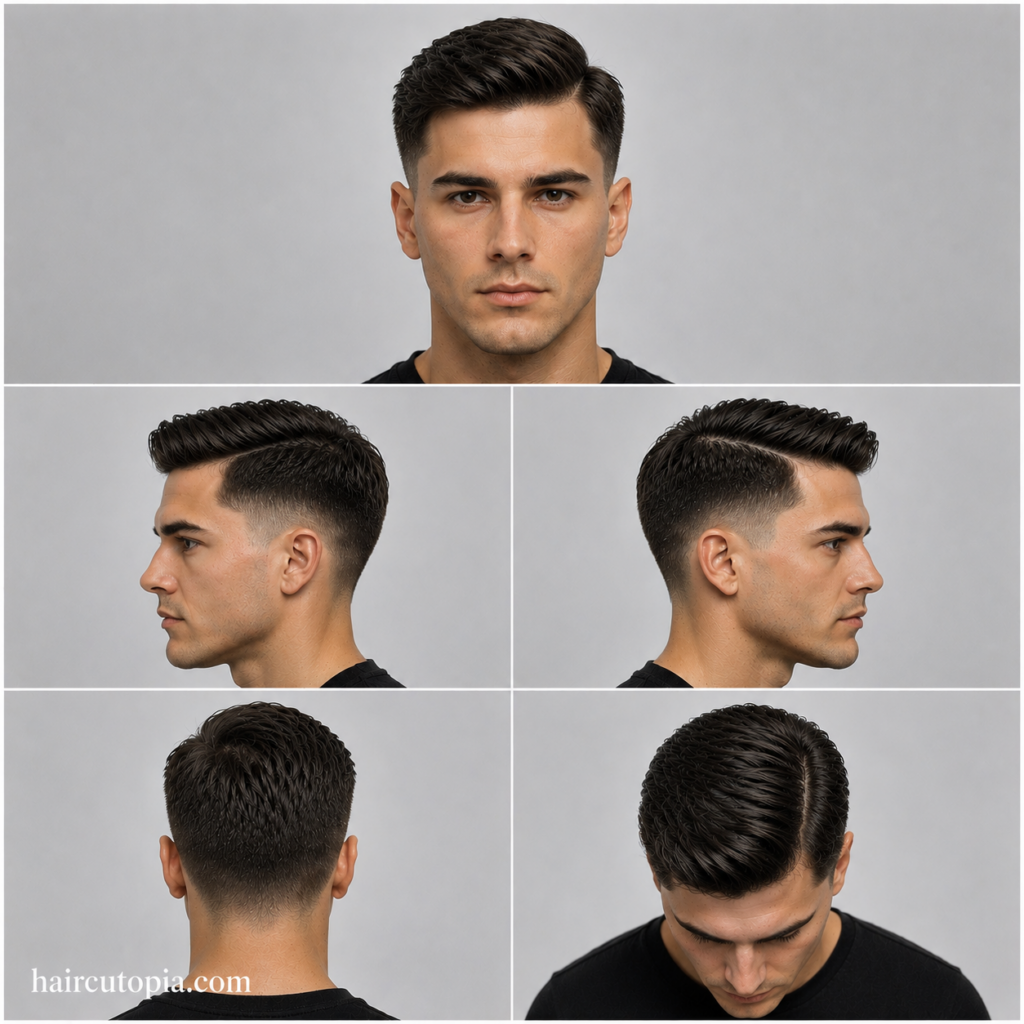
The classic short side part is clean, balanced, and easy to maintain. The top is usually left around two to three inches long, giving you enough hair to comb over without creating too much volume.
The sides are tapered or cut short with clippers, while the neckline and sideburns are kept tidy. This is a reliable option if you like a timeless look that works in almost any setting.
For styling, use a small amount of light pomade or styling cream and comb the hair into place.
Short Side Part with a Low Taper
A low taper gives a short side part a clean finish without making the haircut feel too aggressive.
The taper begins around the ears and neckline, gradually blending into the longer hair above. Because it stays low, the upper sides keep some natural weight and shape.
This is a strong choice if you want a haircut that looks polished but grows out smoothly. It works especially well for men with thick or wavy hair.
Short Side Part with a Low Fade
A low fade side part creates more contrast than a taper while still keeping the haircut balanced.
The fade stays close to the ears, with the top combed to one side and slightly forward or back. It can look sharp without requiring a hard part or heavy styling.
A low fade is a good option if you like a fresh barbershop look but do not want the sides taken too high.
Short Side Part with a Mid Fade
A mid fade creates a cleaner, more noticeable transition between the top and sides.
This version works well when the top is kept short and textured. The haircut has a modern feel, but it is still easy to style because there is not much length to manage.
Keep the top long enough to create a visible side direction. If it is cut too short, the part can disappear and the haircut may start to look more like a standard fade.
Short Textured Side Part
A short textured side part is ideal if you prefer a natural finish over a slick, traditional style.
The top is cut short but left with enough length for separation and movement. Instead of combing every hair into place, you can use your fingers to push the hair to one side.
This style works well for:
- Thick hair
- Wavy hair
- Straight hair that needs more movement
- Men who prefer a matte finish
- Anyone who wants a less formal version of the side part
A matte clay or lightweight paste will help create texture without making the hair stiff.
Short Side Part with a Hard Part
A hard part is a shaved line created by a barber to make the side part more visible.
It can give a short haircut a sharp, defined look, especially when paired with a low or mid fade. The contrast can be striking, but it does require regular maintenance because the line grows out quickly.
This style is best for men who like a crisp, structured finish and do not mind visiting the barber more often.
Short Side Part with a Scissor Taper
A scissor taper keeps the haircut softer and more natural than a fade.
The sides and back are shortened gradually with scissors, leaving more texture and movement. This gives the haircut a fuller outline, which can be especially useful for men with fine hair or longer face shapes.
A scissor taper also grows out more subtly than a tight fade, making it a practical option if you prefer to go longer between appointments.
Short Side Part with a Slight Fringe
A slight fringe can make a short side part feel more relaxed and modern.
Instead of brushing the front fully back, leave a small amount of hair moving forward and to the side. The fringe should be light and textured, not heavy or straight across.
This is a good option if you have a larger forehead or simply want a less traditional finish.
How Short Should a Side Part Be?
There is no single length that works for everyone, but most short side part haircuts keep the top between one and a half and three inches long.
That gives you enough length to create a visible part and side-swept direction without needing a lot of product or blow-drying.
The sides can vary depending on the look you want:
- Low taper for a softer, classic finish
- Low fade for clean contrast without going too tight
- Mid fade for a sharper, more modern look
- Scissor taper for natural fullness and easy grow-out
- Short clipper cut for a low-maintenance style
If you are unsure, ask your barber to leave enough length on top to style it both neatly and with texture. You can always go shorter at your next appointment.
How to Ask Your Barber for a Short Side Part
The easiest way to get the right result is to explain both the length and the overall shape.
You can say:
“I want a short side part with enough length on top to style to one side. Keep the sides clean and tapered, but do not take the top too short.”
Then add details based on your preference:
- “I want a low taper” for a softer finish
- “I want a low fade” for a cleaner, more defined look
- “Leave texture on top” for a relaxed style
- “Keep it neat and classic” for a polished finish
- “Add a hard part” if you want a sharper line
- “I want it to grow out naturally” if you prefer a scissor taper
A photo helps, but these details give your barber a clear starting point.
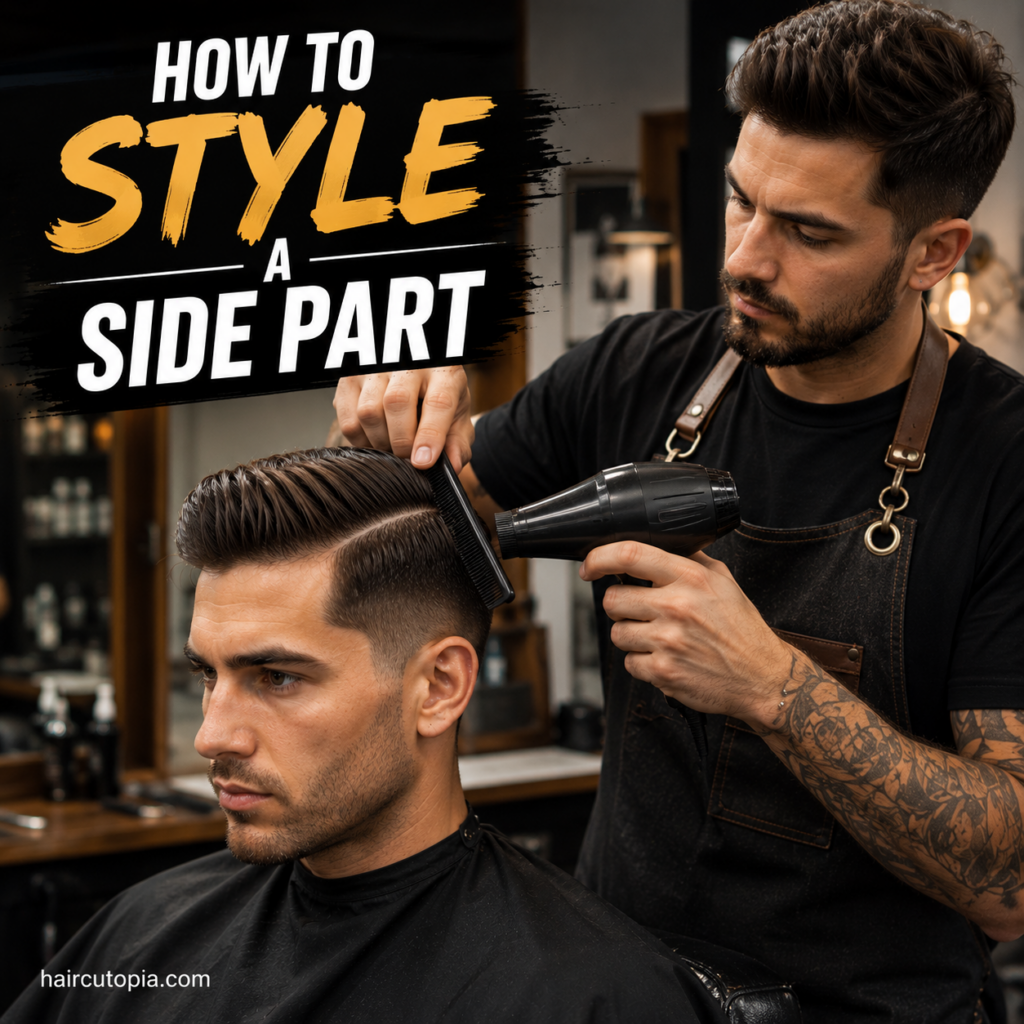
How to Style a Short Side Part
Short hair is usually quick to style, but a few small steps make a big difference.
1. Start With Damp Hair
After showering, towel-dry your hair until it is slightly damp. This makes it easier to guide the hair into the direction of the part.
2. Find Your Natural Part
Comb your hair back and let it fall naturally. Most people have a side where the hair separates more easily.
Use that direction rather than forcing a part that fights your growth pattern.
3. Add a Small Amount of Product
Use less product than you think you need. With shorter hair, too much product can make the style look heavy or greasy.
Choose based on the finish you want:
- Matte clay for texture and medium hold
- Styling cream for a soft, natural look
- Pomade for a polished classic finish
- Paste for flexible definition
- Light hairspray for extra hold
4. Comb or Finger-Style the Top
Use a comb for a cleaner side part or your fingers for a more textured finish.
Guide the top to one side, then lightly shape the front. You do not need much height unless that is part of the style you are going for.
5. Keep the Sides Controlled
The sides should look neat, but they do not need to be pressed flat. A little natural shape usually looks better and makes the haircut easier to wear.
Short Side Part Haircuts for Different Hair Types
Straight Hair
Straight hair is easy to part and comb into place. If it falls flat, use a blow dryer for a minute or two before applying a matte product.
Wavy Hair
Wavy hair gives a short side part natural movement. A styling cream or sea salt spray can help define the texture without making it look messy.
Thick Hair
Thick hair works well with textured short side parts, but the sides may need some weight removed. Ask your barber to debulk the hair while keeping enough density for a clean shape.
Fine Hair
Fine hair can look fuller with a short side part because the shorter length prevents it from separating too much. A lightweight volumizing product can help add lift without weighing it down.
Curly Hair
Curly hair can still work with a short side part, especially when the top is left long enough for the curl pattern to show. A taper or low fade keeps the sides clean while letting the texture stand out.
Maintaining a Short Side Part Haircut
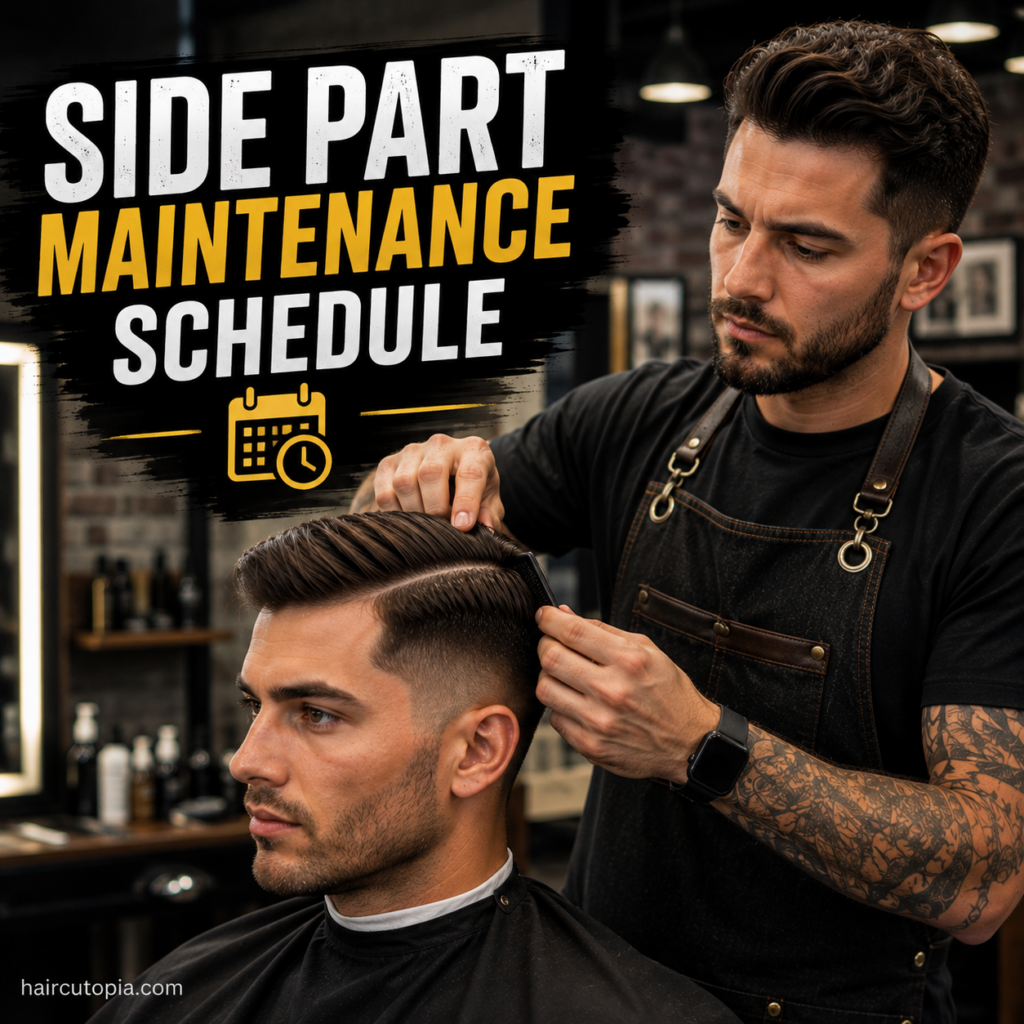
Short side part haircuts usually need regular cleanup to keep their shape.
A fade may need attention every two to three weeks if you like a sharp finish. A taper or scissor-cut style can often go three to five weeks before it needs a full trim.
To keep the haircut looking good between appointments:
- Use conditioner if your hair gets dry or frizzy
- Avoid heavy gels that make the hair stiff
- Use a small amount of product each day
- Keep the neckline and sideburns tidy
- Schedule trims before the top becomes too long to part easily
Final Thoughts
A short side part haircut is a practical choice that still gives you room to personalize the look. You can keep it classic with a taper, add texture for a more relaxed finish, or pair it with a fade for a sharper modern style.
The best version comes down to how much contrast, texture, and maintenance you want. Keep enough length on top to create direction, choose sides that suit your routine, and use a product that matches the finish you prefer.
That is all it takes to make a short side part look clean, current, and easy to wear.