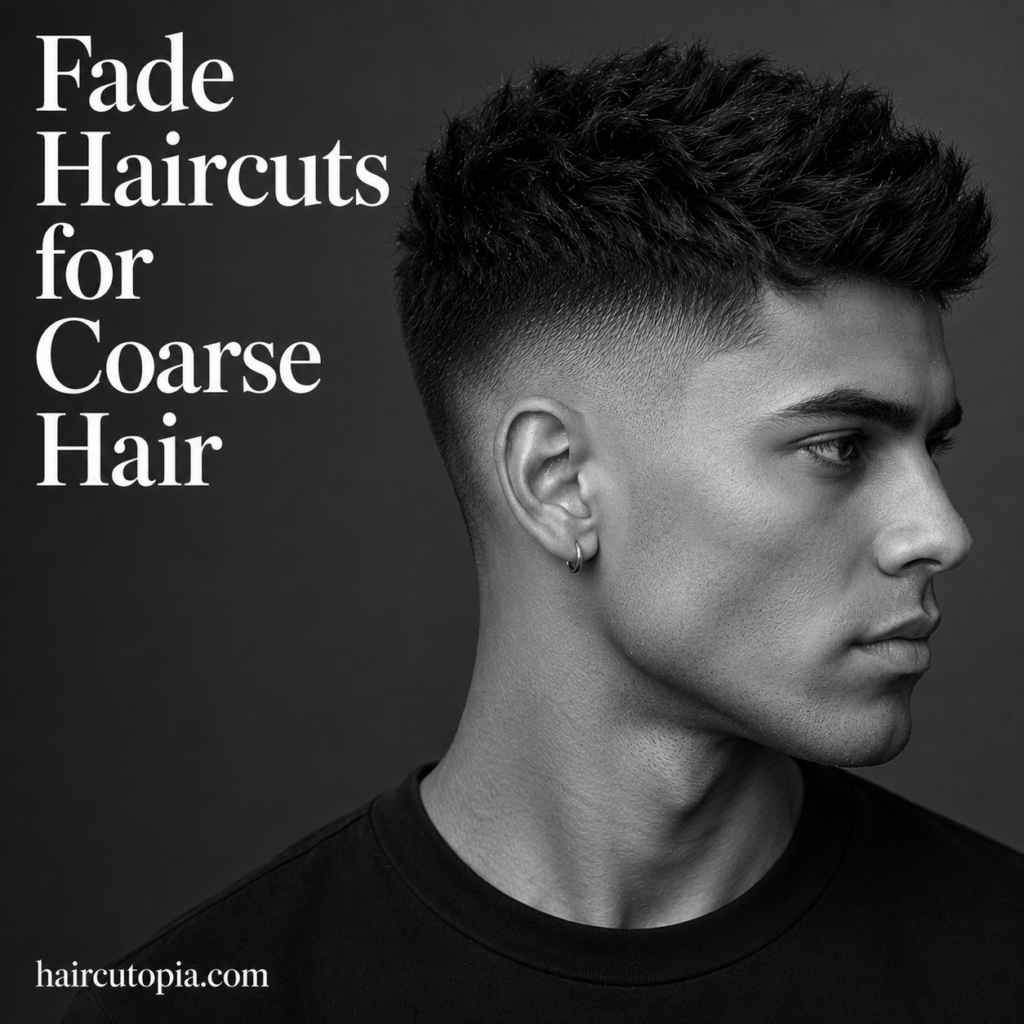
Coarse hair has a lot of advantages. It often looks fuller, holds shape well, and naturally creates texture that many people spend time and products trying to achieve.
At the same time, coarse hair can be a little stubborn.
It may feel thicker, heavier, and harder to manage than finer hair types. Without the right haircut, it can become overly bulky around the sides or difficult to style consistently.
That’s one reason fade haircuts work so well.
A fade removes excess weight, creates cleaner shape, and helps coarse hair look intentional instead of oversized. The right fade can make thick texture easier to control while still keeping the fullness that makes coarse hair stand out.
If you’re looking for haircut ideas that work with your natural hair instead of fighting it, these fade styles are worth considering.
Why Fade Haircuts Work Well for Coarse Hair
Coarse hair naturally has more density and body.
When the sides remain too full, hair can expand outward and create a shape that feels heavy or unbalanced.
Fade haircuts help by:
- Reducing bulk
- Creating sharper structure
- Making styling easier
- Highlighting natural texture
- Improving overall balance
The goal isn’t removing all the volume.
It’s controlling where that volume lives.
Best Fade Haircuts for Coarse Hair
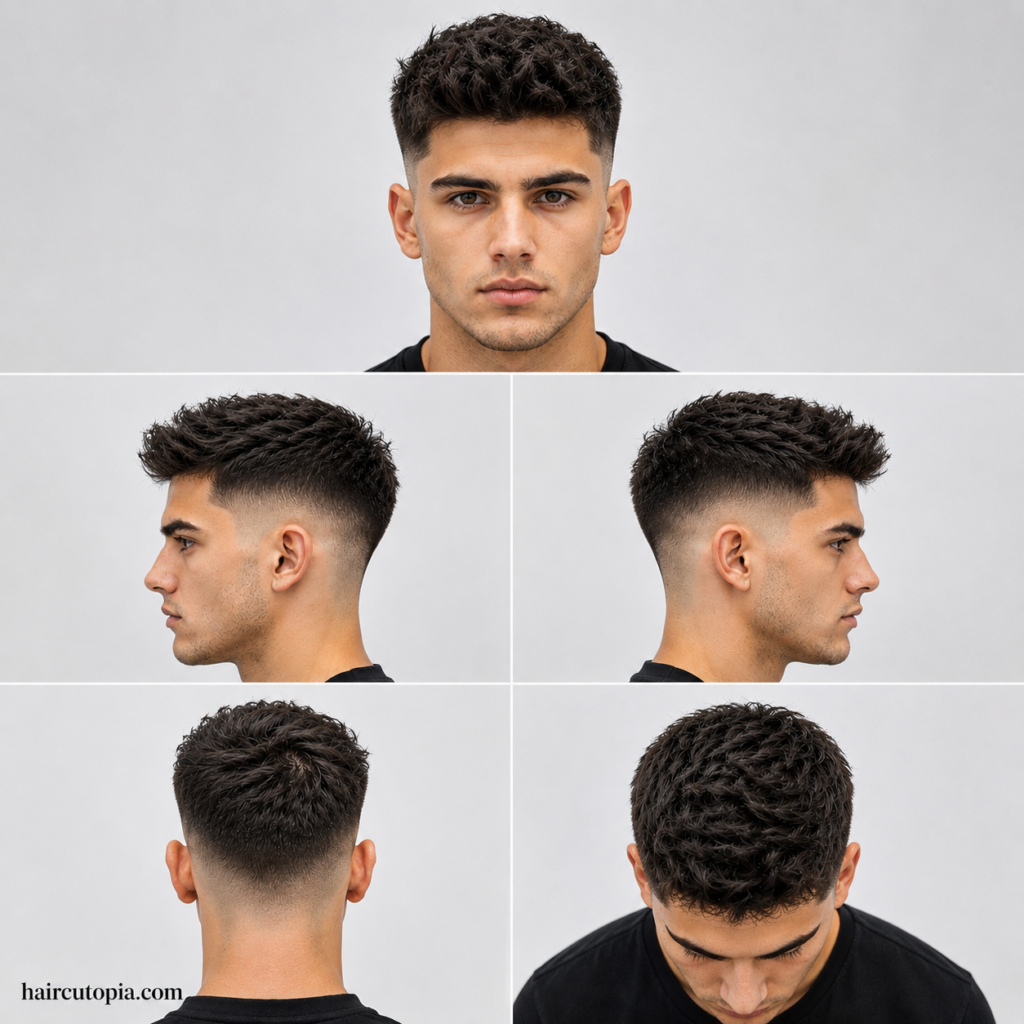
Low Fade with Textured Top
A low fade creates subtle cleanup around the ears and neckline while keeping more fullness overall.
This works especially well if you prefer a natural look that still feels polished.
Benefits include:
- Softer transition
- Easier grow-out period
- Works in professional settings
- Keeps natural texture visible
For men with medium-length coarse hair, this is often a reliable choice.
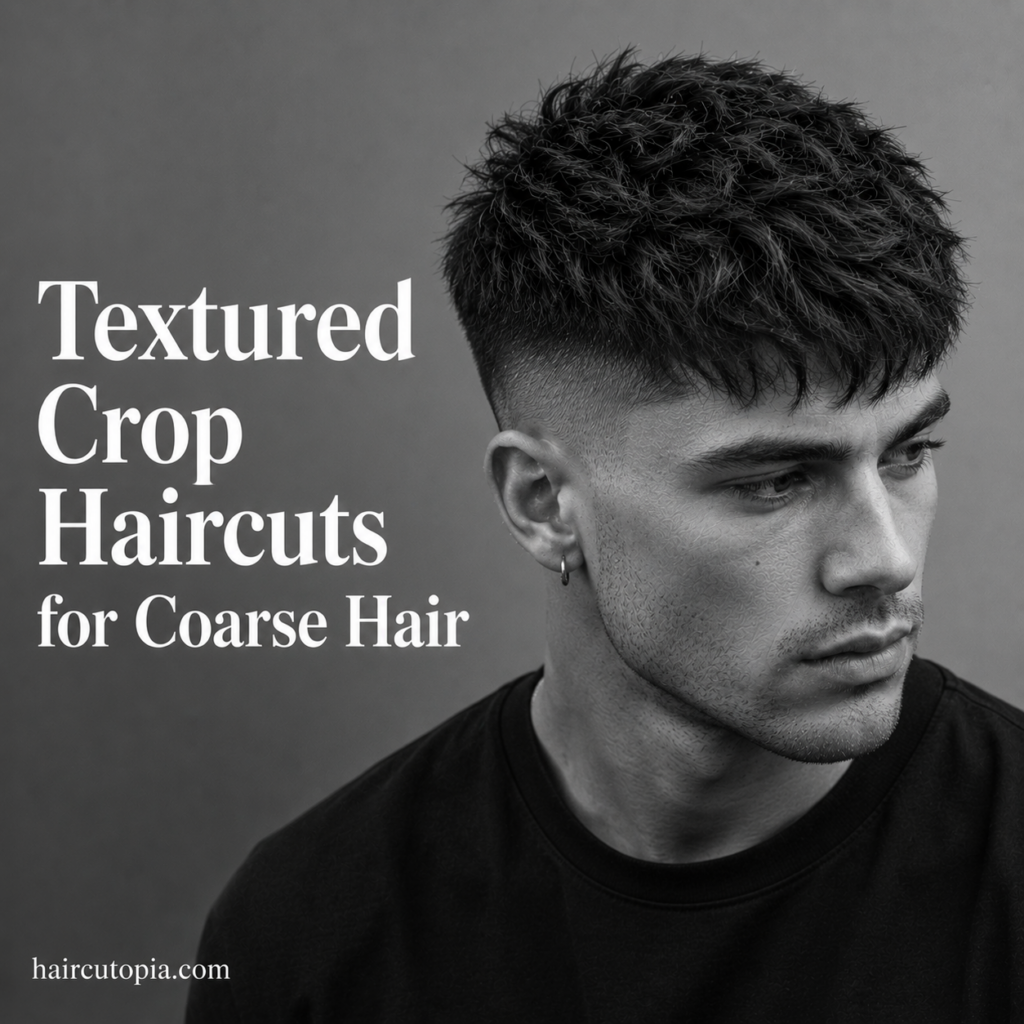
Mid Fade with Thick Crop
The mid fade sits around temple level and creates stronger contrast.
Pairing it with a textured crop on top helps coarse hair look controlled without appearing overly styled.
This combination works well because:
- Texture looks intentional
- Sides stay clean
- Hair remains easy to manage
- Requires minimal effort daily
It balances fullness without removing too much.
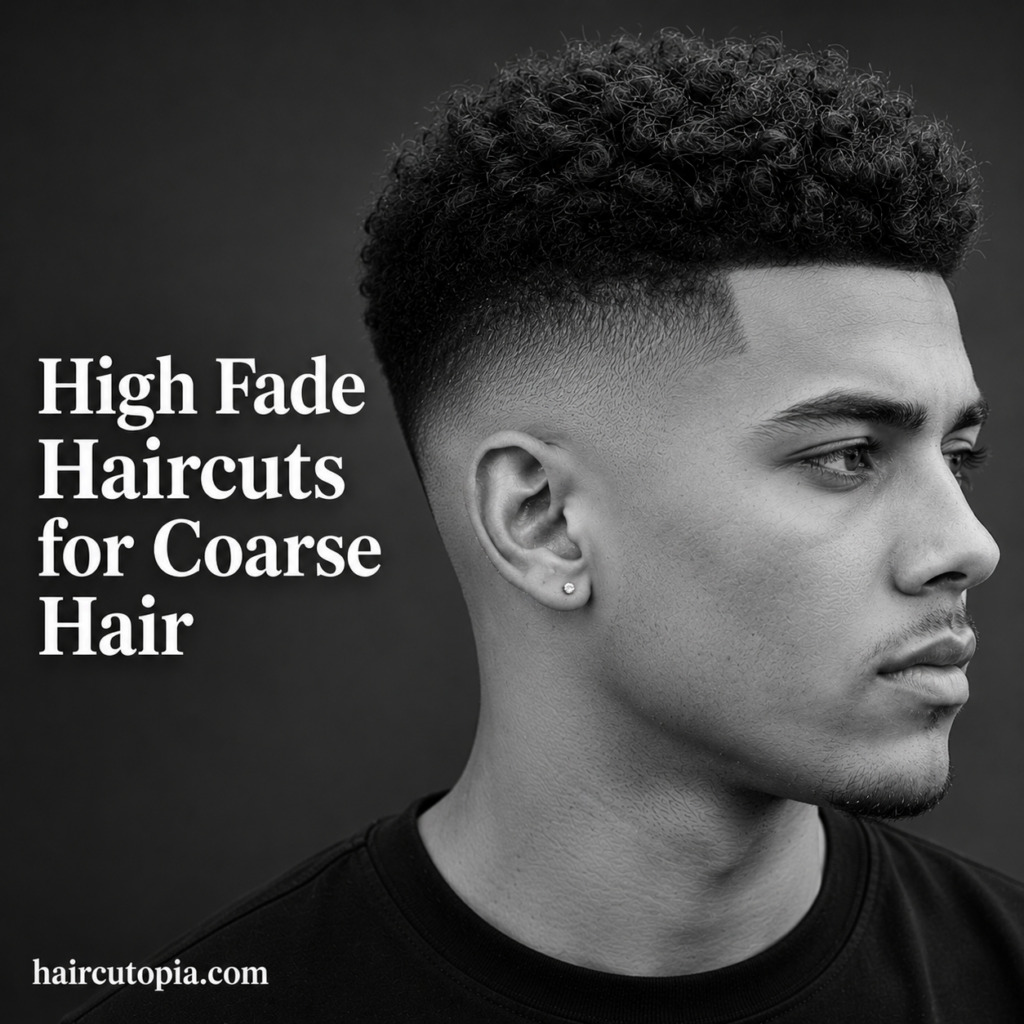
High Fade with Volume on Top
For men with very dense coarse hair, a high fade can remove a large amount of bulk.
That extra cleanup creates stronger contrast and shifts focus upward.
This style works best for:
- Thick hair
- Strong natural texture
- Medium-length tops
- Modern styles
Removing side weight often makes coarse hair easier to style overall.
Skin Fade with Short Textured Hair
A skin fade takes the sides down to the skin and creates maximum contrast.
Combined with a short textured top, it creates a clean and sharp appearance.
Advantages include:
- Very clean finish
- Minimal side bulk
- Strong definition
- Modern appearance
Because coarse hair naturally creates texture, even shorter lengths can still look full.
Drop Fade with Coarse Hair
A drop fade curves downward behind the ears rather than staying level.
This curved shape often follows the head more naturally and can soften the appearance of very thick hair.
Many people like it because:
- It avoids a boxy shape
- Creates smoother flow
- Looks more customized
- Adds visual interest
Small changes in fade shape can have a big impact.
Taper Fade with Medium Length Hair
Not everyone wants aggressive contrast.
A taper fade keeps fullness while cleaning edges around:
- Sideburns
- Neckline
- Around the ears
This style creates a cleaner appearance without dramatically changing the overall shape.
It also tends to grow out more naturally.
Burst Fade with Textured Top
The burst fade creates a circular fade around the ears while leaving more length elsewhere.
Coarse hair gives this style natural volume and personality.
Good reasons to choose it:
- Trendier appearance
- Works with thicker textures
- Creates noticeable shape
- Looks unique
This option stands out more than traditional fade styles.
Choosing the Right Fade Based on Hair Density
Not all coarse hair behaves the same.
Density often matters just as much as texture.
Extremely Thick Coarse Hair
Heavier hair often benefits from:
- High fades
- Skin fades
- Drop fades
- Aggressive bulk removal
Reducing weight creates easier styling.
Medium Density Coarse Hair
Moderate density usually works well with:
- Low fades
- Mid fades
- Taper fades
Keeping some side fullness prevents the haircut from looking too disconnected.
Styling Tips for Coarse Hair with a Fade
Coarse hair often responds best to lightweight control rather than heavy products.
Step 1: Style while slightly damp
Hair should be towel dried, not soaking wet.
Too much moisture can make styling harder.
Step 2: Use products designed for texture
Popular choices include:
- Matte clay
- Texture cream
- Sea salt spray
- Light styling paste
- Fiber products
Heavy shiny pomades can sometimes make coarse hair feel stiff.
Step 3: Use controlled heat
If blow drying:
- Use medium heat
- Keep airflow moving
- Shape hair with fingers
- Avoid overheating
Too much heat may increase frizz or dryness.
Step 4: Let natural texture work
One of the biggest strengths of coarse hair is built-in character.
Trying to force perfectly smooth styling often creates more work than necessary.
Common Mistakes to Avoid
Leaving too much side bulk
Too much weight around the sides can create an overly wide appearance.
Over-thinning the top
Excessive thinning can make coarse hair behave unpredictably and sometimes create uneven texture.
Using overly heavy products
Too much product can make hair stiff or greasy.
Waiting too long between cuts
Fade haircuts generally stay sharp with maintenance every:
- Skin fade: every 2–3 weeks
- Mid fade: every 3–4 weeks
- Taper fade: every 4–6 weeks
Barber Tips Before Your Appointment
Talking specifically about bulk usually helps.
Useful requests include:
- Remove excess side weight
- Keep natural texture
- Avoid over-thinning
- Leave movement on top
- Blend fade gradually
Reference photos are often helpful too.
Final Thoughts
Coarse hair already has strong texture and fullness.
The right fade simply organizes that texture into a cleaner shape.
Whether you choose a subtle taper fade or a sharper skin fade, the goal isn’t removing all the volume that makes coarse hair unique.
It’s creating balance.
Once that balance is right, coarse hair becomes much easier—and much better looking—to manage.