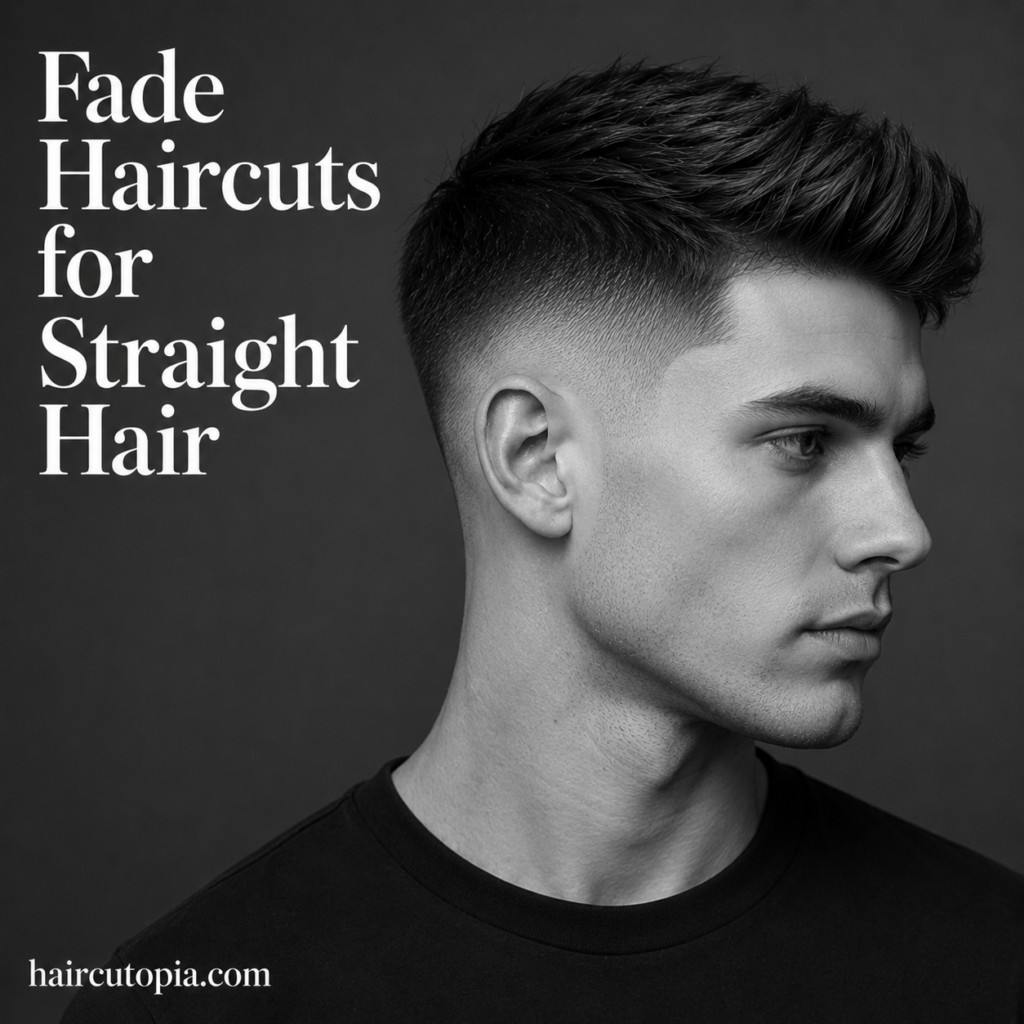
Straight hair has a lot going for it. It often looks neat naturally, holds shape well, and makes clean haircut lines stand out. But because it tends to lie flatter than wavy or curly hair, the wrong cut can sometimes look too plain or feel a little lifeless.
That’s where fade haircuts come in.
A fade creates contrast, sharpens the overall shape, and adds structure around the sides. Combined with straight hair on top, it creates a clean and modern look that works for almost every style preference—from polished professional cuts to trendier textured looks.
If you’re looking for haircut ideas that actually work with straight hair instead of against it, these fade styles are worth considering.
Why Fade Haircuts Work Well for Straight Hair
Straight hair naturally highlights clean lines.
Because fade haircuts rely heavily on smooth blending and visible transitions, straight hair often showcases those details particularly well.
Some of the biggest benefits include:
- Cleaner overall shape
- More contrast between top and sides
- Easier daily styling
- Better control over bulk
- Works with short, medium, and long lengths
Straight hair also adapts well to both structured and messy styling approaches.
Best Fade Haircuts for Straight Hair
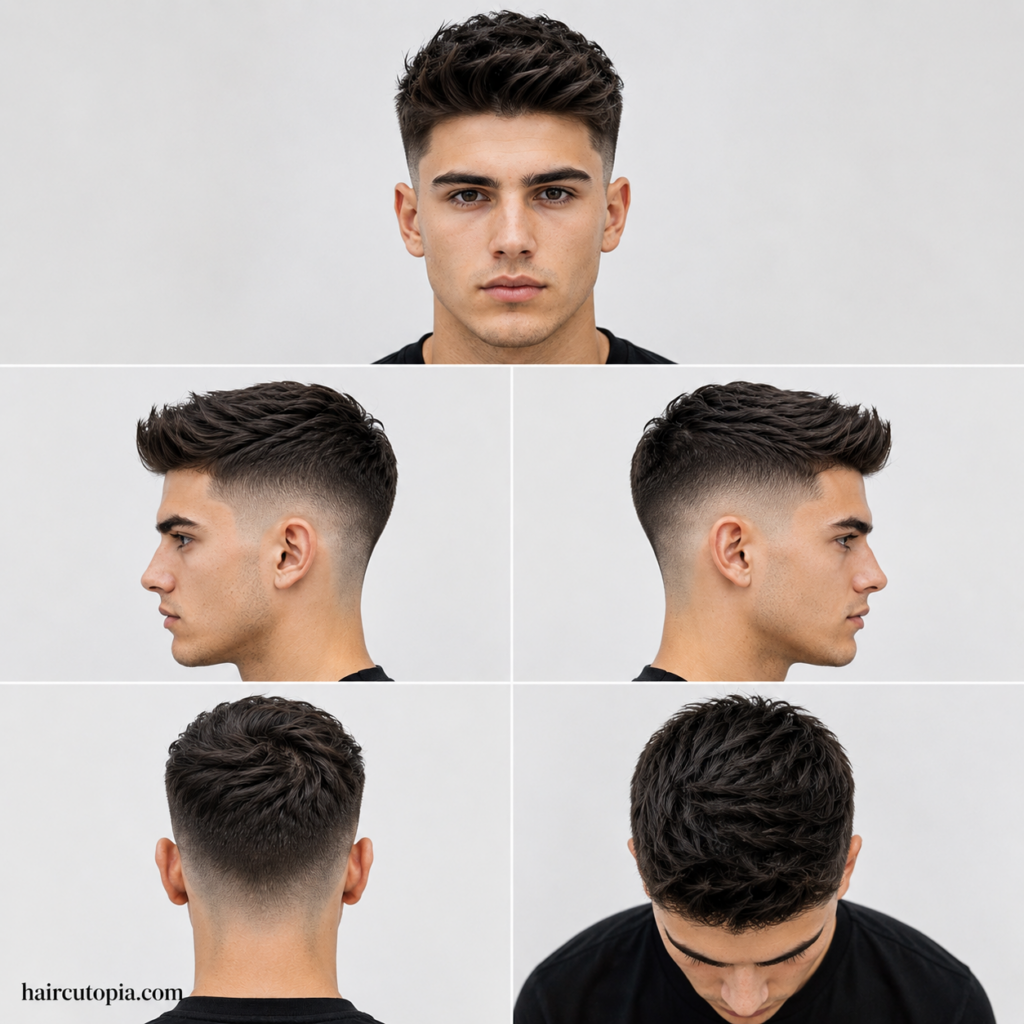
Low Fade with Textured Top
A low fade starts lower around the ears and neckline, creating subtle contrast.
Pairing it with texture on top prevents straight hair from looking too flat or rigid.
This style works especially well if you want:
- A modern but safe haircut
- Professional appearance
- Slight movement on top
- Easy maintenance
Adding a matte styling product usually gives the top more natural separation.
Mid Fade with Side Part
The mid fade creates balance.
Not too subtle and not overly dramatic, it sits around the temple area and works especially well with classic side-part styles.
This haircut creates:
- Defined shape
- Clean edges
- Structured appearance
- Versatility for work and casual settings
Straight hair naturally supports side parts because it follows direction easily.
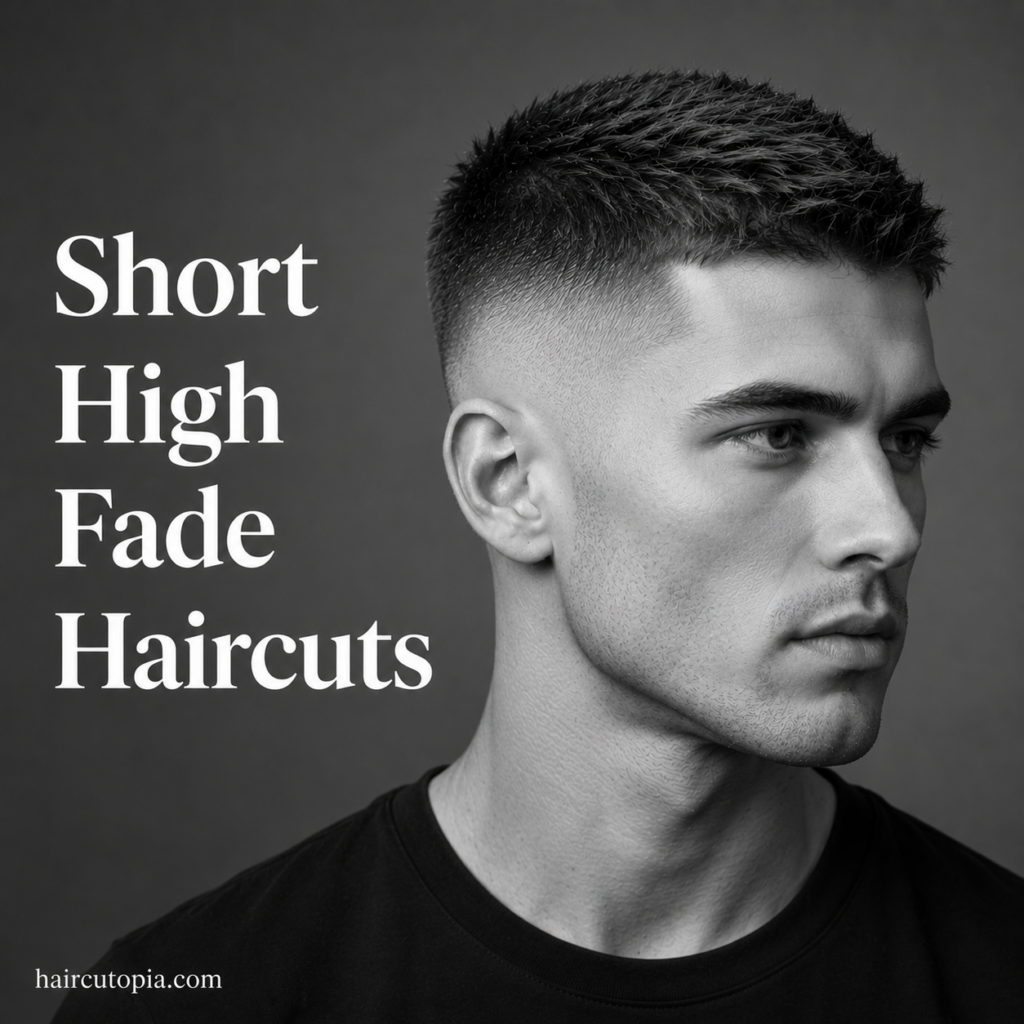
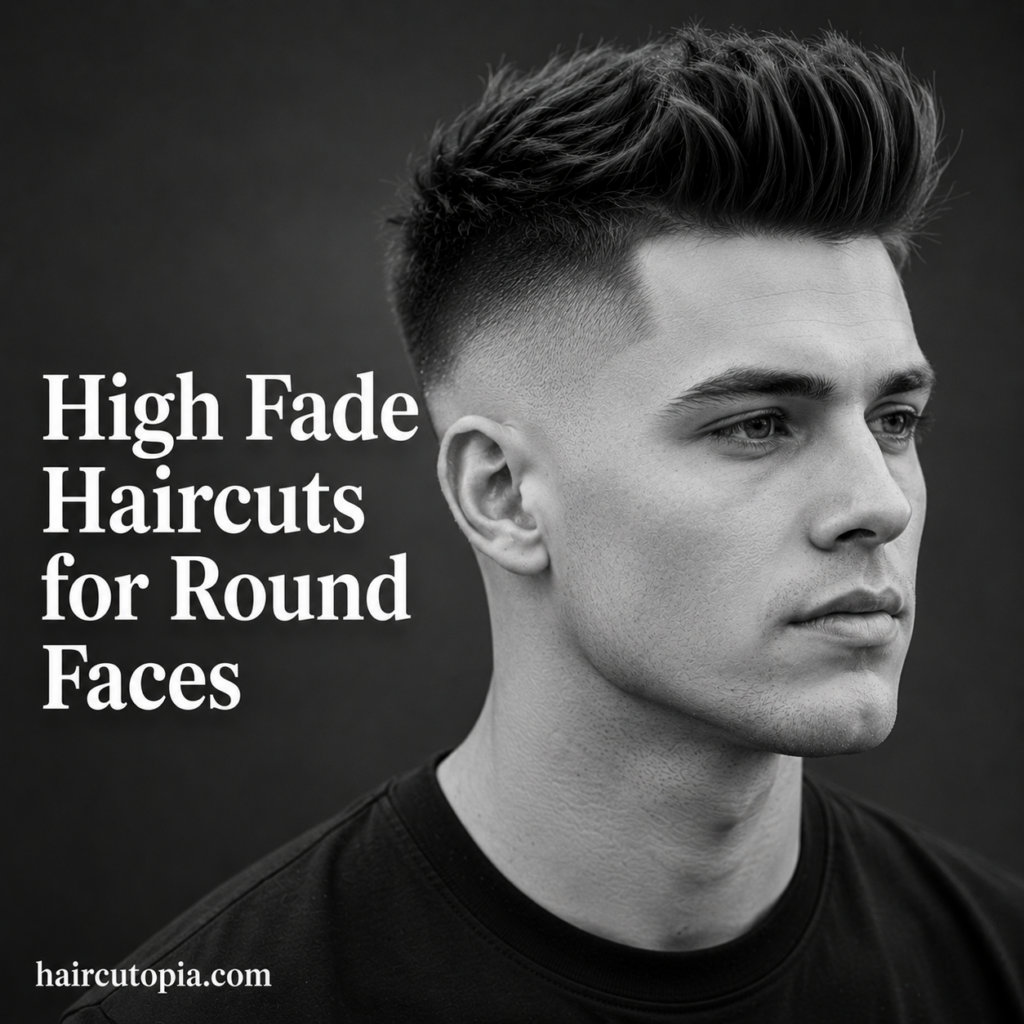
High Fade with Quiff
If you like stronger contrast, a high fade paired with a quiff creates a bold look.
The sides become extremely clean while the top maintains volume and height.
This combination often works best with:
- Thick straight hair
- Medium top length
- Blow-dried styling
- Matte clay products
The result feels modern without looking overly complicated.
Skin Fade with Crop Top
The crop remains one of the most popular modern men’s haircuts.
Adding a skin fade gives it a sharper appearance.
The short textured fringe adds some movement while the fade creates strong definition.
Benefits include:
- Low styling effort
- Clean appearance
- Trendy shape
- Easy upkeep
For men who dislike spending time styling every morning, this is often a practical option.
Drop Fade with Straight Hair
Unlike traditional fades that stay level, a drop fade curves downward behind the ears.
That slight curve creates extra visual flow and works surprisingly well with straight hair.
Why people like it:
- Less boxy appearance
- More customized shape
- Helps create stronger profile lines
- Adds personality without being extreme
Small details often make a haircut feel more unique.
Taper Fade with Medium-Length Straight Hair
Some people prefer a softer finish instead of a dramatic fade.
A taper fade gradually cleans around:
- Sideburns
- Neckline
- Around the ears
This keeps more natural fullness while still maintaining a polished appearance.
It also grows out more naturally than skin fades or high fades.
Burst Fade with Straight Hair
Burst fades create a rounded fade shape around the ears.
When paired with longer straight hair on top, the style creates noticeable contrast and visual interest.
This style works well if you want:
- A trendier appearance
- Something different
- More personality
- Modern edge
It’s not the most traditional choice, but it definitely stands out.
Choosing the Best Fade Based on Hair Thickness
Straight hair varies a lot in density.
Choosing a fade based on thickness often matters just as much as hair type.
Thick Straight Hair
Thicker hair usually handles stronger fades well:
- Mid fade
- High fade
- Skin fade
- Drop fade
Removing bulk creates balance.
Fine Straight Hair
Fine hair sometimes benefits from preserving more fullness.
Good options include:
- Low fade
- Taper fade
- Textured top styles
Removing too much side volume can occasionally make hair appear thinner.
How to Style Straight Hair with a Fade
Straight hair often needs a little help creating texture.
Otherwise, it may sit too flat.
Step 1: Start with slightly damp hair
Avoid styling completely soaked hair.
Towel dry until slightly damp.
Step 2: Add lightweight product
Popular choices include:
- Texture powder
- Sea salt spray
- Matte clay
- Texture cream
- Light paste
Heavy products sometimes make straight hair look greasy.
Step 3: Use a blow dryer if needed
For added volume:
- Lift hair upward with fingers
- Blow dry from roots
- Direct hair into desired shape
- Finish with product
Even one minute of drying can make a noticeable difference.
Step 4: Avoid over-styling
Straight hair usually looks best when slightly relaxed.
Trying to force perfect placement can sometimes make the style look stiff.
Common Mistakes to Avoid
Choosing a fade that’s too aggressive
Very high fades can occasionally create too much contrast depending on face shape and hair density.
Keeping the top too short
Straight hair often benefits from a little extra length for movement and texture.
Using too much product
Overloading products can flatten hair and reduce natural appearance.
Ignoring maintenance
Fade haircuts stay sharp with regular touch-ups:
- Skin fade: every 2–3 weeks
- Mid fade: every 3–4 weeks
- Taper fade: every 4–6 weeks
Barber Tips Before Your Appointment
Straight hair shows details clearly, which means communication matters.
Helpful things to mention:
- Leave enough texture on top
- Avoid removing too much bulk
- Blend sides gradually
- Keep natural movement
- Show photo examples if possible
A few small instructions can make a huge difference.
Final Thoughts
Straight hair gives fade haircuts a clean canvas.
The sharp blending, smooth transitions, and structured shape often become more noticeable with straight textures than almost any other hair type.
Whether you prefer a subtle low fade or a high-contrast skin fade, the goal isn’t just shorter sides.
It’s creating shape, movement, and balance that works with your natural hair.
Done right, straight hair and fades are a very hard combination to beat.