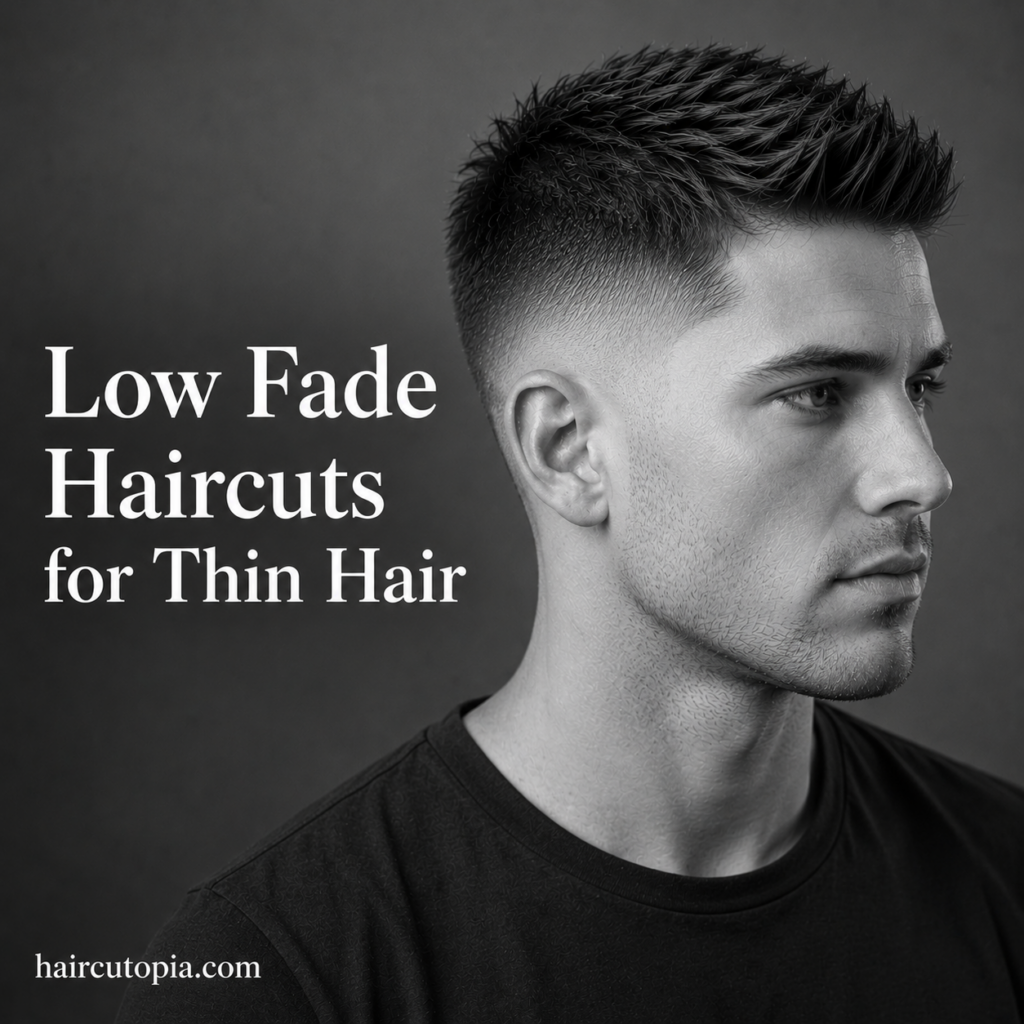
Thin hair creates a unique challenge when choosing the right haircut. The goal usually isn’t removing volume — it’s creating the appearance of more of it. A great haircut can make thin hair look fuller, thicker, and more structured without requiring complicated styling routines.
That’s exactly why low fade haircuts have become a popular option.
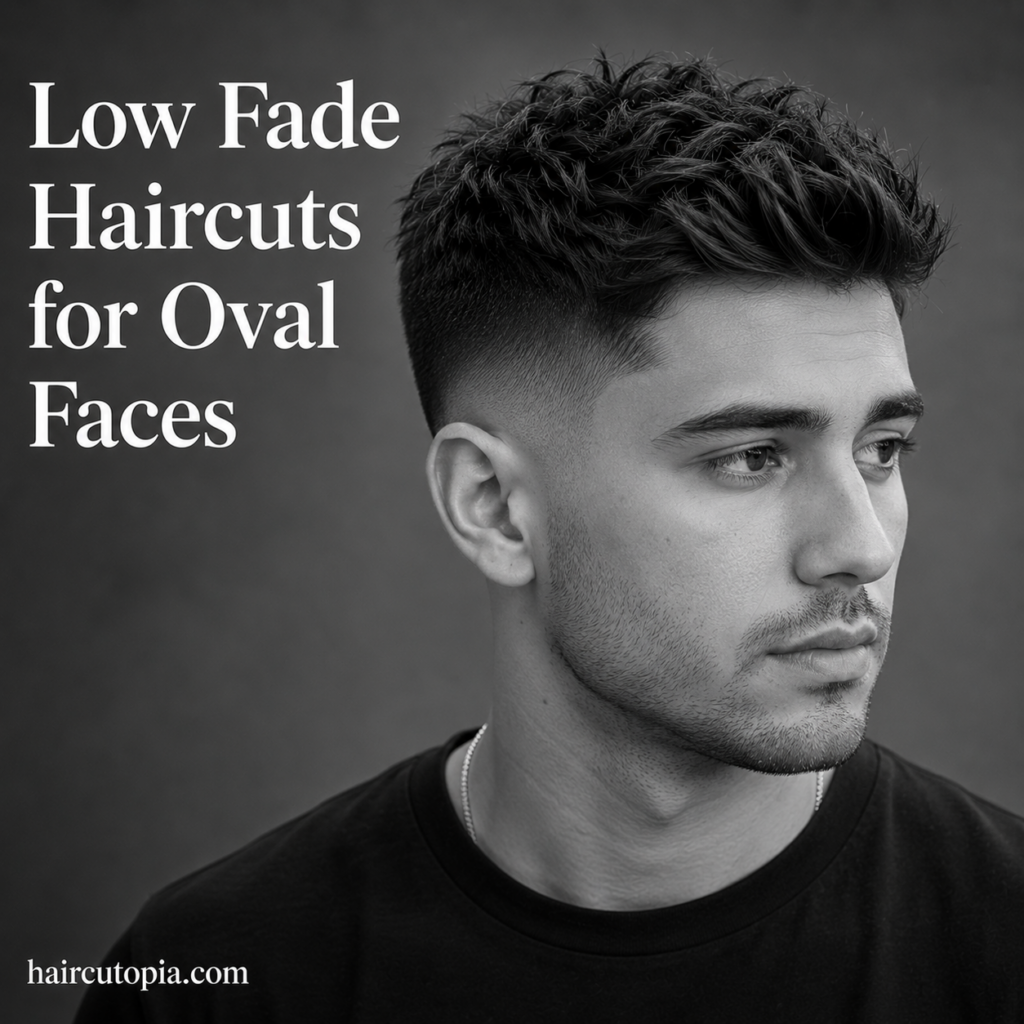
Unlike higher fades that remove large sections of hair and create strong contrast, a low fade keeps more hair around the sides and transitions gradually. That softer blend often helps thin hair appear denser and more balanced.
When paired with the right hairstyle on top, a low fade can completely change the way thin hair looks and feels.
If you’re looking for ideas before your next barber appointment, here are some of the best low fade haircuts for thin hair.
Why Low Fades Work Well for Thin Hair
Thin hair behaves differently than thick hair.
Large areas of exposed scalp or dramatic contrast can sometimes make thinner hair appear even less full. Low fades generally create a softer, more natural transition.
Benefits include:
- Creates the illusion of fuller hair
- Maintains more side density
- Adds cleaner structure
- Works with many face shapes
- Looks modern without appearing overly dramatic
A low fade also grows out more naturally, which can be useful if you prefer fewer barber visits.
Best Low Fade Haircuts for Thin Hair
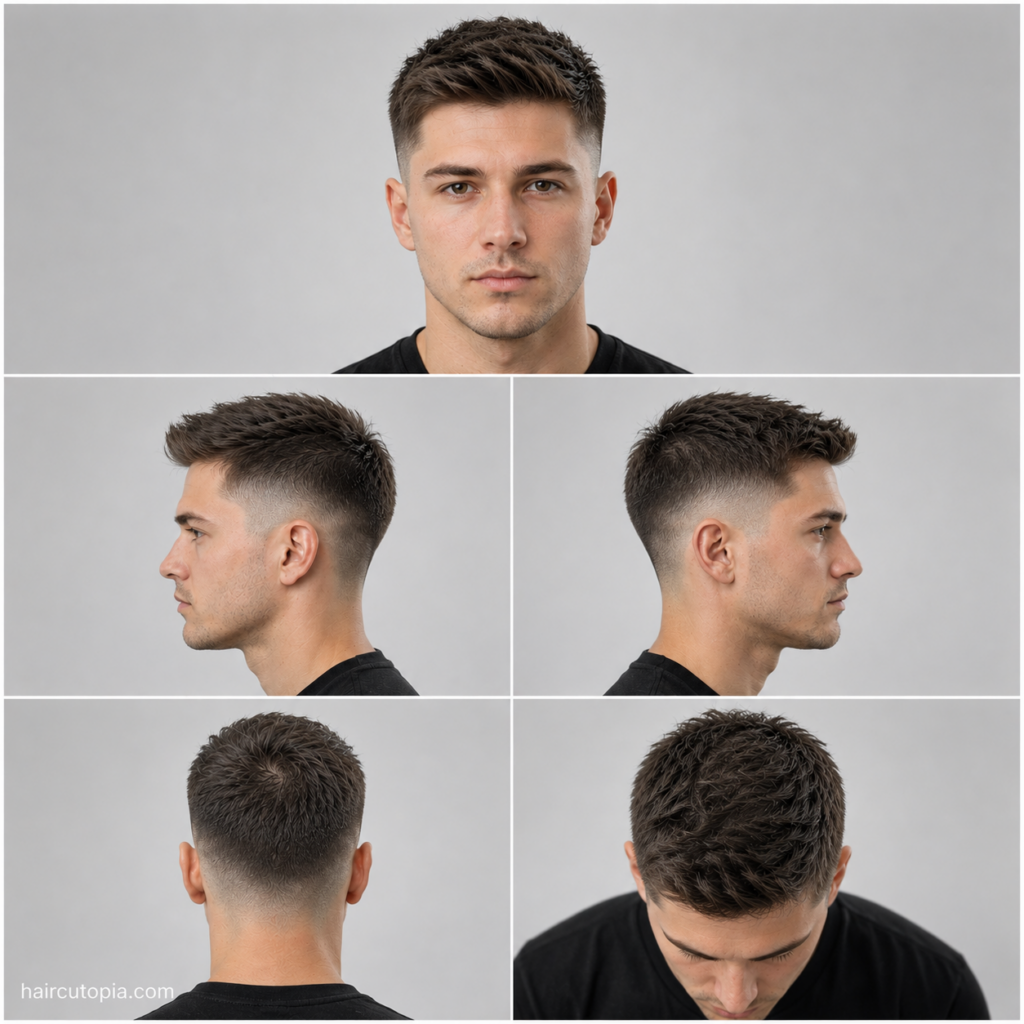
Textured Crop with Low Fade
Texture can become your best friend when hair feels thin.
Adding movement and layers creates visual fullness and prevents hair from appearing flat against the scalp.
Why it works:
- Adds separation
- Creates natural texture
- Easy daily maintenance
- Helps disguise thinning areas
A matte product usually works better than shiny products.
Side Part with Low Fade
A classic side part remains one of the safest and strongest choices for thinner hair.
The structured shape creates volume while the fade keeps everything neat.
This style works especially well for:
- Professional settings
- Formal occasions
- Men wanting timeless styles
Short Quiff with Low Fade
You do not need huge volume for a quiff.
Even moderate lift in the front can create the illusion of thicker hair.
The key is keeping things controlled and natural rather than pushing excessive height.
Textured Fringe with Low Fade
Fringe hairstyles naturally create forward movement and softness.
That can help reduce attention on thinning areas around the hairline.
Popular benefits include:
- Fuller appearance
- Modern style
- Less scalp visibility
- Easy styling
Messy Top with Low Fade
Perfectly styled hair can sometimes expose thin spots.
Controlled texture often creates better results.
A slightly messy top gives hair movement and visual density.
Comb Over Low Fade
Modern comb overs focus less on stiff structure and more on natural flow.
Thin hair often benefits from gentle direction and volume rather than heavily sculpted styles.
Ivy League Low Fade
The Ivy League haircut sits between a crew cut and side part.
Short length combined with clean structure creates a fuller appearance without requiring heavy styling.
Good for:
- Business professionals
- Mature hairstyles
- Minimal maintenance
Slick Back Low Fade
This style can work for thin hair when kept shorter and softer.
Avoid excessive product or extreme slickness.
Too much shine can reveal scalp visibility.
Haircuts Thin Hair Should Approach Carefully
Certain styles can unintentionally make thin hair appear thinner.
These are not impossible styles—but they may require more effort.
Very High Fades
Removing too much hair around the sides sometimes creates stronger contrast.
That can make top density look weaker.
Extremely Long Hair on Top
Long thin hair sometimes separates too easily and exposes scalp areas.
Moderate length often creates better visual balance.
Heavy Wet-Look Products
High-shine products can flatten thin hair.
Matte texture products usually create fuller results.
Styling Tips for Thin Hair
Haircut choice matters, but styling habits matter too.
Small adjustments often create noticeable improvement.
Blow Dry for Volume
Even a minute or two can help.
Lift hair upward while drying rather than flattening it.
Use Matte Products
Good choices include:
- Texture powder
- Matte clay
- Lightweight paste
- Volumizing cream
Avoid products that make hair stiff or greasy.
Style Hair While Slightly Damp
Hair usually responds better when styled before fully drying.
That creates more control and movement.
Face Shape Considerations
Thin hair still needs balance.
Haircuts should work with your facial structure.
Round Faces
Styles with slight height often work well.
Examples:
- Quiffs
- Side parts
- Textured crops
Square Faces
Strong facial features pair naturally with structured cuts.
Most low fades work well here.
Longer Faces
Avoid adding excessive height.
Lower-profile styles usually create better proportions.
Maintenance Tips
Low fades stay cleaner with routine maintenance.
Most men benefit from:
- Haircuts every 2–4 weeks
- Lightweight styling products
- Regular washing without overdrying
- Minimal heavy product buildup
Small grooming habits make a bigger difference than many people expect.
Final Thoughts
Thin hair doesn’t automatically limit your options.
The right haircut simply shifts the strategy.
Low fade haircuts work well because they keep enough density around the sides while creating cleaner structure and fuller-looking shape overall.
Whether you prefer textured crops, side parts, comb overs, or short quiffs, a low fade can help thin hair look stronger without requiring endless styling effort.
Sometimes a subtle change creates the biggest difference.