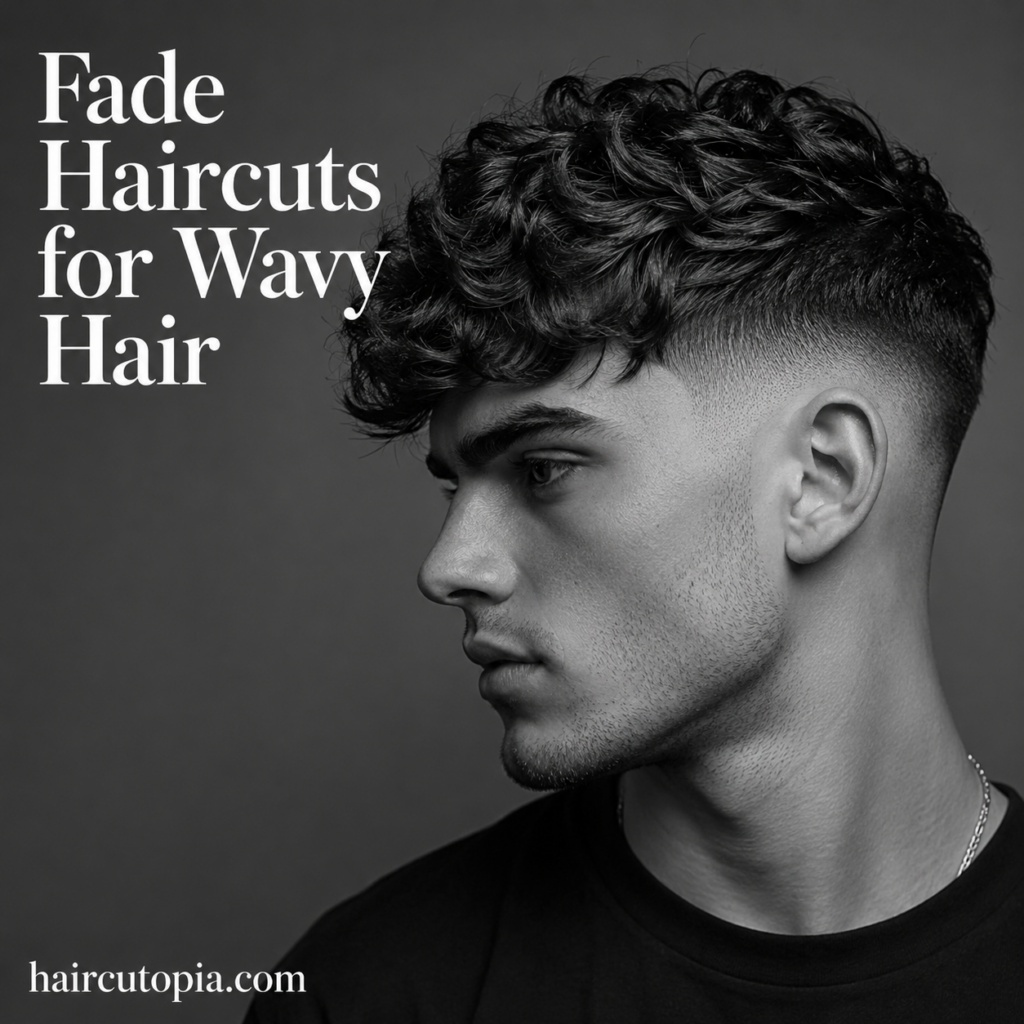
Wavy hair sits in a sweet spot. It has more movement than straight hair and usually requires less maintenance than tight curls. The challenge? Finding a haircut that works with your natural texture instead of fighting against it.
That’s where fade haircuts shine. A fade keeps the sides clean and structured while letting your waves add shape and personality on top. Whether your hair leans slightly wavy or full-on beach-textured, there’s a fade style that can make the most of it.
This guide covers the best fade haircuts for wavy hair, styling tips, common mistakes, and how to choose a fade that fits your look.
Why Fade Haircuts Work So Well for Wavy Hair
Waves naturally create volume and movement. If hair gets too bulky around the sides, it can quickly look messy or uneven.
Fade haircuts solve that problem by:
- Removing excess bulk
- Creating cleaner shape and contrast
- Drawing attention to texture on top
- Making styling easier
- Helping wavy hair look intentional rather than unkempt
The result is a haircut that feels sharp while still looking relaxed.
Best Fade Haircuts for Wavy Hair
Low Fade with Natural Waves
The low fade begins near the ears and keeps most of the hair’s natural fullness intact.
This is one of the safest and most versatile options for wavy hair because it creates structure without removing too much volume.
Works especially well for:
- Medium-length waves
- Professional settings
- Thick hair
- Relaxed everyday styles
The subtle transition also allows the waves to remain the focal point.
Mid Fade with Textured Top
A mid fade starts around the temple area and creates a more noticeable contrast.
Pairing this with textured waves on top gives a balanced look that feels modern without being extreme.
Benefits include:
- Clean sides
- Strong shape
- Easy styling
- Works for casual and dressy looks
Many barbers recommend this as an all-around fade choice.
High Fade with Messy Wavy Top
A high fade removes much more hair from the sides and places full attention on the top section.
For men with thick or prominent waves, this creates dramatic contrast.
This style often looks best with:
- Loose textured styling
- Matte products
- Slightly messy finishes
- Short-to-medium top length
The contrast makes waves appear even more defined.
Drop Fade with Wavy Texture
A drop fade curves downward behind the ears rather than staying level.
That curved shape follows the head naturally and often pairs especially well with textured hair.
Many people choose a drop fade because:
- It creates visual flow
- Adds personality
- Makes waves stand out
- Looks less boxy
It works well with medium and longer wave patterns.
Skin Fade with Wavy Fringe
Adding a fringe to wavy hair can create a stylish, effortless appearance.
Pairing that with a skin fade creates contrast between clean sides and softer movement in front.
This style works particularly well if you want:
- A younger look
- Fashion-forward style
- Texture around the forehead
- Strong contrast
Keep some length up front so the waves can naturally fall.
Taper Fade with Wavy Hair
Not everyone wants an aggressive fade.
A taper fade keeps more hair on the sides while still cleaning up the edges around:
- Neckline
- Sideburns
- Around the ears
For men with natural waves, this often creates a softer and more classic appearance.
It requires less maintenance and grows out more evenly.
Burst Fade with Wavy Mullet
The burst fade curves around the ear while leaving more length in the back.
Combined with waves, it creates a modern textured style that has become increasingly popular.
Best suited for:
- Trend-driven looks
- Thicker waves
- Edgier styles
- Men wanting something different
This cut definitely stands out.
Choosing the Right Fade Based on Wave Type
Not all wavy hair behaves the same.
Loose Waves
Loose waves usually benefit from:
- Mid fades
- Low fades
- Longer textured tops
Too much fading can sometimes reduce balance.
Thick Wavy Hair
Thicker waves often pair better with:
- High fades
- Drop fades
- Skin fades
Removing bulk helps create cleaner structure.
Fine Wavy Hair
Fine hair can appear thinner if the fade sits too high.
Better options include:
- Low fades
- Taper fades
- Medium texture on top
Keeping some side fullness often creates a fuller appearance.
How to Style Fade Haircuts for Wavy Hair
The goal isn’t perfect control. Wavy hair usually looks better with natural movement.
Step 1: Start with damp hair
Avoid styling soaking wet hair.
Lightly towel dry and leave slight moisture.
Step 2: Apply a lightweight product
Popular options include:
- Sea salt spray
- Texture cream
- Matte clay
- Curl cream
- Light mousse
Avoid heavy grease or thick pomades.
Step 3: Scrunch or diffuse
Use your hands to gently scrunch the hair.
If using a dryer:
- Use low heat
- Add a diffuser attachment
- Avoid blasting hair with high airflow
Too much heat often creates frizz.
Step 4: Leave slight imperfection
Wavy styles usually look better when slightly relaxed.
Trying to make waves perfectly neat can remove their natural character.
Common Mistakes to Avoid
Choosing too high of a fade
Very high fades can sometimes create excessive contrast and make the top appear disconnected.
Cutting the top too short
Waves need enough length to form properly.
Too little length can make hair stand up unpredictably.
Using heavy products
Thick styling products often flatten waves and create buildup.
Ignoring maintenance
Fade haircuts usually need touch-ups every:
- 2–4 weeks for skin fades
- 3–5 weeks for low fades
- 4–6 weeks for taper fades
Barber Tips Before Your Appointment
If you have wavy hair, be specific when talking with your barber.
Helpful requests include:
- Keep natural texture on top
- Remove bulk from sides
- Leave enough length for waves
- Blend carefully into fade
- Avoid over-thinning
Showing reference photos can also help prevent misunderstandings.
Final Thoughts
Wavy hair already has something many people spend time trying to create: texture and movement.
The right fade simply enhances what you naturally have.
Whether you choose a low fade for a subtle look, a high fade for stronger contrast, or a drop fade for extra style, the goal is the same—clean structure with natural personality.
Instead of fighting your waves, build the haircut around them.
That’s usually when wavy hair looks its best.
Related Posts
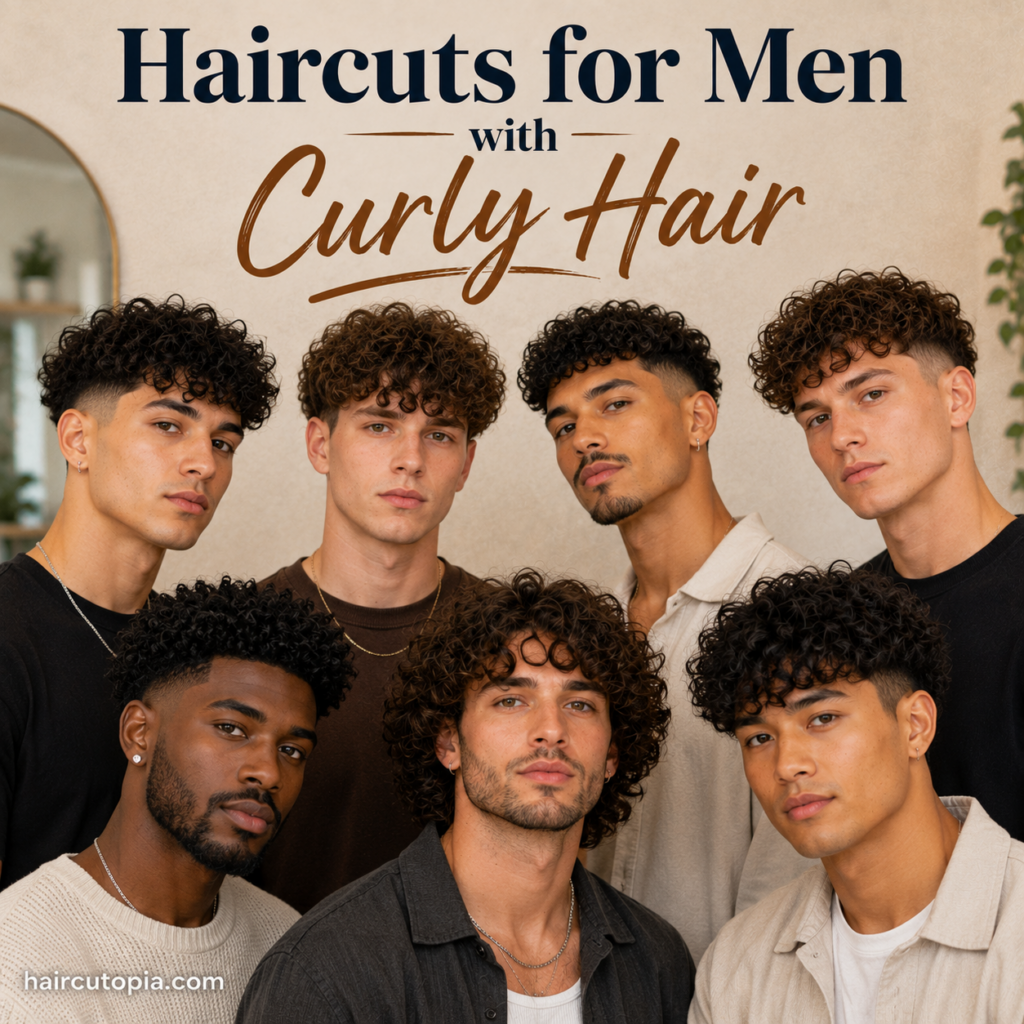 Haircuts for Men with Curly Hair: 20 Stylish Cuts for Every Curl Type
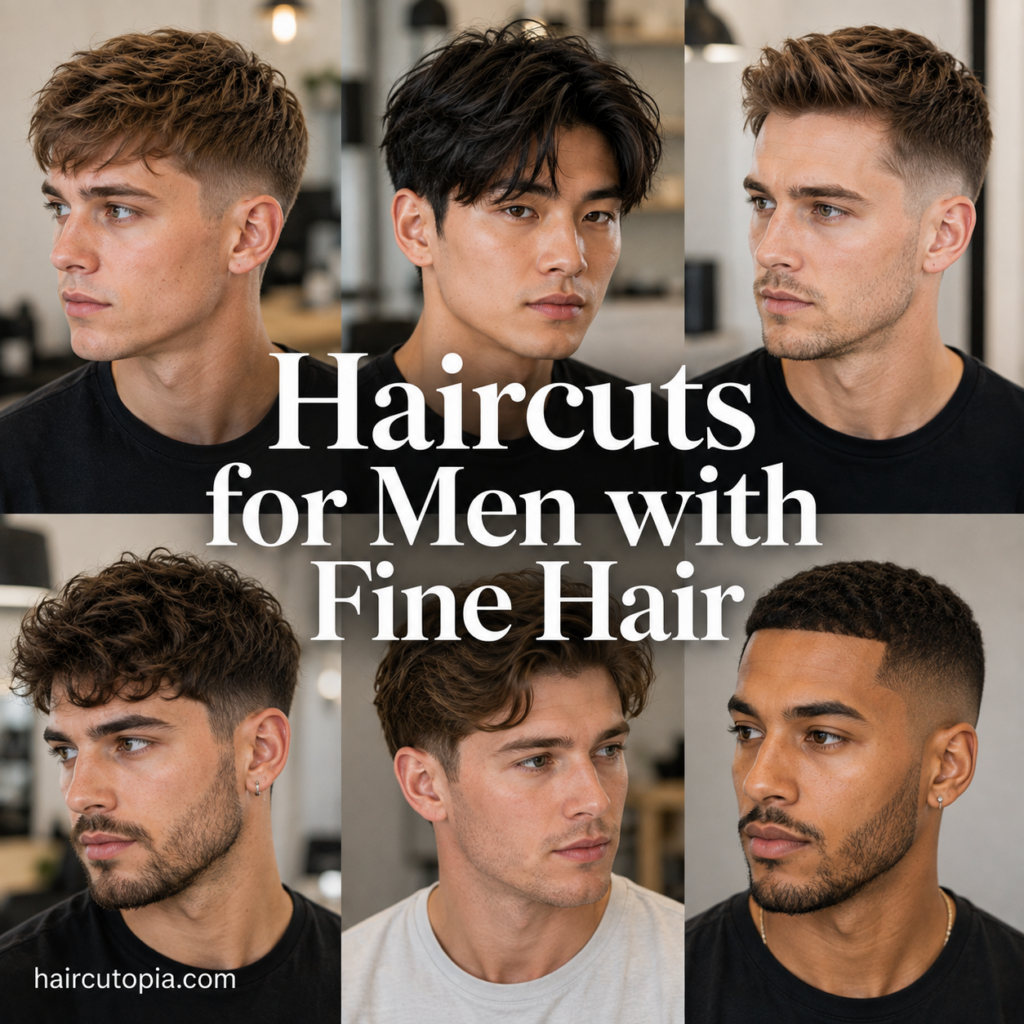 Haircuts for Men with Fine Hair: 18 Stylish Cuts That Make Hair Look Thicker
 Haircuts for Men with Thin Hair: 20 Stylish Cuts That Add Volume and Confidence
 Haircuts for Men with Thick Hair: 20 Stylish Cuts That Make Thick Hair Easy to Manage