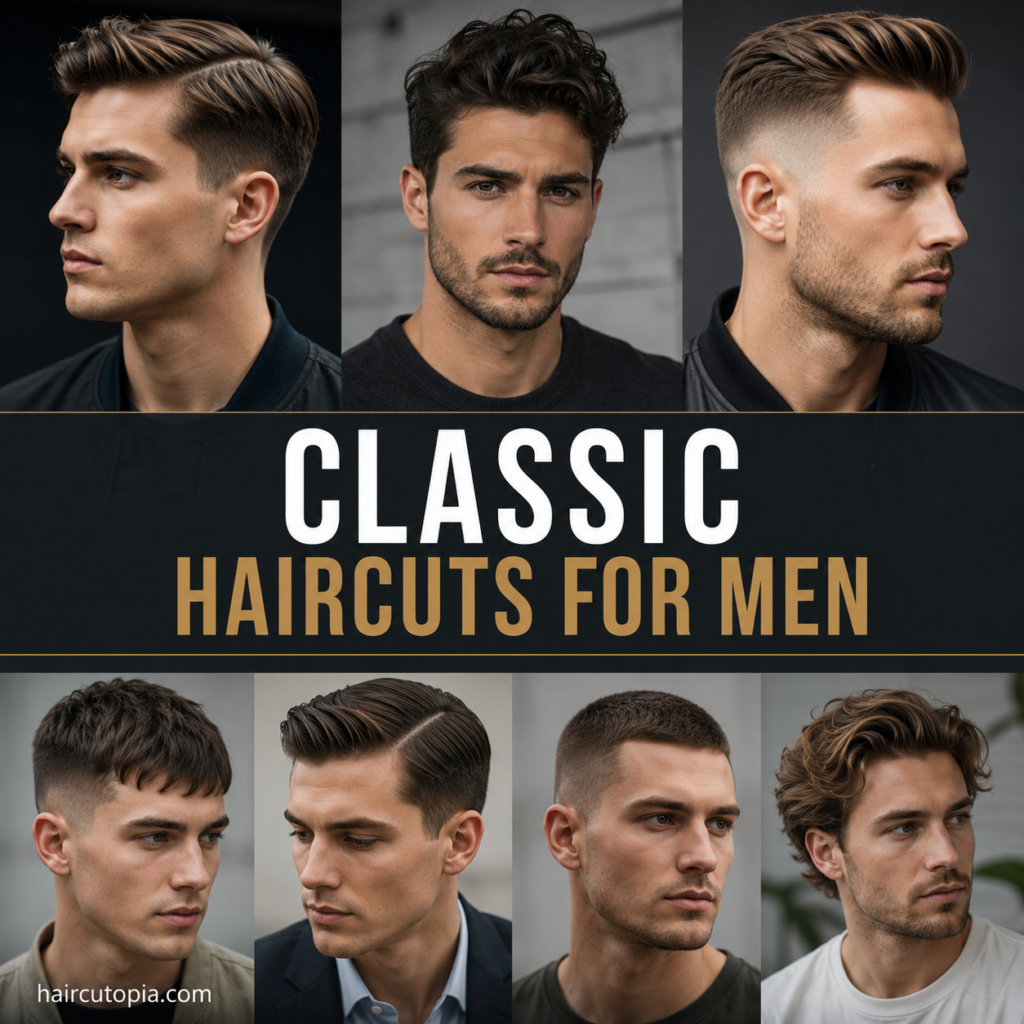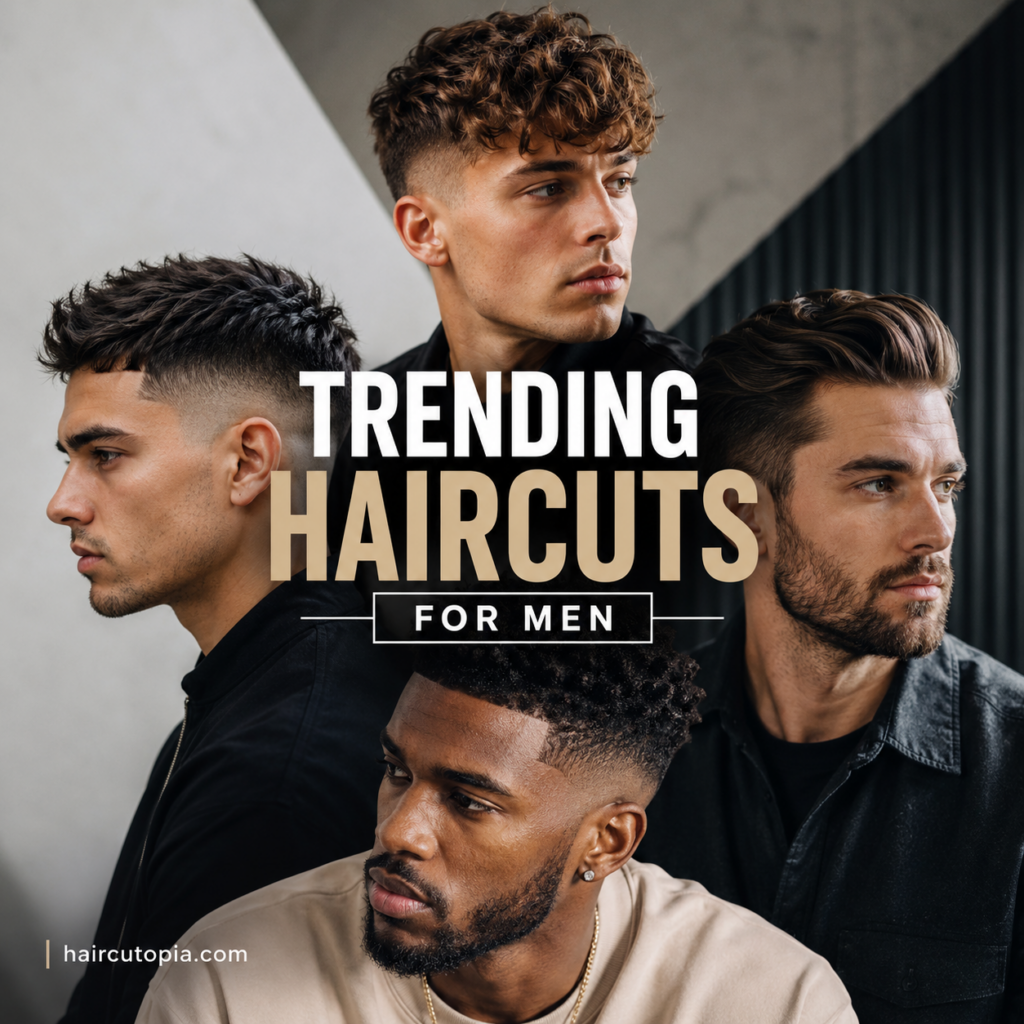
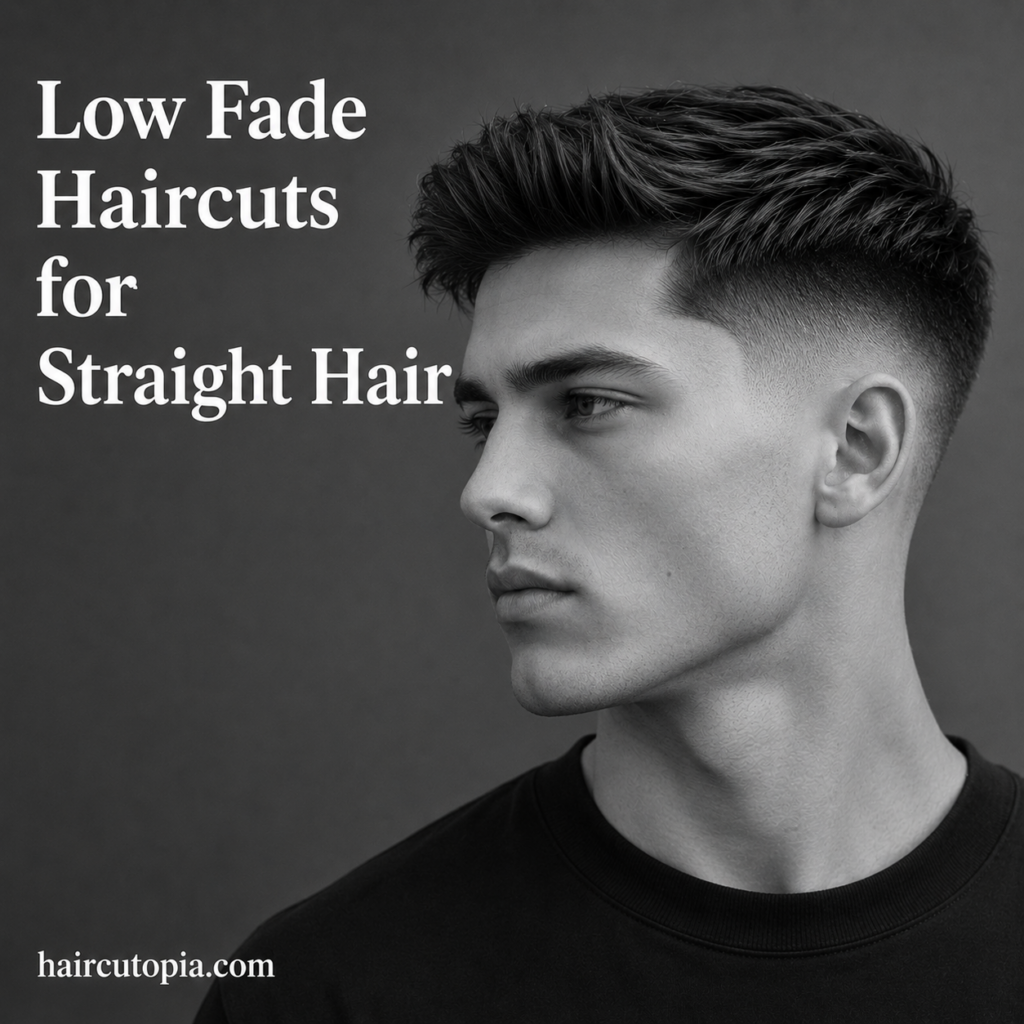
Straight hair has a lot going for it. It looks clean, tends to hold shape well, and works with a huge range of haircut styles. But because it doesn’t naturally create much texture or movement on its own, the right cut matters.
That’s one reason low fade haircuts for straight hair continue to stay popular.
A low fade creates a clean transition around the sides and neckline while leaving enough hair on top for styling flexibility. It adds structure without being overly dramatic and works with everything from classic side parts to textured crops and modern messy styles.
If you want a haircut that feels sharp, versatile, and easy to maintain, a low fade might be exactly what you’re looking for.
What Is a Low Fade Haircut?
A low fade starts near the ears and gradually blends upward into longer hair.
Unlike a high fade that removes more hair and creates stronger contrast, a low fade keeps a softer appearance. The result feels cleaner and more natural.
For straight hair, this matters because:
- It creates better shape
- It adds contrast without looking extreme
- It keeps the haircut balanced
- It works with many hair lengths
- It allows more styling options
Straight hair often shows haircut lines more clearly, so a well-blended fade can make a huge difference.
Why Straight Hair Works So Well With a Low Fade
Straight hair naturally creates a smooth, structured appearance. Pairing that with a low fade enhances definition and keeps the haircut looking intentional.
Benefits include:
- Cleaner side profile
- More emphasis on the hairstyle up top
- Easier maintenance
- Less bulk around the sides
- Works for casual and professional settings
Low fades also grow out more naturally compared to sharper, higher fades.
Popular Low Fade Haircuts for Straight Hair
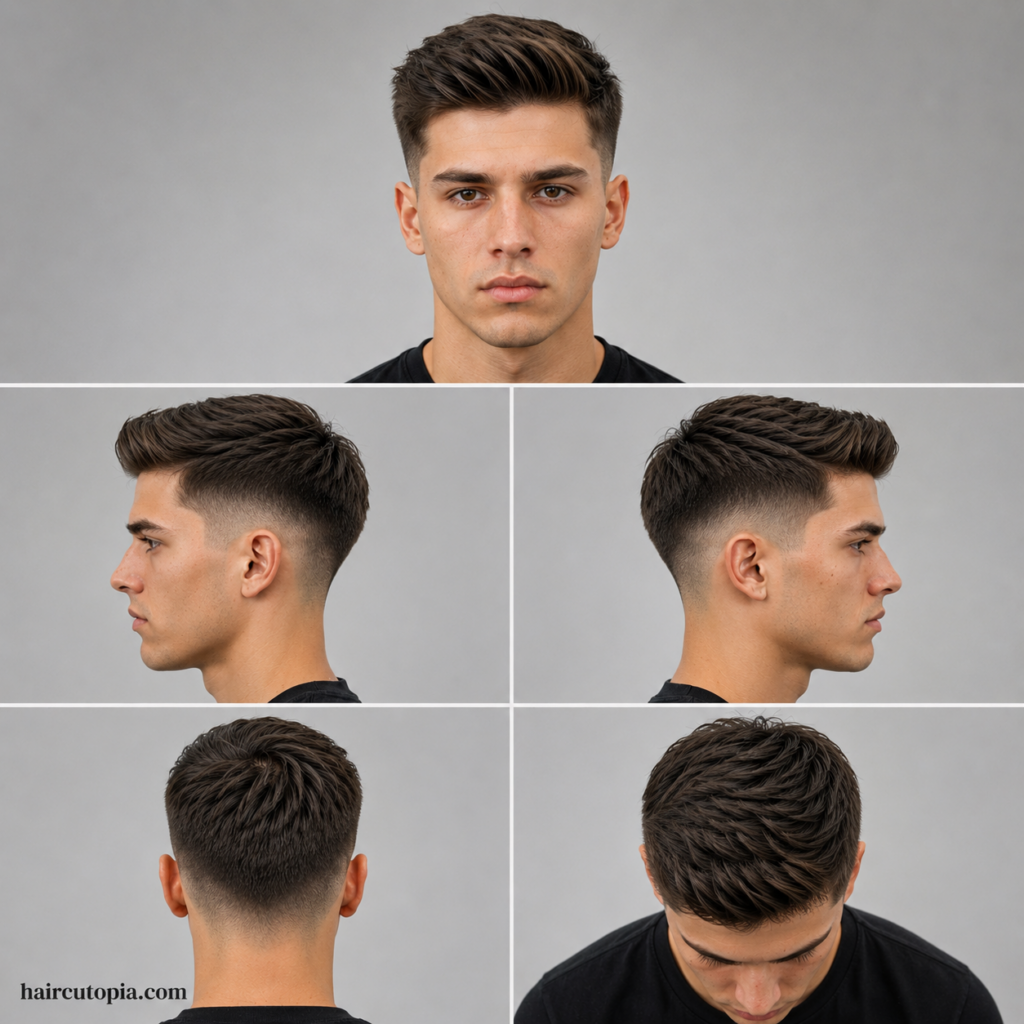
Textured Crop With Low Fade
One of the most popular modern choices.
A textured crop adds layers and movement on top while the fade keeps the sides neat.
Why people like it:
- Easy styling
- Modern appearance
- Works with thick straight hair
- Great for shorter lengths
Adding texture helps prevent straight hair from looking too flat.
Side Part With Low Fade
This is one of those haircuts that rarely goes out of style.
The side part creates structure while the low fade updates the look without making it feel trendy.
Works especially well for:
- Professional environments
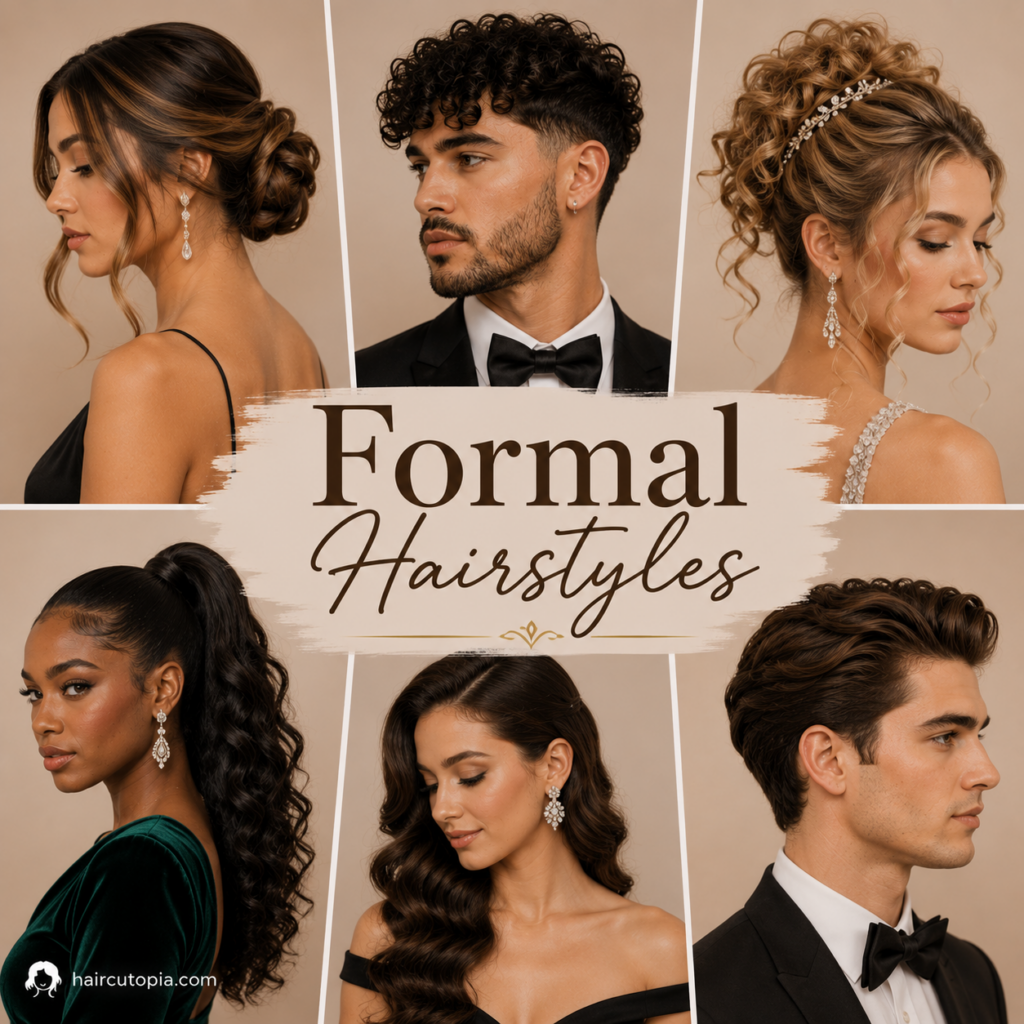
- Formal occasions
- Medium hair lengths
Comb Over Low Fade
Forget the old-school image many people think of when hearing “comb over.”
Modern versions use volume and texture rather than hard lines.
The fade keeps the haircut clean while the top remains flexible enough for different styling directions.
Quiff With Low Fade
If you want more height, a quiff can create a bold appearance.
The front section stays longer and gets styled upward and slightly backward.
Benefits:
- Adds volume
- Creates a sharper profile
- Works with medium-length hair
- Helps elongate round face shapes
Slick Back With Low Fade
Straight hair often works extremely well with slicked-back styles.
The fade modernizes the look while keeping everything clean and controlled.
This option works best when you have:
- Medium or longer top length
- Strong density
- Willingness to style daily
Messy Straight Hair With Low Fade
Not every hairstyle needs perfect structure.
Some men prefer a looser, relaxed look with natural movement.
Using lightweight texture products can create a casual style that still feels intentional.
Best Hair Length for Low Fade Haircuts
Straight hair behaves differently depending on length.
Short Straight Hair
Short styles create a cleaner, lower-maintenance appearance.
Benefits:
- Quick styling
- Less product use
- Easy upkeep
Medium-Length Straight Hair
Medium length often creates the most versatility.
You can style:
- Quiffs
- Side parts
- Fringe styles
- Comb overs
- Messy textured looks
Longer Straight Hair
Longer tops provide flexibility but usually require more maintenance.
Extra length can create movement that shorter straight styles sometimes lack.
Face Shapes That Pair Well With Low Fades
Haircuts often look stronger when they work with facial structure.
Oval Face Shape
Almost every low fade variation works well.
Round Face Shape
Extra volume on top creates visual height.
Square Face Shape
Low fades naturally highlight stronger jawlines.
Heart Face Shape
Moderate volume helps balance proportions.
What to Ask Your Barber
Saying “give me a low fade” leaves room for interpretation.
Be specific.
You can mention:
- How low you want the fade
- Skin fade, taper, or shadow fade preference
- Length you want on top
- Whether you prefer texture or cleaner structure
- How much daily styling you’re comfortable doing
Reference photos help more than most people realize.
Styling Tips for Straight Hair
Straight hair sometimes needs a little help creating volume and movement.
Use Lightweight Products
Good options include:
- Texture powder
- Matte clay
- Sea salt spray
- Styling cream
Heavy products can flatten hair quickly.
Blow Dry for Volume
Many barbers use blow dryers because they create shape before styling products even touch the hair.
Directing hair upward can add noticeable fullness.
Avoid Too Much Product
Straight hair can become greasy-looking faster than textured hair.
Start with less product and build gradually.
Common Mistakes to Avoid
Keeping Too Much Weight on the Sides
Heavy sides can make the haircut appear bulky.
A low fade helps remove excess weight.
Forgetting Maintenance
Even low fades need regular cleanup.
Most people schedule touch-ups every:
- 2–3 weeks for skin fades
- 3–4 weeks for softer fades
Ignoring Hair Texture
Straight hair varies from fine to thick.
The right haircut should work with your specific hair type.
Final Thoughts
Low fade haircuts for straight hair continue to stay popular because they strike a balance between clean and flexible. They create structure without becoming too aggressive and work with a huge range of styles.
Whether you prefer a side part, textured crop, slick back, or messy style, the low fade adds a cleaner finish that keeps the haircut looking intentional.
Simple changes often make the biggest difference.