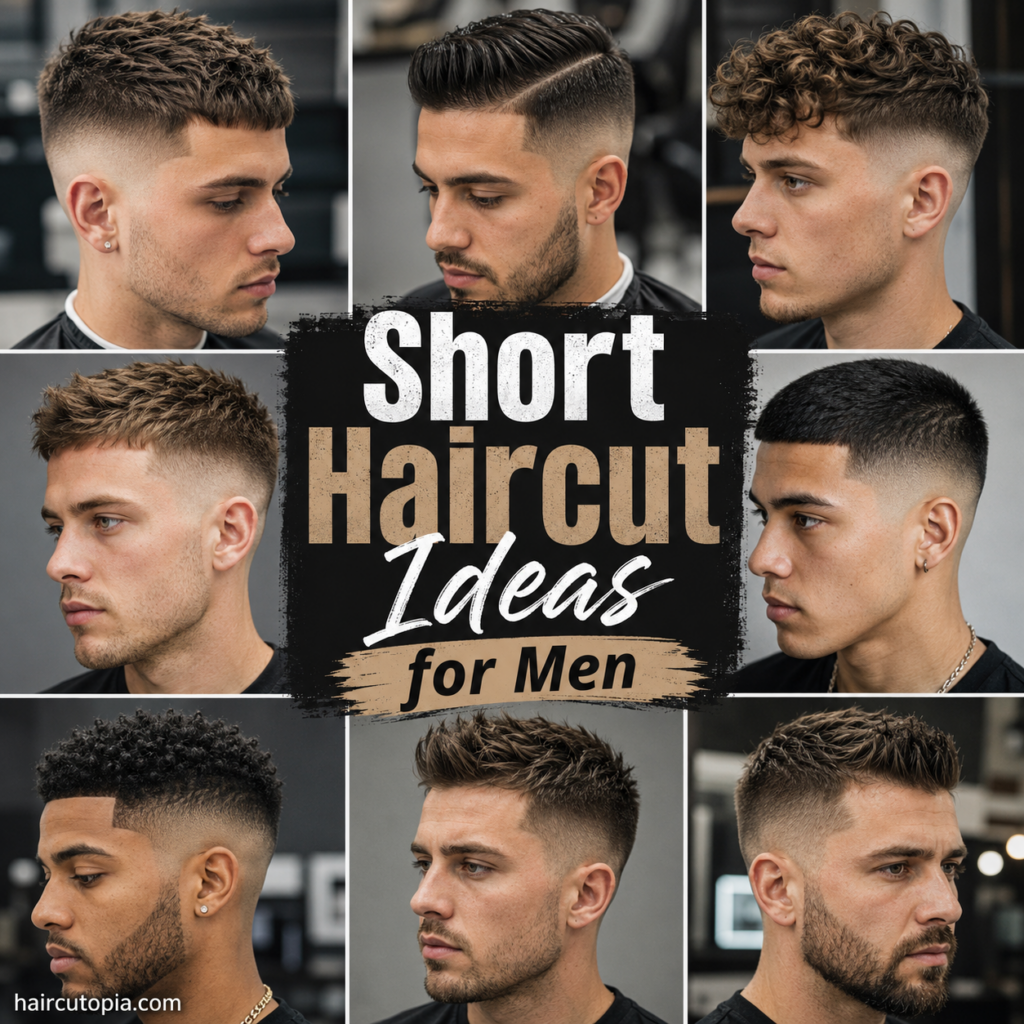
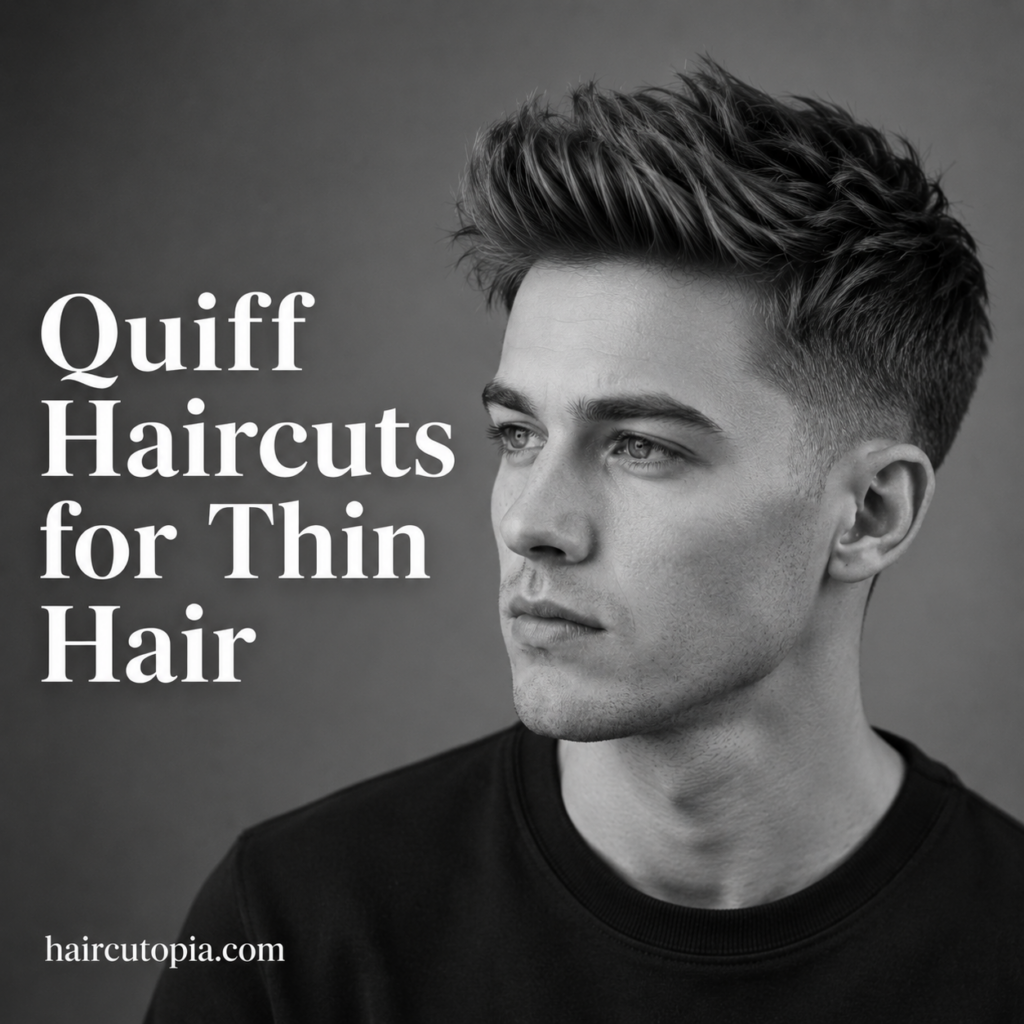
A quiff can be one of the most flattering hairstyles for men with thin hair. It adds height at the front, creates the appearance of more density, and gives the haircut a fuller overall shape without requiring long hair.
The right quiff does not try to hide thin hair with an oversized style. Instead, it uses smart length, texture, and styling direction to make the hair look naturally thicker.
A shorter, textured quiff is often the best place to start. It keeps the hair light enough to lift while avoiding the flat, separated look that can happen when thin hair gets too long.
Why a Quiff Works for Thin Hair
Thin hair can sometimes sit close to the scalp, especially around the front or crown. A quiff changes that by lifting the hair upward and slightly back, which creates more visible volume.
The style also gives the eye a clear focal point. Rather than noticing the scalp or a lack of density, people see the height and texture at the front.
A well-cut quiff can help thin hair look:
- Fuller through the front and top
- More textured and dimensional
- Better balanced with the sides
- More intentional and styled
- Less flat after a long day
The secret is keeping the haircut light. Heavy length and thick styling products can pull thin hair down, making it look flatter than before.
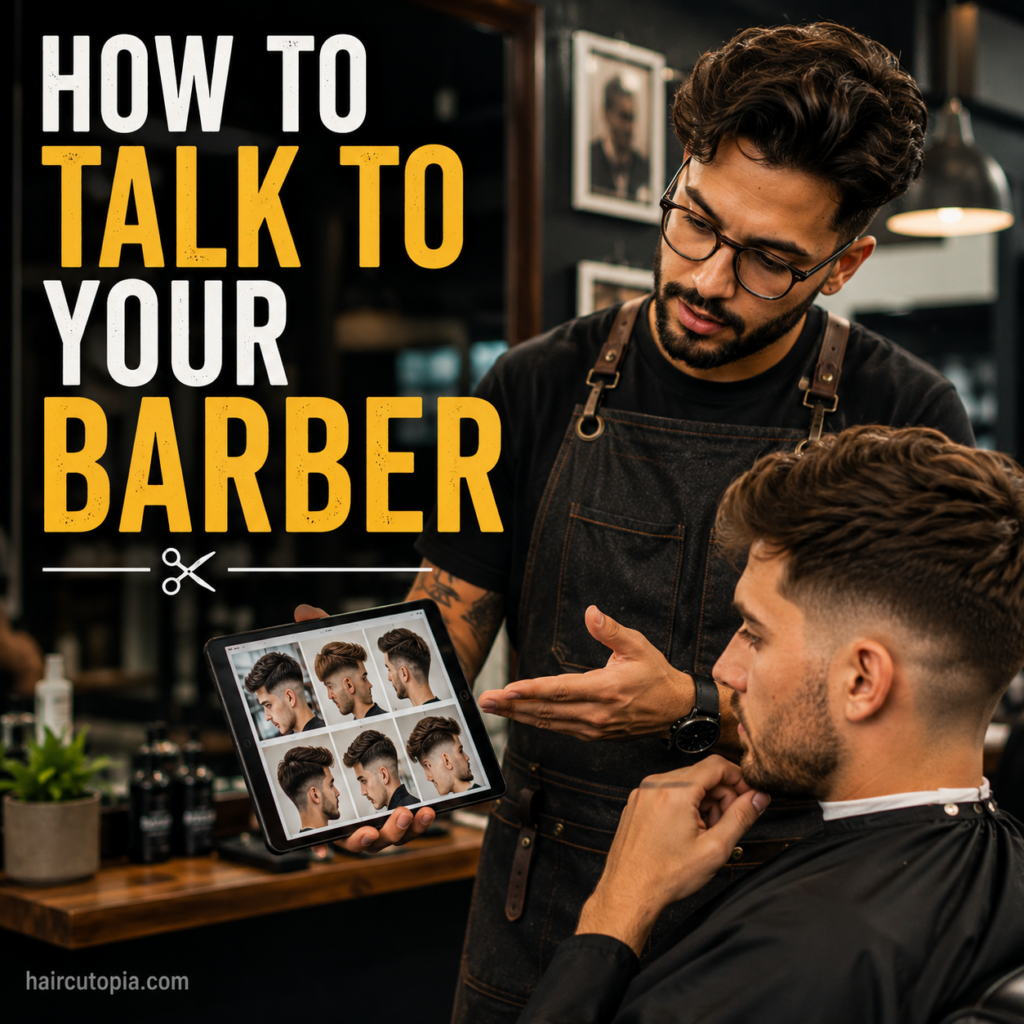
What to Ask Your Barber for a Quiff with Thin Hair
A good haircut makes styling much easier, especially if your hair is fine or starting to thin.
Tell your barber that you want a quiff that creates volume without exposing too much scalp. Ask for texture on top, but avoid aggressive thinning with thinning shears. Fine hair can become wispy if too much weight is removed.
A helpful request might sound like this:
“I want a short textured quiff with enough length at the front for volume. Please keep the top light but not too thin, and blend the sides so the haircut looks fuller.”
You can also ask for:
- Around 2 to 4 inches of length on top
- Slightly longer hair at the front
- Soft layers or point cutting for texture
- A low taper or low fade for a balanced shape
- A natural blend into the crown
- Sides that are not taken too high or too tight
If you have noticeable thinning at the crown, ask your barber to keep the top and crown connected. A sharp disconnect can make sparse areas stand out more.
Best Quiff Haircuts for Thin Hair
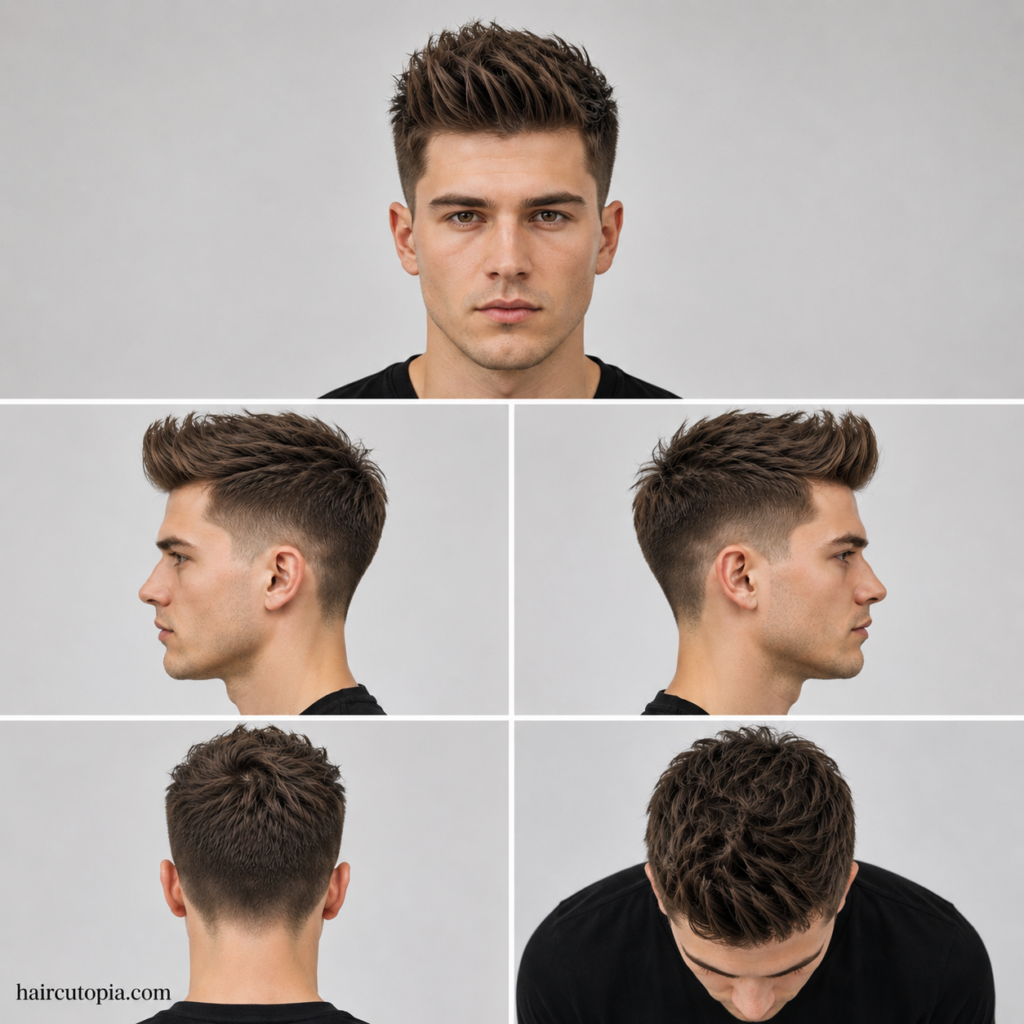
Short Textured Quiff
A short textured quiff is one of the best all-around choices for thin hair. The top is kept short enough to stay lifted, while the front has a little extra length for a subtle quiff shape.
Texture gives the hair more separation and movement, which can make it look denser. It also prevents the style from looking too smooth or flat.
This haircut is easy to maintain and works well for men who want a hairstyle that looks polished without needing a long styling routine.
Messy Quiff with Low Taper
A messy quiff can create the illusion of thicker hair because it does not rely on a perfectly smooth finish. The hair is styled upward with soft, natural texture instead of being combed tightly into place.
A low taper keeps the sides neat without creating too much contrast. This is important because very short sides can sometimes make thin hair on top appear even thinner.
Use a matte styling paste or lightweight clay to separate the hair. The goal is a relaxed, airy finish rather than a stiff, high-volume shape.
Textured Quiff with Low Fade
A low fade can work well with thin hair when it starts low around the ears and neckline. It keeps the haircut clean while leaving enough weight around the upper sides to support the look of fuller hair on top.
The top should be cut with texture and styled loosely. A low fade paired with a short quiff is modern, versatile, and easier to grow out than a high fade.
This is a strong option if you like a sharper haircut but still want to avoid making the top look too isolated.
Side-Swept Quiff
A side-swept quiff is useful when thin hair naturally parts or grows in one direction. Instead of fighting your natural growth pattern, the hair is lifted at the front and swept diagonally across the top.
This creates more coverage and helps the hair appear fuller from the front. It can also be a smart choice if one side of your hairline is thinner than the other.
Keep the part soft rather than sharply defined. A hard part can expose the scalp and make fine hair look less dense.
Classic Short Quiff
The classic short quiff is clean, simple, and suitable for work, school, or formal occasions. The hair is lifted at the front and brushed back with a controlled shape.
For thin hair, the best version is usually modest in height. A huge quiff may look impressive at first, but it can collapse quickly if the hair does not have enough density to support it.
A medium-hold styling cream or mousse can help keep the front lifted without making it look crunchy.
Quiff with Mid Taper
A mid taper creates a little more definition than a low taper while still keeping the sides connected to the top. It is a good middle ground for men who want a fresh haircut without going for a dramatic skin fade.
The top can be styled into a textured quiff, a side-swept quiff, or a slightly messy brushed-up look.
This haircut works especially well if your hair is thin but not noticeably sparse. It gives the style shape without putting too much attention on the scalp.
Wavy Quiff for Fine Hair
Fine hair with a natural wave can be a major advantage. The wave adds built-in texture and helps the quiff look fuller with less product.
Rather than straightening the hair or trying to force it into a stiff shape, use the natural movement to create a loose, textured quiff. A light mousse or sea salt spray can help enhance the wave before blow-drying.
Keep the sides tapered and avoid cutting the top too short. A little length allows the wave to create better visual volume.
Quiff with Fringe
A quiff with fringe is a softer variation that leaves some hair slightly forward at the front before lifting the rest upward. It can be helpful if you have a receding hairline or thinner spots near the temples.
The fringe creates a bit more coverage while the quiff keeps the haircut from looking flat. This combination can feel modern and casual without looking like you are trying too hard to conceal anything.
Ask for a textured fringe that blends into the quiff rather than a heavy, straight-across fringe.
Brushed-Up Quiff with Tapered Sides
A brushed-up quiff is less dramatic than a traditional quiff. The hair is simply directed upward and slightly back, creating a clean vertical shape.
This works well for thin hair because it does not require a lot of length or density. The top can stay fairly short, and the tapered sides keep the haircut balanced.
It is also one of the easiest styles to manage at home. A quick blow-dry and a small amount of styling product are often enough.
How to Style a Quiff for Thin Hair
Styling products matter just as much as the haircut. Thin hair can quickly become flat if it is weighed down with heavy pomade, too much wax, or oily creams.
Use this simple styling routine:
- Start with clean, towel-damp hair.
- Apply a lightweight volumizing mousse, root-lifting spray, or sea salt spray.
- Blow-dry the hair upward and back, focusing on lifting the roots at the front.
- Use your fingers or a small round brush to guide the quiff into shape.
- Finish with a pea-sized amount of matte paste, lightweight clay, or texture powder.
- Avoid touching the hair too much once it is styled, since natural oils from your hands can make fine hair separate.
A blow dryer is usually the most useful styling tool for a quiff with thin hair. Product can add hold, but heat and airflow are what create the lift.
Best Products for a Thin-Hair Quiff
The best products add grip and volume without making the hair look greasy or stiff.
Volumizing Mousse
Mousse is ideal for adding lift before blow-drying. It gives the roots support without leaving a heavy coating on the hair.
Sea Salt Spray
Sea salt spray adds texture and can make fine hair feel slightly thicker. Use it lightly, since too much can make hair dry or rough.
Matte Styling Paste
A matte paste gives flexible hold and a natural finish. It is a good choice for messy and textured quiffs.
Texture Powder
Texture powder can create quick root lift and grip, especially if your hair tends to flatten during the day. Use a small amount near the roots and work it in with your fingertips.
Lightweight Hairspray
A light mist of hairspray can help hold the quiff in place without making it look helmet-like. Look for a flexible-hold formula rather than an extra-strong one.
What to Avoid with Thin Hair
Some common styling habits can make thin hair look flatter or more separated.
Try to avoid:
- Growing the top too long without layers
- Using thick, shiny pomades
- Applying too much product at once
- Creating a sharp hard part
- Taking the sides extremely high and tight
- Overusing thinning shears on already fine hair
- Combing the hair tightly against the scalp
- Wearing the same style for too long without a trim
A little texture is usually more flattering than a perfectly slick finish. Matte products and a relaxed shape tend to make thin hair look more natural and full.
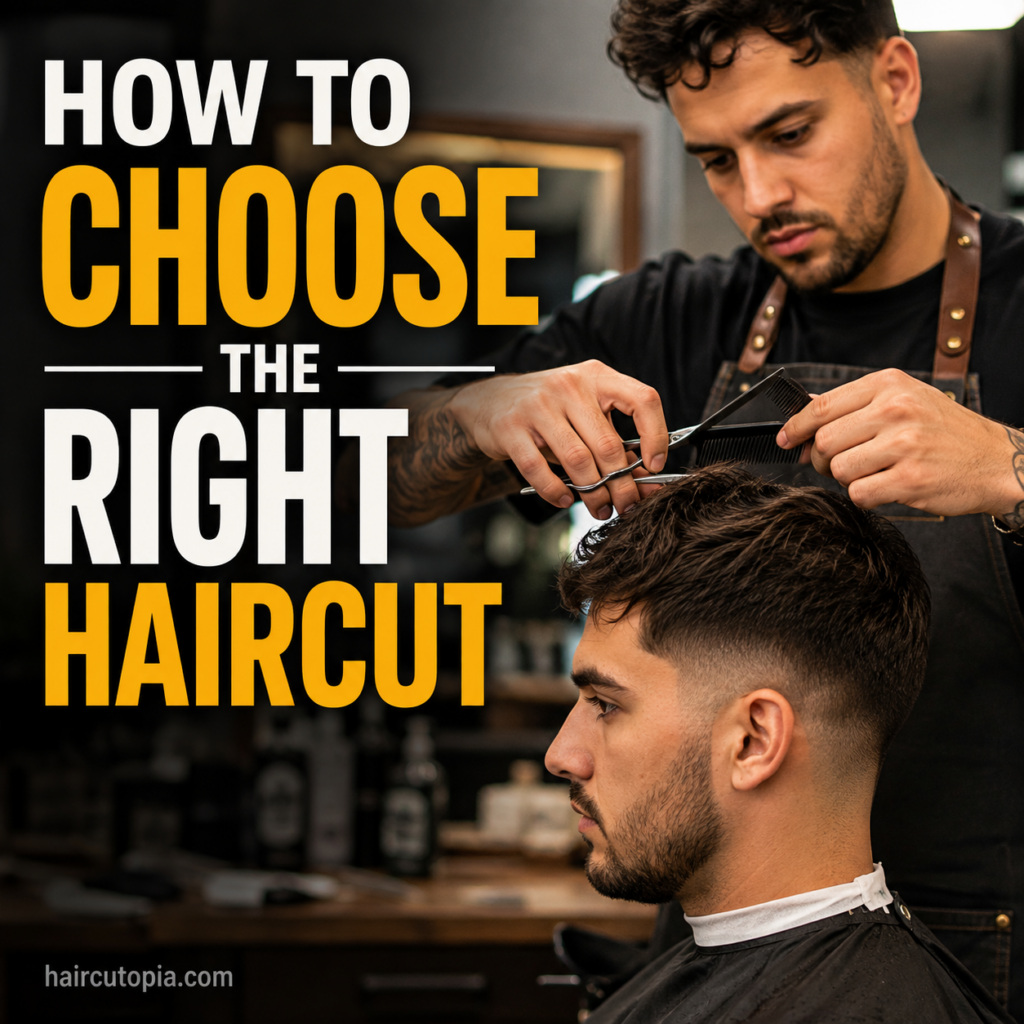
Choosing the Right Quiff for Your Face Shape
A quiff can work with nearly any face shape when the height and sides are adjusted properly.
Round Faces
A slightly taller quiff can add length and create more definition. Pair it with a low or mid fade, but avoid making the sides too wide.
Oval Faces
Oval faces can wear most quiff styles. A classic short quiff, textured quiff, or side-swept version are all good options.
Square Faces
A textured quiff with a low taper can soften strong jawlines while still keeping the haircut structured.
Long Faces
Keep the quiff moderate in height. Too much vertical volume can make the face appear longer. A softer taper with some length at the sides is often more balanced.
Heart-Shaped Faces
A side-swept or textured quiff can balance a wider forehead and narrower chin. Avoid overly tight sides if you want a softer overall shape.
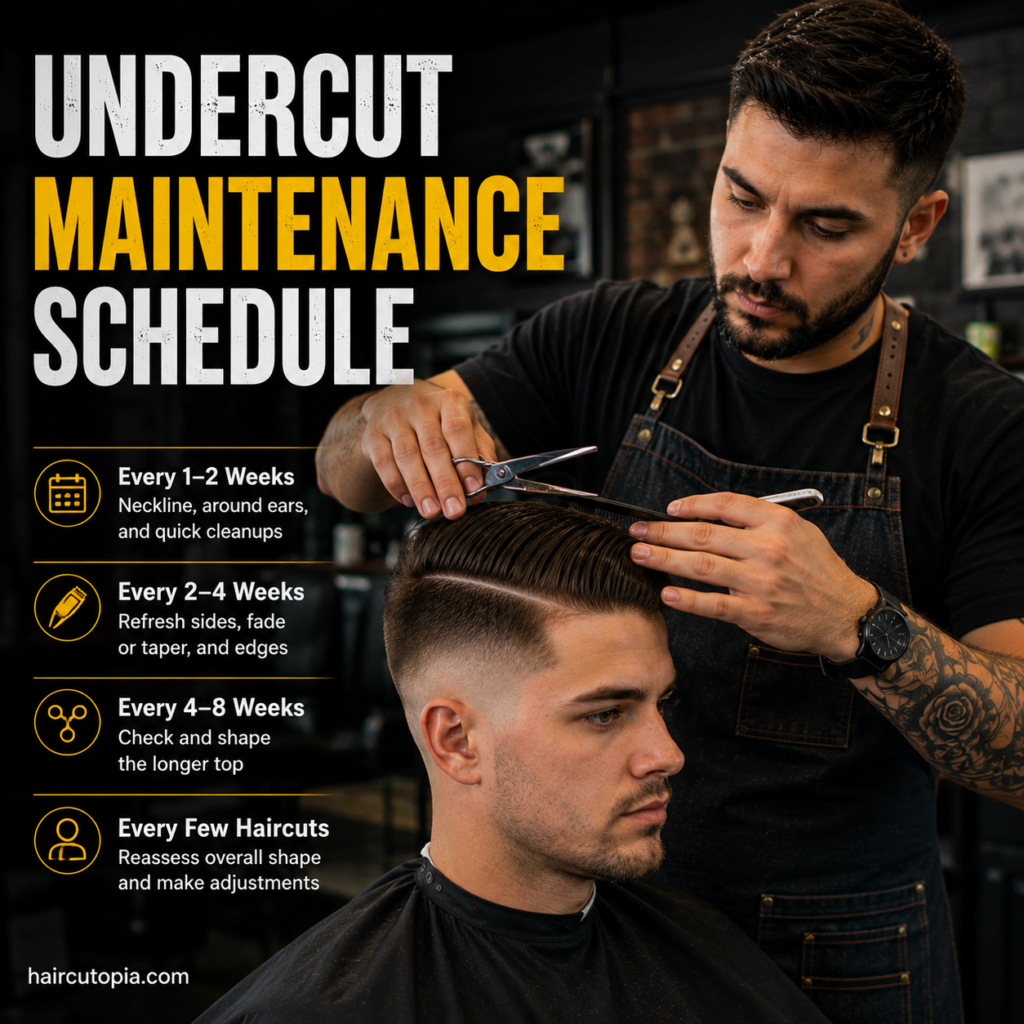
How Often Should You Trim a Quiff?
For most short quiff haircuts, a trim every 3 to 5 weeks keeps the shape looking intentional.
If you wear a fade, you may want a cleanup every 2 to 3 weeks. The top can usually go a little longer, but fine hair can lose its shape quickly once it starts growing out.
Regular trims also help prevent split ends and keep the front light enough to lift easily.
Final Thoughts
A quiff is a smart hairstyle for thin hair because it adds height, texture, and structure without requiring a lot of length. The best version is usually shorter, lighter, and more textured than the oversized quiffs often seen in styling photos.
Choose a cut that works with your natural growth pattern, use a blow dryer to create lift, and stick to lightweight products that keep the hair looking airy.
With the right cut and a simple styling routine, a quiff can make thin hair look fuller, more confident, and much easier to manage.