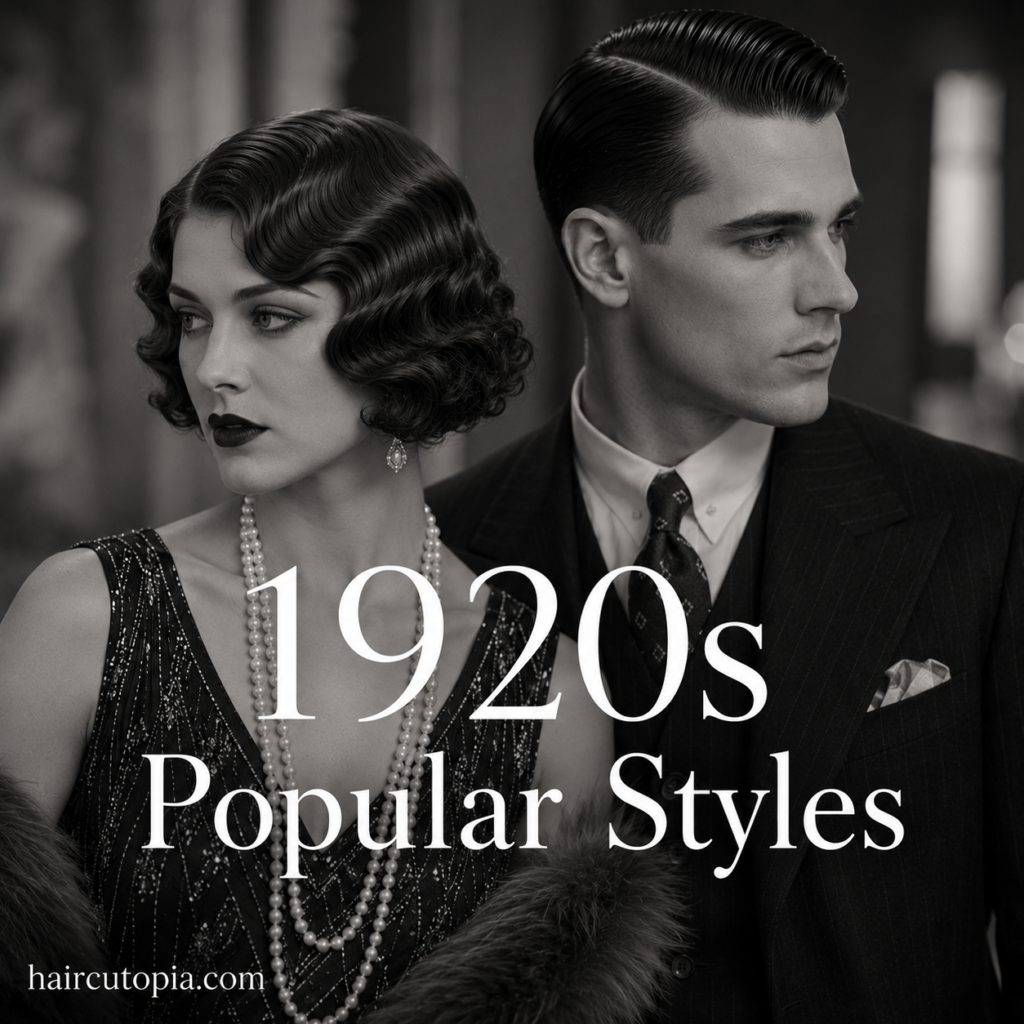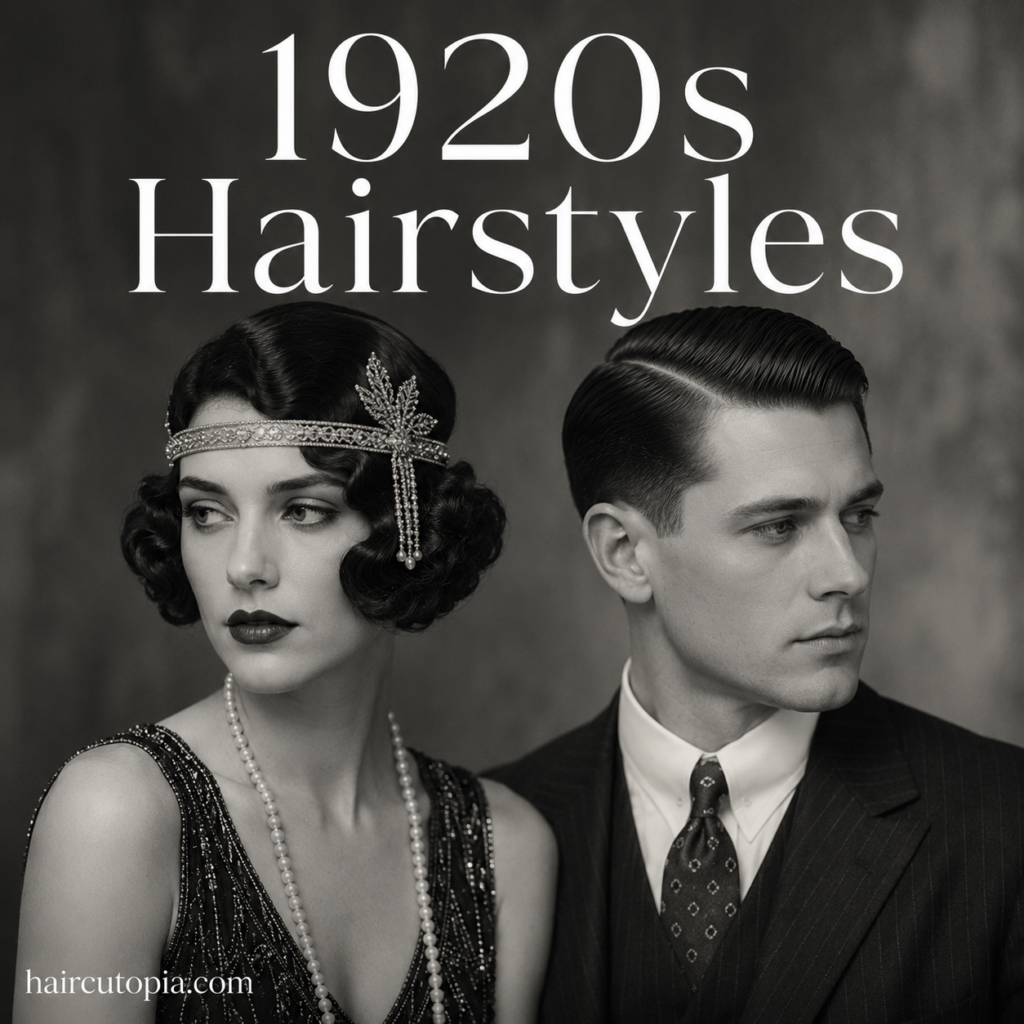
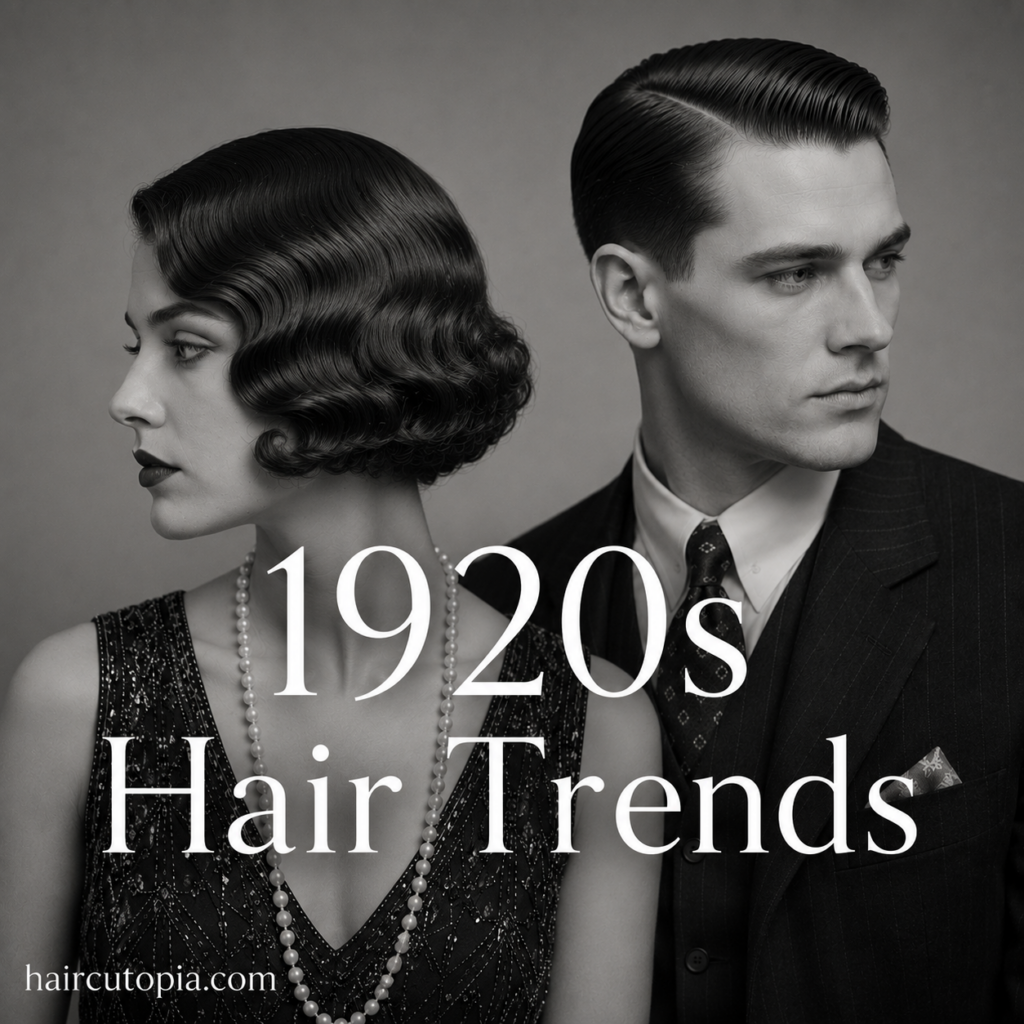
The 1920s didn’t just introduce a few memorable hairstyles. The decade changed the direction of hair fashion.
Shorter cuts became increasingly visible. Sleek waves replaced some of the fuller styles of earlier years. Women’s hair became closely connected with changing ideas about fashion and independence, while men’s grooming favored sharp parts, controlled shapes, and polished finishes.
Some trends were dramatic. Others were surprisingly practical.
The bob became an unmistakable symbol of the era, but it was only part of the story. Finger waves, Marcel waves, faux bobs, decorative headbands, cloche-friendly styles, and carefully groomed men’s hair all helped create the distinctive look we now associate with the Roaring Twenties.
Here’s how the major 1920s hair trends developed, what made them fashionable, and why so many of them continue to influence hair today.
Why the 1920s Were a Turning Point for Hair
Fashion was changing quickly during the 1920s.
Women’s clothing became less restrictive than many earlier styles, hemlines rose, and younger generations increasingly embraced a more modern appearance.
Hair followed the same direction.
For generations, long hair had been strongly associated with conventional femininity. Cutting it short was therefore more than a minor fashion decision.
It could make a statement.
At the same time, movies, magazines, advertising, and photographs gave fashionable hairstyles greater visibility. People could see how actresses and other style-conscious figures were wearing their hair and adapt those ideas themselves.
The result was a decade when hair became an especially visible part of modern identity.
Short Hair Became a Major Women’s Trend
The shift toward shorter women’s hair is probably the most important hair trend associated with the 1920s.
Long hair certainly didn’t disappear, but short styles became fashionable on a scale that helped permanently change women’s hairstyling.
The bob was at the center of this transformation.
Hair could be cut around the jaw or ears and worn straight, waved, curled, or carefully shaped around the face.
Shorter variations pushed the trend even further.
Shingled styles tapered the back closely toward the nape, while the Eton crop created an especially short and fitted silhouette.
What had once seemed unconventional increasingly became fashionable.
Short Hair and the Modern Woman
The popularity of short hair coincided with broader social changes affecting women’s lives and public image.
The fashionable young woman of the decade was increasingly portrayed as active, independent, urban, and willing to challenge older expectations.
Short hair fit that image perfectly.
It also worked well with the streamlined clothing and close-fitting hats becoming fashionable.
Not every woman who cut her hair was making a deliberate social statement, of course. Sometimes a haircut was simply a haircut.
Still, the cultural meaning surrounding short hair helped make it one of the decade’s defining trends.
The Bob Became a Fashion Phenomenon
Few individual hair trends have become as closely linked with an era as the 1920s bob.
The basic idea was straightforward: significantly shorten women’s hair, usually somewhere around the ears or jaw.
Within that simple framework, however, there was plenty of variation.
Popular interpretations included:
- Blunt bobs
- Waved bobs
- Shingle bobs
- Bobs with straight bangs
- Side-parted bobs
- Curled bobs
- Very short cropped versions
This variety helped the bob evolve rather than remain a single novelty style.
Someone could choose a geometric, straight version or something much softer and more glamorous.
That adaptability helped the bob survive well beyond the decade that made it famous.
Finger Waves Became a Signature Look
If short hair provided the shape of 1920s fashion, waves often provided the finishing touch.
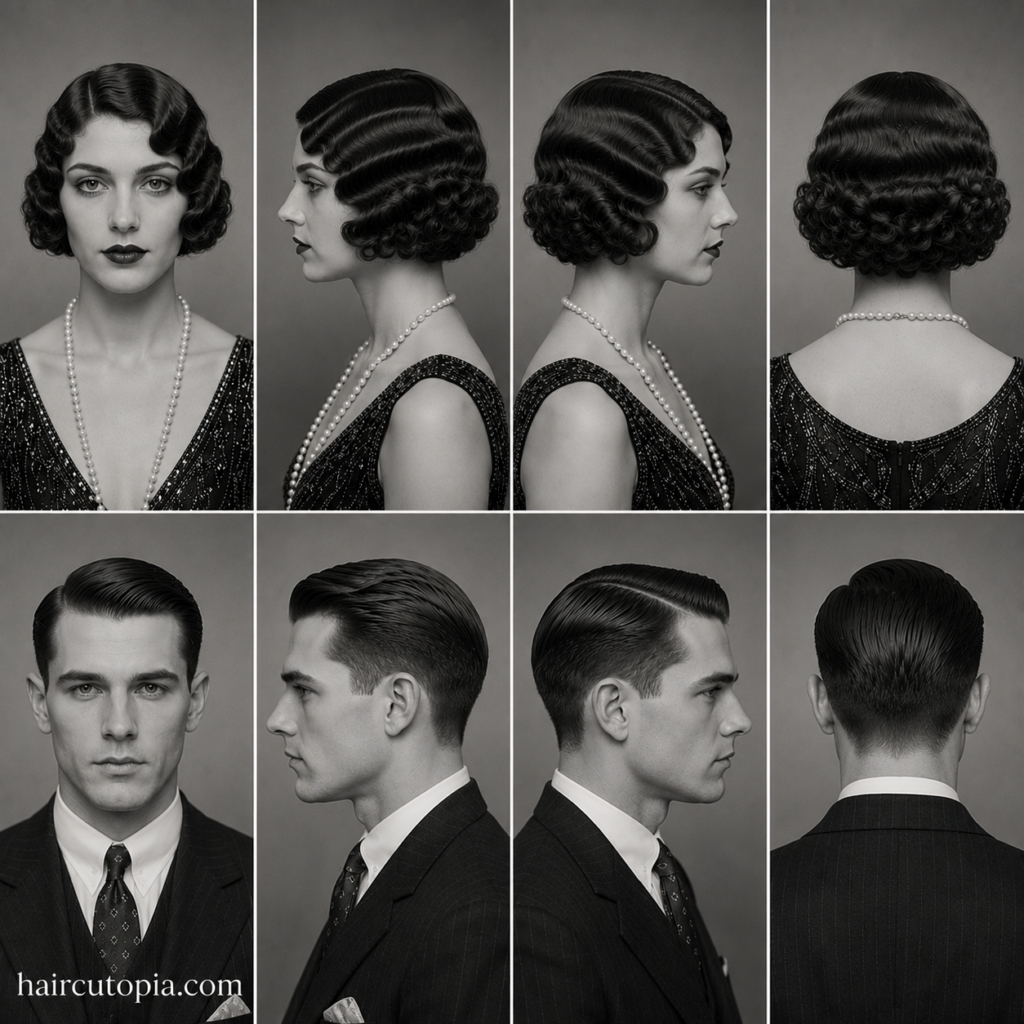
Finger waves created smooth S-shaped patterns that followed the contours of the head.
The technique was especially effective on shorter hair because the waves became clearly visible around the forehead, temples, and sides.
Unlike loose modern beach waves, these styles were controlled and deliberate.
The hair looked sculpted.
Finger waves could be elegant enough for evening wear but weren’t limited to formal occasions. They became part of the broader trend toward polished, close-fitting hairstyles.
Today, they’re one of the quickest visual signals of 1920s-inspired styling.
Marcel Waves Continued to Influence Fashion
Finger waves weren’t the only waves defining the decade.
Marcel waving, a technique developed before the 1920s, continued to influence fashionable hairstyles.
Heated irons were used to create repeating wave patterns through the hair.
Compared with tightly sculpted finger waves, Marcel waves could produce a fuller, more flowing effect.
They worked with different hair lengths and could add movement to otherwise simple styles.
The popularity of both techniques reveals something important about the decade: texture was fashionable, but it was generally controlled texture.
Every curve looked intentional.
Sleek and Glossy Hair Was In
The polished finish of 1920s hair was another major trend.
Hair wasn’t typically styled to look fluffy, tousled, or deliberately messy.
Smoothness mattered.
Women could wear waves that sat neatly against the head, while men’s hair was often combed precisely into position.
Styling products helped create hold and shine.
This glossy aesthetic became part of the decade’s sophisticated appearance, particularly for evening styles and formal men’s grooming.
Modern interpretations don’t necessarily need the same level of shine. A lighter finish can make a 1920s-inspired style more wearable today while maintaining its recognizable shape.
Deep Side Parts Became a Defining Detail
Sometimes a small styling decision can change the entire appearance of a hairstyle.
In the 1920s, the side part was one of those details.
A deep part created asymmetry and provided the perfect starting point for sculpted waves.
On women’s hair, the larger section could sweep across the forehead before curving around the temple.
On men’s hair, a defined side part helped organize the top into a neat, polished shape.
The trend proved remarkably durable.
Side parts have moved in and out of fashion many times since the 1920s, but the classic version never completely disappeared.
Bangs Added a Geometric Edge
Bangs became another recognizable element of short women’s styles.
A straight fringe paired with a bob created a particularly strong silhouette.
The combination framed the face and emphasized the eyes while reinforcing the clean lines becoming fashionable in both clothing and hair.
Not every fringe was heavy or perfectly straight.
Some were short, slightly curved, or incorporated into the wave pattern.
Others disappeared entirely when the hair was deeply side-parted.
The important trend was experimentation. Once shorter hair became widely fashionable, there were many new ways to shape the front of the hairstyle.
Flapper Hair Became a Cultural Image
The flapper is now almost inseparable from popular images of the 1920s.
Short dresses, long necklaces, decorative headbands, dancing, and bobbed hair have become visual shorthand for the era.
Real fashion was more varied than that stereotype suggests, but the connection between flappers and changing hair trends was significant.
A flapper-inspired look might feature:
- A short bob
- Finger or Marcel waves
- A dramatic side part
- Small curls near the face
- A decorative headband
- A sleek finish
These elements represented a youthful, modern style that contrasted sharply with many earlier beauty conventions.
Decorative Hair Accessories Became Part of the Look
Hair wasn’t the only thing decorating the head during the 1920s.
Accessories played a major role, especially for evening fashion.
Headbands are perhaps the most recognizable example today.
Some were relatively simple, while others featured elaborate embellishment.
Popular decorative elements could include:
- Beads
- Rhinestones
- Feathers
- Fabric details
- Jeweled ornaments
- Decorative combs
- Hairpins
Accessories worked especially well with shorter or close-fitting hairstyles because they remained highly visible.
Instead of getting lost within large amounts of hair, a jeweled piece could become one of the main features of the entire look.
The Cloche Hat Influenced Hair Trends
Fashion accessories didn’t simply decorate hairstyles. Sometimes they helped determine their shape.
The cloche hat is a perfect example.
This bell-shaped hat fit closely around the head and often sat low toward the eyebrows.
Large, voluminous hairstyles weren’t particularly practical underneath it.
Short bobs, close waves, and compact pinned styles were much easier to accommodate.
The relationship worked both ways.
As short hair became fashionable, the cloche became an ideal accessory. As the hat became popular, compact hairstyles made even more sense.
It was a strong example of fashion and hair evolving together.
Long Hair Adapted Instead of Disappearing
The dramatic rise of the bob can create the impression that long hair suddenly vanished.
It didn’t.
Many women continued to keep their hair long.
Instead, styling trends changed how that length was displayed.
Hair could be gathered into:
- Low buns
- Rolls
- Coils
- Pinned curls
- Compact updos
- Faux bobs
The front sections could still be waved or carefully shaped to follow current fashion.
From the front, someone with long hair might even appear to have a much shorter style.
This adaptability allowed women to participate in 1920s trends without permanently removing their length.
The Faux Bob Offered the Best of Both Worlds
For anyone intrigued by short hair but unwilling to make the cut, the faux bob provided a clever alternative.
Long hair could be curled, tucked underneath, and pinned so that only the shorter-looking outer sections remained visible.
Texture helped hide the pinned length.
The finished style could imitate the silhouette of a genuine bob surprisingly well.
This wasn’t simply a historical trick.
The same technique is still used for vintage-themed events, editorial hairstyling, weddings, and temporary transformations.
Small Facial Curls Added Detail
Tiny decorative curls around the temples, forehead, or cheeks became another recognizable styling detail.
These curls are often described as spit curls or kiss curls.
They were deliberately shaped rather than naturally falling into place.
A small curl could soften a severe short hairstyle or add a playful detail to sculpted waves.
Because hairstyles generally stayed close to the head, these little design elements stood out.
Modern vintage styling still uses them when a stronger period look is desired.
Men’s Hair Became Sleek and Controlled
Women’s hair underwent the decade’s most dramatic transformation, but men’s grooming developed a very recognizable aesthetic of its own.
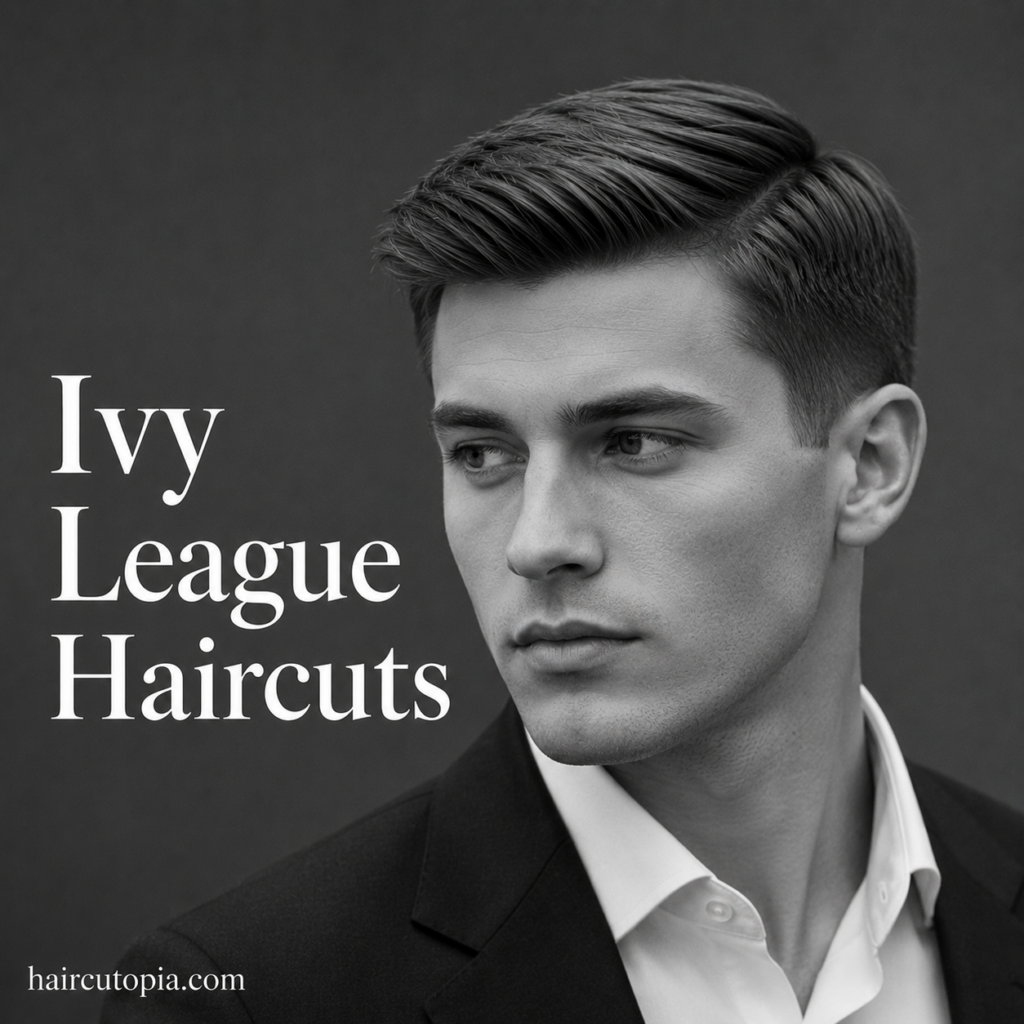
Men typically wore shorter hair around the sides and back with enough length remaining on top to comb into position.
The goal was neatness.
Rather than emphasizing deliberately messy texture, fashionable styles tended to look controlled.
Popular elements included:
- Side parts
- Slicked-back tops
- Short sides and backs
- Combed-back waves
- Defined hairlines
- Smooth finishes
- Visible shine
Many of these elements remain staples of traditional barbering.
The Men’s Side Part Became a Classic
The side part was particularly important in men’s hair.
Hair was divided cleanly before being combed toward the side or slightly backward.
The style could sit relatively flat or include a modest amount of height through the front.
Styling product helped keep everything organized.
What makes the look interesting from a modern perspective is how little it has fundamentally changed.
A contemporary side-part haircut with tapered sides can easily reference 1920s grooming without appearing like a historical recreation.
Slicked-Back Men’s Hair Grew Popular
Another important trend involved combing the top backward.
The finished appearance was smooth and controlled, often with noticeable shine.
Hair products helped keep stray strands in place throughout the day.
Modern slick backs sometimes feature dramatic fades or disconnected sides, but historical versions generally maintained a more traditionally blended silhouette.
Removing the extreme modern fade and adding a polished finish can quickly make the style feel more vintage.
Hair Products Became Essential to the Look
The sleek hairstyles associated with the 1920s didn’t happen by accident.
Styling products helped maintain shape, smooth flyaways, and add shine.
Men frequently relied on grooming preparations such as pomades, oils, brilliantine, and hair tonics.
Women’s hairstyling involved its own combinations of setting products and techniques, particularly when creating waves and curls.
The exact formulas and routines differed considerably from what we use today, but the underlying goal was familiar: make the hairstyle hold its intended shape.
Hair Salons Became Increasingly Important
The growing complexity and popularity of fashionable hair also helped increase interest in professional hairstyling.
Short cuts required regular maintenance to keep their shape.
Waving techniques required skill.
As women experimented with bobs, shingled hair, waves, and other modern looks, professional hairdressers became increasingly important to maintaining fashionable styles.
This contributed to a broader transformation of hairstyling into the modern salon experience.
Instead of hair simply being maintained at home, visiting a professional could become part of keeping up with fashion.
Hollywood Helped Spread Hair Trends
The expanding influence of cinema gave hairstyles another powerful route into popular culture.
Film stars appeared on screen and in promotional photographs wearing fashionable hair.
Audiences could study their bobs, waves, curls, and carefully groomed looks.
Celebrity hair influence may feel like a modern phenomenon, but the basic idea is much older.
The technology was different. The effect was familiar.
People saw glamorous public figures wearing certain styles and wanted to recreate them.
As movies became an increasingly important form of entertainment, the hairstyles seen on screen helped reinforce and spread contemporary beauty trends.
Hair Became More Androgynous
Some of the decade’s shortest women’s styles challenged conventional distinctions between masculine and feminine hair.
The Eton crop is an especially clear example.
Cut very short and styled close to the head, it created a more androgynous appearance than traditional long hairstyles.
This didn’t mean feminine styling disappeared.
Short hair could still be paired with makeup, jewelry, waves, dresses, and elaborate accessories.
Instead, the trend expanded what feminine hair could look like.
That change helped pave the way for many short women’s hairstyles that followed.
Natural Texture Was Usually Controlled
Modern hairstyling often celebrates deliberately loose, undone texture.
The 1920s generally approached texture differently.
Wavy and curly hair was certainly fashionable, but the preferred appearance was often controlled and carefully arranged.
Natural waves might be enhanced and directed.
Curls could be pinned into position.
Straight hair could be smoothed into a strong geometric shape.
The common theme was intention.
Whether straight, curled, or waved, the hairstyle looked finished.
How 1920s Hair Trends Changed Through the Decade
Fashion didn’t remain frozen between 1920 and 1929.
The decade represented a progression.
At the beginning of the 1920s, long hair was still common and the transition toward dramatically shorter styles was developing.
As the decade progressed, bobbed hair became increasingly established as fashionable.
Shorter and more adventurous variations appeared, while waving techniques provided new ways to personalize them.
By the later part of the decade, short hair had become firmly associated with modern fashion.
This gradual evolution matters because there was never one single hairstyle worn by everyone throughout the entire period.
The 1920s were defined by change.
Which 1920s Hair Trends Are Still Popular Today?
Quite a few.
Some have evolved so thoroughly that they no longer seem particularly vintage.
The bob remains one of the world’s most recognizable haircuts.
Side parts and slick backs remain staples of men’s hairstyling.
Finger waves continue to appear in editorial fashion and formal styling.
Short crops have become completely normal options for women.
Even the faux bob continues to be useful when someone wants temporary short hair.
Modern versions of 1920s trends include:
- Blunt jaw-length bobs
- Short pixie cuts
- Sculpted finger waves
- Deep side parts
- Sleek wet-look styling
- Classic men’s tapers
- Side-parted men’s hairstyles
- Slicked-back hair
- Vintage headbands
- Faux bobs
The styling may be softer and the products more advanced, but the influence is easy to recognize.
1920s Hair Trends vs. Hairstyles and Haircuts
Haircuts, hairstyles, and hair trends overlap, but they aren’t quite the same thing.
A haircut refers primarily to the underlying shape and length of the hair.
A hairstyle describes how that hair is arranged or styled.
A hair trend is broader. It can include cuts and hairstyles as well as accessories, textures, grooming preferences, styling products, and changing attitudes toward hair.
That’s why the major hair trends of the 1920s weren’t limited to the bob or finger waves.
The larger story was the move toward shorter silhouettes, controlled texture, polished grooming, visible accessories, and greater freedom to experiment with appearance.
Frequently Asked Questions About 1920s Hair Trends
What was the biggest hair trend of the 1920s?
The rise of short women’s hair was arguably the decade’s most significant trend. The bob became particularly influential and helped establish short hair as a mainstream fashion choice for women.
Were finger waves popular in the 1920s?
Yes. Finger waves became strongly associated with the decade, particularly when worn with short hair. Their sculpted S-shaped pattern created the sleek appearance fashionable at the time.
Did women still have long hair in the 1920s?
Absolutely. Many women kept their hair long and styled it into buns, rolls, coils, pinned curls, or faux bobs.
What hair accessories were popular in the 1920s?
Decorative headbands, jeweled pieces, combs, pins, feathers, and other embellishments were popular, particularly for evening looks. Cloche hats also strongly influenced hairstyle shapes.
What were men’s hair trends in the 1920s?
Men generally favored short, neat hair with side parts, slicked-back tops, and polished finishes. The sides and back were kept controlled while the top retained enough length for combing.
Why did short hair become fashionable in the 1920s?
Changing fashion, greater experimentation with women’s appearance, popular culture, and evolving social attitudes all contributed. Short hair also complemented the streamlined clothing and close-fitting hats fashionable during the period.
Did people use hair products in the 1920s?
Yes. Hair products were important for creating the smooth, controlled finishes associated with the decade. Men in particular used grooming products to maintain slick and neatly combed styles.
Are 1920s hair trends coming back?
Many never completely disappeared. Bobs, pixies, finger waves, side parts, slick backs, and classic men’s tapers continue to cycle through contemporary fashion.
The Lasting Impact of 1920s Hair Trends
The most important thing about 1920s hair wasn’t any single haircut or styling technique.
It was the willingness to change.
Women experimented with dramatically shorter lengths and more androgynous shapes. Waves became sculptural. Hair accessories became part of the complete fashion look. Long-haired women found creative ways to imitate newer silhouettes without cutting their hair.
Men refined a grooming style built around clean parts, short sides, polished tops, and controlled finishes.
Many of those ideas still surround us.
A modern bob doesn’t necessarily look vintage. Neither does a men’s side part or a short women’s crop. That’s precisely what makes the influence of the decade so significant.
Some of the most revolutionary 1920s hair trends eventually stopped looking revolutionary at all.
They simply became part of modern hair.