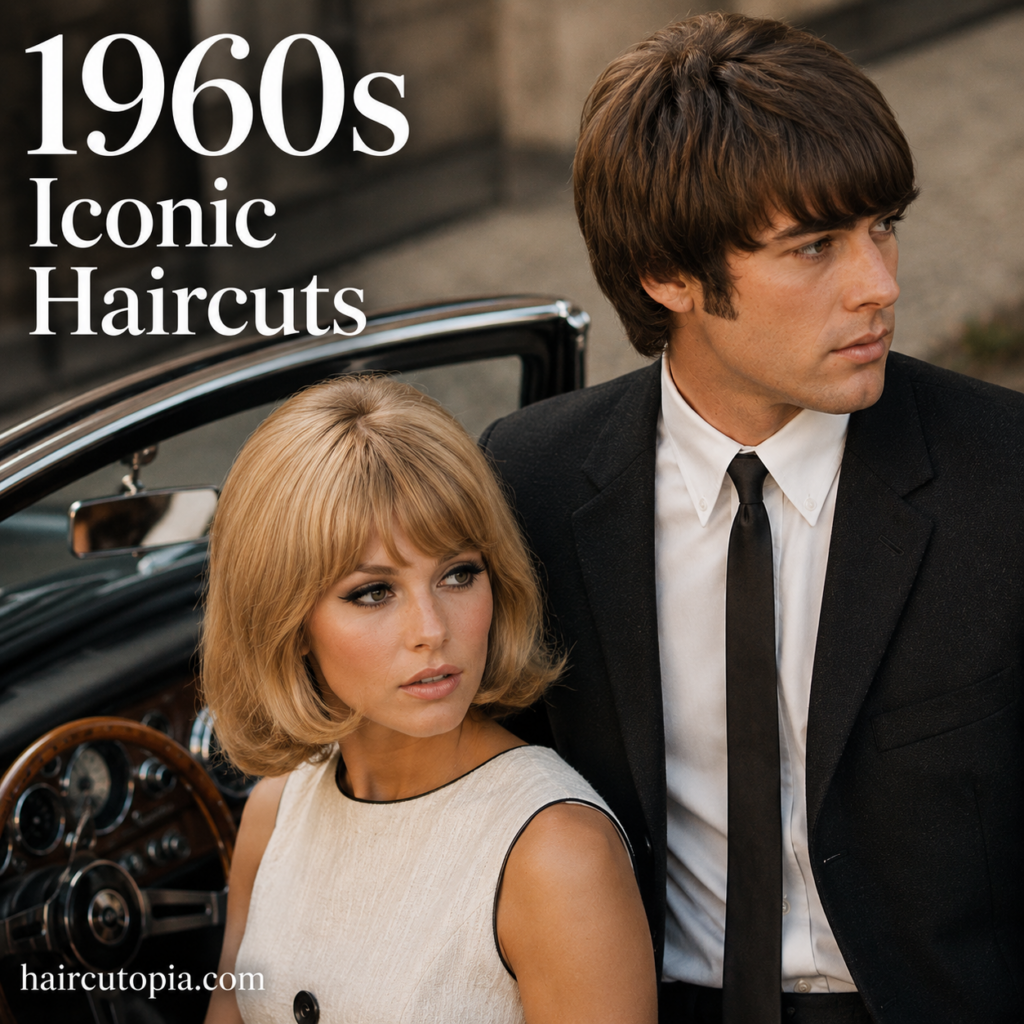
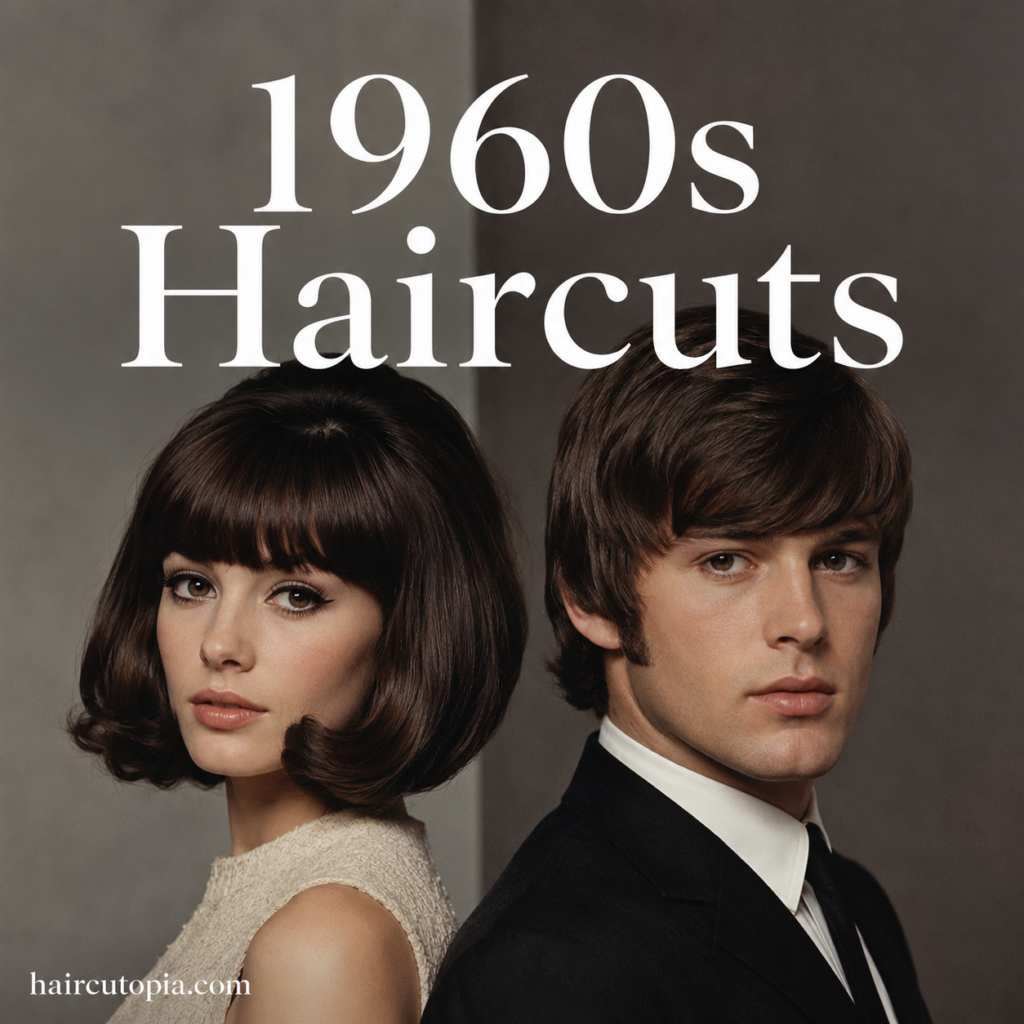
The 1960s completely transformed the world of hair. It was a decade of bold experimentation, cultural change, and unforgettable fashion moments. While the early years embraced polished, elegant styles inspired by the previous decade, the later 1960s shifted toward effortless, natural looks that reflected the era’s growing sense of individuality.
From sky-high bouffants and sleek bobs to the carefree long hair of the hippie movement, 1960s haircuts offered something for nearly everyone. Many of these classic styles continue to influence modern hairstyling today, proving that great hair never really goes out of fashion.
Whether you’re researching vintage hairstyles, looking for inspiration, or considering a retro-inspired haircut, this guide explores the most iconic 1960s haircuts and why they remain timeless.
Why 1960s Haircuts Became So Influential
The 1960s weren’t just another fashion decade—they represented a cultural revolution.
Several factors shaped the hairstyles people wore:
- The rise of television and celebrity culture
- British fashion’s global influence
- The Mod movement
- Rock and roll
- The hippie counterculture
- Advances in hairstyling products and techniques
Unlike previous decades where hairstyles followed one dominant trend, the 1960s evolved dramatically from beginning to end.
Generally, the decade can be divided into three distinct phases:
Early 1960s
- Structured styles
- Bouffants
- Soft curls
- Elegant volume
Mid-1960s
- Geometric cuts
- Sharp bobs
- Pixie cuts
- Fashion-forward Mod styles
Late 1960s
- Long natural hair
- Shag-inspired layers
- Fringe
- Relaxed texture
This evolution makes the 1960s one of the most diverse decades in hair history.
The Most Popular 1960s Haircuts
The Vidal Sassoon Bob
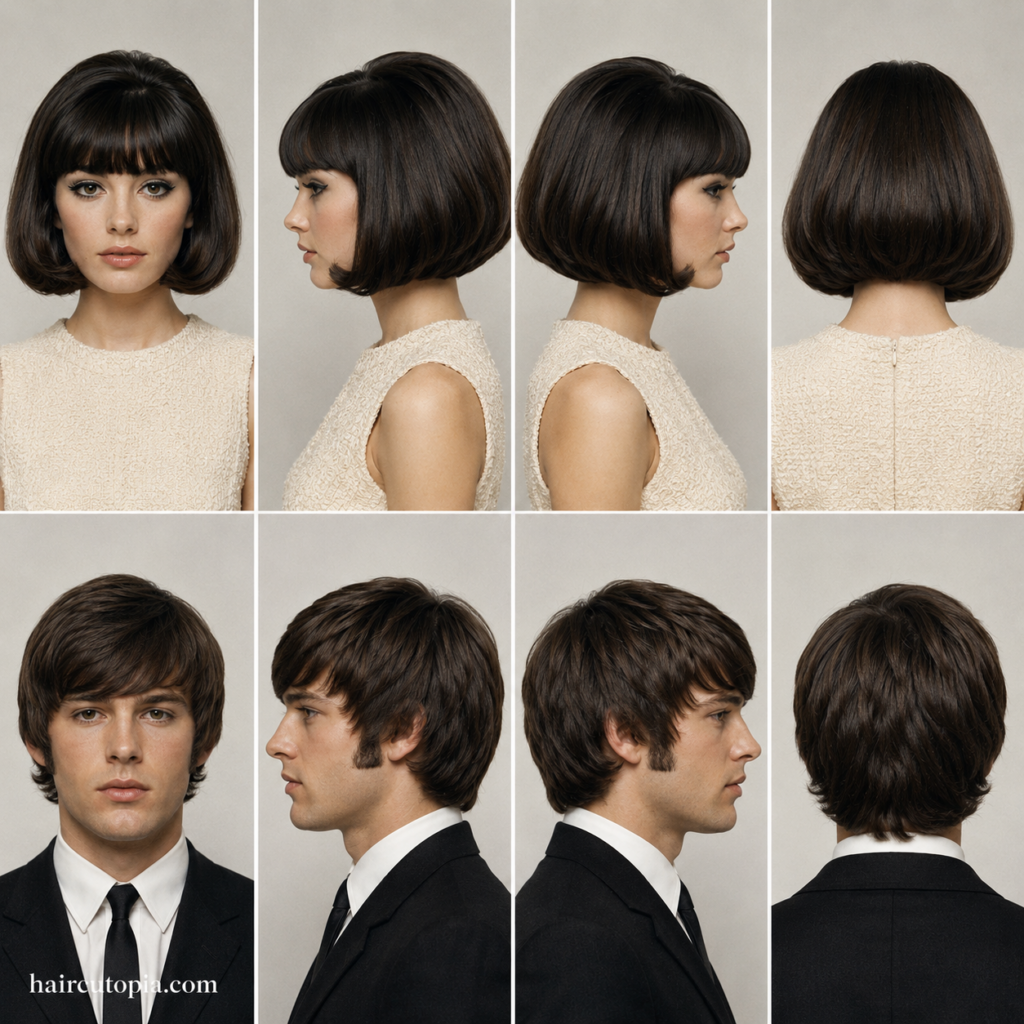
Perhaps no haircut changed hairstyling more than the geometric bob created by British hairstylist Vidal Sassoon.
Instead of relying on rollers and heavy hairspray, Sassoon focused on precision cutting. His sharp, angular bobs were designed to naturally fall into place after washing.
Key features included:
- Blunt ends
- Clean lines
- Strong geometric shape
- Minimal styling required
- Smooth finish
Today, many modern precision bobs still follow the same principles introduced during the 1960s.
The Pixie Cut
Short hair became fashionable thanks to several famous actresses and fashion icons.
The 1960s pixie wasn’t overly textured or messy like many modern versions. Instead, it featured:
- Soft edges
- Neatly cropped sides
- Longer top sections
- Smooth styling
- Feminine silhouette
The pixie represented confidence, independence, and modern fashion.
The Bouffant
The bouffant remains one of the most recognizable hairstyles of the decade.
Rather than focusing on cutting, this style relied heavily on teasing and careful styling to create impressive height.
Characteristics included:
- Extreme crown volume
- Rounded shape
- Smooth outer layer
- Carefully pinned sections
- Heavy use of hairspray
Although dramatic, today’s volume-focused hairstyles often borrow ideas from the classic bouffant.
The Beehive
An even taller variation of the bouffant, the beehive became synonymous with glamorous 1960s fashion.
The look featured:
- Towering height
- Oval silhouette
- Backcombed interior
- Smooth exterior
- Elegant finish
It quickly became a favorite for evening events and formal occasions.
The Flip Hairstyle
The flip became one of the decade’s signature looks.
Hair was cut around shoulder length or slightly shorter before the ends were curled outward instead of inward.
Common features included:
- Straight top
- Flipped ends
- Soft volume
- Side part
- Polished finish
The style looked playful while remaining sophisticated.
The French Bob
Although the French bob existed earlier, it enjoyed renewed popularity during the 1960s.
Typical characteristics included:
- Chin-length cut
- Full fringe
- Rounded silhouette
- Minimal layers
- Classic Parisian elegance
The haircut paired perfectly with the growing Mod fashion movement.
The Pageboy
The pageboy offered a softer alternative to geometric cuts.
Instead of sharp lines, it featured:
- Rounded edges
- Curled-under ends
- Medium length
- Thick appearance
- Smooth texture
This haircut worked especially well for naturally straight hair.
Long Straight Hair
By the late 1960s, hairstyles became noticeably more relaxed.
The hippie movement encouraged natural beauty over carefully sculpted styles.
Long hair often featured:
- Minimal layers
- Center part
- Natural texture
- Little styling
- Healthy shine
This simple look remains one of the easiest vintage hairstyles to recreate today.
Long Hair with Curtain Bangs
Soft curtain bangs gained popularity toward the end of the decade.
Combined with longer hair, they created an effortlessly cool appearance.
Features included:
- Middle part
- Face-framing fringe
- Soft movement
- Natural finish
- Relaxed styling
Many modern curtain bangs trace their popularity back to this era.
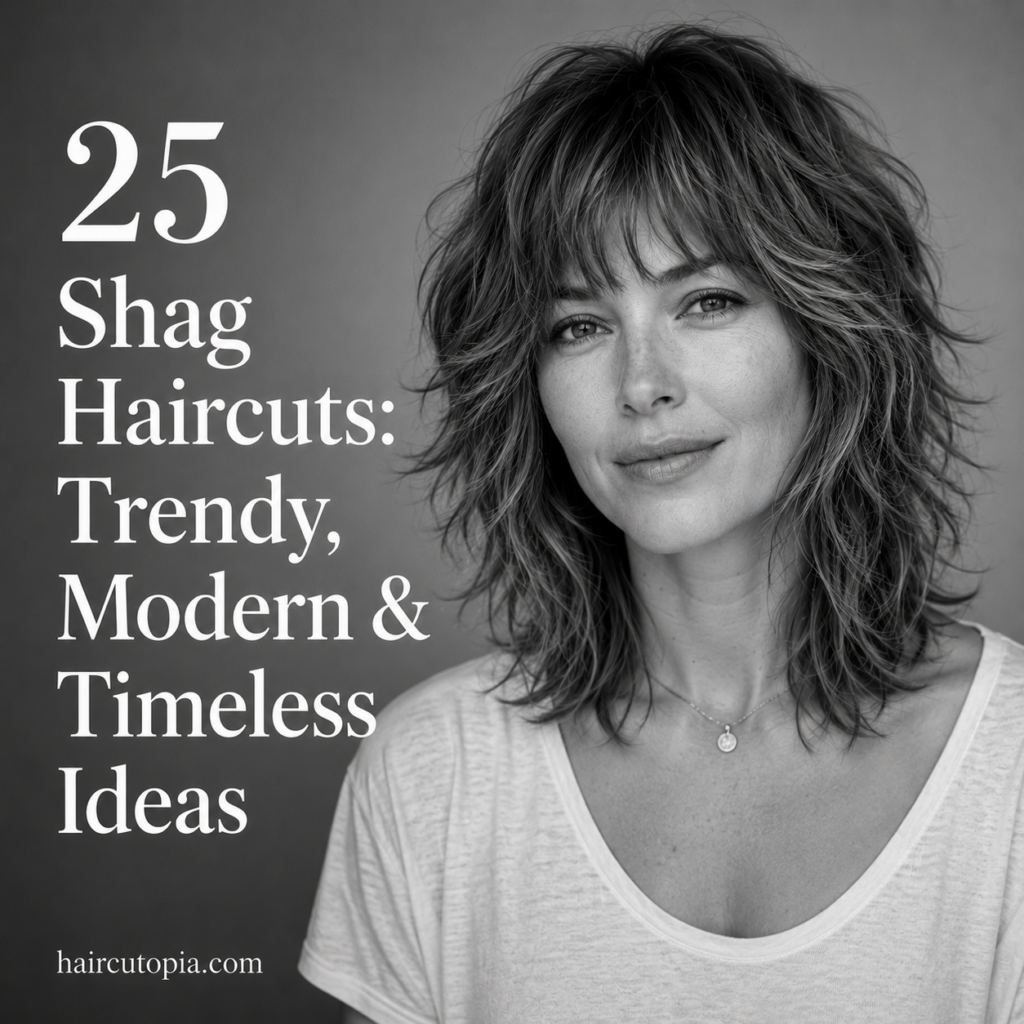
The Early Shag
While the shag became famous in the 1970s, its origins appeared during the late 1960s.
Early versions included:
- Light layers
- Feathered texture
- Fringe
- Soft volume
- Natural movement
This haircut helped bridge the polished styles of the early decade with the relaxed looks that followed.
Popular Men’s 1960s Haircuts
The 1960s transformed men’s hairstyles just as dramatically.
Instead of extremely short military cuts, men began embracing longer, more expressive hairstyles.
The Mop Top
Made famous by British rock bands, the mop top became one of the defining hairstyles of the decade.
Characteristics included:
- Medium length
- Full fringe
- Rounded shape
- Hair covering the ears
- Thick appearance
Its influence can still be seen in modern textured cuts.
The Ivy League
For those preferring a cleaner appearance, the Ivy League remained popular.
This haircut featured:
- Short back and sides
- Longer top
- Side part
- Neat styling
- Professional finish
It blended classic grooming with updated 1960s fashion.
Side-Part Taper
The traditional taper continued throughout the decade.
Features included:
- Clean neckline
- Gradual taper
- Defined side part
- Medium top length
- Classic styling
It suited both formal and casual settings.
Longer Layered Hair
Toward the end of the decade, longer hairstyles became increasingly common.
These cuts often included:
- Ear-length sides
- Natural texture
- Longer fringe
- Light layering
- Relaxed styling
This trend laid the groundwork for many popular 1970s hairstyles.
Styling Products Used During the 1960s
Hairstyling relied heavily on products to maintain shape throughout the day.
Popular choices included:
- Hairspray
- Setting lotion
- Hair rollers
- Teasing combs
- Hair pins
- Styling brushes
- Pomade
- Hair cream
Later in the decade, styling became less structured, requiring fewer products and more natural texture.
Hair Accessories That Defined the Decade
Hair accessories played a major role in completing many 1960s looks.
Popular accessories included:
- Headbands
- Wide ribbons
- Decorative clips
- Scarves
- Velvet bows
- Floral crowns
- Pillbox hats
- Barrettes
These accessories often reflected changing fashion trends throughout the decade.
How to Get a 1960s Haircut Today
Modern stylists often adapt vintage cuts to suit today’s hair textures and lifestyles.
When visiting a salon, consider discussing:
- Your natural hair texture
- Daily styling routine
- Face shape
- Desired maintenance level
- Whether you want a classic or modern interpretation
Bringing multiple reference photos can also help ensure you and your stylist share the same vision.
Which Hair Types Work Best?
One reason 1960s hairstyles remain popular is their versatility.
Straight Hair
Ideal for:
- Vidal Sassoon bob
- Pageboy
- Pixie
- Flip hairstyle
Wavy Hair
Excellent for:
- Long layered styles
- Curtain bangs
- Early shag
- Natural hippie-inspired looks
Curly Hair
Works well with:
- Soft bouffants
- Rounded bobs
- Layered medium cuts
- Voluminous vintage styles
Thick Hair
Perfect for:
- Beehives
- Bouffants
- Geometric bobs
- Full fringes
Fine Hair
Can benefit from:
- Precision bobs
- Pixie cuts
- Volume-building styling
- Flip hairstyles
Why 1960s Haircuts Are Still Popular
Many hairstyles from the decade remain surprisingly modern.
Their lasting appeal comes from several qualities:
- Clean shapes
- Timeless elegance
- Versatility
- Strong fashion history
- Easy modernization
Today’s hairstylists frequently reinterpret 1960s cuts with softer layers, natural textures, and lighter styling products.
Tips for Modernizing a 1960s Haircut
You don’t need to recreate every vintage styling technique to capture the spirit of the era.
Consider these updates:
- Add softer layers for movement.
- Skip excessive teasing in favor of natural volume.
- Use lightweight styling products instead of heavy hairspray.
- Pair classic cuts with modern coloring techniques.
- Customize the haircut to suit your face shape and hair texture.
These subtle changes help maintain the iconic look while making it easier to wear every day.
Frequently Asked Questions
What was the most popular haircut of the 1960s?
The decade featured several iconic styles, but the Vidal Sassoon bob, bouffant, beehive, pixie cut, and mop top were among the most recognizable and influential.
Were 1960s hairstyles difficult to maintain?
Some styles, such as bouffants and beehives, required daily teasing, rollers, and hairspray. Others, including the Sassoon bob and long natural hairstyles, were designed to be much easier to manage.
Did everyone have big hair during the 1960s?
Not at all. While voluminous hairstyles defined the early part of the decade, the late 1960s shifted toward long, natural hair with minimal styling.
Are 1960s haircuts still fashionable?
Yes. Many modern bobs, pixie cuts, curtain bangs, and layered hairstyles draw direct inspiration from the 1960s, making them both stylish and timeless.
What’s the easiest 1960s hairstyle to recreate today?
Long, center-parted hair, a precision bob, or a soft pixie cut are among the simplest options to achieve with modern cutting techniques and styling products.
Final Thoughts
The 1960s produced some of the most influential hairstyles ever created. From the architectural precision of the Sassoon bob and the dramatic glamour of bouffants to the free-flowing styles inspired by the hippie movement, the decade celebrated both structure and self-expression.
Its influence is still visible in salons around the world. Whether you’re drawn to a sleek geometric cut, a chic pixie, or effortless long layers, a 1960s-inspired haircut offers a timeless way to bring vintage style into the present.