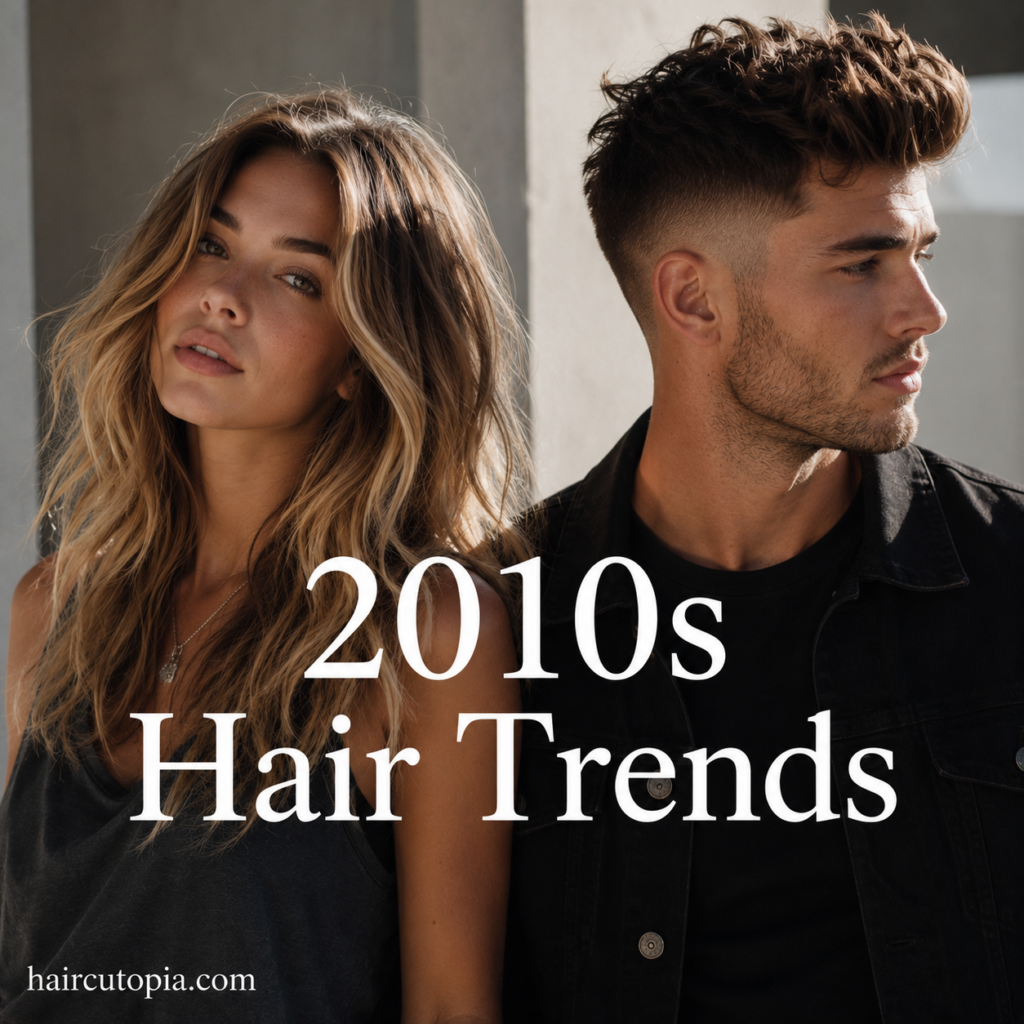
The 2010s changed the hair industry forever. It was a decade where social media, celebrity culture, and rapidly evolving beauty techniques combined to create an endless stream of inspiration. Instead of one haircut or hairstyle dominating the era, people embraced variety, personalization, and natural-looking results.
From balayage and beach waves to fades, textured crops, and the return of curtain bangs, the decade was filled with trends that continue to influence salons and barbershops today. Hair became less about following strict fashion rules and more about finding a style that suited your personality, hair type, and lifestyle.
In this guide, we’ll look back at the biggest hair trends of the 2010s, why they became so popular, and how many of them remain just as relevant today.
What Made the 2010s Different?
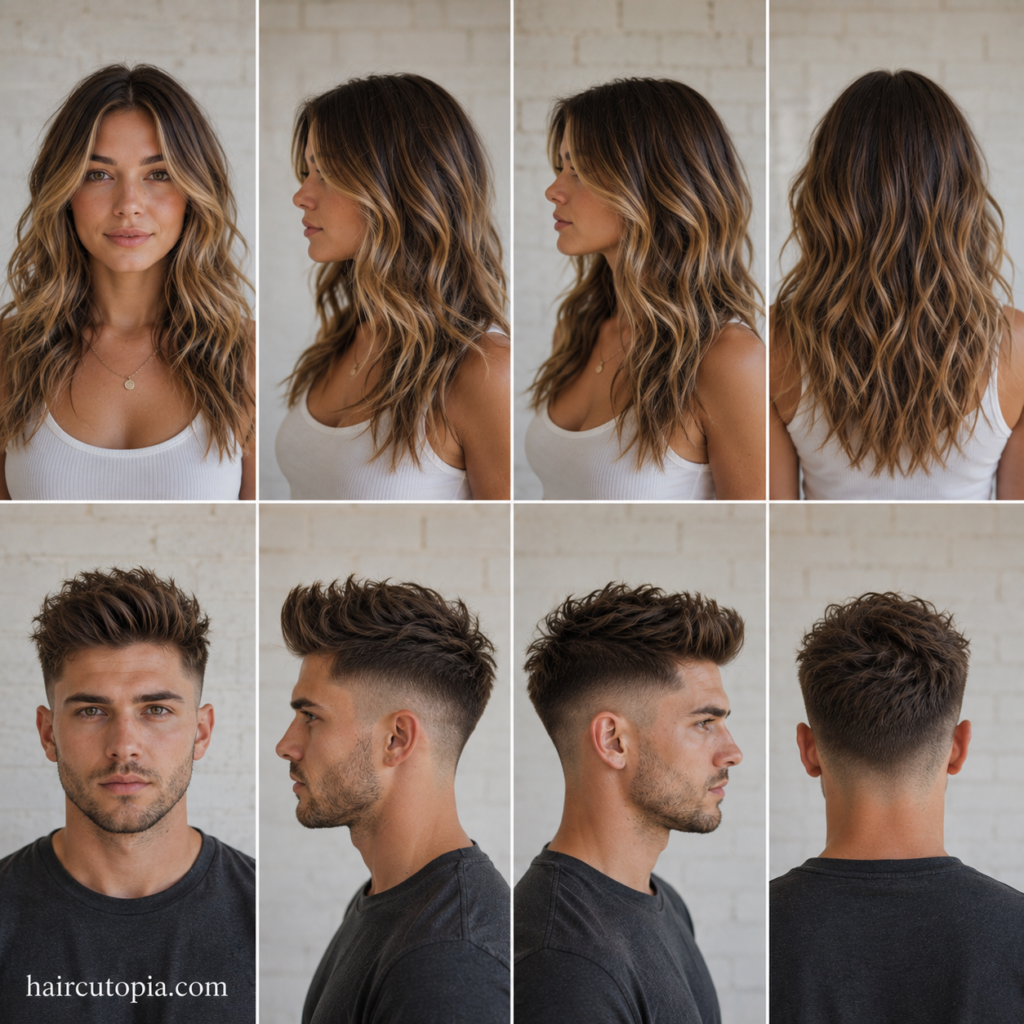
Unlike previous decades, the 2010s weren’t defined by one signature look. Instead, they introduced an era of customization.
Several factors shaped the decade’s trends:
- Social media inspiration
- Celebrity hairstylists
- Improved coloring techniques
- Better haircare products
- Inclusive beauty movements
- Personalized haircuts and styling
Rather than copying a single hairstyle, people mixed trends together to create looks that felt uniquely their own.
Social Media Changed Hair Forever
Perhaps no trend influenced hair more than social media.
Instagram, Pinterest, YouTube, and later TikTok allowed hairstylists to showcase transformations, tutorials, and color techniques to millions of people around the world.
As a result:
- Hair trends spread almost instantly.
- Clients arrived at salons with saved inspiration photos.
- Hairstylists built massive online followings.
- New techniques gained popularity much faster than ever before.
The 2010s marked the beginning of internet-driven beauty trends.
Balayage Became the Defining Hair Color Trend
If one color technique represents the decade, it’s balayage.
Unlike traditional foil highlights, balayage created soft, hand-painted color that blended naturally from roots to ends.
Why it became so popular:
- Lower maintenance
- Natural-looking dimension
- Soft grow-out
- Worked on many hair colors
- Beautiful with waves and layers
Even today, balayage remains one of the most requested salon services.
Beach Waves Took Over
Beach waves became the signature hairstyle of the decade.
Instead of tight curls or perfectly sculpted styles, loose waves created a relaxed, effortless appearance.
People loved beach waves because they:
- Added movement
- Enhanced balayage
- Worked on many hair lengths
- Looked casual yet polished
Texture became more desirable than perfection.
Long Layers Made a Comeback
Long layered hair never truly disappeared, but the 2010s gave it new life.
Modern layers focused on:
- Soft movement
- Natural volume
- Face framing
- Lightweight styling
This haircut paired beautifully with beach waves and dimensional color.
The Lob Became a Salon Favorite
The long bob, commonly called the lob, quickly became one of the decade’s most requested haircuts.
Why clients loved it:
- Easy to style
- Professional yet trendy
- Flattering for many face shapes
- Easier to maintain than very long hair
The lob offered versatility without requiring a dramatic change.
Fades Dominated Men’s Grooming
The fade became the defining men’s haircut of the decade.
Popular variations included:
- Low fade
- Mid fade
- High fade
- Skin fade
- Drop fade
- Burst fade
Fades worked with nearly every hairstyle, making them incredibly versatile.
Texture Replaced Perfect Styling
Throughout the 2000s, polished hairstyles often dominated fashion.
The 2010s shifted toward movement and texture instead.
Popular textured styles included:
- Textured crops
- Messy quiffs
- Tousled layers
- Soft waves
- Air-dried finishes
People wanted hairstyles that looked natural rather than overly styled.
The Natural Hair Movement Grew Stronger
One of the decade’s most important trends wasn’t about following fashion—it was about embracing natural beauty.
More people began celebrating:
- Natural curls
- Coily hair
- Waves
- Protective hairstyles
- Healthy hair routines
The beauty industry expanded product lines specifically designed for textured hair, encouraging people to wear their natural pattern with confidence.
Curtain Bangs Returned
Late in the decade, curtain bangs began making a comeback.
Unlike blunt bangs, curtain bangs offered:
- Soft framing
- Easy styling
- Versatility
- Smooth grow-out
They complemented everything from long layers to shoulder-length cuts.
Hair Color Became More Creative
While natural color remained popular, fashion shades also gained mainstream attention.
Trending colors included:
- Silver
- Platinum blonde
- Rose gold
- Lavender
- Pastel pink
- Denim blue
- Peach
- Smoky brunette
Color became another form of self-expression.
Barber Culture Entered the Spotlight
The 2010s saw modern barbering experience enormous growth.
Barbershops became destinations for:
- Precision fades
- Beard sculpting
- Hairline detailing
- Hot towel shaves
- Modern grooming
Social media helped transform barbering into a highly respected creative profession.
Hair Health Became a Major Focus
Rather than relying on excessive styling, people invested more in maintaining healthy hair.
Popular products included:
- Bond-building treatments
- Leave-in conditioners
- Hair oils
- Heat protectants
- Sulfate-free shampoos
- Deep conditioning masks
Healthy hair became the foundation for great styling.
Dry Shampoo Became an Everyday Essential
Dry shampoo exploded in popularity during the decade.
People loved it because it could:
- Refresh second-day hair
- Add texture
- Increase volume
- Extend blowouts
- Save styling time
It quickly became a staple in many routines.
Hair Accessories Made a Comeback
Minimalist accessories returned in a big way.
Favorites included:
- Velvet scrunchies
- Pearl barrettes
- Decorative clips
- Headbands
- Silk scarves
- Gold pins
Instead of dominating a hairstyle, accessories became elegant finishing touches.
Center Parts Replaced Side Parts
Toward the end of the decade, center parts became increasingly fashionable.
They paired especially well with:
- Long layers
- Curtain bangs
- Beach waves
- Sleek straight hair
The shift became one of the decade’s most recognizable style changes.
Men’s Hairstyles Became More Personalized
Rather than sticking to one traditional cut, men began customizing their hairstyles.
Popular options included:
- Pompadours
- Quiffs
- Slick backs
- Textured crops
- Curly fades
- Comb overs
- Buzz cuts with fades
Modern barbering emphasized individual style instead of one-size-fits-all grooming.
Haircare Technology Improved
Innovation played a major role in shaping hair trends.
New products focused on:
- Reducing heat damage
- Repairing broken bonds
- Enhancing natural texture
- Improving shine
- Increasing moisture retention
These advances allowed people to experiment more while keeping their hair healthier.
The Influence of Celebrities and Influencers
Throughout the decade, celebrities and influencers introduced countless viral hair trends.
Instead of one iconic hairstyle defining the era, audiences were inspired by a constant stream of fresh ideas across music, film, sports, fashion, and social media.
This constant evolution kept hairstyles feeling modern and accessible.
How the 2010s Compared to Earlier Decades
| Decade | Defining Hair Trends |
|---|---|
| 1980s | Big volume, perms, bold styling |
| 1990s | Sleek layers, minimal styling |
| 2000s | Chunky highlights, spikes, choppy layers |
| 2010s | Balayage, fades, beach waves, texture, healthy hair |
The 2010s emphasized effortless beauty rather than rigid styling rules.
Which 2010s Hair Trends Are Still Popular?
Many trends from the decade continue to dominate salons today.
These include:
- Balayage
- Beach waves
- Curtain bangs
- Fade haircuts
- Textured crops
- Long layers
- Lobs
- Natural curls
- Soft highlights
- Healthy hair routines
Their longevity speaks to how wearable and adaptable these trends are.
Tips for Achieving a 2010s-Inspired Look
If you’re inspired by the decade, consider these ideas:
- Focus on healthy, well-conditioned hair.
- Choose soft, blended color over harsh contrasts.
- Add layers for movement.
- Embrace your natural texture.
- Use lightweight styling products.
- Avoid stiff or overly shiny finishes.
- Personalize the trend to suit your face shape and hair type.
Frequently Asked Questions
What was the biggest hair trend of the 2010s?
Balayage is widely considered the defining hair trend of the decade, while beach waves and fade haircuts became equally recognizable styling trends.
Why did balayage become so popular?
Balayage created natural-looking dimension with softer grow-out than traditional highlights, making it easier to maintain while still looking stylish.
What hairstyles represented the 2010s?
Beach waves, long layers, lobs, textured crops, pompadours, curtain bangs, slick backs, and fade hairstyles all became signature looks throughout the decade.
Were natural hairstyles more accepted during the 2010s?
Yes. The decade saw greater appreciation for natural curls, coils, waves, and protective hairstyles, supported by improved products and broader representation across beauty media.
Are 2010s hair trends still in style?
Absolutely. Many of the decade’s biggest trends—including balayage, fades, beach waves, textured cuts, and curtain bangs—remain among today’s most requested salon services.
Final Thoughts
The 2010s reshaped the world of hairstyling by celebrating individuality, healthy hair, and effortless beauty. Instead of following a single trend, people mixed techniques, colors, and styling methods to create looks that reflected their own personalities.
From balayage and beach waves to precision fades and textured crops, the decade introduced innovations that continue to influence modern hair culture. More than a passing trend, the 2010s established a lasting philosophy: great hair should feel natural, versatile, and uniquely yours.
Related Posts
 1990s Hairstyles: Iconic Looks That Defined an Unforgettable Decade
 1980s Iconic Haircuts: The Most Memorable Cuts That Defined the Decade
 Layered Haircuts for Thin Hair: 25 Flattering Styles That Add Volume and Movement
 Short Bixie Haircuts: 27 Chic Ideas That Are Modern, Low-Maintenance, and Full of Style