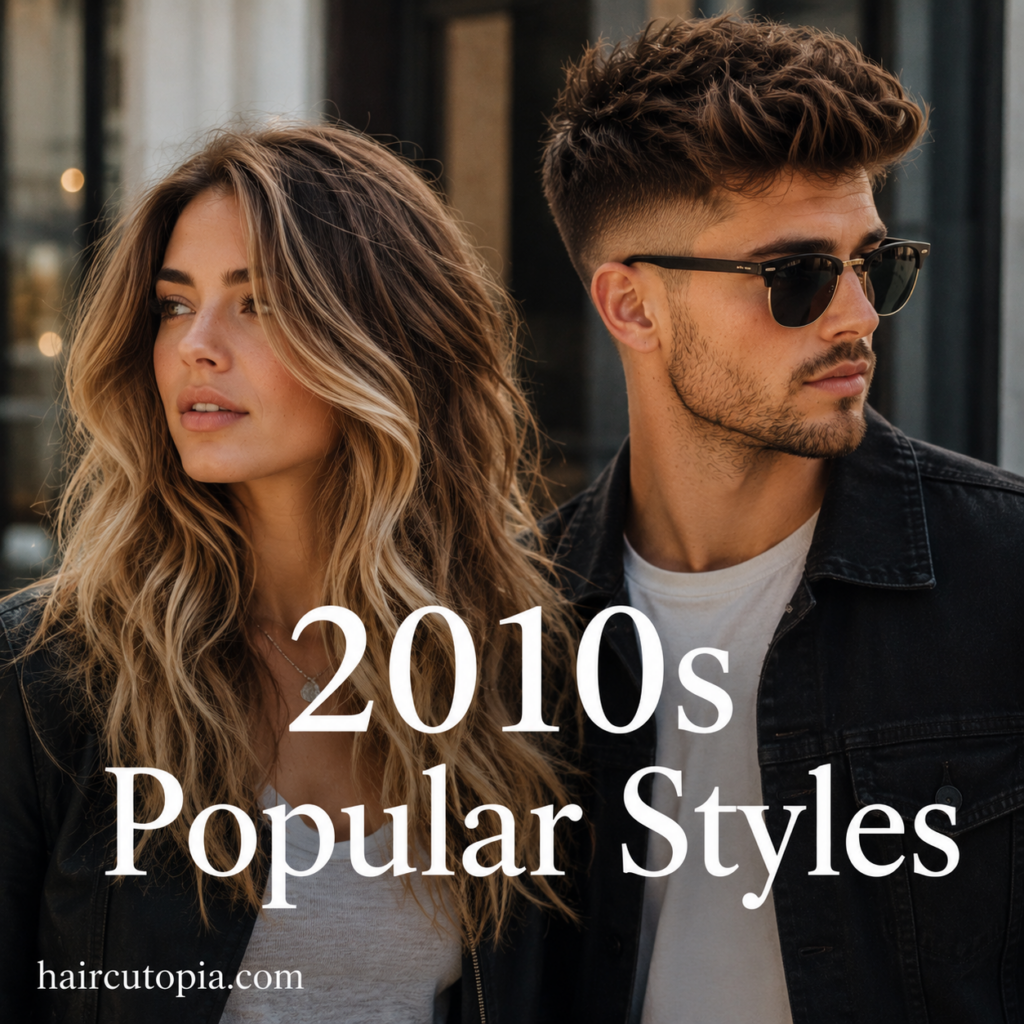
The 2010s were all about choice. Unlike previous decades that revolved around one or two signature hairstyles, this era celebrated individuality. Whether you preferred effortless beach waves, sharp fades, colorful balayage, or sleek ponytails, there was a trend for every personality and hair type.
Social media transformed the beauty industry during this decade. Instagram, Pinterest, and YouTube gave hairstylists a worldwide audience, while celebrities and influencers introduced fresh looks almost daily. Trends spread faster than ever, and people became more willing to experiment with new cuts, colors, and styling techniques.
Many of the decade’s most popular styles are still requested in salons today, proving that the 2010s left a lasting mark on modern hairstyling.
In this guide, we’ll revisit the hairstyles, colors, and grooming trends that defined one of the most influential decades in hair history.
What Made the 2010s So Influential?
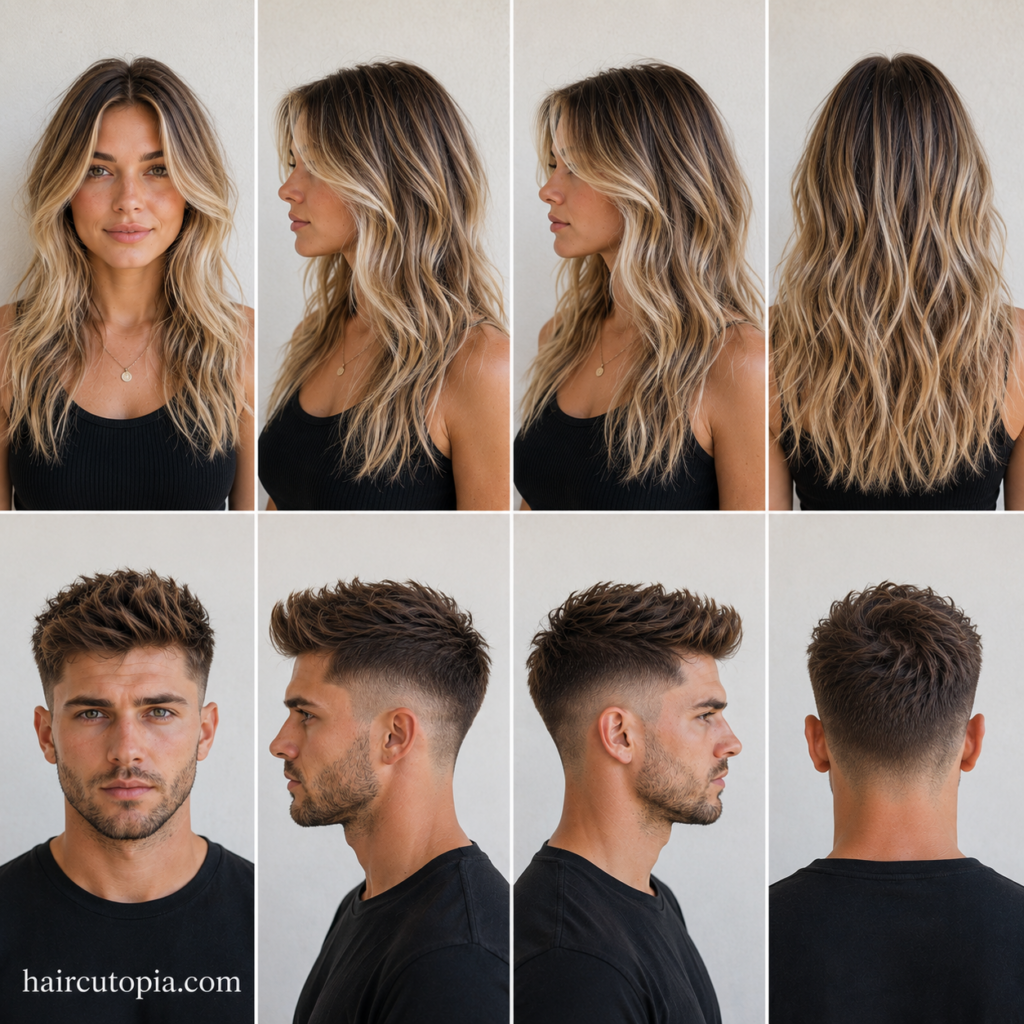
The biggest trend of the decade wasn’t a single haircut—it was personalization.
Instead of following one fashion rule, people adapted hairstyles to suit their face shape, hair texture, and lifestyle.
The decade was defined by:
- Natural-looking texture
- Healthier hair
- Personalized cuts
- Dimensional color
- Precision barbering
- Low-maintenance styling
- Inclusive beauty trends
- Inspiration from social media
This approach helped create timeless styles that continue to feel modern today.
Beach Waves Became the Signature Look
Few hairstyles represent the 2010s better than beach waves.
Unlike tight curls, beach waves emphasized loose movement and effortless texture.
Why they became so popular:
- Easy to wear
- Looked natural
- Added volume
- Complemented layered haircuts
- Enhanced balayage color
The style worked equally well for casual outings and formal events.
Balayage Changed Hair Color Forever
Traditional highlights became less common as balayage exploded in popularity.
The hand-painted technique created softer, more natural-looking color transitions.
Benefits included:
- Lower maintenance
- Dimensional color
- Softer regrowth
- Personalized placement
- Natural sun-kissed appearance
Balayage quickly became one of the most requested salon services worldwide.
The Lob Took Over Salons
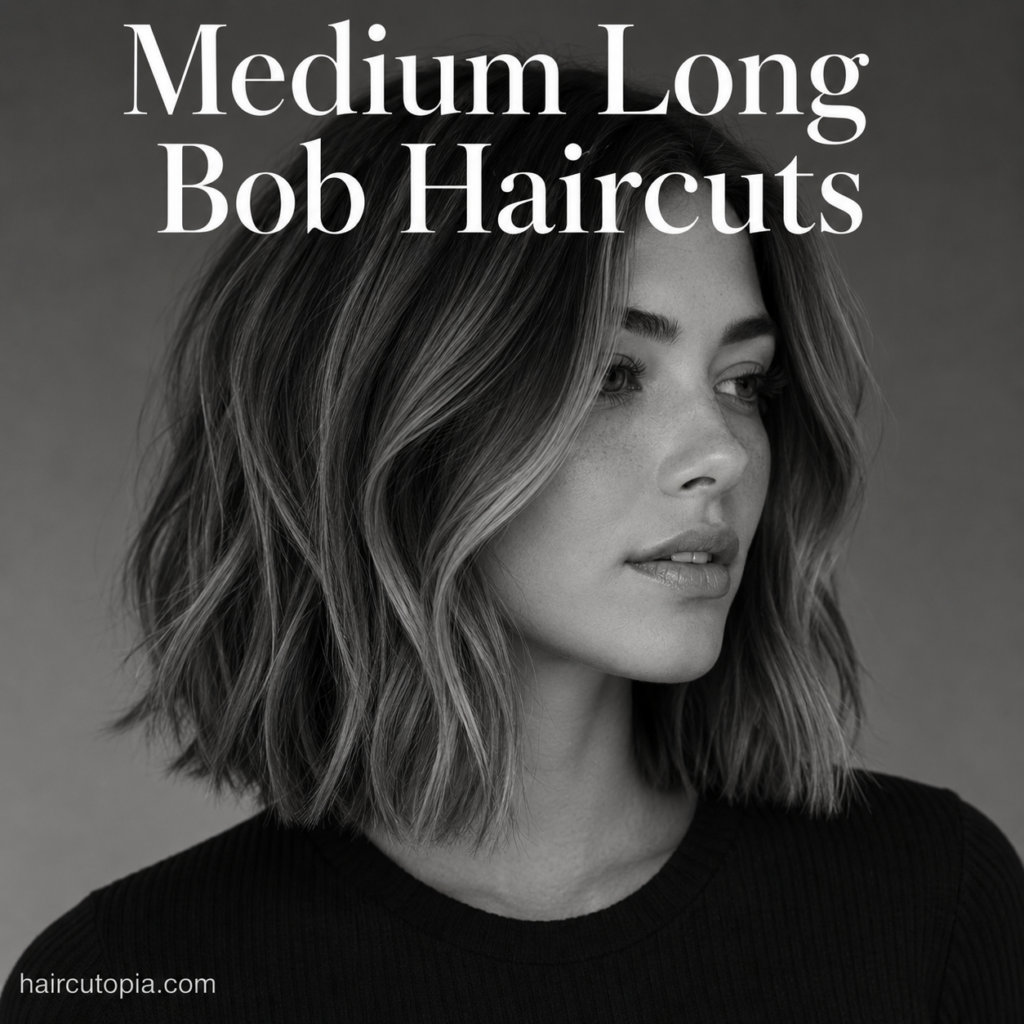
The long bob, commonly known as the lob, struck the perfect balance between short and long hair.
Clients appreciated that it:
- Was easy to style
- Looked sophisticated
- Worked on many face shapes
- Required less maintenance than very long hair
It became one of the defining haircuts of the decade.
Long Layers Stayed in Style
Long layered hair remained a favorite throughout the 2010s.
Modern layering focused on:
- Soft movement
- Lightweight volume
- Face-framing pieces
- Natural flow
When paired with beach waves, it became one of the decade’s most recognizable combinations.
Curtain Bangs Made Their Return
Toward the end of the decade, curtain bangs enjoyed a major revival.
People loved them because they:
- Framed the face beautifully
- Grew out gracefully
- Worked with many hairstyles
- Required less upkeep than blunt bangs
Their popularity carried directly into the 2020s.
Messy Buns Became an Everyday Favorite
The messy bun evolved from a practical hairstyle into a fashion statement.
Instead of looking perfectly polished, the appeal came from its relaxed appearance.
Popular versions included:
- High messy buns
- Low textured buns
- Loose face-framing strands
- Soft volume at the crown
Sleek Ponytails Returned
Not every popular style emphasized texture.
Smooth, sleek ponytails became another defining look.
They typically featured:
- Glossy finishes
- Wrapped ponytail bases
- Clean center parts
- Straight or softly waved lengths
The hairstyle balanced simplicity with elegance.
Fades Redefined Men’s Hairstyles
Modern barbering experienced enormous growth during the decade.
Fade haircuts became the foundation for countless styles, including:
- Pompadours
- Quiffs
- Slick backs
- Textured crops
- Comb overs
- Curly tops
Precision fading elevated classic hairstyles into contemporary looks.
The Textured Crop Emerged
By the second half of the decade, textured crops became increasingly popular.
Their appeal came from:
- Minimal styling
- Modern appearance
- Easy maintenance
- Natural texture
This haircut continues to rank among today’s most requested men’s styles.
Quiffs Stayed Consistently Popular
The quiff remained one of the most versatile hairstyles throughout the decade.
It offered:
- Height
- Movement
- Professional styling
- Casual versatility
Modern versions relied on matte products instead of heavy gels.
Natural Texture Became Beautiful
One of the decade’s biggest cultural shifts involved embracing natural hair.
Rather than constantly straightening curls or hiding texture, more people celebrated their natural patterns.
Popular styles included:
- Wash-and-go curls
- Twist-outs
- Afros
- Box braids
- Faux locs
- Protective styles
This movement encouraged healthier hair practices and greater representation across the beauty industry.
Fashion Hair Colors Became Mainstream
Creative colors moved beyond niche fashion trends.
Popular shades included:
- Silver
- Platinum
- Rose gold
- Lavender
- Dusty pink
- Denim blue
- Smoky brunette
Temporary coloring products also made experimentation easier than ever.
Center Parts Replaced Side Parts
Late in the decade, center parts gradually became the preferred styling choice.
They paired perfectly with:
- Beach waves
- Curtain bangs
- Long layers
- Straight hairstyles
The trend became one of the decade’s most recognizable style shifts.
Healthy Hair Became the Goal
Instead of relying on excessive styling, people focused more on hair health.
Popular products included:
- Hair oils
- Leave-in conditioners
- Heat protectants
- Bond-building treatments
- Deep conditioning masks
- Sulfate-free shampoos
Healthy hair created the foundation for nearly every popular style.
Hair Accessories Made a Stylish Return
Accessories became subtle finishing touches instead of bold statement pieces.
Favorites included:
- Velvet scrunchies
- Pearl barrettes
- Silk scarves
- Decorative clips
- Headbands
- Minimalist pins
These additions made simple hairstyles feel fresh and fashionable.
Barber Culture Reached New Heights
Barbershops became creative spaces where precision cuts and grooming services flourished.
Popular services included:
- Skin fades
- Beard shaping
- Lineups
- Razor detailing
- Hot towel shaves
Social media helped showcase the artistry behind modern barbering.
Why Social Media Changed Everything
No discussion of 2010s popular styles would be complete without mentioning social media.
Platforms like Instagram and Pinterest allowed trends to spread instantly.
People could:
- Save inspiration photos
- Follow celebrity stylists
- Learn styling techniques
- Discover new products
- Watch haircut transformations
The beauty industry became more connected than ever before.
How 2010s Popular Styles Compared to Earlier Decades
| Decade | Defining Popular Styles |
|---|---|
| 1980s | Big volume, perms, bold shapes |
| 1990s | Sleek layers, natural simplicity |
| 2000s | Chunky highlights, spikes, choppy cuts |
| 2010s | Balayage, beach waves, fades, texture, healthy hair |
The defining feature of the 2010s wasn’t a single hairstyle—it was the freedom to personalize every trend.
Which 2010s Styles Are Still Popular?
Many remain salon staples today.
These include:
- Beach waves
- Balayage
- Long layers
- Lobs
- Curtain bangs
- Fade haircuts
- Textured crops
- Sleek ponytails
- Natural curls
- Soft highlights
Rather than disappearing, these styles have continued evolving with modern techniques.
Tips for Creating a 2010s-Inspired Look
If you’d like to capture the decade’s signature style:
- Embrace your natural texture.
- Add soft layers for movement.
- Choose blended color techniques.
- Focus on healthy, shiny hair.
- Avoid overly stiff styling products.
- Use lightweight products for flexibility.
- Customize trends to suit your face shape and lifestyle.
Frequently Asked Questions
What were the most popular hairstyles of the 2010s?
Beach waves, lobs, long layers, curtain bangs, textured crops, fade haircuts, sleek ponytails, and messy buns were among the decade’s most popular hairstyles.
Why was balayage so popular?
Balayage created soft, natural-looking dimension with less noticeable regrowth than traditional highlights, making it both beautiful and low maintenance.
What men’s hairstyles defined the decade?
Fade haircuts, textured crops, pompadours, quiffs, slick backs, and curly fades became some of the most requested barber styles of the 2010s.
Were natural hairstyles more accepted during the 2010s?
Yes. The decade encouraged people to embrace natural curls, coils, waves, and protective styles while promoting healthier haircare routines.
Are 2010s popular styles still fashionable?
Absolutely. Many of the decade’s defining looks continue to be updated with modern techniques and remain among today’s most requested salon and barbershop styles.
Final Thoughts
The 2010s transformed hairstyling by making personal expression the biggest trend of all. Instead of chasing a single fashionable look, people combined cuts, colors, textures, and styling techniques to create hairstyles that reflected their individuality.
From beach waves and balayage to textured fades and healthy hair routines, the decade introduced trends that continue to shape today’s beauty industry. Their versatility, timeless appeal, and focus on effortless style ensure that the most popular looks of the 2010s remain just as relevant today as they were when they first emerged.