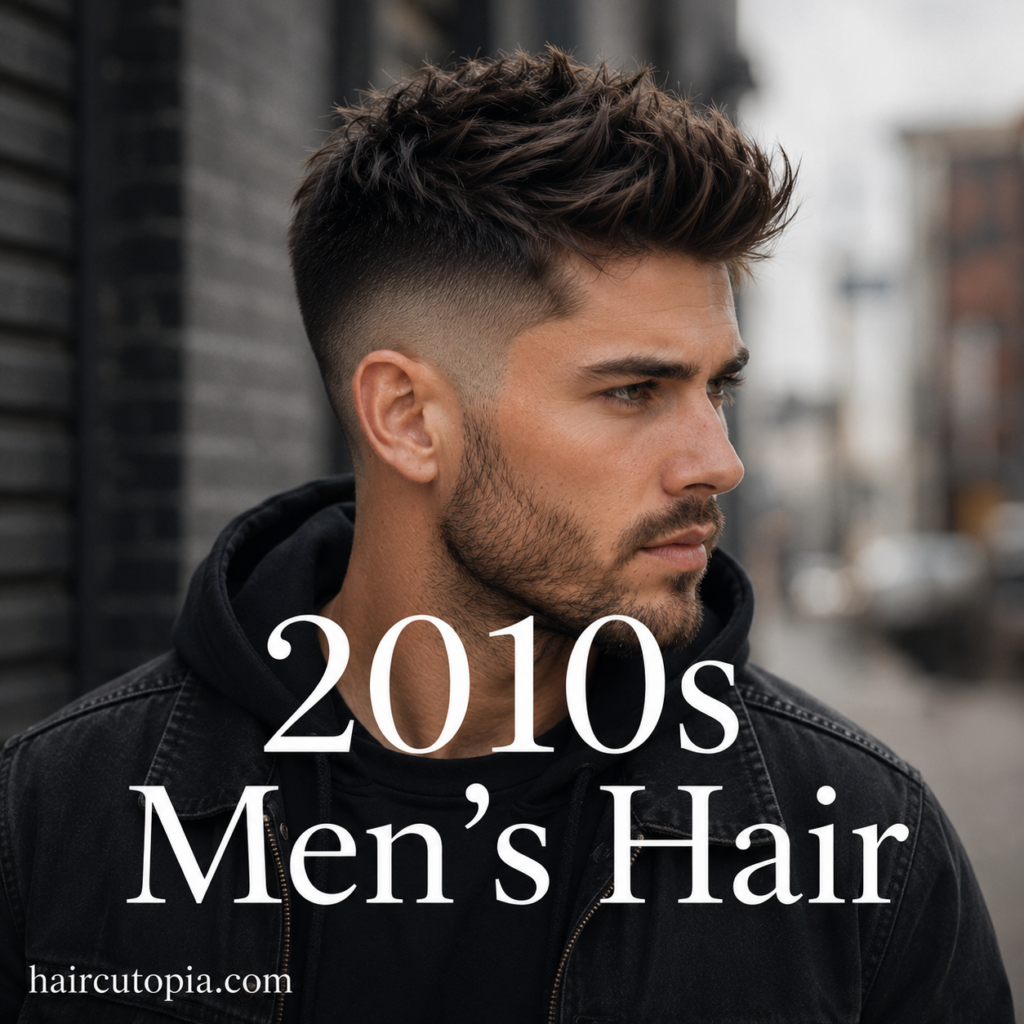
The 2010s completely transformed men’s hairstyling. While previous decades often revolved around just a few classic cuts, the 2010s introduced an incredible variety of styles that blended traditional barbering with modern texture, precision fades, and effortless styling.
Social media played a huge role in this evolution. Instagram and YouTube allowed barbers to showcase their work to millions of people, while celebrities, athletes, and influencers inspired new haircut trends almost overnight. The result was a decade where men became more adventurous with their hair than ever before.
From skin fades and textured crops to pompadours and quiffs, the hairstyles of the 2010s continue to influence today’s barbering trends.
In this guide, we’ll look back at the most popular men’s hairstyles of the decade, the grooming trends that shaped them, and why many remain timeless today.
What Defined Men’s Hair in the 2010s?
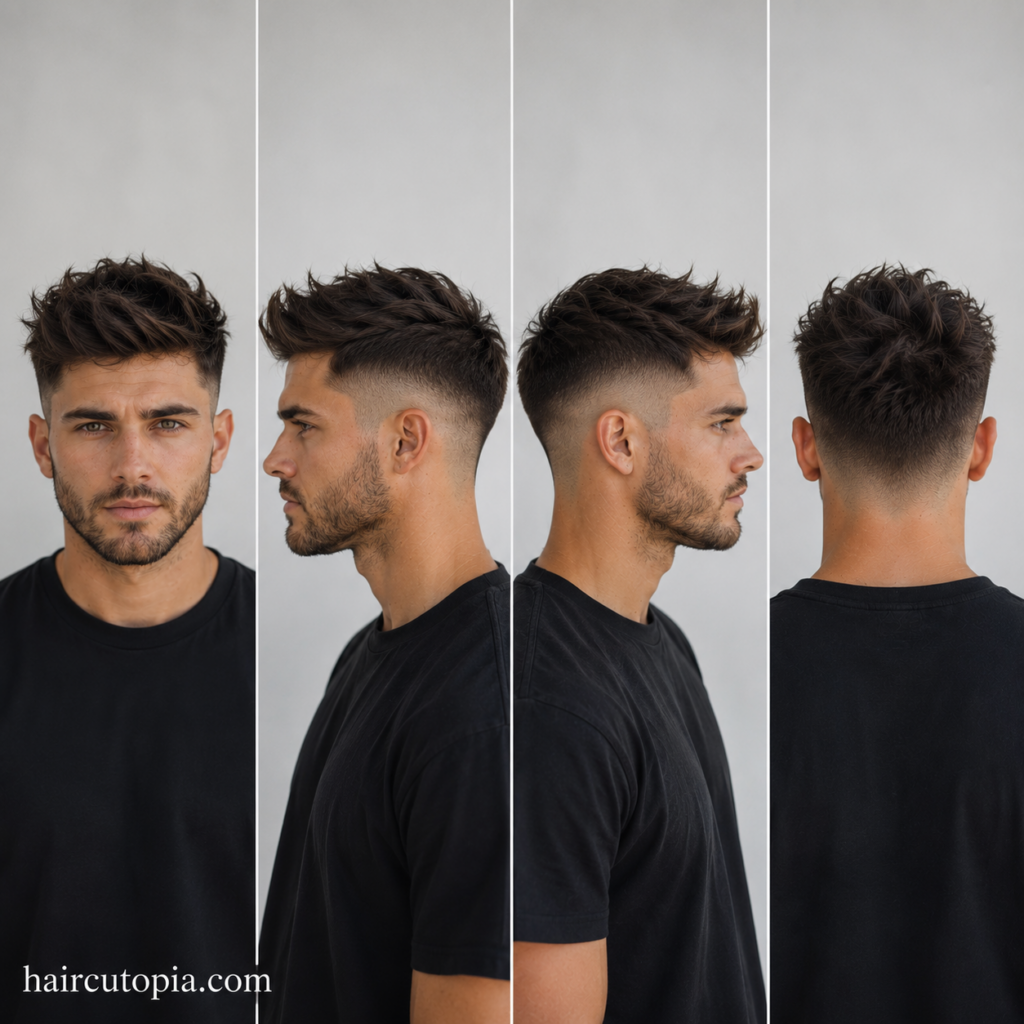
The biggest change wasn’t just the haircuts—it was the overall approach to grooming.
Instead of simply getting a haircut every few weeks, many men began paying closer attention to styling, beard maintenance, and hair health.
Some defining characteristics included:
- Precision fades
- Natural texture
- Matte styling products
- Personalized cuts
- Shorter sides with longer tops
- Modern barbering techniques
- Clean grooming routines
The goal shifted from looking perfectly styled to looking effortlessly put together.
The Fade Became the Signature Haircut
No haircut defined the decade more than the fade.
Barbers perfected blending techniques that created smooth transitions between different hair lengths.
Popular variations included:
- Low fade
- Mid fade
- High fade
- Skin fade
- Drop fade
- Burst fade
- Taper fade
Because fades paired well with nearly every hairstyle, they quickly became the foundation of modern men’s barbering.
The Textured Crop Took Over
Toward the latter half of the decade, the textured crop exploded in popularity.
Its appeal came from its simplicity.
Benefits included:
- Easy styling
- Low maintenance
- Modern appearance
- Natural movement
Rather than combing every strand into place, textured crops embraced controlled messiness.
The Modern Pompadour
The classic pompadour received a fresh update during the 2010s.
Instead of slick, glossy styling, the modern version emphasized:
- Matte texture
- Natural volume
- Soft movement
- Faded sides
This combination made the pompadour feel contemporary rather than vintage.
Quiffs Remained a Favorite
The quiff stayed consistently popular throughout the decade.
It offered versatility because it could be styled:
- Professionally
- Casually
- Neatly
- Textured
The hairstyle worked well for many face shapes and hair types.
Slick Back Hairstyles Evolved
The slick back never disappeared, but it changed significantly.
Instead of heavy gels creating wet-looking hair, modern versions relied on:
- Matte pomades
- Styling cream
- Texture paste
- Lightweight clays
The finish became softer and more natural.
Curly Hair Became a Strength
One of the decade’s biggest changes involved embracing natural curls.
Instead of trying to flatten curly hair, barbers created styles that highlighted texture.
Popular options included:
- Curly fades
- Curly crops
- High-volume curls
- Defined coils
This shift encouraged healthier styling routines and more confidence in natural hair.
Comb Overs Became Modern Again
The comb over received a complete makeover.
Modern versions featured:
- Fade haircuts
- Hard parts
- Natural volume
- Matte finishes
The result felt youthful instead of traditional.
Buzz Cuts Got Cleaner
Buzz cuts remained a timeless option throughout the decade.
Many men enhanced simple buzz cuts by adding:
- Skin fades
- Lineups
- Beard fades
- Sharp edges
Small details transformed basic haircuts into polished styles.
Undercuts Stayed Popular
Undercuts remained one of the defining hairstyles of the early and mid-2010s.
Unlike fades, undercuts featured dramatic contrast between the longer top and clipped sides.
Popular styling choices included:
- Slick backs
- Pompadours
- Side parts
- Loose texture
Beards Became Part of the Hairstyle
Hair and beard grooming became closely connected during the decade.
Rather than treating them separately, barbers blended haircuts into beard fades for a seamless appearance.
Popular beard styles included:
- Short boxed beards
- Stubble
- Full beards
- Beard fades
- Sculpted edges
The haircut and facial hair became part of one cohesive look.
Hair Products Changed
The styling products men used evolved dramatically.
Instead of shiny gels dominating the market, textured finishes became more fashionable.
Popular products included:
- Matte clay
- Texture paste
- Styling powder
- Sea salt spray
- Cream pomade
- Fiber wax
- Hair cream
These products allowed movement while maintaining hold.
Barber Culture Boomed
The 2010s saw the rise of modern barbershops around the world.
Many offered services beyond haircuts, including:
- Beard shaping
- Razor lineups
- Hot towel shaves
- Scalp treatments
- Grooming consultations
Barbers became artists, and their work spread rapidly across social media.
Social Media Changed Men’s Grooming
Instagram transformed barbering into a global community.
Clients could now browse thousands of haircut ideas before walking into the shop.
Popular online trends included:
- Before-and-after transformations
- Fade tutorials
- Styling videos
- Product reviews
- Haircut inspiration
The internet helped raise barbering standards worldwide.
Celebrity Influence
Many well-known athletes, actors, musicians, and entertainers helped popularize men’s hairstyles throughout the decade.
Rather than one signature celebrity haircut dominating fashion, a wide variety of public figures inspired trends ranging from textured crops to pompadours and skin fades.
This diversity encouraged men to personalize their look instead of copying a single style.
Hair Health Became More Important
Healthy hair became part of modern grooming.
Men increasingly used products designed to:
- Prevent dryness
- Improve texture
- Protect against heat
- Strengthen hair
- Enhance shine naturally
Haircare became a regular part of everyday routines.
How 2010s Men’s Hair Compared to Earlier Decades
| Decade | Popular Men’s Hairstyles |
|---|---|
| 1980s | Mullet, feathered styles, perms |
| 1990s | Curtains, buzz cuts, spiky hair |
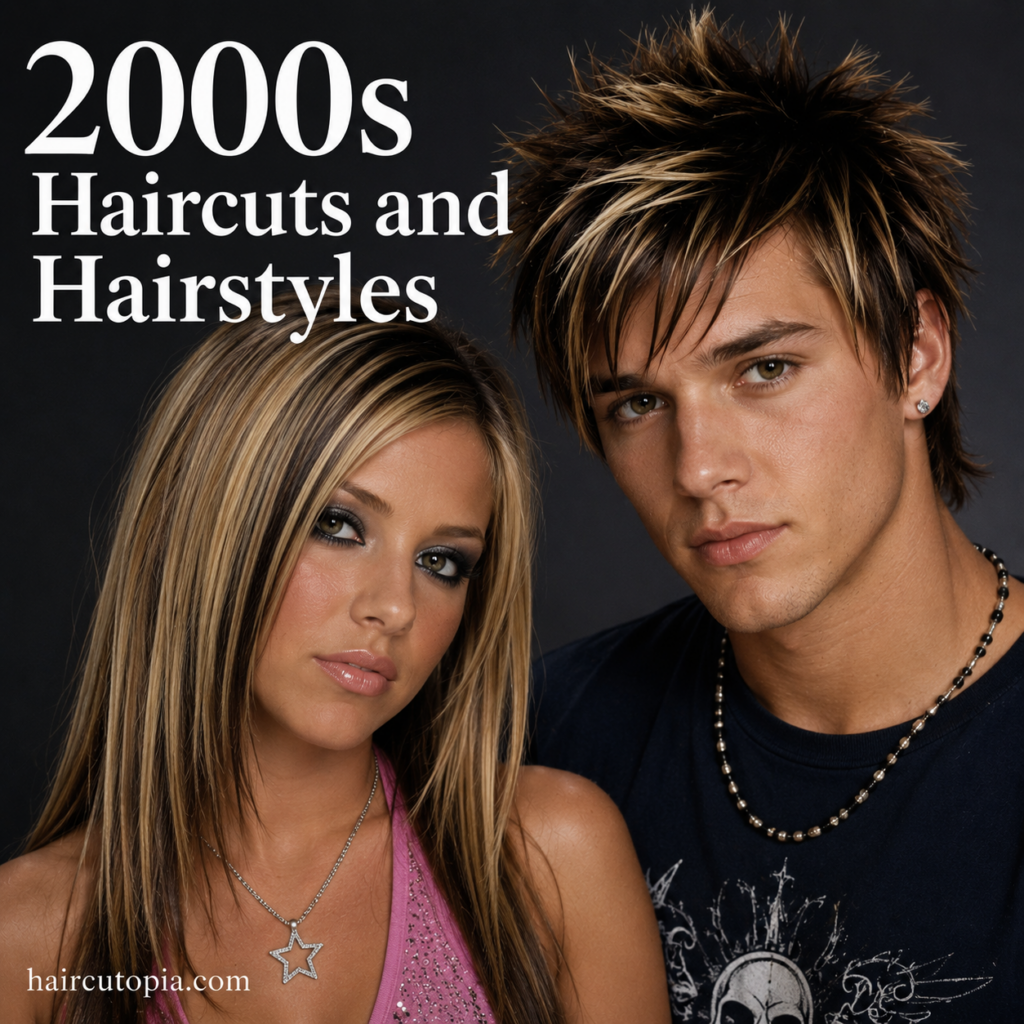
| 2000s | Frosted tips, spikes, faux hawks |
| 2010s | Fades, textured crops, pompadours, quiffs |
Rather than focusing on one hairstyle, the decade encouraged versatility and personalization.
Which 2010s Men’s Hairstyles Are Still Popular?
Many remain among today’s most requested barber styles.
These include:
- Fade haircuts
- Textured crops
- Quiffs
- Pompadours
- Curly fades
- Buzz cuts
- Slick backs
- Comb overs
- Beard fades
- Taper fades
Modern barbers continue refining these classic looks.
Tips for Recreating a 2010s Men’s Hairstyle
If you’re inspired by the decade, consider these ideas:
- Choose a fade that complements your face shape.
- Leave more length on top for styling versatility.
- Use matte products instead of shiny gels.
- Work with your natural texture whenever possible.
- Maintain regular barber visits for clean fades.
- Keep facial hair well groomed if you wear a beard.
- Focus on healthy hair rather than excessive styling.
Frequently Asked Questions
What was the most popular men’s hairstyle of the 2010s?
The fade haircut was the defining men’s hairstyle of the decade. It served as the foundation for countless looks, including pompadours, textured crops, quiffs, and comb overs.
Why did textured crops become so popular?
Textured crops offered a stylish appearance with minimal effort. They were easy to maintain, worked with many hair types, and complemented modern fades.
Were undercuts still popular during the 2010s?
Yes. Undercuts were especially popular during the early and middle years of the decade before fades gradually became even more dominant.
What styling products defined the decade?
Matte clay, texture paste, cream pomades, styling powders, and sea salt sprays largely replaced the shiny gels that were popular in previous decades.
Are 2010s men’s hairstyles still fashionable?
Absolutely. Fade haircuts, textured crops, quiffs, pompadours, and taper fades remain among the most requested hairstyles in barbershops today.
Final Thoughts
The 2010s marked a turning point for men’s hairstyling. Barbering became more creative, grooming routines became more sophisticated, and men gained more freedom to experiment with styles that reflected their personalities.
From precision fades and textured crops to pompadours and curly fades, the decade produced hairstyles that continue to define modern barbering. Their combination of versatility, clean lines, and effortless styling ensures they’ll remain popular for years to come.