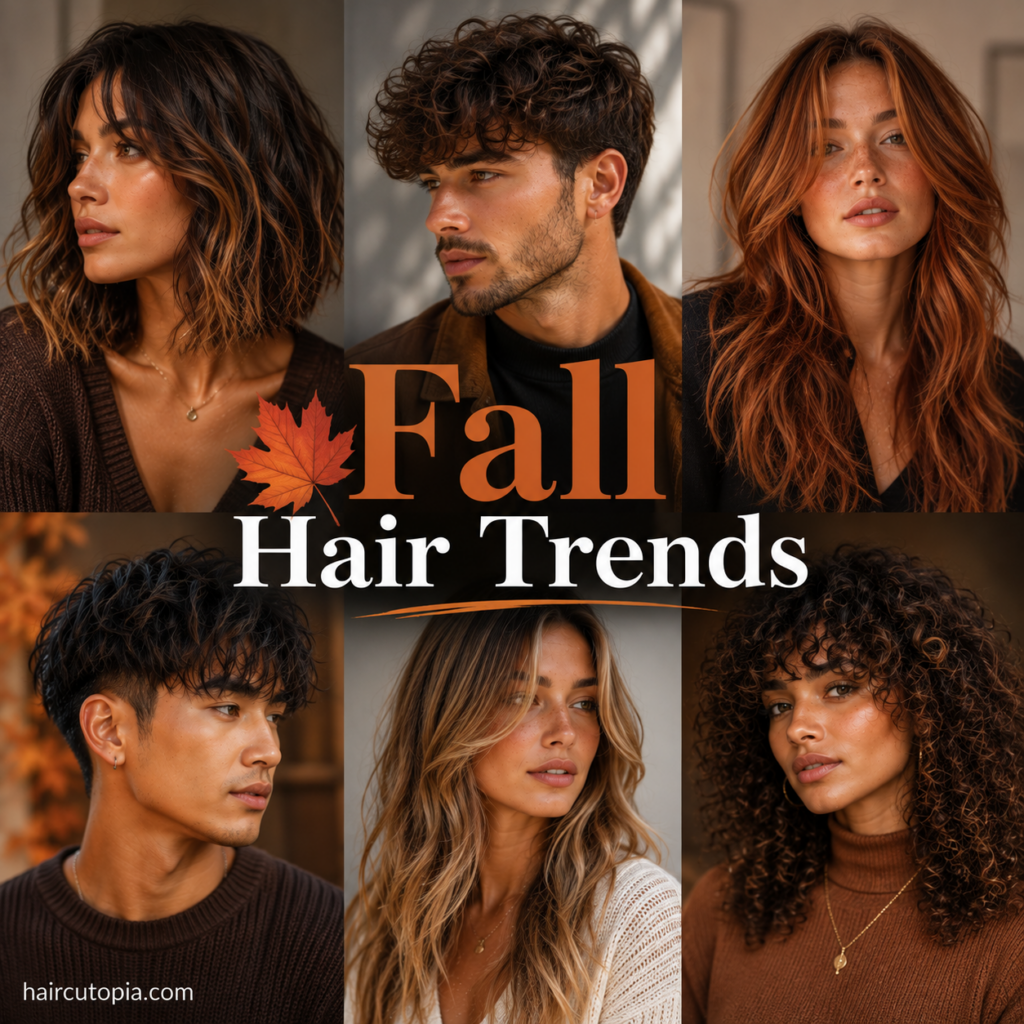
Fall has always been a natural time for a hair reset. Summer’s beachy waves, sun-lightened color, and effortless updos start giving way to richer shades, more structured cuts, softer layers, and hairstyles that feel a little more polished.
That doesn’t mean everything suddenly needs to become dark or dramatic.
Many fall hair trends are surprisingly wearable. A warm brunette gloss can refresh faded summer color. Face-framing layers can reshape long hair without sacrificing length. A textured bob can provide a bigger transformation, while curtain bangs or a different part can make an existing haircut feel new.
The season is also ideal for embracing natural texture. Curls become fuller, blowouts become softer, and medium-length men’s hairstyles offer alternatives to ultra-short summer cuts.
If you’re ready for a seasonal change, these fall haircut, color, and styling trends offer plenty of inspiration.
What Hair Trends Are Popular for Fall?
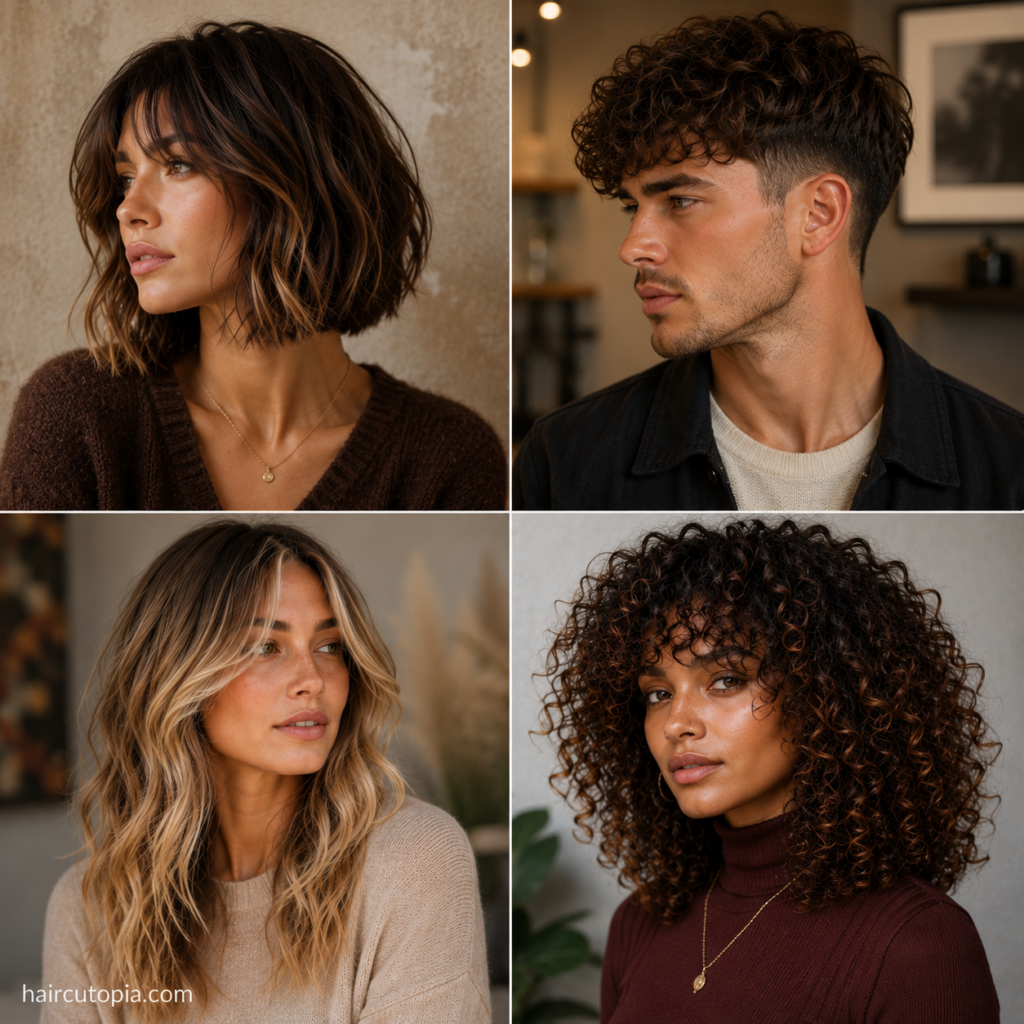
Fall hair tends to become richer in both shape and color.
While summer often revolves around lightweight, beach-inspired styling, autumn creates room for deeper colors, fuller silhouettes, and slightly more polished finishes.
Popular fall hair trends include:
- Rich brunette shades
- Chocolate and espresso hair
- Copper and auburn
- Dimensional blonde
- Soft layered haircuts
- Face-framing layers
- Modern bobs
- Shoulder-length cuts
- Curtain bangs
- Wispy fringe
- Natural curls
- Textured men’s cuts
- Medium-length men’s hair
- Bouncy blowouts
- Sleek ponytails and buns
- Healthy, glossy finishes
You don’t need to combine several trends at once. Often, one carefully chosen change is enough.
1. Rich Brunette Hair
Few colors feel as naturally suited to fall as brunette.
Rich brown shades can add depth after a summer of lighter highlights and sun exposure. They also work across an enormous range of tones, from soft medium brown to nearly black espresso.
Popular fall brunette shades include:
- Chocolate brown
- Espresso
- Mocha
- Chestnut
- Caramel brown
- Golden brunette
- Dark neutral brown
- Warm coffee-inspired shades
The color doesn’t have to be completely uniform.
Subtle highlights or lowlights can create enough variation to keep darker hair dimensional.
2. Chocolate Brown
Chocolate brown sits somewhere between very dark brunette and lighter warm brown.
It’s deep enough to feel appropriate for autumn without necessarily appearing extremely dark.
Depending on the undertones, chocolate hair can lean warm, neutral, or slightly cool.
Adding subtle lighter pieces through the mid-lengths and ends can make waves and layers more visible.
3. Espresso Hair
For someone ready to go darker, espresso offers a dramatic option.
This deep brunette shade can appear almost black in lower light while revealing brown undertones when light hits the hair.
A glossy finish can make the color look particularly rich.
If you’re moving from significantly lighter hair to espresso, talk with a professional colorist about the process and how easily you’ll be able to lighten your hair again in the future.
4. Caramel Highlights
Going darker isn’t the only option for fall.
Caramel highlights bring warmth into brunette hair while preserving the depth of the natural or colored base.
They can be concentrated around the face or blended throughout the hair.
Caramel tones work especially well with:
- Chocolate brunette
- Chestnut hair
- Dark brown
- Warm brunette
- Medium brown
The contrast can be subtle or noticeable depending on how light the highlights are.
5. Copper Hair
Copper has become much more than a temporary seasonal color.
Its natural warmth makes it particularly appealing for autumn.
Copper shades range from bright orange-red to softer brown-based variations, meaning the color can be adjusted dramatically depending on how bold you want to go.
Popular options include:
- Natural copper
- Golden copper
- Copper brown
- Light copper
- Deep copper
- Cinnamon copper
The right version depends on your starting color and desired maintenance level.
6. Auburn and Deep Red
If bright copper isn’t your style, auburn provides a deeper alternative.
Auburn blends red and brown tones, creating a richer color that can look particularly dimensional in natural light.
Other fall red shades may include:
- Dark auburn
- Mahogany
- Cinnamon brown
- Deep red-brown
- Cherry-inspired brunette
- Warm burgundy tones
Red pigments can require maintenance to keep their vibrancy, so color-safe care can become especially important.
7. Dimensional Blonde
Blonde doesn’t disappear when summer ends.
Instead, fall blonde often becomes richer and more dimensional.
Rather than extremely bright, uniform blonde, autumn versions may incorporate beige, honey, caramel, or darker lowlights.
This can create additional depth while preserving an overall blonde appearance.
Fall Blonde Shades to Consider
Popular directions include:
- Honey blonde
- Beige blonde
- Dark blonde
- Caramel blonde
- Golden blonde
- Bronde
- Rooted blonde
A slightly deeper root can also make grow-out feel softer.
8. Bronde Hair
Bronde is particularly well suited to the transition from summer into fall.
The color sits between brunette and blonde, combining darker depth with strategically placed lighter pieces.
For someone who spent summer blonde but doesn’t want to return completely to brunette, bronde can provide a comfortable middle ground.
It can also work in reverse, adding brightness to brunette hair without creating an all-over blonde transformation.
9. Lived-In Fall Color
Fall hair color doesn’t have to create an obvious line of regrowth.
Lived-in techniques can make the transition between the natural roots and colored lengths appear softer.
Depending on the desired result, a colorist may use techniques such as:
- Balayage
- Root blending
- Root melting
- Dimensional highlights
- Lowlights
The goal is color that still looks intentional as it grows.
10. Glossy Hair
One of the simplest fall hair trends is shine.
After summer exposure to sun, heat, chlorine, salt water, and frequent washing, hair can sometimes look duller heading into autumn.
A trim, conditioning routine, or professional gloss treatment can help refresh the appearance.
Glossy hair doesn’t need to mean pin-straight hair, either.
Curls, coils, waves, and textured cuts can all look healthy and luminous without losing their natural character.
11. The Modern Fall Bob
Fall is an excellent time to experiment with a bob.
The cut feels structured enough for the season while still offering plenty of room for personalization.
Popular versions include:
- Blunt bobs
- Layered bobs
- Textured bobs
- French bobs
- Curly bobs
- Wavy bobs
- Jaw-length bobs
- Side-parted bobs
A sleek finish can make the cut feel sharp and sophisticated, while waves or natural texture create a softer result.
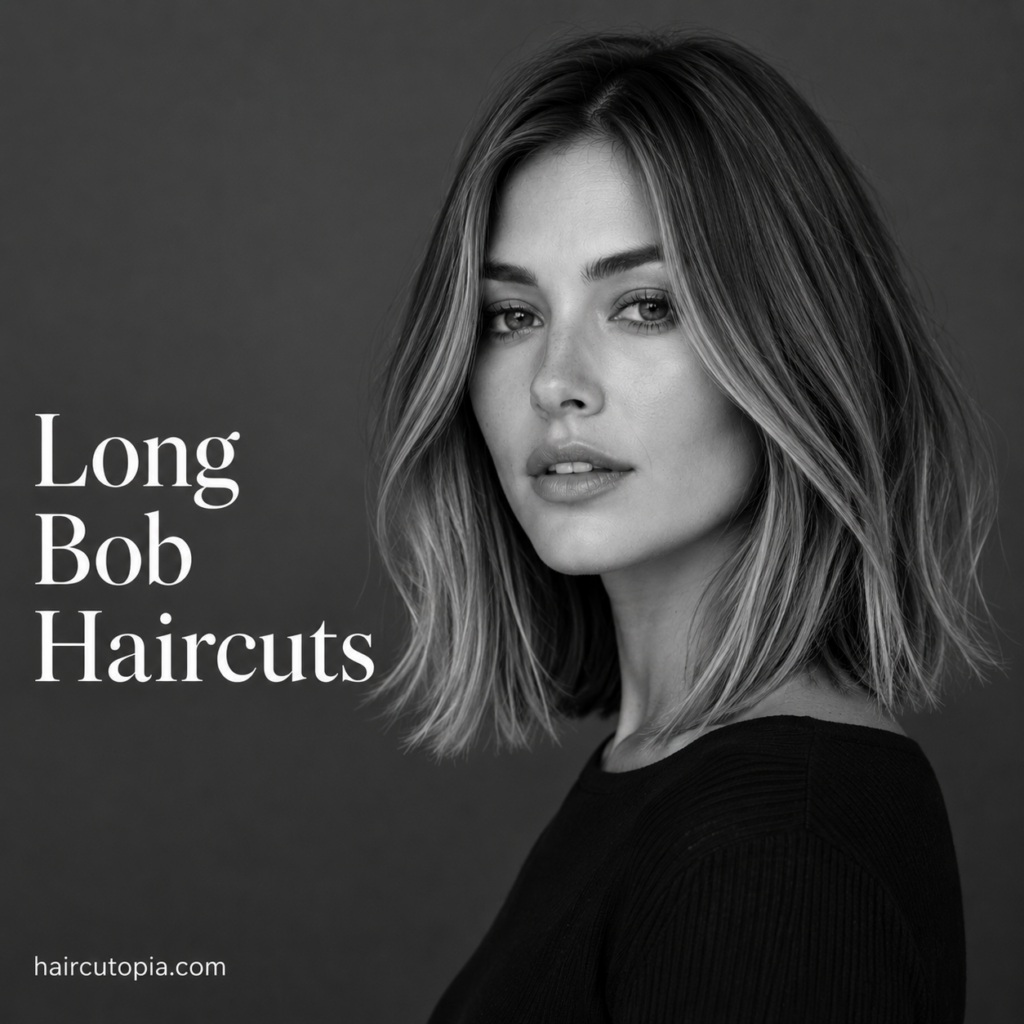
12. The Long Bob
If you’re not ready for a dramatic chop, consider a long bob.
The lob typically falls around the shoulders or collarbone.
It’s short enough to create a noticeable change while retaining enough length for ponytails, buns, and other updos.
Subtle layers can add movement, while a cleaner perimeter can create the appearance of thicker ends.
13. Shoulder-Length Hair
Shoulder-length cuts continue to be popular because they’re incredibly adaptable.
They can feel polished when worn straight and relaxed when styled with waves or curls.
They’re also long enough for many everyday hairstyles.
Try shoulder-length hair with:
- Soft layers
- Face framing
- Curtain bangs
- Side-swept fringe
- Natural curls
- Loose waves
It’s an especially practical choice for someone who wants a change without moving fully into short-hair territory.
14. Long, Soft Layers
Long hair can get a fall refresh without losing significant length.
Soft layers create movement through the mid-lengths and ends while preserving the overall silhouette.
The effect can be subtle.
When the hair is straight, the layers may blend almost invisibly. Once it’s curled or blown out, the different lengths become much more noticeable.
15. Face-Framing Layers
Face-framing pieces remain one of the easiest ways to update longer hair.
Shorter sections around the front can bring attention to the cheekbones, jaw, or chin depending on where the layers begin.
They also work beautifully when the rest of the hair is pulled into a ponytail or bun.
Instead of everything being pulled away from the face, a few intentional pieces remain visible.
16. Curtain Bangs
Curtain bangs transition naturally into fall.
They’re typically longer than traditional bangs and split around the center or slightly off-center.
Because of their length, they can be:
- Worn forward
- Swept sideways
- Blended into layers
- Styled away from the face
- Incorporated into an updo
That versatility makes them a relatively approachable way to experiment with fringe.
17. Wispy Bangs
Wispy bangs offer an even lighter option.
Instead of covering the entire forehead with dense hair, they allow separation between individual sections.
They can soften bobs, lobs, long layers, and shag-inspired cuts.
The only catch is maintenance.
Even lightweight fringe needs occasional trimming if you want to keep it at a specific length.
18. The Side Part
Changing your part is one of the easiest fall hair updates because it requires absolutely no cutting.
A side part can shift volume toward one side and change how existing layers frame the face.
Try moving gradually from a middle part to an off-center position before experimenting with a deeper side part.
Your hair may resist at first if it has been trained to fall in the same direction for years.
Give it a little time.
19. Natural Curls With Volume
Fall is a great season to embrace fuller curly shapes.
Instead of trying to eliminate every bit of volume, a well-shaped curly haircut can make it part of the style.
Layering may help distribute curls more evenly and prevent too much weight from accumulating toward the ends.
Popular fall curly styles include:
- Rounded curly cuts
- Curly bobs
- Shoulder-length curls
- Curly bangs
- Long layered curls
- Short tapered curls
The ideal shape depends heavily on the individual’s curl pattern and density.
20. Defined Coils and Natural Texture
Coily hair can also benefit from cuts designed specifically around its natural shape.
The goal isn’t to force every texture into the same silhouette.
Instead, shaping can emphasize volume, definition, or length depending on personal preference.
Fall styles may range from shorter tapered shapes to longer, fuller silhouettes.
Protective styles can also become part of the seasonal rotation.
21. Soft Shags
Shag-inspired cuts continue to evolve.
For fall, softer versions can combine crown layers, face framing, fringe, and textured ends without creating an extremely dramatic silhouette.
These cuts pair especially well with natural waves and curls.
A good shag shouldn’t necessarily require perfect styling. In fact, a slightly undone finish is often part of what makes it work.
22. Wolf-Inspired Cuts
Wolf cuts share some characteristics with shags but often create a stronger contrast between shorter upper layers and longer sections.
Modern versions can be much softer than the exaggerated styles commonly associated with the trend.
A subtle wolf-inspired cut can add:
- Crown volume
- Face framing
- Movement
- Texture
- Personality
It works particularly well for someone who wants obvious layering without committing to a traditional shag.
23. Short Textured Pixies
Pixie cuts don’t have to disappear once summer ends.
For fall, slightly longer and more textured versions provide additional styling flexibility.
Extra length through the top can be:
- Tousled
- Side-swept
- Curled
- Slicked back
- Styled with separation
A longer fringe can also soften the transition between an ultra-short cut and a pixie-bob.
24. Men’s Textured Haircuts
Men’s fall hair trends also lean toward texture.
Instead of keeping every strand rigidly in place, modern cuts can leave enough length through the top for natural movement.
Popular choices include:
- Textured crops
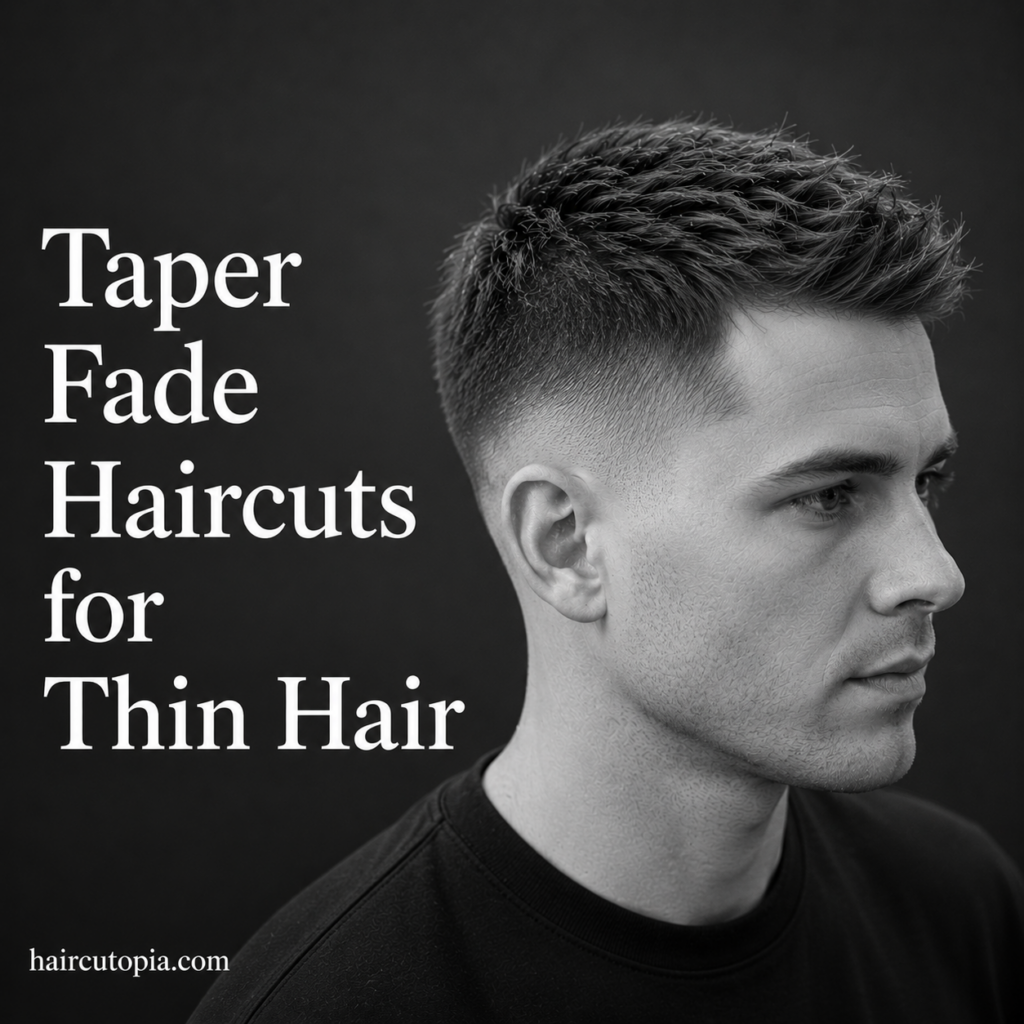
- Low tapers
- Curly fades
- Messy textured tops
- Side-parted cuts
- Longer fringe
- Grown-out fades
A matte or lightweight styling product can help maintain shape without making the hair appear overly stiff.
25. Medium-Length Men’s Hair
Fall can be a good time to grow out a shorter summer haircut.
Medium-length styles allow more natural waves and curls to develop while creating options beyond the standard crop or fade.
Popular directions include:
- Loose curtains
- Bro flow
- Medium-length waves
- Swept-back hair
- Side parts
- Layered curls
- Grown-out tapers
Regular shaping can keep the growing process intentional rather than awkward.
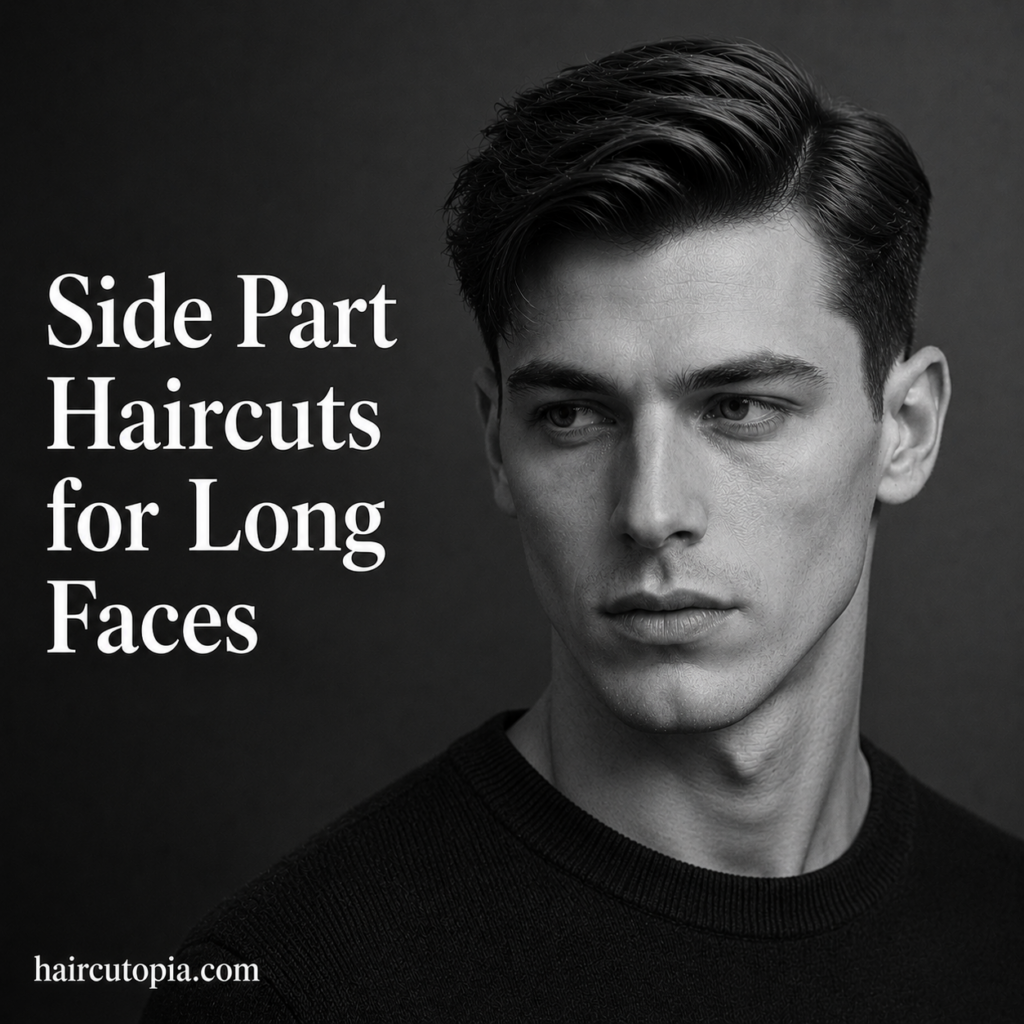
26. Modern Men’s Side Parts
Side-parted men’s hair is another classic style finding new interpretations.
Instead of creating an extremely precise, slicked-down part, modern versions can maintain natural texture and volume.
The sides may be tapered, faded, or left slightly longer.
This allows the style to move between casual and professional settings without changing the haircut itself.
27. Bouncy Fall Blowouts
As temperatures cool, blow-drying hair becomes considerably more appealing than it was during the hottest part of summer.
That makes fall ideal for the return of the blowout.
The modern version emphasizes:
- Root lift
- Movement
- Rounded ends
- Visible layers
- Soft volume
- Healthy shine
It doesn’t need to look perfectly sculpted.
A little natural movement makes the finish feel more current.
28. Sleek Straight Hair
At the opposite end of the spectrum, sleek hair can create a clean fall look.
Straight styles work particularly well with sharp bobs, long bobs, and long one-length hair.
The goal is smoothness rather than completely flattening the hair.
Maintaining some natural movement keeps the finished style from appearing overly rigid.
When using hot tools, appropriate heat protection is important.
29. Low Ponytails
Low ponytails fit naturally with autumn’s slightly more polished aesthetic.
They can be worn sleek or relaxed depending on the occasion.
Try pairing one with:
- A middle part
- Deep side part
- Face-framing pieces
- Natural waves
- A wrapped hair section around the elastic
The style takes only a few minutes but can look surprisingly refined.
30. Sleek Buns
A sleek bun provides another simple option when you want hair completely away from the face.
Low buns tend to create a classic appearance, while higher placements can feel more dramatic.
You can also adjust the finish.
A tightly controlled bun feels polished, while a softer version with loose pieces creates a more relaxed look.
31. Claw-Clip Hairstyles
Claw clips remain useful well beyond summer.
They offer a quick way to pull medium or long hair up without creating a traditional ponytail.
For fall, tortoiseshell, neutral, metallic, and darker-toned accessories can complement the season’s richer colors.
A simple twist is often enough.
Not every hairstyle needs to take 20 minutes.
32. Half-Up Fall Hairstyles
Half-up styles offer the best of both worlds.
They keep hair away from the face while allowing the length and texture to remain visible.
Try the upper section as:
- A small ponytail
- Loose bun
- Twist
- Braid
- Claw-clip style
This works particularly well with waves, curls, and layered hair.
How to Repair Summer-Damaged Hair for Fall
Fall isn’t just an opportunity to change your haircut or color.
It’s also a useful time to assess how your hair handled summer.
Sun exposure, swimming, frequent washing, heat styling, and travel can all leave hair feeling different by the end of the season.
Start With a Trim
If the ends feel dry or rough, a trim can immediately improve the overall appearance.
You don’t necessarily need a major haircut.
Removing a small amount may be enough to make the ends look fuller and healthier.
Reassess Your Conditioning Routine
As temperatures cool and indoor heating returns, hair may need different care than it did during summer.
Depending on your hair type, that might mean adding a richer conditioner, occasional deep-conditioning treatment, or leave-in product.
Reduce Unnecessary Heat
Fall may make blowouts more appealing, but that doesn’t mean every wash needs to involve high heat.
Alternate between heat styling and lower-heat or heat-free approaches when practical.
How to Transition Summer Hair Color Into Fall
You don’t necessarily need to cover your summer highlights.
Often, they can become the foundation for a richer autumn color.
A colorist might:
- Add lowlights for depth.
- Tone overly bright sections.
- Introduce warmer shades.
- Blend the root.
- Add a gloss.
- Preserve lighter face-framing pieces.
This can create a seasonal change without completely starting over.
Should You Go Darker for Fall?
You can, but there’s no rule saying you have to.
Going darker every autumn and lighter every spring is just one approach.
Blonde, red, brunette, gray, and creative colors can all work year-round.
If you do want something darker, consider whether you’re ready for the commitment before making a dramatic change.
Returning to a significantly lighter color later may require a more involved process.
How to Choose a Fall Hair Trend
The best seasonal trend is one that fits your actual routine.
Before committing, consider:
- Your natural texture
- Hair density
- Current color
- Styling habits
- Salon budget
- Desired maintenance
- Workplace or lifestyle needs
- How frequently you’re willing to get trims
A haircut that looks incredible but requires daily styling may not be the right choice if you prefer wash-and-go hair.
Bring Several Inspiration Photos
Rather than asking a stylist to reproduce one photo exactly, bring a few examples.
Explain which specific elements you like.
Maybe you want the layers from one haircut, fringe from another, and color from a third.
That gives your stylist more flexibility to adapt the overall idea to your own hair.
What Is the Biggest Fall Hair Trend?
Richness is one of the strongest themes running through fall hair.
That doesn’t only mean darker color.
It can mean richer texture, fuller movement, deeper dimension, healthier shine, and haircuts with more intentional shape.
A brunette gloss can provide it. So can copper color, a layered blowout, fuller curls, or a medium-length men’s cut.
Fall hair tends to feel a little more deliberate than summer hair while still leaving room for natural movement.
Final Thoughts on Fall Hair Trends
Fall is one of the best times of year to rethink your hair.
Maybe you’re ready for a dramatic bob after wearing long hair all summer. Maybe you want to trade bright highlights for rich brunette dimension. Copper or auburn could provide a bigger color transformation, while curtain bangs or face-framing layers offer something more subtle.
Men can experiment with longer lengths, natural texture, tapers, or updated side parts. Curly and coily hair can lean into volume rather than trying to suppress it.
And sometimes the best change isn’t a new haircut at all.
A trim, gloss, different part, or healthier styling routine can make familiar hair feel fresh again.
Use fall hair trends as inspiration, then adapt the ideas to your texture, lifestyle, and personal style. The result will usually last much longer than simply copying whatever happens to be popular at the moment.