Winter changes the way we think about hair. Temperatures drop, humidity shifts, indoor heating kicks in, and suddenly the hairstyles that worked perfectly a few months ago can behave completely differently.
It’s also a natural season for changing things up.
Rich brunette shades, dimensional blondes, deep reds, polished bobs, soft layers, natural curls, and fuller men’s styles all fit comfortably into winter. At the same time, practical styling becomes more important. A hairstyle still needs to work after you’ve worn a beanie, walked through cold wind, or spent the day in dry indoor air.
The best winter hair trends balance those two sides: style and real life.
Whether you’re considering a major haircut, refreshing your color, or simply looking for new ways to wear what you already have, these winter hair trends offer plenty of inspiration.
What Hair Trends Are Popular for Winter?
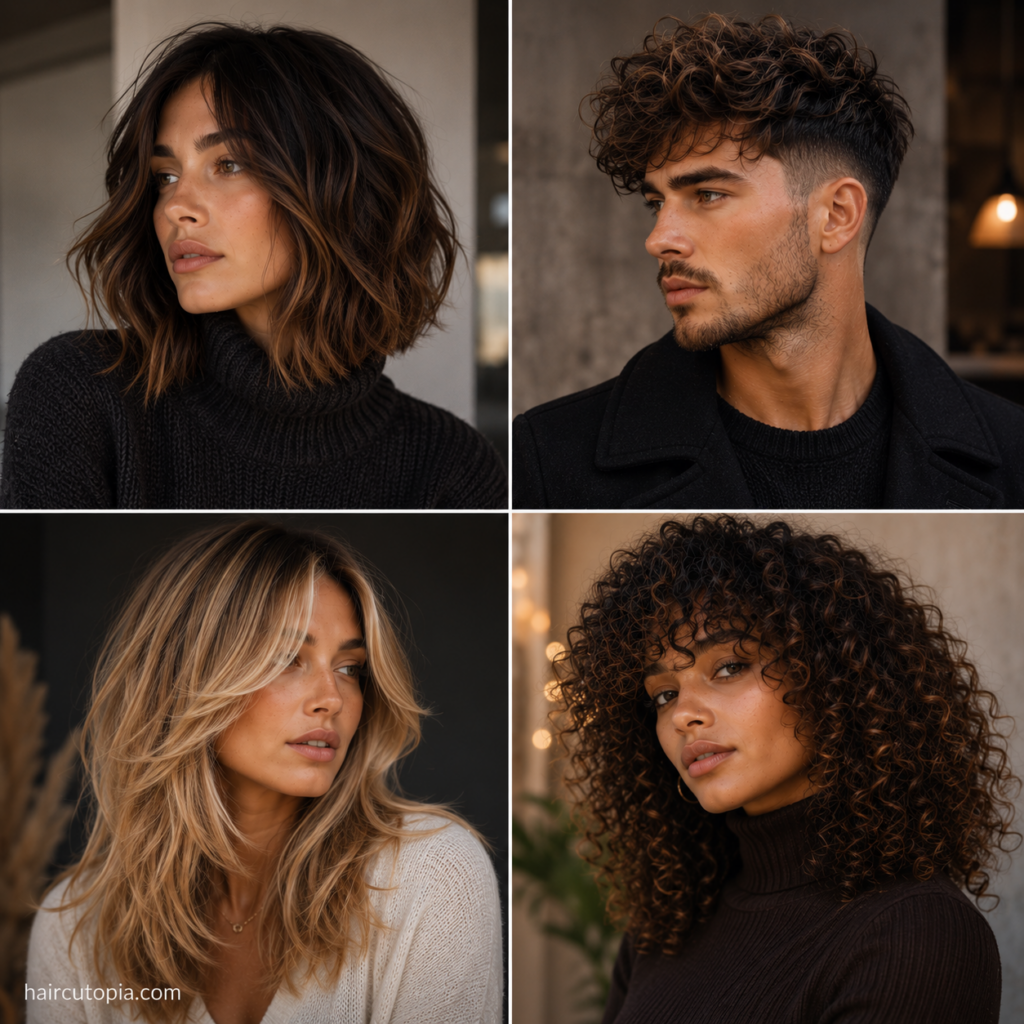
Winter hair often feels richer and slightly more polished than the relaxed styles associated with summer.
That doesn’t mean stiff or overly formal. Natural texture and movement are still very much part of the look.
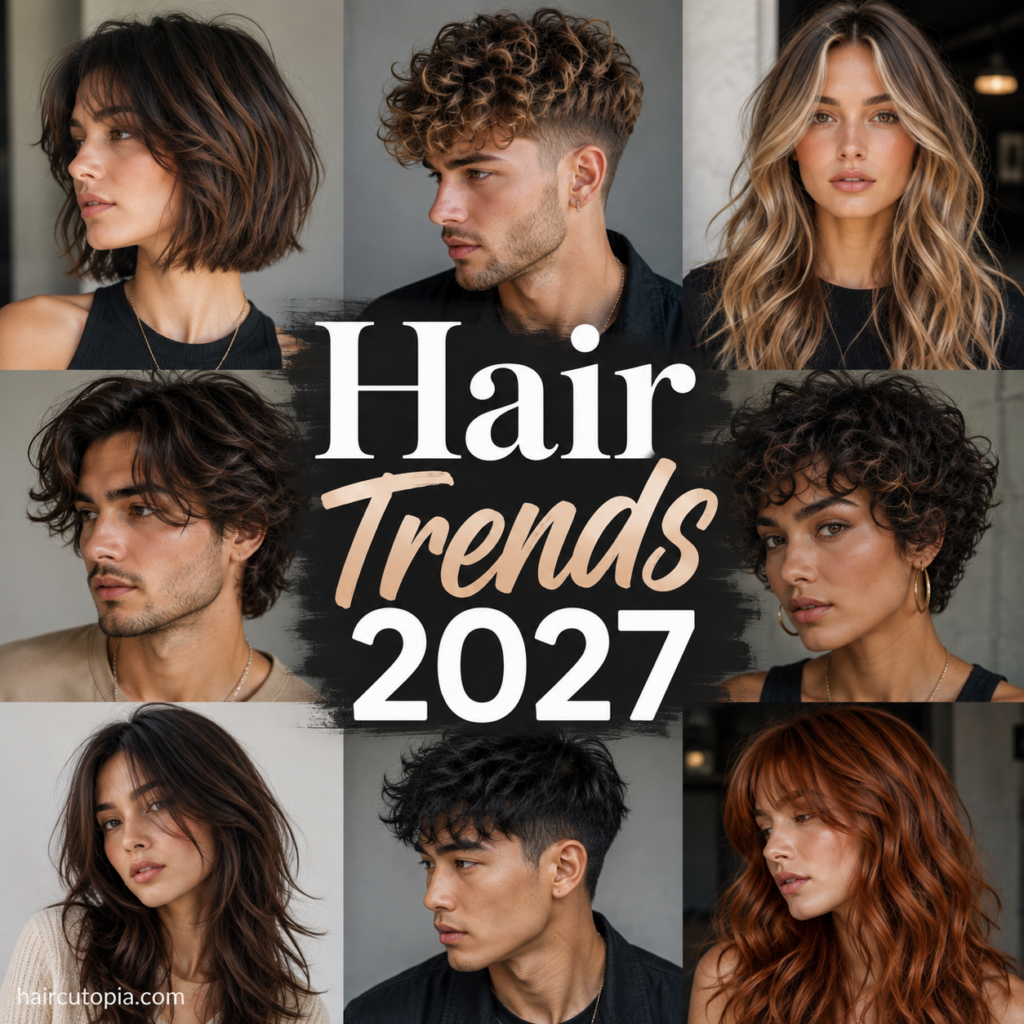
Popular winter hair trends include:
- Rich brunette shades
- Espresso and chocolate brown
- Deep copper and auburn
- Dimensional blonde
- Bronde hair
- Glossy finishes
- Modern bobs
- Long bobs
- Soft layers
- Face-framing pieces
- Curtain and wispy bangs
- Natural curls
- Bouncy blowouts
- Textured men’s haircuts
- Medium-length men’s styles
- Sleek ponytails and buns
Winter is also a good time to focus on hair condition. Cold weather outdoors and dry heated air indoors can make moisture and gentle styling especially important.
1. Rich Brunette Hair
Deep brunette shades feel completely at home during winter.
They’re dramatic without necessarily being unconventional, and the right shade can make hair appear especially glossy.
Winter brunette colors can include:
- Chocolate brown
- Espresso
- Mocha
- Chestnut
- Dark brown
- Coffee brown
- Neutral brunette
- Warm brunette
Rather than using one completely flat shade, subtle tonal variation can create additional depth.
This becomes especially noticeable when the hair is curled or layered.
2. Espresso Brown
Espresso is one of the deepest brunette directions.
In lower lighting, the color can appear nearly black. Under brighter light, the underlying brown becomes more visible.
That variation gives espresso hair its richness.
A glossy finish can make the color even more dramatic, particularly on sleek bobs and longer straight hairstyles.
If you’re starting with significantly lighter hair, consider the long-term commitment before going dramatically darker.
3. Chocolate Brown
Chocolate brown provides a softer alternative to espresso.
It retains plenty of depth but can incorporate warmer undertones that prevent the overall color from becoming too dark.
Chocolate shades also pair naturally with subtle caramel or chestnut dimension.
This can be a good option for someone who wants darker winter hair without moving into near-black territory.
4. Dimensional Brunette
Dark hair doesn’t have to mean one uniform shade.
Dimensional brunette combines related brown tones to create more visual movement.
Depending on your starting color, that could involve:
- Subtle highlights
- Lowlights
- Balayage
- Face-framing pieces
- A deeper root
- Tonal glosses
The contrast doesn’t need to be dramatic.
Even small variations can make layers and waves easier to see.
5. Deep Copper Hair
Copper isn’t limited to fall.
Deeper versions transition beautifully into winter, especially when they incorporate brown or auburn undertones.
Winter copper shades may include:
- Deep copper
- Copper brown
- Cinnamon copper
- Dark ginger
- Copper brunette
- Burnished copper
The result can range from natural-looking warmth to something much more vibrant.
6. Auburn and Deep Red
Auburn combines red with brunette depth, making it particularly suited to winter.
It can be subtle enough to look brown in some lighting and noticeably red in others.
Other winter red directions include:
- Dark auburn
- Mahogany
- Deep cherry
- Burgundy-inspired brunette
- Cinnamon brown
- Rich red-brown
Red pigments can require thoughtful maintenance, so ask your colorist how often the shade may need refreshing.
7. Dimensional Winter Blonde
You don’t have to go brunette just because winter arrives.
Blonde can work beautifully throughout the colder months.
Instead of extremely uniform brightness, winter blonde often looks especially striking with additional depth.
Consider:
- Beige blonde
- Honey blonde
- Dark blonde
- Champagne tones
- Creamy blonde
- Rooted blonde
- Blonde with lowlights
A slightly deeper root can also create a softer transition as the hair grows.
8. Bronde Hair
Bronde sits between blonde and brunette, which makes it useful for someone who doesn’t want to commit fully in either direction.
A brunette base can be brightened with blonde or caramel pieces.
Alternatively, summer blonde can be deepened with lowlights and a darker root.
The result maintains dimension without feeling excessively light or dark.
9. Lived-In Winter Color
Winter doesn’t necessarily mean high-maintenance color.
Lived-in techniques are designed to create a softer transition between natural roots and colored sections.
That may involve:
- Balayage
- Root melting
- Root blending
- Lowlights
- Soft highlights
The goal is color that continues to look intentional as it grows.
For anyone who prefers fewer salon appointments, this can make a substantial difference.
10. Glossy Hair
Healthy-looking shine is one of the easiest ways to make winter hair feel more polished.
Gloss treatments can enhance tone and shine, while a consistent conditioning routine can improve the overall appearance of the hair.
But glossy doesn’t have to mean straight.
Waves, curls, coils, bobs, and short textured styles can all have a healthy-looking finish.
The goal is hair that looks cared for, not hair that has been forced into one specific texture.
11. The Winter Bob
A bob might seem more associated with warmer weather, but it works just as well during winter.
In fact, winter clothing can make shorter hair particularly striking.
A bob sitting above a coat collar or turtleneck creates a clean silhouette without long hair becoming trapped underneath layers of clothing.
Popular winter bob styles include:
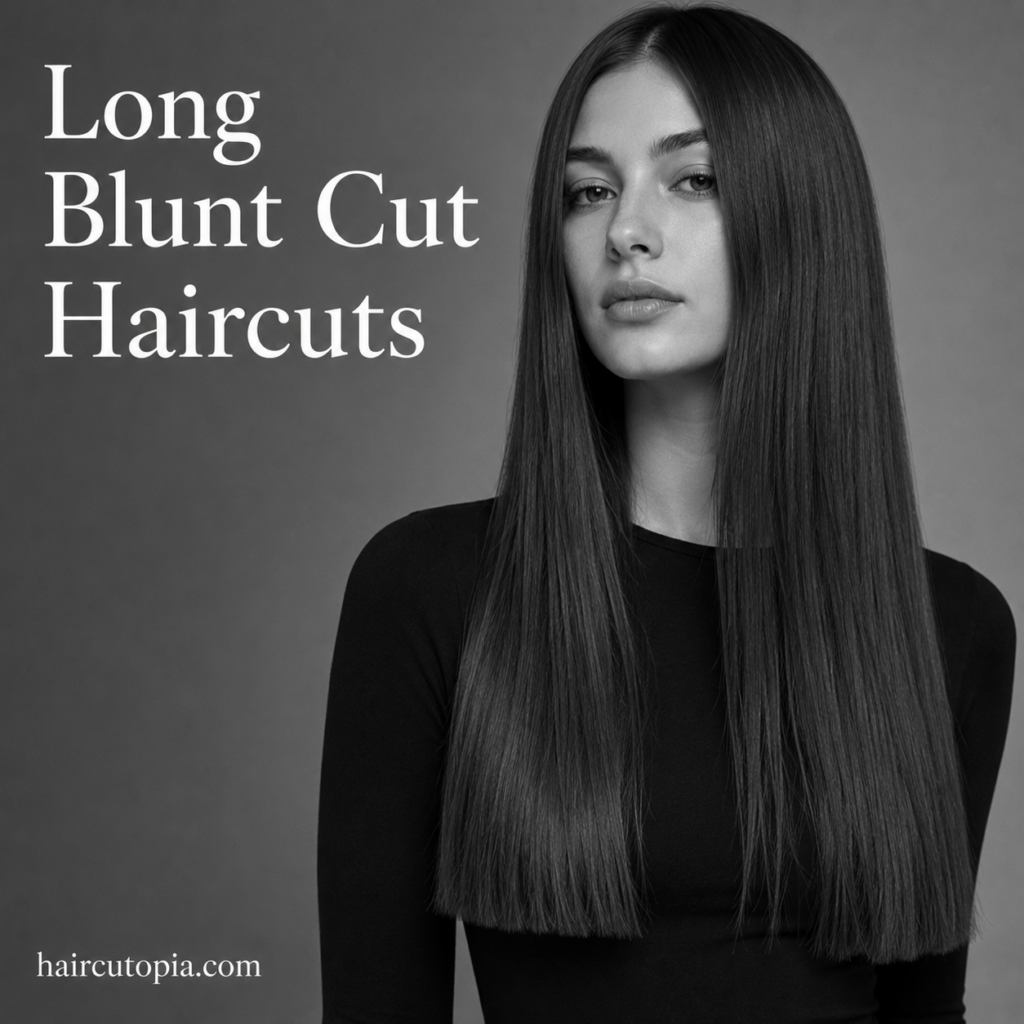
- Blunt bobs
- Textured bobs
- Layered bobs
- French bobs
- Curly bobs
- Jaw-length bobs
- Side-parted bobs
- Sleek bobs
The styling can completely change the personality of the cut.
12. The Long Bob
If a short bob feels too dramatic, the lob offers a more conservative alternative.
Long bobs typically sit around the shoulders or collarbone.
This provides enough length for:
- Ponytails
- Half-up styles
- Small buns
- Waves
- Curls
- Sleek styling
It’s a particularly versatile option for someone moving gradually from long hair toward something shorter.
13. Shoulder-Length Hair
Shoulder-length cuts remain popular because they offer flexibility without excessive length.
They work with straight, wavy, curly, and many coily textures depending on how they’re shaped.
Add subtle layers for movement or maintain a cleaner perimeter for the appearance of fuller ends.
Face-framing sections can provide additional shape without dramatically changing the haircut.
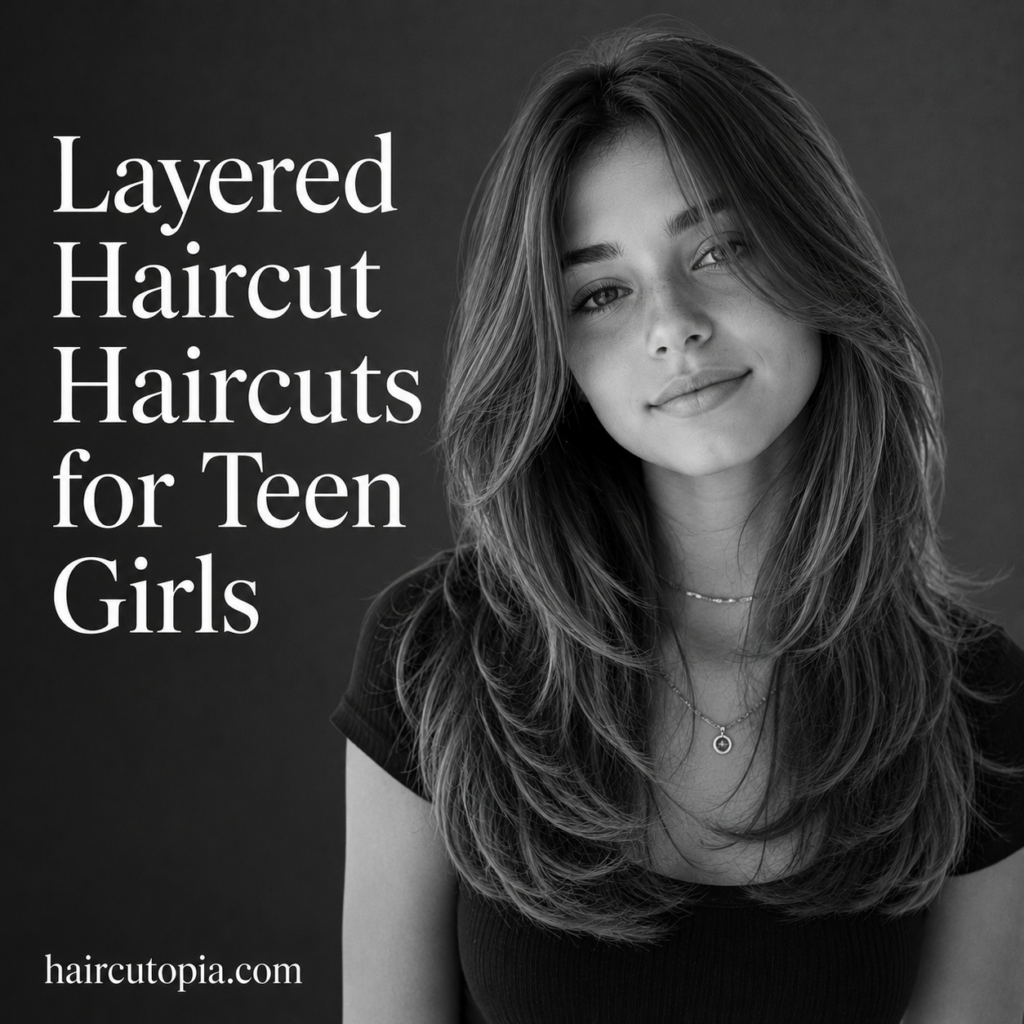
14. Long Winter Layers
Long hair doesn’t need to be chopped off to feel new.
Soft layering can remove some visual weight and create movement while preserving the overall length.
This works particularly well with winter blowouts.
Once the hair is curved or waved, the different layers become much more noticeable.
Long layers can also help naturally wavy and curly textures form more freely.
15. Face-Framing Layers
Face-framing layers continue to be one of the easiest ways to refresh medium or long hair.
The shortest sections might begin around the:
- Cheekbones
- Jaw
- Chin
- Collarbone
Shorter pieces generally create a more noticeable transformation.
Longer framing blends more subtly into the rest of the haircut.
These pieces can also soften ponytails and buns by leaving intentional movement around the face.
16. Curtain Bangs
Curtain bangs fit naturally with layered winter hairstyles.
They’re longer than many traditional fringe styles and usually separate around the center or slightly off-center.
That makes them relatively versatile.
They can be worn forward, swept sideways, blended into layers, or styled away from the face.
They’re also especially noticeable when paired with a voluminous blowout.
17. Wispy Bangs
Wispy bangs offer a lighter alternative.
Instead of creating a dense line across the forehead, they maintain separation and movement.
They pair well with:
- Bobs
- Lobs
- Long layers
- Shags
- Straight hair
- Wavy hair
Keep in mind that bangs can behave differently after wearing winter hats, so a slightly more relaxed fringe may be easier to manage.
18. Side-Swept Fringe
Side-swept fringe can provide another option for someone who wants movement around the front without committing to traditional bangs.
Longer versions can blend directly into face-framing layers.
They’re also relatively easy to pin back or incorporate into an updo when needed.
A side-swept fringe naturally complements the return of side parts.
19. The Side Part
Sometimes the simplest change makes the biggest difference.
Moving from a center part to a side part can instantly change the balance of an existing haircut.
It may create:
- More root volume
- Asymmetry
- Different face framing
- A fuller-looking front section
You can experiment without committing to anything permanent.
Try a subtle off-center part first, then move deeper if you like the effect.
20. Natural Curls With Winter Volume
Curly hair doesn’t need to become sleek just because winter styling tends to look more polished.
Full, natural curls can create plenty of impact.
The key is shape.
Strategic layering can distribute volume throughout the haircut rather than allowing all the weight to settle toward the ends.
Popular winter curly styles include:
- Curly bobs
- Rounded curly cuts
- Long layered curls
- Curly bangs
- Shoulder-length curls
- Short tapered curls
Winter dryness can affect curl definition, so moisture may become an especially important part of the routine.
21. Defined Coils and Natural Texture
Coily hair can also embrace fuller shapes throughout winter.
Short tapered cuts, rounded silhouettes, longer natural styles, and protective hairstyles can all work depending on personal preference.
Rather than trying to make every section behave identically, focus on the overall shape and health of the hair.
A little natural variation is completely normal.
22. Soft Shags
The shag remains useful for anyone who wants movement without an overly polished silhouette.
Modern versions can be surprisingly subtle.
A soft shag might combine:
- Crown layers
- Face framing
- Wispy bangs
- Textured ends
- Natural waves
This creates a relaxed haircut that still has an intentional shape.
23. Wolf-Inspired Haircuts
Wolf-inspired cuts bring more dramatic layering into the picture.
The shortest sections generally create volume around the upper part of the head while longer pieces preserve length underneath.
Winter versions don’t need to be extreme.
Softer transitions can make the haircut easier to wear while retaining its textured personality.
24. Short Textured Pixies
Short hair can make a strong winter statement.
Textured pixies leave enough length through the top or fringe to create multiple looks.
Depending on the cut, you can:
- Tousle it
- Sweep it sideways
- Slick it back
- Add curls
- Create piecey texture
A slightly longer pixie can also be easier to manage when transitioning toward a bob.
25. Men’s Textured Winter Haircuts
Men’s winter hairstyles often allow a little more length than their summer counterparts.
Textured cuts maintain shape without requiring every strand to stay perfectly positioned.
Popular options include:
- Textured crops
- Low tapers
- Curly fades
- Longer fringe
- Side-parted cuts
- Wavy tops
- Grown-out fades
Lighter styling products can help maintain movement rather than creating a rigid finish.
26. Medium-Length Men’s Hair
Winter is an ideal time to experiment with longer men’s hairstyles.
Medium length provides room for natural waves and curls while offering alternatives to the familiar short-back-and-sides silhouette.
Potential styles include:
- Loose curtains
- Bro flow
- Medium-length waves
- Swept-back hair
- Side parts
- Layered curls
The important part is continuing to shape the hair while it grows.
Otherwise, additional length can quickly turn into unwanted bulk.
27. Men’s Curly Hair
Curly men’s hairstyles can benefit from keeping enough length for the natural pattern to become visible.
That might mean a curly top paired with tapered sides or a longer cut that allows curls throughout the entire head.
Rather than fighting the curl pattern, styling products can provide enough definition and control while preserving natural movement.
28. Bouncy Blowouts
Winter is prime blowout season.
When it’s no longer unbearably hot outside, using a blow dryer becomes considerably more appealing.
Modern blowouts focus on:
- Soft root volume
- Curved ends
- Visible layers
- Movement
- Healthy shine
The finished result should feel touchable rather than frozen into place.
Long layers and curtain bangs work particularly well with this style.
29. Sleek Straight Hair
Sleek hair offers a different kind of winter polish.
Straight styling emphasizes the perimeter of blunt bobs and makes long, healthy hair particularly noticeable.
The key is avoiding an overly flat appearance.
Some natural volume at the roots and movement through the ends can keep the style from feeling rigid.
Use appropriate heat protection whenever hot tools are involved.
30. Low Ponytails
A low ponytail is simple, but the details can make it feel much more intentional.
Try pairing it with:
- A middle part
- Deep side part
- Face-framing layers
- A wrapped elastic
- Natural waves
- Sleek styling
It’s also useful when static, wind, or winter clothing makes wearing your hair loose less practical.
31. Sleek Low Buns
Low buns work especially well with winter clothing.
Hair stays controlled around scarves, jackets, and high collars while still looking polished.
A sleek bun can feel formal, but it doesn’t have to be.
Loosening the front slightly or leaving a few face-framing pieces out creates a softer everyday version.
32. Claw-Clip Hairstyles
Claw clips remain one of the quickest ways to get medium or long hair off your face.
They’re particularly useful on days when you don’t want to create a tight ponytail or bun.
Twist the hair upward and secure it, leaving the ends visible for a casual finish or tucking them away for something cleaner.
It’s simple because it should be.
33. Half-Up Winter Hairstyles
Half-up styles let you keep your length visible while controlling the hair around your face.
The upper section can become:
- A small ponytail
- Bun
- Twist
- Braid
- Claw-clip style
This approach works particularly well with curled, waved, or naturally textured hair.
How Winter Weather Affects Your Hair
Winter doesn’t affect everyone’s hair in exactly the same way, but colder outdoor temperatures and heated indoor environments can create noticeable changes.
Hair may feel:
- Drier
- More static-prone
- Rougher at the ends
- More difficult to manage
- Flatter after wearing hats
Understanding those changes can make seasonal styling much easier.
How to Care for Hair During Winter
Winter hair care doesn’t need to become complicated.
A few adjustments may be enough.
Pay Attention to Moisture
If your hair starts feeling noticeably drier, reconsider your conditioning routine.
Depending on your texture, this might involve a richer conditioner, leave-in product, or occasional deep-conditioning treatment.
Avoid Excessive Heat
Blowouts are popular during winter, but repeated heat styling can add additional stress.
Use appropriate heat protection and avoid using higher temperatures than necessary.
Be Gentle With Wet Hair
Hair can be more vulnerable when wet.
Detangle gently and avoid aggressive towel drying.
Trim Dry Ends
If the ends start feeling rough or visibly split, a trim can make the entire hairstyle look healthier.
You don’t necessarily need to remove much length.
How to Deal With Winter Hat Hair
A great hairstyle can disappear surprisingly quickly underneath a beanie.
Fortunately, there are ways to make recovery easier.
Try:
- Making sure your hair is completely dry before putting on a hat.
- Avoiding overly tight hats when possible.
- Keeping styling products lightweight around the roots.
- Fluffing the roots with your fingers after removing the hat.
- Changing your part slightly to restore volume.
If you wear hats frequently, consider a haircut that still looks good with slightly relaxed texture.
How to Reduce Winter Hair Static
Static can become more noticeable when the air gets dry.
A little additional moisture may help.
Leave-in conditioner, lightweight hair oils, or other anti-static styling products can be useful depending on your texture.
Avoid over-applying heavier products near fine roots, since solving static shouldn’t leave the hair looking greasy or flat.
Should You Go Darker for Winter?
Only if you actually want darker hair.
Seasonal color rules aren’t really rules.
Blonde can look beautiful in winter, just as deep brunette can work perfectly during summer.
If you want a seasonal shift without dramatically changing your base color, consider smaller adjustments such as:
- Adding lowlights
- Deepening the root
- Trying a gloss
- Changing the tone
- Adding dimensional pieces
These can create a noticeable winter update without a complete color transformation.
How to Choose a Winter Hair Trend
Start with your actual hair rather than the trend.
Consider:
- Natural texture
- Hair density
- Current length
- Existing color
- Styling routine
- Maintenance preferences
- How often you wear hats
- How frequently you’re willing to visit the salon
Then identify what you like about a particular trend.
Maybe it’s the length of a bob but not the blunt perimeter. Maybe you love copper but would prefer a brunette-based version. Perhaps you like a layered blowout but rarely heat-style your hair.
Those details matter.
Bring Multiple References to Your Stylist
Several inspiration photos are often more useful than one.
Point out the specific features you like in each.
Your stylist can then adapt those elements to your hair rather than trying to duplicate someone else’s haircut exactly.
What Is the Biggest Winter Hair Trend?
Richness and texture are two of the strongest themes in winter hair.
That richness might come from espresso brunette, deep copper, dimensional blonde, or glossy natural color.
It can also come from the haircut itself.
Full curls, layered blowouts, textured men’s cuts, and sculpted bobs all create visual depth without depending entirely on color.
At the same time, practical styling remains important.
Winter hair needs to survive wind, hats, scarves, coats, dry air, and normal everyday life.
Final Thoughts on Winter Hair Trends
Winter is a great season to experiment with a richer, more intentional approach to hair.
Try a polished bob, add movement with long layers, embrace fuller curls, experiment with bangs, or grow a men’s haircut into a medium-length style.
Color can provide an equally noticeable transformation. Espresso, chocolate, copper, auburn, bronde, and dimensional blonde all offer different ways to shift your look for the season.
But you don’t need a dramatic transformation.
Sometimes a gloss, fresh trim, different part, or better moisture routine is enough to make your hair feel completely refreshed.
Use winter hair trends for inspiration, then choose the elements that actually suit your texture, lifestyle, and maintenance preferences.
The best winter hairstyle isn’t simply the one that looks great in the salon. It’s the one that still works after the temperature drops, the coat goes on, and the beanie inevitably comes out.