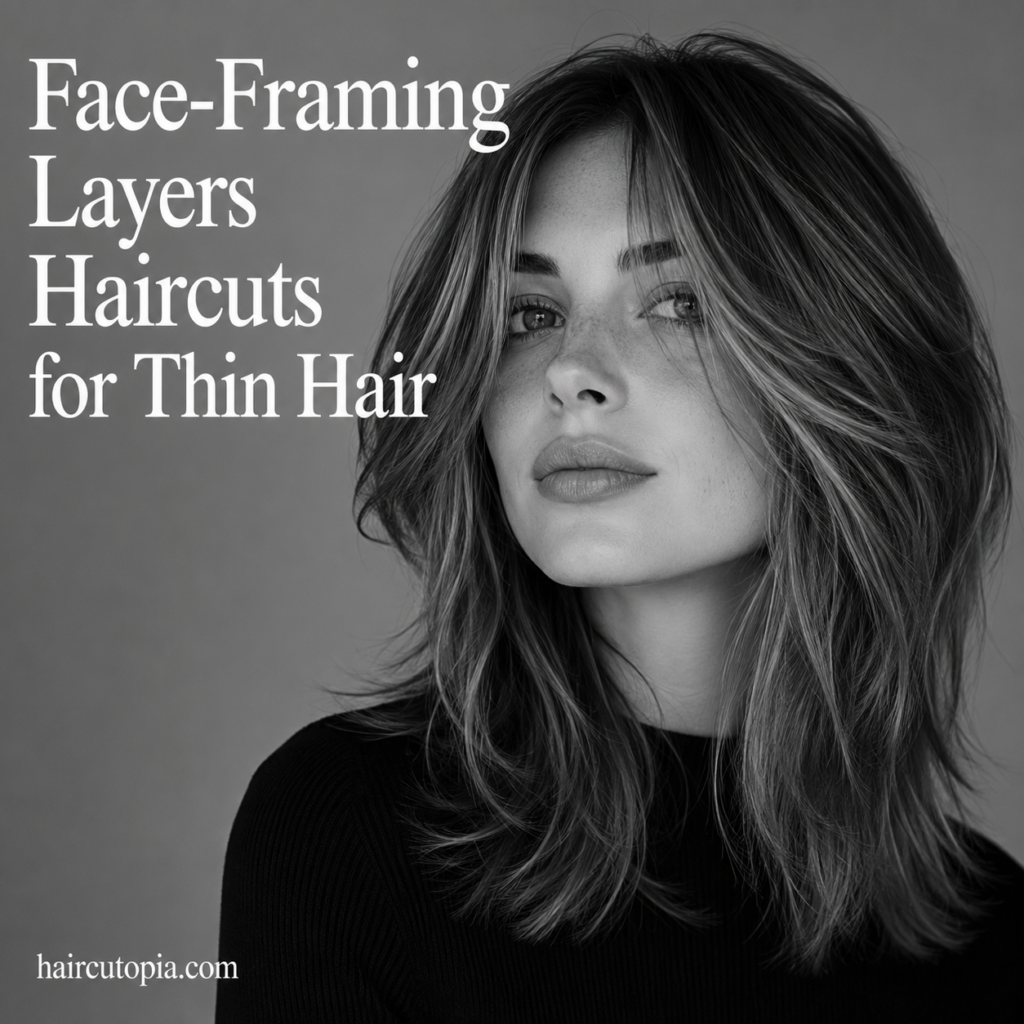
Thin hair has its own unique beauty. It’s lightweight, silky, easy to style, and often has a naturally soft appearance. The challenge is creating a haircut that adds movement and fullness without making the hair appear sparse.
That’s where face-framing layers shine.
Unlike heavy all-over layering, face-framing layers concentrate shape around your face, creating the illusion of thicker, more dimensional hair while highlighting your best features. When paired with the right haircut, they can instantly make fine hair look fuller, healthier, and more modern.
In this guide, you’ll discover the best face-framing layer haircuts for thin hair, how to choose the right version for your face shape, styling tips, maintenance advice, and common mistakes to avoid.
What Are Face-Framing Layers?
Face-framing layers are shorter sections of hair that begin around the cheeks, chin, jawline, or collarbone and gradually blend into the rest of your haircut.
Instead of removing bulk throughout your entire head, these layers focus attention around your face.
For people with thin hair, this approach offers several benefits:
- Creates the illusion of thicker hair
- Adds natural movement
- Softens facial features
- Prevents hair from looking flat
- Makes hairstyles appear more dimensional
- Works with nearly every hair length
The key is keeping the layers soft and blended rather than heavily chopped.
Why Face-Framing Layers Work So Well for Thin Hair
Thin hair can easily become weighed down by one-length cuts or overly aggressive layering.
Face-framing layers strike a balance by adding shape without sacrificing density.
Benefits include:
- Hair appears fuller around the front.
- More natural volume at the crown.
- Easier styling.
- Better movement.
- A lighter, youthful appearance.
- More texture without looking wispy.
Even subtle face-framing layers can completely transform a simple haircut.
Best Face-Framing Layer Haircuts for Thin Hair
1. Long Face-Framing Layers
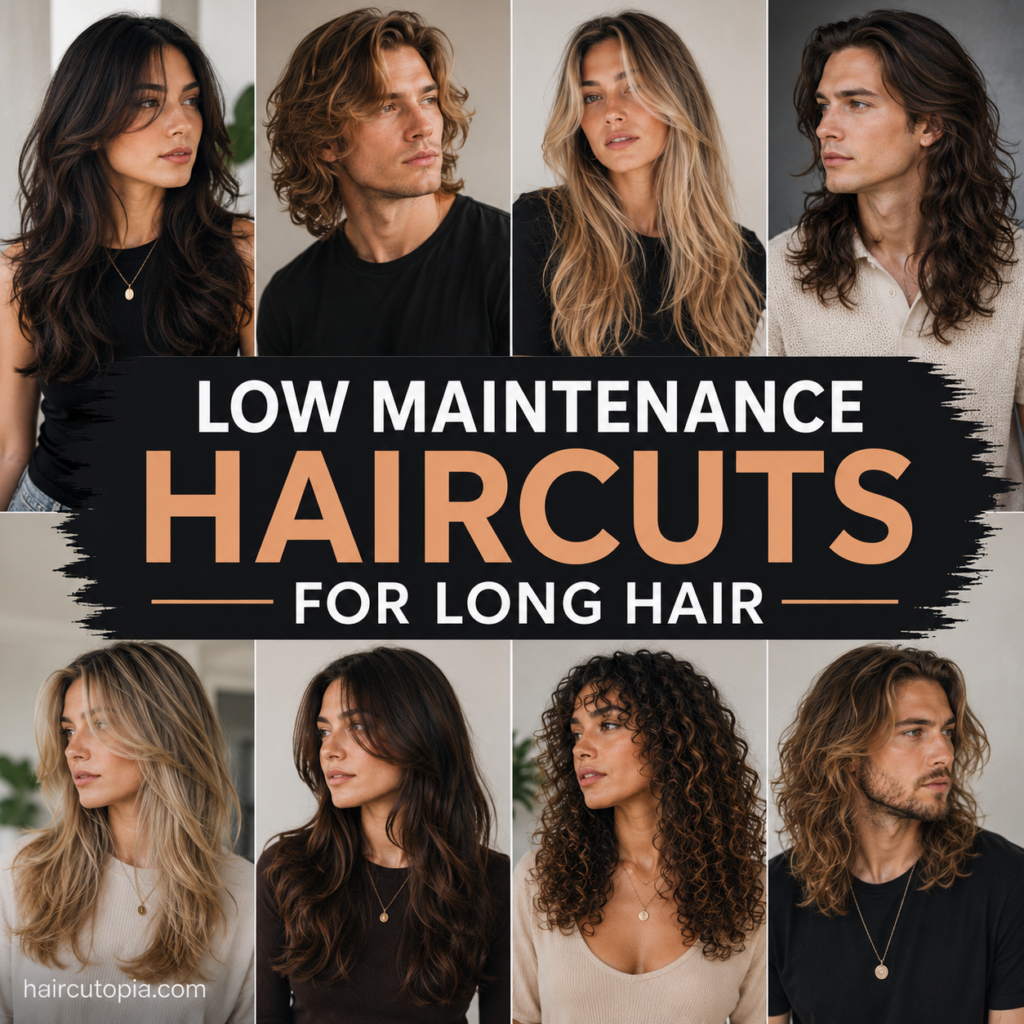
If you love long hair but struggle with flatness, long face-framing layers are one of the safest choices.
These layers usually begin around the chin or collarbone, creating movement while keeping overall fullness.
They’re especially flattering because they:
- Preserve hair density
- Add softness around the face
- Create gentle bounce
- Require minimal styling
2. Collarbone-Length Lob with Face-Framing Layers
A lob is often considered one of the best haircuts for fine hair.
Adding face-framing layers gives it extra shape without sacrificing thickness.
This style offers:
- A fuller appearance
- Modern sophistication
- Easy maintenance
- Great versatility
It looks equally beautiful straight or with soft waves.
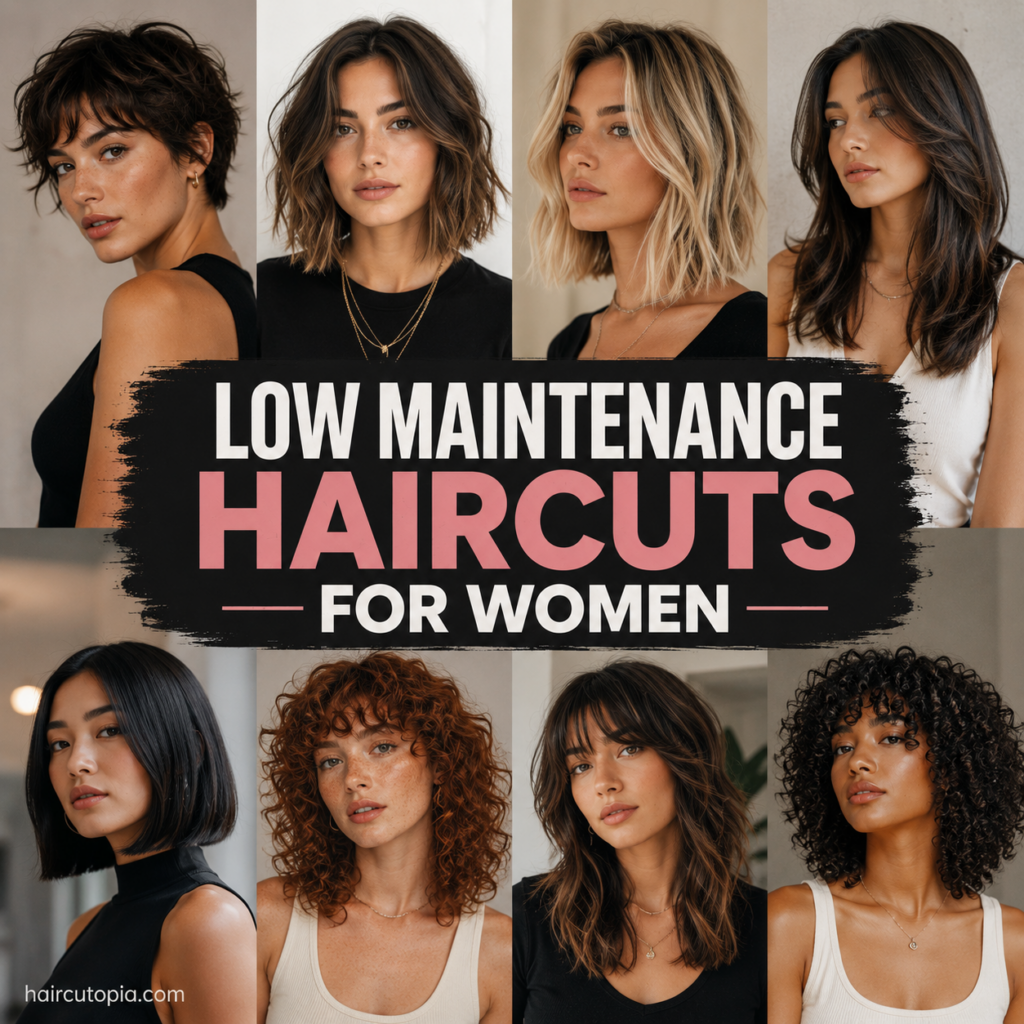
3. Chin-Length Bob with Soft Layers
Shorter hair naturally creates the appearance of more volume.
A chin-length bob paired with subtle face-framing layers can make thin hair appear significantly thicker.
The cut also helps:
- Lift the jawline
- Highlight cheekbones
- Add bounce
- Reduce limp ends
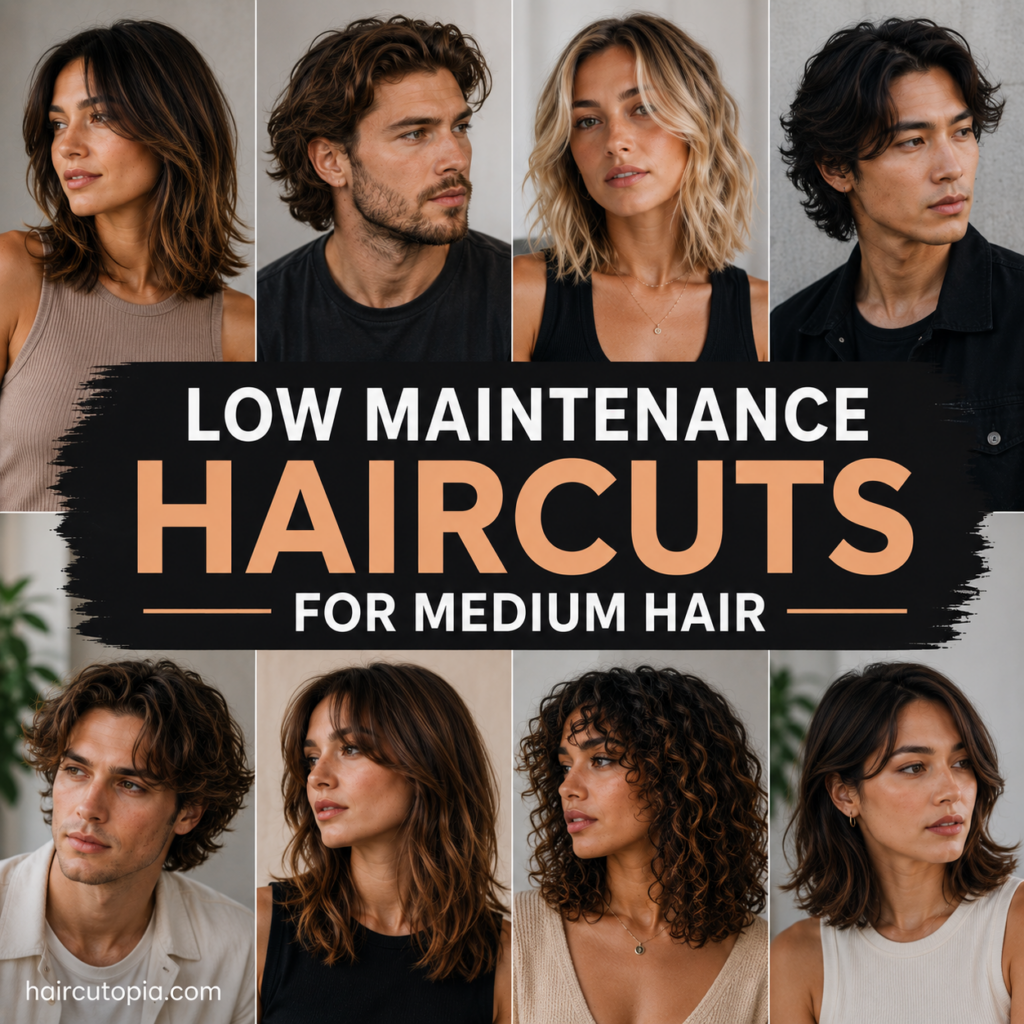
4. Shoulder-Length Layered Cut
Shoulder-length hair provides enough weight for healthy-looking ends while still allowing movement.
Face-framing layers prevent this classic length from looking boxy.
This haircut works well for:
- Straight hair
- Slightly wavy hair
- Fine textures
- Medium-density hair
5. Curtain Layers
Curtain layers gently sweep away from the face, creating softness without removing too much hair.
They’re ideal if you want subtle change rather than dramatic layers.
Benefits include:
- Easy styling
- Low commitment
- Soft framing
- Fuller-looking front sections
6. Butterfly-Inspired Layers for Fine Hair
The butterfly haircut has become incredibly popular, but for thin hair it should be customized.
Instead of dramatic layering throughout, ask for:
- Longer layers
- Minimal interior layering
- Face-framing pieces
- Soft feathering
This creates movement while maintaining fullness.
7. Face-Framing Layers with Long Curtain Bangs
Curtain bangs pair beautifully with face-framing layers.
Together they create:
- More texture
- Added dimension
- A fuller front hairline
- A youthful appearance
Long curtain bangs are especially forgiving as they grow out.
8. Soft Feathered Layers
Feathered layers add gentle lift rather than dramatic texture.
For thin hair, they should remain delicate.
This haircut creates:
- Airy movement
- Soft volume
- Elegant styling
- Lightweight texture
9. Blunt Cut with Face-Framing Layers
Blunt ends naturally make thin hair look thicker.
Adding only face-framing layers keeps the density while introducing movement.
This combination gives you:
- Thick-looking ends
- Modern shape
- Clean silhouette
- Easy maintenance
It’s one of the best compromises between fullness and layering.
10. Soft Shag with Minimal Layers
A traditional shag can remove too much hair.
Instead, choose a soft shag designed specifically for fine hair.
Ask for:
- Light layering
- Wispy face-framing pieces
- Textured ends
- Volume at the crown
This creates effortless texture without exposing sparse areas.
11. Layered Pixie with Longer Front Pieces
Even pixie cuts can benefit from face-framing layers.
Longer pieces around the front soften the haircut while adding movement.
This works particularly well if you enjoy:
- Short styles
- Easy maintenance
- Lightweight texture
- Modern shapes
12. Wavy Lob with Face-Framing Layers
Natural waves instantly make thin hair appear fuller.
Adding strategic layers around the face enhances the effect.
The combination creates:
- More body
- Better texture
- Natural volume
- Effortless styling
13. Side-Part Layered Cut
Switching to a deep side part can dramatically increase the appearance of volume.
Face-framing layers enhance this illusion by encouraging movement near the roots.
14. Layered Midi Cut
The midi haircut falls between the shoulders and collarbone.
It’s an ideal length for thin hair because it balances movement and density.
Face-framing layers keep it looking soft rather than heavy.
15. Long Bob with Wispy Face Layers
Wispy layers around the face create gentle movement while leaving the rest of the haircut strong and full.
It’s an elegant choice for women wanting a timeless style.
Choosing the Best Face-Framing Layer Length
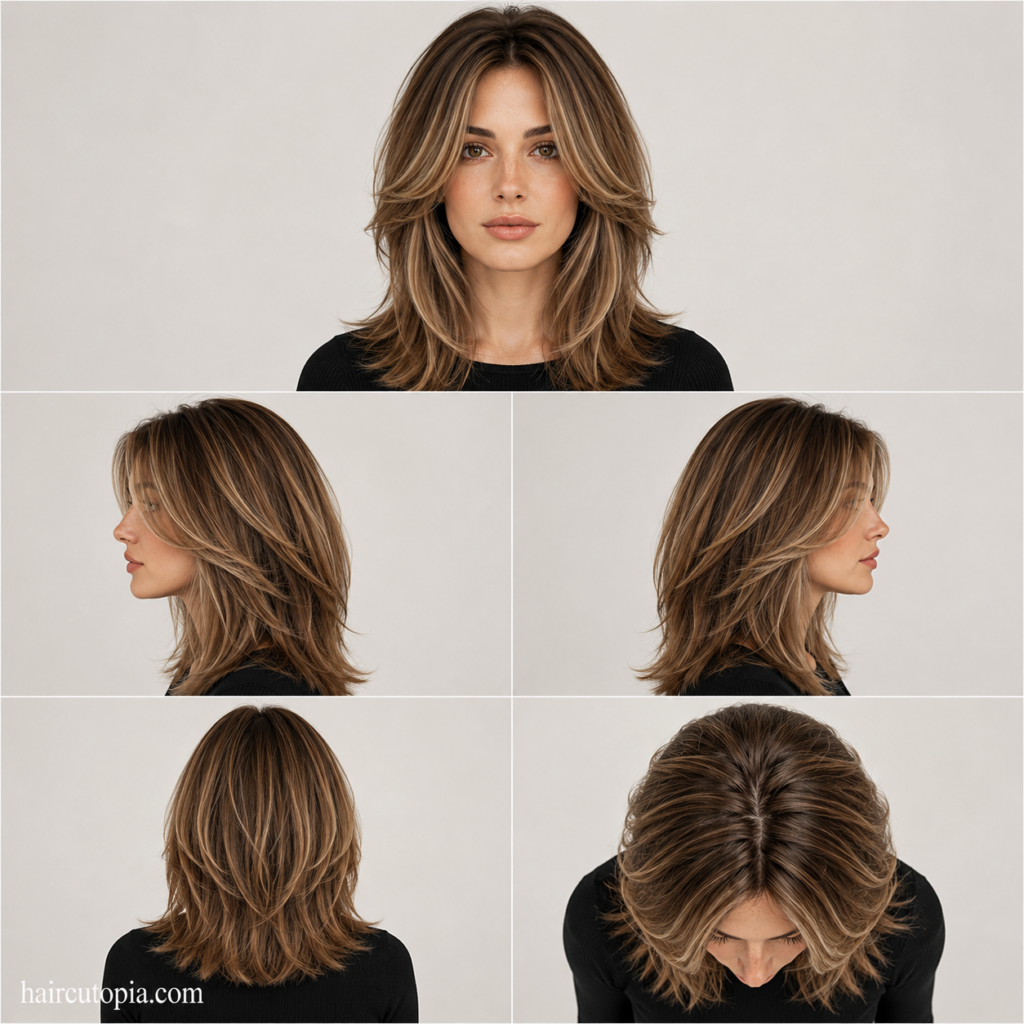
Cheekbone Layers
Best for:
- Round faces
- Oval faces
- Heart-shaped faces
These layers draw attention upward.
Chin-Length Layers
Perfect for:
- Longer faces
- Oval faces
- Square faces
They soften the jawline beautifully.
Collarbone Layers
Excellent for almost every face shape because they create movement without removing much weight.
Long Layers
Ideal if you want to maintain maximum fullness while introducing subtle dimension.
Best Face Shapes for Face-Framing Layers
Oval Face
Almost every version works.
Popular options include:
- Curtain layers
- Chin-length layers
- Long feathered layers
Round Face
Choose longer face-framing pieces that extend below the chin.
This helps visually elongate the face.
Square Face
Soft, blended layers reduce the appearance of sharp jawlines.
Feathered pieces work especially well.
Heart Face
Chin-length framing balances a wider forehead while adding fullness near the jaw.
Long Face
Curtain bangs paired with face-framing layers help create width and balance.
How to Style Face-Framing Layers for Thin Hair
Good styling often makes the biggest difference.
Blow-Dry with a Round Brush
Lift the roots while turning the brush away from the face.
This creates natural movement and volume.
Use Lightweight Mousse
Heavy creams flatten thin hair.
Instead choose:
- Volumizing mousse
- Lightweight foam
- Root lifting spray
Apply primarily near the roots.
Curl Away from the Face
Loose curls around the front enhance face-framing layers beautifully.
Avoid tight curls that separate fine hair too much.
Finish with Texture Spray
Texture spray adds grip without stiffness.
It helps thin hair maintain movement throughout the day.
Switch Your Part Occasionally
Changing your part naturally boosts volume by lifting flattened roots.
Hair Products That Complement Face-Framing Layers
Look for products designed specifically for fine or thin hair.
Good options include:
- Volumizing shampoo
- Lightweight conditioner
- Root lift spray
- Dry shampoo
- Texture spray
- Flexible hold hairspray
- Heat protectant
Avoid products containing heavy oils if your hair becomes flat quickly.
Common Mistakes to Avoid
Too Many Layers
Over-layering removes valuable density.
For thin hair, less is often more.
Heavy Razoring
Excessive razor cutting can make ends appear wispy.
Soft scissors usually produce a fuller finish.
Layers That Start Too High
Very short top layers can expose the scalp.
Longer blended layers tend to flatter fine hair more.
Ignoring Regular Trims
Thin hair benefits from trims every 8 to 10 weeks.
Fresh ends always look thicker and healthier.
Maintenance Tips
Keeping face-framing layers looking fresh doesn’t require much effort.
Follow these habits:
- Trim every two to three months.
- Avoid excessive heat styling.
- Sleep on a silk pillowcase.
- Use lightweight styling products.
- Deep condition once a week.
- Protect hair from UV exposure.
- Brush gently to reduce breakage.
Healthy hair naturally appears fuller.
Frequently Asked Questions
Are face-framing layers good for thin hair?
Yes. They add movement, shape, and softness while preserving overall density, making thin hair appear fuller without excessive layering.
Do face-framing layers make hair look thicker?
They can. By drawing attention toward the front and creating dimension around the face, they help create the illusion of more volume.
Should thin hair have lots of layers?
Usually not. Too many layers can remove too much weight and make thin hair appear even finer. Soft, strategic layering is generally the better choice.
Can older women wear face-framing layers?
Absolutely. Face-framing layers soften facial features, create movement, and offer a youthful appearance that works beautifully at any age.
Are curtain bangs good with face-framing layers?
Yes. Curtain bangs blend naturally into face-framing layers and add extra softness while enhancing the appearance of fullness around the face.
Final Thoughts
Face-framing layers prove that you don’t need dramatic layering to transform thin hair. A few strategically placed pieces around the face can create the illusion of greater volume, improve movement, and give your haircut a softer, more polished finish.
Whether you prefer a sleek lob, a timeless long cut, a chic bob, or subtle curtain layers, the right face-framing technique can make fine hair look healthier, fuller, and easier to style every day.
The secret is balance—keeping enough weight through the ends while introducing just enough layering to bring your haircut to life.