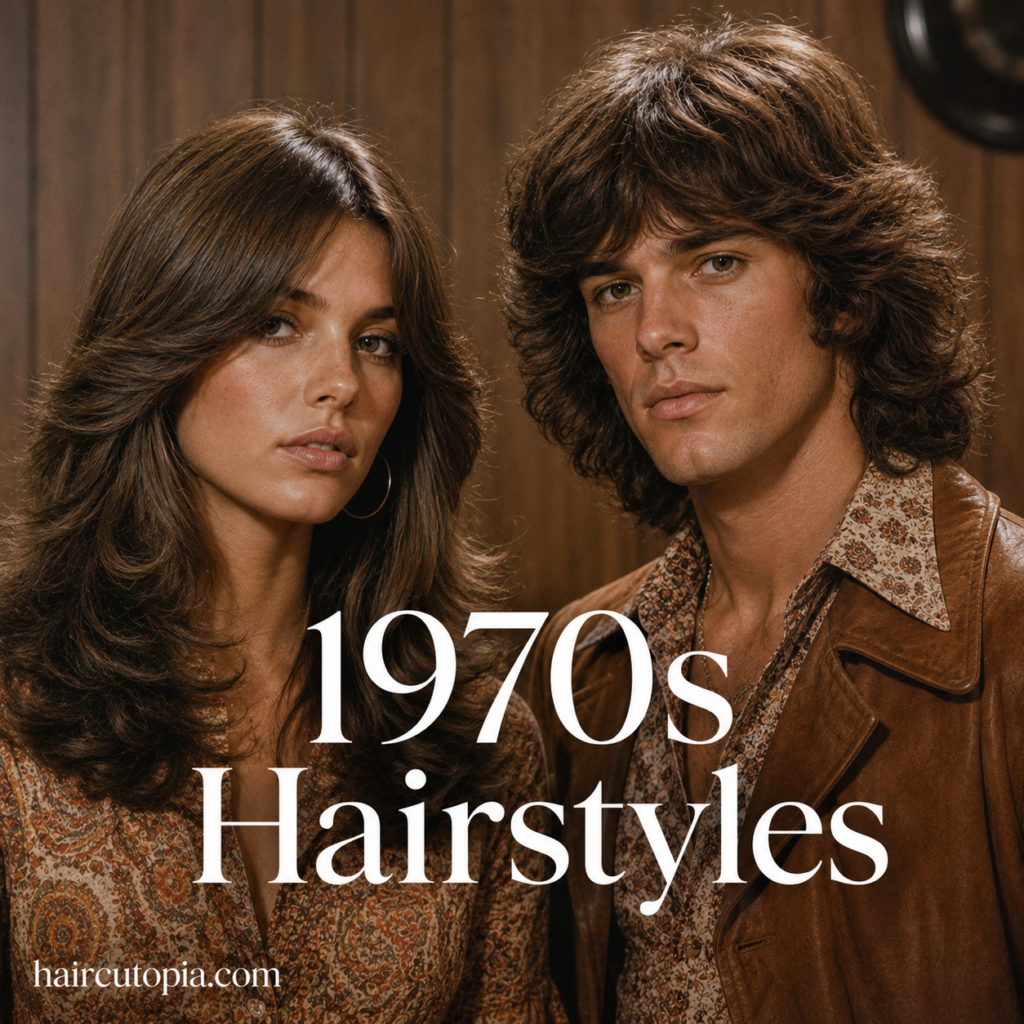
The 1970s were a decade of freedom, individuality, and bold self-expression. Fashion became more relaxed, music influenced everyday style, and hairstyles reflected the changing culture. Gone were the highly structured looks of the 1960s. In their place came soft layers, natural texture, feathered volume, and hairstyles that felt effortless yet stylish.
From glamorous disco blowouts and iconic feathered layers to afros, shag cuts, braids, and bohemian waves, 1970s hairstyles embraced diversity more than ever before. Whether someone preferred polished salon styles or a carefree natural look, there was a hairstyle that fit their personality.
Today, many of these iconic looks are experiencing a major revival. Modern curtain bangs, butterfly cuts, wolf cuts, and textured layers all owe something to the hairstyles that dominated the 1970s.
In this guide, we’ll explore the decade’s most memorable hairstyles, what made them unique, and why they continue to inspire today’s hair trends.
Why 1970s Hairstyles Were So Revolutionary
Hairstyles in the 1970s reflected changing attitudes toward beauty and self-expression. Instead of everyone chasing one perfect look, people embraced styles that suited their hair type, lifestyle, and personality.
Several influences helped shape the decade’s biggest trends:
- Rock music
- Disco culture
- Hollywood celebrities
- The hippie movement
- Natural hair movements
- Television personalities
- Advances in salon styling techniques
The result was one of the most diverse decades in hair history.
40 Iconic 1970s Hairstyles
1. Feathered Hair
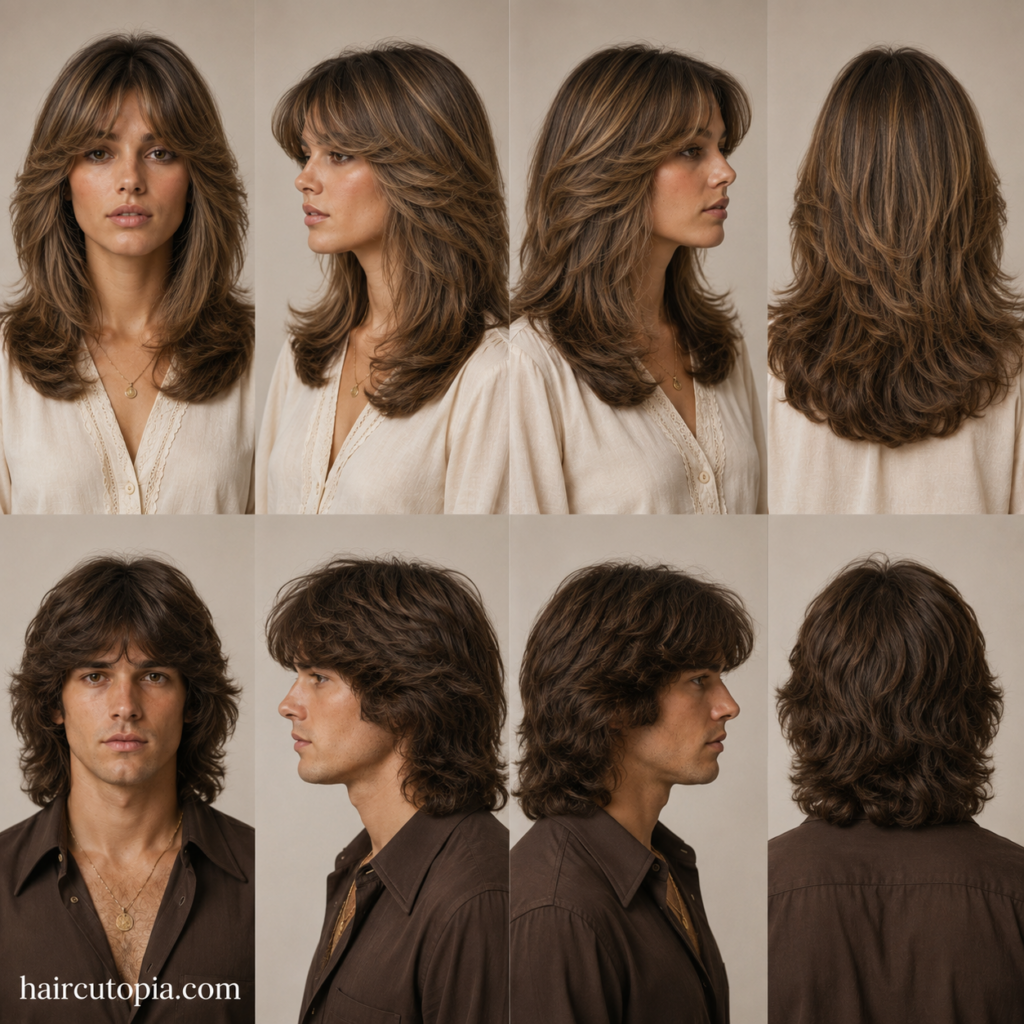
No hairstyle is more closely associated with the 1970s than feathered hair.
Long layers were styled away from the face with a round brush, creating soft, wing-like movement that looked glamorous without feeling stiff.
Why it became iconic:
- Flattering on many face shapes
- Full of movement
- Easy to personalize
- Perfect for layered cuts
2. The Shag
The shag became the defining haircut and hairstyle combination of the decade.
Its choppy layers naturally created texture, making styling quick and effortless.
Key characteristics:
- Heavy layers
- Wispy fringe
- Lived-in texture
- Plenty of movement
3. Long Center-Part Hair
Inspired by the bohemian movement, long center-part hairstyles became a symbol of effortless beauty.
Hair was often worn:
- Straight
- Slightly wavy
- Air-dried
- Naturally textured
4. Afro Hairstyles
The afro was both a fashion statement and a powerful symbol of cultural pride.
Popular variations included:
- Rounded afros
- Picked-out volume
- Soft natural shaping
- Large statement silhouettes
Its influence continues to be celebrated today.
5. Curtain Bangs
Curtain bangs framed the face beautifully while blending into longer layers.
Unlike blunt bangs, they opened around the forehead and softened facial features.
6. Disco Blowouts
Disco demanded glamorous hair.
Large, bouncy blowouts featured:
- Feathered ends
- Maximum shine
- Soft volume
- Flowing movement
They looked incredible under nightclub lights.
7. Long Layered Hair
Layering became increasingly sophisticated during the decade.
Instead of blunt lengths, stylists created movement through carefully placed layers.
Benefits included:
- Less weight
- Better shape
- Easier styling
- More natural volume
8. Bohemian Waves
Loose, natural waves perfectly captured the free-spirited energy of the era.
Often paired with:
- Headbands
- Scarves
- Braids
- Flowers
9. Soft Curls
Rather than tight curls, many people preferred large, brushed-out curls with lots of bounce.
This glamorous style remained especially popular throughout the disco years.
10. The Flip
Hair flipped outward at the ends became another instantly recognizable trend.
Usually worn:
- Shoulder length
- Smooth roots
- Soft volume
- Rounded ends
11. The Wedge
Popularized by Olympic figure skater Dorothy Hamill, the wedge became one of the decade’s most recognizable short hairstyles.
It offered:
- Easy maintenance
- Rounded shape
- Soft volume
- Clean neckline
12. Long Straight Hair
Ultra-long straight hair remained popular throughout the decade, especially among those inspired by hippie fashion.
A center part completed the classic look.
13. Braided Hairstyles
Braids appeared in many creative forms.
Popular styles included:
- Single braids
- Twin braids
- Accent braids
- Braided crowns
14. Natural Texture
Many people stopped fighting their natural hair texture during the 1970s.
Instead, stylists focused on enhancing what already existed.
15. Layered Blowouts
Soft salon blowouts created movement instead of rigid volume.
The goal was healthy, flowing hair.
16. Wispy Bangs
Light, airy bangs blended naturally into layered hairstyles.
They softened the face without feeling heavy.
17. Curly Shag
The shag worked beautifully with naturally curly hair.
Layering reduced bulk while encouraging bounce.
18. Long Feathered Layers
Extra-long feathered layers became one of the most glamorous looks of the late 1970s.
19. Side-Part Volume
Although center parts dominated much of the decade, elegant side parts remained popular for formal styling.
20. Rounded Curls
Instead of elongating curls, rounded shaping emphasized fullness and symmetry.
21. Face-Framing Layers
Soft layers around the cheeks and jaw added movement while flattering nearly every face shape.
22. The Pageboy
The pageboy evolved into a softer, more relaxed version during the 1970s.
Curved ends created a polished finish.
23. Shoulder-Length Layers
This versatile hairstyle balanced practicality with effortless style.
It suited nearly every age group.
24. The Pixie
The 1970s pixie became softer than its 1960s predecessor.
Longer texture replaced sharply cropped precision.
25. Long Natural Curls
Natural curls gained visibility throughout the decade as people embraced authentic texture.
26. Glam Rock Hair
Rock musicians introduced dramatic hairstyles featuring:
- Razor-cut layers
- Volume
- Long bangs
- Messy texture
27. The Soft Mullet
Early mullets appeared far more subtle than the bold versions popularized during the 1980s.
28. The Layered Bob
Soft layering transformed the traditional bob into something lighter and more dynamic.
29. Air-Dried Waves
Natural styling became increasingly fashionable.
Many people simply enhanced their existing waves rather than straightening them.
30. Voluminous Crown
Gentle teasing at the crown added height without making hair appear overly stiff.
31. Half-Up Hairstyles
Half-up styles combined relaxed elegance with practicality.
Popular accessories included:
- Velvet ribbons
- Barrettes
- Scarves
32. Ponytails with Volume
Low ponytails became more fashionable when paired with feathered layers and soft volume around the crown.
33. Loose Updos
Formal hairstyles became softer during the decade.
Loose tendrils framed the face for a romantic appearance.
34. Headband Hairstyles
Wide fabric headbands perfectly complemented the relaxed fashion of the 1970s.
35. Scarf Styles
Colorful scarves became one of the easiest ways to personalize everyday hairstyles.
36. Layered Lobs
The long bob gained popularity because it offered styling flexibility while maintaining length.
37. Textured Short Hair
Short hairstyles increasingly emphasized natural movement rather than rigid shaping.
38. Braided Boho Hair
Small accent braids paired beautifully with long waves and layered cuts.
This carefree style reflected the bohemian spirit of the decade.
39. Salon Feathered Blowout
Professional blowouts became a hallmark of the late 1970s, especially for layered hairstyles.
Large round brushes created the signature feathered finish.
40. Effortless Everyday Layers
Perhaps the biggest hairstyle trend of the decade wasn’t one specific look but a philosophy.
Healthy, layered hair that moved naturally became the ultimate goal, regardless of length or texture.
Common Features of 1970s Hairstyles
Although styles varied greatly, most shared several defining characteristics.
These included:
- Soft layering
- Natural texture
- Face-framing movement
- Feathered styling
- Full but flexible volume
- Longer silhouettes
- Healthy shine
- Individual expression
The emphasis shifted away from perfection and toward personality.
Hair Types That Worked Best With 1970s Hairstyles
One reason these hairstyles remain popular is their adaptability.
Straight Hair
Excellent choices include:
- Feathered blowouts
- Long layers
- Curtain bangs
- Sleek center parts
Wavy Hair
Naturally complements:
- Bohemian waves
- Shag hairstyles
- Layered cuts
- Beach-inspired texture
Curly Hair
Ideal for:
- Curly shags
- Rounded curls
- Layered styles
- Natural volume
Coily Hair
Beautiful options include:
- Afros
- Rounded natural styles
- Protective braids
- Defined curls
Styling Tips for a 1970s Hairstyle
You don’t need vintage styling tools to recreate the look.
Try these techniques:
- Add volumizing mousse to damp hair.
- Blow-dry using a large round brush.
- Roll sections away from the face.
- Finish with a lightweight texture spray.
- Use flexible-hold hairspray instead of stiff formulas.
- Let hair move naturally.
- Avoid overloading hair with heavy products.
The finished style should feel soft, airy, and full of movement.
Why 1970s Hairstyles Are Popular Again
Today’s hairstyles borrow heavily from the decade because they combine style with versatility.
Reasons for the resurgence include:
- A renewed appreciation for layered cuts
- The popularity of curtain bangs
- Modern butterfly haircuts
- Wolf cuts inspired by vintage shags
- Natural texture trends
- Retro fashion revivals
- Social media inspiration
- Celebrity influence
Rather than copying vintage looks exactly, modern stylists reinterpret them with softer layering and updated techniques.
Frequently Asked Questions
What was the most popular hairstyle of the 1970s?
Feathered hair is widely considered the signature hairstyle of the decade, followed closely by the shag, afro, long layered hair, and disco blowouts.
Did everyone have feathered hair in the 1970s?
Not at all. While feathered styles were incredibly popular, the decade also embraced afros, braids, natural curls, pixie cuts, long straight hair, wedge hairstyles, and bohemian waves.
Are 1970s hairstyles still fashionable?
Yes. Many of today’s biggest hair trends—including curtain bangs, butterfly cuts, wolf cuts, layered blowouts, and textured shags—have roots in the 1970s.
What styling products were commonly used?
Volumizing mousse, blow-dry lotions, lightweight hairsprays, and shine-enhancing products were staples for creating the soft, bouncy styles of the era.
Can modern hairstyles have a 1970s influence?
Absolutely. You don’t need a full vintage makeover. Adding curtain bangs, face-framing layers, feathered ends, or a voluminous blowout can give your hairstyle a subtle 1970s feel while remaining contemporary.
Final Thoughts
The 1970s transformed hairstyling by celebrating freedom, individuality, and natural beauty. Instead of one defining look, the decade welcomed everything from glamorous feathered blowouts and shaggy layers to powerful afros, relaxed bohemian waves, and soft salon styles.
That versatility is one reason these hairstyles continue to inspire modern trends. Whether you’re drawn to retro glamour or simply love effortless movement and texture, the hairstyles of the 1970s offer timeless ideas that work beautifully with today’s cutting and styling techniques.
From subtle vintage touches to full retro transformations, the spirit of the 1970s lives on in salons around the world.