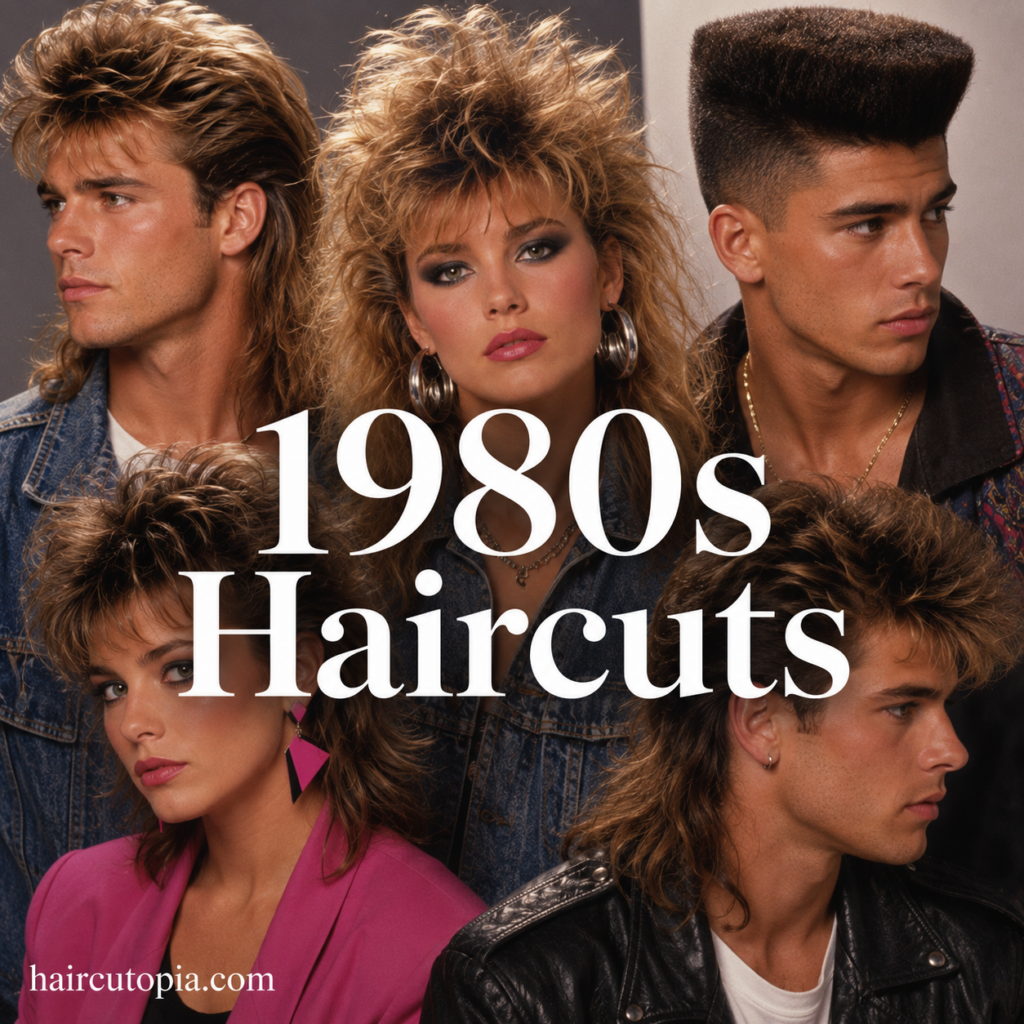
The 1980s were a decade of bold fashion, fearless self-expression, and unforgettable hairstyles. While the era is often remembered for its sky-high volume, perms, and generous use of hairspray, the foundation of every great look was the haircut itself.
From feathered layers and shag cuts to mullets, flat tops, and asymmetrical bobs, 1980s haircuts reflected a willingness to experiment with shape, texture, and personality. Some styles became global trends thanks to music, movies, and television, while others emerged from subcultures that left a lasting mark on fashion.
Today, many of these cuts have been reimagined with softer lines and modern styling techniques. Whether you’re researching vintage hair trends, looking for retro inspiration, or considering an ’80s-inspired haircut, this guide explores the defining cuts that shaped one of the most memorable decades in hair history.
What Defined a 1980s Haircut?
Unlike previous decades that favored cleaner silhouettes, 1980s haircuts embraced movement, texture, and volume.
Most cuts shared several characteristics:
- Heavy layering
- Lots of texture
- Fuller crowns
- Dramatic silhouettes
- Versatility for styling
- Easy compatibility with perms and blowouts
Haircuts were designed to create maximum body, allowing everyday styling to produce the big, bold looks that became synonymous with the decade.
Why Were Haircuts So Layered in the 1980s?
Layers were one of the defining features of nearly every popular haircut during the decade.
Rather than creating sleek, blunt lines, stylists focused on building volume through carefully placed layers.
Benefits included:
- More movement
- Easier styling
- Fuller-looking hair
- Better support for curls
- Improved shape around the face
- Greater versatility
These layered foundations made it easier to tease, curl, feather, or perm hair depending on current trends.
The Most Popular 1980s Haircuts
The Mullet
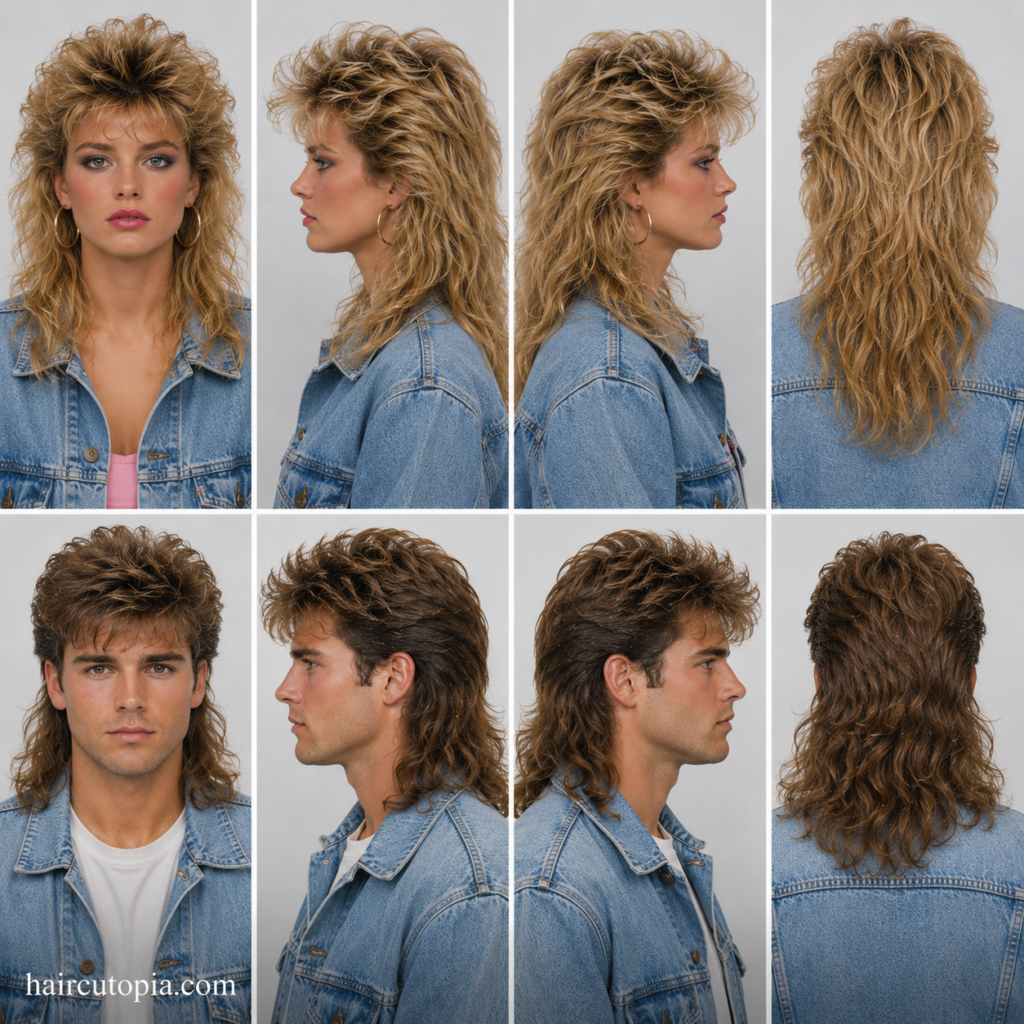
Few haircuts define the 1980s quite like the mullet.
Its unmistakable shape featured:
- Short hair on top
- Tapered or short sides
- Longer hair in the back
Originally worn by musicians and athletes, the mullet quickly became one of the decade’s most recognizable cuts.
Modern mullets retain the layered silhouette but feature softer transitions and more natural texture.
The Feathered Cut
Feathered hair remained one of the most requested salon styles throughout the early and mid-1980s.
The haircut relied on:
- Face-framing layers
- Graduated lengths
- Soft movement
- Lift around the crown
The cut could be styled with a blow dryer and round brush to create the signature feathered effect.
Today, modern feathered cuts remain incredibly popular because they flatter many face shapes.
The Shag Haircut
The shag continued its popularity from the late 1970s into the 1980s.
Characterized by heavily textured layers throughout the head, it worked especially well for:
- Thick hair
- Wavy hair
- Naturally curly hair
The cut created effortless movement while reducing excess bulk.
Today’s wolf cut draws much of its inspiration from this classic hairstyle.
The Layered Long Cut
Not everyone chose short hair.
Long layered hair became increasingly popular because it offered endless styling possibilities.
Common styling options included:
- Blowouts
- Curls
- Feathered ends
- Crimping
- Ponytails
- Half-up styles
The haircut itself remained relatively simple while providing maximum versatility.
The Classic Bob
The bob evolved during the 1980s.
Instead of sleek precision cuts, many bobs featured:
- Added layers
- Rounded volume
- Soft curls
- Lift at the crown
These updates made the bob feel more glamorous while maintaining its timeless appeal.
The Asymmetrical Bob
Fashion-forward salons introduced asymmetrical bobs that added an edgy touch to traditional cuts.
Characteristics included:
- One side slightly longer
- Angular shaping
- Layered texture
- Dramatic styling
The cut appealed to people looking for something modern without going extremely short.
The Pixie Cut
Short hair also had its place in the decade.
The pixie haircut featured:
- Cropped sides
- Layered top
- Textured fringe
- Easy maintenance
Depending on styling, pixie cuts could appear polished, playful, or bold.
The Flat Top
One of the decade’s most distinctive men’s haircuts was the flat top.
The haircut featured:
- Extremely short sides
- A perfectly level top
- Sharp edges
- Structured shape
The flat top became especially influential in hip-hop culture and remains a classic barbering style today.
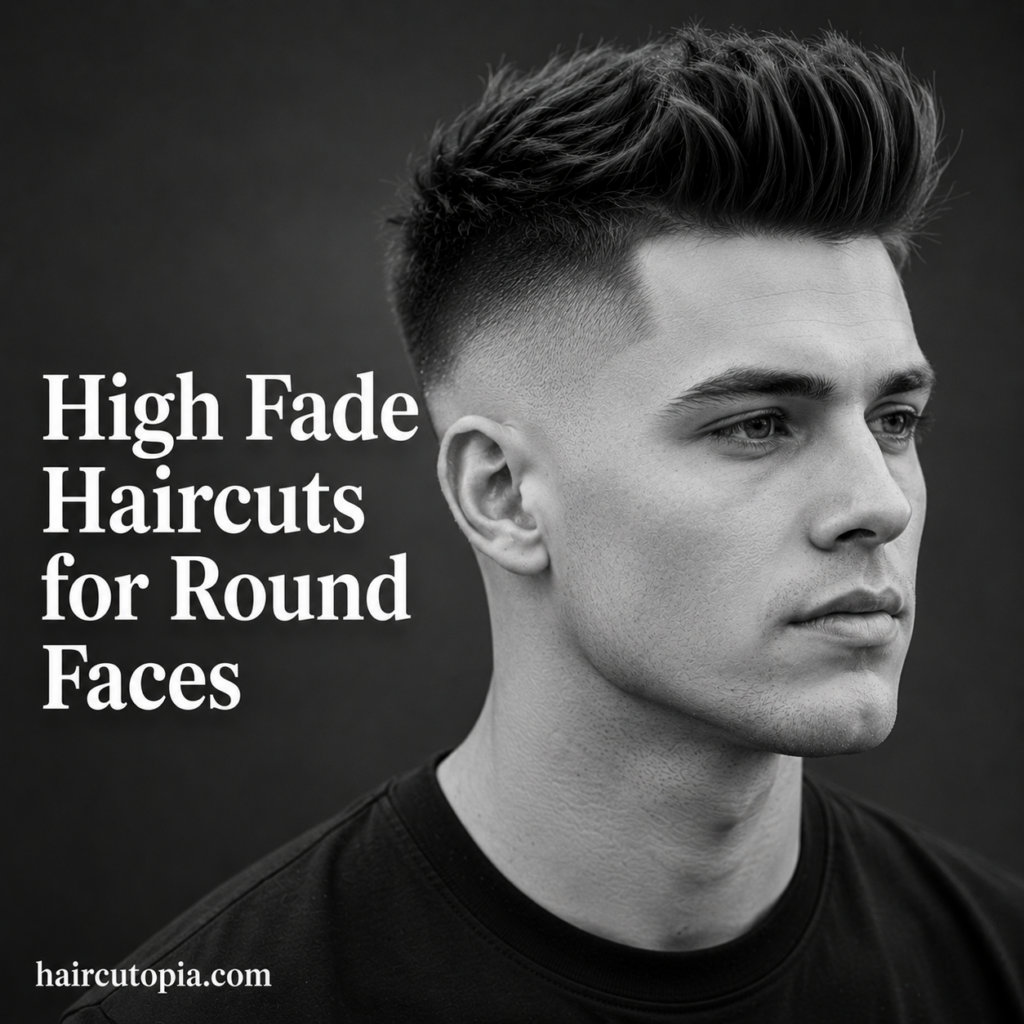
High-Top Fade
As the 1980s progressed, the high-top fade emerged as one of the decade’s most influential cuts.
Its defining features included:
- Faded sides
- Tall, sculpted top
- Sharp outlines
- Clean geometry
The style would continue growing in popularity into the early 1990s.
Bowl Cut
The bowl cut experienced renewed popularity during the decade, particularly among children and teenagers.
Modern versions have introduced:
- Softer edges
- Textured layers
- Better blending
making the cut far more wearable than earlier versions.
Buzz Cut
Although less dramatic than many ’80s styles, the buzz cut remained popular for its simplicity.
Its low-maintenance nature appealed to athletes and military personnel while contrasting sharply with the decade’s larger hairstyles.
Curly Layered Cut
Natural curls became increasingly embraced during the decade.
Layering prevented curls from becoming overly triangular while encouraging bounce and movement.
Many curly haircuts intentionally emphasized fullness rather than reducing volume.
Short Textured Crop
Toward the end of the decade, shorter textured crops began appearing more frequently.
These cuts relied on:
- Choppy layers
- Piecey texture
- Natural movement
- Easy styling
Many modern textured crops owe their origins to these late-1980s trends.
Haircuts That Defined Men’s Style in the 1980s
Popular men’s haircuts included:
- Mullet
- Flat top
- High-top fade
- Feathered layers
- Buzz cut
- Crew cut
- Textured crop
- Side-parted layered cut
Each reflected different aspects of the decade’s diverse fashion culture.
Haircuts That Defined Women’s Style in the 1980s
Popular women’s haircuts included:
- Feathered cut
- Long layered haircut
- Shag haircut
- Curly layered cut
- Voluminous bob
- Pixie cut
- Asymmetrical bob
Most were designed to support the dramatic styling techniques that became iconic throughout the decade.
How Music and Pop Culture Influenced 1980s Haircuts
Music and entertainment shaped salon trends more than ever before.
Influences included:
- MTV music videos
- Rock concerts
- Pop stars
- Television sitcoms
- Hollywood films
- Fashion magazines
Haircuts spread rapidly as audiences copied the looks worn by musicians, actors, and television personalities.
Styling Tools That Shaped 1980s Haircuts
The haircut was only the beginning.
Popular styling tools included:
- Blow dryers
- Round brushes
- Curling irons
- Crimping irons
- Diffusers
- Teasing combs
Combined with layered cuts, these tools created the dramatic volume that defined the decade.
Hair Products Every Salon Recommended
Popular products included:
- Volumizing mousse
- Strong-hold hairspray
- Hair gel
- Styling foam
- Root-lifting sprays
- Curl activators
- Shine sprays
Layered haircuts responded particularly well to these products, helping maintain lift throughout the day.
How 1980s Haircuts Compare to Modern Haircuts
Today’s versions borrow many elements from the decade while updating them for contemporary tastes.
Modern interpretations include:
| 1980s Cut | Modern Version |
|---|---|
| Mullet | Soft textured mullet |
| Shag | Wolf cut |
| Feathered cut | Curtain layers |
| Layered bob | Textured bob |
| Pixie | Textured pixie |
| Flat top | Modern fade variations |
Instead of exaggerated volume, today’s cuts emphasize movement and natural texture.
Are 1980s Haircuts Back in Style?
Yes.
Many classic cuts have returned, although stylists have softened their overall appearance.
Popular revivals include:
- Modern mullets
- Wolf cuts
- Feathered layers
- Long layered hair
- Textured bobs
- Curly shags
- Layered pixies
Rather than copying vintage styles exactly, contemporary versions blend retro inspiration with current trends.
Choosing the Right 1980s Haircut Today
When selecting an ’80s-inspired haircut, consider:
Face Shape
Layer placement can dramatically change how a haircut frames the face.
Hair Texture
Naturally straight, wavy, curly, and coily hair all respond differently to layered cuts.
Maintenance
Some styles require frequent trims and daily styling, while others grow out gracefully.
Styling Routine
If you enjoy blow-drying or curling your hair, layered cuts provide excellent versatility.
Frequently Asked Questions
What was the most popular haircut of the 1980s?
The mullet is widely considered the decade’s most iconic haircut, although feathered cuts and layered shags were also extremely popular.
Why were 1980s haircuts so layered?
Layers created movement, volume, and versatility, making it easier to achieve the dramatic hairstyles that defined the decade.
Were mullets only worn by men?
No. While mullets became strongly associated with men’s fashion, many women also wore softer versions featuring layered crowns and longer backs.
Are feathered haircuts still fashionable?
Yes. Modern feathered layers remain one of today’s most requested salon haircuts because they add softness and movement.
What modern haircut is inspired by the 1980s shag?
The wolf cut is considered one of the closest modern descendants of the classic 1980s shag haircut.
Can you wear an 1980s haircut without looking outdated?
Absolutely. Most modern stylists reinterpret classic 1980s cuts using softer layers, lighter styling products, and natural texture for a contemporary look.
Final Thoughts
The 1980s transformed haircuts into bold expressions of personality and style. Whether it was the unmistakable silhouette of a mullet, the effortless movement of a feathered cut, or the textured layers of a shag, each haircut reflected a decade that celebrated confidence and creativity.
Many of these cuts have stood the test of time, evolving into modern favorites like the wolf cut, textured bob, and soft mullet. Their continued popularity proves that great haircut foundations never truly go out of style—they simply adapt with each new generation.
Whether you’re embracing a retro-inspired transformation or simply exploring the history of hair fashion, 1980s haircuts remain some of the most influential and recognizable cuts ever created.