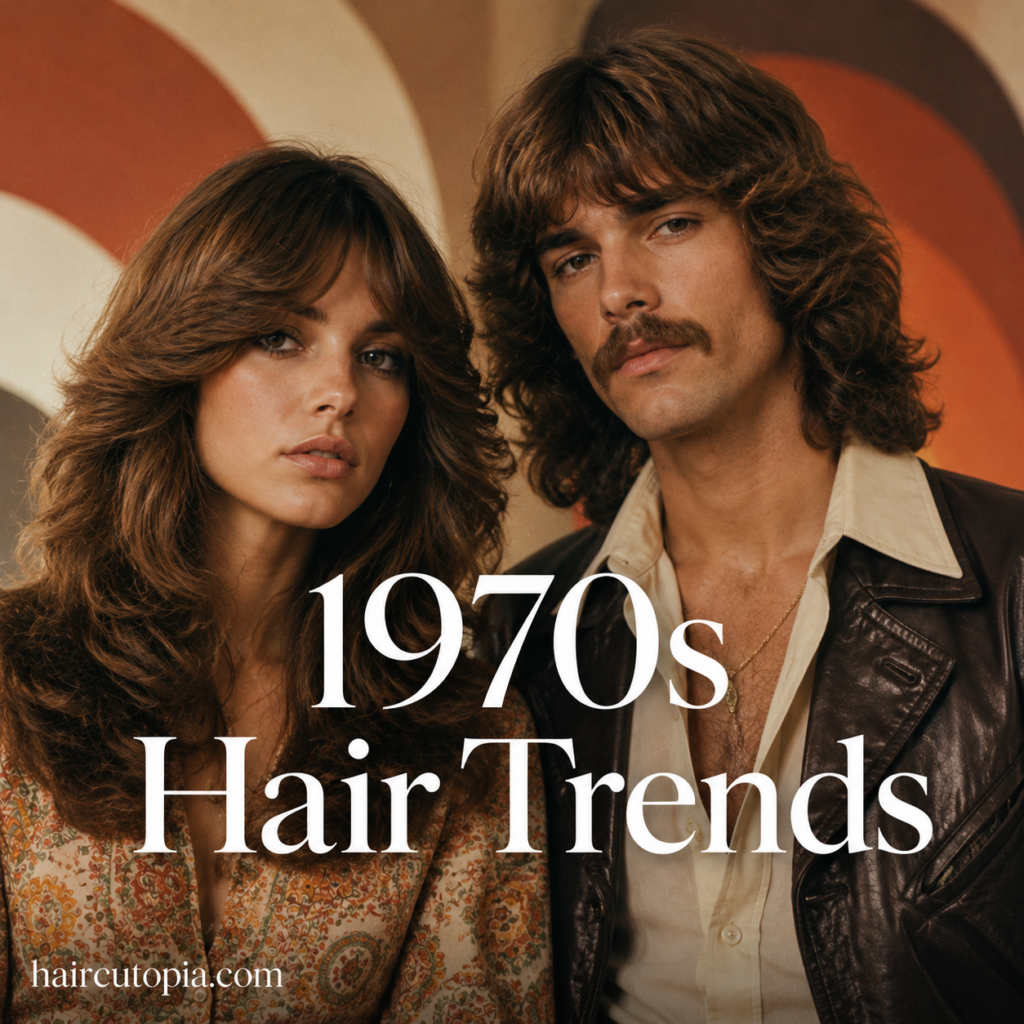
The 1970s changed the way people thought about hair. Instead of following one strict beauty standard, the decade celebrated individuality, natural texture, and personal style. Hair became softer, fuller, longer, and more expressive, reflecting everything from the hippie movement and glam rock to disco culture and Hollywood glamour.
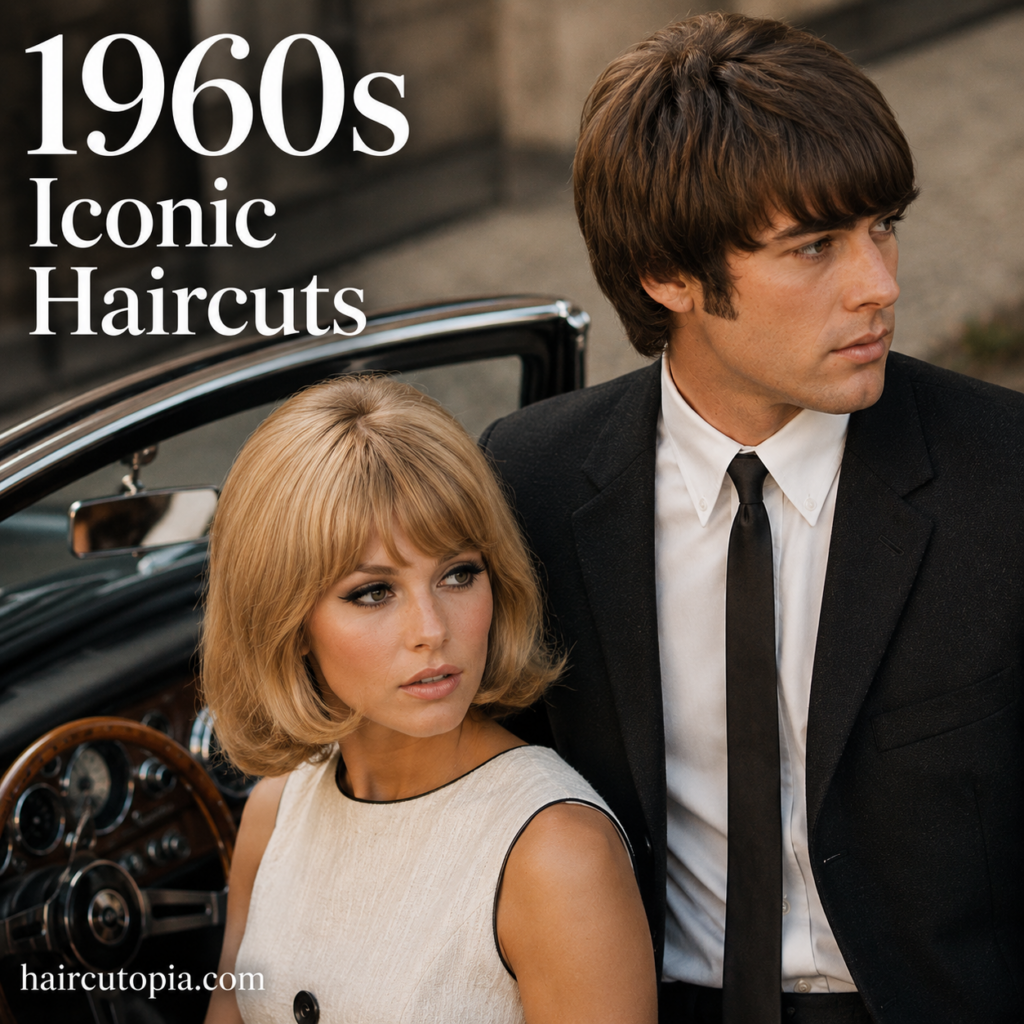
Unlike the polished hairstyles of the 1960s, 1970s hair trends embraced movement. Feathered layers replaced rigid shapes, natural curls became a statement of confidence, and textured cuts made styling feel more effortless than ever before.
Many of today’s biggest hairstyles—including butterfly cuts, curtain bangs, wolf cuts, and layered blowouts—can trace their roots back to this unforgettable decade.
In this guide, we’ll explore the most influential 1970s hair trends, the celebrities who popularized them, and why these vintage styles continue to inspire modern salons.
Why 1970s Hair Trends Were So Influential
The 1970s marked a shift toward freedom and self-expression. Hairstyles were no longer expected to look identical from person to person. Instead, people adapted trends to suit their hair type, face shape, and lifestyle.
Several cultural influences shaped the decade’s biggest hair movements:
- Disco music and nightlife
- Rock and glam rock fashion
- The hippie movement
- Television and Hollywood
- Natural hair movements
- Advances in hair cutting and blow-drying techniques
As a result, the decade became one of the most diverse periods in hair history.
35 Defining 1970s Hair Trends
1. Feathered Layers
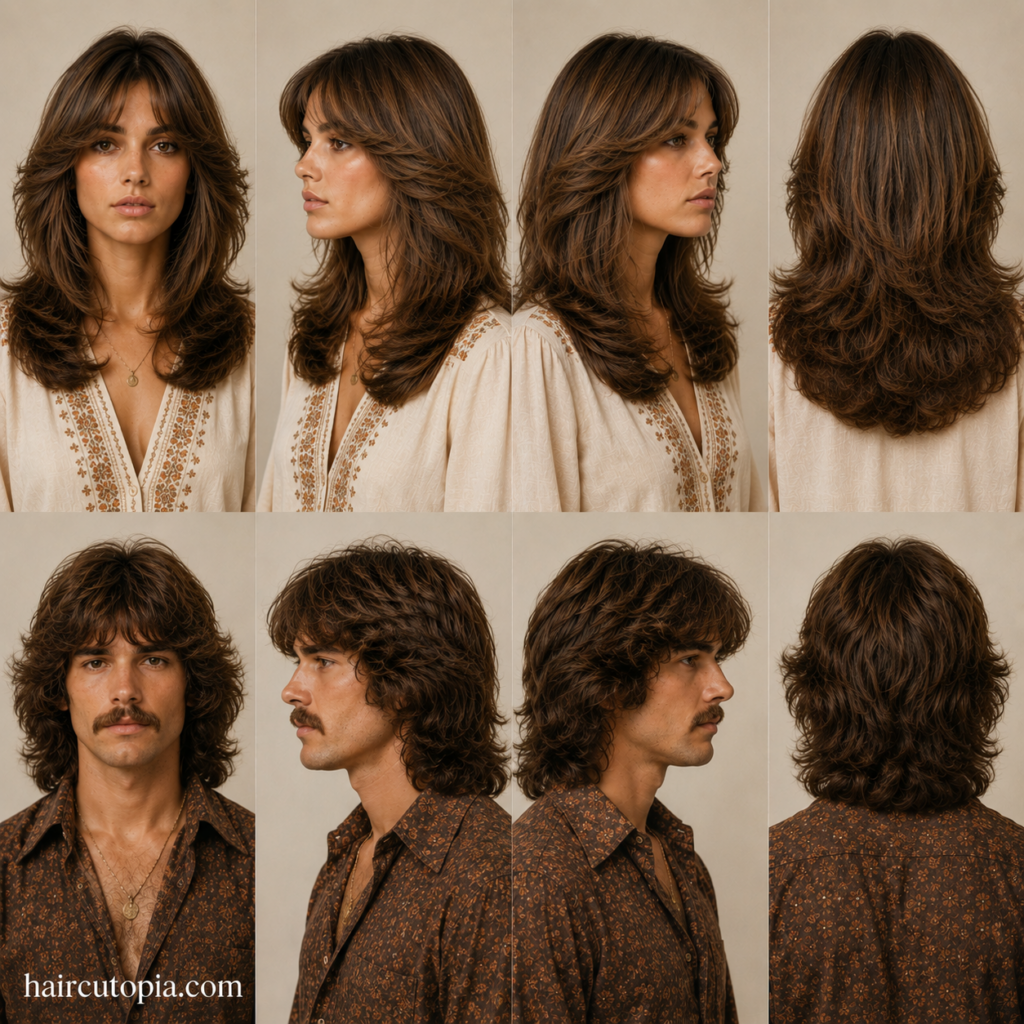
No trend better represents the 1970s than feathered layers.
Hair was cut into soft layers and blow-dried away from the face to create light, airy movement.
Why it became popular:
- Flattered many face shapes
- Added volume without stiffness
- Looked glamorous yet effortless
- Worked on medium to long hair
Today, feathered layers remain one of the most requested salon styles.
2. The Shag Revolution
The shag haircut became one of the decade’s defining trends.
Heavy layers created natural texture, making hair appear fuller while requiring surprisingly little styling.
Key features included:
- Choppy layers
- Wispy bangs
- Textured ends
- Volume throughout
3. Natural Hair Movement
One of the most meaningful trends of the decade was embracing natural hair.
Rather than straightening or hiding texture, many people celebrated their curls, coils, and waves.
This movement encouraged healthier hair care and greater appreciation for natural beauty.
4. The Afro
The afro became one of the most recognizable hairstyles of the era.
More than just a fashion statement, it represented identity, confidence, and cultural pride.
Common characteristics included:
- Rounded shape
- Healthy curls
- Balanced volume
- Natural texture
5. Curtain Bangs
Curtain bangs framed the face with soft, parted fringe that blended seamlessly into longer layers.
The trend remains just as popular today.
6. Disco Blowouts
As disco culture exploded, glamorous salon blowouts became a signature look.
These styles emphasized:
- Shine
- Bounce
- Volume
- Feathered movement
7. Long Layered Hair
Long hair dominated much of the decade, but simple one-length cuts gradually gave way to layered styles.
Layers reduced weight while adding movement and versatility.
8. Center Parts
A simple center part became synonymous with relaxed 1970s fashion.
It paired perfectly with:
- Straight hair
- Waves
- Feathered layers
- Bohemian styling
9. Bohemian Texture
Inspired by the hippie movement, natural-looking waves became a major trend.
Accessories often included:
- Fabric headbands
- Scarves
- Flowers
- Small braids
10. Voluminous Blow-Drying
Blow dryers became household essentials.
Instead of creating stiff hairstyles, stylists focused on soft movement and healthy-looking volume.
11. Soft Curls
Large brushed-out curls replaced tightly structured curls from earlier decades.
The result looked glamorous yet relaxed.
12. Hair With Movement
Perhaps the biggest styling trend of the decade wasn’t a specific haircut at all.
Hair was expected to move naturally when walking, dancing, or turning the head.
13. Face-Framing Layers
Strategic layers around the cheeks softened facial features while adding dimension.
This technique remains one of today’s most requested salon services.
14. Healthy Shine
Shiny, healthy hair became a major beauty goal.
Regular conditioning treatments grew increasingly popular.
15. Long Straight Hair
Long straight hair remained fashionable, particularly among those embracing a laid-back bohemian style.
Minimal styling helped maintain its natural appearance.
16. Curly Shags
Naturally curly hair paired beautifully with layered shag cuts.
The combination created volume without excessive weight.
17. Soft Volume
Unlike the teased hairstyles that would dominate the 1980s, 1970s volume looked softer and more natural.
18. Hair Accessories
Simple accessories became everyday styling staples.
Popular choices included:
- Headbands
- Scarves
- Barrettes
- Hair wraps
- Decorative clips
19. Salon Blowouts
Weekly blowouts became a luxury many people looked forward to.
The finished look emphasized movement instead of rigidity.
20. Layered Bobs
Classic bobs became lighter through internal layering.
This made them easier to style while maintaining fullness.
21. Wispy Bangs
Lightweight fringe blended naturally into surrounding layers instead of creating a harsh line across the forehead.
22. Razor Cutting
Razor cutting techniques gained popularity because they produced softer edges and more texture.
Many modern layered haircuts still use similar methods.
23. Air-Dried Styling
Not every hairstyle required hours of work.
Many people embraced their natural texture by allowing hair to air-dry with minimal styling.
24. Glam Rock Hair
Rock musicians inspired dramatic layered hairstyles featuring:
- Long bangs
- Razor-cut texture
- Volume
- Controlled messiness
25. Layered Blowouts
Professional blowouts combined layered cuts with feathered styling for maximum movement.
26. The Wedge
The wedge offered a stylish alternative for those who preferred shorter hair.
Its rounded silhouette made it one of the decade’s signature short styles.
27. Braided Details
Small accent braids added personality without dominating the hairstyle.
They worked particularly well with long waves.
28. The Soft Mullet
Early mullets featured subtle transitions between shorter tops and longer backs.
They were far more understated than later versions.
29. Shoulder-Length Hair
Not everyone wanted extremely long hair.
Shoulder-length layered styles became one of the decade’s most versatile trends.
30. Low-Maintenance Styling
People increasingly preferred hairstyles that looked polished without requiring constant upkeep.
Layering made this possible.
31. Personalized Haircuts
Stylists began tailoring cuts to suit each person’s features rather than copying one standard look.
This approach transformed salon culture.
32. Texture Over Perfection
Rather than striving for flawless precision, the decade celebrated natural texture and lived-in movement.
33. Rounded Natural Shapes
Whether straight, curly, or coily, many hairstyles emphasized balanced, rounded silhouettes.
34. Soft Romantic Updos
Formal hairstyles became less structured, with loose strands framing the face for a softer finish.
35. Confidence Through Individual Style
Perhaps the greatest trend wasn’t a haircut or styling technique.
The 1970s encouraged people to wear their hair in ways that reflected their own personality, making individuality the defining beauty trend of the decade.
Hair Colors That Defined the 1970s
While hairstyles received much of the attention, hair color trends also evolved.
Popular shades included:
- Warm blonde
- Honey blonde
- Golden brown
- Rich brunette
- Copper red
- Natural black
- Sun-kissed highlights
Most colors aimed to enhance natural depth rather than create dramatic contrast.
Styling Tools That Shaped the Decade
Hair technology also evolved during the 1970s.
Common tools included:
- Blow dryers
- Large round brushes
- Rollers
- Curling irons
- Hair picks
- Wide-tooth combs
These tools helped create soft movement without excessive teasing.
Which Hair Types Worked Best?
One reason 1970s hair trends remain relevant is their adaptability.
Straight Hair
Best suited for:
- Feathered blowouts
- Long layers
- Curtain bangs
- Center parts
Wavy Hair
Perfect for:
- Bohemian styles
- Layered cuts
- Soft shags
- Natural movement
Curly Hair
Ideal choices include:
- Curly shags
- Rounded cuts
- Layered curls
- Soft volume
Coily Hair
Excellent options include:
- Afros
- Rounded natural styles
- Protective braids
- Defined curls
Why 1970s Hair Trends Are Popular Again
The revival isn’t simply about nostalgia.
Modern hairstylists appreciate the decade because its techniques complement today’s focus on natural texture and personalized styling.
Current trends inspired by the 1970s include:
- Butterfly haircuts
- Curtain bangs
- Wolf cuts
- Layered blowouts
- Textured shags
- Soft feathering
- Face-framing layers
Instead of copying vintage hairstyles exactly, today’s stylists reinterpret them with modern cutting techniques.
How to Add a 1970s Influence to Your Hair
You don’t need a complete retro makeover to capture the spirit of the decade.
Consider adding:
- Soft face-framing layers.
- Curtain bangs.
- Feathered ends.
- A round-brush blowout.
- Lightweight texture spray.
- Natural volume at the crown.
- Healthy shine with conditioning treatments.
Small changes can create a subtle vintage feel while keeping your hairstyle contemporary.
Frequently Asked Questions
What was the biggest hair trend of the 1970s?
Feathered layers were arguably the defining trend of the decade, closely followed by shag haircuts, afros, long layered hair, and glamorous blowouts.
Why were layered hairstyles so popular?
Layers added movement, reduced bulk, and made hair easier to style. They also worked well with the soft, natural aesthetic that defined the 1970s.
Were 1970s hair trends suitable for all hair types?
Yes. Straight, wavy, curly, and coily hair all had signature trends during the decade, making it one of the most inclusive periods in hairstyling history.
Are these trends still fashionable?
Absolutely. Modern butterfly cuts, wolf cuts, curtain bangs, feathered blowouts, and textured layers all draw inspiration from the 1970s.
How did people create feathered hair?
Hair was cut into layers and blow-dried away from the face using a large round brush, creating soft volume and flowing movement.
Final Thoughts
The 1970s weren’t defined by a single hairstyle—they were defined by freedom of choice. From feathered blowouts and textured shags to afros, bohemian waves, layered cuts, and natural curls, the decade encouraged people to embrace their individuality rather than follow rigid beauty rules.
That philosophy continues to influence hairstyling today. Modern salons still rely on many of the cutting and styling techniques that became popular during the 1970s, proving that timeless trends are those that adapt rather than disappear.
Whether you’re inspired by retro glamour or simply want softer, more natural-looking hair, the defining trends of the 1970s offer plenty of ideas that remain stylish decades later.