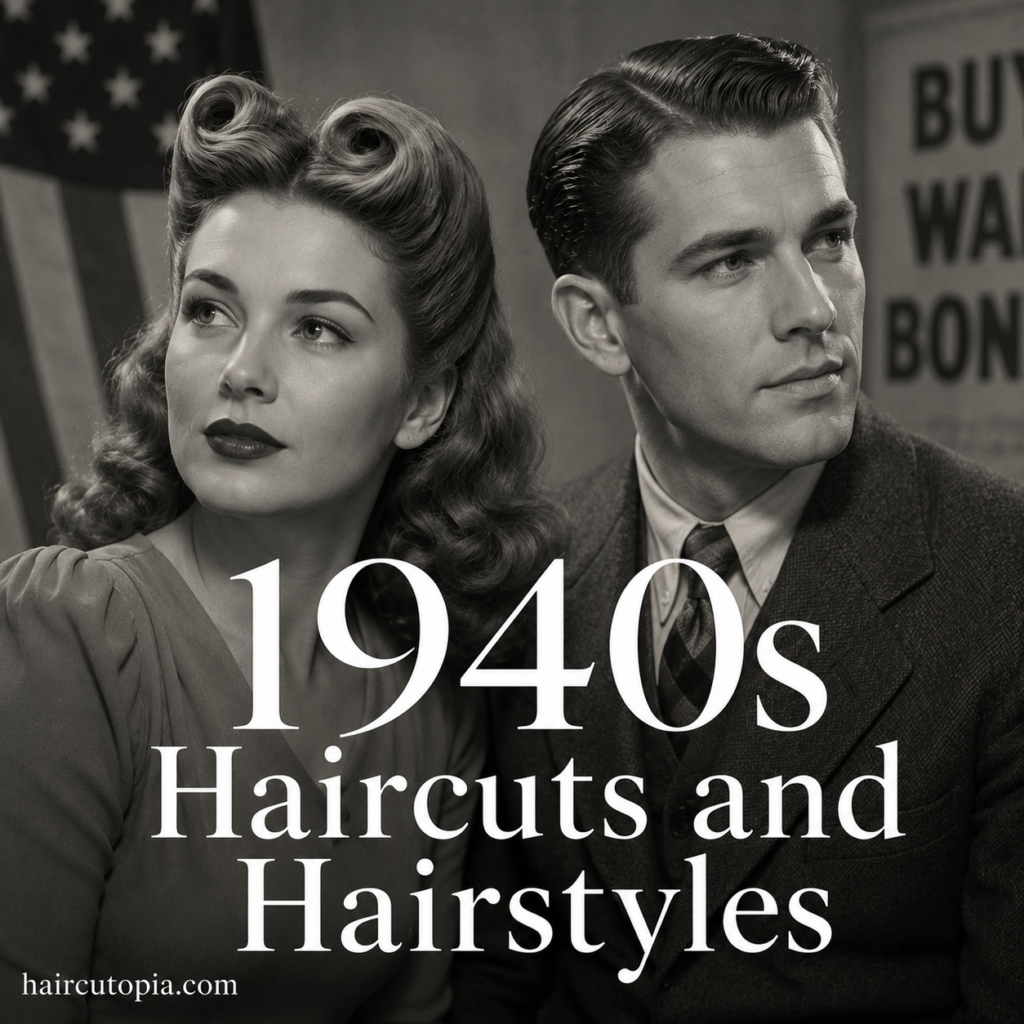
The 1940s were a decade of resilience, practicality, and timeless style. As World War II reshaped everyday life across much of the world, hairstyles evolved to meet the needs of a changing society while still embracing beauty and sophistication.
Women’s hairstyles became longer and more versatile than those of previous decades, featuring soft curls, victory rolls, and elegant updos. Men favored neat, well-groomed haircuts that reflected discipline and professionalism, both in military service and civilian life.
Today, many of the decade’s most iconic hairstyles continue to inspire hairstylists, fashion designers, and vintage enthusiasts. From glamorous Hollywood curls to polished side-part haircuts, the 1940s remain one of the most influential eras in hair history.
Whether you’re looking for historical inspiration or considering a vintage-inspired look, this guide explores the defining haircuts, styling techniques, and trends that made the 1940s unforgettable.
How the 1940s Changed Hairstyling
The early years of the decade were heavily influenced by World War II.
With many women entering factories and taking on jobs traditionally held by men, hairstyles needed to be both practical and polished. Hair had to stay securely away from machinery while still looking stylish for everyday life.
At the same time, Hollywood continued to provide glamour and escapism through film, introducing elegant curls and sophisticated styling that women eagerly recreated at home.
Several factors shaped hairstyles throughout the decade:
- World War II
- Military influence
- Hollywood films
- Women’s changing roles
- Fabric rationing that emphasized accessories over elaborate fashion
- Improvements in home hairstyling techniques
These influences created hairstyles that balanced functionality with timeless elegance.
Defining Features of 1940s Hairstyles
Although styles varied throughout the decade, several characteristics remained consistent.
Longer Hair
Unlike the shorter hairstyles of previous decades, many women grew their hair to shoulder length or slightly longer.
The additional length allowed for:
- Victory rolls
- Pin curls
- Elegant updos
- Soft waves
- Ponytail variations
Structured Volume
Volume became increasingly important.
Rather than lying flat against the head, hairstyles featured fullness around the crown and sides.
Soft Curls
Loose curls replaced the sculpted finger waves that dominated earlier decades.
The overall appearance felt more natural while still looking polished.
Clean Hairlines
Whether worn up or down, hairstyles maintained smooth edges and carefully controlled styling.
The Most Popular Women’s Haircuts of the 1940s
Shoulder-Length Cut
The classic shoulder-length haircut became one of the decade’s most versatile styles.
It provided enough length for elaborate styling while remaining practical for everyday life.
Women could easily wear it:
- Curled
- Pinned up
- In victory rolls
- With scarves
- In soft waves
Long Layered Cut
Gentle layers helped create movement and made pin curls easier to style.
Unlike heavily layered modern cuts, these layers remained subtle and elegant.
Curled Bob
Many women who preferred shorter hair adopted longer bob haircuts with curled ends.
This style offered:
- Easy maintenance
- Elegant volume
- Timeless sophistication
Shoulder-Length Lob
Long bobs continued gaining popularity throughout the decade.
The haircut framed the face beautifully while offering enough length for glamorous styling.
Blunt Medium-Length Cut
Some women chose blunt cuts that emphasized healthy, full-looking hair.
This simple foundation worked well with the styling techniques popular during the era.
The Most Iconic Women’s Hairstyles of the 1940s
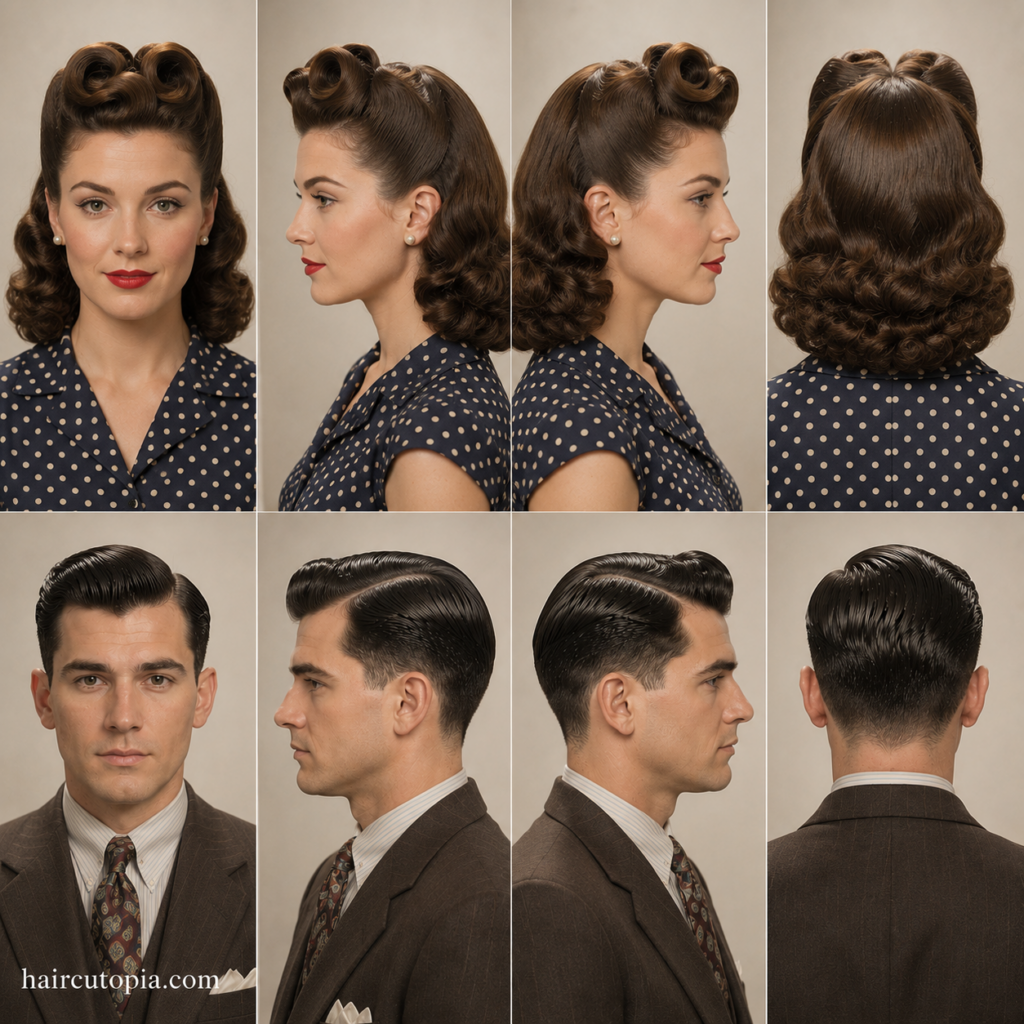
Haircuts created the foundation, but styling truly defined the decade.
Victory Rolls
No hairstyle represents the 1940s more than victory rolls.
Large sections of hair were rolled inward and pinned securely near the front or sides of the head.
Victory rolls became symbolic of optimism, patriotism, and feminine strength during World War II.
Today, they’re one of the most recognizable vintage hairstyles ever created.
Pin Curls
Pin curls remained a staple throughout the decade.
Women often set their hair overnight using:
- Bobby pins
- Hair clips
- Setting lotion
The resulting curls could be brushed into soft waves or incorporated into elaborate updos.
Hollywood Waves
Inspired by movie stars, Hollywood waves continued evolving during the 1940s.
Compared with the polished waves and curls seen throughout 1930s haircuts and hairstyles, the curls of the 1940s became slightly fuller while maintaining smooth, glamorous lines.
The look worked beautifully for evening occasions.
Pageboy Hairstyle
The pageboy featured:
- Shoulder-length hair
- Curled-under ends
- Smooth top
- Rounded silhouette
It became one of the most practical and elegant hairstyles of the era.
Rolled Updos
Women frequently pinned their hair into elegant rolls and buns.
These styles kept hair secure while creating a sophisticated appearance suitable for work or formal occasions.
Popular Men’s Haircuts of the 1940s
Men’s hairstyles reflected military standards while maintaining classic sophistication.
Classic Side Part
The timeless side part remained the most popular haircut.
Features included:
- Tapered sides
- Longer top
- Defined part
- Clean neckline
It suited nearly every occasion.
Military Cut
Military service introduced shorter, practical hairstyles.
These cuts emphasized:
- Clean appearance
- Easy maintenance
- Uniformity
- Sharp grooming
Many veterans continued wearing similar styles after the war.
Slick Side Part
Hair creams and pomades helped create polished side-part hairstyles with subtle shine.
Unlike heavily slicked looks from earlier decades, many styles appeared slightly softer.
Taper Haircut
Barbers perfected gradual tapering around the ears and neckline.
The result was clean, classic, and remains popular today.
Hollywood Stars Who Influenced Hairstyles
Hollywood remained the world’s biggest beauty influence.
Women frequently recreated hairstyles worn by stars such as:
- Rita Hayworth
- Veronica Lake
- Ingrid Bergman
- Lauren Bacall
- Gene Tierney
- Ava Gardner (late 1940s)
Meanwhile, men looked to actors including:
- Cary Grant
- Humphrey Bogart
- Gregory Peck
- Clark Gable
These celebrities helped define the polished appearance associated with the decade.
Veronica Lake and the Peek-a-Boo Hairstyle
One hairstyle became especially famous during the early 1940s.
Veronica Lake’s signature “peek-a-boo” hairstyle featured long waves covering one eye.
The glamorous look quickly became a fashion sensation.
However, during World War II, Lake encouraged women working in factories to wear safer hairstyles that kept hair away from machinery, helping popularize practical updos and victory rolls.
Hair Accessories of the 1940s
Accessories became both fashionable and practical.
Popular choices included:
- Scarves
- Hair snoods
- Decorative combs
- Flowers
- Bows
- Hair flowers
- Bobby pins
Scarves became particularly popular among working women because they protected hairstyles while keeping hair secure.
Hair Care During Wartime
Many beauty products became difficult to obtain because of wartime shortages.
Women became increasingly resourceful by:
- Setting their own curls
- Visiting salons less frequently
- Reusing styling products
- Learning home hairstyling techniques
Pin curls remained especially popular because they required minimal equipment.
Styling Products Used in the 1940s
Common beauty products included:
- Setting lotion
- Hair tonic
- Brilliantine
- Pomade
- Hair cream
- Hair spray (late decade)
These products helped maintain curls throughout the day.
Hairstyles and Fashion Worked Together
1940s fashion emphasized structured tailoring and feminine elegance.
Popular clothing included:
- Shoulder-padded jackets
- Pencil skirts
- Tea dresses
- Utility clothing
- Evening gowns
Fuller hairstyles balanced these strong fashion silhouettes perfectly.
Hats and Head Coverings
Although hats remained fashionable, scarves became even more practical.
Popular choices included:
- Headscarves
- Turbans
- Tilt hats
- Pillbox hats
- Snoods
These accessories complemented both casual and formal hairstyles.
The Lasting Influence of 1940s Hairstyles
The polished curls, structured volume, and carefully groomed silhouettes of the 1940s didn’t disappear when the decade ended. Instead, many of these ideas evolved into the fuller, increasingly glamorous 1950s haircuts and hairstyles that followed.
Examples include:
- Soft Hollywood curls
- Vintage waves
- Modern victory rolls
- Low chignons
- Shoulder-length blowouts
- Side parts
- Elegant updos
Bridal hairstyling often draws inspiration from this decade.
Choosing a 1940s Hairstyle Today
Vintage styles can flatter many face shapes.
Oval Faces
Almost every classic 1940s hairstyle works beautifully.
Try:
- Victory rolls
- Hollywood waves
- Pageboy styles
- Soft curls
Round Faces
Volume at the crown helps elongate facial features.
Square Faces
Soft curls and side parts help balance angular jawlines.
Heart-Shaped Faces
Medium-length styles with curls near the chin create visual balance.
Can You Wear a 1940s Hairstyle Every Day?
Absolutely.
Many modern hairstyles already incorporate elements from the decade.
Simple ways to embrace the look include:
- Soft curled ends
- Side parts
- Shoulder-length waves
- Low buns
- Vintage-inspired accessories
These subtle details bring classic elegance into everyday styling.
Frequently Asked Questions
What was the most popular hairstyle of the 1940s?
Victory rolls became one of the most recognizable hairstyles of the decade, followed closely by Hollywood waves, pin curls, and pageboy styles.
Why were victory rolls so popular?
They represented wartime optimism while offering a practical way to keep longer hair neatly styled.
Did women wear long hair in the 1940s?
Yes. Many women grew their hair to shoulder length or longer to create the curls, rolls, and updos that defined the era.
What haircut did most men have?
Classic tapered side-part haircuts were the most common, with shorter military-inspired cuts also becoming increasingly popular.
What products were used for styling?
Setting lotion, pomade, brilliantine, hair cream, and hair tonic were commonly used to maintain curls and polished finishes.
Are 1940s hairstyles still fashionable?
Definitely. Soft curls, vintage waves, elegant updos, and classic men’s side parts continue to influence modern hairstyling.
Final Thoughts
The hairstyles of the 1940s reflected a unique blend of practicality, resilience, and timeless glamour. Even during the challenges of wartime, people found creative ways to express themselves through polished curls, elegant updos, and impeccably groomed hair.
From the iconic victory rolls worn by women to the clean, classic side-part haircuts favored by men, the decade introduced styles that remain instantly recognizable today. Many modern wedding hairstyles, vintage-inspired looks, and everyday cuts still borrow elements from this remarkable era.
Whether you’re recreating an authentic 1940s hairstyle or simply exploring the history of hair fashion, the decade offers countless examples of style that continue to inspire generations.
Related Posts
 1950s Haircuts and Hairstyles: The Complete Guide to the Decade of Classic Glamour
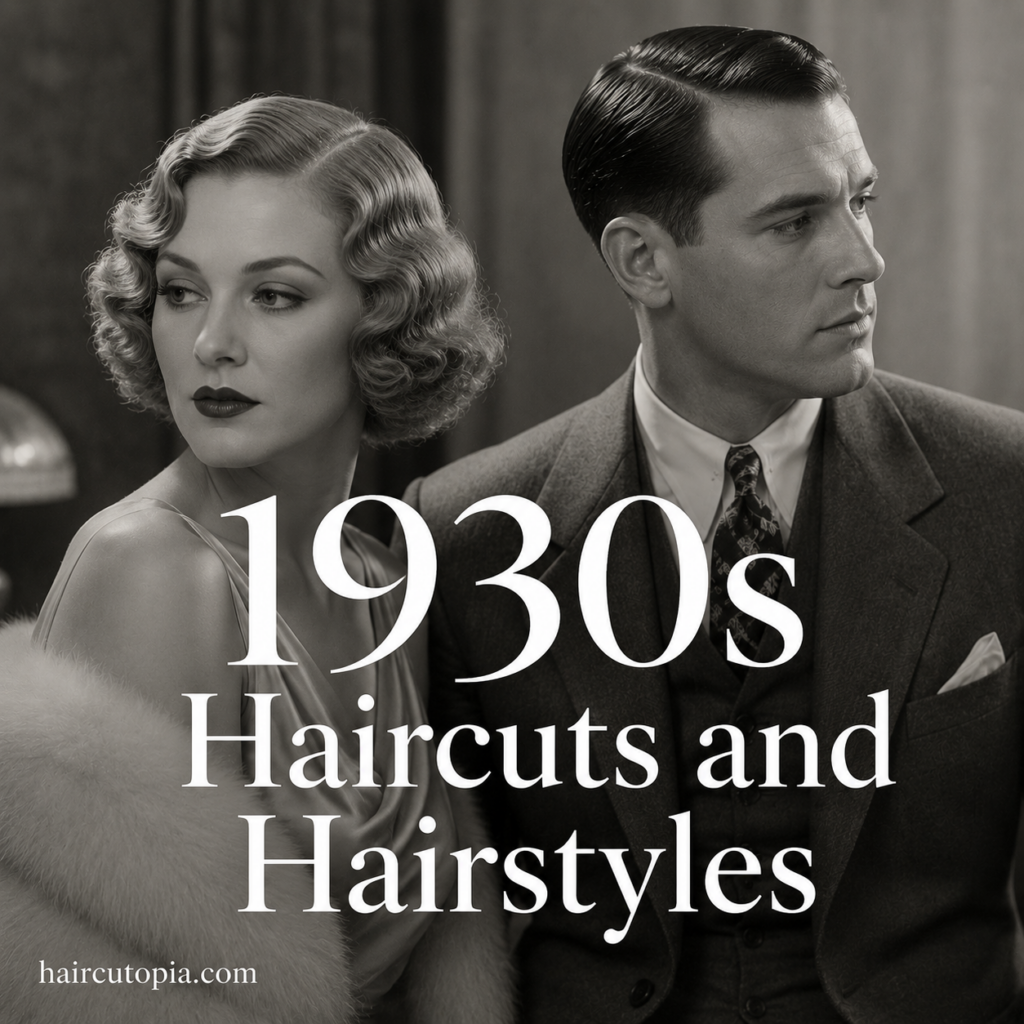 1930s Haircuts and Hairstyles: The Complete Guide to Elegant Vintage Hair Trends
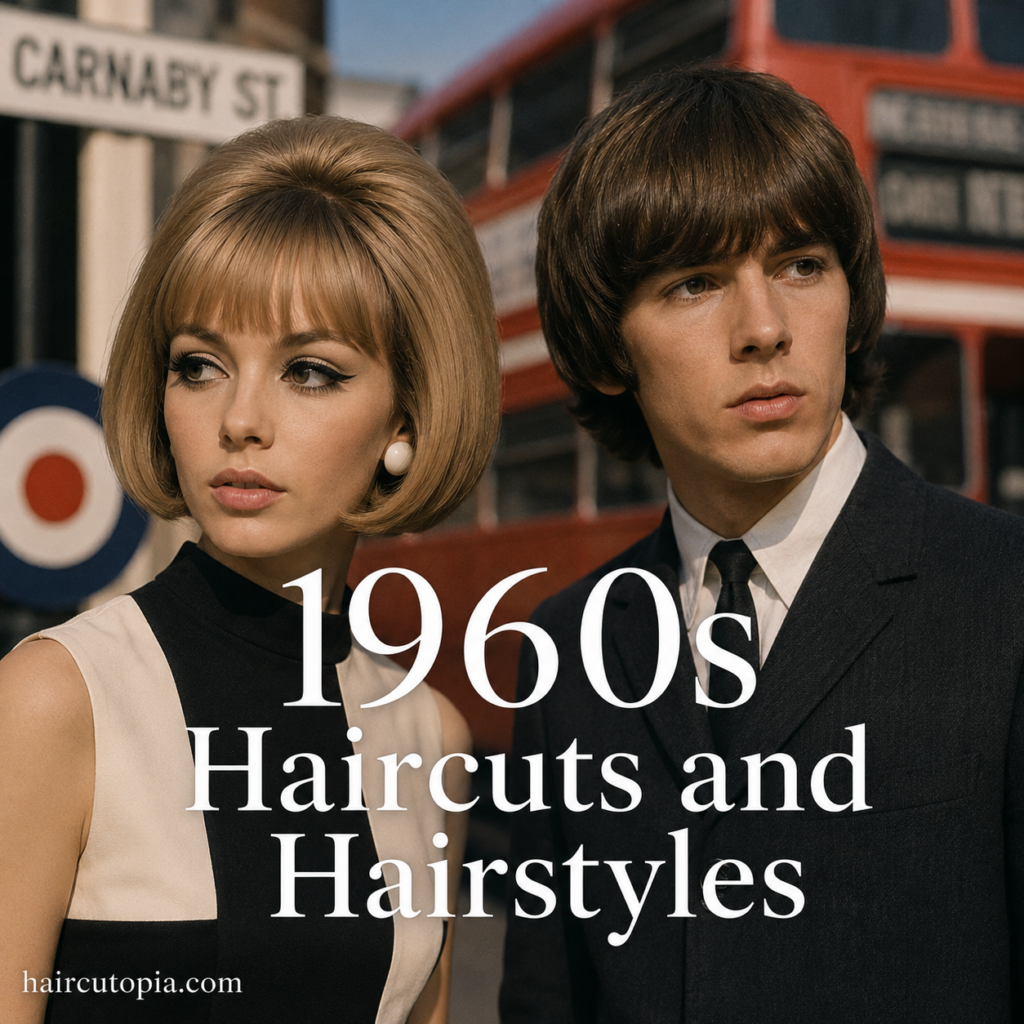 1960s Haircuts and Hairstyles: The Complete Guide to an Era of Volume, Mod Style, and Change
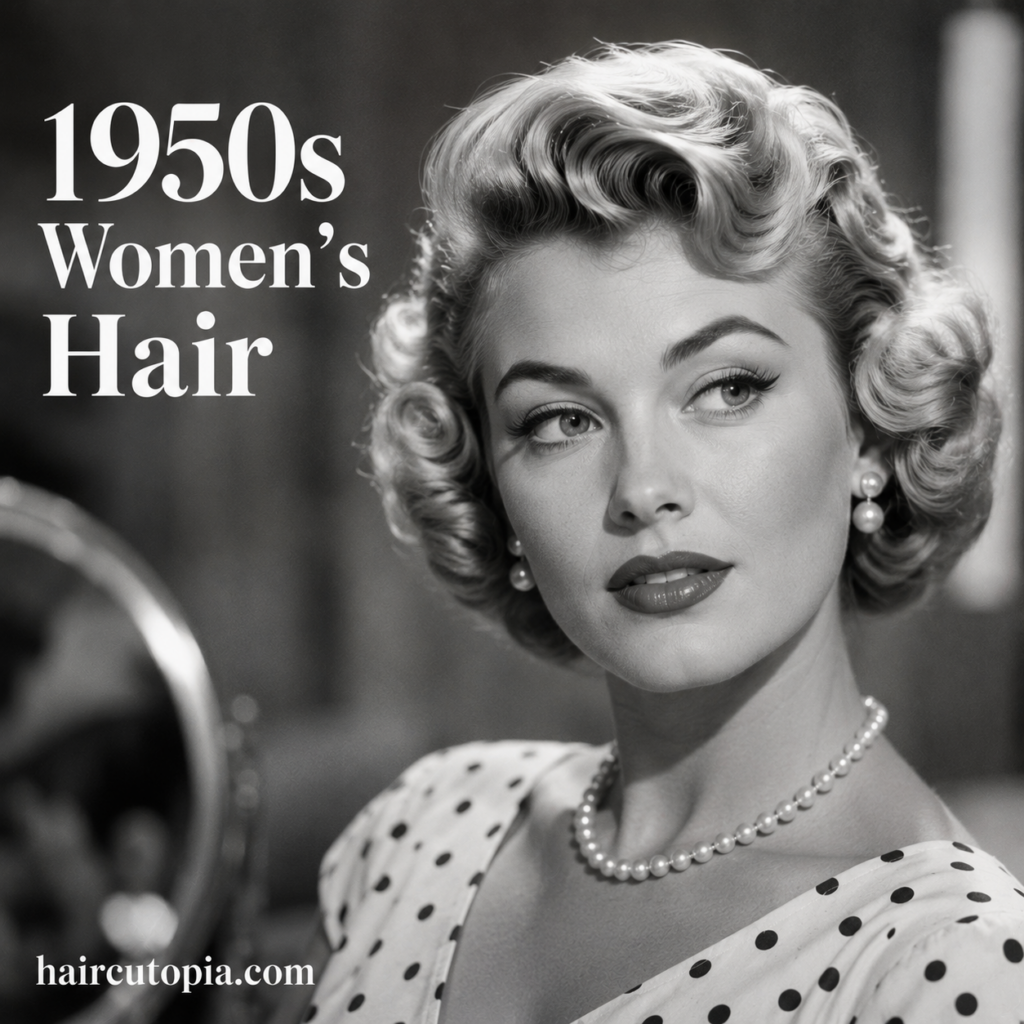 1950s Women’s Hair: The Glamorous Hairstyles That Defined an Era