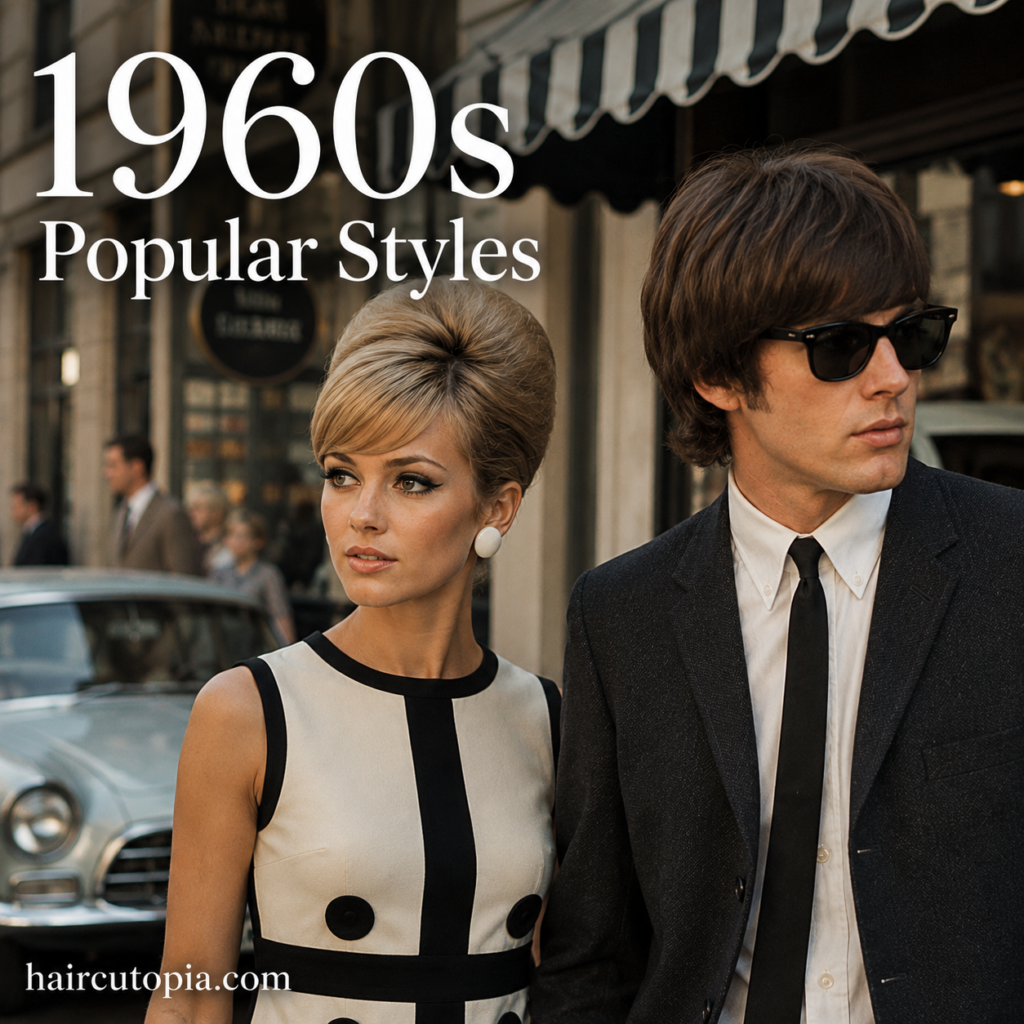
The 1960s was one of the most transformative decades in modern style. Fashion became bolder, hairstyles reached new heights, and beauty trends shifted alongside a rapidly changing culture. From polished Mod fashion to the free-spirited hippie movement, the decade introduced iconic looks that continue to inspire designers, hairstylists, and fashion lovers today.
Unlike previous eras that followed a single aesthetic, the 1960s embraced variety. Early styles focused on elegance and sophistication, while the late 1960s celebrated individuality, creativity, and self-expression.
Whether you’re exploring vintage fashion, researching historical trends, or looking for retro inspiration, here’s a complete guide to the most popular styles of the 1960s.
Why the 1960s Changed Style Forever
The decade wasn’t just about new clothes or hairstyles—it reflected major cultural shifts.
Several influences helped shape 1960s style:
- The British Invasion
- The Mod movement
- Hollywood films
- Television
- Rock and roll
- Youth culture
- The hippie counterculture
- Space Age design
For the first time, younger generations became major trendsetters, influencing fashion around the world.
The Evolution of 1960s Style
Fashion evolved dramatically throughout the decade.
Early 1960s (1960–1963)
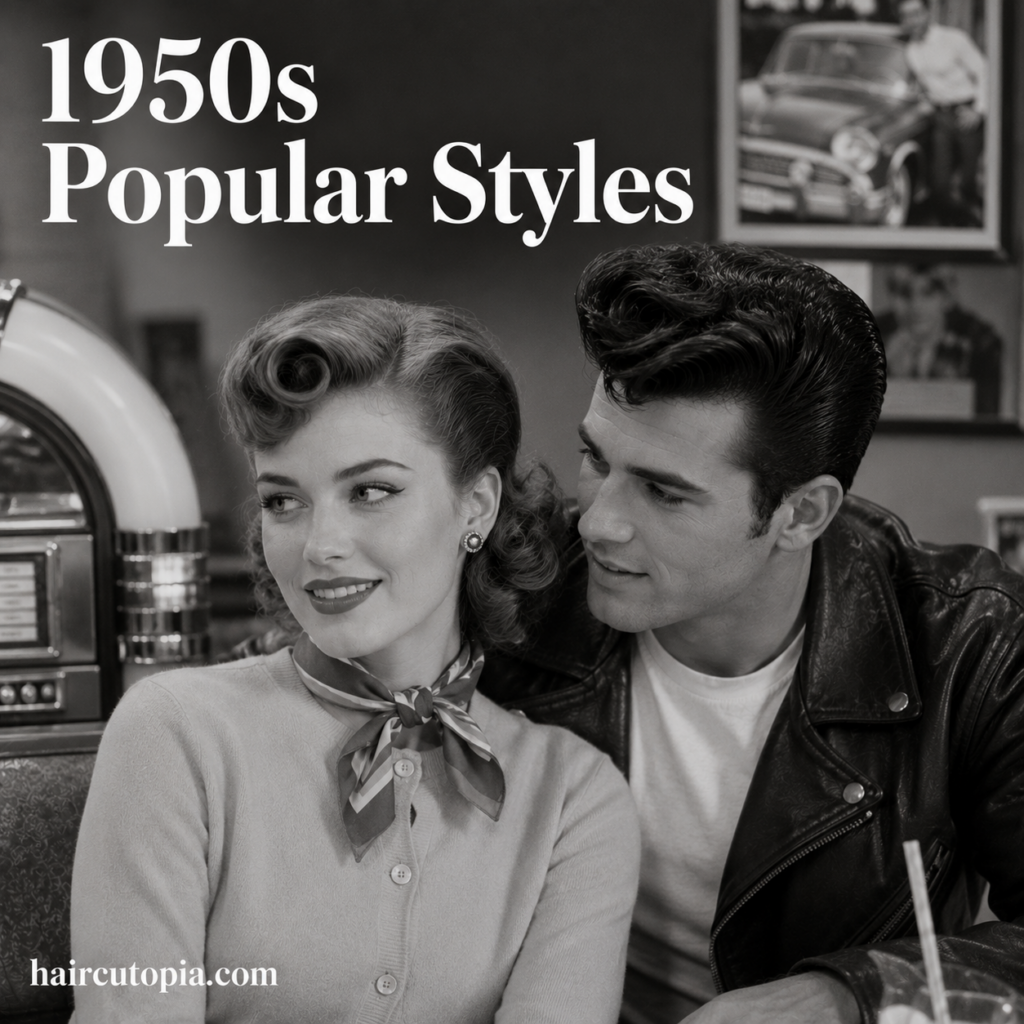
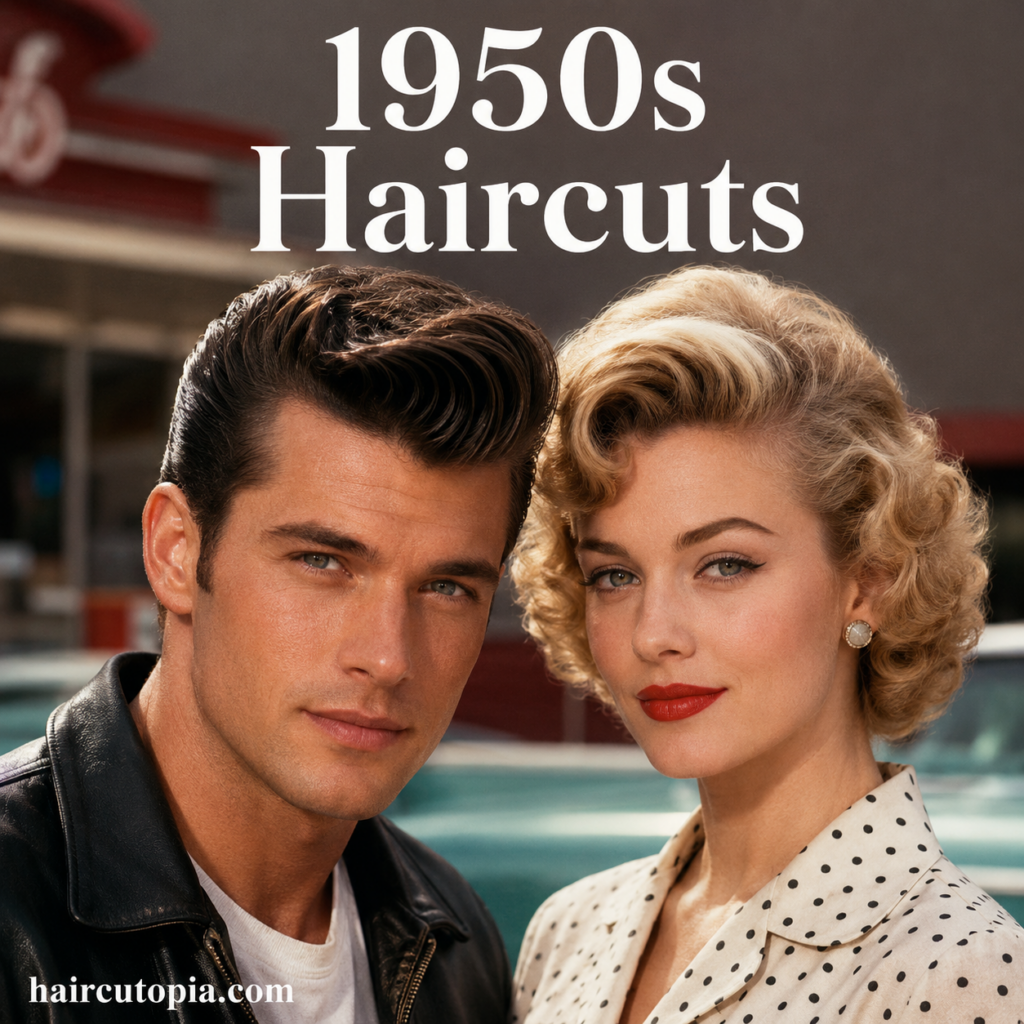
The beginning of the decade maintained many of the polished looks of the late 1950s.
Popular characteristics included:
- Tailored clothing
- Structured hairstyles
- Matching accessories
- Elegant dresses
- Conservative colors
Everything appeared refined and carefully coordinated.
Mid-1960s (1964–1966)
Style became more youthful and experimental.
Major trends included:
- Mod fashion
- Mini skirts
- Bold geometric prints
- Sleek hairstyles
- Bright colors
This period introduced many of the decade’s most recognizable looks.
Late 1960s (1967–1969)
Fashion became increasingly relaxed and expressive.
Popular trends included:
- Long flowing clothing
- Fringe
- Natural hairstyles
- Earth tones
- Handmade accessories
The hippie movement encouraged individuality over strict fashion rules.
Popular Women’s Fashion Styles
Mod Fashion
The Mod movement became one of the defining fashion trends of the decade.
Common features included:
- Mini dresses
- Shift dresses
- Bold patterns
- Monochrome color blocking
- Knee-high boots
- Clean silhouettes
Mod fashion remains one of the most recognizable styles of the 1960s.
Mini Skirts
The mini skirt transformed women’s fashion.
Its popularity reflected changing attitudes toward youth and self-expression.
Mini skirts were often paired with:
- Turtlenecks
- Colorful tights
- Tall boots
- Structured jackets
- Simple accessories
The look remains fashionable decades later.
Shift Dresses
Simple yet elegant, shift dresses became everyday essentials.
They featured:
- Straight silhouette
- Minimal waist definition
- Short sleeves or sleeveless designs
- Clean lines
- Comfortable fit
Their timeless design still appears in modern wardrobes.
Pants for Women
Women’s trousers became increasingly accepted throughout the decade.
Popular options included:
- Slim pants
- Cropped trousers
- High-waisted styles
- Wide-leg pants
- Casual denim
This trend reflected changing social expectations and greater freedom in everyday fashion.
Popular Men’s Fashion Styles
Men’s clothing also evolved considerably.
Slim-Fit Suits
Tailored suits became narrower and more modern.
Features included:
- Slim lapels
- Narrow trousers
- Fitted jackets
- Crisp shirts
- Thin ties
This look defined much of the decade’s formalwear.
Turtlenecks
Turtlenecks became a stylish alternative to dress shirts.
They paired well with:
- Blazers
- Sports coats
- Leather jackets
- Casual trousers
The clean, modern appearance complemented Mod fashion.
Casual Jackets
Everyday outerwear gained popularity.
Popular choices included:
- Harrington jackets
- Denim jackets
- Leather jackets
- Military-inspired coats
- Pea coats
Many remain wardrobe staples today.
The Biggest Hair Trends
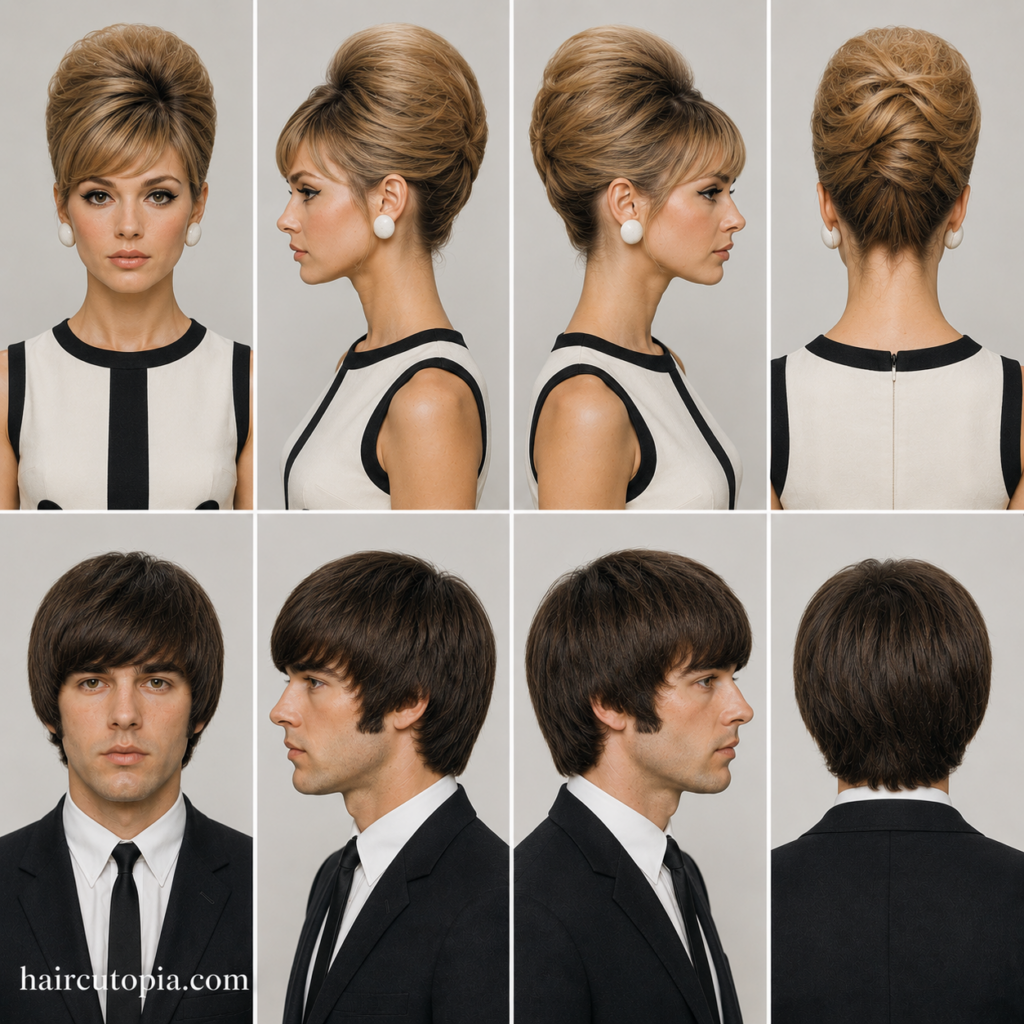
Hair evolved just as quickly as fashion.
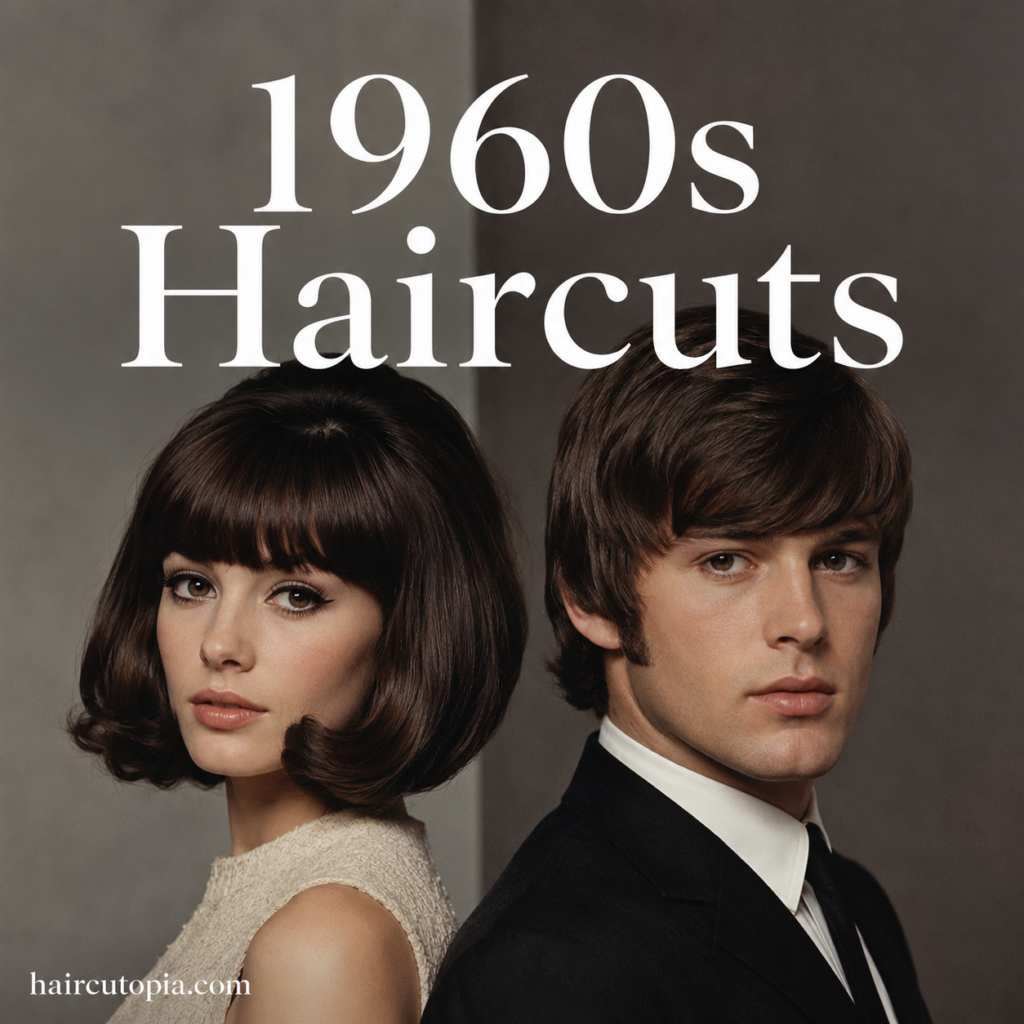
Women’s Hairstyles
Popular styles included:
- Bouffants
- Beehives
- Vidal Sassoon bobs
- Pixie cuts
- Flip hairstyles
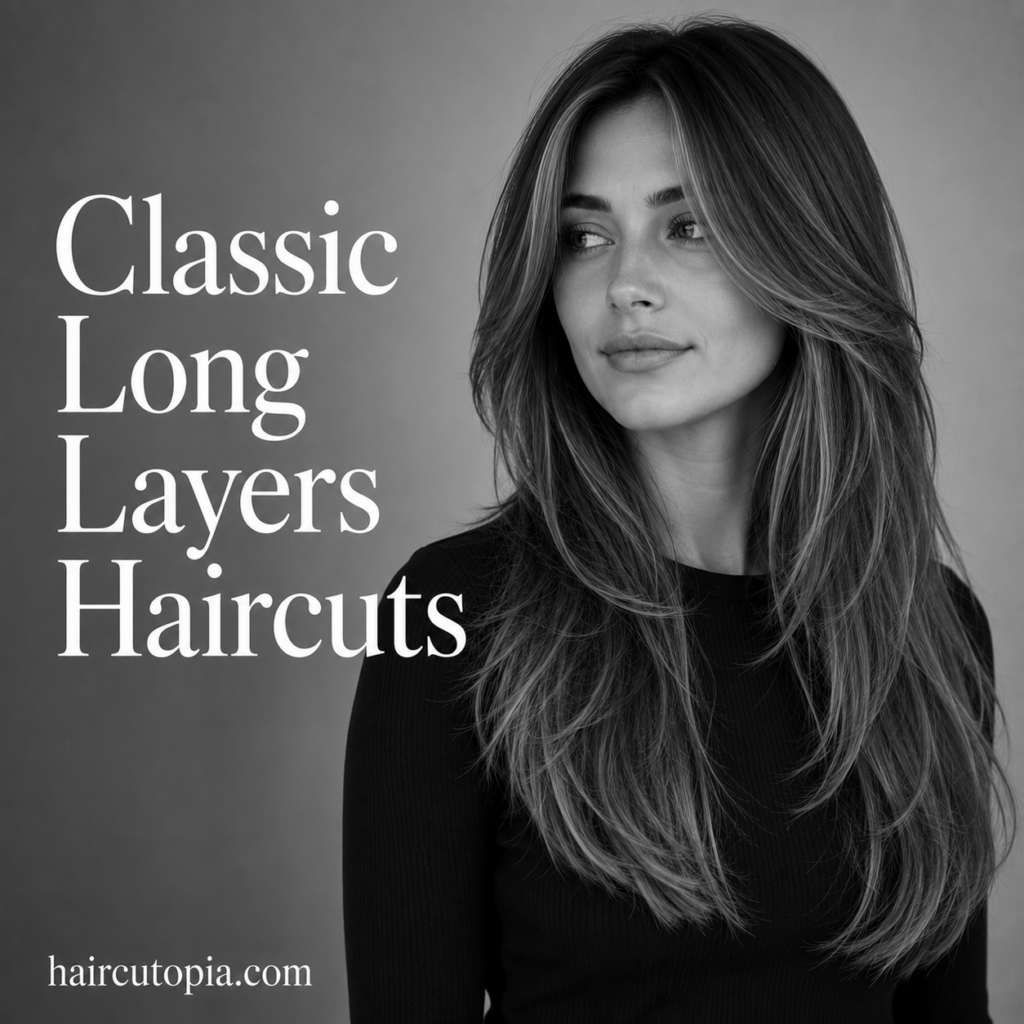
- Long center-parted hair
- Curtain bangs
The decade transitioned from polished volume to natural texture.
Men’s Hairstyles
Popular hairstyles included:
- Mop tops
- Side parts
- Ivy League cuts
- Longer layered hair
- Natural texture
Hair gradually became longer as the decade progressed.
Makeup Trends
The 1960s introduced several beauty trends that remain iconic.
Dramatic Eyes
Eye makeup became the focal point.
Popular techniques included:
- Thick eyeliner
- Winged liner
- False eyelashes
- Heavy mascara
- Defined lower lashes
The bold eye look became one of the decade’s signatures.
Pale Lips
Unlike the bold lips of the 1950s, the 1960s often favored softer shades.
Popular colors included:
- Nude
- Soft pink
- Peach
- Beige
This balanced the dramatic eye makeup.
Matte Skin
Natural-looking matte complexions were fashionable.
Foundation focused on:
- Even coverage
- Smooth finish
- Minimal shine
Popular Accessories
Accessories completed every outfit.
Popular choices included:
- Oversized sunglasses
- Pillbox hats
- Wide headbands
- Scarves
- White gloves
- Statement earrings
- Chunky bracelets
- Large handbags
Later in the decade, accessories became more bohemian.
Footwear Trends
Shoes reflected changing fashion throughout the decade.
Popular styles included:
Women’s Shoes
- Go-go boots
- Knee-high boots
- Low heels
- Mary Janes
- Ballet flats
Men’s Shoes
- Chelsea boots
- Loafers
- Oxford shoes
- Desert boots
Many remain timeless classics.
Popular Fabrics
Fashion designers experimented with both traditional and modern materials.
Popular fabrics included:
- Wool
- Cotton
- Silk
- Polyester
- Vinyl
- Velvet
- Suede
Synthetic fabrics became increasingly fashionable thanks to advances in textile manufacturing.
Colors That Defined the Decade
Early 1960s colors leaned toward classic elegance.
Popular shades included:
- Navy
- Cream
- Black
- White
- Beige
By the middle of the decade, brighter colors appeared.
Favorites included:
- Orange
- Lime green
- Mustard yellow
- Turquoise
- Pink
- Red
Late 1960s fashion shifted toward earthy tones such as:
- Olive green
- Brown
- Rust
- Gold
- Burgundy
Patterns That Became Popular
Prints became increasingly bold.
Common patterns included:
- Geometric shapes
- Polka dots
- Stripes
- Floral prints
- Psychedelic designs
- Color blocking
These patterns helped define the decade’s playful style.
The Rise of Mod Style
Mod fashion represented modernity and clean design.
Key characteristics included:
- Precision tailoring
- Bold colors
- Graphic prints
- Sleek hairstyles
- Minimal accessories
Its influence can still be seen in contemporary fashion.
The Hippie Movement’s Influence
By the late 1960s, fashion became far more relaxed.
Popular hippie-inspired styles included:
- Bell sleeves
- Fringe jackets
- Long dresses
- Denim
- Handmade jewelry
- Natural hairstyles
- Floral accessories
Comfort became just as important as appearance.
Celebrity Influence
Actors, musicians, and fashion icons quickly turned new looks into global trends.
They helped popularize:
- Mini skirts
- Bouffants
- Pixie cuts
- Mop tops
- Bold eye makeup
- Mod fashion
- Long natural hairstyles
Television and magazines spread these trends around the world.
Why 1960s Styles Are Still Popular
Many modern trends borrow directly from the 1960s.
Examples include:
- Curtain bangs
- Precision bobs
- Oversized sunglasses
- Mini skirts
- Chelsea boots
- Winged eyeliner
- Shift dresses
- Tailored suits
Rather than copying the decade exactly, today’s designers reinterpret these classics for modern lifestyles.
How to Wear 1960s Style Today
Adding vintage inspiration doesn’t require dressing head-to-toe in retro clothing.
Try incorporating one or two classic elements, such as:
- A sleek bob haircut
- Winged eyeliner
- A shift dress
- Chelsea boots
- A structured blazer
- A colorful headband
- A mini skirt
- Oversized sunglasses
Mixing vintage-inspired pieces with contemporary basics creates a timeless, wearable look.
Frequently Asked Questions
What style was most popular during the 1960s?
The decade featured several defining styles, including Mod fashion, mini skirts, shift dresses, bouffant hairstyles, mop tops, and the relaxed bohemian looks of the late 1960s.
Why did fashion change so much during the 1960s?
Rapid cultural changes, youth influence, music, television, and social movements encouraged experimentation and self-expression, leading to dramatic shifts in fashion and beauty.
What hairstyle best represents the 1960s?
The bouffant, beehive, Vidal Sassoon bob, and mop top are among the most iconic hairstyles associated with the decade.
What makeup trend defined the 1960s?
Bold eye makeup featuring winged eyeliner, thick lashes, and matte skin became one of the decade’s signature beauty looks.
Are 1960s styles still fashionable?
Yes. Many popular hairstyles, clothing silhouettes, boots, sunglasses, and makeup techniques continue to draw inspiration from the 1960s.
Final Thoughts
The 1960s was more than just a decade of memorable fashion—it was a period of creative freedom that reshaped the way people expressed themselves through clothing, hairstyles, and beauty. From the polished elegance of the early years to the bold Mod movement and the carefree spirit of the hippie era, every phase introduced trends that left a lasting mark on popular culture.
Today, those influences remain as relevant as ever. Whether it’s a sleek bob, a tailored suit, winged eyeliner, or a pair of Chelsea boots, the most popular styles of the 1960s continue to inspire modern fashion, proving that great style truly stands the test of time.