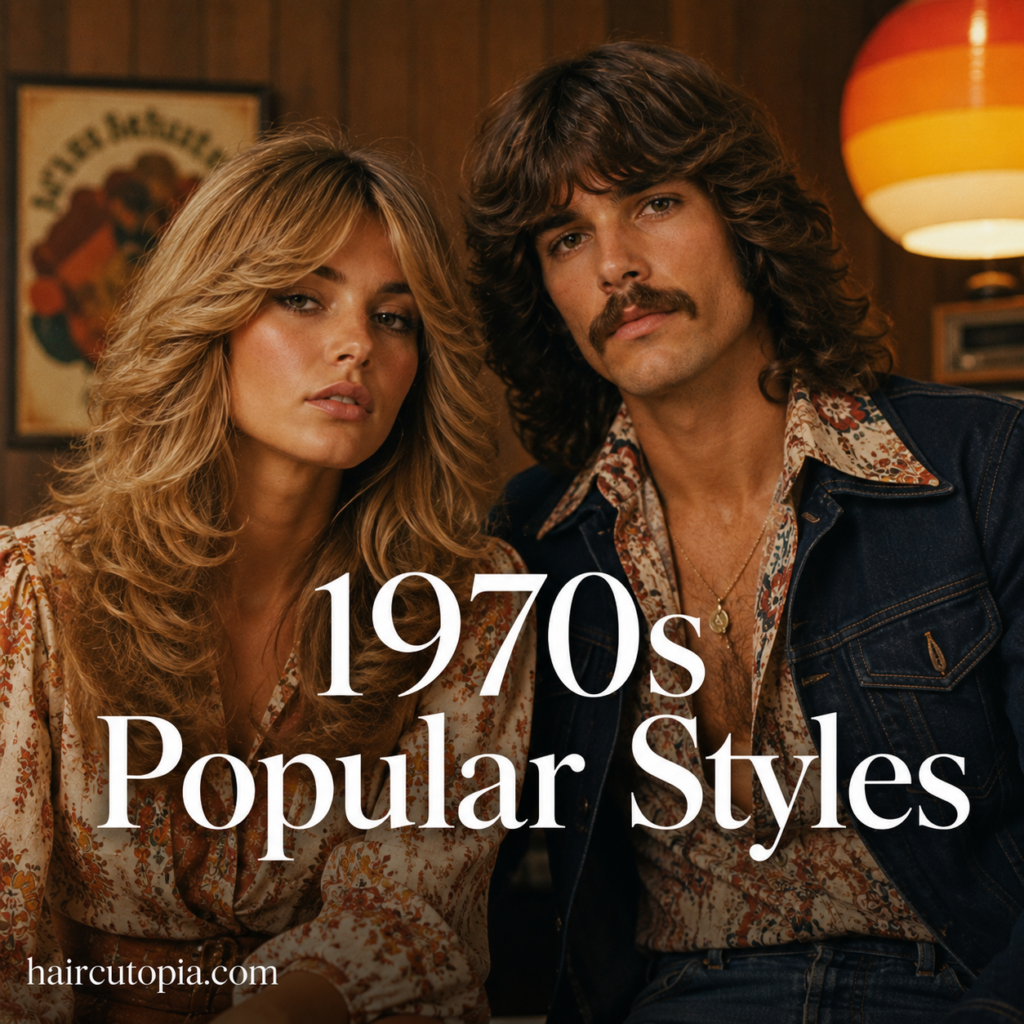
The 1970s were all about individuality. Fashion became more relaxed, music influenced everyday style, and hairstyles reflected a growing desire to look natural while still making a statement. Instead of one signature haircut dominating the decade, people embraced a wide variety of looks that ranged from glamorous disco blowouts to carefree bohemian waves.
Whether inspired by rock stars, Hollywood actors, television personalities, or the disco scene, the most popular hairstyles of the 1970s shared one thing in common: movement. Hair looked soft, textured, and full of life.
Many of these iconic styles have made a comeback, influencing modern trends like curtain bangs, butterfly cuts, wolf cuts, and layered blowouts.
In this guide, we’ll explore the most popular hairstyles of the 1970s, why they became cultural icons, and how they’re being reimagined today.
What Made 1970s Hairstyles So Popular?
Unlike previous decades that favored structured and highly polished hairstyles, the 1970s embraced individuality.
Several cultural influences helped shape the era:
- Disco music
- Rock and glam rock
- The hippie movement
- Hollywood films
- Television celebrities
- Natural beauty trends
- Advances in salon cutting techniques
Instead of chasing perfection, people wanted hairstyles that felt effortless and reflected their personality.
40 Popular Hairstyles From the 1970s
1. Feathered Hair
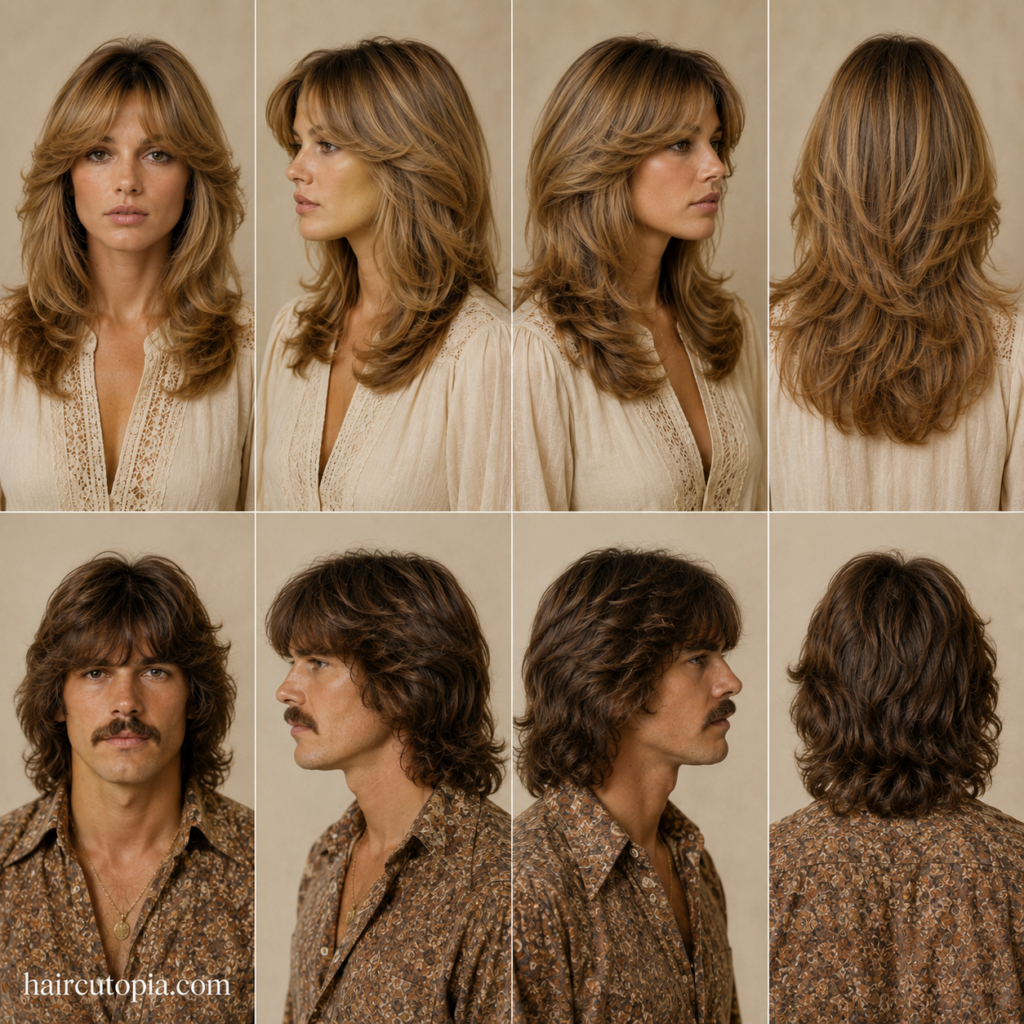
Feathered hair became the defining hairstyle of the decade.
Long layers were blow-dried away from the face to create soft, wing-like movement that looked glamorous without appearing overly styled.
Why it became so popular:
- Added volume naturally
- Flattered many face shapes
- Worked on medium and long hair
- Looked elegant with minimal effort
2. The Shag
The shag combined heavy layering with natural texture, creating one of the decade’s most recognizable hairstyles.
Key features included:
- Choppy layers
- Wispy fringe
- Lightweight movement
- Effortless styling
It’s still one of today’s most requested retro-inspired cuts.
3. Long Layered Hair
Long hair remained fashionable throughout the decade, but layers transformed it from simple to sophisticated.
Benefits included:
- More movement
- Less bulk
- Easier styling
- Better volume
4. Curtain Bangs
Curtain bangs framed the face beautifully while blending into longer layers.
Their versatility helped make them one of the decade’s lasting trends.
5. Afro Hairstyles
The afro became one of the most culturally important hairstyles of the era.
It celebrated natural texture while representing confidence, pride, and individuality.
6. Disco Blowouts
As disco clubs grew in popularity, glamorous blowouts became a favorite salon service.
These styles featured:
- Large volume
- Feathered ends
- High shine
- Soft movement
7. Long Center-Part Hair
A simple center part paired with long hair perfectly captured the relaxed bohemian aesthetic.
Often worn:
- Straight
- Slightly wavy
- Air-dried
- Naturally textured
8. Bohemian Waves
Loose waves reflected the carefree spirit of the hippie movement.
Popular accessories included:
- Scarves
- Headbands
- Flowers
- Braids
9. Curly Shags
Naturally curly hair paired beautifully with shag layering.
The result offered maximum texture with less weight.
10. The Wedge
Popularized by Dorothy Hamill, the wedge became one of the decade’s signature short hairstyles.
It featured:
- Rounded volume
- Stacked layers
- Easy maintenance
- Soft silhouette
11. Long Straight Hair
Minimal styling and healthy shine made long straight hair a timeless favorite.
12. The Flip
Hair flipped outward at the ends became another unmistakable trend.
Usually styled at shoulder length, it added playful movement.
13. Layered Blowouts
Professional blowouts emphasized healthy, flowing movement instead of stiff volume.
14. Soft Curls
Large brushed curls became especially popular during the disco years.
15. Wispy Bangs
Lightweight fringe softened the face while blending naturally into surrounding layers.
16. Face-Framing Layers
Strategic layering around the cheeks and jaw created flattering movement.
This technique remains popular today.
17. Natural Texture
Rather than forcing hair into one specific style, many people embraced their natural waves, curls, or coils.
18. Air-Dried Hair
Not every hairstyle required a blow dryer.
Natural air-dried texture became fashionable in everyday life.
19. The Pageboy
The pageboy softened during the 1970s with looser styling and curved ends.
20. Shoulder-Length Layers
This practical hairstyle balanced versatility with effortless style.
21. Glam Rock Hair
Rock musicians introduced dramatic layered hairstyles featuring:
- Razor-cut texture
- Long bangs
- Volume
- Controlled messiness
22. Rounded Curls
Rounded shaping emphasized fullness instead of length.
23. Hair Accessories
Simple accessories completed many hairstyles.
Popular choices included:
- Fabric headbands
- Scarves
- Barrettes
- Decorative clips
24. Salon Feathering
Professional stylists perfected feathered layering techniques that became synonymous with the decade.
25. Layered Bob
Classic bobs gained movement through soft internal layering.
26. Side-Part Volume
Although center parts dominated, side parts remained popular for elegant occasions.
27. Braided Details
Small accent braids added personality to long hairstyles without overwhelming the overall look.
28. The Soft Mullet
Early mullets featured subtle transitions and blended layers rather than dramatic contrasts.
29. Voluminous Crowns
Gentle teasing at the crown created height while maintaining softness.
30. Loose Updos
Formal hairstyles became increasingly relaxed, with soft tendrils framing the face.
31. Half-Up Hairstyles
Half-up styles offered an easy balance between casual and elegant.
32. Low Ponytails
Simple ponytails looked more polished when paired with feathered layers.
33. Healthy Shine
Conditioning treatments became increasingly popular as healthy-looking hair became a beauty priority.
34. Razor Cutting
Razor techniques produced softer edges and lighter movement.
Many modern layered styles continue to use similar methods.
35. Personalized Haircuts
Stylists began customizing hairstyles for each individual’s features instead of following rigid trends.
36. Rounded Natural Shapes
Balanced silhouettes became popular across all hair textures.
37. Layered Lobs
The long bob offered styling flexibility while maintaining enough length for feathering.
38. Romantic Volume
Soft, touchable volume became more desirable than perfectly sculpted hairstyles.
39. Everyday Blowouts
Many people visited salons regularly for signature feathered blowouts that lasted several days.
40. Individual Style
Perhaps the biggest trend wasn’t any one hairstyle.
The 1970s encouraged people to personalize their look, making self-expression the decade’s defining beauty statement.
Hair Colors That Complemented Popular 1970s Hairstyles
The decade also favored warm, natural-looking hair colors.
Popular shades included:
- Honey blonde
- Golden blonde
- Rich brunette
- Chestnut brown
- Copper red
- Natural black
- Sun-kissed highlights
Most colors enhanced natural depth instead of creating dramatic contrast.
Hair Types That Suited 1970s Hairstyles
One reason these styles remain timeless is their versatility.
Straight Hair
Ideal for:
- Feathered layers
- Long blowouts
- Curtain bangs
- Center parts
Wavy Hair
Perfect for:
- Bohemian styles
- Shags
- Air-dried texture
- Layered cuts
Curly Hair
Works beautifully with:
- Curly shags
- Rounded curls
- Layered styles
- Natural volume
Coily Hair
Excellent choices include:
- Afros
- Rounded cuts
- Protective braids
- Natural styling
Styling Tips for an Authentic 1970s Look
To recreate the decade’s effortless style:
- Apply volumizing mousse to damp hair.
- Blow-dry using a large round brush.
- Style layers away from the face.
- Add lightweight texture spray.
- Finish with flexible-hold hairspray.
- Avoid heavy products.
- Let your hair move naturally.
The goal is soft volume with plenty of movement.
Why 1970s Hairstyles Are Trending Again
Today’s hairstylists continue to revisit the decade because its techniques remain flattering and wearable.
Modern styles inspired by the 1970s include:
- Butterfly haircuts
- Curtain bangs
- Wolf cuts
- Feathered blowouts
- Textured shags
- Layered lobs
- Face-framing layers
Rather than recreating vintage styles exactly, modern versions use softer cutting techniques and lighter styling products.
Frequently Asked Questions
What was the most popular hairstyle of the 1970s?
Feathered hair was arguably the most recognizable hairstyle of the decade, followed closely by the shag, afro, long layered hair, and disco blowouts.
Why were layered hairstyles so popular?
Layers added movement, reduced bulk, and made hairstyles look fuller without appearing stiff or overly styled.
Did the 1970s favor natural hair?
Yes. The decade embraced natural waves, curls, coils, and texture more than previous eras, encouraging people to work with their hair rather than against it.
Are 1970s hairstyles still fashionable?
Absolutely. Many modern trends—including butterfly cuts, wolf cuts, curtain bangs, feathered layers, and textured shags—are directly inspired by 1970s hairstyles.
How can I modernize a 1970s hairstyle?
Choose softer layers, lighter feathering, and natural movement while avoiding excessive teasing or heavy hairspray. This creates a contemporary version of a timeless style.
Final Thoughts
The popularity of 1970s hairstyles wasn’t driven by one haircut—it was fueled by a new way of thinking about beauty. People embraced movement, texture, natural volume, and hairstyles that reflected their individuality rather than strict fashion rules.
That spirit continues to influence modern hairstyling. From feathered layers and shag cuts to afros, curtain bangs, and soft blowouts, the decade’s most iconic looks remain just as stylish today as they were more than 50 years ago.
Whether you’re looking for a subtle vintage update or a full retro transformation, the most popular hairstyles of the 1970s offer timeless inspiration for every hair type and personal style.