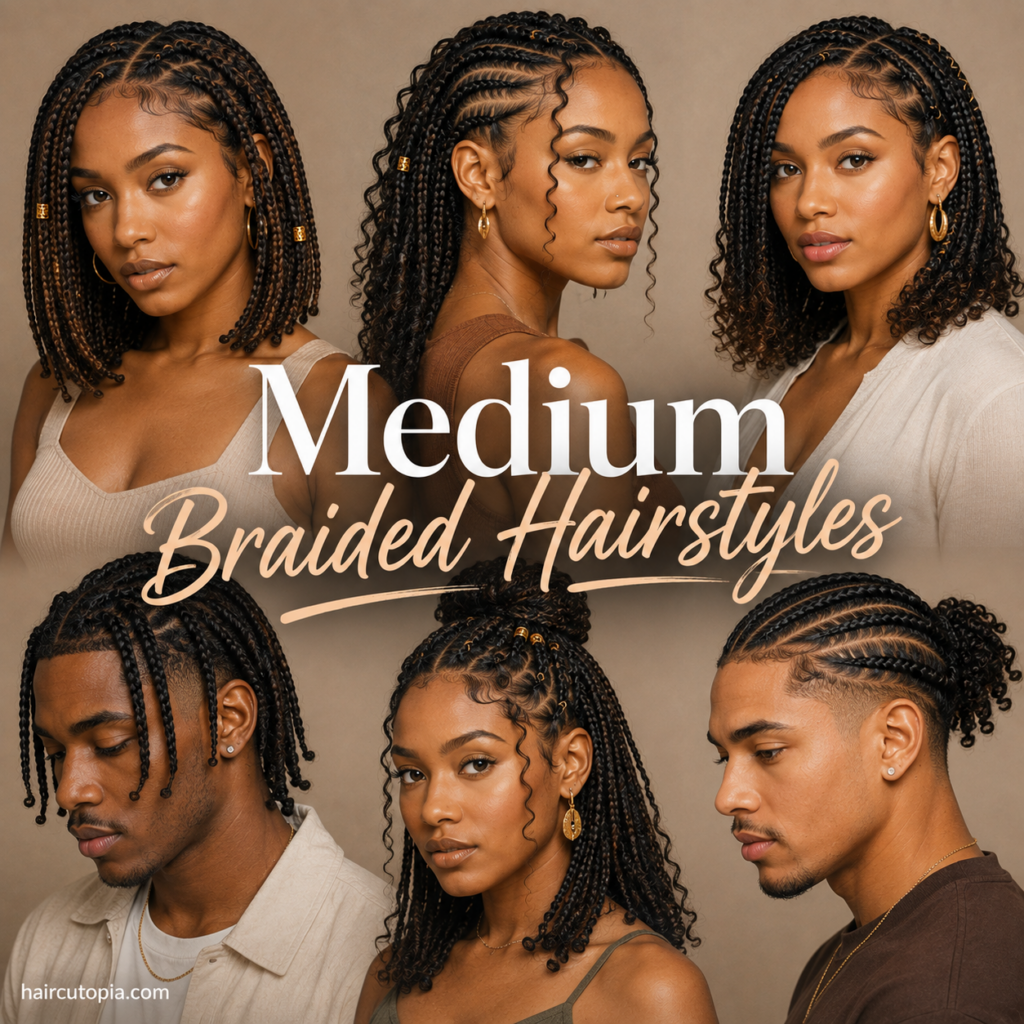
Medium-length hair sits in a pretty convenient spot when it comes to braids. There’s enough length to experiment with different patterns and shapes, but not so much hair that every braided style becomes heavy or difficult to manage.
That opens up a lot of possibilities.
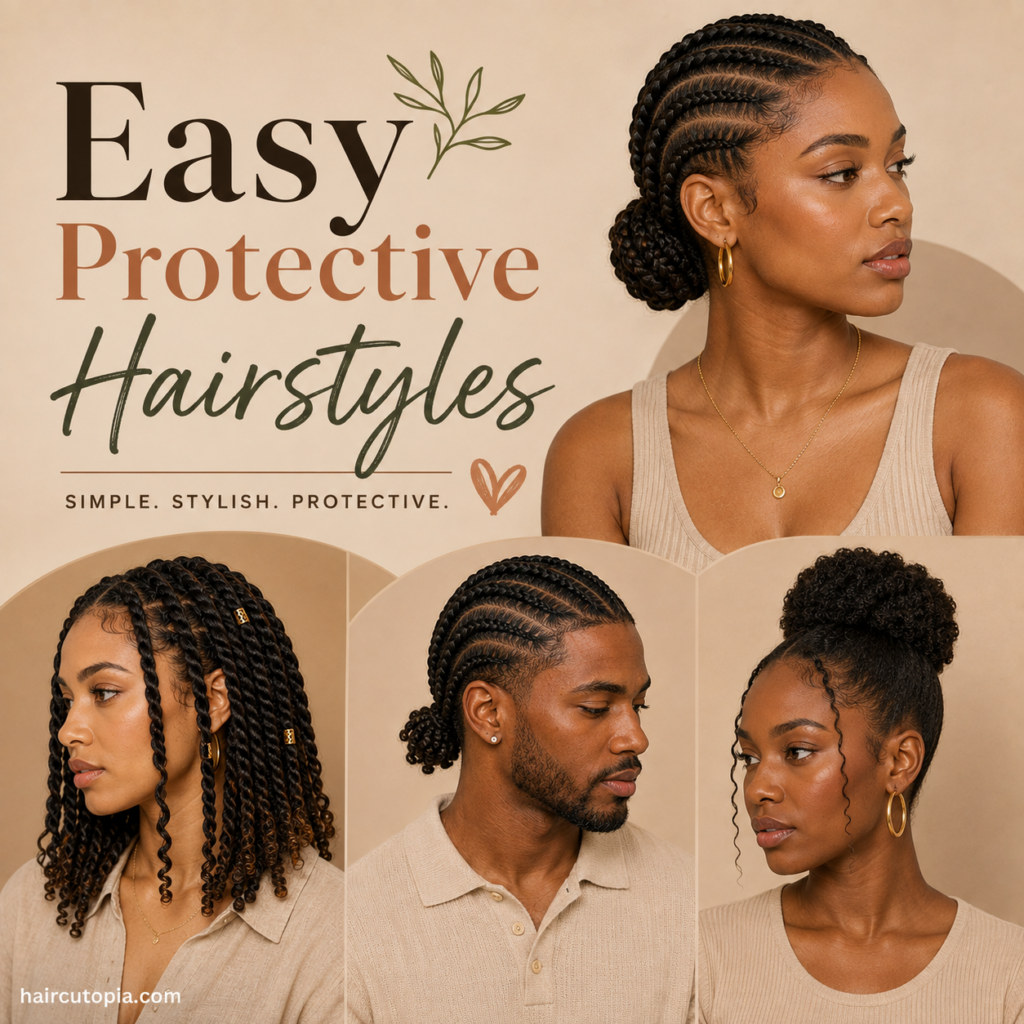
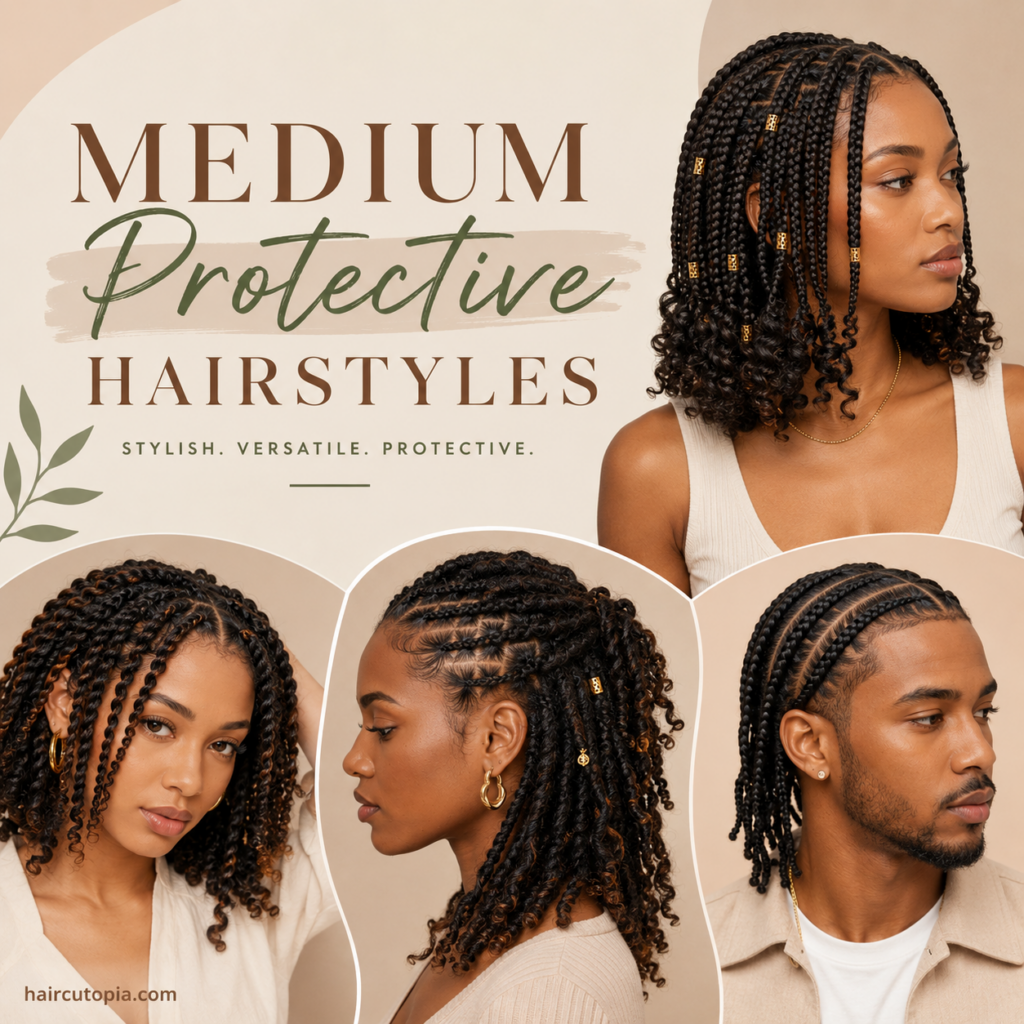
You can keep things simple with a loose side braid, create something more structured with cornrows, or completely change your look with box braids, knotless braids, twists, and braided updos. Medium braids also give you enough length to play with ponytails and half-up styles without necessarily committing to extra-long extensions.
Whether you’re looking for an everyday hairstyle or something more distinctive, here are some of the best medium braided hairstyles to consider.
Why Medium-Length Hair Is Great for Braids
Medium hair offers a balance that shorter and very long hairstyles don’t always have.
There’s usually enough length to hold a braid securely and create visible texture, while the finished hairstyle remains relatively easy to manage. If extensions are involved, you can add enough length for movement without the weight that comes with waist-length or hip-length braids.
Medium braids can also be surprisingly versatile.
Depending on the style, you may be able to wear them:
- Down and loose
- In a ponytail
- Half-up
- Side-swept
- Pinned back
- In a low bun
- With accessories
The exact options depend on your natural length, braid size, and whether you’re using extensions.
Best Medium Braided Hairstyles
There are dozens of ways to approach braided medium-length hair. Some styles emphasize individual braids, while others use scalp braiding or combine loose texture with braided sections.
Here are some ideas to get you started.
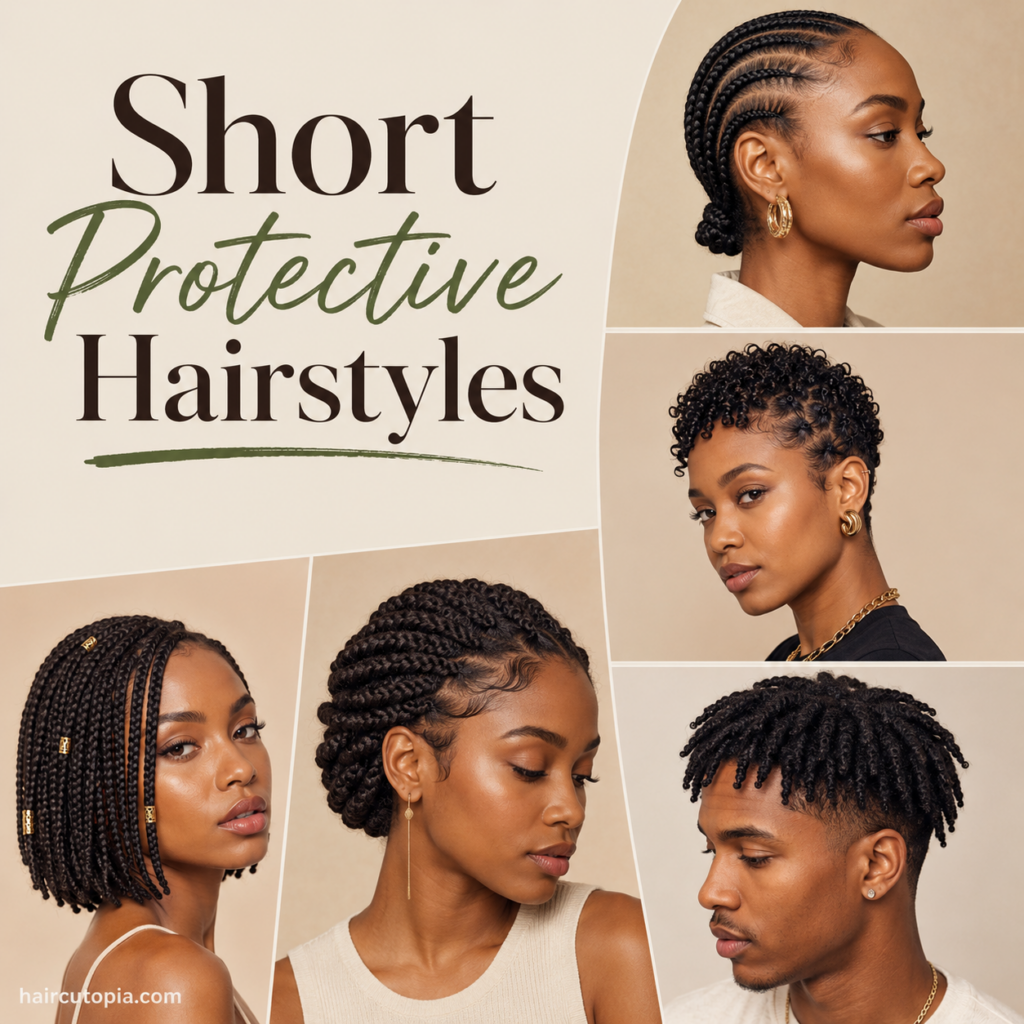
1. Medium Box Braids
Box braids are a classic for a reason.
At medium length, they have plenty of movement without becoming overly heavy. You can keep them around shoulder length or let them fall a few inches below the shoulders for more styling flexibility.
Medium box braids also give you plenty of options when it comes to braid thickness.
Small braids create more movement and detail, while larger box braids make the individual sections more noticeable.
Try them with a center part for symmetry or sweep the braids to one side for a softer shape.
2. Medium Knotless Braids
Knotless braids offer a similar look to traditional box braids but use a different installation technique at the root.
Extension hair is gradually incorporated into the braid, creating a smoother transition from the natural hair.
At medium length, knotless braids can feel particularly versatile because they’re long enough to move and style but still relatively manageable.
Wear them loose, pull a few sections back, or create a half-up hairstyle when you want a change.
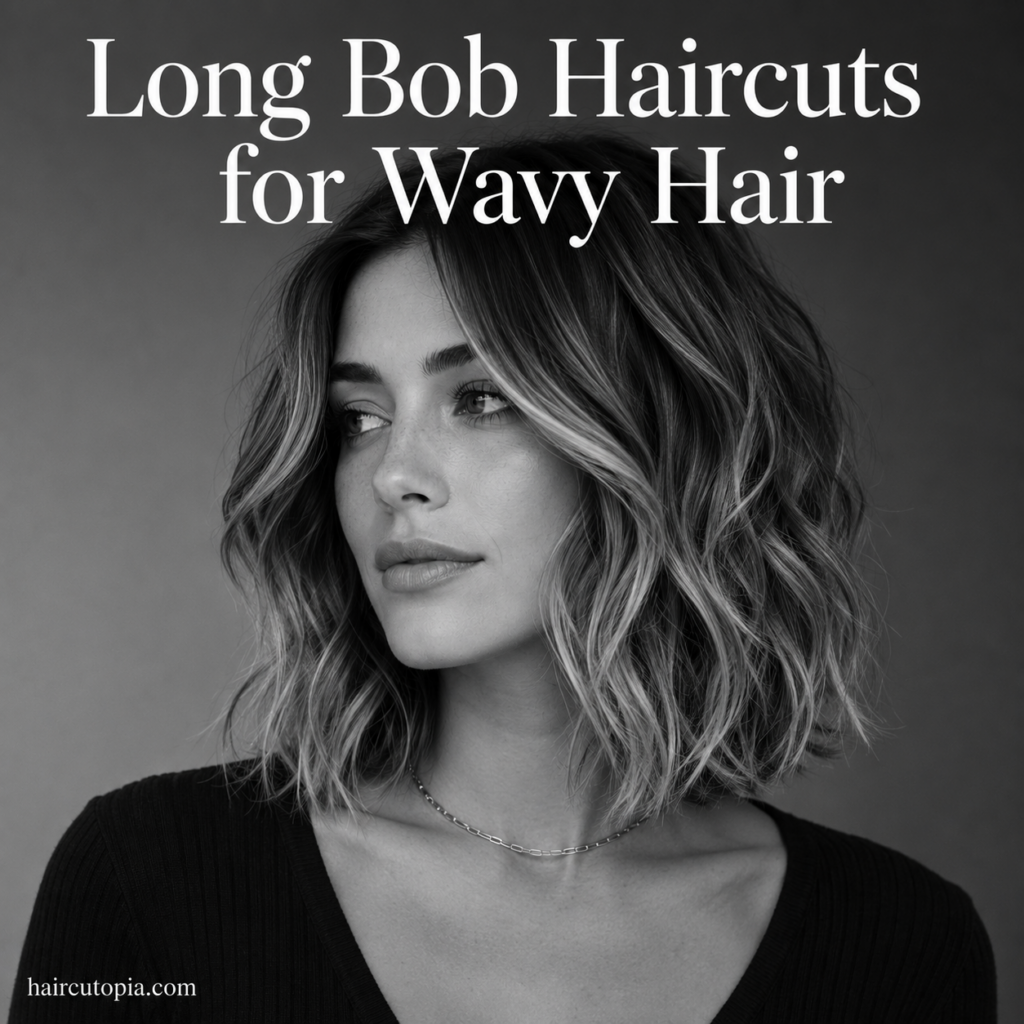
3. Medium Braided Bob
A braided bob doesn’t have to stop at the chin.
A longer version that sits near or just below the shoulders gives you the clean shape of a bob with a little more movement.
This can work especially well with box braids or knotless braids.
For a more defined silhouette, keep the ends fairly even. If you prefer something less structured, subtle variation in braid length can create a softer finish.
4. Medium Cornrows
Cornrows are one of the most adaptable braided hairstyles because the design itself can become part of the look.
Straight-back cornrows are the classic option, but they’re only the beginning.
You can experiment with:
- Curved sections
- Zigzag parts
- Alternating braid sizes
- Side-swept patterns
- Geometric designs
- Center-parted cornrows
Medium-length hair also gives you the option of leaving some braided length loose at the back rather than keeping everything close to the scalp.
5. Cornrows Into Loose Braids
If you like the definition of cornrows but want more movement, combine the two.
The hair can begin as cornrows at the scalp before transitioning into individual braids.
This creates an interesting contrast between structured sections near the head and freely moving braids through the lengths.
It’s also a great opportunity to experiment with creative parting patterns.
6. Medium Fulani Braids
Fulani-inspired hairstyles often combine scalp braids with individual hanging braids and decorative details.
At medium length, you can keep the overall shape compact while still having enough braid length for beads, cuffs, or other accessories.
A central braid or defined middle section can become the focal point, while smaller braids frame the face.
Because there are many variations of this style, the final look can range from understated to highly detailed.
7. Medium Braids With Curly Ends
You don’t have to braid every strand all the way down.
Leaving the ends loose and curly adds another texture to the hairstyle and creates a softer finish.
This technique works particularly well with:
- Knotless braids
- Box braids
- Individual braids
- Boho-inspired braids
The curls can begin only at the tips or higher up the length depending on how much contrast you want.
8. Boho Braids
Boho braids mix traditional braiding with loose, flowing pieces of hair.
Instead of every strand being neatly contained, curls or waves are intentionally left outside some of the braids.
The result feels less uniform and more relaxed.
Medium length is particularly well suited to this style because the loose pieces can frame the face and shoulders without creating an overwhelming amount of volume.
Just keep in mind that loose curly sections may require more maintenance than fully braided hair.
9. Medium Goddess Braids
Goddess-style braids combine structured braiding with softer curly or wavy elements.
Depending on the variation, loose pieces may appear throughout the braids or mainly around the ends.
At medium length, the combination creates noticeable texture without requiring extremely long hair.
A few carefully placed curls around the face can also soften the overall look.
10. Medium Braided Ponytail
A ponytail instantly changes the silhouette of braided hair.
If your braids are long enough, gather them into a mid-height or low ponytail. You can leave the ponytail simple or wrap a few braids around the base to conceal the hair tie.
This is useful when you want your braids away from your face without putting them into a full updo.
For a more structured version, cornrows can feed directly into the ponytail.
11. Half-Up Medium Braids
Half-up hairstyles are especially easy to create with medium braids.
Gather the top portion of your braids and secure them while leaving the rest loose.
You can turn the upper section into:
- A small ponytail
- A bun
- A knot
- A clipped-back section
It’s a simple change, but it can make the same set of braids look completely different.
12. Medium Braided Bun
Medium braids can often be gathered into a bun without creating the oversized shape associated with very long extensions.
A low braided bun tends to be the easiest option because it doesn’t require as much length.
You can keep it polished or allow a few braids to fall naturally around the face.
This makes it easy to transition braided hair from casual daytime styling to something more dressed up.
13. Side-Swept Braids
Sometimes changing the part is enough to transform the hairstyle.
A deep side part gives medium braids an asymmetrical shape and creates more volume on one side.
This works particularly well with individual box braids, knotless braids, and twists.
You can also pin one side behind the ear to emphasize the contrast.
14. Medium Micro Braids
Micro braids create a finer, more fluid texture than standard braids.
Because each braid is small, the finished hair can have a lot of movement. Medium length keeps that movement while avoiding the sheer amount of hair involved in very long micro-braided styles.
The downside is installation and removal time.
The smaller the braids, the more patience the process generally requires.
15. Medium Two-Strand Twists
Technically twists aren’t traditional three-strand braids, but they’re often considered alongside braided hairstyles because they offer many of the same styling possibilities.
Two-strand twists create a rope-like texture that can feel softer and less structured than box braids.
Medium twists can be worn around the shoulders or slightly below.
You can also vary their size depending on whether you want something delicate or more substantial.
16. Medium Passion Twists
Passion twists have a deliberately loose, textured appearance.
Instead of looking perfectly uniform, they combine twisted sections with a slightly undone finish.
At medium length, they can create plenty of volume without becoming too heavy.
They’re especially appealing if you prefer hairstyles that feel relaxed rather than sharply structured.
17. Medium Braids With Beads
Accessories can make a familiar braided hairstyle feel completely new.
Beads work especially well with medium-length braids because they’re visible without having to travel all the way down very long hair.
Try:
- Wooden beads
- Clear beads
- Metallic beads
- Neutral colors
- Bright statement colors
You can add them to every braid or use them selectively.
A few carefully placed beads often create more impact than decorating everything.
18. Medium Braids With Hair Cuffs
Hair cuffs offer another way to add detail without changing the braid itself.
Small metallic cuffs can be placed around individual braids at different points.
Gold and silver are popular choices, but the right finish depends on your personal style and other accessories.
For a subtle look, add only a few. For something more decorative, distribute them throughout the hairstyle.
19. Braided Crown With Medium Hair
Medium-length hair often provides enough length to create a more complete crown braid than shorter cuts.
The braid can wrap partially or completely around the head, depending on your hair length and the technique used.
A slightly loose crown braid feels soft and romantic, while a tighter version creates a cleaner, more polished shape.
Leaving a few face-framing strands loose can make the style feel more relaxed.
20. Dutch Braids
Dutch braids are created by crossing sections underneath rather than over one another, which makes the braid appear raised from the scalp.
One large Dutch braid can create a bold central feature, while two Dutch braids give you a balanced, sporty look.
Medium hair is usually long enough to show the braid pattern clearly while still keeping the ends manageable.
You can keep the braids neat or gently loosen the outer sections for additional fullness.
21. French Braids
French braids are another classic option for medium hair.
A single French braid is simple and practical, while two braids can create a more casual everyday look.
They’re also useful when you don’t want extensions or a long-term braided style.
Wear the braids for the day, take them out later, and you may be left with additional texture through the hair.
22. Braided Half-Up Crown
If a full crown braid feels too formal, try a half-up version.
Small sections from each side can be braided toward the back and joined together while the remaining hair stays loose.
This works especially well with wavy or curly medium hair because the braid adds structure without hiding the natural texture.
It can also be dressed up easily with small clips or other accessories.
Medium Braided Hairstyles for Different Hair Textures
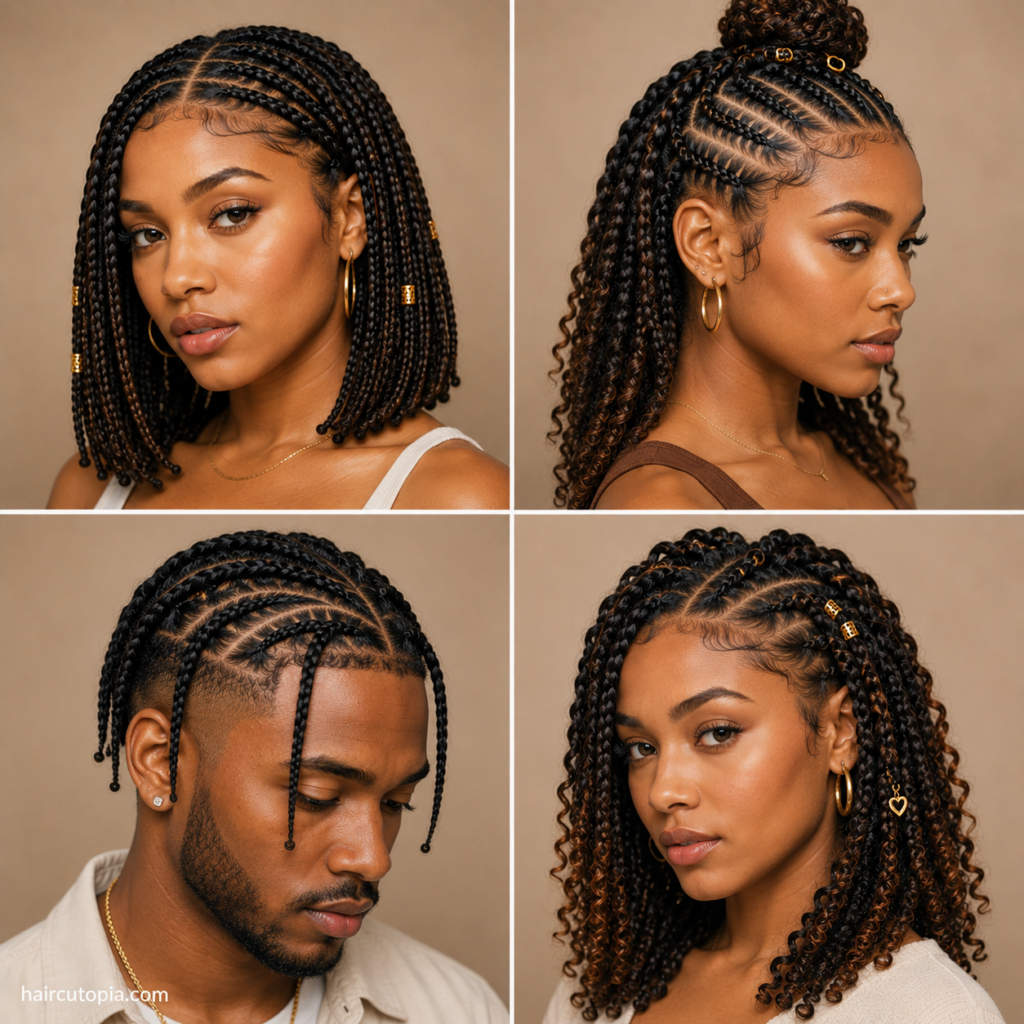
Hair texture affects how braids behave, how easily they stay in place, and which techniques may work best.
Straight Hair
Straight hair can create very smooth, defined braids.
French braids, Dutch braids, braided crowns, and smaller accent braids can all work well at medium length.
Very silky hair may need some additional grip to prevent sections from slipping while braiding.
Wavy Hair
Wavy hair naturally complements looser braided styles.
Half-up braids, side braids, crown braids, and intentionally relaxed styles allow some of the natural wave pattern to remain visible.
You don’t necessarily need to smooth every section before braiding.
A little natural texture can make the finished style more interesting.
Curly Hair
Medium curly hair gives you plenty of opportunities to combine structured braids with loose curls.
You might braid the sides while leaving the rest curly, create several small accent braids, or incorporate curls into a half-up braided style.
The contrast between textures can become the main feature.
Coily Hair
Coily hair works beautifully with many medium braided styles, including box braids, knotless braids, cornrows, twists, and Fulani-inspired looks.
Extensions can add length or volume when desired, but many styles can also be created using natural hair.
The best approach depends on your hair’s length, density, condition, and the style you’re trying to achieve.
How to Choose a Medium Braided Hairstyle
With so many options, narrowing things down can be harder than finding ideas in the first place.
A few practical considerations can help.
Decide How Long You Want the Style to Last
There’s a big difference between a French braid you wear for one day and individual braids designed to remain in place much longer.
Think about whether you want a temporary hairstyle or something you won’t have to redo every morning.
Consider the Weight
Extensions add more than length. They add weight.
If you prefer a lighter hairstyle, choose medium length and avoid using more extension hair than necessary.
This is particularly important if your natural hair is fine or your hairline is sensitive.
Choose Your Braid Size
Braid size changes both the appearance and maintenance of the style.
Smaller braids create more movement but generally require more installation time.
Larger braids make a stronger visual statement and can be quicker to install, although the amount of hair used in each section should still be appropriate for your natural hair.
Think About Your Daily Routine
If you exercise frequently, work outdoors, or simply don’t want hair around your face, choose a braided style that can easily be tied back.
If you usually wear your hair down, a loose medium-length braided style may be more comfortable.
The best hairstyle is one that fits your actual routine.
How to Care for Medium Braided Hairstyles
Braids reduce daily styling, but your natural hair and scalp still need care.
Protect Your Braids While Sleeping
Use a satin or silk bonnet, scarf, or pillowcase to reduce friction overnight.
This can help keep the braid surface smoother and prevent unnecessary frizz.
Keep Your Scalp Clean
Your scalp continues producing natural oils and collecting sweat even when your hair is braided.
Clean it as needed using a method appropriate for your hair and braid type.
Focus on the scalp rather than aggressively rubbing the braided lengths together.
Avoid Excessive Product Buildup
It’s tempting to keep adding oils and styling products when wearing braids.
Too much product can create buildup around the roots and scalp.
Use what your hair actually needs rather than applying heavy layers every day.
Pay Attention to Your Hairline
Braids should feel secure, not painfully tight.
If the style is pulling excessively around your edges, temples, or scalp, don’t ignore it simply because the braids look neat.
Reducing unnecessary tension is more important than making every braid appear perfectly tight.
Remove Braids Carefully
Take your time when removing individual braids or extensions.
After wearing braids for an extended period, you’ll naturally see shed hair during removal. Detangling gently before washing can make the process easier and reduce unnecessary breakage.
How to Style Medium Braids Differently
One of the biggest advantages of medium-length braids is that you don’t have to wear them exactly the same way every day.
Once they’re installed, experiment with different arrangements.
You might try:
- Wearing everything loose with a center part.
- Switching to a deep side part.
- Pulling the upper section into a half-up ponytail.
- Creating a small half-up bun.
- Gathering the braids into a low ponytail.
- Pinning one side behind your ear.
- Adding a few beads or cuffs.
Small changes can make the hairstyle feel fresh without requiring an entirely new set of braids.
Are Medium Braided Hairstyles High Maintenance?
It depends on the style.
A simple French or Dutch braid is temporary and may need to be recreated each time you wear it. Box braids, knotless braids, twists, and cornrows can last considerably longer but require scalp care and nighttime protection.
Styles with loose curls or waves may also need more maintenance because those sections aren’t fully contained inside the braids.
Overall, medium-length braids tend to be fairly manageable because they provide enough length for versatility without creating the weight and tangling that can come with extremely long styles.
Finding the Right Medium Braided Hairstyle
Medium-length hair gives you a lot of room to experiment.
You can go structured with cornrows, classic with box braids, lightweight with knotless braids, relaxed with boho braids, or keep things simple with a French or Dutch braid using your natural hair.
You can also change the entire feel of a style through small details. Braid thickness, parting patterns, curls, beads, cuffs, and even where the hair falls around your shoulders can make a noticeable difference.
Most importantly, choose something that works with your hair and your routine.
A beautiful braided hairstyle shouldn’t only look good when you leave the salon. It should also be comfortable, manageable, and something you genuinely enjoy wearing.
With medium hair, finding that balance is often easier than you might expect.