
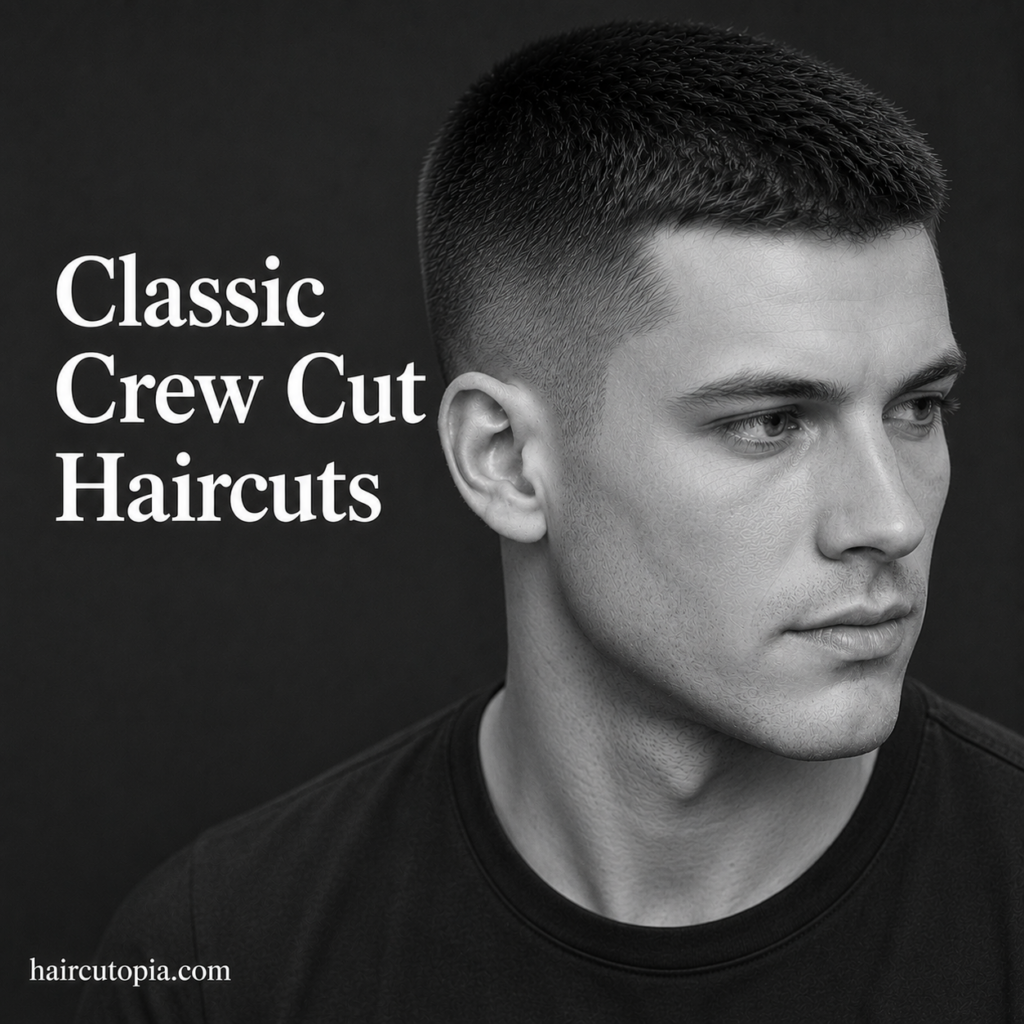
Some hairstyles come and go with changing trends. Others become permanent fixtures in men’s grooming because they simply work. The classic crew cut belongs firmly in the second category.
For decades, the crew cut has been one of the most trusted hairstyles for men. It’s clean, masculine, easy to maintain, and versatile enough to fit almost any lifestyle. From military personnel and athletes to business professionals and students, countless men have relied on the classic crew cut to deliver a sharp appearance without unnecessary complexity.
While modern barbering has introduced countless variations, fades, and textured styles, the classic crew cut continues to hold its place as one of the most timeless haircuts ever created.
In this guide, we’ll explore everything you need to know about classic crew cut haircuts, including popular variations, styling tips, maintenance requirements, and why this iconic hairstyle remains relevant today.
What Is a Classic Crew Cut?
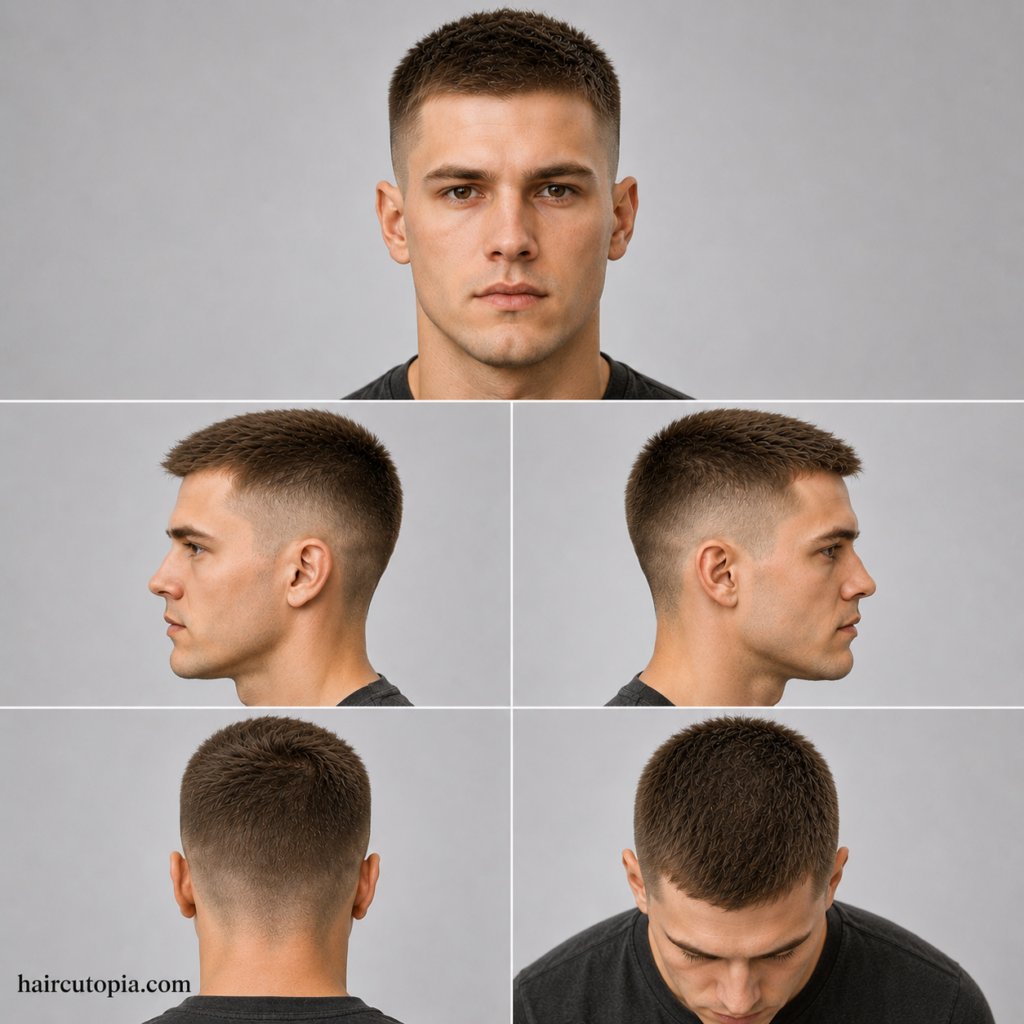
A classic crew cut is a short men’s haircut featuring shorter sides and back with slightly longer hair on top.
Unlike many modern hairstyles that rely on dramatic fades or excessive styling, the classic crew cut focuses on simplicity, balance, and clean proportions.
Key characteristics include:
- Short sides and back
- Slightly longer top
- Clean neckline
- Structured silhouette
- Minimal styling requirements
The haircut creates a neat, polished appearance that works across a wide range of personal and professional settings.
The History of the Crew Cut
The crew cut has a rich history dating back more than a century.
The style became especially popular among university rowing teams, where athletes preferred practical haircuts that stayed neat during competition. The term “crew cut” is widely believed to have originated from these rowing crews.
Its popularity expanded significantly through military adoption, where short, practical hairstyles became the standard.
Over time, the haircut evolved beyond its athletic and military roots and became a mainstream style embraced by men of all ages.
Today, it remains one of the most recognizable haircuts in the world.
Why Classic Crew Cuts Never Go Out of Style
Few hairstyles have demonstrated the staying power of the crew cut.
Timeless Appearance
The haircut has looked good for generations and continues to look good today.
Professional Appeal
Crew cuts project confidence, discipline, and professionalism.
Easy Maintenance
The style requires far less upkeep than many modern hairstyles.
Universal Versatility
Crew cuts work with casual clothing, business attire, and formal wear.
Suitable for Most Men
The haircut adapts well to various face shapes and hair types.
Traditional Classic Crew Cut
The traditional crew cut remains closest to the original version that made the style famous.
The sides are neatly tapered while the top maintains enough length for subtle structure.
Why Men Choose It
- Timeless appearance
- Minimal maintenance
- Professional finish
- Easy barber communication
This remains the standard against which other crew cut variations are measured.
Classic Crew Cut with Taper
A taper creates a gradual transition from the top toward the neckline and sideburns.
Rather than exposing the scalp, the hair shortens naturally and smoothly.
Benefits
- Conservative appearance
- Clean grow-out phase
- Workplace-friendly style
- Long-lasting shape
Many barbers consider the taper the most traditional crew cut finish.
Classic Crew Cut with Low Fade
Modern barbering has introduced fade variations while preserving the essence of the classic crew cut.
A low fade begins near the ears and neckline, creating a subtle transition.
Advantages
- Contemporary look
- Sharp appearance
- Clean silhouette
- Easy maintenance
This style blends classic structure with modern refinement.
Short Classic Crew Cut
The short crew cut focuses on practicality and simplicity.
The overall length remains short while maintaining the traditional crew cut proportions.
Why It Works
- Minimal styling
- Quick maintenance
- Athletic appearance
- Clean profile
This version is popular among busy professionals and active individuals.
Ivy League Crew Cut
The Ivy League is often considered the most refined evolution of the classic crew cut.
The top remains slightly longer and can be styled with a side part or brushed neatly to the side.
Why It’s Popular
- Sophisticated appearance
- Business-friendly styling
- Versatile look
- Timeless elegance
Many professionals view the Ivy League as the ideal balance between style and practicality.
Crew Cut with Side Part
Adding a side part introduces additional structure and polish.
The side part helps organize the haircut while preserving the clean characteristics of a classic crew cut.
Benefits
- Professional image
- Clean styling
- Enhanced definition
- Traditional appearance
This variation works particularly well in formal settings.
Crew Cut with Beard
Pairing a classic crew cut with facial hair creates a balanced masculine look.
The structured haircut contrasts nicely with the texture of the beard.
Popular Pairings
- Light stubble
- Short boxed beard
- Corporate beard
- Medium beard
Maintaining clean beard lines enhances the overall appearance.
Best Face Shapes for Classic Crew Cuts
One reason the crew cut remains so popular is its versatility across facial structures.
Oval Faces
Almost every crew cut variation works well.
Square Faces
The haircut complements strong jawlines and angular features.
Round Faces
Slight height on top can create additional definition.
Diamond Faces
Crew cuts balance prominent cheekbones and facial proportions.
Long Faces
Moderate top length and balanced sides typically create the best results.
Best Hair Types for Crew Cuts
Classic crew cuts adapt well to different hair textures.
Straight Hair
Straight hair highlights the haircut’s clean structure.
Thick Hair
Thick hair provides natural density and fullness.
Fine Hair
Shorter lengths can make fine hair appear thicker.
Wavy Hair
Natural waves add subtle character while maintaining a polished appearance.
How to Ask Your Barber for a Classic Crew Cut
Communication is key to achieving the desired result.
When speaking with your barber, mention:
- Desired top length
- Taper or fade preference
- Hairline considerations
- Maintenance goals
- Styling preferences
Reference photos can help ensure both you and your barber have the same vision.
How to Style a Classic Crew Cut
One of the greatest strengths of the classic crew cut is its simplicity.
Step 1: Start with Clean Hair
Freshly washed hair provides the best foundation.
Step 2: Apply Product (Optional)
Popular options include:
- Matte clay
- Styling cream
- Light pomade
- Texture paste
Many classic crew cuts require little or no product.
Step 3: Maintain a Natural Finish
The goal is a clean, effortless appearance rather than an overly styled look.
Maintenance Requirements
Crew cuts are among the easiest hairstyles to maintain.
Regular Haircuts
Schedule trims every:
- 2–3 weeks for fades
- 3–5 weeks for classic crew cuts
- 4–6 weeks for tapered versions
Keep the Neckline Clean
A sharp neckline preserves the haircut’s polished appearance.
Wash Regularly
Healthy hair always looks and styles better.
Avoid Excessive Product
Too much product can make a simple haircut look overly complicated.
Common Mistakes to Avoid
Even timeless hairstyles benefit from proper maintenance.
Waiting Too Long Between Haircuts
Overgrown crew cuts quickly lose their clean shape.
Using Too Much Product
The classic crew cut should appear natural and effortless.
Ignoring Face Shape
Small adjustments can make a significant difference in overall balance.
Choosing Extreme Variations
The classic crew cut thrives on moderation and clean proportions.
Why Barbers Still Recommend Classic Crew Cuts
Barbers continue recommending crew cuts because they consistently deliver excellent results.
The style:
- Works for most ages
- Suits nearly every profession
- Requires little maintenance
- Complements various face shapes
- Adapts to different hair types
- Never feels outdated
Few haircuts offer such broad appeal.
Classic Crew Cut vs Modern Crew Cut
Many men wonder whether they should choose a traditional or modern version.
Classic Crew Cut
- Conservative appearance
- Minimal styling
- Traditional proportions
- Timeless appeal
Modern Crew Cut
- More texture
- Fade variations
- Contemporary styling
- Increased personalization
Both are excellent choices, but the classic crew cut remains the benchmark for simplicity and versatility.
Who Should Choose a Classic Crew Cut?
This hairstyle works particularly well for:
- Business professionals
- Students
- Athletes
- Military personnel
- Frequent travelers
- Men seeking low-maintenance grooming
- Anyone wanting a timeless haircut
Its adaptability makes it one of the safest haircut choices available.
Final Thoughts
Classic crew cut haircuts have earned their reputation as one of the greatest men’s hairstyles of all time. They offer a rare combination of simplicity, professionalism, versatility, and timeless style that few other haircuts can match.
Whether you choose a traditional taper, an Ivy League variation, a low fade adaptation, or a simple short crew cut, the core appeal remains the same: a clean, masculine haircut that looks sharp in virtually any situation.
For men seeking a hairstyle that never goes out of fashion, the classic crew cut continues to stand above the rest.
Related Posts
 Professional Buzz Cut Haircuts: Clean, Polished Styles for the Modern Workplace
 High Fade Haircuts for Teen Boys: Modern Styles That Always Look Fresh
 Long Textured Crop Haircuts: 25 Modern Styles for Men Who Want More Length
 French Crop Haircuts for Curly Hair: Stylish, Low-Maintenance Looks with Natural Texture